Fish Species in the Green River Below Flaming Gorge
It's incredibly frustrating to plan a fishing trip to an iconic destination like the Green River below Flaming Gorge, only to feel overwhelmed by what might be swimming beneath the surface. You've heard tales of incredible trout, but what kinds of trout, and are there other fish to consider? This guide is here to demystify the aquatic residents of this legendary river, helping you understand the diverse species you might encounter and how that knowledge can make your next angling adventure a true success.
The Green River's Blue Ribbon Status and Its Trout Foundation
The Green River, particularly the 28-mile stretch below Flaming Gorge Dam, isn't just famous; it's practically a legend among anglers. This section is designated as a Blue Ribbon fishery, a title reserved for waters offering exceptional fishing experiences, often due to high fish populations, large fish, or unique species. And let me tell you, when you visit, you'll quickly understand why. It's a testament to incredible management and a truly unique ecosystem that supports a thriving population of game fish, primarily trout. The cold, clear water released from the bottom of Flaming Gorge Reservoir creates an ideal, year-round environment for these species.
Rainbow Trout: The River's Staple
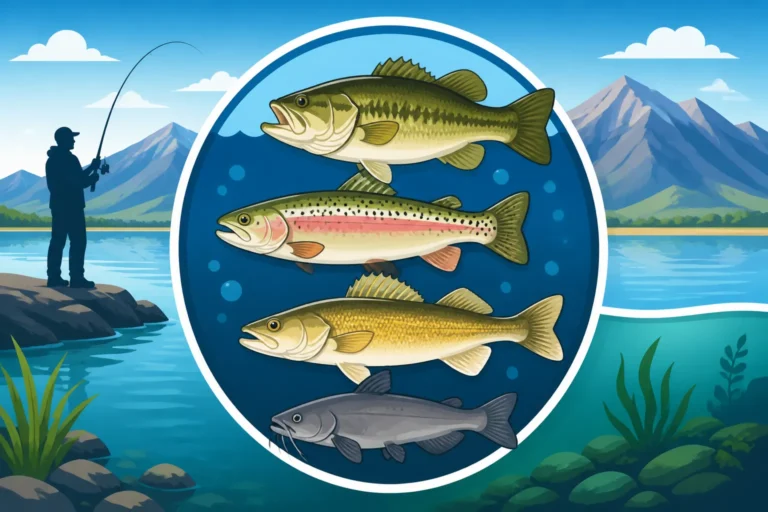
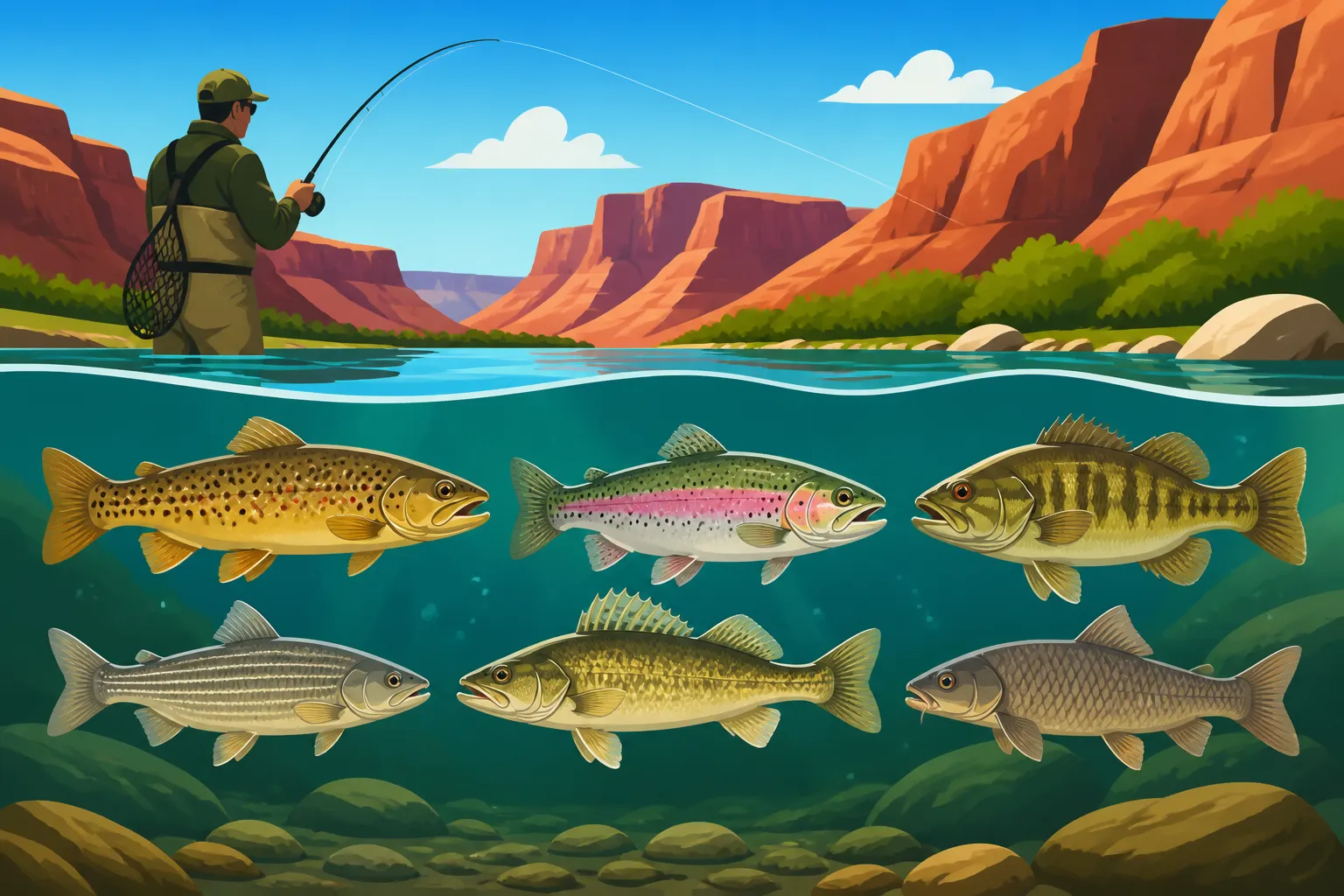
When most people think of the Green River, they picture plump, vibrant rainbow trout, and for good reason! These feisty fish are the backbone of the fishery, making up a significant portion of the catch for many anglers. They thrive in the consistent cold water temperatures and abundant insect life that the dam releases provide. You'll find them throughout the river's three main sections, from the high-traffic waters of Section A directly below the dam, all the way down to Section C.
Rainbows here can range from pan-sized beauties, perfect for a beginner, to respectable fighters pushing several pounds. They're often identifiable by that distinctive pinkish-red stripe running along their sides, especially prominent on mature fish. Their diet is varied, happily munching on everything from tiny midges and mayflies to larger stoneflies and even small baitfish if given the chance. Many anglers target them with dry flies, nymphs, or small spinners, depending on the conditions and their feeding habits. For more on these beauties, check out our Rainbow Trout in Utah Reservoirs guide.
Brown Trout: Elusive Giants
While rainbows might be the most common, the Green River also holds a significant population of brown trout, often growing to impressive sizes. These aren't your average stocked browns; these are wild, wily, and incredibly challenging fish to fool. They tend to be more predatory and territorial than rainbows, often preferring to hide in deeper pools, under cut banks, or near submerged structure, waiting to ambush unsuspecting prey. Landing a large Green River brown is a badge of honor for many anglers.
Brown trout are distinguished by their golden-brown coloration, adorned with dark spots, some of which are surrounded by a lighter halo. They're often darker on their backs and fade to a lighter, sometimes yellowish, belly. These fish are notorious for their strong fights and their incredible ability to avoid detection. Fly anglers often target them with large streamers or complex nymph rigs, while spin anglers might try suspending minnow-imitating lures near known holding spots. If you're looking for a true trophy, dedicating time to understanding the habits of Brown Trout in Utah Rivers in the Green is well worth it.
Cutthroat Trout: A Native Presence
The Green River also hosts a population of cutthroat trout, Utah's native trout species. While not as numerous as rainbows or browns in many parts of the lower Green, their presence is vital to the ecosystem and offers a unique angling experience. Specifically, the Bonneville cutthroat trout, Utah's state fish, can be found here, though other strains may also be present due to historical stocking. These fish are identifiable by the distinctive red or orange "slash" mark under their jawline, giving them their name.
Cutthroat trout are often a bit more sensitive to water conditions and prefer pristine environments. They tend to be aggressive feeders, especially during insect hatches, and can be caught using similar fly and spin techniques as rainbows. Catching a native cutthroat on the Green River is a special experience, connecting you to the natural heritage of these waters. Many anglers practice catch-and-release with these beautiful fish to help preserve their populations. For a deeper dive into the broader topic of trout, our Utah Trout Species Guide is a great resource.
Beyond Trout: Other Notable Species in the Green River
While the Green River below Flaming Gorge is unequivocally a trout fishery, it's not exclusively home to just trout. As you explore its diverse waters, you might encounter other fascinating fish species that play important roles in the river's ecosystem. These species, though not always the primary target for most anglers, contribute to the overall health and biodiversity of this remarkable waterway.
Whitefish: Often Overlooked, Still Abundant
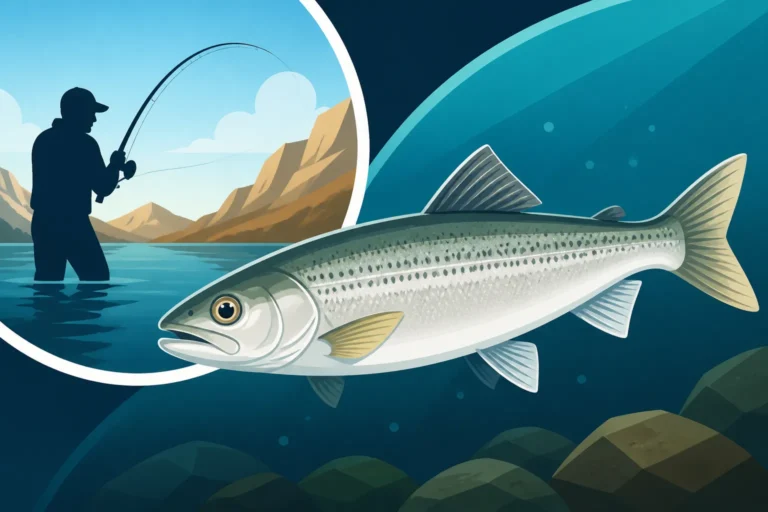
One of the most common non-trout species you'll encounter in the Green River is the mountain whitefish. These fish are often overlooked by anglers focused on trout, but they are incredibly abundant and offer a fun fight on light tackle. Whitefish typically have a slender, torpedo-shaped body with relatively large scales and a small, delicate mouth. They are generally silvery-gray in color, and their small, adipose fin (a fleshy fin between the dorsal and caudal fin) often leads people to mistakenly identify them as a type of trout.
They are bottom feeders, primarily consuming insects, small crustaceans, and other aquatic invertebrates. This makes them susceptible to nymph patterns, small worms, or even tiny jigs fished near the riverbed. While they might not jump like a rainbow, they put up a surprisingly strong, head-shaking fight that can be quite enjoyable. Don't be surprised if you hook into one while targeting trout with nymphs in deeper runs or riffles; they're a natural part of the Green River experience.
Suckers: The Unsung Bottom Dwellers
Another group of fish you'll find in the Green River, though perhaps less celebrated, are various species of suckers, such as the flannelmouth sucker or bluehead sucker. These fish are characterized by their downturned, fleshy mouths designed for sucking food off the river bottom, hence their name. They are typically drab in color, ranging from olive green to brownish-gray, and have a more cylindrical body shape than whitefish.
Suckers are crucial members of the river's ecosystem. They act as "clean-up crew," constantly sifting through the substrate for algae, detritus, and small invertebrates, helping to keep the riverbed healthy. While rarely targeted by anglers, they are occasionally caught by accident, especially when using bait or bottom-fishing techniques. They can grow to a decent size and put up a surprisingly powerful, albeit somewhat sluggish, fight. If you do hook one, appreciate its role in the river before carefully releasing it.
Understanding the Green River's Ecosystem and Conservation Efforts
The incredible fishery we enjoy on the Green River below Flaming Gorge isn't just a happy accident; it's the result of unique geological features, careful environmental management, and ongoing conservation efforts. Understanding these elements deepens your appreciation for every cast and every fish caught in these storied waters.
The Impact of Flaming Gorge Dam on Fish Habitat
The Flaming Gorge Dam is the single most significant factor shaping the fishery of the Green River downstream. Before its construction, the Green River was a warmer, turbid, and highly seasonal river, prone to massive spring runoff flows and lower, warmer flows in late summer. While it supported a different array of native fish, it wasn't the world-class trout fishery we know today. The dam fundamentally changed this by creating a tailwater fishery.
The dam releases cold, oxygen-rich water from the lower depths of the reservoir. This consistent cold flow, even in the heat of summer, is precisely what trout species like rainbows and browns need to thrive. Furthermore, the dam regulates the river's flow, preventing extreme fluctuations that can devastate insect populations and fish spawning grounds. This stable, cold, and clear environment fosters prolific aquatic insect hatches, providing a consistent food source for the trout and making it a haven for fly anglers. This unique characteristic is why many seek out places like Green River Below Flaming Gorge Dam for an unparalleled experience.
Regulations and Responsible Angling
Because the Green River is such a precious resource, it comes with specific regulations designed to protect its fish populations and maintain the quality of the angling experience. These rules often differ from general state regulations, so it's absolutely crucial to consult the Utah Fishing Regulations Explained before you go. You'll often find special rules regarding tackle, bait restrictions, and bag limits.
For instance, much of the Green River below Flaming Gorge is designated as a "Quality Water" or "Blue Ribbon" section, which often means mandatory catch-and-release for certain species, the exclusive use of artificial flies and lures, and frequently, a requirement for barbless hooks. These measures are in place to minimize stress and injury to the fish, ensuring their survival after release and sustaining the healthy population. Adhering to these rules, understanding the Utah Daily Bag and Possession Limits, and practicing responsible angling like proper fish handling are paramount to keeping this fishery world-class for generations to come.
Gear and Tactics for Green River Species
Fishing the Green River below Flaming Gorge requires not just an understanding of its fish, but also the right gear and tactics to match its unique challenges and opportunities. Whether you're a seasoned fly angler or prefer spin fishing, adapting your approach to the river's character and the species you're targeting will dramatically improve your success.
Fly Fishing Essentials for Trout
For many, the Green River is synonymous with fly fishing, and it's easy to see why. The consistent insect hatches and abundant trout make it a dream destination. A typical setup would involve a 9-foot, 5 or 6-weight fly rod, paired with a matching reel and a floating fly line. You'll want a variety of leaders and tippets, often ranging from 4x to 6x, to present your flies naturally. Don't skimp on quality; a good tapered leader can make all the difference in turning over your flies accurately.
Your fly box should be well-stocked with the patterns that mimic the local insect life. Nymphs like Pat's Rubber Legs, Pheasant Tails, Hare's Ears, and Zebra Midges are indispensable, especially when fished in a multi-nymph rig. Streamers such as Woolly Buggers and Sculpzillas are fantastic for enticing the larger brown trout hiding in deeper water. And of course, having a selection of dry flies like Parachute Adams, Caddis patterns, and Trico imitations for when the fish are rising is key. You can find a vast selection of these essential fly patterns and other gear on Amazon, making it easy to stock up before your trip. For more insights on this, you might enjoy our guide on Best Flies for Utah Trout Streams or Best Nymph Rig for the Green River Tailwater.
Spin Fishing Approaches for the Green River
While fly fishing dominates the reputation of the Green River, spin anglers can absolutely find success, especially in sections where artificial lures are permitted. The key is to downsize your tackle and focus on presenting your offerings naturally to avoid spooking the often wary trout. A lightweight spinning rod (around 6-7 feet long) paired with a small reel spooled with 4-6 pound test fluorocarbon or monofilament line is ideal.
Small spinners, like Mepps or Panther Martin, in sizes #0 to #2, are incredibly effective, especially in silver, gold, or brass finishes. These mimic small baitfish or larger insects. Micro-jigs tipped with a small piece of worm (where bait is allowed) or a soft plastic grub can also produce excellent results when bounced along the bottom or slowly retrieved through deeper pools. Minnow-imitating crankbaits or stickbaits, particularly those with natural color patterns, can be deadly for brown trout in deeper, slower stretches. Always check the regulations for the specific section you're fishing, as bait restrictions are common. Finding quality, small lures and appropriate light line is simple with retailers like Amazon.
When planning your trip, consider hiring a local guide, especially if you're new to the river. They can provide invaluable insight into current conditions, what flies or lures are working, and the best techniques for specific sections. For those considering floating the river, understanding How to Fly Fish From a Drift Boat on the Green River is a great start, even if you’re using spin gear from the boat.
| Fish Species | Typical Size in Green River | Preferred Habitat | Common Techniques/Baits | Key ID Features |
|---|---|---|---|---|
| Rainbow Trout | 12-20 inches, up to several lbs | Riffles, runs, seams, pools | Nymphs, dry flies, streamers, small spinners | Pink/red stripe, small dark spots, no slash |
| Brown Trout | 14-25 inches, often trophy size | Deeper pools, cut banks, structure | Streamers, large nymphs, minnow-imitating lures | Dark spots with light halos, golden-brown hue |
| Cutthroat Trout | 12-18 inches | Runs, seams, quieter pools | Nymphs, dry flies, streamers | Red/orange slash under jaw, smaller spots |
| Mountain Whitefish | 10-16 inches | Bottom of runs, pools | Nymphs, small worms, tiny jigs | Silvery-gray, torpedo shape, small mouth, adipose fin |
| Sucker Species | 12-24 inches | River bottom, slower sections | Accidental catch with bait or bottom rigs | Downturned mouth, drab coloration, cylindrical body |
Disclaimer
This article is for general informational purposes only and does not constitute professional advice. Laws, prices and regulations vary by location and change over time. Consult a qualified professional for guidance on your specific situation.