How to Catch More Fish in Utah
It's incredibly frustrating, isn't it? You spend hours out on the water, soaking up the incredible Utah scenery, but the fish just aren't biting. You might be using the same old techniques, or perhaps you're new to the local waters and feel completely lost. This comprehensive guide is designed to transform those quiet days into successful fishing adventures, teaching you proven strategies and insights to significantly increase your catch rate in Utah.
Understanding Utah's Diverse Waters and Fish
Utah is a truly unique state for anglers, boasting everything from high-alpine lakes shimmering in the Uintas to vast, sprawling reservoirs in the deserts, and crystal-clear rivers cutting through canyons. Each of these environments presents its own set of challenges and opportunities, and understanding their dynamics is the first step to consistently catching more fish. It's not a one-size-fits-all approach; what works on the Provo River won't necessarily yield results on Lake Powell.
River and Stream Dynamics
When you're fishing rivers and streams in Utah, you're dealing with constantly moving water, which means fish behave differently than they would in stillwater environments. Current dictates where fish hold, where they feed, and how they conserve energy. Trout, our most popular river species, often position themselves behind obstructions like rocks, logs, or undercut banks, waiting for food to drift by. These are often called "holding lies." During different times of the year, particularly during spring runoff, the water can be high and turbid, pushing fish into calmer eddies and slower seams. This makes it crucial to know how runoff affects Utah river fishing. Successfully navigating these conditions requires a keen eye for subtle changes in current speed and depth, and understanding how fish use these features to their advantage.
Beyond the current, consider the forage base. Rivers have different insect hatches and aquatic invertebrates than reservoirs. Fly anglers will talk endlessly about "matching the hatch," meaning using artificial flies that imitate the insects currently emerging. Spin fishermen should also take cues from the natural food sources, opting for lures that mimic smaller baitfish, crayfish, or even worms that might be washed into the current. The Green River below Flaming Gorge Dam, for instance, is famous for its prolific midge and mayfly hatches, making it a prime spot for fly fishing.
Reservoir and Lake Strategies
Utah's reservoirs and larger lakes, like Strawberry Reservoir or Flaming Gorge, are entirely different beasts. Here, fish have vast expanses of water, often with dramatic depth changes, submerged structures, and open water for pelagic species like kokanee salmon or striped bass. Finding fish in such large bodies of water can feel like searching for a needle in a haystack, which is why understanding the specific characteristics of each reservoir is key. Fish in these environments will often relate to structure such as old creek channels, humps, points, and drop-offs. They'll also follow baitfish schools, especially in open water.
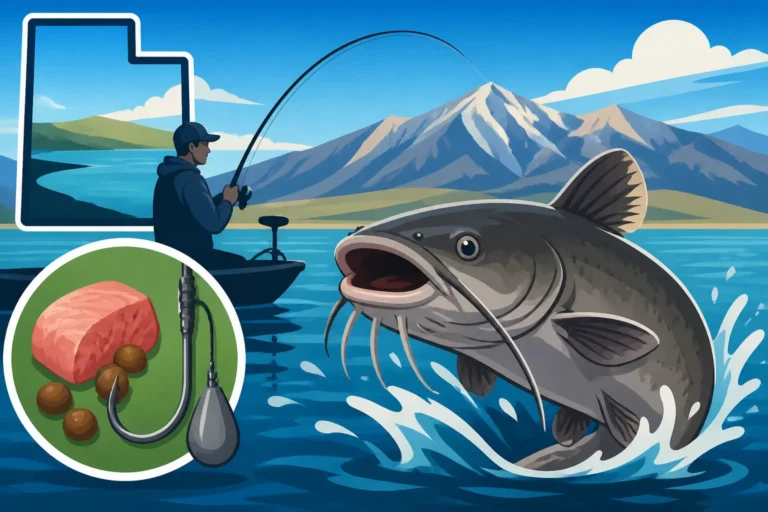
The size and depth of these reservoirs also mean that water temperature and oxygen levels play a much more significant role. During summer, fish will often seek deeper, cooler water, while in spring and fall, they might be found shallower. This is where a good fish finder becomes an invaluable tool, allowing you to locate schools of baitfish, identify submerged structures, and even mark individual fish. Knowing the specific species you're targeting in a reservoir is also crucial; for example, Utah Lake walleye often congregate in different areas and depths than the lake's abundant channel catfish.
High Mountain Lake Challenges
Then there are Utah's high mountain lakes, often nestled in the Uinta or La Sal mountains. These are pristine, remote, and offer an incredible sense of solitude, but they can be challenging to fish. The fish populations are typically smaller, often consisting of various trout species, and they can be very skittish due to less fishing pressure. Accessibility is a major factor here; many require a significant hike, and even then, fishing from shore can be limited by steep banks or dense vegetation.
The short growing season and cold water temperatures mean fish in these lakes grow slower and might not reach the trophy sizes found in nutrient-rich reservoirs. However, what they lack in size, they make up for in beauty and willingness to bite, especially if you present your offering subtly. Fly fishing or ultra-light spinning gear with small lures and baits are often the most effective methods. The trick is patience, stealth, and a willingness to explore different coves and drop-offs around these often clear, unforgiving waters. Remember, these fragile ecosystems also often have unique regulations, so always check the local rules.
Mastering Essential Gear and Tackle
Having the right equipment doesn't guarantee you'll catch fish, but having the wrong equipment almost guarantees you won't. Investing in appropriate gear for Utah's varied fisheries is crucial for increasing your success. Think of it as having the right tools for a job; you wouldn't use a hammer to drive a screw.
Selecting the Right Rod and Reel
Your rod and reel are your primary interface with the fish, and choosing them wisely makes a huge difference. For general trout fishing in many Utah rivers and smaller lakes, a medium-light spinning rod, typically 6 to 7 feet long, paired with a matching spinning reel, is a fantastic all-around choice. This setup offers versatility for casting light lures, bait, or even small spoons. Brands like Shimano and Daiwa offer excellent options that are durable and perform well. You can often find great deals and a wide selection on Amazon if you're looking to upgrade or start fresh. If you're targeting larger species like lake trout in Flaming Gorge or striped bass in Lake Powell, you'll need a heavier rod and reel with more backbone and line capacity to handle those powerful fights.
For fly fishing, the choice becomes even more nuanced. A 9-foot, 5-weight fly rod is often considered the most versatile for Utah's trout streams, capable of handling dry flies, nymphs, and smaller streamers. However, if you're chasing large cutthroat in stillwaters or battling high winds, a heavier 6 or 7-weight might be more appropriate. On the other hand, small mountain streams might call for a shorter, lighter 3 or 4-weight for delicate presentations. The action of the rod – fast, medium, or slow – also plays a role in how it casts and fights fish, influencing your overall success and enjoyment. Consider reading up on some of the Best Fishing Rods for Utah Anglers to get a better idea of what might suit your needs.
Choosing Effective Baits and Lures
What you tie onto the end of your line can make or break your day. Utah fish aren't always finicky, but they do have preferences that can change with the season, water conditions, and even time of day. For stocked trout, which make up a significant portion of the catch in many community ponds and reservoirs, traditional baits like PowerBait, worms, and corn are incredibly effective. PowerBait, in particular, comes in a dazzling array of colors and scents, and finding the right combination for your local water can be a game-changer. Live bait, such as nightcrawlers or mealworms, can also be irresistible, especially when fished under a bobber or on the bottom.
When it comes to lures, a diverse tackle box is your best friend. Spinners (like Mepps or Rooster Tail), spoons (such as Kastmasters or Daredevils), and small crankbaits are go-to options for various trout species. For bass fishing in Utah, soft plastics like worms, jigs, and creature baits are highly productive, often rigged Texas-style or on a drop shot. Walleye anglers will rely on jigging spoons, crankbaits, and even live minnows, particularly after dark. Don't be afraid to experiment! Sometimes a color or retrieve speed that you wouldn't expect can be the one that turns a slow day into a memorable one.
| Species / Water Type | Recommended Baits/Lures | Gear Notes |
|---|---|---|
| Stocked Trout | PowerBait, Worms, Corn, Small Spinners, Spoons | Light spinning rod, 4-6 lb mono |
| River Trout | Nymphs, Dry Flies, Streamers, Small Spinners, Worms | Fly rod (5-wt) or ultra-light spinning rod |
| Reservoir Bass | Soft Plastics (worms, jigs), Crankbaits, Spinnerbaits | Medium-heavy casting or spinning rod, 10-15 lb fluorocarbon |
| Walleye | Jigging Spoons, Crankbaits, Live Minnows, Walleye Spinners | Medium spinning rod, 8-12 lb fluorocarbon or braid |
| Kokanee Salmon | Small Trolling Spoons, Squids, Pop Gear, Corn | Downriggers, light action trolling rod, 6-8 lb mono/fluoro |
| Lake Trout | Large Spoons, Tubes, Deep-Diving Plugs, Cut Bait | Heavy action trolling rod, 15-25 lb braid |
The Importance of Line and Terminal Tackle
Often overlooked, your fishing line and terminal tackle (hooks, swivels, weights) are the weakest links in your system, and a failure here can mean losing a trophy fish. For most Utah trout fishing, a good quality monofilament line in 4 to 6-pound test is sufficient. It's affordable, has good knot strength, and enough stretch to act as a shock absorber. For clearer waters or more sensitive bites, stepping up to fluorocarbon leader material (which is virtually invisible underwater) can make a significant difference.
If you're targeting bigger, stronger fish like bass or lake trout, braided line becomes a fantastic option for your main line. Braid offers incredible strength-to-diameter ratio, no stretch for maximum sensitivity, and excellent casting distance. You'll often pair braid with a fluorocarbon leader to maintain stealth at the business end. Always check your knots and line for nicks and abrasions, especially after a few hours of fishing or after landing a fish. A sharp hook is also paramount; even the best bait or lure won't do much good if the hook can't penetrate. Carry a hook sharpener and use it regularly. Knowing the right line for your target species, such as the Best Fishing Line for Utah Trout, can greatly improve your success.
Decoding Fish Behavior and Prime Times
Catching more fish isn't just about technique; it's about understanding the fish themselves. Their behavior is largely dictated by environmental factors, and by learning to "think like a fish," you can put yourself in the right place at the right time.
Seasonal Movements and Feeding Patterns
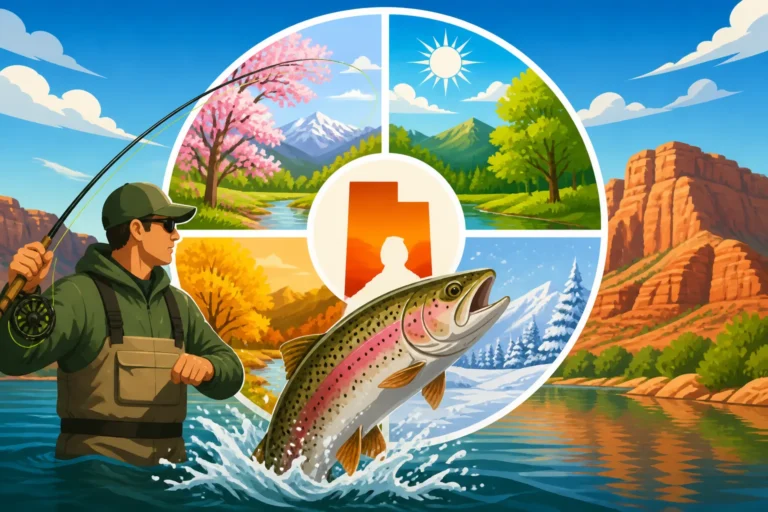
Fish are constantly on the move, primarily driven by spawning cycles, food availability, and water temperature. Spring in Utah sees many species, especially trout, becoming more active and moving into shallower waters as the ice melts (if applicable) and water temperatures begin to rise. This is often an excellent time for shore anglers as fish are more accessible. Spawning runs, like the kokanee salmon in various reservoirs or the Bonneville cisco at Bear Lake in January, create predictable, often frenzied, feeding opportunities for other predators.
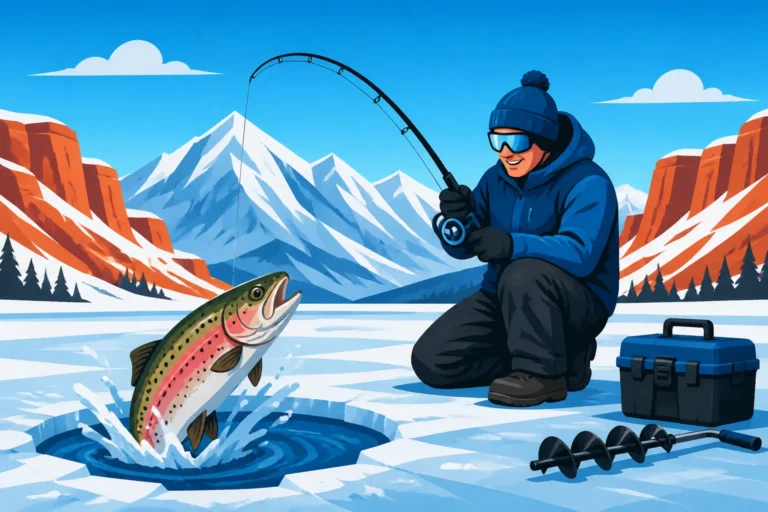
Summer often pushes fish deeper, especially in larger reservoirs, where they seek cooler, oxygen-rich water. Early mornings and late evenings become prime fishing times as surface temperatures cool and fish feel more comfortable moving into shallower feeding zones. As fall approaches, water temperatures begin to drop, and many fish species go on a feeding binge to bulk up for winter, making it another fantastic time to fish. Then, in winter, fish become more lethargic, often holding in deeper pools or slow currents, requiring slower presentations, as detailed in our Utah Ice Fishing Guide. Understanding these macro-level seasonal patterns is the first step to narrowing down where and when to focus your efforts.
Best Times of Day and Weather Conditions
Beyond the seasons, daily rhythms significantly influence fishing success. The classic advice of "early morning and late evening" holds true for a reason. These periods, often called "prime time" or "low light conditions," are when many fish species are most active. The reduced light offers cover from predators and can make prey fish more vulnerable. Oxygen levels are often higher, and temperatures are more stable. However, this isn't a hard and fast rule. For instance, walleye in Utah Lake are often caught after dark, and some deep-water species might bite well midday if you're fishing at their preferred depth.
Weather also plays a crucial role. Overcast days can be fantastic for fishing, as the reduced sunlight can make fish less wary and more willing to venture into open areas. A light chop on the water surface can also be beneficial, breaking up the water's clarity and making your presentation less obvious. Conversely, bright, calm, bluebird days can be challenging, often sending fish deep or into heavy cover. Storm fronts, especially before and after, can trigger strong feeding responses due to changes in barometric pressure. However, always prioritize safety, especially during thunderstorms; no fish is worth risking your life over.
Water Temperature and Clarity Impacts
These two factors are perhaps the most critical for understanding where fish will be and how they'll behave. Each fish species has a preferred temperature range for optimal activity and metabolism. For trout, this is generally in the 45-65°F range. If the water is too cold, they'll be sluggish; too warm, and they'll be stressed and seeking refuge. This is why learning how water temperature affects Utah trout fishing is so important. Similarly, species like smallmouth bass prefer warmer waters, often becoming much more aggressive as temperatures climb into the 60s and 70s.
Water clarity directly impacts fish visibility and their feeding strategies. In clear water, fish rely heavily on sight, making subtle presentations, fluorocarbon leaders, and natural colors more effective. Conversely, in murky or turbid water, fish often rely more on scent and vibration. This calls for brighter, more vibrant lure colors and baits with strong odors, as well as lures that displace a lot of water. Heavy runoff can drastically reduce clarity, pushing fish into calmer, clearer pockets of water, while still, clear water might require a more finesse approach. Always observe the water conditions when you arrive at your fishing spot and adjust your tactics accordingly.
Effective Fishing Techniques for Utah's Main Species
Now that we've covered the "when" and "where," let's talk about the "how." Different fish species respond best to different techniques, and having a diverse playbook will drastically improve your chances of success.
Trout Tactics in Rivers and Stillwaters
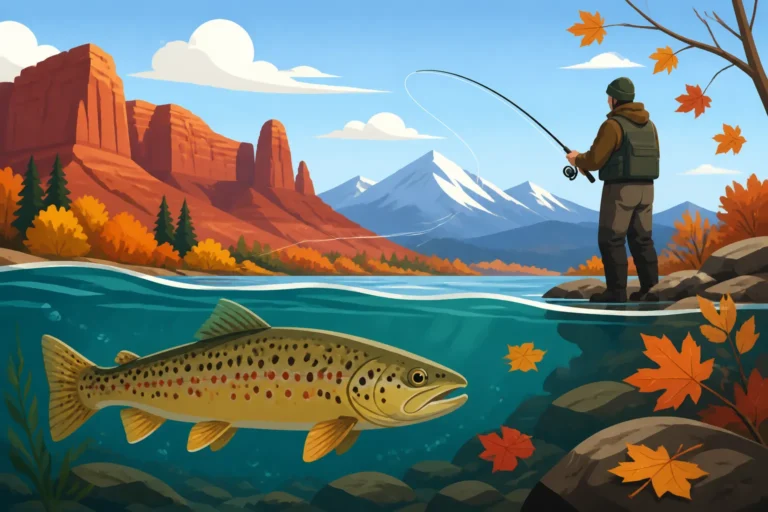
Trout are arguably Utah's most popular sport fish, found in nearly every corner of the state. In rivers and streams, fly fishing is a revered art, with anglers using nymphs, dry flies, and streamers to imitate natural food sources. Drifting a natural-looking nymph under an indicator through a current seam is a highly effective way to catch trout that are feeding subsurface. For those using spinning gear, small spinners, spoons, and jigs are excellent choices, often cast upstream and retrieved downstream with the current. Live worms or PowerBait drifted naturally can also be deadly. When fishing rivers, stealth is paramount; approach quietly and avoid heavy footsteps that can spook fish. Our comprehensive Utah Trout Fishing Tips guide can provide even more specialized strategies.
For stillwater trout in reservoirs and lakes, the techniques shift. Shore anglers often find success with PowerBait or worms fished on the bottom with a sliding sinker rig. Casting and retrieving small spoons or crankbaits can also cover more water and attract actively feeding fish. Trolling from a boat is a popular and very effective method, especially for covering large areas and finding schools of fish. Using pop gear or dodgers ahead of a worm or small lure can create attraction. For fly anglers, stripping streamers or indicator fishing with nymphs are common tactics. Remember, the depth at which you present your offering is often key in stillwaters, as trout will suspend at specific depths depending on temperature and food availability.
Bass Fishing Strategies for Reservoirs
Utah's bass populations, particularly smallmouth bass in places like Flaming Gorge and Deer Creek Reservoir, offer exciting sport. Smallmouth bass are aggressive predators that love rocky structure, points, and submerged timber. They're often found shallower than lake trout but can go deep in summer. Effective techniques include throwing crankbaits that mimic baitfish, especially around rocky points and drop-offs. Soft plastics, such as tube jigs, senkos, and creature baits, are incredibly versatile. Rigging them Texas-style or on a Carolina rig allows you to work through cover without snagging. Drop-shotting is another finesse technique that can be lethal for deeper smallmouth, allowing you to present a bait exactly at fish level.
Largemouth bass, while less common, are found in warmer, shallower waters with more vegetation, such as Willard Bay or some of the slower sections of the Jordan River. Here, topwater lures like frogs, poppers, and walking baits can produce explosive strikes early and late in the day. Flipping and pitching jigs or soft plastics into dense cover, like lily pads or cattails, is also highly effective. Our Utah Bass Fishing Techniques post delves deeper into these specific methods. Always remember that bass are ambush predators, so targeting areas where they can hide and dart out to strike will significantly increase your success.
Walleye and Panfish Approaches
Walleye, known for their delicious fillets and elusive nature, are found primarily in Utah Lake and Willard Bay, with smaller populations in other waters. They are primarily nocturnal feeders, meaning night fishing can be incredibly productive. Jigging spoons, blade baits, and bottom-bouncer rigs with worms or minnows are popular choices. Trolling crankbaits at specific depths is also a very effective method, especially during the day. Walleye often congregate on flats, humps, and along the edges of channels, making a good fish finder indispensable for locating them. Light penetration is a major factor for walleye, so fishing during overcast days or in stained water can also improve your chances. For more detailed advice, check out our Utah Walleye Fishing Guide.
Panfish, including bluegill, perch, and crappie, are abundant in many Utah community ponds and reservoirs, making them excellent targets for beginners and families. They are typically found in shallower waters, often around submerged vegetation, docks, or brush piles. Simple techniques like fishing a small hook with a piece of worm, mealworm, or corn under a bobber are highly effective. Small jigs tipped with bait or tiny spinners can also work wonders. Panfish are schooling fish, so where you catch one, you'll likely catch more. They provide consistent action and are a great way to introduce new anglers to the sport.
Reading the Water and Locating Fish
You can have the best gear and the perfect bait, but if you're not putting it where the fish are, you won't catch anything. Learning to "read the water" is a skill developed over time, but there are definite shortcuts and tools that can help you find those finned targets.
Identifying Structure and Cover
Fish, much like us, appreciate shelter and food. "Structure" refers to changes in the lake or river bottom, like drop-offs, humps, ledges, and points. "Cover" refers to objects that provide shelter, such as submerged trees (brush piles), rocks, vegetation, docks, or even man-made debris. Both provide fish with ambush points, protection from predators, and often concentrate baitfish. In a river, this might be an undercut bank, a large boulder creating an eddy, or a fallen log. In a reservoir, it could be a submerged old roadbed, a rocky point extending into deeper water, or a stand of drowned timber.
Learning to identify these features, both visually and with electronics, is crucial. Look for changes in water color, current breaks, or visible points. On larger waters, having a good topographical map of the lake bottom can give you a significant advantage, allowing you to identify potential holding areas before you even launch your boat. Many of these maps are now integrated into modern fish finders, making navigation and fish finding much easier. Understanding the relationship between these structures, available forage, and environmental factors will help you predict where fish will be holding.
Using Electronics to Your Advantage
In today's fishing world, electronics are no longer just for pros. A good fish finder can be a game-changer, especially on large Utah reservoirs. These devices use sonar to show you what's beneath your boat: depth, bottom contour, structure, baitfish schools, and even individual fish. Modern units offer incredibly detailed displays, including side-imaging and down-imaging, which provide photographic-like views of the bottom and structure to the sides and directly beneath your boat. This allows you to identify brush piles, rock formations, and even small objects that could be holding fish.
When you're out on the water, pay close attention to your fish finder. Don't just look for "arches" (which represent fish); look for baitfish schools, which indicate where predators might be lurking. Identify changes in the bottom, like a sudden drop-off or a rocky hump. Use the GPS feature on your unit to mark productive spots, allowing you to return to them later. Learning how to read a fish finder for Utah reservoirs takes practice, but the time invested will pay off exponentially in increased catches. Even budget-friendly portable units can provide valuable information for shore anglers or kayak fishermen.
Understanding Current and Depths
For river fishing, understanding current is paramount. Fish will always try to conserve energy, so they'll position themselves in slower water just out of the main current, often behind an obstruction or in an eddy. They'll face upstream, waiting for food to be delivered by the current. Learning to read these "current seams" where fast water meets slow water is critical. Similarly, understanding the depth of various pools and runs will help you present your bait or lure effectively.
In lakes and reservoirs, depth is equally important, but for different reasons. As mentioned earlier, fish will seek specific depths based on water temperature, oxygen levels, and the location of their food source. During summer, fish will often be in deeper, cooler water. In spring and fall, they might be shallower. Using your fish finder to identify the thermocline (a layer of rapid temperature change) can be incredibly useful, as many species will suspend just above, below, or within this layer. Don't be afraid to experiment with different depths until you find where the fish are active. Even if you're fishing from shore, understanding contours and drop-offs near the bank can help you cast into deeper, more productive water.
Advanced Tips and Tricks for Consistent Success
Once you've got the basics down, there are always ways to refine your approach and elevate your fishing game. These advanced tips focus on subtlety, adaptability, and responsible angling.
Stealth and Presentation
Fish are highly aware of their surroundings, especially in clear Utah waters. Spooking them before you even get a cast in is a common mistake. This means approaching your fishing spot quietly, avoiding sudden movements, and keeping a low profile, especially in rivers where fish have a clear view of the bank. Wearing drab, natural colors instead of bright ones can also help. For boat anglers, minimizing engine noise and using a quiet trolling motor can make a big difference.
Presentation refers to how your bait or lure behaves in the water. Is it drifting naturally with the current, or is it dragging unnaturally? Is your lure swimming with the action it's designed for? Is your bait hitting the bottom when it should be suspended? Little details like line twist, incorrect weight placement, or a poorly tied knot can all impact your presentation. Practice your casting to be accurate and minimize splashes. For fly fishing, learning to mend your line effectively to achieve a drag-free drift is a crucial skill. The more naturally your offering appears, the more likely a fish is to strike.
Adapting to Changing Conditions
No two fishing days are exactly alike, and what worked yesterday might not work today. Successful anglers are constantly observing and adapting. Did the wind pick up? Did the sky get cloudy? Did the water clarity change? Each of these factors might necessitate a change in your approach. If fish aren't biting on a fast retrieve, try slowing down. If they're ignoring a large lure, switch to something smaller. Change your location, your depth, your color, or your bait.
Sometimes, the best strategy is to be patient and stick with a proven method, but know when to pivot. A good rule of thumb is to give a technique or location a reasonable amount of time (say, 20-30 minutes of no action) before making a change. Keep a mental log or a physical journal of what worked and what didn't under specific conditions. Over time, you'll develop an intuition for adapting to whatever Utah's diverse weather and water conditions throw at you.
Practicing Catch and Release Properly
While the goal is to catch more fish, a truly successful angler also ensures the health of the fishery for future generations. Practicing proper catch and release is essential, especially for sensitive species, trophy fish, or in designated catch-and-release waters. Handle fish gently with wet hands, avoid touching their gills, and use a net designed for fish welfare. De-barbing your hooks can make hook removal much easier and less traumatic for the fish.
If a fish is deeply hooked or bleeding, it's often best to cut the line as close to the hook as possible rather than trying to rip the hook out. For fish destined for release, try to minimize their time out of the water. If you want a photo, prepare your camera beforehand and get the shot quickly. When releasing, hold the fish gently in the water, facing into the current (if in a river), until it's strong enough to swim away on its own. This thoughtful approach ensures that the "catch and release" experience truly means the fish lives to fight another day, contributing to the overall health of Utah Fishing.
Respecting Regulations and Conservation
As much as we want to catch more fish, it's paramount that we do so responsibly and legally. Utah has specific rules and regulations designed to protect its fisheries and ensure sustainable angling opportunities for everyone. Ignorance of the law is never an excuse.
Knowing Your Limits and Rules
Before every fishing trip, it is your responsibility to familiarize yourself with the current Utah Fishing Regulations Explained. These regulations cover everything from daily bag and possession limits for various species to specific length restrictions, seasonal closures, and even tackle restrictions for certain waters. For example, some waters might be fly-fishing-only, or have special restrictions on bait use. Strawberry Reservoir has seasonal closure dates for certain areas to protect spawning fish.
The rules can also vary by water body. For instance, Utah Lake has a mandatory harvest rule for northern pike, meaning any caught must be killed. Other waters might have unique rules for trophy fish management. Always consult the latest Utah Fishing Guidebook, available online from the Utah Division of Wildlife Resources (DWR) or at license vendors. Not adhering to these rules can result in significant fines and penalties, and more importantly, it can negatively impact the very fish populations we love to pursue. Don't forget, you also need a valid Utah Fishing License Guide to fish legally.
Preventing Invasive Species Spread
One of the biggest threats to Utah's delicate aquatic ecosystems is the spread of aquatic invasive species (AIS), particularly quagga and zebra mussels. These mussels can wreak havoc on ecosystems, clog infrastructure, and diminish fishing opportunities. Utah has stringent rules to prevent their spread, especially concerning boats and other watercraft. You might have seen the "Clean, Drain, Dry" campaign—it's incredibly important.
Before leaving any body of water in Utah, you are required to clean your boat, drain all water from the bilge, livewells, and motor, and then allow your vessel to dry thoroughly. For waters confirmed to have AIS, like Lake Powell, additional inspection and decontamination steps are mandatory. Kayaks, paddleboards, and even float tubes can harbor these invaders, so they too must be properly cleaned and dried. Failing to comply with Utah Aquatic Invasive Species Rules for Anglers can result in heavy fines and helps spread a problem that costs millions of dollars to fight and threatens our future fishing. It's a small effort with a massive positive impact on our precious waters.
Disclaimer
The information provided in this guide is for general informational purposes only and is subject to change. Fishing regulations, conditions, and best practices can vary. Always consult the most current Utah Division of Wildlife Resources (DWR) fishing guidebook and local regulations before heading out on the water. Fishing can be dangerous; always prioritize your safety and be aware of your surroundings.