Best Time of Year to Fish in Utah
Trying to figure out the absolute best time to go fishing in Utah can feel like trying to hit a moving target. With its incredibly diverse landscapes, from high desert lakes to alpine streams and massive reservoirs, what's perfect for one species or location might be totally wrong for another. This guide aims to cut through the confusion, offering a detailed breakdown of Utah's fishing seasons, spotlighting prime times for different species, and equipping you with the knowledge to plan your most successful angling adventures throughout the year.
Understanding Utah's Seasons and Their Impact on Fish Behavior
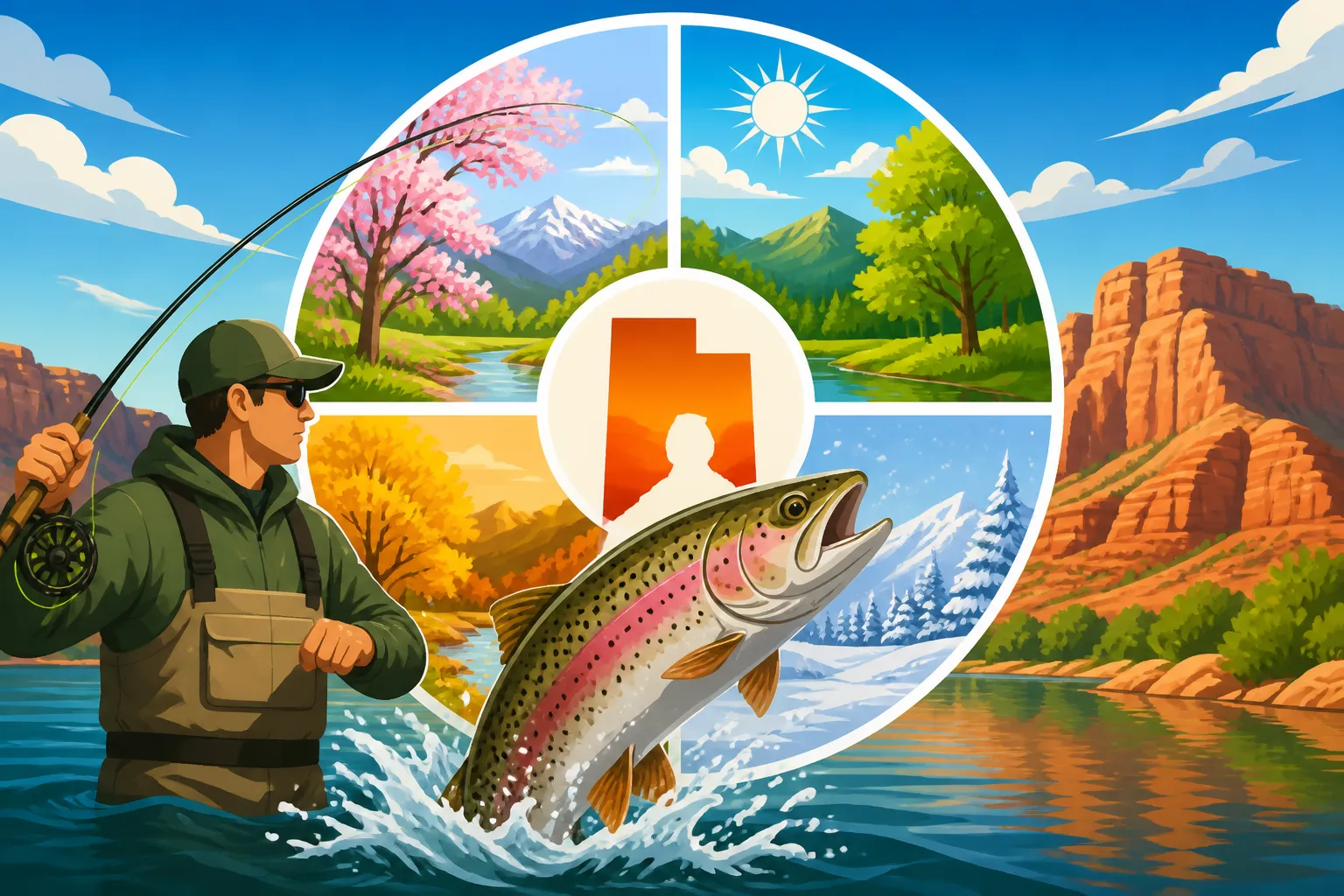
Utah’s climate is a beautiful, sometimes brutal, beast. We get all four distinct seasons, and each one dramatically reshapes the angling landscape. What works in April won't work in August, and what's hot in January is a no-go in July. Understanding these seasonal shifts isn't just about picking a date; it's about knowing how fish react to temperature, water levels, food availability, and spawning instincts, which are all directly tied to the calendar.
Spring Fishing Opportunities
Ah, spring! It's a season of hope and sometimes, a little frustration for Utah anglers. As the snow melts and the days lengthen, the fishing starts to heat up, but not without its challenges. The state wakes up from its winter slumber, and so do the fish.
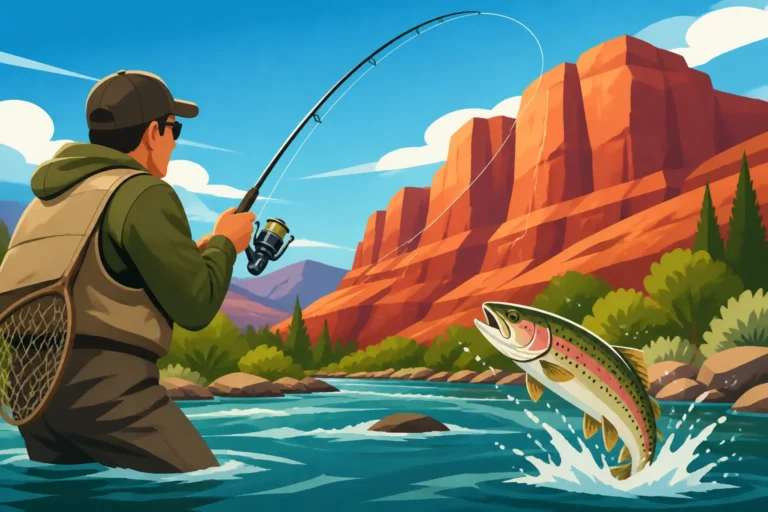
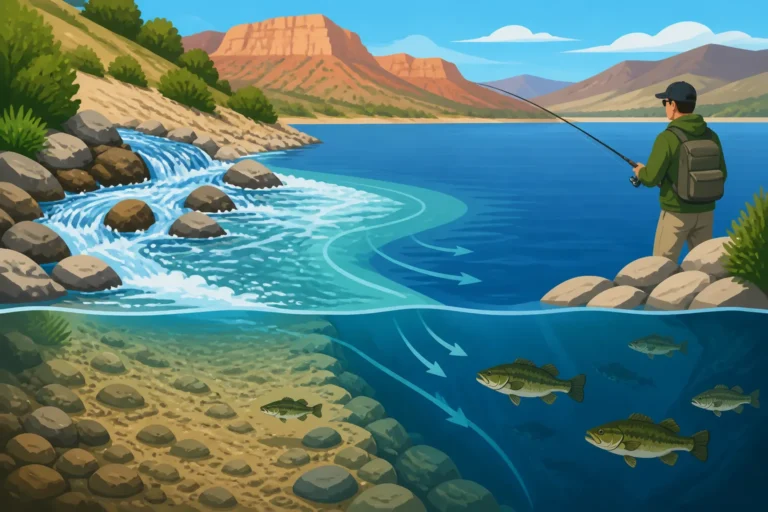
Many species are in their pre-spawn or post-spawn phases during spring, which can mean incredibly active feeding. For example, as the ice pulls back from our larger reservoirs, fish like rainbow trout and splake often move into shallower, warmer waters to feed aggressively after a long, lean winter. This is a fantastic window to target them before they scatter to deeper haunts. However, spring also brings the dreaded "runoff." Our mountain streams and rivers swell with snowmelt, turning clear waters into raging, muddy torrents. This makes river fishing incredibly difficult, if not impossible, for several weeks. But don't despair! Savvy anglers know that before the peak runoff hits, or after it starts to recede and waters clear, some of the best river trout fishing of the year can be had. Species like brown trout and cutthroat, invigorated by the fresh influx of water and food, become very active. You'll need to adapt your techniques, perhaps using heavier weights to get your bait or lures down in the swifter currents, or focusing on slower eddies and pockets behind structure.
Summer Fishing Strategies
Summer in Utah is a tale of two extremes: scorching desert heat and cool, refreshing mountain air. This dichotomy dictates our fishing strategies. As surface water temperatures rise dramatically in our lower-elevation reservoirs, many fish species, especially cold-water ones like trout, retreat to the cooler, deeper thermocline. This means shore anglers might struggle, while those with boats and fish finders can locate these deeper pockets. Trolling or deep jigging become essential tactics. Think about those early morning or late evening bites – these aren't just myths; they're when the sun's intensity lessens, and fish feel safer moving into shallower feeding grounds. You'll often find that the first and last two hours of daylight offer the most consistent action in summer.
However, summer also unlocks our incredible high-country lakes. Many of these pristine, often remote, alpine waters are inaccessible under snow for much of the year. Once the trails melt out, typically from late June through September, backpackers and hikers can venture into the Uinta Mountains, the Boulder Mountains, or other ranges to find wild cutthroat, brook, and tiger trout in stunning settings. These fish are often eager to strike at a well-placed fly or lure, having seen little angling pressure. It's a completely different kind of fishing, more about the journey and the scenery than necessarily the size of the fish, though trophy catches are certainly possible in some of these waters.
Fall Fishing for Trophy Catches
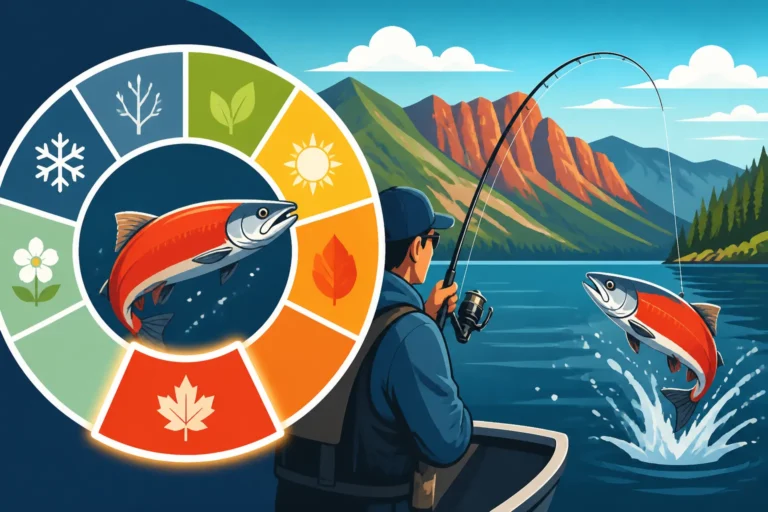
If there's one season that gets Utah anglers truly excited, it's often fall. As the days shorten and air temperatures cool, surface waters begin to chill, and fish sense the approaching winter. This triggers a powerful instinct: feed, feed, feed! They need to pack on calories to survive the lean months ahead, making them incredibly aggressive. This translates into some of the most consistent and exciting fishing of the year. Many of the biggest trout of the year are caught in fall, especially brown trout as they begin their spectacular spawning runs up rivers and into shallow reservoir tributaries. Their colors deepen, their kypes (hooked jaws) develop, and they become incredibly territorial and willing to strike at streamers or large plugs.
Warmwater species like bass and walleye also go on a secondary feeding frenzy. They'll often move out of their deep summer haunts and push into shallower coves and flats, chasing baitfish. This can be an incredible time for topwater action for bass or jigging for large walleye. Another huge bonus of fall fishing is the reduced crowds. With kids back in school and summer vacations over, many popular spots become much quieter, offering a more peaceful angling experience amidst the breathtaking fall foliage. It’s a truly magical time to be on the water.
Winter Fishing and Ice Fishing
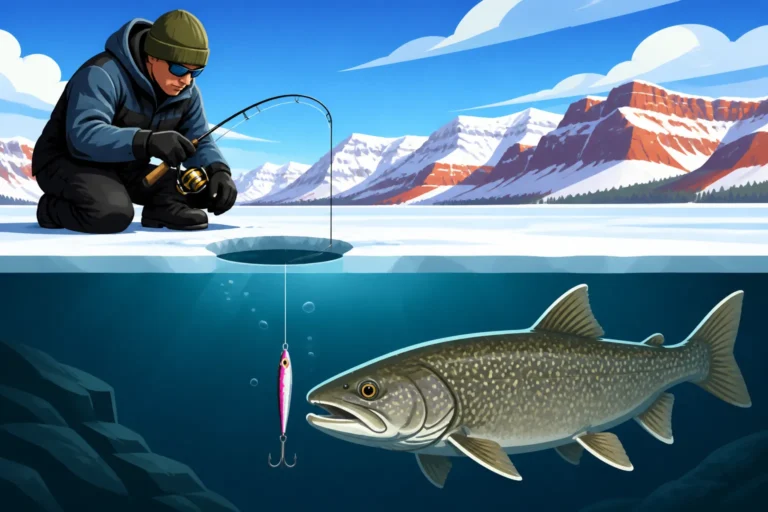
When the snow flies and temperatures plummet, many fair-weather anglers pack up their gear. But for a dedicated few, winter heralds the arrival of a unique and incredibly fun fishing season: ice fishing. Utah boasts a fantastic ice fishing scene, with numerous reservoirs like Strawberry Reservoir, Scofield Reservoir, and Rockport Reservoir freezing over solid enough for safe access. Through the ice, anglers can target a variety of species, including rainbow trout, cutthroat trout, splake, perch, and even kokanee salmon. It's a social activity for many, with groups huddled in ice shelters, sharing stories and hot drinks.
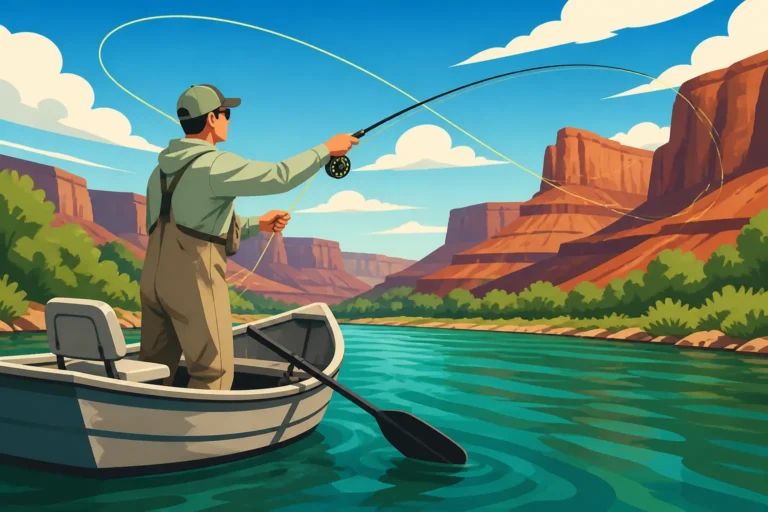
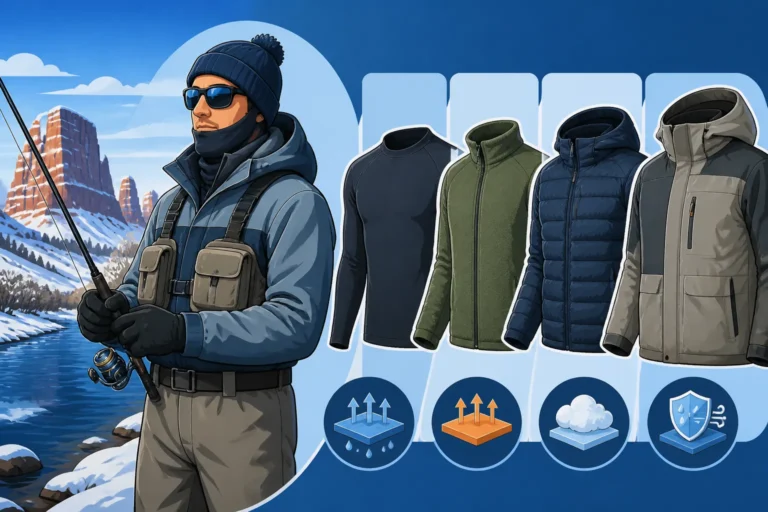
For those who prefer open water, winter tailwater rivers offer a surprising bounty. Rivers flowing out of large reservoirs, like the Green River Below Flaming Gorge Dam or the Provo River below Deer Creek Reservoir, maintain a more stable water temperature due to the dam's release of deep, cool water. This often prevents them from freezing solid and creates consistent conditions where trout remain active, feeding on aquatic insects. Fly anglers, in particular, can have banner days on these tailwaters, often using small nymphs or midge patterns to tempt wary trout. Winter fishing might require more layers and a bit more grit, but the rewards—less pressure, stunning snowy backdrops, and often cooperative fish—are absolutely worth it.
Spring: The Season of Awakening (March – May)
Spring is a time of transition, a slow emergence from winter's grip that can be both frustrating and incredibly rewarding for Utah anglers. As the days grow longer and the sun gains strength, the natural world shifts, and with it, the behavior of fish.
Early Spring Thaw and River Fishing
As early March rolls around, the first signs of spring appear, often in the form of melting snow on the lower elevations. This initial thaw can be a fantastic time for river fishing. Before the main event of heavy snowmelt from the mountains—what we call "runoff"—our smaller rivers and stream sections can offer excellent fishing. The water is still cold, but fish like brown trout and rainbow trout are starting to become more active, moving out of their deeper winter lies to feed. This is when you'll want to focus on classic baits like nightcrawlers or salmon eggs, or slowly retrieved spinners and small stickbaits that imitate baitfish.
However, anglers need to be vigilant about the onset of runoff. Typically, from mid-April through late May or even early June, depending on the snowpack, many of our pristine mountain rivers will become high, fast, and muddy. Fishing during peak runoff is often a waste of time, as fish struggle to hold their position and visibility plummets. But there are silver linings! Some larger rivers, particularly those below dams like the Provo River Fishing Guide, can maintain clearer flows and offer excellent opportunities. Once runoff subsides and the water begins to drop and clear, usually in late May or early June, the post-runoff period can be phenomenal. The river is flushed clean, new food sources are abundant, and trout are hungry, making this a prime time for fly fishing with attractor patterns or well-presented nymphs. Always check current conditions and flow rates from resources like the U.S. Geological Survey (USGS) before heading out.
Reservoir Fishing as Ice Recedes
One of the most anticipated events for many Utah anglers is "ice-off" on our larger reservoirs. This usually occurs from late March through April, though it can vary significantly from year to year and reservoir to reservoir. As the ice sheet breaks up and recedes, particularly around boat ramps and sunny shorelines, fish like rainbow trout, cutthroat, and splake often congregate in these newly opened, slightly warmer waters. They're typically quite hungry after being under the ice for months.
This is a prime window for shore anglers. You don't necessarily need a boat to find success. Casting a variety of baits and lures from accessible points can be incredibly productive. Think about using PowerBait (especially garlic or corn flavors), worms, or even small marshmallows fished off the bottom with a sliding sinker rig. For lure fishing, small Kastmasters, spoons, or spinners in bright colors like silver, gold, or even firetiger can be deadly as they mimic baitfish that might also be moving into the shallows. The key is to be present during this brief, energetic period when fish are moving and feeding aggressively before settling into their more typical summer patterns. Many anglers swear by the first few weeks after ice-off as the best time to catch large, healthy trout.
Targeting Pre-Spawn Bass and Walleye
Spring also brings exceptional opportunities for warmwater species, particularly bass (largemouth and smallmouth) and walleye, as they prepare for their spawning rituals. This pre-spawn period is often characterized by fish moving into shallower waters as temperatures rise, becoming incredibly active and aggressive as they feed heavily to build up energy reserves for spawning.
For bass, look for them to move into coves, rocky points, and areas with submerged vegetation where they'll eventually build nests. Depending on the reservoir and water temperature, this can happen from late April through May. Spinnerbaits, jerkbaits, and jigs are excellent choices during this time, allowing you to cover water and find active fish. Places like Utah Lake Fishing Guide for largemouth or the rocky shores of Deer Creek Reservoir for smallmouth can be prime. Walleye, often considered a more elusive species, also become more accessible during their spring spawn. They typically move to shallower, rocky areas to lay their eggs. This usually happens when water temperatures are in the 40s to low 50s Fahrenheit, which in Utah often means late April to mid-May. Jigging with a minnow or a soft plastic, or slow trolling with a stickbait, can be incredibly effective. Willard Bay Fishing Access is a well-known walleye hotspot in the spring, as is Utah Lake. Remember that spawning periods are crucial for fish populations, so understanding and respecting catch-and-release practices during these sensitive times is vital for sustainable fishing.
Summer: Chasing Deep Water and High-Country Adventures (June – August)
Summer in Utah is a season of extremes, from the scorching lowlands to the cool, high peaks. This means anglers need to adapt their strategies dramatically, either by going deep or going high.
Adapting to Warm Water Conditions
As Utah’s summer sun beats down from June through August, surface water temperatures in many of our popular reservoirs can soar, making conditions less than ideal for cold-water species like trout. Fish, being ectothermic, will seek out their preferred temperature range. This often means they retreat to the cooler, deeper parts of the lake, congregating along the thermocline—the layer where warm surface water meets colder deep water.
Anglers focusing on trout in reservoirs during summer will need to employ deep-water tactics. If you have a boat, a good fish finder is your best friend. Look for schools of baitfish or arches marking larger fish suspended at depths of 20 to 60 feet, or even deeper in places like Flaming Gorge. Downriggers become essential for consistently presenting lures or bait at these precise depths. Trolling with spoons, stickbaits, or even pop gear with a worm behind it can be productive. Early mornings and late evenings are also crucial times, as the reduced light and slightly cooler air temperatures can encourage fish to move shallower to feed. For species like smallmouth bass, they'll often hold tight to rocky structure in deeper water during the day, moving to points and ledges to ambush prey. Drop-shot rigs, deep crankbaits, or Ned rigs can be effective for targeting these deeper bass. Don't forget to stay hydrated and protect yourself from the sun during these summer excursions.
High-Altitude Lake Fishing
While lower-elevation lakes are baking, summer truly unlocks the magical world of Utah's high-altitude lakes. Nestled in the Uinta Mountains, the Boulder Mountains, and other ranges, these pristine waters are often only accessible from late June through September, once the heavy snowpack has melted and trails become passable. This is the realm of the backpacking angler, where the journey is as rewarding as the catch.
These lakes are home to an array of trout species, including native Bonneville cutthroat trout, colorful brook trout, and frequently stocked tiger trout. The fish here, having lived under ice for much of the year, are often eager to feed on insects, making them excellent targets for fly anglers. Small dry flies mimicking midges, caddis, or mayflies, or tiny nymphs and emergers, can be incredibly effective. For spin anglers, small spinners (like Mepps or Panther Martin) or tiny spoons are usually all you need. The lack of heavy fishing pressure in many of these remote lakes means the fish are often less wary and more aggressive. It's an opportunity to experience Utah fishing in its most wild and scenic form, often yielding not just fish, but unparalleled solitude and stunning natural beauty. Planning a multi-day trip into the Uinta Mountains High Lakes Fishing can be an unforgettable adventure.
Striper Boils and Kokanee Trolling
Summer also brings two of Utah's most exciting and unique fishing phenomena: the striped bass boils at Lake Powell and the aggressive kokanee salmon trolling opportunities in reservoirs like Flaming Gorge and Strawberry.
At Lake Powell Fishing Guide, particularly from July through September, the mighty striped bass often engage in spectacular feeding frenzies known as "boils." Schools of stripers herd immense schools of shad to the surface, creating a chaotic explosion of splashing water and frantic fish. Anglers lucky enough to be in the right place at the right time can cast topwater lures, spoons, or swimbaits into the melee and hook up almost instantly. It's a high-energy, visual spectacle that every angler should experience at least once. Finding these boils often requires patrolling large areas of the lake, keeping an eye on the horizon for surface commotion or utilizing a good fish finder to locate large schools of stripers and baitfish.
Meanwhile, at Flaming Gorge Fishing Guide and Strawberry Reservoir Fishing Guide, mid-summer is prime time for targeting kokanee salmon. These landlocked sockeye salmon are delicious and put up a fantastic fight. They typically inhabit the open water, suspending at specific depths where they feed on zooplankton. This means trolling is the name of the game. Using specialized kokanee dodgers or flashers rigged with small hoochies or wedding rings tipped with corn at depths determined by your fish finder and downriggers can be incredibly effective. The bites can be subtle, but the fight is anything but. Knowing your target depth and preferred trolling speed is key to consistently catching these prized salmon. Many dedicated kokanee anglers will spend hours refining their setup, checking online forums, and experimenting with different colors and scents, which are readily available on platforms like Amazon.
Fall: The Feast Before the Freeze (September – November)
Fall is arguably the golden season for fishing in Utah, offering a potent combination of aggressive fish, beautiful scenery, and dwindling crowds. It's a time when fish are driven by an innate need to gorge themselves, making them more predictable and eager to bite.
Aggressive Trout Feeding
As the crisp autumn air returns and water temperatures in rivers and reservoirs begin to cool, trout enter a period of intense feeding. They sense the impending winter and instinctively know they need to pack on fat reserves to survive the leaner months ahead. This leads to some of the most consistent and explosive trout fishing of the year.
Brown trout, in particular, become incredibly active and aggressive as they prepare for their annual spawn, which typically occurs from late October through November. They move into shallower water, often making their way up tributaries and river sections to find suitable spawning grounds. During this time, male brown trout develop magnificent hooked jaws (kypes) and brilliant colors. They become highly territorial and will viciously strike at streamers, large stickbaits, or even spinnerbaits that invade their space or mimic baitfish. This is the time to chase that trophy brown trout! For rainbow and cutthroat trout in reservoirs, the cooling water allows them to move back into shallower areas, making them more accessible to shore anglers and trollers alike. They'll readily take PowerBait, worms, or a variety of spoons and spinners. It's a season of vibrant bites and strong fights, often against a backdrop of stunning red and gold foliage, making it a favorite for many.
Bass and Walleye Opportunities
Just like their cold-water counterparts, warmwater species such as bass and walleye also experience a fall feeding frenzy. After the extreme heat of summer, the cooling water revitalizes them, and they move from their deep-water summer retreats back into shallower foraging areas, often schooling up. This makes them easier to locate and target.
For smallmouth and largemouth bass, fall can provide some incredible action. They'll often school up and actively chase baitfish in predictable patterns. Look for them on points, humps, and submerged structure near drop-offs. Crankbaits, jerkbaits, and soft plastics (like tubes or grubs) can be very effective. This secondary feeding window is a great chance to catch some of the largest bass of the year as they bulk up. Similarly, walleye fishing can be outstanding in the fall. As water temperatures drop, walleye become more concentrated and aggressive. They will feed heavily, often moving to shallower flats and rocky areas to feed on schools of minnows. Vertical jigging with a minnow or a jigging spoon can be incredibly productive, especially during low-light conditions or after dark. Areas like Utah Lake and Willard Bay can yield impressive walleye catches during this period. The fish are healthy, strong, and more predictable than during the dog days of summer.
Reduced Crowds and Pleasant Weather
Beyond the phenomenal fishing, fall offers several other significant advantages for anglers. One of the most cherished is the dramatic reduction in fishing pressure. With summer vacations over, kids back in school, and many fair-weather enthusiasts done for the year, popular fishing spots that were bustling just a few weeks prior suddenly become much quieter. This means more solitude, less competition for prime spots, and often, more relaxed fish.
The weather itself is often a delight. While mornings can be crisp, the daytime temperatures are typically mild and comfortable, perfect for a full day on the water without the oppressive heat of summer or the biting cold of winter. The air is often clear, and the changing leaves paint Utah's landscapes in breathtaking hues of gold, orange, and red. Imagine casting your line into a pristine river, surrounded by vibrant fall colors, with only the sound of the water and the occasional bird call breaking the silence. This combination of spectacular fishing and serene surroundings makes fall a truly special time for any angler seeking both sport and tranquility. It's a perfect season to explore new waters or revisit old favorites with a fresh perspective.
Winter: Ice Fishing and Tailwater Tactics (December – February)
Winter in Utah transforms much of the state into a snowy wonderland, and for dedicated anglers, it opens up entirely new and exciting fishing opportunities, particularly through the ice and in unique river environments.
Utah's Flourishing Ice Fishing Scene
When the mercury drops and the lakes freeze solid, a whole new community of anglers emerges: the ice fishers. Utah boasts a thriving ice fishing scene, and it's a fantastic way to extend your fishing season well into the colder months. Reservoirs across the state, from the popular Strawberry Reservoir Ice Fishing Spots to Scofield Reservoir, Rockport Reservoir, and East Canyon Reservoir, become hubs of activity as anglers set up their shanties, auger holes, and drop their lines.
Ice fishing allows access to parts of the lake that might be difficult to reach by boat in open water, opening up new potential fishing grounds. The species you can target through the ice are varied, including rainbow trout, cutthroat trout, splake, yellow perch, and even kokanee salmon. Techniques typically involve small jigs tipped with bait (like wax worms or mealworms), small spoons, or jigging Rapalas. A good sonar unit designed for ice fishing, like a flasher, becomes an indispensable tool, allowing you to see your lure and fish reacting beneath the ice. Safety, however, is paramount. Always check ice thickness, go with a buddy, and carry safety gear like ice picks. The camaraderie on the ice, the shared experience of braving the cold for a catch, and the often-prolific bites make ice fishing a truly rewarding winter pursuit. Many ice fishing essentials, from augers to shelters, can be found on Amazon.
Productive Tailwater Fishing
While many rivers freeze over, those flowing out from the base of large dams, known as tailwaters, offer exceptional open-water fishing all winter long. The reason? The water released from deep within the reservoir maintains a more stable, often warmer, temperature than surface waters, preventing the river from freezing solid. This stable environment provides a consistent flow and temperature regime that allows aquatic insects to thrive, and consequently, trout to feed actively.
The Green River Below Flaming Gorge Dam is perhaps Utah's most famous tailwater fishery, renowned as a Blue Ribbon trout stream that offers world-class fly fishing even in the dead of winter. Here, brown trout and rainbow trout feed heavily on consistent hatches of midges and small nymphs. Anglers will often use very small flies, fine tippets, and delicate presentations to fool these wary, but catchable, fish. Other productive winter tailwaters include sections of the Provo River below Deer Creek and Jordanelle Reservoirs. These waters offer a serene and often solitary fishing experience, surrounded by snow-covered landscapes. It's a stark contrast to the busy summer months and a testament to the resilience of Utah's fishing opportunities year-round. If you're looking for a peaceful, challenging, and often very rewarding winter fishing experience without needing an auger, tailwaters are your go-to.
Less Pressure, More Solitude
One of the often-overlooked benefits of winter fishing, whether through the ice or on open tailwaters, is the sheer lack of crowds. While popular ice fishing destinations can see a good number of anglers, they rarely feel as packed as a summer reservoir or a spring river. On many waters, especially the more remote ice fishing spots or stretches of tailwater river, you can often find yourself with entire sections of water to yourself.
This translates to a profoundly peaceful and solitary angling experience. Imagine the quiet crunch of snow underfoot, the crisp, clean air, and the stunning beauty of a snow-covered landscape reflecting off the water or shimmering around your ice hole. It’s a chance to truly connect with nature, away from the hustle and bustle of daily life. The fish, having seen less pressure, can sometimes be less wary, too. Winter fishing requires a bit more preparation in terms of warm clothing and proper gear (which you can easily find on Amazon), but the rewards of solitude, natural beauty, and the satisfaction of a hard-earned winter catch are immeasurable. It’s a season that truly tests and refines an angler's dedication, offering unique memories that last a lifetime.
Species-Specific Timing: When to Target Your Favorite Fish
While the general seasons provide a framework, truly optimizing your fishing trip in Utah means understanding when specific species are most active and accessible. Different fish have different cycles, and knowing these can turn a slow day into a banner one.
Best Times for Trout (Rainbow, Brown, Cutthroat, Lake Trout)
Trout are the bread and butter of Utah fishing, and thankfully, you can target them year-round, though the "best" time depends on the specific trout species and where you're fishing.
- Rainbow Trout: These hatchery staples are often stocked frequently, meaning you can find them in community ponds and many reservoirs throughout the open-water season (spring, summer, fall). However, the absolute best times are generally spring (post-ice-off) and fall, when water temperatures are ideal, and they're actively feeding. Ice fishing for rainbows is also incredibly popular and productive.
- Brown Trout: For river browns, spring (pre-runoff and post-runoff) and fall are prime. Fall, especially October and November, is when trophy browns become incredibly aggressive during their spawning runs. In reservoirs, they follow similar patterns to rainbows but can be targeted deeper in summer.
- Cutthroat Trout: Native Bonneville cutthroat are often found in high-country lakes and specific river sections. Spring and fall are excellent for them in lower-elevation waters, while high-country lakes are best in summer (July-September). Bear Lake cutthroat are a unique proposition, offering good fishing year-round, with specific techniques for different seasons.
- Lake Trout (Mackinaw): These deep-water giants are primarily found in Flaming Gorge and Bear Lake. Spring and fall offer great opportunities as they move shallower, but summer deep-trolling and winter ice fishing (especially at Flaming Gorge) are also highly productive for targeting big Mackinaw. Learning How to Downrig for Lake Trout is crucial for summer success.
Peak Seasons for Warmwater Species (Bass, Walleye, Catfish)
Warmwater species thrive in Utah's warmer lakes and reservoirs, and their activity is highly dictated by water temperature.
- Bass (Largemouth & Smallmouth): The absolute best time for bass is typically spring (late April-June) during the pre-spawn and spawn, when they're in shallower water and highly aggressive. Fall (September-October) also offers a fantastic secondary feeding window as they fatten up for winter. Summer can be good, but often requires targeting deeper structure early or late in the day.
- Walleye: Spring (late April-May) is prime for walleye, especially during their spawning period when they move to rocky shorelines and flats. Fall (September-November) is another excellent time, as they school up and feed aggressively. Night fishing for walleye can be incredibly productive during both spring and fall. Utah Lake Walleye Harvest Rules are important to remember.
- Catfish (Channel Catfish): Catfish are typically most active in the warmer months, making summer (June-August) their peak season. They love warm water and are often found in the shallower, muddier sections of lakes like Utah Lake or Willard Bay, especially in the evenings and at night. They'll readily take stinky baits like stinkbaits, cut bait, or even chicken livers.
Unique Opportunities: Kokanee and Striped Bass
Utah offers some truly unique fishing experiences for specialized species that have very distinct seasonal peaks.
- Kokanee Salmon: While you can catch kokanee throughout the open-water season by trolling, their most exciting periods are typically mid-summer (July-August) when they are actively feeding on zooplankton in the water column, and then again in late summer/early fall (September-October) when they begin to stage for their spectacular, but terminal, spawning runs. During the spawn, they turn brilliant red, but are often not legally catchable or good table fare. Understanding their seasonal movements is key to success.
- Striped Bass: The famous "boils" at Lake Powell Fishing Guide are a summer phenomenon, typically peaking from July through September. This is when large schools of stripers actively push baitfish to the surface. However, stripers can be caught deeper year-round.
- Bonneville Cisco: This unique species at Bear Lake offers a very specific, short-window opportunity in mid-January. During the annual Bear Lake Cisco Run Fishing Spots, these small fish move into the shallows to spawn, and anglers gather (often braving extreme cold) to "snag" them using weighted jigs. It's a cultural event as much as a fishing trip, and the cisco are highly prized for smoking.
Essential Considerations for Timing Your Trip
Beyond just knowing when fish are active, successful angling in Utah requires a keen understanding of external factors. These can dramatically influence fish behavior and your overall experience.
Weather Patterns and Water Conditions
Utah's weather is notoriously unpredictable, and it's perhaps the single biggest factor influencing fishing success. A beautiful day can turn into a nasty storm in a matter of hours, and what happened last year might be completely different this year due to variable snowpack and precipitation.
Snowpack and Runoff: The winter snowpack in the mountains directly dictates spring runoff. A heavy snow year means prolonged and intense runoff, keeping rivers high and muddy well into June. A low snow year means an earlier runoff, but also potentially lower water levels and warmer temperatures later in the summer, which can stress trout. Always check the current snowpack reports and river flow rates before planning a spring river trip.
Water Temperatures: This is critical, especially for trout. As discussed, warm surface temperatures in summer drive trout deep. Monitoring water temperatures, often available through online resources or by calling local tackle shops, can help you decide if you need to fish shallow, deep, or perhaps choose a different body of water altogether.
Wind: Utah reservoirs, especially the large ones like Willard Bay or Lake Powell, can get incredibly windy. High winds make boating dangerous, casting difficult, and can even shut down fishing completely. Always check the wind forecast.
Storms: While a pre-front bite can be phenomenal, fishing during a heavy thunderstorm or right after can be challenging due to rapidly changing pressure and water conditions. Always prioritize safety and seek shelter if a storm rolls in. Remember to also check for Utah Aquatic Invasive Species Inspection Stations and decontamination rules for your boat, as this is a year-round requirement for many waters.
Fishing Pressure and Solitude
The experience of fishing isn't just about catching fish; it's also about enjoying the outdoors. For many, that means finding some peace and quiet. Fishing pressure can significantly impact both your enjoyment and your catch rates.
Weekends vs. Weekdays: This is a no-brainer for most, but it bears repeating: if you can, fish on a weekday. Popular spots will be significantly less crowded, especially during peak seasons like summer.
Holidays: Avoid major holidays unless you're looking for a party atmosphere. Memorial Day, July 4th, and Labor Day weekends see massive crowds at virtually all popular reservoirs and accessible rivers. If you must fish, seek out more remote locations or go during very early or late hours.
Popular Spots vs. Hidden Gems: Everyone knows about Strawberry Reservoir or the Provo River. While they are fantastic fisheries, they also draw crowds. Consider exploring some of Utah's lesser-known waters or hiking into more remote areas (like some of the Uinta Mountains High Lakes Fishing) if solitude is your priority. The fish might not be as big, but the experience can be more rewarding. Using Google Maps or local guides to scout less-traveled access points can also pay dividends.
Post-Stocking Swarms: When the DWR stocks a community pond or reservoir, word spreads quickly. Expect large crowds for a few days after a stocking event. If you want to avoid them, wait a week or two, or target different waters.
Local Regulations and Spawning Closures
This is arguably the most important consideration for any angler in Utah: knowing and following the rules. Ignorance is not an excuse, and violating regulations can lead to hefty fines and even loss of fishing privileges.
Utah Fishing Regulations: Always, always consult the most current Utah Fishing Regulations Explained before you go. The Utah Division of Wildlife Resources (DWR) publishes a new proclamation each year, and regulations can change without much notice. These booklets are available online, at license vendors, and in tackle shops.
Species-Specific Limits: Understand the daily bag and possession limits for the species you're targeting. For instance, Utah Trout Limits by Water can vary significantly from one reservoir to another, even for the same species. Some waters have special slot limits, artificial fly and lure-only rules, or even mandatory kill regulations for invasive species like northern pike in Utah Lake.
Seasonal Closures: Certain waters, or sections of waters, have seasonal closures to protect spawning fish. For example, specific areas of Strawberry Reservoir may have Strawberry Reservoir Seasonal Closure Dates to protect spawning kokanee salmon. Failing to respect these closures is a serious offense.
Special Rules: Some waters might have unique rules, such as catch-and-release only sections, restrictions on bait, or specific gear requirements. It's your responsibility to know these before you cast a line. Never assume the rules are the same everywhere.
Staying informed about these factors, often by checking the DWR website, local tackle shops, and fishing forums, will significantly increase your chances of a successful and enjoyable fishing trip in Utah.
Here's a handy table summarizing some of the best times to target specific species and locations in Utah:
| Species/Location | Prime Season | Key Tactics | Notes |
|---|---|---|---|
| Rainbow Trout (Reservoirs) | Spring, Fall, Winter (Ice) | Bait (PowerBait, worms), Spinners, Jigs (ice) | Post-ice-off action, fall feeding, popular ice fishing. |
| Brown Trout (Rivers) | Spring (pre/post runoff), Fall | Flies (Nymphs, Streamers), Spinners, Stickbaits | Fall spawn offers trophy opportunities. |
| Cutthroat Trout (High Lakes) | Summer (July-Sept) | Dry Flies, Nymphs, Small Spinners | Backcountry access, wild fish. |
| Lake Trout (Flaming Gorge, Bear Lake) | Spring, Fall, Winter (Ice), Summer (Deep Troll) | Trolling (Downriggers), Vertical Jigging (ice) | Deepwater tactics crucial in summer. |
| Smallmouth Bass | Spring (Pre-spawn), Fall | Crankbaits, Jigs, Drop-shots, Topwater | Aggressive feeders, target rocky structure. |
| Largemouth Bass | Spring (Pre-spawn), Summer (Early/Late), Fall | Spinnerbaits, Jigs, Soft Plastics, Topwater | Vegetation & cover, warmer water tolerant. |
| Walleye | Spring (Spawn), Fall (Night) | Jigging (minnows/plastics), Trolling Stickbaits | Often nocturnal, strong low-light bite. |
| Channel Catfish | Summer (Warmest Months) | Stink Baits, Cut Bait, Worms | Night fishing often best, prefer warmer, muddier water. |
| Kokanee Salmon | Summer (Troll), Fall (Staging) | Trolling (Dodgers, Hoochies), Jigs (Ice) | Specialized gear needed for trolling. |
| Striped Bass (Lake Powell) | Summer (Boils) | Topwater, Spoons, Swimbaits | Dynamic surface feeding spectacle. |
| Bonneville Cisco (Bear Lake) | Mid-January | Snagging with Weighted Jigs | Unique, short-window fishery, specific technique required. |
Disclaimer
The information provided in this guide is for general informational purposes only and is subject to change. Fishing regulations in Utah are established by the Utah Division of Wildlife Resources (DWR) and can be modified at any time. It is the angler's sole responsibility to consult the most current Utah Fishing Guidebook and any emergency closures or updates published by the DWR before engaging in any fishing activity. Always prioritize safety, practice ethical angling, and respect private property and environmental regulations.