Utah Fishing Seasons Explained
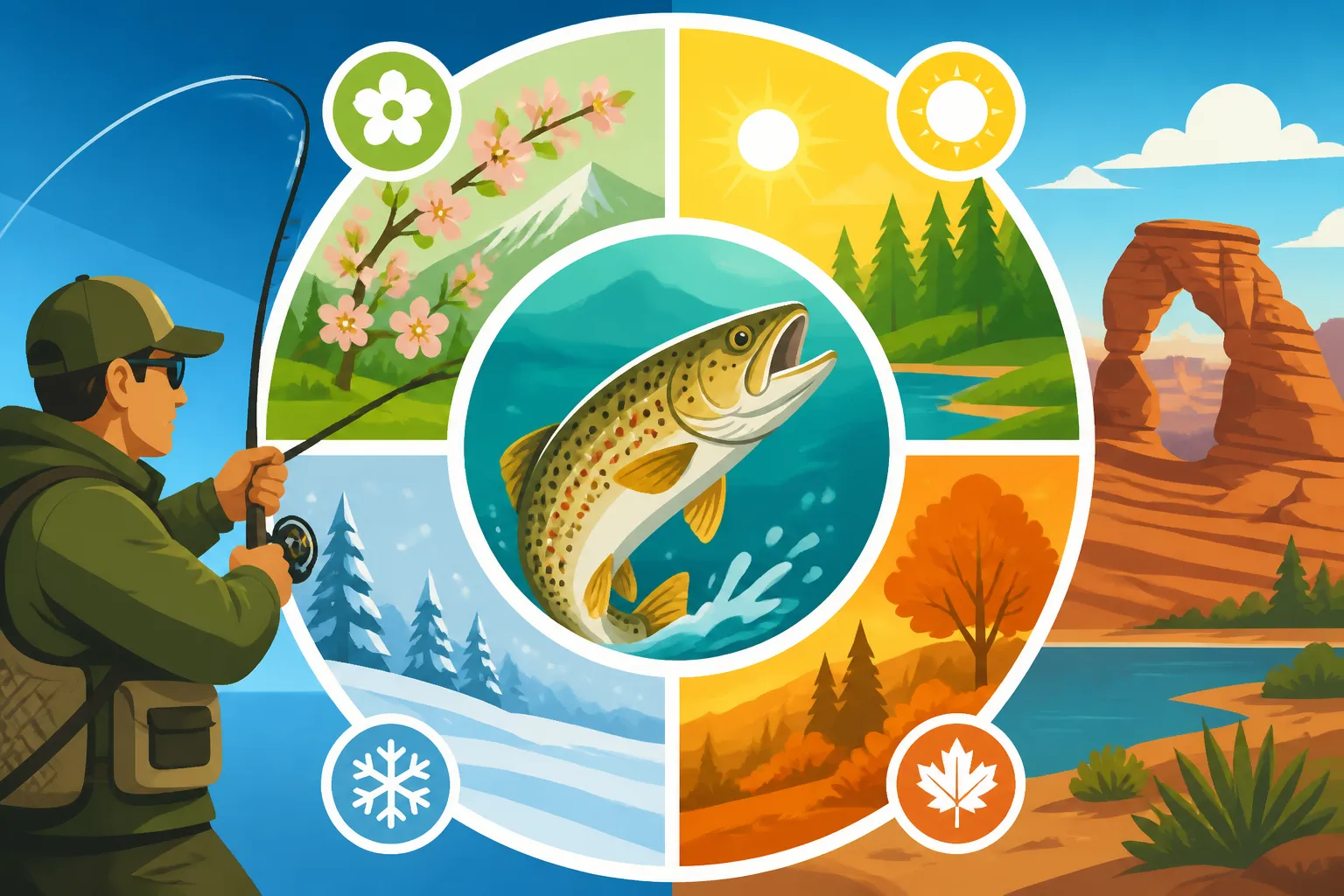
For many Utah anglers, one of the biggest head-scratchers isn't just where to fish, but when. The seasons here aren't just about hot or cold; they dictate everything from fish behavior and water conditions to what gear you should be using and even where you’re legally allowed to cast a line. It can feel like a moving target, leaving you wondering if you're missing out on the best bites. This comprehensive guide will demystify Utah's fishing seasons, helping you understand the rhythms of our waters and ensuring you’re always prepared to find success, no matter the time of year.
Understanding Utah's General Fishing Calendar
When we talk about "fishing seasons" in Utah, it's not always as straightforward as a simple opening and closing date for a specific species. While some fisheries do have very strict seasonal closures or harvest limits that change throughout the year, for the most part, Utah offers fantastic year-round fishing opportunities if you know where to look and how to adapt. The key is understanding how temperature, water flow, and fish biology influence the bite.
What often confuses anglers is the idea that some states have a "fishing season" that's limited to a few months. Here in Utah, thanks to our diverse elevation and water types, you can usually find open water or solid ice somewhere at any given time. From the high-altitude lakes that are only accessible for a short summer window to the lower-elevation reservoirs that rarely freeze solid, or the tailwater rivers that stay open and productive all winter, there's always an adventure to be had. The real seasonal shifts mostly come down to which species are most active, which waters are accessible, and what techniques are most effective.
This continuous opportunity is a huge benefit, but it also means you can't just rely on a one-size-fits-all approach. For example, the techniques you'd use to target trout in a mountain stream during the spring runoff are vastly different from those you’d employ for walleye in Utah Lake during the summer heat. Even within the same body of water, fish patterns can change dramatically from one month to the next, requiring a thoughtful approach and an understanding of the subtle cues nature provides.
The Year-Round Fishing Reality in Utah
Many people assume fishing is strictly a warm-weather sport, but Utah truly breaks that mold. While specific high mountain lakes might only be ice-free and accessible from June to October, countless reservoirs and rivers across the state remain open and productive year-round. This means your angling adventures don't have to end when the snow flies.
Consider places like the lower Provo River or the Green River below Flaming Gorge Dam; these renowned fisheries are often fantastic for fly fishing even in the dead of winter, thanks to consistent water temperatures from the dam releases. Similarly, larger reservoirs like Deer Creek or Willard Bay, especially in their deeper sections, might only skim over with ice in the coldest winters, offering open water opportunities when smaller ponds are locked up. It’s all about knowing which waters are best suited for the conditions and being equipped to handle whatever Mother Nature throws your way.
This adaptability is what makes Utah fishing so rewarding. You might spend spring chasing spawning crappie in a local pond, then shift to high-country trout in summer, pivot to fall kokanee runs, and finally, bundle up for ice fishing or river nymphing in winter. Each season presents unique challenges and rewards, keeping your skills sharp and your passion alive throughout the entire year.
Factors Influencing Seasonal Changes
Several key factors drive the seasonal changes in Utah's fisheries. The most obvious is temperature, which directly impacts fish metabolism and activity levels. As water warms, fish become more active, feed more frequently, and often move into shallower areas. Conversely, as it cools, they might slow down, seek deeper thermal refuges, or concentrate in specific areas to conserve energy.
Another critical factor is precipitation and runoff. Our mountain snowpack melts in spring, leading to increased river flows and often turbid water. This "runoff" period can be challenging for river anglers but can also trigger migration patterns and create new feeding opportunities as insects are washed into the water. Lake and reservoir levels also fluctuate throughout the year due to snowmelt, irrigation demands, and dam operations, influencing where fish hold and how accessible certain fishing spots become. Understanding these dynamics is crucial for success, and guides like the comprehensive How Runoff Affects Utah River Fishing can be incredibly helpful.
Spring Fishing: Thaw, Runoff, and Awakening Bites
Spring in Utah is a season of dramatic transition. As the snow melts and temperatures slowly climb, our waters begin to shake off their winter slumber. This period can be incredibly exciting for anglers, but it also presents its own set of challenges, especially with the notorious spring runoff. However, for those willing to adapt, spring offers some of the most rewarding fishing of the year.
The earliest signs of spring often manifest in lower-elevation reservoirs and rivers that shed their ice first. These waters warm up quicker, signaling to fish that it's time to become more active after a long winter of reduced metabolism. You'll find many species beginning to stage for their spawn or simply becoming more aggressive feeders as their energy levels rise. It's a fantastic time for trout, perch, and even early bass in some areas.
Early Spring Tactics After Ice-Off
Once the ice recedes from reservoirs, especially those at lower to mid-elevations like Deer Creek Reservoir or Jordanelle Reservoir, the early spring bite can be red hot. Water temperatures are still quite cold, usually in the high 30s to low 40s, but fish, particularly trout, are hungry. They've been relatively lethargic under the ice, and now with more light penetration and slightly warmer water, they start to cruise the shallower areas looking for an easy meal.
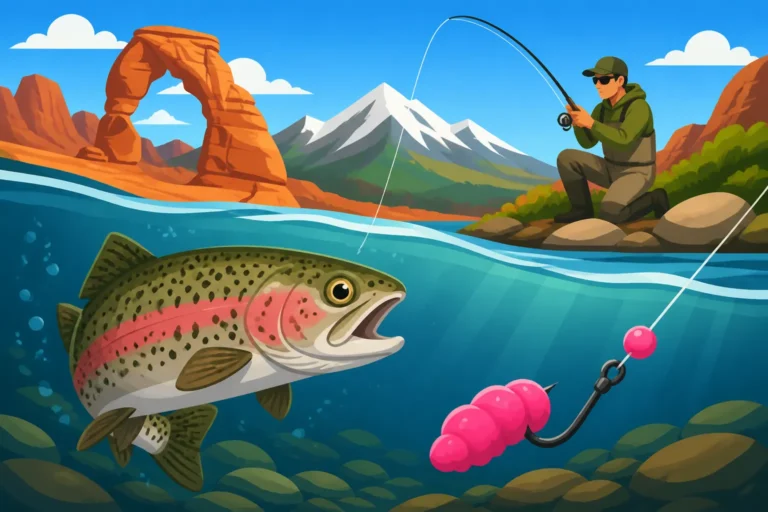
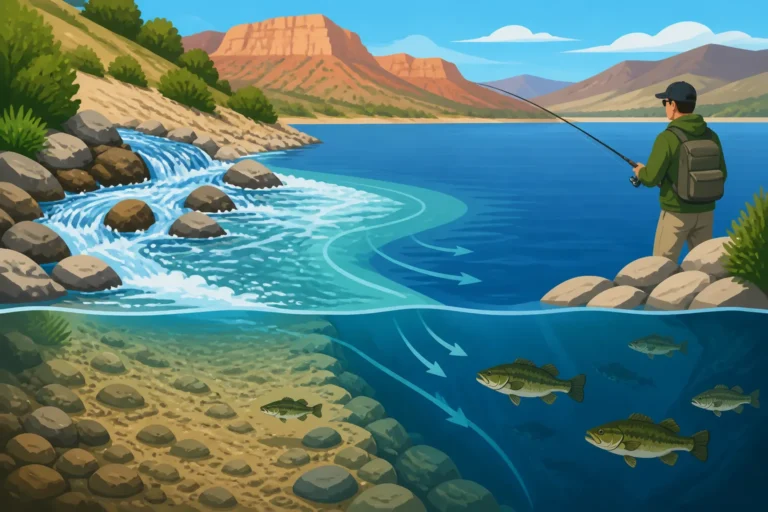
This is a prime time for shore anglers, as trout often move close to the banks where the sun hits the water first, warming it up a degree or two. Using PowerBait or worms rigged on a sliding sinker setup can be incredibly effective. Small spoons or spinners, retrieved slowly, can also entice lethargic trout. If you're on a boat, trolling at very slow speeds with small crankbaits or Wedding Rings tipped with a worm can cover water and find active fish. Many anglers find excellent success focusing on creek inlets where fresh, oxygenated water and any runoff food sources enter the main body.
Beyond trout, species like yellow perch and even some early walleye in waters like Willard Bay or Utah Lake can become active. These fish often stage in shallow bays or near structure as they prepare for their spawn. Small jigs tipped with a minnow or a piece of nightcrawler, fished slowly along the bottom, can be deadly. Remember, fish are still a bit sluggish, so subtle presentations are often more productive than fast, erratic retrieves.
Navigating Spring Runoff Challenges
As spring progresses, especially from late April into June, snowmelt runoff from the mountains can transform many of Utah's rivers into raging, muddy torrents. This can be one of the most frustrating times for river anglers. High, swift, and murky water makes fishing incredibly difficult, and in some cases, downright dangerous. Many smaller streams become unfishable, and even larger rivers can be a challenge.
However, "runoff" doesn't mean "no fishing." It simply means you need to adjust your strategy. Tailwater fisheries, like the Green River below Flaming Gorge or the Provo River below Deer Creek Dam, are often your best bet. Because the water is released from the bottom of a reservoir, its temperature and clarity are more stable and less affected by surface runoff. Here, nymphing techniques with heavy flies and split shot to get down to the fish are key. You can learn more about specific regulations and seasonal closures that sometimes accompany this period in the comprehensive Utah Fishing Season Dates and Limits.
For other rivers, look for slower eddies, back channels, or seams where clearer water might push through. Fish will often tuck into these calmer areas to escape the main current and ambush food. Using larger, darker-colored baits or lures that create more vibration can help fish locate them in the turbid water. It's also a time when many anglers turn their attention to reservoirs, which are generally less affected by runoff clarity, though inflowing rivers can certainly muddy up certain arms or bays.
Summer Fishing: Warm Waters, High Country, and Deep Reservoirs
Summer in Utah brings long, warm days, making it a perfect time to get out on the water. However, the heat also changes fish behavior dramatically. Lower-elevation waters can become very warm, pushing cold-water species like trout into deeper, cooler refuges. This often means adjusting your targets, heading to higher altitudes, or learning to fish the depths.
For many families, summer is the ideal time for leisurely fishing trips. Community ponds are regularly stocked and offer easy access for kids and beginners. Larger reservoirs like Flaming Gorge and Lake Powell become popular destinations for targeting warm-water species, while the high Uinta Mountain lakes offer a pristine escape for those willing to hike. The key to summer success is understanding thermal stratification and adapting your approach to where the fish are comfortable.
Beating the Heat for Cold-Water Species
When summer temperatures soar, especially in July and August, lower-elevation lakes and reservoirs can become quite warm on the surface. For cold-water species like trout, this means they'll seek out cooler, deeper water where oxygen levels are still good. Targeting these fish requires getting your bait or lure down to their comfort zone, which can be anywhere from 20 to 60 feet deep, or even more in large reservoirs like Flaming Gorge.
Techniques like downrigging or leadcore trolling are incredibly effective for targeting deep-holding trout or kokanee salmon. Anglers often use various spoons, small dodgers with a trailing fly, or wedding rings tipped with corn or a worm. If you're shore fishing, using slip sinkers to get your PowerBait or worm to the bottom in deeper sections, especially near dam faces or steep drop-offs, can still produce results. Early morning and late evening bites are also much more pronounced in summer, as fish will venture into shallower waters during the cooler parts of the day.
For river anglers, the trick is to find cold-water refuges. This might mean fishing higher up in the mountains where streams remain icy cold, or focusing on tailwater sections below large dams where water is released from depth, maintaining a consistent, cool temperature. Fly fishing with nymphs and small streamers that imitate aquatic insects is often productive in these cooler river stretches. Remember to check local regulations, as some rivers may have specific thermal closures to protect stressed fish during hot periods.
High-Altitude Lake Adventures
One of Utah's most iconic summer fishing experiences involves packing a backpack and hiking into the Uinta Mountains to fish the hundreds of pristine high-altitude lakes. These lakes, often inaccessible until late June or early July due to snow, offer stunning scenery and excellent fishing for various trout species, including brook, cutthroat, rainbow, and even golden trout in some select locations.
The season for these high-country gems is relatively short, typically lasting from ice-off until early October when the snow returns. During this window, the fishing can be phenomenal. Fish in these nutrient-poor waters are often eager to strike at a variety of offerings. Spin anglers can do well with small spinners, spoons, or even just a worm under a bobber. Fly fishing with dry flies can be exhilarating, especially when hatches are in full swing, but nymphs and small streamers are also consistently effective. Packing light and having reliable gear, perhaps even a sturdy backpack from a brand like Osprey or Gregory, is key for these adventures, many of which involve significant elevation gain.
Fishing these lakes isn't just about the catch; it's about the entire wilderness experience. The crisp mountain air, the towering peaks, and the solitude make for unforgettable trips. Always remember to practice Leave No Trace principles to preserve these fragile ecosystems, and be prepared for rapidly changing weather conditions, even in the height of summer.
Targeting Warm-Water Species
While trout are seeking refuge, summer is prime time for Utah's warm-water species. Largemouth and smallmouth bass, walleye, catfish, and wiper thrive in the warmer temperatures and become incredibly active. Waters like Lake Powell, Utah Lake, and Willard Bay are fantastic destinations for these species.
Smallmouth bass, for example, are abundant in reservoirs like Flaming Gorge and Deer Creek. They love rocky points, submerged timber, and broken ledges. Targeting them with crankbaits, jigs, or soft plastics can lead to explosive strikes. Largemouth bass in warmer, shallower reservoirs like Gunlock or Quail Creek will be found around weed beds, lily pads, and submerged brush, responding well to topwater lures in the early morning or evening, and jigs or Texas-rigged worms during the day.
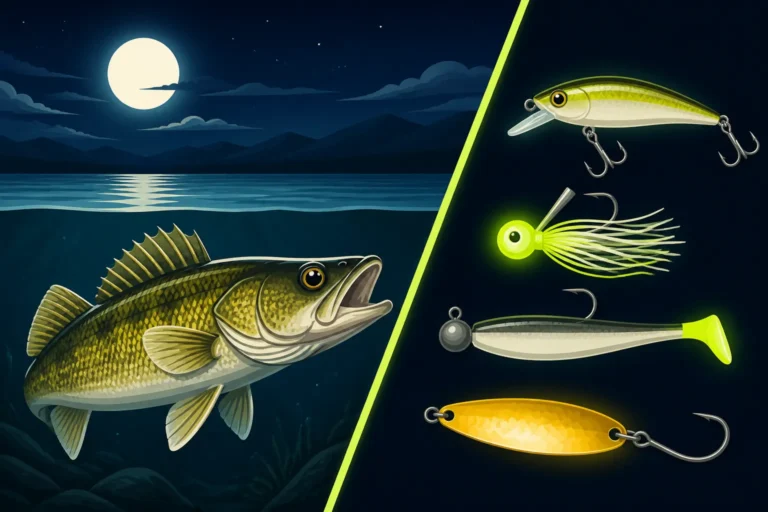
Walleye, known for their delectable fillets, become active feeders in summer, especially during low-light conditions. Trolling with crankbaits, jigging with worms or plastics, or drift fishing with bottom bouncers and worm harnesses are popular techniques on waters like Utah Lake or Willard Bay. Catfish at Utah Lake are also a summer favorite, often targeted with smelly baits like cut bait or stink bait fished on the bottom. The expansive nature of these waters often means you’ll want a quality fishing cooler to keep your catches fresh throughout the day, like those found on Amazon.
Fall Fishing: Cooler Temps, Spawning Runs, and Aggressive Bites
Fall in Utah is a truly magical time for anglers. As the intense summer heat gives way to cooler temperatures, the water cools down, invigorating fish and often triggering some of the most aggressive feeding behaviors of the year. The crowds thin out, the foliage turns vibrant, and the fishing can be absolutely phenomenal.
This season is characterized by several key biological events. Many trout species begin their spawning rituals, becoming more territorial and aggressive. Kokanee salmon make their spectacular spawning runs up tributary streams or into shallow bays, turning brilliant red. Warm-water species, sensing the approaching winter, enter a feeding frenzy to pack on weight. It’s a period of transition where anglers can find success across almost all of Utah’s diverse fisheries.
Pre-Spawn and Spawning Trout Activity
As water temperatures drop into the 50s and 40s, brown trout, brook trout, and cutthroat trout begin their pre-spawn movements and eventually their spawning rituals. This is a time when these fish become particularly active and aggressive, feeding heavily to build energy for the spawn and defending their redds (spawning beds).
For brown trout, especially in famous rivers like the Provo River or the Green River, this means large, territorial males become more susceptible to streamers and egg patterns. They'll often hold in deeper pools or under cutbanks, waiting to ambush prey or chase off intruders. Fishing during this time can produce some of the largest trout of the year. In reservoirs, brown trout will move towards rocky shorelines or tributary mouths where they prefer to spawn. It's crucial during this period to be mindful of spawning fish; avoid disturbing redds, and practice catch-and-release with care to ensure future generations.
Cutthroat trout in reservoirs like Strawberry Reservoir also move into shallower areas or river inlets to spawn. Fly anglers often have great success with streamers or nymph patterns that imitate food sources washing downstream. Anglers targeting these fish need to be aware of specific regulations, as some areas or species may have special closures or harvest limits during spawning periods to protect vulnerable populations. The Strawberry Reservoir Seasonal Closure Dates are particularly important to check, especially for kokanee and trout management.
The Kokanee Salmon Run
One of the most spectacular fall events in Utah fishing is the kokanee salmon run. These landlocked sockeye salmon, identifiable by their brilliant red bodies and olive green heads during the spawn, make their way into shallow bays or up tributary streams to lay their eggs before dying. This happens primarily from late September through October in reservoirs like Strawberry Reservoir, Flaming Gorge, and Jordanelle Reservoir.
While the primary goal for many is to snag one of these vibrant fish (where legal), it’s important to understand the regulations around snagging, which is usually only permitted for kokanee during specific windows and locations. Beyond snagging, focusing on the pre-spawn fish that are still actively feeding in the main body of the reservoir can be highly productive. Trolling with dodgers and squids or small spoons can entice kokanee before they fully commit to their spawning grounds.
Once they are in full spawning mode, the fish are less interested in feeding and more focused on reproduction. However, trout often follow the kokanee into these spawning areas, eager to feast on dropped eggs. This creates an incredible opportunity for anglers targeting trout, using egg patterns or small jigs that imitate this valuable food source.
Fall Feeding Frenzies for Warm-Water Species
Before winter sets in, warm-water species like bass, walleye, and wiper go on a serious feeding binge. As water temperatures cool but remain comfortable, these fish become incredibly active and aggressive, trying to pack on calories to sustain them through the lean winter months. This can lead to some of the best topwater action for bass, or consistent jigging and trolling success for walleye and wiper.
For smallmouth bass, look for them around main lake points, rocky outcroppings, and submerged humps in reservoirs like Flaming Gorge. Crankbaits, jerkbaits, and swimbaits can all be highly effective. They'll often school up, making it possible to catch multiple fish from one spot. Largemouth bass in warmer reservoirs will similarly be feeding heavily, often moving to the edges of deeper weed lines or around available cover.
Walleye fishing on Utah Lake or Willard Bay can be fantastic in the fall. They tend to concentrate in deeper breaks or along old river channels. Trolling crankbaits or vertically jigging with spoons and soft plastics can be very productive, especially during low-light conditions. Wipers at Willard Bay will often chase baitfish aggressively, making them a blast to catch on reaction baits or topwater lures if you can find them busting the surface. This fall feeding frenzy is a prime time to target trophy-sized fish across many species.
Winter Fishing: Ice, Tailwaters, and Hardy Species
Winter in Utah brings a unique charm to the angling scene. While many put their fishing gear away, dedicated anglers know that some of the year's best fishing can be had when the mercury drops. From the thrill of ice fishing to the quiet solitude of tailwater rivers, winter offers a distinct set of opportunities for those prepared for the cold.
The accessibility of winter fishing largely depends on elevation and specific water bodies. High-altitude lakes and many mid-elevation reservoirs become locked under a thick blanket of ice, opening up a whole new world for ice anglers. Meanwhile, certain rivers, particularly tailwaters below dams, remain ice-free and continue to produce excellent open-water fishing. It's a time for hardy species and even hardier anglers.
The Ice Fishing Phenomenon
When Utah's reservoirs and lakes freeze over, typically from December through March (depending on elevation and severity of winter), a whole new dimension of fishing opens up: ice fishing. Waters like Strawberry Reservoir, Fish Lake, and Rockport Reservoir become hubs for anglers bundled in layers, sitting over holes drilled into the ice. This can be an incredibly productive way to catch trout, perch, kokanee, and even some predatory species like tiger muskie or walleye.
Safety is paramount when ice fishing. Always check ice thickness before venturing out, and be aware of changing conditions. Once on safe ice, an ice auger, a good ice fishing rod, and a portable shelter (like those from Eskimo or Clam available on Amazon) are essential gear. Techniques typically involve jigging small spoons, soft plastics, or Kastmasters tipped with a mealworm or piece of PowerBait. For species like kokanee or perch, actively jigging a lure just off the bottom or suspended in the water column can be very effective.
Many anglers find ice fishing to be a wonderfully social activity, with groups gathering on the ice, sharing tips, and enjoying the winter scenery. Others prefer the solitude of a quiet morning, watching their lines for the telltale twitch that signals a bite. Guides like the comprehensive Utah Ice Fishing Guide offer essential tips and safety information to make your winter adventures successful and enjoyable.
Open Water Winter River Fishing
While many lakes are frozen solid, several of Utah's rivers remain open and offer fantastic fishing throughout the winter. These are typically tailwater fisheries, where water released from the bottom of a dam maintains a relatively consistent, unfrozen temperature. The Green River below Flaming Gorge and the Provo River are prime examples.
Winter river fishing can be a truly serene experience. The crowds are minimal, and the fish, particularly brown and rainbow trout, can be very cooperative. Their metabolism slows down in the cold water, making them less likely to chase fast-moving lures. This is prime time for nymphing with flies that imitate the prevalent aquatic insects of winter, like midges and tiny stoneflies. Slow, deliberate presentations are key, often requiring heavier setups to get flies down to the fish in deeper runs and pools.
Spin anglers can also find success by drifting small jigs tipped with a grub or worm, or slowly working small, dark-colored spinners or spoons through deeper pockets. The key is to fish slowly and methodically, presenting your offering right in the fish's face. Layering clothing and having good waterproof boots are essential to stay warm and comfortable during these cold-weather outings.
Targeting Hardy Winter Species
Beyond trout, some species are particularly well-suited for winter fishing. Yellow perch, for instance, are a fantastic ice fishing target in many Utah reservoirs. They often school up, making it possible to catch a good number once you locate them. Small jigs, wax worms, or even a piece of shrimp can entice these tasty panfish.
Lake trout (mackinaw) at Flaming Gorge also remain active through the winter. While often targeted by deep jigging through the ice, they can also be caught from open water sections or by those brave enough to venture out on large, stable ice sheets. These deep-water predators often respond to large tube jigs or spoons.
It's also worth noting that some warm-water species, like walleye, can still be caught through the ice or in open water during winter. They might be less active, but they still feed. A slow, subtle approach with jigs or lipless crankbaits can sometimes fool a hungry walleye. Understanding the patterns of these hardy species can make your winter fishing expeditions incredibly rewarding.
Species-Specific Seasons and Peak Times
While we've covered the general seasonal changes, drilling down into specific species helps optimize your chances. Different fish have different tolerances for water temperature, unique spawning cycles, and feeding behaviors that peak at various times of the year. Knowing when each species is most active can significantly increase your success.
Utah boasts a diverse array of fish species, from popular trout to aggressive bass and elusive walleye. Each has its own rhythm, and aligning your fishing efforts with these natural cycles is the hallmark of a successful angler. This detailed look will help you pinpoint the best windows for your target species.
Trout and Salmon Peak Activity
Trout, including rainbow, brown, cutthroat, and brook trout, are generally cold-water species, meaning they thrive in cooler water. This makes spring and fall often the most consistent times for their general activity. In spring, after ice-off, they're hungry and actively feeding. In fall, cooler temperatures and spawning instincts make them aggressive. Summer can be good in deeper reservoirs or high-altitude lakes, and winter can be excellent in ice-covered waters or open tailwaters.
- Rainbow Trout: Often stocked and found in most reservoirs and many rivers. Peak seasons are spring (post-ice-off) and fall. They're also a primary target for ice fishing. Learn more about Utah Trout Fishing Tips.
- Brown Trout: Known for their predatory nature, especially in rivers. Fall is often considered the prime time due to their spawning run, but they're active year-round in cold-water rivers.
- Cutthroat Trout: Utah's native trout. Peak activity mirrors rainbows in many reservoirs (spring and fall). They also have fall spawning runs in some systems. Strawberry Reservoir Trout and Kokanee Limit often applies to these fish.
- Kokanee Salmon: Truly a seasonal specialty. While you can troll for them in open water during summer (often deep), their most anticipated "season" is their brilliant red spawning run in late September and October.
Bass, Walleye, and Catfish Hot Periods
Warm-water species like bass, walleye, and catfish generally become most active as water temperatures rise, making late spring, summer, and early fall their peak seasons. They have higher metabolic rates and feed more aggressively in warmer water.
- Smallmouth Bass: Found in many reservoirs, particularly those with rocky structures like Flaming Gorge and Deer Creek. Their peak activity is from late spring through early fall, often with an explosive topwater bite in summer mornings and evenings. Fall can bring big bites as they fatten up. Explore Utah Bass Fishing Regulations for details.
- Largemouth Bass: Prefer warmer, shallower, and often weedier waters. Late spring and summer are prime, especially around cover. Early fall provides a good feeding window before they slow down.
- Walleye: Known for being elusive but rewarding. Late spring (pre-spawn and spawn) and fall (feeding frenzy) are generally the best times. They can be caught in summer, especially at night or in deeper water. Check Utah Walleye Harvest Rules for specific guidelines.
- Catfish: Utah Lake is a prime spot for channel catfish. Summer, particularly the warmer nights, is their peak season. They are primarily nocturnal feeders and respond well to smelly baits fished on the bottom.
Lake Trout and Other Deep-Water Species
Lake trout (Mackinaw) are a unique case. Being deep-dwelling, cold-water predators, their "season" is often less about surface temperature and more about their feeding cycles and locations. They can be caught year-round, but specific techniques might be more effective at different times.
- Lake Trout (Mackinaw): Flaming Gorge Reservoir is the undisputed king of Utah lake trout. They can be caught year-round. In spring and fall, they might be shallower, making trolling easier. In summer, they go very deep, requiring downrigging or deep jigging. Winter ice fishing can also be highly productive for them. Their preferred depths vary with the season, but they consistently seek cold, oxygen-rich water.
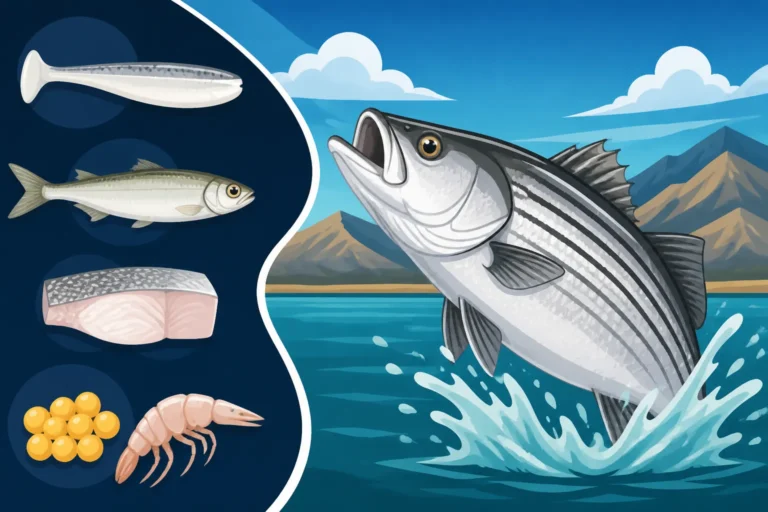
- Wiper (Hybrid Striped Bass): Primarily found in Willard Bay. These hard-fighting hybrids are voracious eaters. They are most active in late spring, summer, and early fall, often chasing baitfish in open water. They can provide thrilling topwater action.
- Tiger Muskie: A trophy species found in Pineview Reservoir and a few other waters. Spring and fall are often considered the best times, as these ambush predators become more active in cooler water. They require specialized gear and a lot of patience.
Navigating Seasonal Regulations and Closures
Understanding Utah's fishing seasons isn't just about fish behavior; it's critically about abiding by the Utah Fishing Regulations. These rules are put in place by the Utah Division of Wildlife Resources (UDWR) to manage fish populations, protect spawning fish, and ensure sustainable angling for everyone. Failing to understand and follow them can lead to fines and frustration.
It's a common misconception that once you have a fishing license, you're good to go anywhere, anytime. But Utah's regulations are highly nuanced, often changing from one body of water to the next, and even within the same water body at different times of the year. This can be intimidating, but with a bit of attention to detail, you can stay on the right side of the law.
Why Regulations Change Seasonally
The primary reason fishing regulations change with the seasons is for fish management and conservation. For instance, during the spawning season for certain species, closures or catch-and-release-only rules might be implemented to protect fish when they are most vulnerable. A perfect example is the temporary closure of parts of Strawberry Reservoir from November through mid-April to protect spawning kokanee salmon and cutthroat trout. Understanding Why Is Strawberry Reservoir Closed From November Through Mid-April? is key to planning your late fall and early spring trips.
Another reason for seasonal adjustments relates to water conditions. During periods of extreme heat, some waters might have "hoot owl" restrictions, meaning fishing is only allowed during the cooler morning hours to reduce stress on fish that are already struggling with high water temperatures and low oxygen. Conversely, during periods of low water or drought, access points might change, or specific areas might be closed to protect fragile habitats.
Habitat protection is also a major driver. Certain sensitive spawning habitats or critical feeding areas might be closed off during specific times of the year to minimize disturbance to fish during vital life stages. The UDWR employs these measures to balance recreational opportunities with the long-term health of Utah's fisheries.
The Importance of the Current Fishing Proclamation
Your single most important resource for understanding Utah's fishing regulations, especially seasonal changes, is the current Utah Fishing Guidebook (often referred to as the Fishing Proclamation). This comprehensive document, updated annually, details all the statewide and site-specific rules you need to know. Never rely on outdated information or hearsay; always consult the latest proclamation.
The proclamation will outline:
- Statewide rules: General regulations on bag limits, fishing methods, bait use, etc.
- Waters specific rules: This is where most seasonal changes come in. Many lakes and rivers have unique rules that override statewide regulations. This could include reduced bag limits for certain species, specific length restrictions, catch-and-release only sections, or seasonal closures.
- Emergency changes: Sometimes, due to unforeseen circumstances like drought, disease, or unexpected fish behavior, the UDWR might implement emergency changes. These are usually posted on their website.
It's a good habit to download a digital copy of the proclamation to your phone or keep a physical copy in your tackle box. Before heading out to a new spot or at the start of a new season, always take a few minutes to review the specific regulations for your intended fishing location. This diligence will save you from potential fines and help ensure you're fishing responsibly.
Common Seasonal Restrictions to Watch For
When reviewing the proclamation for seasonal rules, keep an eye out for these common restrictions:
- Seasonal Closures: As mentioned with Strawberry Reservoir, certain water bodies or sections of rivers may be entirely closed to fishing during specific months to protect spawning fish or critical habitats.
- Mandatory Harvest Rules: For invasive species like Northern Pike in Utah Lake, there's often a "kill all" rule, meaning you cannot release them. This is a year-round rule, but awareness of it helps manage populations. Learn Why Does Utah Lake Require You to Kill Every Northern Pike? to understand the ecological reasons behind it.
- Length and Bag Limits: These can change seasonally for specific species. For example, a particular lake might have a higher bag limit for trout during the spring stocking period but a stricter limit during the summer. The Utah Trout Daily Limit Explained provides more details.
- Bait Restrictions: Some waters are designated "fly fishing only" or "artificial lures and flies only," which are year-round restrictions but become more relevant as you explore different types of fishing, often favored in certain seasons. For example, you can't use live minnows as bait in many Utah waters.
- Time of Day Restrictions: "Hoot owl" restrictions, as mentioned earlier, limit fishing to certain hours during hot summer months to protect cold-water fish.
Being informed about these regulations is not just about avoiding trouble; it’s about being a responsible steward of Utah’s incredible fisheries.
Adapting Your Technique to the Season
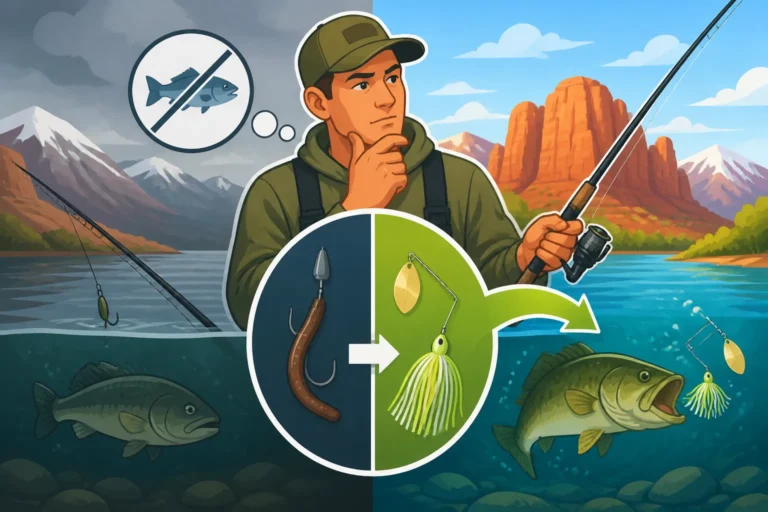
Just as fish behavior changes with the seasons, so too must your fishing techniques. What works in the chilly waters of early spring will likely be ineffective in the dog days of summer. Becoming a truly successful year-round angler in Utah means being versatile and willing to adjust your gear, baits, and presentation to match the conditions and the fish's mood.
This continuous learning process is part of the fun of fishing. It pushes you to experiment, to think like a fish, and to fine-tune your approach based on the environment around you. Don't be afraid to switch things up; often, a small adjustment can make a huge difference.
Gear Adjustments for Seasonal Success
Your basic fishing rod and reel might stay the same, but the rest of your gear often needs seasonal tweaks.
- Spring: As waters are still cold, fish are often lethargic. Opt for slower retrieves with lures and baits. For rivers with runoff, heavier lines and weights might be necessary to get your offering through the current. Bait fishing with worms or PowerBait is often effective for newly stocked trout.
- Summer: When targeting deep-holding fish, you'll need gear that can get your bait down. This means heavier sinkers for shore anglers, or specialized gear like downriggers for boaters. For bass in warm, shallow waters, lighter tackle with topwater lures or weedless presentations might be in order. Don't forget polarized sunglasses to spot fish in clear summer waters, often found in various styles on Amazon.
- Fall: Fish are often aggressive, so you can increase your retrieve speed. For trout and salmon spawning runs, egg patterns, streamers, and brightly colored spoons or jigs become highly effective. For warm-water species, larger crankbaits and reaction baits can trigger strikes.
- Winter: Ice fishing demands specialized short rods, sensitive reels, and small jigs or spoons. For open-water river fishing, sensitive rods for nymphing are crucial, along with heavier tippet and split shot to get flies down in the column. Warm clothing and proper insulation are just as important as your fishing tackle. The comprehensive Utah Fishing Gear Guide delves deeper into these seasonal gear considerations.
Bait and Lure Selection Through the Year
Fish diet and preferences also shift dramatically with the seasons, so your bait and lure selection should reflect this.
- Spring: Post-ice-off, trout are often eager for familiar protein sources like worms, PowerBait, or corn. Small, slowly retrieved spinners (like Panther Martins or Mepps) and spoons can also be effective. In rivers, early season nymphs and midges are key for fly anglers.
- Summer: In warm waters, insects are abundant, so dry flies and emerger patterns can be deadly for trout on rivers and high-country lakes. For bass, try frogs and poppers on topwater, or jigs and plastic worms near cover. Walleye often respond to nightcrawlers and leeches on spinner rigs.
- Fall: This is a season of abundance. For trout, egg patterns become vital, especially during spawning runs. Streamers imitating baitfish are also excellent for aggressive browns. For kokanee, bright pink or orange hoochies and spoons are popular. Warm-water fish will hit a variety of larger baits and lures as they feed heavily.
- Winter: Ice fishing relies on small, compact offerings like vertical jigs, tungsten jigs tipped with wax worms or mealworms. For open-water nymphing, tiny midges, baetis patterns, and small stoneflies are staples. Live bait, such as minnows (where legal), can be highly effective through the ice.
Strategic Adjustments Based on Water Conditions
Beyond temperature, water conditions like clarity and flow greatly influence how you should fish.
- High Flow/Turbid Water (Spring Runoff): During heavy runoff, fish tend to move to slower, clearer water areas along the banks, in eddies, or behind structure. Use heavier weights to get your bait down, and opt for larger, darker lures or baits that create more vibration and profile in the murky water. Fish tend to rely more on their lateral line in these conditions.
- Clear, Low Flow Water (Summer/Fall Rivers): In very clear water, especially on heavily fished rivers, fish can become spooky. Longer, lighter leaders and more subtle presentations are necessary. Match the hatch for fly fishing, and make longer casts to avoid spooking fish. This is where a good Utah Fly Fishing Guide comes in handy.
- Reservoir Drawdown (Seasonal): Many reservoirs experience drawdowns, especially in late summer and fall, as water is used for irrigation. As water levels drop, fish can concentrate around remaining submerged structure or channel edges. Pay attention to new drop-offs and features that weren't exposed before. This also might reveal new access points or make others inaccessible.
By thoughtfully adjusting your gear, bait, and strategy to the prevailing season and water conditions, you'll not only catch more fish but also gain a deeper appreciation for the intricate natural rhythms that govern Utah's diverse fisheries.
Disclaimer
Please remember that fishing regulations and conditions in Utah can change frequently. Always consult the most current Utah Fishing Guidebook (Proclamation) from the Utah Division of Wildlife Resources (UDWR) before you go fishing. This article is intended for informational purposes only and does not supersede official regulations. Stay safe and fish responsibly.