Where to Fish Strawberry Reservoir Right Before Its Spring Opener
That itch to get back on the water after a long, cold Utah winter is absolutely undeniable, especially when you know Strawberry Reservoir is just about to burst open with hungry fish. You've been staring at the calendar, watching the ice reports, and feeling that unique blend of anticipation and uncertainty about when and where to drop a line. This guide is all about navigating that tantalizing pre-opener period at Strawberry, giving you the insights and strategies to hit the water running, even before the official season kicks into high gear.
Understanding Strawberry Reservoir's Spring Opener Dynamics
Fishing Strawberry Reservoir right before its official spring opener is a truly unique experience. It’s a transition period where the lake shrugs off its icy blanket, and the fish, after months of slowed metabolism under the ice, start to become incredibly active. This isn't just about waiting for a date on the calendar; it's about understanding the natural rhythms of this incredible fishery.
Why the Pre-Opener Period is Unique
The period leading up to Strawberry's official spring opener, typically in late April or early May, is often defined by the ice-off process. While most anglers focus on ice fishing during the colder months, the moment the ice begins to recede opens up new opportunities. The fish, particularly the large cutthroat and feisty rainbow trout, begin to move into shallower, warmer waters. These areas, typically bays and coves that get more direct sunlight, warm up faster than the main lake body. This temperature shift stimulates their metabolism, making them more aggressive and eager to feed after a long winter. It’s a small window where you can often find large numbers of fish concentrated in accessible areas, offering some of the best fishing of the year.
Official Opening Dates and What They Mean
While the ice may melt earlier, typically sometime in April, the Utah Division of Wildlife Resources (UDWR) usually implements a seasonal closure for certain parts of Strawberry Reservoir. This closure, which runs from November through mid-April, is primarily to protect spawning fish, especially the native Bear Lake cutthroat trout that make their way into the Strawberry River and other tributaries to reproduce. For a detailed look at these rules, you can check out the guide on Why Is Strawberry Reservoir Closed From November Through Mid-April? This means that while some parts of the main lake might be technically ice-free, you still need to be acutely aware of the specific closure boundaries. Usually, the main body of the reservoir and its major bays like Strawberry Bay and Soldier Creek Bay open for fishing around mid-April. Knowing these specific dates and boundaries, which are outlined in the annual Utah Fishing Guidebook, is crucial to avoid any violations. It’s not just about what can be fished, but what is legally open for fishing. You'll want to review the Utah Fishing Regulations Explained before heading out.
Prime Locations to Target Before the Official Opener
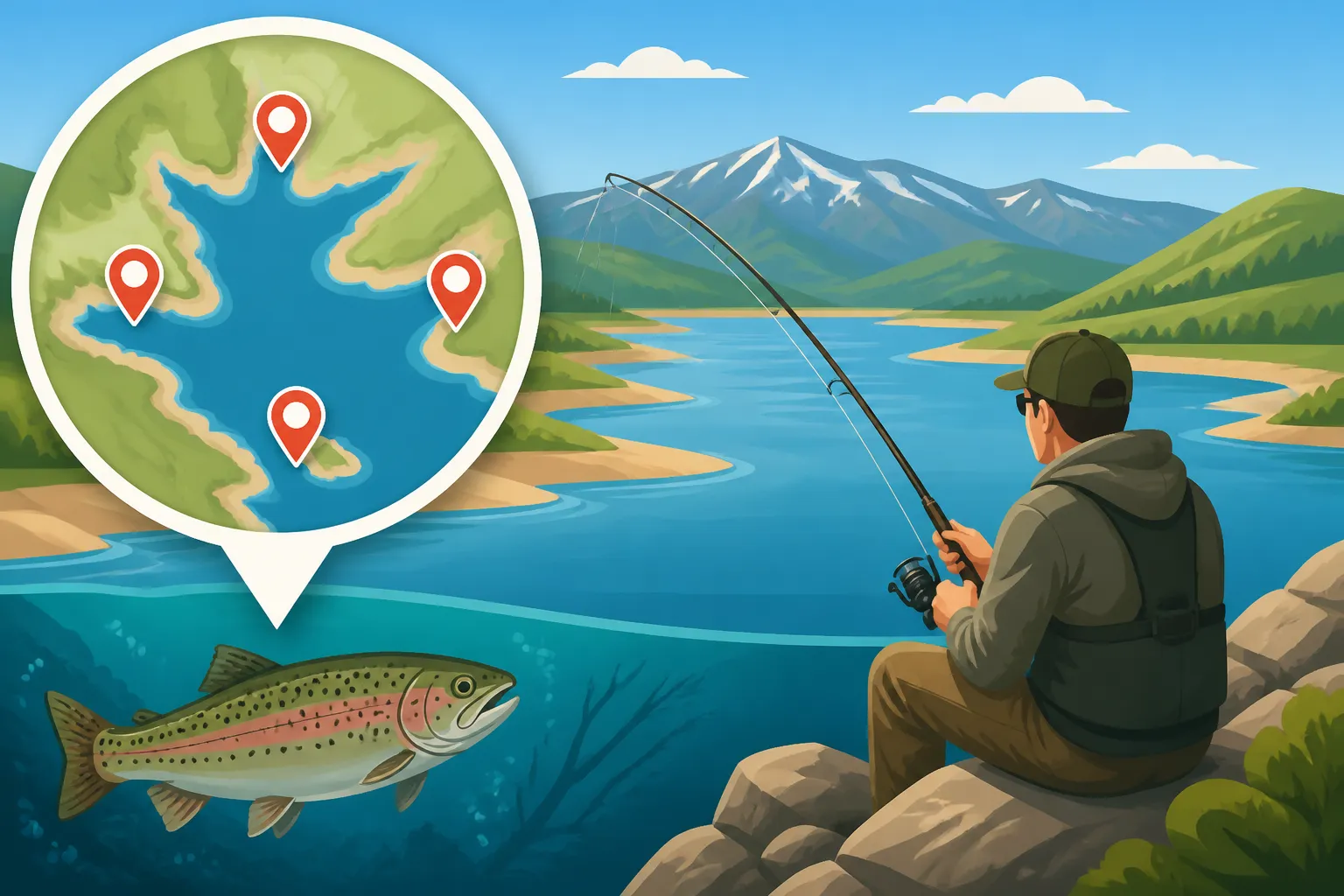
Once the ice starts pulling back and the legal season approaches, knowing where to go is half the battle. Strawberry Reservoir is a huge body of water, and not all areas become productive at the same time. Focusing on specific zones that warm up faster and offer easy access is key to early success.
Accessing Early Ice-Off Areas
The first areas to shed their ice and become fishable are almost always the shallower bays and coves, especially those exposed to direct sunlight for most of the day. Strawberry Bay and Soldier Creek Bay are classic examples. These expansive, relatively shallow areas absorb solar radiation quicker than the deeper, main lake basin. As the ice recedes, it creates a narrow band of open water along the shoreline, which is exactly where the fish will first congregate.
- Shoreline Access: This is often your best bet in the immediate post-ice-off period. Look for gradual slopes, points, and stretches of shoreline where you can cast into that newly open water. Access points around Strawberry Bay, such as the areas near the marina or along US-40, become prime spots. Consider checking out specific advice on Best Shore Fishing Spots at Strawberry Reservoir.
- Boat Access (When Permitted): As more ice clears, boat ramps like those at Strawberry Bay or Soldier Creek Bay become usable. However, exercise extreme caution. There might still be floating ice chunks, and water temperatures are dangerously cold. If you’re planning to launch, always check with local resources or marinas for current ice conditions. Using a service like FishingBooker can sometimes help you connect with local guides who are intimately familiar with current conditions and accessible areas. They often have real-time intel that's invaluable.
Inlets and Shallow Bays
As the ice continues to melt, the inflows from tributaries become incredibly important. The Strawberry River, Indian Creek, and other smaller streams that feed into the reservoir carry warmer water and a flush of nutrients, attracting baitfish and, consequently, hungry trout. These areas act like a buffet for post-winter fish.
- Strawberry River Inlet: This is a perennial hotspot. The warmer, moving water here attracts a lot of fish activity. Target the transition zones where the river water mixes with the main reservoir. These areas also tend to hold more food washing in.
- Shallow Spawning Flats: Many of the large cutthroat trout that live in Strawberry will soon be thinking about spawning. While the main spawning run happens later and in closed areas, the fish will begin to stage in shallower, rocky areas adjacent to deeper water as they prepare. These flats are often found within the larger bays. They're seeking out warmer water and suitable substrate, making them fantastic places to target for actively feeding fish. Remember, you're looking for fish before they enter the protected spawning zones.
Structure and Transition Zones
Fish are creatures of comfort and efficiency, especially in the cold waters of early spring. They'll gravitate towards structure that offers warmth, protection, and ambush points for food.
- Points and Submerged Islands: Any geological feature that extends into the lake and creates a break in the current or offers a quick drop-off can be a major draw. These act as staging areas where fish can move between shallower feeding grounds and deeper, more secure holding areas.
- Channel Edges and Drop-offs: As the main lake thaws, fish will patrol the edges of deeper channels, especially those near the newly accessible shallow bays. These "transition zones" allow them to quickly move into warmer, sun-soaked shallows to feed and then retreat to deeper, more stable temperatures if conditions change. A good fish finder can be your best friend here, helping you locate these subtle depth changes and the fish holding on them.
Effective Techniques and Baits for Early Spring Success
The pre-opener period at Strawberry calls for specific tactics. The fish are hungry, but the water is still very cold, meaning they might not be chasing baits aggressively or moving long distances. Slow, methodical presentations often win the day.
Bait Fishing Strategies
Bait fishing is incredibly effective in early spring, largely because of the cold water. Fish are less likely to chase a fast-moving lure, but a stationary or slowly drifting natural bait is an irresistible meal.
- PowerBait and Worms: These are absolute staples for trout. A classic slip sinker rig, where your bait is on the bottom, or a suspended presentation under a bobber can be deadly. For a slip sinker rig, use a small weight (1/4 to 1/2 oz) to get your bait to the bottom, then a swivel, and a leader (18-36 inches) to a size 8 or 10 single hook. Mold PowerBait into a small, buoyant ball that floats off the bottom. Worms, particularly nightcrawlers, can be threaded onto the hook or left dangling naturally. If you're wondering What Color PowerBait Works Best in Utah Reservoirs?, common wisdom leans toward brighter colors like chartreuse or rainbow in stained water, and more natural colors in clear water.
- Scented Marshmallows and Corn: These less common baits can sometimes surprise. They offer buoyancy and scent, making them a good option for drifting or suspending. The key is to present them naturally and let the scent do the work.
- Still Fishing vs. Drifting: In the cold water, still fishing from shore or an anchored boat can be highly productive. However, a very slow drift, especially near creek inlets or across shallow flats, can cover more water and help you locate scattered fish.
Lure Fishing Tactics
While bait often outshines lures in the coldest post-ice-off conditions, certain lures, fished correctly, can still entice strikes. The key is to slow down your presentation significantly.
- Spoons and Spinners: Smaller, flashy spoons (like Kastmasters or Daredevils) and inline spinners (such as Mepps or Panther Martins) are good choices. Cast them out and retrieve them with a very slow, erratic action, allowing them to flutter and sink. The flash and vibration can mimic injured baitfish.
- Small Crankbaits and Jerkbaits: Look for shallow-diving models that imitate minnows. These are best used with a "twitch-twitch-pause" retrieve. The pause is critical, allowing the lure to suspend or slowly rise/fall, giving lethargic fish time to react.
- Jigging: From a boat or even shore in deeper areas, vertical jigging with small leadhead jigs tipped with a piece of PowerBait or a small plastic grub can be effective. Slowly lift and drop the jig, keeping it near the bottom. This technique is often detailed in guides like How to Rig a Jig for Utah Trout.
Fly Fishing Approaches
For the fly angler, early spring means focusing on subsurface presentations. The active bug hatches of summer are still a ways off, so you're mimicking nymphs, leeches, and small baitfish.
- Nymphs: Large stonefly nymphs, prince nymphs, or pheasant tail nymphs fished under an indicator with split shot to get them deep are excellent. Focus on current seams near inlets or over submerged structure.
- Leeches and Streamers: Patterns like Woolly Buggers (black, olive, or brown) are incredibly versatile. Cast them out and retrieve them with a very slow, strip-pause retrieve. This imitates leeches or small minnows, which are always on the trout's menu, even in cold water. A slow, methodical retrieve is key – think "less is more."
- Focus on Stillwaters: While river sections feeding Strawberry are closed, stillwater fly fishing from a float tube or kayak in the accessible bays can be fantastic. Chironomid patterns suspended under an indicator can be deadly when trout are feeding on emerging midges.
Reading the Water and Weather
Successful early spring fishing at Strawberry often comes down to finely tuning your approach based on subtle environmental cues.
- Water Temperature: Even a one or two-degree increase in water temperature can significantly impact fish activity. Use a thermometer to identify warmer pockets, especially in shallow bays or near inlets.
- Wind and Cloud Cover: Overcast days with a light chop can sometimes be better than bright, sunny days. The chop breaks up the surface, making fish feel more secure, and the cloud cover can encourage them to move into shallower water. Strong winds, however, can make boat control difficult and muddy up shorelines.
- Time of Day: As the sun climbs higher, the shallow areas warm up. Mid-morning to late afternoon can often be the most productive times during this period, after the water has had a chance to absorb some heat.
Essential Gear and Safety Considerations
Spring fishing at Strawberry Reservoir can be unpredictable. You might start with calm, sunny weather and end with a snow squall or strong winds. Being prepared is not just about comfort, but safety.
Recommended Gear for Variable Conditions
Having the right gear will make your trip much more enjoyable and productive.
- Layered Clothing: This is non-negotiable in Utah. Start with moisture-wicking base layers, add insulating fleece or down, and top with a waterproof and windproof outer shell. Be ready to add or shed layers as conditions change.
- Waders and Waterproof Boots: If you're fishing from shore, chest waders are essential for staying dry and comfortable in the cold water. Make sure your boots have good traction for potentially muddy or icy shorelines.
- Appropriate Rod/Reel Setups: A medium-light to medium action spinning rod (6-7 feet) paired with a 2500-3000 series reel spooled with 6-8 lb monofilament or fluorocarbon is a versatile setup for both bait and lure fishing. For fly fishing, a 5-6 weight rod is a good all-around choice.
- Anchor for Boats: If you're fishing from a boat, a reliable anchor is crucial to hold your position, especially if a breeze picks up. Shallow-water anchors can be useful in the bays.
- Cooler and Ice: Even in cold weather, it's vital to keep your catch fresh. Have a cooler with ice readily available if you plan to keep fish. This is part of responsible angling and food safety.
- Electronics: A good fish finder can help you locate those valuable transition zones, submerged structure, and even schools of fish. GPS is also handy for marking productive spots, which you can easily do with a map on your phone or a dedicated unit.
Navigating Ice-Off Hazards
Early spring fishing presents unique hazards that demand respect and caution.
- Thin Ice: Even if an area looks clear, pockets of thin or unstable ice can exist, especially near inlets or points. Never assume ice is safe. If you encounter ice, do not attempt to walk on it unless you are absolutely certain of its thickness, which is a whole different ballgame and requires specific Utah Ice Fishing Guide knowledge.
- Cold Water Safety: Water temperatures in Strawberry after ice-off are dangerously cold, often in the low 40s or even colder. Falling into this water can lead to hypothermia rapidly. Always wear a PFD (personal flotation device) when boating, float tubing, or kayaking. If you're going out on a boat, ensure all required safety equipment is onboard, as covered in Utah Boating and Fishing Rules.
- Fluctuating Water Levels: Spring runoff can cause water levels to fluctuate, making shore access or boat launching tricky. Be aware of the conditions and adjust your plans accordingly.
Respecting Regulations and Fellow Anglers
Even in the exciting pre-opener window, adherence to regulations and practicing good etiquette is paramount.
- Know the Regulations: Double-check the current Utah Fishing Guidebook for specific bag and possession limits, slot limits, and any special regulations for Strawberry Reservoir. These can change annually, and some areas might have specific rules, for example, on Utah Daily Bag and Possession Limits. Getting a Utah Fishing License Guide is your first step.
- Practice Catch and Release: While you can keep fish, consider releasing larger cutthroat trout, especially if they show signs of spawning readiness. This helps ensure the long-term health of the fishery. If you decide to keep fish, know how to handle them properly.
- Give Space: Strawberry can get crowded, especially on popular opening weekends. Be courteous to other anglers, give them plenty of space, and keep noise levels down.
Here’s a quick overview of some tactics for early spring at Strawberry:
| Technique | Description | Best Application | Key Gear/Bait | Notes |
|---|---|---|---|---|
| Still Fishing | Anchored or from shore, bait presented on the bottom or suspended. | Bays, inlets, gradual drop-offs, especially early post-ice. | PowerBait, worms, marshmallow/corn, slip sinker rig, bobber | Slow and steady wins the race in cold water. |
| Slow Drifting | Boat slowly drifts across an area, dragging bait or lure. | Across shallow flats, near subtle structure. | Worms, PowerBait, small spoons, jigs with scent. | Covers more water than still fishing without aggressive retrieves. |
| Slow Retrieve Lures | Casting spoons, spinners, or small crankbaits with minimal movement. | Shorelines, points, open water in bays. | Small Kastmasters, Mepps, shallow-diving crankbaits. | Focus on flash and vibration; "twitch and pause" for crankbaits. |
| Subsurface Fly Fishing | Nymphs, leeches, or streamers fished deep under an indicator or with slow strips. | Near inlets, submerged structure, drop-offs from float tube. | Stonefly nymphs, Woolly Buggers (olive, black), chironomids. | Emulate slow-moving natural food sources; ideal for fly anglers. |
| Vertical Jigging | Dropping and lifting small jigs or spoons directly below the boat. | Deeper sections of bays, near structure. | Leadhead jigs with plastic, small spoons, tipped with bait. | Effective for fish holding tight to bottom structure; requires boat/depth. |
Remember, the pre-opener period at Strawberry Reservoir is a fleeting but rewarding time. By understanding fish behavior, targeting the right locations, employing effective techniques, and prioritizing safety, you can experience some incredible fishing and make the most of that precious window before the full season gets into swing. You might even consider booking a trip with a local guide through platforms like FishingBooker to maximize your chances and learn the local nuances of this special fishery.
Disclaimer
The information provided in this guide is for educational purposes only and is based on general knowledge of Utah fishing regulations and practices. Fishing regulations, season dates, and conditions can change. Always consult the most current Utah Fishing Guidebook published by the Utah Division of Wildlife Resources (UDWR) before planning any fishing trip. Adherence to all local, state, and federal laws is the responsibility of the angler. The author and publisher are not liable for any incidents or violations that may occur from following the advice in this guide. Please fish safely and responsibly.