Invasive Fish Species in Utah
It can be incredibly disheartening to head out for a peaceful day of fishing, only to encounter species that don't belong, throwing a wrench into the native ecosystem you cherish. You've heard the whispers, seen the signs, and maybe even caught one of these unwelcome guests yourself, leaving you wondering what impact they truly have and what you, as an angler, can actually do about it. This guide is here to unravel the complex world of invasive fish species in Utah, explaining why they're here, what problems they cause, and how every angler plays a crucial role in protecting our state's precious waters.
Understanding the Threat: Why Invasive Fish Matter in Utah
When we talk about fishing in Utah, most of us picture pristine mountain streams, clear reservoirs, and abundant native trout like the Bonneville cutthroat. But lurking beneath the surface, and sometimes thriving, are species that don't belong, and their presence can have far-reaching consequences. It's not just about a different fish in the water; it's about a ripple effect that touches everything from the smallest insect to the largest predator, and even the quality of your fishing experience.
The Delicate Balance of Native Ecosystems
Think of Utah's waters as incredibly intricate natural tapestries, woven over millennia with native species that have evolved together, each playing a specific role. Native trout, for example, have precise needs for water temperature, oxygen levels, and food sources that are perfectly matched by the environments they inhabit. They've coexisted with specific insect larvae, smaller fish, and even birds of prey in a finely tuned dance. When an invasive species is introduced, it's like a wrecking ball crashing into that delicate balance.
These native ecosystems are incredibly sensitive. Take a small mountain lake, for instance, where cutthroat trout might be the only predatory fish. They keep populations of smaller invertebrates in check, and their young provide food for otters and eagles. Introduce an aggressive, non-native predator like a northern pike, and suddenly that balance is shattered. The pike might outcompete the cutthroat for food, prey on their young, or introduce diseases the native fish have no immunity against. The sheer presence of an invader forces native species to adapt or decline, and often, decline is the more common outcome. This is why understanding the specific vulnerabilities of our native fish is so critical, as detailed in our guide on Utah Trout Species Guide.
How Invasive Species Disrupt Food Webs and Habitats
The impact of invasive fish extends far beyond simple competition. They often disrupt entire food webs, changing what eats what, and how much is available. Consider the common carp, a species found in many of Utah's warmer, shallower waters, like Utah Lake. Carp are bottom-feeders, and their constant rooting and grubbing stirs up sediment from the lakebed. This might not sound like a huge deal, but think about it: all that churned-up sediment reduces water clarity, making it harder for aquatic plants to photosynthesize. These plants are crucial habitat for countless invertebrates, which are, in turn, food for native fish and waterfowl.
Beyond just food sources, invasive species can directly alter physical habitats. For instance, northern pike prefer dense vegetation for ambushing prey and spawning. If they proliferate in a lake that once had sparse vegetation, their mere presence could lead to changes in the plant community as native fish that rely on open water struggle to survive. This habitat modification can be a slow, insidious process, often unnoticed until the damage is extensive. Moreover, some invasive fish carry parasites and diseases that, while not severely affecting them, can devastate native populations that have no natural defenses. It's a complex web of interactions, and every new thread, especially an invasive one, can unravel the whole thing.
Economic and Recreational Impacts
The problems caused by invasive fish aren't just ecological; they hit us right in the wallet and impact our beloved recreational pursuits. When native fish populations decline due to invasive pressure, it directly affects angling opportunities. If you've always gone to a certain stream for brook trout, but now it's overrun with a different species, your enjoyment and tradition are diminished. This can lead to decreased tourism in affected areas, impacting local businesses that rely on angler traffic – think bait shops, guides, restaurants, and lodging.
Management efforts to control invasive species are also incredibly expensive. The Utah Division of Wildlife Resources (UDWR) spends considerable resources on monitoring, suppression, and eradication programs. This includes everything from specialized fishing tournaments aimed at removing invasives to sophisticated rotenone treatments in certain waters, which are costly and labor-intensive. These funds could otherwise be used for stocking popular game fish, habitat improvement for native species, or expanding angler access. Ultimately, the cost of managing invasive species is borne by all of us, directly through license fees and taxes, and indirectly through reduced fishing quality and diminished natural resources.
Common Invasive Fish Species You'll Encounter in Utah
Utah's diverse waters, from high mountain lakes to vast desert reservoirs, unfortunately, host a variety of non-native fish species. Some are more problematic than others, and understanding who they are and where they thrive is key to being a responsible angler.
Northern Pike: The Apex Predator of Concern
Northern pike are perhaps one of the most concerning invasive fish in Utah, primarily because of their predatory nature and rapid growth. These toothy predators are aggressive, highly adaptable, and can grow to impressive sizes, making them a formidable threat to native fish populations, especially trout and kokanee salmon. They are ambush predators, lying in wait in weeds or submerged structures, and striking swiftly. Their presence can severely deplete populations of native species, and even consume young sport fish that the UDWR stocks for recreational purposes.
The most prominent battleground for northern pike in Utah is Utah Lake, where they were illegally introduced. Their population exploded, preying on everything from native June suckers (an endangered species) to channel catfish and even walleye. Because of their severe impact, Utah has strict regulations on northern pike, specifically a mandatory harvest rule. If you catch one in Utah Lake or specific sections of the Provo River, you must remove it from the water and kill it. There's no catch-and-release option. Understanding Why Utah Lake Require You to Kill Every Northern Pike? is crucial for any angler heading to that water. You might find specialized gear for pike fishing, like heavy-duty lures and strong line, on Amazon, which many anglers use to target and remove these fish.
Common Carp: Bottom Dwellers with Big Impact
Common carp are another widespread and impactful invasive species in Utah, often found in warmer, shallower, and often murkier waters, particularly large reservoirs and slow-moving rivers. These fish, originally from Asia, were introduced to the U.S. in the late 1800s as a food source and have since spread extensively. They are known for their ability to tolerate a wide range of water conditions, including low oxygen and high turbidity, which allows them to thrive in environments where many native fish struggle.
As discussed earlier, their bottom-feeding habits are the primary source of their ecological damage. They churn up sediment, clouding the water and destroying aquatic vegetation that provides critical habitat and food for other species. This turbidity can also inhibit the spawning success of sight-feeding fish. In places like Utah Lake, carp have been a major factor in the degradation of water quality and the decline of native June suckers. While some anglers enjoy the challenge of catching large carp, especially on fly gear, their overall impact on the ecosystem is overwhelmingly negative. Unlike pike, there isn't a blanket mandatory kill rule for carp in all waters, but their removal is generally encouraged. For more on their impact, check out Common Carp in Utah Lakes.
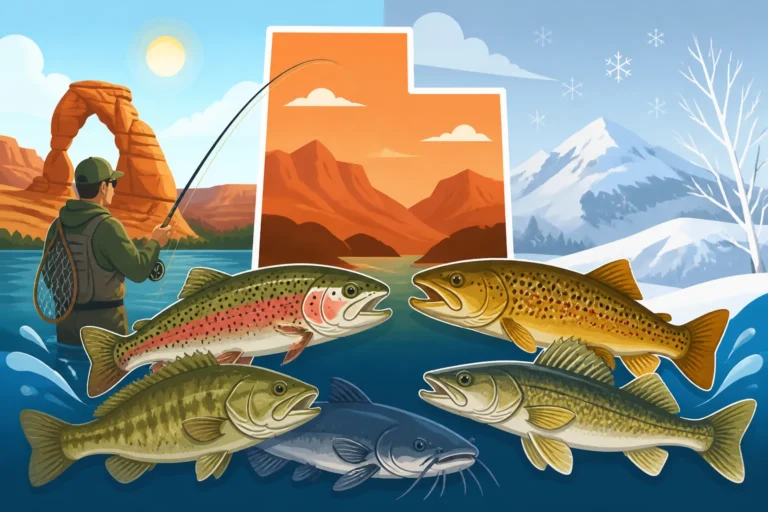
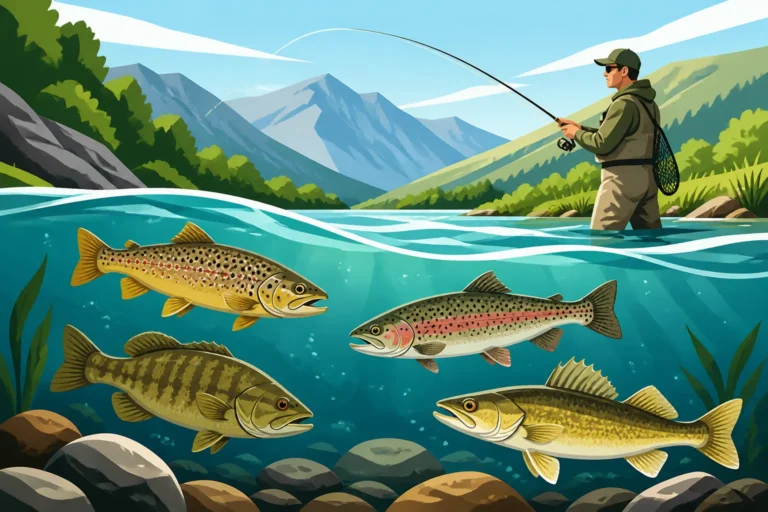
Smallmouth Bass and Walleye: Popular Sportfish with Complex Roles
This is where things get a bit more nuanced. Smallmouth bass and walleye are highly prized sport fish that draw countless anglers to Utah each year. They provide exciting fishing opportunities and are excellent table fare. However, they are not native to Utah, and in certain contexts, their presence can be considered invasive, especially when they impact native species or alter ecosystems where they were not originally intended to be.
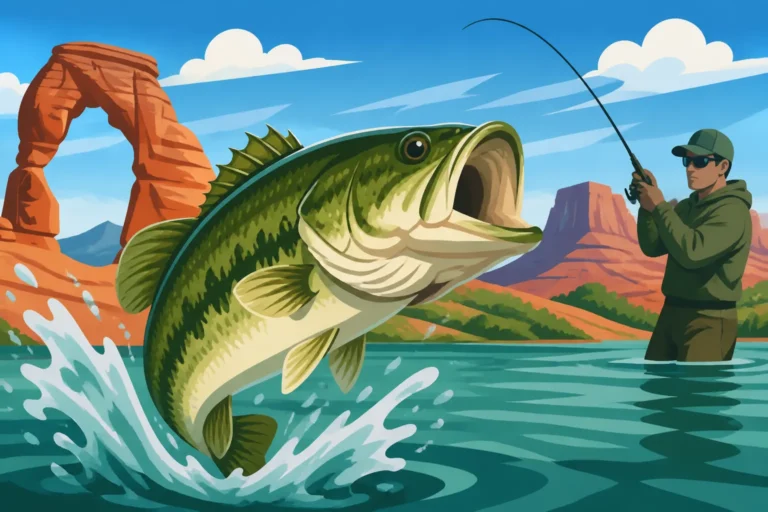
Smallmouth bass, for example, thrive in rocky areas of reservoirs and rivers and are aggressive predators. While fantastic sport fish, their introduction into waters containing native cutthroat trout or other sensitive species can lead to direct competition for food and predation on juvenile native fish. The UDWR carefully manages where smallmouth bass are stocked and encourages harvest in certain waters where their impact is a concern. Flaming Gorge Reservoir is a prime example where smallmouth bass are abundant and provide excellent fishing, but their population is actively managed. Our article Are Smallmouth Bass Considered Invasive in Utah? delves deeper into this topic.
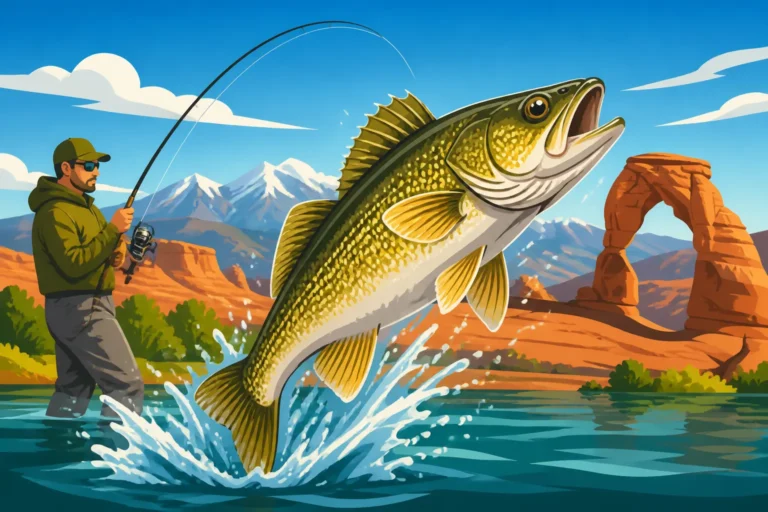
Walleye are another fantastic game fish, particularly popular in large reservoirs like Utah Lake and Willard Bay. They are voracious predators of smaller fish, including perch and other forage species. While they can help control overpopulated panfish, their diet can also include the young of native fish or desirable sport fish. The UDWR manages walleye populations to balance recreational opportunities with ecological concerns. In Utah Lake, for instance, walleye are managed as a desirable sport fish, but their interaction with native June suckers and other species is closely monitored. If you're wondering about their presence in a major fishery, our guide on Utah Lake Walleye Population can provide more details.
Other Noteworthy Invaders: Perch and Tilapia
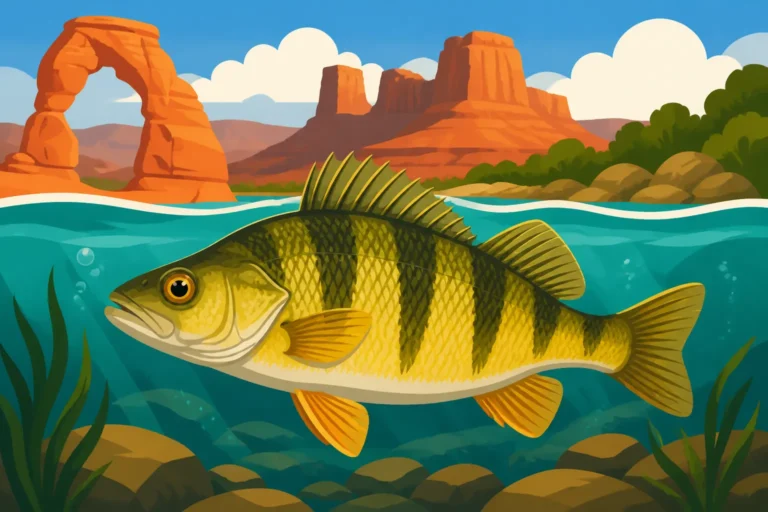
Beyond the major players, Utah's waters also host other non-native species that can become problematic. Yellow perch are a common sight in many reservoirs and ponds across Utah. While they can provide excellent panfishing opportunities, especially through the ice, their tendency to overpopulate can lead to stunted growth and competition with other fish for food resources. When perch populations explode, they can consume massive amounts of insect larvae and small crustaceans, which are vital food sources for young trout and other species.
Tilapia, on the other hand, are less widespread but pose a significant threat. They are warm-water fish, and their presence is primarily limited to geothermal or artificially heated waters in Utah, such as those found around St. George. Tilapia are highly reproductive and can quickly dominate an aquatic environment, outcompeting native fish for resources. They are known for their ability to thrive in poor water quality, making them resilient invaders. As with northern pike in some areas, mandatory harvest rules can apply to species like tilapia to prevent their spread and mitigate their impact. Always consult the current Utah Fishing Regulations Explained for species-specific rules in the waters you plan to fish.
The Story Behind the Invasion: How They Got Here
It's easy to point fingers, but the reality of invasive species introductions is often a complex mix of intentional actions, accidental events, and historical practices that, in retrospect, weren't fully understood. Knowing how these species arrived helps us understand the challenges we face today in managing them.
Illegal Stocking and Bucket Biology
Perhaps the most frustrating and damaging source of new invasive species is illegal stocking, often referred to as "bucket biology." This occurs when well-meaning but misguided individuals, or sometimes those with malicious intent, capture fish from one body of water and release them into another without proper authorization. The consequences can be catastrophic. Someone might think they're doing a favor by introducing their favorite panfish into a local pond, unaware of the domino effect it will have on the existing ecosystem. This is how northern pike got into Utah Lake and some stretches of the Provo River – a direct result of illegal stocking.
The dangers of bucket biology are immense. It can introduce new predators that wipe out native species, bring in diseases that devastate existing fish populations, or create competition for food and habitat that throws an entire ecosystem out of balance. The UDWR strongly emphasizes that transplanting live fish is illegal and carries significant penalties. Anglers who witness or suspect illegal stocking should report it immediately. It’s a selfish act that undermines years of conservation work and severely damages our shared natural resources.
Accidental Introductions and Escapes
Not all introductions are intentional acts of illegal stocking. Sometimes, invasive species find their way into new waters through accidental means. This can include fish escaping from aquaculture facilities during floods or equipment failures, or even baitfish used by anglers escaping from bait buckets. While baitfish regulations in Utah aim to prevent this, an innocent mistake could still have serious repercussions. For example, if an angler uses non-native baitfish that are not approved for a particular water body and some escape or are improperly disposed of, they could establish a new population.
Another significant pathway for accidental introduction is through contaminated boats and gear, especially with aquatic invasive species like quagga and zebra mussels, but this can also apply to microscopic larvae of fish. While not fish themselves, these mollusks drastically alter water chemistry and habitat, indirectly impacting fish populations. This is why Utah has stringent Utah Aquatic Invasive Species Rules for Anglers and requires Utah Quagga Mussel Decontamination Rules for boats moving between waters, especially from places like Lake Powell. Even something as simple as leaving a fish you caught on a stringer in the water to clean later at home can be problematic if that fish carries parasites or eggs that could be released into the water.
Historic Stocking Programs and Unintended Consequences
It's important to acknowledge that many of the non-native but now popular sport fish in Utah were introduced by state and federal agencies through historical stocking programs. In earlier eras, the understanding of ecology was different, and the primary goal was often to provide diverse angling opportunities or to introduce fish that could thrive in waters altered by human activity (like dam construction or irrigation diversions). Walleye, smallmouth bass, and even rainbow trout (though now a staple, not native to many Utah waters) fall into this category.
These introductions were often done with the best intentions, aiming to provide a robust fishery for a growing population. However, the long-term ecological consequences weren't always fully appreciated at the time. What seemed like a good idea to fill a new reservoir with a popular game fish might, decades later, be recognized as a contributor to the decline of a lesser-known native species in an adjacent river system. Today, stocking programs are much more carefully managed, with extensive ecological studies and risk assessments conducted before any new species are introduced, and even then, usually only sterile fish are used in sensitive areas. The lesson learned is that even well-intentioned actions can have unforeseen and significant ecological ripple effects.
Utah's Battle Plan: Regulations and Management Strategies
The state of Utah, primarily through the Utah Division of Wildlife Resources (UDWR), is on the front lines of the battle against invasive fish. It's a continuous, multi-faceted effort that combines strict regulations, angler participation, and science-based management to protect native species and maintain healthy fisheries.
Mandatory Harvest Rules: The "Kill Everything" Mandate
One of the most direct and impactful strategies against particularly aggressive invasive predators is the mandatory harvest rule. For certain species in specific waters, if you catch it, you must keep it and kill it. There is no catch-and-release option. This isn't about being cruel; it's a critical conservation measure designed to suppress populations of species that pose an existential threat to native fish or the overall health of an ecosystem. The most well-known example is the northern pike in Utah Lake and specific stretches of the Provo River. If you hook a pike there, it's not going back in the water.
This regulation serves two main purposes: direct removal and discouraging illegal stocking. By removing individuals, the UDWR aims to reduce the breeding population and predatory pressure on other fish. Secondly, by making it illegal to release them, it removes any incentive for someone to illegally introduce them elsewhere. These rules are non-negotiable, and anglers found releasing these mandated-harvest species can face significant penalties, as outlined in Utah Fishing License Penalties for Violations. It's your responsibility as an angler to know these rules for the water you're fishing. Before heading out, always double-check the current UDWR fishing guide or app. For example, some waters may have mandatory harvest rules for common carp as well.
Aquatic Invasive Species AIS Inspections and Decontamination
While not directly about fish, the fight against aquatic invasive species (AIS) like quagga and zebra mussels is intrinsically linked to protecting Utah's fisheries. These mussels, once established, can completely devastate an aquatic ecosystem, clogging pipes, altering water chemistry, and consuming the plankton that forms the base of the food web for many fish species. The UDWR has implemented rigorous AIS inspection and decontamination programs, especially for boats and other watercraft.
If you're launching a boat, personal watercraft, or even a kayak or paddleboard in Utah, particularly if you've been in other waters (especially Lake Powell, which is heavily infested), you are legally required to stop at AIS inspection stations. These stations are staffed by trained personnel who will examine your vessel for any signs of mussels or other invasive hitchhikers. If contamination is found, or if your boat has recently been in an infested water, a full decontamination might be required. This involves hot water washes to kill any organisms. It's an inconvenience, yes, but it’s absolutely vital for preventing the spread of these devastating invaders. Failing to comply can result in substantial fines. For more information on this process, consult Utah Aquatic Invasive Species Inspection Stations and Utah Dry Time Rules After Leaving Lake Powell.
Angler Education and Reporting
Beyond regulations, a cornerstone of Utah's management strategy is angler education. The UDWR actively works to inform anglers about invasive species, their impacts, and what individuals can do to help. This includes publishing detailed fishing guides, maintaining informative websites, and hosting workshops. The idea is to empower anglers to be part of the solution rather than inadvertently contributing to the problem.
Education covers everything from identifying invasive species accurately (so you know which fish to harvest and which to release) to practicing proper "Clean, Drain, Dry" protocols for all your gear. It's not just about boats; waders, nets, float tubes, and even fishing lines can harbor invasive organisms. The UDWR also relies heavily on anglers to be their eyes and ears on the water. If you see suspicious activity, like someone illegally stocking fish, or discover a new invasive species in a water body where it hasn't been reported, it's crucial to report it to the UDWR. This collective vigilance is an invaluable tool in the fight against invaders, and something you can easily do using fishing accessories like specialized gear bags or quick-dry landing nets found on Amazon.
Your Role as an Angler: What You Can Do to Help
As anglers, we're more than just participants in a recreational activity; we're stewards of Utah's incredible natural resources. Our actions on and off the water have a direct impact on the health of our fisheries, especially when it comes to invasive species. Understanding your role and taking simple, proactive steps can make a monumental difference.
Identifying Invasive Species Accurately
The first step in being a responsible angler is knowing what you've caught. This means being able to accurately identify both native and non-native fish species. For mandatory harvest rules to be effective, you need to be sure you're keeping the correct fish. Misidentifying a native cutthroat as an invasive brown trout, or vice-versa, could lead to breaking regulations or harming a protected population. The UDWR provides excellent resources, often with clear photos and distinguishing characteristics, to help anglers identify various species.
Take northern pike, for example. They have a distinctive elongated body, a duckbill-like snout, and typically light spots on a dark body. Carp have large scales, a downward-pointing mouth, and often two barbels (whiskers) on each side of their upper jaw. It takes a little effort to learn, but it's essential. If you're ever unsure about a fish you've caught, especially if it's in a water body with specific harvest rules, take a picture and consult the UDWR fishing guide or app. This knowledge is not just about avoiding fines; it's about making informed decisions that support the long-term health of our waters. For distinguishing common sport fish, our guide on How to Identify Utah Trout Species can be a great starting point.
Practicing Responsible Angling: Clean, Drain, Dry
This simple mantra – Clean, Drain, Dry – is perhaps the most effective way you, as an individual angler, can prevent the spread of aquatic invasive species. It applies to everything that touches the water, not just boats.
- Clean: Before leaving a water access area, thoroughly inspect and clean all your fishing gear. Remove any visible mud, plants, or aquatic organisms from your boat, trailer, waders, boots, lines, nets, and bait buckets. Pay close attention to crevices, anchor ropes, and the lower unit of your motor. A good stiff brush, easily found on Amazon, can be invaluable here.
- Drain: Drain all water from your boat (including livewells, bilges, and engine cooling systems), float tubes, kayaks, and any other water-holding equipment. This includes draining bait buckets before moving to a new water body. Many invasive species, like quagga mussel larvae, are microscopic and can survive in even small amounts of residual water.
- Dry: Allow all your gear to thoroughly dry before using it in another water body. The longer the dry time, the better, as even small mussels or larvae cannot survive without water. If you can't thoroughly dry your equipment, particularly a boat that's been in an infested water, then an official decontamination is necessary before launching elsewhere. This is especially critical when moving between different lakes or river systems.
Following these steps meticulously helps break the chain of transmission for both visible invaders and microscopic threats.
Reporting Suspected Illegal Activities
As mentioned earlier, illegal stocking and the improper handling of invasive species are serious threats. As a community of anglers, we have a collective responsibility to be vigilant and report any suspicious activities. If you witness someone illegally moving fish, releasing a mandated-harvest invasive species, or failing to comply with AIS inspection requirements, please report it to the UDWR. They have dedicated hotlines and online reporting tools for these situations.
It's natural to feel hesitant about reporting someone, but consider the long-term damage that a single irresponsible act can cause. A small bucket of pike released into a trout stream could decimate that fishery for decades, impacting countless future angling experiences. By reporting, you're not just "telling on someone"; you're actively participating in the conservation efforts that protect the very resources we all cherish. Your report provides critical information that allows wildlife officials to investigate and take action, safeguarding Utah's beautiful and diverse aquatic environments.
The Long-Term Vision: Restoring Utah's Native Fisheries
While the fight against invasive species often feels like an uphill battle, it's just one piece of a larger, inspiring vision: the restoration and enhancement of Utah's native fisheries. The UDWR and various conservation groups are not just playing defense; they're actively working to bring back species that are vital to the state's natural heritage.
Native Species Reintroduction Programs
Utah is home to several unique native fish species, most notably the Bonneville cutthroat trout, which is the state fish. Unfortunately, due to historical overfishing, habitat degradation, and competition/predation from introduced species, many native populations were severely depleted or even extirpated from parts of their historic range. Today, significant efforts are underway to reintroduce and bolster these native populations. This often involves carefully breeding native fish in hatcheries, then releasing them into restored habitats where invasive species have been removed or suppressed.
These programs are complex and require extensive planning, genetic analysis to ensure purity of stock, and ongoing monitoring. Reintroduction isn't just about putting fish in water; it's about creating the conditions where they can thrive, reproduce naturally, and sustain themselves. Success stories exist across the state, where once-barren or invasively dominated waters are slowly being brought back to health, allowing native cutthroat and other species to return. The protection of species like the endangered June Sucker in Utah Lake is also a major focus, where collaborative efforts are working to save this unique native. Find out more about Fish Species Protected in Utah.
Habitat Restoration Efforts
You can't have healthy native fish without healthy native habitat. Many of Utah's rivers and lakes have been altered over the past century by development, agriculture, and water diversion projects. Habitat restoration focuses on undoing some of this damage, creating more natural and resilient environments for fish. This can involve a wide range of activities:
- Riparian Zone Restoration: Planting native vegetation along stream banks to reduce erosion, filter pollutants, and provide shade to keep water temperatures cool, which is vital for trout.
- Instream Habitat Improvement: Adding structures like boulders, logs, and root wads to rivers and streams to create diverse flow patterns, provide cover for fish, and enhance spawning areas.
- Fish Passage Projects: Removing old, outdated dams or installing fish ladders to allow fish to migrate upstream to spawning grounds or escape downstream to better habitat.
- Water Quality Improvement: Reducing pollution inputs from urban and agricultural runoff to create cleaner, healthier water for all aquatic life.
These efforts not only benefit native fish but also improve the overall ecological health of our waterways, making them more resilient to future challenges. A restored river, for example, is often a healthier and more productive fishing environment for everyone.
Balancing Recreation with Conservation
The UDWR faces the constant challenge of balancing the desires of anglers for diverse fishing opportunities with the critical need for conservation and protection of native species. It's a delicate dance. While some anglers might lament mandatory kill rules for certain invasive sport fish, these rules are in place precisely to ensure that there will be fishing opportunities – both for native species and other managed sport fish – for generations to come.
This balance is reflected in decisions about stocking non-native sport fish only in certain waters where their impact can be contained, or in regulating specific techniques or seasons to protect spawning native fish. For example, some waters might be designated as Utah Fly-Fishing-Only Water Rules or Utah Catch-and-Release Waters to minimize stress on fragile populations. The goal is not to eliminate fishing, but to manage it sustainably, recognizing that healthy ecosystems are the foundation of all good fishing. Your fishing license fees directly support these conservation and management efforts, underscoring the important connection between recreation and conservation.
Species-Specific Management: Where and How to Take Action
Understanding the general principles of invasive species management is crucial, but for the angler, knowing the specific rules and contexts for individual species in particular waters is what truly empowers effective action. Utah's approach is highly localized, recognizing that a species considered invasive in one lake might be a managed sport fish in another.
Tackling Northern Pike in Utah Lake
Utah Lake is a prime example of where targeted, aggressive management of an invasive species is absolutely vital. Northern pike in Utah Lake were illegally introduced and quickly established a breeding population, posing a significant threat to the endangered June sucker and other desirable fish. The UDWR's strategy here is clear and unambiguous: mandatory harvest.
If you're fishing Utah Lake and you catch a northern pike, you are legally required to kill it and remove it from the water. There is no catch-and-release. This rule also extends to certain sections of the Provo River that feed into Utah Lake. Anglers are actively encouraged to target pike, and local bait shops or fishing clubs sometimes organize events or provide tips for catching these fish. Using robust tackle, larger lures, and even specialized pike-specific rigs can increase your success. While catching them can be a thrill, the act of harvesting them is a direct contribution to the health of the lake. Remember to check the regulations for the specific section of the Provo River you're fishing, as Provo River Fishing Guide can sometimes have special rules.
Managing Carp in Various Waters
Common carp are pervasive in many of Utah's warmer, shallower waters, from Utah Lake to various community ponds and slow-moving rivers. Their impact on water quality and native habitat is well-documented. While there isn't a blanket mandatory kill rule for carp across the entire state, their removal is generally encouraged.
Many anglers view carp as a challenging and fun sport fish, and actively target them, often on fly gear or specialized bottom rigs. In some urban ponds or community fisheries, carp removal events are sometimes organized to reduce their numbers. The decision to keep or release carp usually depends on local regulations and your personal preference, though responsible disposal if you choose to keep them is essential. If you want to contribute to local ecological health, consider harvesting carp where allowed. You can find gear for carp fishing, like specific dough baits or heavy-duty bank sticks, through retailers like Amazon. For more on their impact in specific areas, explore Common Carp in Utah Lakes.
Understanding Walleye and Smallmouth Bass Contexts
The management of walleye and smallmouth bass requires a more nuanced understanding, as these non-native species are also highly valued sport fish in many of Utah's premier reservoirs. They are managed to provide excellent angling opportunities, but their populations are also carefully monitored for ecological impacts.
For walleye, waters like Utah Lake and Willard Bay are managed as primary walleye fisheries. Anglers can enjoy liberal harvest limits, and their presence is considered beneficial for providing a diverse sport fishery. However, their predatory nature is recognized, and their populations are tracked to ensure they don't unduly impact other fish species or their food sources. Similarly, smallmouth bass in reservoirs like Flaming Gorge and Deer Creek provide incredible fishing action. They are managed as a desirable sport fish, and while they are non-native, they have become an integral part of the recreational fishery in these specific locations. Our guides on Utah Walleye Harvest Rules and Utah Bass Fishing Regulations offer more specific details.
The key takeaway is that for these species, it's not a simple "invasive equals bad" equation. It's about context. As an angler, your best approach is to always consult the current UDWR regulations for the specific water body you plan to fish. These regulations will clearly outline bag limits, size restrictions, and any special provisions for walleye or smallmouth bass, allowing you to participate in a manner that supports the state's balanced approach to fisheries management.
| Invasive Fish Species | Primary Impact | Common Locations | Management Approach | Angler Action |
|---|---|---|---|---|
| Northern Pike | Apex predator, preys on native/stocked fish | Utah Lake, Provo River | Mandatory harvest | Kill and remove |
| Common Carp | Destroys habitat, reduces water clarity, competes with natives | Utah Lake, warm shallow reservoirs | Encouraged removal, some local harvest limits | Harvest where permitted/encouraged |
| Smallmouth Bass | Predation and competition (can be invasive in sensitive areas) | Flaming Gorge, Deer Creek, some rivers | Managed sport fish, sometimes encouraged harvest | Follow specific bag/size limits |
| Walleye | Predation on forage fish (can be invasive in sensitive areas) | Utah Lake, Willard Bay | Managed sport fish, liberal harvest | Follow specific bag/size limits |
| Yellow Perch | Overpopulation, stunting, competition for food | Many reservoirs & ponds | Managed sport fish, liberal harvest | Follow specific bag/size limits |
| Tilapia | Rapid reproduction, outcompetes natives | Geothermal/heated waters | Mandatory harvest | Kill and remove |
Disclaimer
This article is for general informational purposes only and does not constitute professional advice. Laws, prices and regulations vary by location and change over time. Consult a qualified professional for guidance on your specific situation.