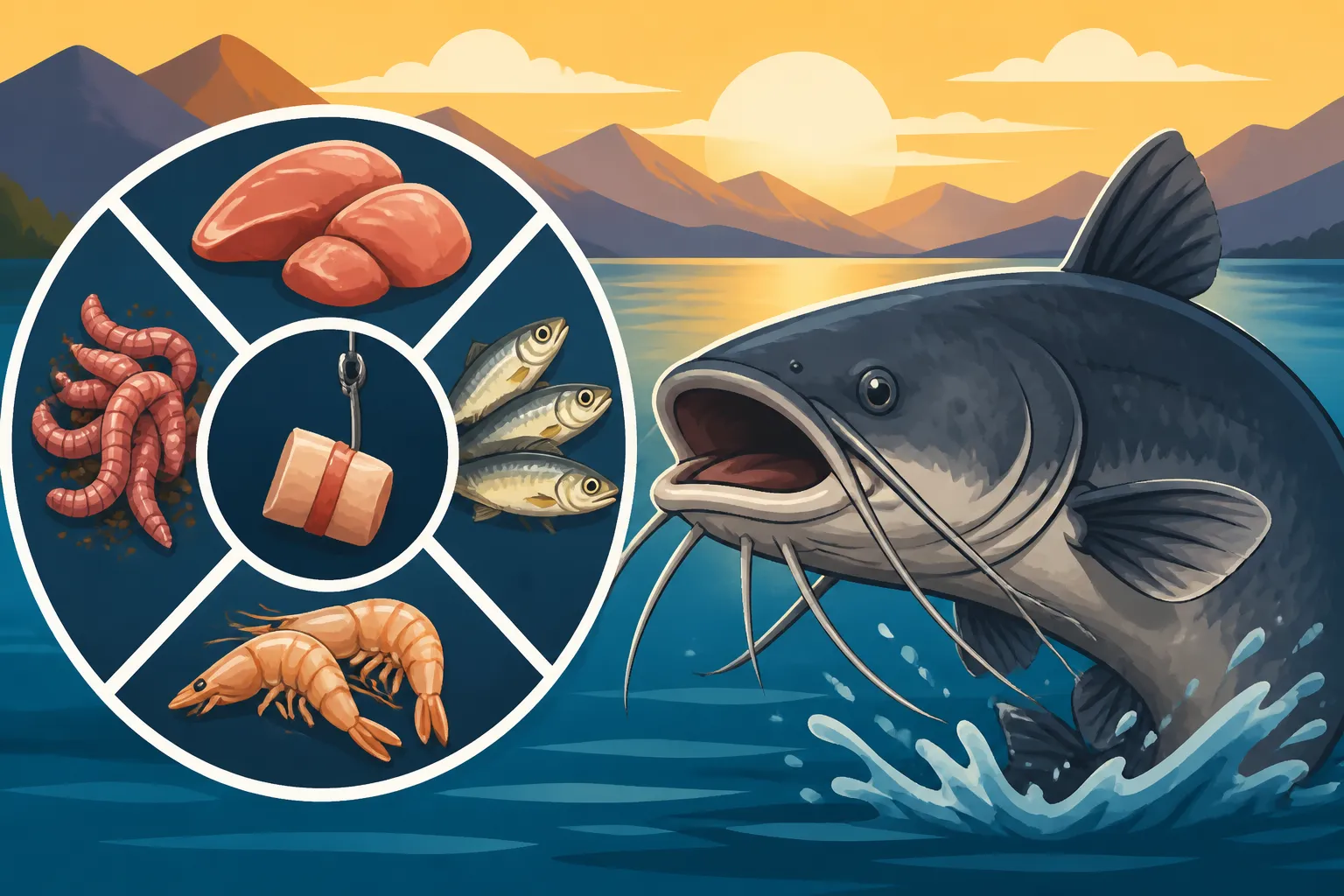
What Bait Works Best for Utah Lake Catfish?
It’s a common scenario for anglers on Utah Lake: you're out there, rods set, enjoying the tranquility, but the catfish just aren't biting, or worse, something else keeps stealing your bait. Figuring out the go-to grub for these whiskered bottom-dwellers can feel like a mystery, especially with so many options out there. This comprehensive guide will pull back the curtain on the most effective baits for enticing channel catfish in Utah Lake, offering practical advice to boost your catch rate.
Understanding Utah Lake Catfish and Their Palate
Before we dive into specific baits, it's really helpful to understand the fish you're targeting and the environment they call home. Utah Lake is a unique ecosystem, and what works here might be different from other waters.
The Allure of Utah Lake's Channel Catfish
Channel catfish are incredibly popular targets for anglers on Utah Lake, and for good reason! They grow to impressive sizes, put up a fantastic fight, and are absolutely delicious on the dinner table. These fish are primarily bottom feeders, known for their keen sense of smell and taste, which they use to locate food in murky waters. Unlike trout or bass that often chase down their prey, catfish tend to cruise the bottom, using those prominent whiskers (barbels) to detect vibrations and chemical cues from potential meals. They're opportunistic eaters, meaning they'll pretty much try anything that smells and tastes appealing. This makes bait choice paramount—you want something that screams "easy meal" in their underwater world. Knowing the behavior of these fish, as explored in our guide on the specific characteristics of "Utah Lake Catfish Species", is the first step to success.
What Makes Utah Lake Unique for Catfish
Utah Lake isn't your typical clear-water mountain reservoir. It's a large, shallow, and often turbid freshwater lake, which means visibility is usually low. This environment naturally enhances a catfish's reliance on smell and taste over sight. The lake also has a robust population of common carp, which stir up the bottom and contribute to the murky conditions. While carp might compete for some food sources, their presence also means there's a lot of detritus and invertebrate life on the bottom that catfish routinely forage on. This rich, nutrient-filled environment means catfish aren't particularly picky, but they do have preferences for strong, lingering scents that can cut through the water and reach them. Water temperature also plays a significant role; in warmer months, their metabolism is higher, making them more active feeders. Our article on "What Catfish Eat at Utah Lake" delves deeper into their natural diet within this unique habitat.
Top Baits for Utah Lake Channel Catfish
Alright, let's get down to business! Here are the tried-and-true, and some perhaps surprising, baits that consistently produce results for Utah Lake's channel catfish.
The Tried-and-True Stink Baits
When you talk about catfishing, especially for channel cats, stink bait is usually the first thing that comes to mind. And for good reason – it works! Stink baits are formulated to have a strong, pungent odor that disperses well in water, drawing catfish in from a distance.
Prepared Dip and Punch Baits
These are arguably the most popular category of commercial stink baits. They come in tubs or jars and have a thick, gooey consistency designed to cling to special bait holders or sponges. The key is their intense smell, often a concoction of rotten cheese, blood, and other strong attractants.
- How to Use Them: You'll need a specialized bait holder (often a spring-coil, porous sponge, or ribbed plastic worm) to keep these gooey baits on your hook. Simply dip the holder into the jar, making sure it's completely coated, then cast it out. The scent slowly leeches into the water.
- Why They Work: The potent, long-lasting aroma is irresistible to catfish, especially in the turbid waters of Utah Lake. Brands like Catfish Charlie, Secret 7, and Sonny's Super Sticky are well-known favorites among Utah anglers. You can find a wide variety of these and specialized bait holders on
Amazon, making it easy to stock up before your trip. - A Little Tip: Don't be afraid to get a little messy! The more scent in the water, the better. Re-bait every 20-30 minutes, or if you feel a lot of small nibbles that might have stripped your bait.
Dough Baits and Chunks
Similar to dip baits but usually firmer, prepared dough baits are often moldable and can be pressed directly onto a treble hook or formed around a single hook. Some even come in pre-formed chunks or nuggets.
- How to Use Them: Simply mold the dough around your hook, ensuring good coverage but leaving the hook point exposed for a solid hookset. For chunks, just thread them on.
- Why They Work: They still carry a strong scent, perhaps not as widely dispersing as a dip bait, but often more durable on the hook, which can be a blessing when smaller fish are relentlessly picking at your offering. They offer a larger profile, sometimes deterring tiny nibblers while still attracting bigger cats.
Natural and Homemade Wonders
While commercial stink baits are effective, sometimes natural offerings, or even some household items, can be incredibly productive, and often more cost-effective.
Cut Bait
This is a true classic for many catfish anglers, and it shines on Utah Lake. Cut bait involves taking pieces of fish (or sometimes other meats) and using them as bait.
- Fish Species for Cut Bait: In Utah Lake, common choices include carp, perch, or even smaller suckers. You're typically allowed to use legally caught non-game fish as bait. The blood and oils from fresh cut bait are a powerful attractant.
- Preparation: Cut the fish into strips or chunks about 1-3 inches long, ensuring each piece has some skin and scales for durability. The fresher the better, but some anglers prefer a slightly "aged" piece for an even stronger scent.
- Rigging: Use a substantial circle hook (sizes 3/0 to 6/0 are good starting points) and thread the cut bait so the hook point is exposed. A Carolina rig is excellent for presenting cut bait on the bottom, allowing the fish to pick it up naturally. You can learn more about effective rigging by checking out our guide on "Sinker Weight for Bottom Fishing at Utah Lake".
- Pros: Highly effective for larger catfish, durable on the hook, and can be caught or prepared cheaply.
- Cons: Can be messy, requires some preparation.
Chicken Livers and Gizzards
These are legendary in the catfishing world for a reason. Their strong, bloody odor and soft texture are irresistible to channel catfish.
- Preparation: Store them cold until ready to use. Some anglers will lightly "cure" them with garlic powder or a little salt to toughen them up slightly, which helps them stay on the hook better.
- Rigging: This can be the tricky part. Chicken livers are very soft. Many anglers use a treble hook, trying to embed the points into the liver. Others use a small bait sack or even wrap the liver with light thread to keep it secure. Small pieces work best, about the size of a quarter.
- Why They Work: The blood and internal organs release a potent scent trail that catfish follow directly to your hook.
- Pros: Extremely effective, readily available at grocery stores.
- Cons: Very soft, prone to coming off the hook easily, especially with aggressive casts or small fish nibbling.
Worms (Nightcrawlers)
Good old earthworms are universal fish bait, and catfish are no exception. Nightcrawlers are particularly good due to their size and lively action.
- Rigging: Thread one or two nightcrawlers onto a hook (size 1 to 3/0) so that they dangle enticingly. Leaving a bit of the worm wiggling can add an extra visual attractant.
- Why They Work: They provide natural scent and movement, mimicking a struggling invertebrate. Catfish are very familiar with worms as a food source.
- Pros: Easy to find, simple to use, and effective for all sizes of catfish.
- Cons: Smaller fish can strip them off quickly, not always the best for targeting only large catfish.
Hot Dogs
Yes, you read that right! Believe it or not, plain old hot dogs (especially cheaper, fattier ones) can be fantastic catfish bait. They have a good texture and a distinct, meaty smell.
- Preparation: Many anglers simply cut them into coin-sized pieces. Some go a step further and soak them in garlic juice, Kool-Aid (strawberry or cherry adds color and sweetness), or even a little fish oil to enhance their appeal.
- Rigging: Thread a piece onto a single hook (size 1 to 3/0), making sure it's secure.
- Pros: Cheap, easy to prepare, surprisingly effective, and they stay on the hook well.
- Cons: Not always as potent as dedicated stink baits or fresh cut bait, but a great option to have in your arsenal.
The Unexpected — Soap and Other Oddities
While less common and often steeped in local lore, some anglers swear by rather unconventional baits.
Ivory Soap
This might sound like an old wives' tale, but some seasoned catfishermen claim that plain, unscented Ivory soap can catch catfish. The theory is that its unique, milky scent and texture, especially when cut into small cubes, might mimic something natural to them or simply release an appealing compound. It's certainly a conversation starter at the boat ramp! While not a primary recommendation, it's an example of how opportunistic catfish can be.
Cheesy Crackers or Bread
Sometimes, the simplest baits are overlooked. Stale cheesy crackers (like Cheez-Its) or even balls of bread dough mixed with a little garlic powder can attract catfish, especially if they're used to scavenging for easy meals. These work on the same principle as dough baits—strong scent and an easy-to-grab texture.
Essential Techniques for Catfishing with Bait on Utah Lake
Having the best bait is only half the battle; knowing how to present it effectively on Utah Lake is just as crucial.
Rigging for Success
The way you rig your bait directly impacts how fish find and take it.
The Carolina Rig
This is hands-down one of the most popular and effective rigs for catfishing on the bottom. It consists of a slip sinker (often an egg sinker or no-roll sinker) on your main line, followed by a bead (to protect your knot), then tied to a swivel. A leader line (12-24 inches) is tied to the other end of the swivel, and your hook is tied to the end of the leader.
- Why It Works: The slip sinker allows the catfish to pick up the bait and swim off without feeling the weight of the sinker, leading to a more natural presentation and fewer dropped baits. The bead protects the knot from the sinker's abrasion during a fight or cast.
- Best For: Cut bait, chicken livers, large worms, hot dogs, or large chunks of dough bait.
- Sinkers: The size of your sinker will depend on current and wind conditions, but generally, 1/2 oz to 2 oz egg sinkers are good for Utah Lake.
The Slip Sinker Rig (Basic Bottom Rig)
A simpler version, this involves a slip sinker directly on the main line, tied to a swivel, and then a hook on a short leader. This rig is great for fishing slightly softer bottoms or when you want less leader length.
Where and When to Cast Your Line
Catfish aren't everywhere all the time. Knowing their preferred haunts and feeding times significantly increases your chances. You can find more specific honey holes by checking our comprehensive guide on the "Best Fishing Spots at Utah Lake".
Structure and Drop-offs
Catfish love structure. This could be submerged rocks, old timber, weed lines, or even subtle changes in depth (drop-offs). These areas provide cover, ambush points, and often hold concentrations of their natural food sources. Use your fish finder if you have one to locate these hidden gems.
Channels and Inlets
The deeper channels within Utah Lake, or areas near the Provo River and American Fork River inlets, can be prime catfish spots. These areas often have slightly cooler, more oxygenated water and serve as travel corridors for fish.
Night Fishing and Low Light
Catfish are primarily nocturnal feeders, meaning they become much more active as the sun sets and throughout the night. Their superior sense of smell and taste gives them an advantage in the dark. Early mornings and late evenings (dawn and dusk) are also fantastic times. Many anglers swear that the biggest catfish are often caught after midnight. Our detailed article on "How to Catch Catfish at Utah Lake in Summer" offers more specific timing advice for warmer months.
Scent, Presentation, and Patience
Catfishing is often a game of patience, but there are ways to improve your odds.
Freshness and Replenishment
While some baits (like cut bait) can be effective when slightly "aged," most baits, especially stink baits and chicken livers, benefit from being fresh. Regularly check and replace your bait, especially if you're getting a lot of nibbles or if the scent seems to have washed out. You want a constant, strong scent trail.
Keep it on the Bottom
As bottom feeders, it's crucial that your bait is resting directly on the lakebed. Ensure your sinker is heavy enough to hold your bait in place, especially if there's any current or wind. The Carolina rig, as discussed, is perfect for this.
The Virtue of Patience
Catfish often take their time to find and commit to a bait. Unlike aggressive trout or bass strikes, a catfish bite can sometimes be a slow, deliberate pull. Don't be too quick to set the hook at the first tap. Let them take it. When you feel a steady pull, slowly reel up any slack until you feel the weight of the fish, then set the hook with a firm, sweeping motion.
Troubleshooting Common Catfishing Challenges
Even with the best bait and techniques, catfishing can present its own set of frustrations.
Dealing with Nuisance Fish
It's an all-too-common problem: you put out a juicy piece of chicken liver or a big gob of stink bait, only for tiny perch or relentless carp to pick it clean before a channel cat even gets a whiff. It's incredibly annoying to reel in an empty hook, isn't it?
- Bigger Baits: One strategy is to use larger baits. A substantial chunk of cut bait or a generous dollop of dough bait might be too much for smaller fish to mouth effectively, giving the catfish a better chance.
- Tougher Baits: Hot dogs and tougher cut bait tend to stay on the hook better than soft chicken livers. If you're consistently getting stripped, switch to something more durable.
- Bait Holders: For dip baits, ensure you're using a quality bait holder designed to keep the bait on. Some anglers even reinforce softer baits with a bit of mesh or thread, like you would for "How to Rig Cut Bait for Striped Bass at Lake Powell".
- Move Spots: Sometimes, the easiest solution is to simply move to another spot. Nuisance fish can be localized, and a short move down the bank or to a different depth can get you away from them.
Adapting to Changing Conditions
Utah Lake's conditions can vary, and what works one day might not the next.
- Weather: Overcast days or periods of light rain can sometimes improve catfishing, as the low light makes them more comfortable feeding. During intense summer heat, catfish often go deeper or are most active during "Best Time of Day to Fish in Summer Heat in Utah", which is usually the cooler parts of the night.
- Water Levels: Utah Lake's water levels can fluctuate. When levels are low, fish might be concentrated in deeper channels or near the main river inflows. High water can spread them out into newly submerged vegetation, offering more cover and food. Pay attention to recent lake conditions.
- Season: Catfish are most active in warmer water, typically from late spring through fall. During the colder winter months, their metabolism slows down, and they become less active. While you can still catch them, your presentations might need to be slower, and their bite much more subtle. Experiment with bait size and presentation to match their activity level.
Remember, flexibility is key. If your go-to bait isn't producing, don't be afraid to switch it up!
Bait Comparison for Utah Lake Catfish
Here's a quick overview to help you choose the right bait for your next Utah Lake catfishing adventure:
| Bait Type | Pros | Cons | Best Use |
|---|---|---|---|
| Dip/Punch Baits | Strong, long-lasting scent; attracts from afar. | Messy; requires special bait holders; small nibblers can strip. | Murky water; targeting active, scent-driven cats. |
| Cut Bait | Excellent for large cats; durable; natural scent. | Requires preparation; can be messy. | Targeting trophy cats; on the bottom with a Carolina rig. |
| Chicken Livers | Highly attractive blood scent; readily available. | Very soft; falls off hook easily; small fish love it. | When you know big cats are present and active; careful casting. |
| Nightcrawlers | Universal appeal; natural movement; clean to use. | Smaller fish can strip quickly; less selective for big cats. | General catfishing; when other baits aren't working; beginner-friendly. |
| Hot Dogs | Cheap; durable; easy to prepare; surprising effectiveness. | Scent less potent than specialized baits. | General catfishing; when bait durability is key; experimentation. |
Disclaimer
Fishing regulations, including bait restrictions, can change. Always consult the most current Utah Division of Wildlife Resources (DWR) regulations before heading out. This guide is for informational purposes only and does not supersede official DWR rules and guidelines.