How to Catch Catfish at Utah Lake in Summer
Fishing for catfish at Utah Lake during the long, hot summer months can feel like a frustrating mystery, especially when the scorching sun seems to drive every fish into hiding. Many anglers struggle to pinpoint where these whiskered warriors go and what they're willing to bite when the water warms up. But don't you worry, because this comprehensive guide is dedicated to demystifying summer catfishing at Utah Lake, giving you the insider knowledge and practical strategies you need to fill your cooler with delicious channel cats, even when the mercury climbs.
Understanding Utah Lake Catfish Behavior in Summer
Summer on Utah Lake brings unique challenges and opportunities for catfish anglers. The lake's vast, relatively shallow nature means water temperatures can soar, affecting where the fish prefer to hang out and what they're looking for to eat. Knowing these patterns is the first step to consistent success.
Why Summer is Prime Catfish Time
Believe it or not, summer isn't just tolerable for catfish; it's often their favorite season! Channel catfish are warm-water species, meaning they thrive in the warmer temperatures that might send other fish, like trout, scurrying for cooler depths. As the water warms, their metabolism ramps up, making them more active and, crucially for us, hungrier. This increased activity means they're often more willing to chase down a meal, especially during their peak feeding times.
The summer also coincides with their spawning period, typically late spring to early summer, which can make them quite aggressive and territorial. While we don't necessarily target them on their spawning beds, the post-spawn period sees them recovering and feeding heavily to regain energy. Furthermore, the longer daylight hours and warmer evenings create ideal conditions for night fishing, which is often when the biggest catfish are most active. Many anglers find that once the sun dips below the horizon, the lake truly comes alive with whiskered predators on the prowl.
Where Catfish Hide When Temperatures Rise
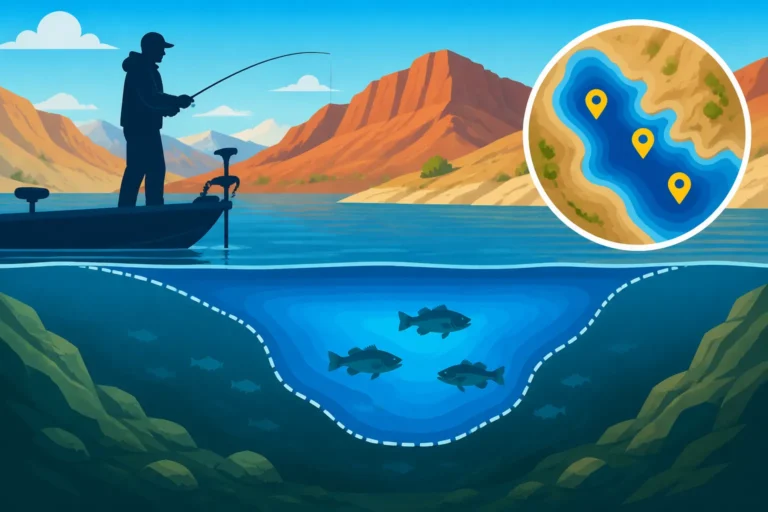
Utah Lake is a unique fishery, being quite shallow with an average depth of around 10 feet. This means that unlike deeper reservoirs, catfish don't have extreme cold-water depths to retreat to during the heat of the day. Instead, they seek out different kinds of cover and slightly cooler microclimates. You'll often find them congregating around structures that offer shade and protection. Think about the abundant weed beds, especially areas with coontail or sago pondweed, which provide both cover and a rich buffet of smaller prey.
Look for channels, deeper pockets within the lakebed, or even areas where feeder creeks enter the lake, as these can provide slightly cooler or more oxygenated water. Structure around marinas, docks, or submerged brush piles can also be hotspots. Catfish are opportunistic scavengers and predators, so anywhere baitfish or other food sources gather will likely attract them. Understanding these hiding spots is crucial, and a good fish finder can be invaluable for identifying subtle depressions or submerged features that might otherwise go unnoticed. If you're looking for more general advice on reading your electronics, our guide on How to Read a Fish Finder for Utah Reservoirs might offer some helpful insights.
Identifying Utah Lake's Channel Catfish
The primary species of catfish you'll encounter in Utah Lake is the Channel Catfish (Ictalurus punctatus). These are distinct from other catfish species, and knowing what you're targeting can help you adjust your presentation. Channel catfish typically have a deeply forked tail, a relatively slender body, and scattered black spots along their sides, especially when they're younger. Their color can vary from olive-green to blue-gray on the back and sides, fading to a silvery-white belly. They also possess prominent barbels (whiskers) around their mouths, which are packed with chemoreceptors, allowing them to "taste" the water for food.
While they can grow quite large, especially in a productive fishery like Utah Lake, their average size is often in the 2-8 pound range, with larger specimens reaching into the teens or even 20+ pounds. Their unique sense of smell and taste is a key factor in how we choose our baits, as they rely heavily on these senses to locate food in often murky waters. Understanding the Utah Lake Catfish Species can give you a better appreciation for the fish you're pursuing.
Essential Gear and Bait for Summer Catfishing
Success with summer catfish at Utah Lake often comes down to having the right tools for the job. You don't need the most expensive equipment, but reliability and suitability for the task at hand are key.
Rods, Reels, and Line for Big Cats
When it comes to tackle for Utah Lake catfish, think robust and reliable. You're not usually finessing small bites; you're often setting the hook into a powerful fish that can pull hard.
- Rods: A medium-heavy to heavy action spinning or baitcasting rod, typically 6 to 8 feet long, is ideal. This length gives you good casting distance from shore or a boat, and the heavy action provides the backbone needed to wrestle larger cats out of thick weeds or currents. Fiberglass rods are often favored for their durability and parabolic bend, which helps absorb those powerful runs.
- Reels: Pair your rod with a sturdy spinning reel in the 4000-6000 size range, or a baitcasting reel with a good drag system and line capacity. Look for reels with smooth, strong drags that can handle sustained pressure. Many reputable brands offer excellent, durable options that you can find easily on platforms like Amazon.
- Line: Monofilament line in the 15-30 pound test range is a popular choice for catfishing. It has good abrasion resistance, which is important around submerged snags, and its stretch can be forgiving during powerful runs. Some anglers prefer braided line (30-50 pound test) for its incredible strength, zero stretch for better bite detection, and smaller diameter, which can be advantageous in windy conditions or when fishing heavy cover. If using braid, consider a monofilament or fluorocarbon leader to provide some shock absorption and make it less visible to the fish, although catfish are often not as line-shy as other species. Our comprehensive Utah Fishing Gear Guide has more general information on selecting tackle.
The Best Baits That Catfish Can't Resist
This is where the magic happens for catfish. They are scent-driven feeders, and the smellier, the better in most cases, especially in warmer water where scents disperse more readily.
- Prepared "Stink" Baits: These are classic for a reason. Commercial stink baits come in various forms (dips, doughs, chunks) and are formulated with powerful odors that catfish find irresistible. Brands like Catfish Charlie, Secret 7, or Sonny's Super Sticky are staples. Using a bait holder hook or a sponge hook helps keep these potent baits on your line.
- Cut Bait: Fresh cut bait is another fantastic option. Shad, carp, chub, or even oily baitfish like mackerel can be cut into chunks or strips. The blood and oils released into the water create a strong scent trail that catfish follow. A common strategy at Utah Lake is to catch some smaller carp or perch and use them as cut bait.
- Worms: Good old nightcrawlers and other large worms are always reliable. A big wad of worms on a hook creates a strong visual and scent appeal.
- Chicken Liver: This is a classic, though messy, catfish bait. The strong scent and soft texture are highly attractive. Using a bait thread to keep it on the hook can save you some frustration.
- Other Options: Hot dogs soaked in garlic, shrimp, or even small pieces of soap can also surprisingly attract catfish. Experimentation is key to finding what they're biting on any given day. To dive deeper into bait choices, check out our article on What Bait Works Best for Utah Lake Catfish?
Table: Popular Catfish Baits for Utah Lake in Summer
| Bait Type | Pros | Cons | Best Use |
|---|---|---|---|
| Stink Baits | Strong, concentrated scent; easy to use | Messy; can attract smaller "nuisance" fish | Bottom fishing, calm conditions |
| Cut Bait | Natural scent and oils; attracts large cats | Requires procuring baitfish; can be messy | Targeting trophy catfish, active feeding areas |
| Worms | Readily available; appeals to various fish | Can be picked off by smaller fish easily | Versatile, good for all sizes of catfish |
| Chicken Liver | Very strong scent; inexpensive | Extremely messy; difficult to keep on hook | Still fishing, areas with less current |
| Hot Dogs | Clean; easy to handle; can be flavored | Less potent scent than other options | Casual fishing, good for kids |
Essential Rigging for Success
Simple, effective rigs are best for catfishing. The most common setup is a Carolina rig or a variation of it.
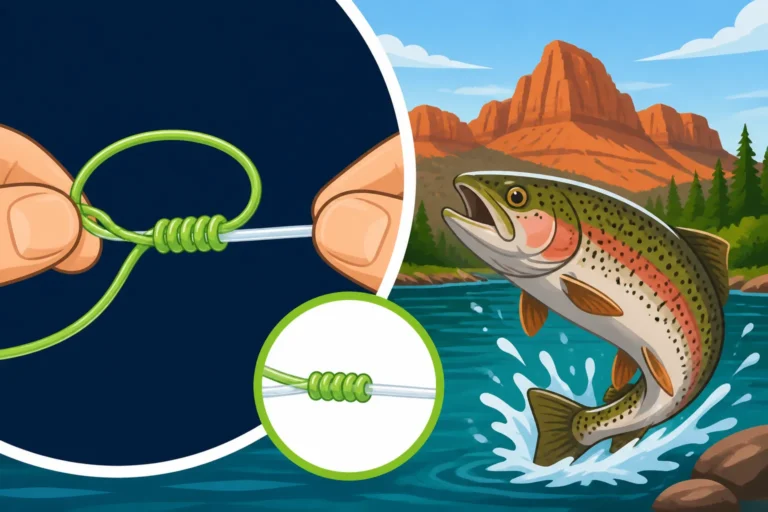
- Carolina Rig: Thread an egg sinker (1/2 to 2 ounces, depending on current and casting distance) onto your main line, followed by a bead (to protect the knot), and then tie on a barrel swivel. To the other end of the swivel, tie a leader of 12-24 inches of monofilament (same or slightly lighter test than your main line). Finally, tie your hook to the end of the leader. This rig allows the catfish to pick up the bait without immediately feeling the weight of the sinker, giving them time to commit.
- Hooks: Wide-gap circle hooks or octopus hooks in sizes 2/0 to 8/0 are excellent choices for catfish. Circle hooks are particularly effective as they are designed to hook the fish in the corner of the mouth, making for easier releases and reducing gut-hooking, especially if you're not holding the rod constantly. When a fish bites, simply let the rod load up, and slowly reel in; resist the urge to set the hook hard.
- Float Fishing: In areas with current or over submerged weeds, a slip float rig can be very effective. This allows you to present your bait just above the weeds or at a specific depth. This rig involves a bobber stop, a bead, a slip float, another bead, a weight, and then your leader and hook.
Remember to bring extra hooks, sinkers, and swivels, as you're bound to lose a few rigs to snags in the various structures of Utah Lake. Having a well-stocked tackle box, perhaps one you picked up from a wide selection on Amazon, is always a good idea. For a general overview of useful fishing accessories, check out our guide on Best Tackle Boxes for Utah Anglers.
Proven Techniques for Summer Catfish Success
Now that you've got your gear and bait sorted, let's talk about putting it all into action. Catfish, especially in summer, require a bit of strategic thinking to find and entice.
Fishing From Shore: Targeting the Edges
Shore fishing at Utah Lake can be incredibly productive for catfish, particularly during the evening and night hours when cats move closer to the banks to feed.
- Marinas and Docks: Areas like the Provo Boat Harbor Fishing Access at Utah Lake or other boat launches often have deeper channels, submerged structures, and readily available food scraps, making them prime catfish territory. Cast your bait near pilings, under docks (if permitted), or along the edges of marked channels.
- Weed Edges: Look for prominent weed lines that extend into the lake. Catfish will patrol these edges, ambushing smaller fish or scavenging for invertebrates. Cast your bait just outside or into pockets within these weed beds. During the day, these weeds offer crucial shade.
- Causeways and Points: Any natural or artificial projection into the lake can act as a current break or a travel corridor for fish. Fan-cast around these areas to cover different depths and find active fish.
- Time of Day: While you can catch catfish during the day from shore, your success will dramatically increase during the low-light hours of dawn, dusk, and especially throughout the night. This is when catfish are most active and confident feeding in shallower waters. Always check Utah Boating and Fishing Rules if fishing near structures or at night.
When fishing from shore, setting multiple rods with different baits can help you determine what the catfish are hitting on that particular day. Just be sure to keep your rods secure and use rod holders, as a big cat strike can easily pull an unattended rod into the water!
Boat Fishing Strategies for Deeper Waters
Having a boat opens up a lot more territory on Utah Lake and allows you to target those elusive deeper channels and structures further offshore.
- Drifting: One of the most effective techniques from a boat is drifting. Anchor upwind of a promising area (like a deeper channel or large weed bed) and let the boat slowly drift, dragging your baits along the bottom. This allows you to cover a lot of water and present your bait to numerous fish. You can use large floats to suspend baits just above the bottom or let your Carolina rigs drag.
- Anchoring on Structure: If you identify a promising spot with your fish finder – perhaps a subtle depression, a rock pile, or a dense submerged weed bed – anchor directly over it or slightly upcurrent. Present your baits directly into these holding areas. Some of the Best Fishing Spots at Utah Lake are best accessed by boat.
- Fan Casting: From an anchored boat, make casts in a fan pattern around the boat to cover as much water as possible. This helps you locate where the fish are holding at that moment.
- Look for Inflows: Any areas where streams or canals feed into Utah Lake can be catfish magnets. These areas often have slightly cooler, more oxygenated water and bring in a fresh supply of food. Anchor near these inflows and cast your baits into the current seams.
Always prioritize safety on the water, especially on a large lake like Utah Lake. Ensure you have all the required safety gear, as outlined in the Utah Boating and Fishing Rules.
Night Fishing for Active Cats
Summer nights are truly when Utah Lake catfishing shines. The oppressive heat of the day gives way to cooler temperatures, and the big catfish come out to play.
- Why Night is Best: Catfish are primarily nocturnal feeders. They use their keen sense of smell and barbels to navigate and hunt in low light conditions. The lack of boat traffic and human activity also makes them more confident moving into shallower water to forage.
- Preparation is Key: Night fishing requires a bit more preparation. Bring headlamps or lanterns to see what you're doing, and make sure your tackle box is organized so you're not fumbling in the dark. Bring bug spray – Utah Lake mosquitos can be legendary in summer!
- Focus on Shallow Water: During the day, catfish might be in deeper channels, but at night, they'll often move onto flats or into shallower areas near shore or weed beds to hunt. Target depths of 5-15 feet.
- Patience and Scent: Give your baits time to work. The scent trail needs to disperse, and catfish often take their time finding the offering. Once you cast, let your bait sit for 15-30 minutes before checking or recasting, unless you get a bite.
- Bring a Cooler: Summer nights can still be warm, so ensure you have a good cooler with plenty of ice to keep your catch fresh. Our guide on How to Store Fish on a Hot Day in Utah has some great tips for preserving your fish.
Overcoming Common Summer Catfishing Challenges
Even with the best gear and techniques, summer catfishing at Utah Lake can present a few hurdles. Being prepared for these challenges will ensure a smoother, more enjoyable trip.
Dealing with Weeds and Snags
Utah Lake is known for its abundant aquatic vegetation, especially in summer. While these weed beds are excellent fish habitat, they can be a nightmare for anglers.
- Rigging Adjustments: To minimize snagging in heavy weeds, consider using a slip float rig to suspend your bait just above the weed line. If you're bottom fishing, a lighter sinker might allow your rig to glide over the top of some weeds rather than digging in. Texas rigging a worm or plastic bait (though less common for catfish) can also help.
- Heavy Tackle: This is where the heavy action rods and stronger lines really pay off. When a catfish burrows into weeds, you need the power to pull it out. Don't be afraid to put some pressure on the fish.
- Finding Clear Pockets: Instead of casting directly into dense mats, look for open pockets or channels within the weed beds. Catfish will use these pathways to move and ambush prey.
- Sacrifice a Rig: Sometimes, you're just going to get snagged. It's part of fishing in weedy environments. Carry extra tackle, including hooks, swivels, and sinkers, so you can quickly re-tie and get back to fishing. Buying bulk packs of essential terminal tackle on Amazon can be a cost-effective way to stay stocked.
Beating the Heat and Protecting Your Catch
Summer days at Utah Lake can be scorching, and this heat affects both you and your catch.
- Personal Comfort and Safety: Stay hydrated! Bring plenty of water and electrolytes. Wear light, breathable clothing, a wide-brimmed hat, and sunscreen. Consider bringing a shade umbrella if fishing from shore or a bimini top for your boat. Fishing during the cooler parts of the day (early morning, late evening, night) is not only more comfortable but often more productive.
- Fish Care: The warm water and hot air can quickly spoil your catch if not handled properly.
- Keep a Cooler Ready: Have a quality cooler filled with ice or ice packs. As soon as you decide to keep a fish, get it into the cooler immediately. A full ice bath is ideal for rapid cooling.
- Bleed Your Fish: If you're keeping catfish, bleeding them out immediately after catching (by cutting a gill arch) can significantly improve the flavor and texture of the meat. Submerge them in an ice-water slurry to cool them quickly while they bleed.
- Don't Keep More Than You'll Eat: Always be mindful of daily bag and possession limits. There's no point in keeping fish that will go to waste, especially when conditions make preservation challenging. Refer to the current Utah Fishing Regulations Explained for precise limits.
- Respect the Resource: Even if you're targeting dinner, handle all fish with care. If releasing a fish, do so quickly and gently, ensuring it's revived before letting it go.
Summer catfishing at Utah Lake is an incredibly rewarding experience, offering some of the best opportunities for consistent action and delicious fillets. By understanding their summer behavior, having the right gear, and employing proven techniques, you'll be well on your way to a successful and memorable outing.
Disclaimer
Please note that fishing regulations can change. Always consult the latest Utah Fishing Proclamation or the Utah Division of Wildlife Resources website before heading out to ensure you are in compliance with all current rules and limits. This guide is for informational purposes only and does not supersede official regulations.