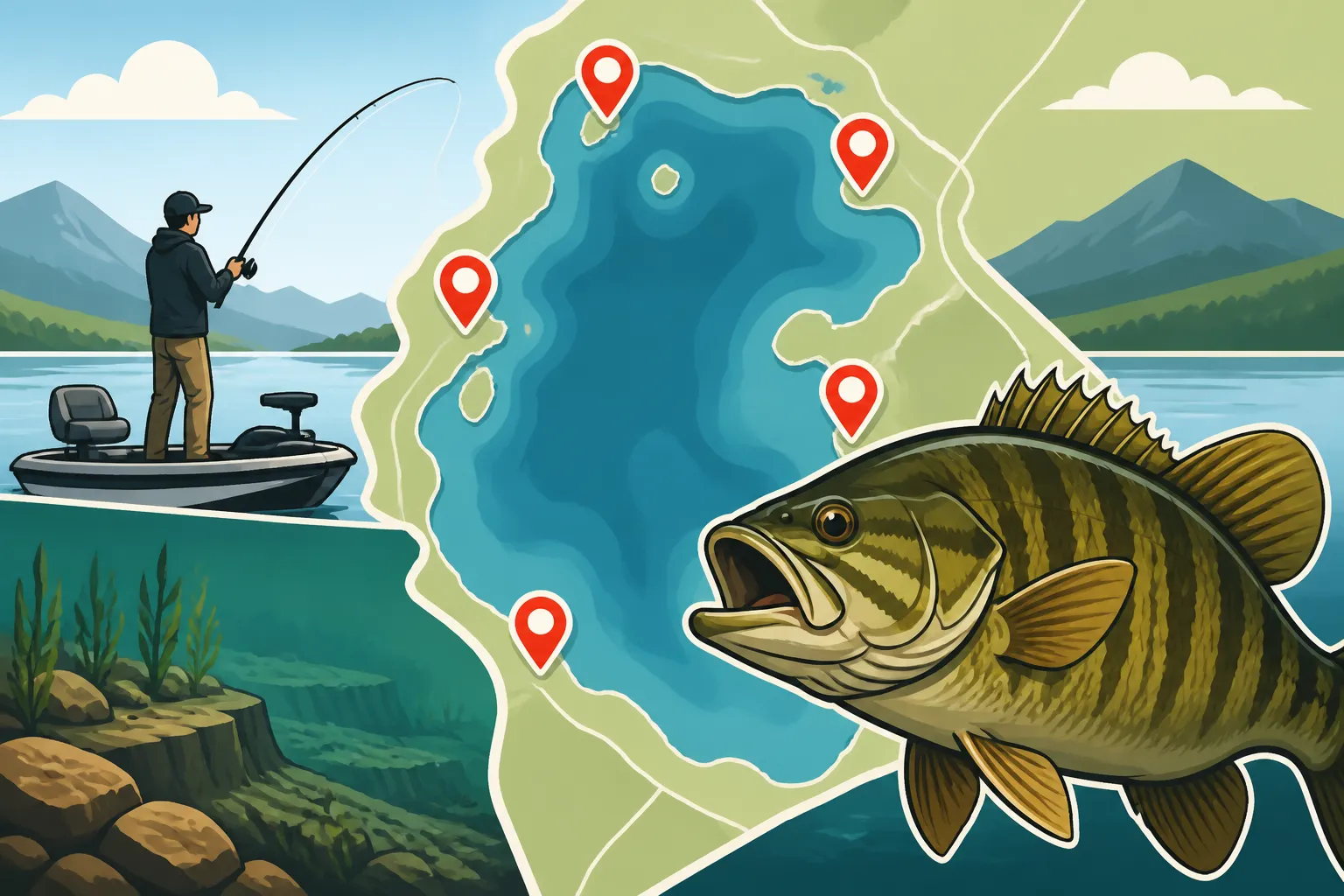
Where to Fish for Utah Lake Smallmouth Bass
Utah Lake can be a bit of a mystery for anglers, especially when you’re targeting a specific species like smallmouth bass. It’s not always the clearest water, and finding those rocky havens where smallmouth love to lurk can feel like searching for a needle in a haystack. But don't despair! This guide is here to unravel the secrets of Utah Lake's smallmouth bass population, helping you pinpoint the best spots and strategies to make your next trip a successful one.
Understanding Smallmouth Bass in Utah Lake
Before we dive into specific locations, it's crucial to understand a bit about smallmouth bass and why they behave the way they do, particularly in a lake like Utah Lake. Unlike their largemouth cousins, smallmouth are often called "bronzebacks" and are known for their preference for cooler, clearer waters with rocky structures, gravel beds, and moderate currents. They are aggressive fighters, making them a highly sought-after sport fish.
The challenge at Utah Lake is that it's a large, shallow, and often turbid lake, which doesn't immediately scream "smallmouth paradise." However, hidden within its vastness are key areas that provide the necessary habitat. Smallmouth bass thrive on crayfish and smaller baitfish, so finding areas that offer both rocky cover for them and forage opportunities is paramount. The lake's unique ecosystem, with fluctuating water levels and varying clarity, means that smallmouth fishing can be a dynamic pursuit, requiring adaptability and a keen eye for subtle habitat clues. It's a different game than fishing for the abundant walleye or catfish here, but incredibly rewarding when you crack the code.
Prime Locations for Smallmouth Bass in Utah Lake
Finding smallmouth bass in Utah Lake is all about seeking out that hard structure and slightly clearer water. They won't be out in the middle of a vast mud flat. Instead, focus on areas that offer rocks, points, and anything that breaks up the uniform, soft bottom. These spots provide ambush points, spawning grounds, and protection from predators.
Rocky Shorelines and Points
The most consistent areas for smallmouth bass in Utah Lake are its various rocky shorelines and points. These are the equivalent of smallmouth heaven in an otherwise soft-bottomed lake.
- Lincoln Beach and Lincoln Point: Located on the southeastern side of the lake, the areas around Lincoln Beach and Lincoln Point are often cited as prime smallmouth territory. Here, you'll find natural rock formations, rip-rap, and rubble that extend into the water, creating ideal habitat. The transition areas where rocky bottoms meet the softer lakebed are particularly productive. Early in the season, as water temperatures begin to rise, smallmouth will stage in these shallower rocky areas, preparing to spawn. Later in the summer, they might retreat to slightly deeper water but will still relate to the structure. Look for boulders, submerged logs, and any irregularities on the bottom that can hold fish. Casting parallel to the shoreline, or slowly dragging baits over these rocky transitions, can be very effective.
- Saratoga Springs and West Shore Development: As you move along the western shore, particularly around the Saratoga Springs area, you'll encounter more development. This often means man-made structures like boat ramps, jetties, and rip-rap that line newer developments. These hard structures mimic natural rocky points and can hold surprising numbers of smallmouth. The Saratoga Springs area also has some natural rocky points and outcroppings that extend into the lake, creating excellent ambush points. These urbanized sections can sometimes offer better water clarity due to less sediment disturbance. When targeting these areas, consider if there are any current breaks or deeper pockets adjacent to the structure, as smallmouth will often hold there.
Marina and Harbor Entrances
Marinas and boat harbors, while busy, can be surprisingly good spots for smallmouth bass, especially during certain times of the year.
- Provo Boat Harbor Area: The entrance and outer edges of the Provo Boat Harbor often feature rip-rap and rock jetties designed to protect the marina from wave action. This man-made structure provides excellent habitat for smallmouth. Fish will often hold along the rocks, particularly where the deeper channel of the harbor meets the shallower, more open lake. The mouth of the Provo River, which feeds into Provo Bay near the harbor, can also attract smallmouth, especially during periods of higher flow or slightly clearer water from the river. When fishing near a boat harbor, be mindful of boat traffic and give other anglers plenty of space. You can often find success by casting jigs, crankbaits, or soft plastics right against the rocks and working them back into slightly deeper water. If you're looking for a guided trip, services found on platforms like FishingBooker often operate out of these larger harbors, giving local experts a starting point to take you directly to the best spots.
- Other Smaller Harbors and Launches: While the Provo Boat Harbor is the largest, other smaller boat launches and access points around the lake might also have rocky revetments or old concrete structures that attract smallmouth. For instance, areas around the American Fork Boat Harbor, or other public and private launches, are worth exploring. Always check for areas with harder bottom transitions. It’s helpful to consult maps or even use satellite imagery to scout out potential rocky points or man-made structures before you head out. These smaller, often less-pressured spots can yield some fantastic catches.
Submerged Structure and Humsp
While Utah Lake is generally shallow, there are subtle depth changes and submerged structures that smallmouth will gravitate towards, especially during the warmer months when they might seek slightly cooler, deeper water.
- Finding Deeper Structure with Electronics: This is where a good fish finder becomes your best friend. Smallmouth will often relate to submerged rock piles, old foundations, or subtle humps and ledges that rise from the otherwise flat lakebed. These aren't always visible from the surface. Look for areas where the depth changes from, say, 6 feet to 10-12 feet, and then scan for any hard returns on your sonar that indicate rock. Marking these waypoints on your GPS is crucial, as you can return to them later. Once you locate a promising piece of structure, use vertical jigging techniques or slowly drag a Carolina-rigged soft plastic across it. This approach can be particularly effective when fishing for Utah Lake Smallmouth Bass in summer.
- Old Causeway Remnants: Over the years, historical infrastructure like old causeways or docks might have fallen into disrepair, leaving rubble and submerged pilings. These hidden gems are essentially artificial reefs that can hold a variety of fish, including smallmouth. While difficult to find without local knowledge or advanced electronics, if you happen upon such a spot, it's often a goldmine. These kinds of spots are exactly what a seasoned guide, perhaps found via FishingBooker, would know like the back of their hand. Always exercise caution when navigating areas with known submerged hazards.
Seasonal Considerations for Utah Lake Smallmouth
The movements and feeding patterns of smallmouth bass on Utah Lake are heavily influenced by water temperature and the changing seasons. Understanding these seasonal shifts can significantly improve your success rate.
Spring: Pre-spawn and Spawning Frenzy
Spring is arguably one of the best times to target smallmouth bass in Utah Lake. As ice recedes (if it forms) and water temperatures climb into the 50s Fahrenheit, smallmouth begin to move from deeper wintering grounds to shallower, rocky areas to feed and prepare for spawning.
- Early Spring (Ice-off to 50°F): Focus on the sun-warmed, shallow rocky flats and points. The fish will be hungry and looking for easy meals. Crankbaits, jerkbaits, and jigs worked slowly can be very effective. This is a great time to target accessible shore fishing spots along Lincoln Beach or the Saratoga Springs rip-rap. Anglers should also keep an eye on Utah Fishing Season Dates and Limits, as regulations can sometimes change based on species and water body.
- Late Spring (55-65°F – Spawning): When water temperatures hit the mid-50s to low 60s, smallmouth will begin to spawn. They'll create circular "beds" on gravel or rocky bottoms in relatively shallow water (2-10 feet). During this time, they become very protective of their beds. While sight fishing for bedding bass can be tempting, it's often more ethical and sustainable to target pre-spawn or post-spawn fish. If you do encounter bedding fish, use a soft plastic bait like a tube or creature bait pitched directly onto the bed. Post-spawn, the fish are often exhausted but quickly become aggressive feeders again, recovering from the rigors of spawning. This is an excellent time for topwater lures early and late in the day.
Summer: Deep Water and Structure
As summer heats up and Utah Lake's shallow waters warm considerably, smallmouth will seek refuge in deeper, cooler areas and more substantial cover.
- Seeking Deeper Haunts: During the peak of summer, smallmouth will often move to the deepest available rocky structures or humps. This is where a good fish finder is invaluable. You'll be looking for them suspended near structure or tight to the bottom in 10-20 feet of water. Downsizing your baits and slowing down your retrieve can be key. Drop-shot rigs, football jigs, and small crankbaits that dive to these depths are excellent choices. Consider fishing during low-light conditions, like early mornings or evenings, when fish might move shallower to feed. For more detail on specific rigs, check out articles on How to Fish a Drop Shot Rig for Utah Bass.
- Shade and Current Breaks: If you can find any shade – perhaps from overhanging vegetation (rare on Utah Lake, but possible at river mouths) or larger man-made structures – smallmouth will often use these areas. Also, subtle current breaks, even from mild wind-driven currents around points, can concentrate baitfish and, consequently, smallmouth.
Fall: Feeding Frenzies
Fall is another fantastic time for smallmouth bass fishing as water temperatures begin to cool, and the fish start to bulk up for winter.
- Aggressive Feeding: Smallmouth become incredibly active and aggressive in the fall, feeding heavily on crayfish and baitfish. They'll often return to shallower rocky points and flats they occupied in spring. Crankbaits, spinnerbaits, and fast-moving jerkbaits can all be highly effective. The fish are often more willing to chase a lure, making for exciting strikes. This is a great time for covering water quickly and looking for active schools.
- Following Baitfish: As baitfish school up, smallmouth will follow. Watch for diving birds or subtle surface disturbances that might indicate baitfish activity, as smallmouth will likely be nearby, pushing them from below. For more insights on how to adjust your approach for different water temperatures, read up on What Retrieve Speed Works Best for Smallmouth Bass in Cold Water.
Winter: Deep and Dormant
Winter fishing for smallmouth in Utah Lake is generally less productive, as the fish become much less active.
- Deep Water Retreat: If the lake doesn't freeze over, smallmouth will typically hold in the deepest, most stable water they can find, often near significant submerged structure. They become lethargic, and bites are very subtle. Vertical jigging with small baits, spoons, or blade baits directly over the fish (located with a fish finder) is the primary technique. If ice fishing is an option and safe, very slow jigging presentations are key. Always prioritize safety when considering Utah Ice Fishing Regulations.
Tips for Success When Targeting Smallmouth at Utah Lake
Fishing for smallmouth bass in Utah Lake requires a blend of patience, persistence, and the right approach. It’s not always easy, but the rewards are well worth it.
- Focus on Structure: We can't say it enough: smallmouth bass are structure-oriented fish. Whether it's natural rock, rip-rap, submerged humps, or old docks, if you're not fishing near some kind of hard structure, your chances are significantly reduced. Use your electronics to find underwater anomalies, or visually scan shorelines for rocky outcroppings.
- Water Clarity is Key: While Utah Lake can be notoriously murky, smallmouth prefer clearer water. Look for areas where the water might be slightly clearer – perhaps closer to the mouth of the Provo River after a period of stable weather, or in areas less affected by recent winds stirring up sediment. Even a few extra inches of visibility can make a difference.
- Bait Selection Matters: Smallmouth are opportunistic feeders, but they particularly love crayfish and baitfish. Lures that mimic these forage items are usually winners.
- Crankbaits: Medium-diving crankbaits in natural colors (crayfish patterns, greens, browns) or chrome can be deadly when bounced off rocks.
- Jigs: Football jigs or swim jigs with plastic trailers (like craws or grubs) are excellent for fishing rocky bottoms.
- Soft Plastics: Tubes, grubs, jerkbaits, and creature baits on a jig head or Carolina rig can be incredibly effective when slowly worked over structure. Colors like green pumpkin, watermelon, or smoke are reliable.
- Topwater: In low-light conditions during spring and fall, topwater lures like poppers, walking baits, or prop baits can trigger explosive strikes, especially when fish are in shallower rocky areas. For more specific lure recommendations, refer to Best Lures for Utah Smallmouth Bass.
- Utilize a Fishing Guide: If you're new to Utah Lake or struggling to find smallmouth, consider hiring a local fishing guide. Guides have spent countless hours on the water and know the subtle nuances of the lake, including current fish patterns and hot spots. Websites like FishingBooker can help you find experienced local guides who specialize in bass fishing on Utah Lake, providing a huge advantage and saving you hours of frustrating searching.
- Check Regulations: Always, always check the current Utah Bass Fishing Regulations before you head out. Limits, seasons, and special rules can change, and being informed ensures a legal and enjoyable trip.
| Location Category | Key Features for Smallmouth Bass | Best Seasons to Target | Recommended Tactics |
|---|---|---|---|
| Rocky Shorelines | Natural rock formations, rip-rap, boulders, gravel beds | Spring, Fall (Summer – deeper) | Casting parallel, slow retrieves, jigs, crankbaits |
| Points/Outcroppings | Hard breaks from the shoreline, extends into deeper water | Spring, Fall | Jigs, crankbaits, soft plastics, topwater |
| Marina Entrances | Rip-rap, rock jetties, deeper channels at harbor mouths | Spring, Fall, Early Summer | Jigs, jerkbaits, plastics pitched against rocks |
| Submerged Structure | Rock piles, humps, old foundations (found with electronics) | Summer, Winter | Vertical jigging, drop-shot, slow-rolled jigs |
| River Mouths | Slightly clearer water, current breaks, varied bottom | Spring, Fall | Spinnerbaits, jigs, plastics |
Disclaimer
Fishing conditions and regulations in Utah can change frequently. Always consult the latest Utah Fishing Guidebook published by the Utah Division of Wildlife Resources (UDWR) before planning your trip. The information provided here is for general guidance and informational purposes only.