Lake Powell Houseboat Fishing Access
Imagine the sun setting over the towering red rock canyons, painting the sky in fiery oranges and purples, as you drift gently on the vast, sparkling waters of Lake Powell. You’re not just visiting; you're living on the water, with your entire floating home positioned perfectly for the next morning's fishing adventure. This isn't just a vacation; it's an immersive experience that many anglers dream of, but the logistics can feel overwhelming. How do you pick a houseboat? Where do you even begin to find fish in such an enormous reservoir? This comprehensive guide is here to walk you through everything you need to know about planning, executing, and absolutely nailing a houseboat fishing trip on Lake Powell, turning those dreams into a reel-screaming reality.
The Allure of Houseboat Fishing on Lake Powell
Let's be honest, the thought of fishing Lake Powell from a houseboat conjures up images of unparalleled freedom and access. It's not just a fishing trip; it's a lifestyle upgrade for a week or more. You escape the daily grind, the crowded boat ramps, and the limitations of day-trip fishing, trading them for sun-drenched days, star-filled nights, and the constant hum of the lake around you.
Unmatched Access to Secluded Coves and Striper Boils
One of the biggest frustrations for any angler on a massive body of water like Lake Powell is feeling like you can only scratch the surface, always wishing you could get to that one spot you saw on a map or heard about. With a houseboat, that frustration evaporates. Your floating lodge gives you the keys to the kingdom. You can literally motor your entire operation to the most remote corners of the lake, setting up camp where no car or short-day boat can reach. This means prime access to untouched coves where bass might be lurking, or being perfectly positioned when those explosive striped bass boils erupt.
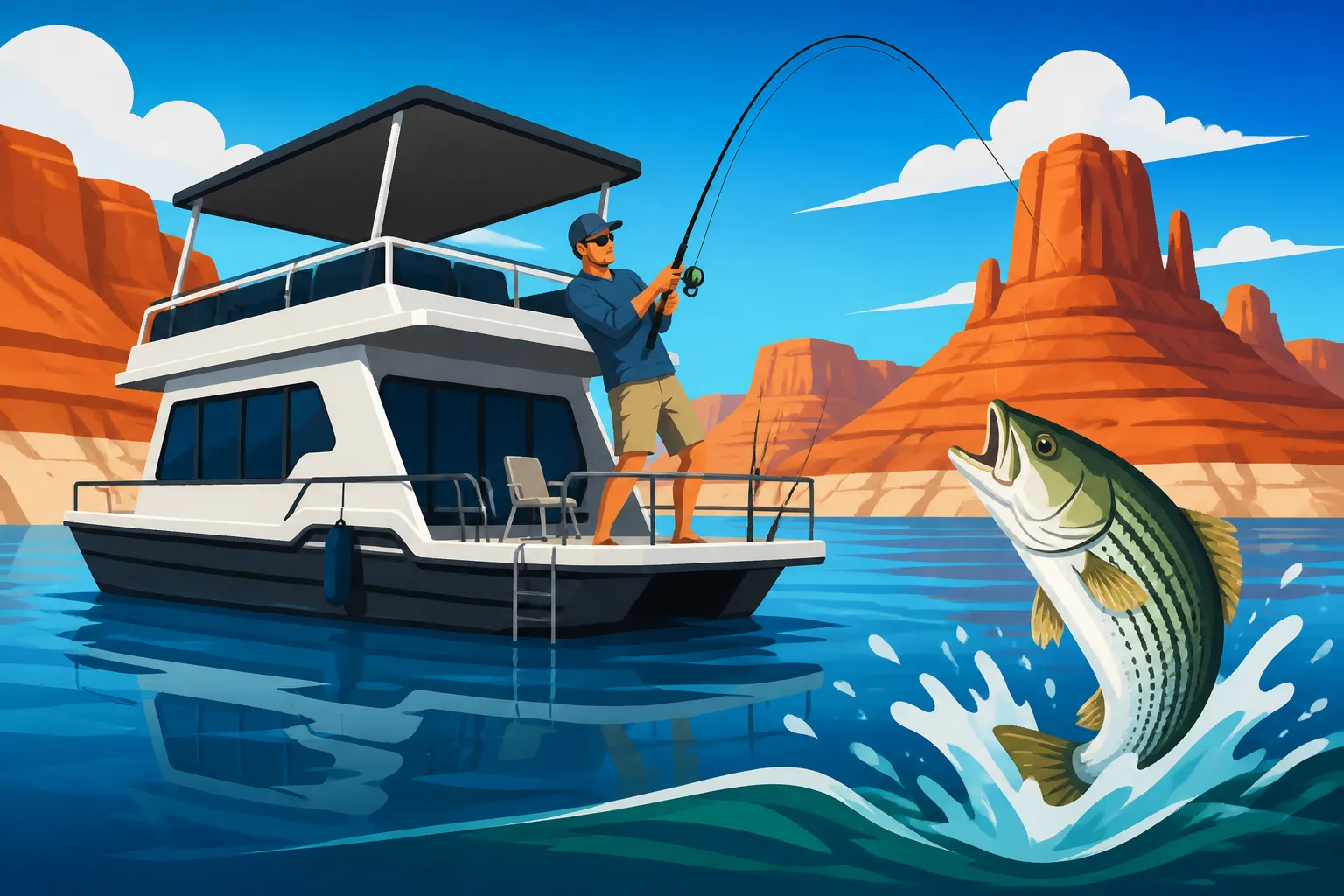
Imagine waking up, stepping out onto your spacious deck, and seeing a frenzied boil of striped bass churning the water just a quarter-mile away. Instead of rushing back to a marina, trailering your boat, and driving to a launch, you simply hop into your smaller "tender" boat, which you've brought along for just such an occasion, and zip over to the action in minutes. This immediate response capability to active fish is a game-changer, especially for species like stripers that can be here one minute and gone the next. You're not tied to one location; you are free to explore miles of shoreline, countless canyons, and endless fishing opportunities, truly experiencing the full breadth of Lake Powell's aquatic offerings. The deeper you venture into the labyrinthine canyons, the more likely you are to find those pristine, less-pressured fishing spots that harbor trophy fish, making the investment in a houseboat truly pay off.
Comfort and Convenience of a Floating Base Camp
Let's face it, long days of fishing can be exhausting. The sun beats down, the wind kicks up, and sometimes you just need a break. Trying to cook a proper meal, get a good night's sleep, or simply relax after hours on the water can be a challenge in a small fishing boat or a cramped tent. This is where the houseboat truly shines as your ultimate floating base camp. It offers all the comforts of home, right on the water.
You'll have a fully equipped kitchen, often with a refrigerator, stove, oven, and microwave, allowing you to prepare fresh, hot meals after a successful day of fishing. No more soggy sandwiches or cold takeout; you can grill up your catch right on the deck! Beyond the kitchen, houseboats provide comfortable sleeping quarters, private bathrooms, and often spacious living areas where your entire group can relax, play games, or simply unwind. This is particularly fantastic for families or larger groups where not everyone is a hardcore angler. While some are out chasing trophy fish, others can swim, sunbathe, read, or explore the canyons by kayak or paddleboard, all returning to the same comfortable "home" at the end of the day. All your gear, from multiple rods and tackle boxes to coolers, kayaks, and even extra fuel, has a designated, secure spot, eliminating the constant packing and unpacking that can be a real hassle on other types of fishing trips. It's the convenience of never having to leave the lake, paired with the luxury of modern amenities, that makes houseboat fishing such a uniquely appealing and truly memorable experience.
Planning Your Lake Powell Houseboat Fishing Adventure
Embarking on a houseboat fishing trip on Lake Powell requires careful planning, but don't let that deter you. A little foresight goes a long way in ensuring a smooth and enjoyable journey. From choosing your vessel to packing the right supplies, every detail contributes to the overall success of your adventure.
Choosing Your Houseboat and Marina
Lake Powell is vast, and so are the options for houseboat rentals. The first major decision you'll face is selecting the right houseboat for your group size and budget, and then deciding which marina will serve as your departure point. Several reputable companies operate on Lake Powell, including Aramark (operating out of Wahweap and Bullfrog) and Forever Resorts (operating out of Antelope Point and Halls Crossing). Each offers a range of houseboats, from smaller, more economical models perfect for a couple or small family, to massive luxury vessels that can sleep a dozen or more people and come equipped with hot tubs, slides, and multiple bathrooms. Consider how many people will be joining you, how much privacy you desire, and what amenities are non-negotiable for your comfort. Do you need a generator for all your electronics? A full kitchen? Multiple decks for sunbathing and fishing? These factors will influence both the size and cost of your rental.
Booking well in advance, especially for peak seasons (late spring through early fall), is absolutely critical. These houseboats are incredibly popular, and prime dates can be reserved a year or more out. As for marinas, Wahweap Marina near Page, Arizona, is the largest and most developed, offering extensive services and easy access from the south. Bullfrog Marina and Halls Crossing (connected by a ferry, water levels permitting) are located further north in Utah and are excellent choices for accessing the middle and northern reaches of the lake, which can be less crowded. Antelope Point Marina, also near Page, is a newer, upscale option, often offering slightly different houseboat fleets. Your choice of marina can impact travel time to your preferred fishing grounds, so consider what species you want to target and which areas are known for them before committing to a departure point.
Essential Gear Beyond Your Fishing Tackle
While your rods, reels, and tackle boxes are undoubtedly front and center, a houseboat trip on Lake Powell demands a broader array of essential gear to ensure safety, comfort, and self-sufficiency. You're effectively taking a small home out into the wilderness, so thinking beyond just fishing is crucial. First and foremost, a smaller "tender" boat – be it a personal watercraft, a small fishing boat, or even a couple of kayaks or paddleboards – is almost a necessity. This allows you to explore tighter canyons, chase striper boils, or access shorelines that the larger houseboat cannot. Ensure this tender boat is also equipped with all necessary safety gear, including life jackets for every occupant, a whistle, and a throw cushion.
For the houseboat itself, think about navigation and safety. While most houseboats come with basic charts, having a reliable GPS unit (either handheld or on your phone with downloaded maps) is invaluable for marking fishing spots, navigating unfamiliar canyons, and finding your way back to the main channel, especially in low light or changing weather. A good depth finder on your tender boat will be critical for locating submerged structure and fish. Beyond that, consider the practicalities: plenty of potable water (the houseboat will have a tank, but supplementing with bottled water is wise), enough fuel for both your houseboat and tender boat (fuel can be purchased at marinas, but bringing extra in approved containers can save you a trip), first-aid kits, sun protection (wide-brimmed hats, high SPF sunscreen, long-sleeved clothing), and reliable communication devices like satellite phones or a marine radio, as cell service is spotty in many areas of the lake. Don't forget garbage bags; you're responsible for packing out all your waste, so having a good system for trash storage is important to maintain the pristine beauty of the lake.
Navigating and Fishing Lake Powell by Houseboat
Lake Powell is breathtakingly beautiful, but its sheer size and ever-changing nature demand respect and thoughtful navigation. Fishing from a houseboat opens up unique opportunities, but it also means understanding how to effectively move your floating home and position yourself for success.
Understanding Lake Powell's Vastness and Navigational Challenges
Lake Powell is not just a lake; it's a reservoir of epic proportions, stretching over 186 miles with an astounding 1,960 miles of shoreline when full – more than the entire Pacific coastline of California! This immensity is both its greatest allure and its most significant challenge. For first-time visitors, the endless canyons, coves, and arms can feel like a dizzying maze. Getting lost is a real possibility without proper preparation, and even seasoned navigators can find themselves disoriented in low light or rapidly changing conditions. Fluctuating water levels, which can change significantly over the course of a season or even a few days, add another layer of complexity. Areas that were open water last year might now be shallow mud flats, and submerged hazards like rock pinnacles and old trees can appear or disappear with the water's rise and fall.
That's why a robust approach to navigation is non-negotiable. Always have up-to-date nautical charts or reliable mapping apps on your smartphone or tablet that work offline. A quality GPS unit is invaluable for marking your course, saving key waypoints for fishing spots or potential hazards, and ensuring you can retrace your path accurately, especially when returning to your houseboat after a fishing excursion in your tender boat. Always maintain a watchful eye on your depth finder, especially when exploring new areas or cruising through narrow canyon arms. Pay attention to navigational markers, but also develop a keen eye for landmarks like distinct rock formations or canyon entrances. And, critically, always keep an eye on the weather; sudden squalls or high winds can turn calm waters into a challenging environment quickly, making navigation difficult and anchoring risky.
Best Practices for Setting Up a Fishing Camp
Once you've navigated to your chosen fishing ground, setting up your houseboat "fishing camp" is an art form that maximizes your angling opportunities and overall enjoyment. The key is strategic positioning and effective use of your tender boat. When anchoring your houseboat, look for protected coves or canyon walls that offer shelter from prevailing winds and boat traffic. A sandy beach area for easy access to shore is often a bonus. Most houseboats come with multiple anchors, and knowing how to properly set them to ensure your vessel stays put, even in choppy conditions, is vital. Often, a combination of bow and stern anchors, or even tying off to shore, is recommended for ultimate stability.
Your tender boat is your primary fishing vehicle from this base camp. Keep it easily accessible and fueled, ready for a quick launch to chase breaking fish or explore a promising cove. Many anglers use kayaks or paddleboards for quieter, stealthier approaches to shallow water or to explore narrow side canyons, which can hold surprising numbers of fish. Consider bringing along a portable light source for night fishing directly from the houseboat deck or nearby shore. Submersible lights can attract baitfish, which in turn attract larger predatory species like stripers and catfish right to your floating doorstep. This combination of a stable, comfortable base and agile smaller vessels allows for diverse fishing approaches and ensures you're ready for whatever Lake Powell throws your way.
Targeting Key Species from Your Houseboat Base
Lake Powell is a diverse fishery, teeming with various species that offer exciting challenges for anglers. From your houseboat base, you have an unparalleled opportunity to target some of the lake's most popular inhabitants. The undisputed king of Lake Powell for many is the striped bass. These aggressive predators travel in massive schools, often erupting into "boils" on the surface as they chase baitfish. Having a houseboat allows you to quickly get to these boils with your tender boat, casting into the chaos. When boils aren't happening, stripers can be found deeper, often congregating around submerged structure or in main channels.
Smallmouth bass are another highly sought-after species, known for their powerful fights and preference for rocky structure. From your houseboat, you can deploy your tender boat to explore countless rocky points, ledges, and submerged canyons where smallmouth thrive. Casting crankbaits, jigs, or soft plastics around these structures can yield excellent results.
While less numerous than stripers or smallmouth, walleye can be found in Lake Powell, particularly in the northern reaches of the lake. They prefer deeper, cooler water and can often be targeted by trolling or vertical jigging around submerged humps and points, especially during low-light conditions. Your houseboat provides an ideal base for these deeper water excursions.
Finally, don't overlook catfish, particularly channel catfish. These bottom-dwellers can grow quite large in Lake Powell and offer fantastic night fishing opportunities. Setting out cut bait or stink baits from the houseboat or nearby shoreline after dark can be incredibly productive and makes for a relaxing end to a long day of fishing. The beauty of the houseboat is its versatility, allowing you to switch gears and target different species as conditions and preferences dictate, all while staying within arm's reach of comfort and amenities.
Maximizing Your Catch: Techniques and Strategies
A houseboat provides a fantastic platform for a Lake Powell fishing adventure, but knowing how to fish effectively from this mobile base is what will truly fill your cooler and create lasting memories. It's about combining strategic positioning with the right techniques for the lake's diverse fish population.
Chasing Striped Bass Boils from Your Tender Boat
For many, the ultimate Lake Powell experience is encountering a full-blown striped bass boil. It's an electrifying spectacle: hundreds, sometimes thousands, of stripers driving schools of shad to the surface, creating a feeding frenzy that can last minutes or even hours. From your houseboat, you'll often spot these boils in the distance, a dark cloud of agitated water, often accompanied by the cries of gulls diving for scraps. This is where your tender boat becomes your best friend. Having it fueled and ready means you can motor quickly to the action.
Once you approach, cut your engine a safe distance away and drift in quietly. The key is to cast into the edges of the boil without spooking the school. Topwater lures like poppers, chuggers, or walking baits can be incredibly effective, mimicking distressed baitfish. Alternatively, fast-retrieved spoons, jigs, or swimbaits that imitate shad will also draw vicious strikes. The trick is to retrieve quickly; stripers are highly competitive and will often hit anything moving fast. If the boil subsides, stay in the area, as they often pop up again nearby. Don't be afraid to try different lures and retrieve speeds until you find what triggers a bite. Chasing these boils is an adrenaline rush unlike any other, and the mobility of a houseboat vastly increases your chances of being in the right place at the right time. For more specific insights on how to land these powerful fish, check out our guide on how to fish for striped bass at Lake Powell. You might also find valuable tips on the best time of day to catch striped bass at Lake Powell to optimize your chances.
Exploring Coves and Structure for Bass and Walleye
While the open water boils for stripers are exciting, a significant portion of Lake Powell's fishing action occurs in its countless coves and around its intricate submerged structures. This is where you'll spend a lot of time with your tender boat, systematically working the shoreline and depth changes. For smallmouth bass, focus on rocky points, steep ledges, submerged brush piles, and any areas with broken rock and gravel. Smallmouth love ambush points and hiding spots. Effective lures include crankbaits that dive to different depths, plastic grubs or tubes rigged on jig heads, and shaky head worms. Cast these parallel to the shore or structure, allowing them to bump and grind along the bottom, mimicking crawfish or baitfish.
Walleye, though less prevalent than stripers and smallmouth, can offer a rewarding challenge, particularly in the northern areas of the lake. They often prefer deeper water during the day, congregating around submerged humps, channel edges, and points. Trolling deep-diving crankbaits or dragging bottom bouncers with worms or spinner rigs can be effective. As evening approaches, walleye might move shallower onto flats or points to feed, making them vulnerable to jigs or stickbaits cast from your tender boat. Pay close attention to your depth finder to identify these key structures. Understanding the nuances of the lake's topography is crucial. For further exploration of prime bass locations, our detailed guide on the best coves for bass at Lake Powell can offer more targeted advice.
Night Fishing for Catfish and Stripers
When the sun dips below the canyon rims and the stars begin to pepper the inky sky, Lake Powell takes on a whole new fishing dimension. Night fishing from a houseboat offers a unique blend of relaxation and productive angling, especially for species that become more active after dark. Catfish, particularly channel catfish, are prolific throughout Lake Powell and are fantastic nocturnal feeders.
From your houseboat, you can easily set up multiple rod holders, casting baits like cut anchovies, chicken liver, or prepared stink baits to the bottom. Position your lines around the edges of coves or near deeper drops. Many anglers will hang a submersible fishing light off the back of the houseboat. This light attracts plankton, which draws in shad, and the shad, in turn, attract hungry stripers and catfish. It's a natural food chain unfolding right before your eyes! For stripers, while the daytime boils are famous, they also feed heavily at night, often moving into shallower coves to ambush baitfish attracted to lights. Jigging spoons or casting swimbaits around your houseboat's light source can be incredibly effective. The comfort of having your full amenities just steps away—a hot coffee, a comfortable seat, or even a quick nap between bites—makes night fishing from a houseboat an incredibly appealing and productive experience, allowing you to maximize your fishing hours without sacrificing comfort.
Logistics and Regulations for Houseboat Anglers
A Lake Powell houseboat fishing adventure is undeniably exciting, but it’s crucial to remember that you’re operating within a regulated environment. Ignoring the necessary permits and rules can quickly turn a dream trip into a costly headache. Understanding the logistics, especially around licenses and aquatic invasive species, is paramount for a smooth journey.
Utah Fishing Licenses and Aquatic Invasive Species Rules
Before you even think about casting a line, every angler on board your houseboat who is 12 years of age or older needs a valid Utah fishing license. This applies whether you're a resident or a non-resident. It’s not just a recommendation; it's a legal requirement. Licenses can typically be purchased online through the Utah Division of Wildlife Resources (DWR) website, at DWR offices, or from authorized license agents around the state, including some marinas. For a full breakdown of requirements, make sure to check out our comprehensive guide on the Utah Fishing License Guide.
Beyond the license, perhaps the most critical — and sometimes frustrating — regulation for Lake Powell visitors, especially those with any type of vessel, pertains to Aquatic Invasive Species (AIS) rules. Lake Powell is unfortunately infested with quagga mussels, and Utah is diligent about preventing their spread to other pristine waters. This means that all vessels, including your tender boat, kayaks, and paddleboards, are subject to mandatory inspections before leaving Lake Powell or if you're transporting them to another Utah water body.
You’ll need to stop at a designated AIS inspection station, which are typically found on major roadways leading out of the Lake Powell area. During these inspections, your vessel will be checked for mussels, and you'll be questioned about where you've been and where you're going. If mussels are found, or if your boat has not met specific "dry time" requirements, you may be required to undergo a professional decontamination, which involves hot, high-pressure washing of all water-holding components. This process can be time-consuming and may incur a fee. It is absolutely vital that you understand the Utah Aquatic Invasive Species Rules for Anglers and especially the specific Utah Quagga Mussel Decontamination Rules and Utah Dry Time Rules After Leaving Lake Powell to avoid delays or fines. Always clean, drain, and dry your boats thoroughly before and after use, especially when moving between different bodies of water. Even kayaks and paddleboards need to be cleaned and drained!
| Marina / Access Point | Houseboat Rentals Available? | Primary DWR AIS Inspection Station Proximity | Fuel Dock? | Groceries / Supplies? | Best for Northern/Southern Lake Access |
|---|---|---|---|---|---|
| Wahweap Marina | Yes | Yes, near Page, AZ | Yes | Yes | Southern (main channel, Antelope Canyon) |
| Bullfrog Marina | Yes | Yes, near Hanksville, UT | Yes | Yes (limited) | Northern (far canyons, Dirty Devil) |
| Antelope Point Marina | Yes | Yes, near Page, AZ | Yes | Yes (upscale) | Southern (main channel, Antelope Canyon) |
| Halls Crossing | Yes | Yes, near Hanksville, UT (via ferry from Bullfrog) | Yes (limited) | Yes (limited) | Northern (eastern side) |
Provisions, Fuel, and Emergency Preparedness
Venturing deep into Lake Powell on a houseboat means you are effectively operating a self-contained unit, often miles from immediate assistance. Therefore, meticulous planning for provisions, fuel, and potential emergencies is non-negotiable. Think about every meal, snack, and drink your group will need for the entire duration of your trip, plus a few extra days' worth, just in case. Non-perishable items, canned goods, and vacuum-sealed meats are excellent choices. While marinas often have small general stores, their selection is limited, and prices are significantly higher than typical grocery stores. It's always best to stock up on the mainland before you launch.
Fuel is another critical consideration. Houseboats consume a surprising amount of fuel, especially if you plan on relocating frequently or venturing far up the canyons. Most marinas have fuel docks, but they can be far from your chosen fishing grounds. Calculate your expected usage, and consider bringing approved auxiliary fuel tanks for your tender boat. It's a good idea to have at least one day's extra fuel beyond your estimates. For water, most houseboats have freshwater tanks for showers and sinks, but bringing plenty of bottled drinking water is a smart backup.
Finally, prepare for emergencies. Cell service is notoriously spotty on Lake Powell, especially once you enter the deep canyons. A satellite phone or a marine VHF radio is highly recommended for communication in case of an emergency. A comprehensive first-aid kit is a must, stocked for cuts, scrapes, insect bites, seasickness, and other common ailments. Always have a plan for what to do in case of severe weather, such as high winds or thunderstorms. Know how to properly drop your anchors to weather a storm, and ensure all loose items on deck are secured. Inform someone reliable back home about your float plan, including your expected departure and return dates, and general areas you plan to visit. Being prepared means you can relax and fully enjoy the unparalleled beauty and fishing opportunities Lake Powell offers. For a comprehensive overview of safety and other rules, refer to the Utah Boating and Fishing Rules.
Tips for an Unforgettable Family Fishing Trip
A houseboat trip on Lake Powell is more than just a fishing expedition; it's an opportunity for an incredible family adventure. With careful consideration, you can create an experience that appeals to anglers of all ages and abilities, fostering a love for the outdoors and creating cherished memories.
Involving Everyone in the Fishing Experience
The key to a successful family fishing trip on a houseboat is to make it inclusive and fun for everyone, regardless of their fishing skill level or enthusiasm. For the avid anglers in the group, the houseboat provides the ultimate base for chasing trophy fish with their tender boat. But what about the kids or those who are less focused on the catch? Create opportunities for them to participate. Teach younger children how to cast from the spacious deck of the houseboat or from a nearby sandy beach. Simple bobber and bait setups are often the most effective for beginners, and catching panfish or small stripers can be incredibly exciting for them. Set up a dedicated "kids' fishing corner" with their own rods and tackle.
Beyond active fishing, involve everyone in other aspects of the trip. Let kids help choose fishing spots on the map (even if it's just for fun!), help prepare meals with the day's catch, or even assist with cleaning fish (if they're up for it!). Don't forget non-fishing activities. Lake Powell is perfect for swimming, snorkeling, kayaking, paddleboarding, or simply exploring the stunning canyon walls by tender boat. Having these diverse options ensures that everyone feels engaged and entertained, preventing boredom and potential frustrations. You might even consider booking a fishing guide for a day through services like FishingBooker for your tender boat. A guide can teach the whole family valuable techniques, find the best spots, and make the fishing experience more productive and enjoyable for everyone, taking the pressure off you to constantly find the fish.
Respecting the Environment and Other Anglers
Part of the privilege of experiencing a place as magnificent as Lake Powell is the responsibility to protect it and ensure its beauty for future generations. Embracing "Leave No Trace" principles is essential for houseboat anglers. This means packing out everything you pack in, including all garbage, food scraps, and even human waste if you're not using the houseboat's facilities (though most modern houseboats are equipped with robust septic systems, be mindful of their capacity). Never leave trash on shorelines or in the water. Properly dispose of fishing line, lures, and bait containers; these can be deadly to wildlife.
Beyond environmental stewardship, respecting other anglers and boaters contributes to a positive experience for everyone. Lake Powell is a popular destination, and you'll share the waters with other houseboats, fishing boats, personal watercraft, and tour boats. Be mindful of noise levels, especially in secluded canyons where sound travels far. Avoid anchoring too close to other boats, giving everyone ample space to enjoy their solitude and fishing. When running your tender boat, operate at safe speeds, especially in narrow canyons or near swimming areas, and always be aware of your wake. If you encounter another angler, a friendly wave or respectful distance is always appreciated. By being a good steward of both the environment and the community, you help ensure that the magic of a Lake Powell houseboat fishing trip remains intact for all who visit.
Disclaimer
The information provided in this guide is for general informational purposes only. While we strive to provide accurate and up-to-date content, fishing regulations, water levels, and conditions on Lake Powell can change rapidly. Always consult the official Utah Division of Wildlife Resources (DWR) website for the latest fishing regulations, license requirements, and Aquatic Invasive Species (AIS) protocols before planning your trip. It is the angler's responsibility to know and abide by all current laws and regulations. Fish at your own risk and always prioritize safety on the water.