Best Utah Fishing Spots Near Salt Lake City
Living in Salt Lake City, it's easy to feel like you're surrounded by concrete and traffic, dreaming of those pristine mountain lakes and serene rivers that feel a million miles away. The reality is, escaping for a quality fishing trip doesn't always require a multi-hour pilgrimage. We all want to cast a line without dedicating an entire day to driving, and thankfully, the Wasatch Front offers some fantastic angling opportunities surprisingly close to home. This comprehensive guide will pull back the curtain on the best Utah fishing spots near Salt Lake City, helping you trade city noise for the gentle hum of your reel and the splash of a rising trout, often just a short drive away.
The Allure of Fishing Near a Major City
There's a unique joy in finding peace and quiet just a stone's throw from urban hustle. For Salt Lake City anglers, this often means leveraging the proximity of the Wasatch Mountains and the diverse geography of northern Utah. You don't always need to pack for an overnight trip or dedicate an entire weekend to chase your angling dreams. Sometimes, a quick morning or evening escape is all it takes to reset and reconnect with nature.
Quick Getaways for a Fishing Fix
Let's be honest, life gets busy. Work, family commitments, and the general grind of city living often leave us with precious little time for our hobbies. That's why the idea of a "quick fishing fix" near Salt Lake City is so appealing. The frustration of wanting to wet a line but feeling like a proper trip requires too much planning and travel is very real. You might only have a few hours free, or perhaps you want to take the kids out without them getting restless in the car for too long.
The beauty of the Salt Lake area is that numerous quality fishing spots are within an hour's drive, some even closer. This means you can often leave after work, enjoy a couple of hours of fishing, and still be home in time for dinner. Or, you can start your weekend with a sunrise cast and be back for breakfast. These shorter, more spontaneous trips are excellent for mental well-being, offering a much-needed dose of tranquility and focus without demanding a huge time commitment. It's about maximizing your angling time, even when the clock feels like it's working against you.
Diverse Species Within Easy Reach
One of the pleasant surprises for anglers exploring fishing near Salt Lake City is the sheer variety of fish species available. While trout often come to mind first when thinking of Utah fishing, the waters surrounding the capital city offer much more. You're not just limited to one type of experience; you can tailor your outing to target different fish and use various techniques.
From the feisty rainbow and brown trout that inhabit our mountain reservoirs to the powerful wipers and walleye of larger, warmer lakes, there's a fish for every angler's preference. You can also find abundant yellow perch, slab crappie, and hard-fighting channel catfish in many of these waters. This diversity means that whether you prefer fly fishing, spin casting, bait fishing, or even ice fishing in the winter, you'll find a suitable challenge and plenty of opportunities to refine your skills. It also makes for excellent opportunities to teach kids about different fish and fishing methods, keeping things exciting and educational.
Northern Hotspots Beyond the Wasatch Front's Immediate Reach
Venturing just a bit north from Salt Lake City opens up a world of fishing opportunities, particularly on some of Utah's larger, more productive reservoirs. These spots are typically within an hour's drive, making them perfect for a half-day or full-day excursion that feels like a true escape. They offer different angling experiences than the smaller, closer mountain lakes, often targeting larger or more unique species.
Willard Bay State Park: A Warm-Water Powerhouse
About an hour's drive north of Salt Lake City, near Ogden, lies Willard Bay State Park. This massive, warm-water reservoir is a stark contrast to the trout-filled mountain lakes most people associate with Utah fishing. Willard Bay is actually a freshwater impoundment from the Bear River, built to store irrigation water, and its shallow, nutrient-rich waters make it an absolute powerhouse for warm-water species. It's a fantastic option when you're looking for something different from your typical trout fishery, especially during the warmer months when trout fishing can slow down.
The main draw at Willard Bay is undoubtedly the Wiper, a hybrid cross between a white bass and striped bass. These fish are known for their incredible fight and aggressive strikes, often schooling up and creating frenzied "boils" on the surface, making for an exhilarating experience. Beyond wipers, you'll find excellent populations of walleye, channel catfish, and crappie. Anglers frequently target walleye by trolling or jigging, while catfish are often caught on the bottom with stink baits or cut bait. Crappie fishing can be phenomenal in spring and fall, especially around submerged structures. For those targeting Wiper, a variety of casting lures like Kastmasters, jerkbaits, or swimbaits can be incredibly effective. To learn more about these hard-fighting fish, check out our guide on Wiper (Hybrid Striped Bass) in Utah.
Willard Bay offers extensive boating access with several well-maintained ramps, making it a popular destination for powerboaters and smaller fishing boats alike. Shore fishing is also viable, particularly along the causeways and in the state park day-use areas. Camping facilities are available if you want to turn your day trip into an overnight adventure. Be prepared for potentially windy conditions, as its open expanse can be quite exposed. It's a truly dynamic fishery that offers some of the most exciting warm-water action you can find within a reasonable drive of Salt Lake City.
Pineview Reservoir: Tiger Muskie and More
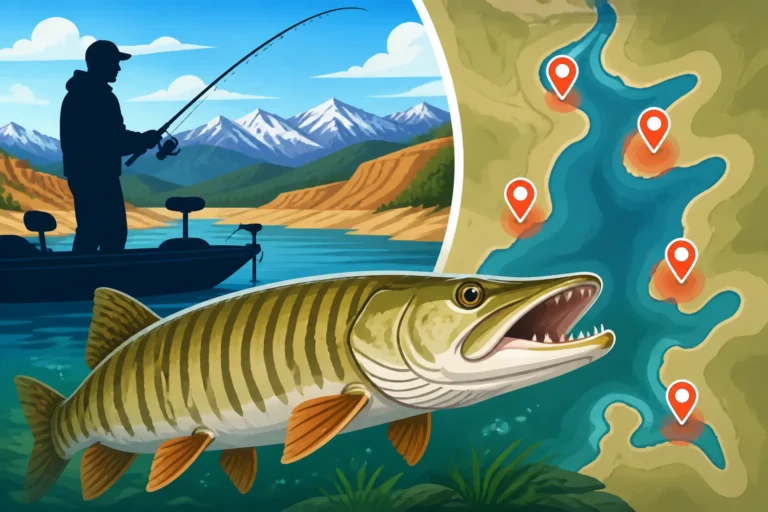
Tucked away in the stunning Ogden Valley, roughly an hour to an hour and fifteen minutes northeast of Salt Lake City, Pineview Reservoir offers a completely different vibe than Willard Bay. Surrounded by towering peaks and lush forests, Pineview is famous for one species in particular: the elusive Tiger Muskie. This hybrid fish, a cross between a northern pike and a muskellunge, is notoriously difficult to catch but rewards persistent anglers with an unforgettable battle and a truly impressive trophy. Pineview is the only place in Utah where you can reliably target these toothy predators.
While the Tiger Muskie draws a dedicated following, Pineview is far from a one-fish wonder. It also boasts healthy populations of yellow perch, rainbow trout, and smallmouth bass. The perch fishing can be fantastic, especially through the ice in winter, providing consistent action and delicious table fare. Rainbow trout are regularly stocked, offering a more predictable catch for those less inclined to chase muskie. Smallmouth bass can be found around rocky points and submerged structures, particularly during the warmer months. If you're hoping to land one of these exciting predators, our guide on How to Catch Tiger Muskie at Pineview Reservoir offers some excellent tips.
Fishing for Tiger Muskie typically involves casting large bucktails, jerkbaits, or swimbaits, often requiring heavy gear and a lot of patience. Shore access is available, but a boat or float tube provides the best opportunities to cover water and target known muskie haunts like rocky points and weed lines. The reservoir is popular for recreational boating, so early mornings or weekdays can offer a more tranquil fishing experience. Pineview is a year-round fishery, with excellent ice fishing during the winter months when the muskie and perch remain active under the frozen surface.
Eastern Escapes: Mountain Lakes and Reservoirs
East of Salt Lake City, as you ascend into the Wasatch Mountains, you'll encounter a series of picturesque reservoirs that offer more classic trout fishing experiences. These spots are often nestled in scenic canyons or high-mountain valleys, providing a refreshing change of scenery and cooler temperatures, especially during the summer. They are popular for both boat and shore anglers, and several offer camping facilities for longer stays.
East Canyon Reservoir: Classic Trout Fishing
Just a short 30 to 40-minute drive up Parley's Canyon, East Canyon Reservoir is one of the most accessible and consistently productive trout fisheries near Salt Lake City. Its proximity makes it a fantastic option for a quick morning or evening outing, or a leisurely day trip with the family. The reservoir is surrounded by rolling hills and steep canyon walls, creating a beautiful backdrop for your fishing adventure. It’s the kind of place that feels wild and remote, yet it’s surprisingly close to civilization.
East Canyon is primarily known for its excellent rainbow trout and brown trout fishing. The Utah Division of Wildlife Resources (DWR) regularly stocks rainbow trout here, ensuring a steady supply of catchable fish for anglers. However, you'll also find healthy populations of wild brown trout, which can grow to impressive sizes and offer a more challenging fight. These holdover fish provide exciting opportunities for those targeting larger, more elusive specimens. Whether you're a seasoned angler or a beginner, there's a good chance of success here. We cover more details on specific access and techniques in our East Canyon Reservoir Fishing Spots guide.
For rainbow trout, common techniques include bait fishing with PowerBait, worms, or corn from shore or a boat, often fished off the bottom or under a bobber. Trolling small spoons or spinners (like a Kastmaster or Rapala) from a boat is also very effective for both rainbows and browns. Fly anglers can find success stripping streamers or presenting nymphs and dry flies, especially during hatches. Don't forget to pack a variety of options from your Best Lures for a Utah Tackle Box to be prepared for anything. The reservoir offers good boat ramps and plenty of shore access, making it versatile for all types of anglers. It’s also a popular spot for ice fishing in winter, with trout often caught jigging small spoons and baits.
Rockport Reservoir: Diverse Angling Opportunities
Continuing east from East Canyon, about an hour from Salt Lake City, you'll find Rockport Reservoir. This larger body of water sits at a higher elevation, offering cooler temperatures and an even more expansive fishing experience. Rockport is renowned for its diverse fishery, providing opportunities to catch multiple species, often on the same outing. Its scenic setting, with the peaks of the Wasatch Front in the distance, adds to its appeal as a relaxing getaway.
Rockport is home to strong populations of rainbow trout, brown trout, and increasingly, tiger trout. What truly sets it apart, however, is its seasonal run of Kokanee Salmon. These landlocked sockeye salmon provide an exciting and specialized fishery, particularly in late summer and early fall when they begin to stage for their spawn. Catching Kokanee often involves trolling with downriggers and specialized lures, and it's a unique experience that many anglers eagerly anticipate each year. Our article on How to Troll for Kokanee in Utah offers in-depth advice on this particular pursuit. Beyond salmon and trout, Rockport also offers good fishing for smallmouth bass around rocky structures.
Access to Rockport is excellent, with multiple boat ramps at Rockport State Park and numerous points for shore fishing. Whether you prefer casting spoons and spinners, soaking bait, or trolling, you'll find productive water. Fly anglers can also find success targeting trout, especially near inlets and outlets. The park offers camping facilities, making it ideal for a weekend trip. While it can get busy during peak summer weekends, its size ensures there's usually plenty of room to spread out and find your own peaceful corner.
Jordanelle Reservoir: A Modern Angler's Playground
South of Park City and about an hour's drive east of Salt Lake City, Jordanelle Reservoir is another major water body offering excellent fishing opportunities. This large, deep reservoir is part of a state park system that boasts modern amenities, easy access, and a variety of recreational activities in addition to angling. Its proximity to both Salt Lake City and Park City makes it a popular destination for locals and tourists alike.
Jordanelle supports a robust fishery, primarily for rainbow trout, brown trout, and smallmouth bass. It's also known for its yellow perch, which can provide fast action, especially for younger anglers. The trout here can grow quite large, offering the chance for a true trophy catch, particularly if you're targeting the brown trout. Smallmouth bass thrive among the reservoir's rocky shores and submerged structures, providing exciting opportunities for those who enjoy casting lures or plastics. For a deeper dive into the best places to cast your line, be sure to read our guide on Jordanelle Reservoir Fishing Access.
Anglers at Jordanelle employ a variety of techniques. Trolling with spoons, pop gear, or Rapalas is a very popular and effective method for covering water and finding trout. Shore anglers often do well with PowerBait or worms, particularly in the spring and fall. Jigging for perch can be incredibly productive, especially during the ice fishing season. Given the reservoir's size and depth, having a good fish finder can be a significant advantage in locating schools of fish and understanding the underwater topography. While it's a large body of water, several arms and coves provide diverse habitats for fish and offer different angling experiences depending on conditions.
Southern Retreats: Heading Towards Provo and Beyond
While these next few spots require a slightly longer drive south from Salt Lake City, often pushing past the hour mark, they are undeniably worth the extra effort. These reservoirs offer some of Utah's most iconic and productive fisheries, drawing anglers from across the state for their size, beauty, and diverse populations of game fish. When you're ready for a more substantial day trip, these destinations deliver.
Deer Creek Reservoir: Scenic and Productive
Nestled in the picturesque Provo Canyon, roughly an hour to an hour and fifteen minutes south of Salt Lake City, Deer Creek Reservoir is a truly stunning place to fish. With Mount Timpanogos as its majestic backdrop, the scenery alone is worth the drive. But beyond its beauty, Deer Creek is a highly productive fishery, offering a diverse array of species and consistent action throughout the year. It's a favorite for many local anglers due to its reliability and varied fishing opportunities.
Deer Creek is primarily known for its rainbow trout, brown trout, and smallmouth bass. Rainbow trout are frequently stocked, providing good catch rates for bait anglers and trollers. The brown trout population offers the chance at larger, wilder fish, often found deeper or in specific areas of the reservoir. Smallmouth bass have really taken hold here, and anglers targeting them can have incredible days casting crankbaits, jigs, or soft plastics around the rocky shorelines and submerged features. In recent years, walleye have also been establishing themselves, providing an additional exciting challenge. To maximize your chances, consult our Deer Creek Reservoir Fishing Spots article.
Both boat and shore anglers have excellent access at Deer Creek. There are multiple boat ramps, making it easy to launch everything from a small fishing boat to a larger craft. Shore fishing is productive, especially during the spring and fall when trout cruise closer to the banks. The reservoir is also a popular spot for fly fishing, particularly near the inlets and outlets where the Provo River flows in and out. If you're looking for an additional adventure, the world-renowned Provo River below the dam offers blue-ribbon fly fishing, which you can explore after your reservoir trip.
Utah Lake: A Giant for Warm-Water Species
While it might seem a bit further out, typically an hour and a half to two hours south of Salt Lake City depending on which access point you choose, Utah Lake is a monumental fishery that absolutely deserves mention for those willing to make the drive. As the largest freshwater lake in Utah, covering approximately 150 square miles, it offers a completely different experience than the mountain reservoirs. This shallow, warm-water lake is a haven for specific species and provides a unique angling challenge. It’s also an important ecosystem that plays a crucial role in the region.
Utah Lake is celebrated for its phenomenal white bass fishing, especially during their spring spawn when they run up the various rivers and streams flowing into the lake. Anglers can experience incredible days catching dozens of these schooling fish. Beyond white bass, the lake is a premier destination for large channel catfish, with many anglers specifically targeting these bottom dwellers, often after dark. It also holds strong populations of walleye, which can grow to impressive sizes, and various black bass species. You can find more detailed advice on angling techniques and specific locations in our Utah Lake Fishing Guide.
Fishing on Utah Lake often requires a boat, given its vastness, though shore access for catfish and white bass can be excellent at various points, particularly where streams enter the lake. Trolling and casting are effective for white bass and walleye, while bottom fishing with stink baits or cut bait is key for catfish. It's worth noting the DWR's specific rules regarding invasive species here; for example, Northern Pike caught in Utah Lake must be killed immediately due to their detrimental impact on native species like the endangered June Sucker. For more information on this critical regulation, please see our detailed explanation: Why Utah Lake Require You to Kill Every Northern Pike?. The lake can be challenging due to its turbidity and occasional strong winds, but the sheer volume of fish and potential for trophy catches make it an undeniable draw.
Urban Oasis: Community Ponds Within SLC Limits
For those days when even a 30-minute drive feels like too much, or when you just want a super easy, family-friendly option right in the city, Salt Lake City and its surrounding suburbs offer a handful of fantastic community fishing ponds. These are often regularly stocked by the DWR, making them incredibly reliable for a quick catch, especially for beginners and children. They are truly an urban oasis, providing a slice of nature within metropolitan boundaries.
Murray City Park Pond: Family-Friendly Fun
Right in the heart of Murray, just a 15-20 minute drive south of downtown Salt Lake City, lies Murray City Park Pond. This small, easily accessible pond is a true gem for families and anyone looking for a no-fuss fishing experience. It's part of a beautiful city park, complete with playgrounds, picnic areas, and walking paths, making it a perfect destination for a multi-activity outing with young children.
The primary draw of Murray City Park Pond is its consistent stocking of rainbow trout, especially during the spring and fall months. The DWR also stocks channel catfish in the summer, providing year-round opportunities. The fish here are typically eager biters, which is fantastic for building confidence in new anglers. For families with little ones, this pond is one of the Best Fishing Spots for Kids in Utah, offering a high chance of success and a pleasant environment.
The fishing is straightforward here. A simple spinning rod, a bobber, and some PowerBait or worms are usually all you need. Shore access is excellent, with paved paths around much of the pond, making it accessible for strollers and wheelchairs. The key to success is often checking the DWR's stocking reports to know when new fish have been introduced, as the fishing can be hot immediately afterward. It's a place where you can relax, enjoy the fresh air, and almost guarantee a few bites, without needing to leave the city limits.
Jordan River Parkway Ponds: Greenbelt Angling
Stretching along the course of the Jordan River, which flows right through the Salt Lake Valley, is the extensive Jordan River Parkway. This greenbelt system is interspersed with several small fishing ponds, offering convenient angling opportunities for those living close to the river. While they vary in size and specific features, these ponds collectively provide a fantastic urban fishing resource that many locals don't even realize is right on their doorstep.
Some of the more popular ponds include Decker Lake in West Valley City, Millrace Park Pond in Taylorsville, and various smaller unnamed ponds along the parkway. These ponds are part of the DWR's Community Fisheries Program and are regularly stocked with rainbow trout during the cooler months and often catfish and sunfish during the summer. This continuous stocking ensures that there's usually something biting. For a more detailed list of locations, our guide on Salt Lake Valley Urban Fishing Ponds offers an excellent starting point.
These ponds are designed for easy walk-in or bike-in access, with good shore fishing opportunities from grassy banks or small piers. Like Murray City Park Pond, simple bait fishing setups are highly effective. Light spinning gear, small hooks, and common baits like PowerBait, corn, or worms are your best bet. Because they are part of a continuous park system, you can often combine a fishing trip with a leisurely stroll or bike ride. Checking local stocking schedules is crucial for maximizing your chances of success, as fresh fish usually mean fast action.
River Rambles: Moving Water Near Salt Lake
For those who prefer the challenge and serenity of moving water, there are also river fishing opportunities within a reasonable drive of Salt Lake City. River fishing often requires a slightly different approach than stillwater, focusing on current seams, eddies, and structure, but it can be incredibly rewarding, especially for those seeking wilder fish in a more intimate setting.
The Lower Weber River: Under-the-Radar Gem
North of Salt Lake City, flowing from the mountains near Ogden towards the Great Salt Lake, the Lower Weber River offers an often-overlooked yet productive river fishing experience. While sections of the Upper Weber are renowned, the lower stretches are more accessible to Salt Lake City residents and provide a distinct angling adventure that's a bit grittier and less crowded than some of the more famous rivers. It’s a place where you can find solitude and a good fight.
The Lower Weber River is primarily home to wild brown trout and rainbow trout, along with mountain whitefish. Depending on the section and time of year, you might also encounter smallmouth bass or carp, particularly in the slower, warmer stretches closer to its terminus. The river's character changes as it flows, offering a variety of habitats from riffles and runs to deeper pools and undercut banks. For specific access points and techniques suited for these waters, refer to our comprehensive guide on Weber River Fly Fishing Spots.
Both spin anglers and fly fishermen can find success on the Lower Weber. Spin anglers can do well with small spinners, spoons, or drifted baits (like worms or mealworms) presented in seams and pools. Fly anglers will find a mix of nymphing, streamer fishing, and dry fly opportunities depending on the season and hatch. Access can be found at various public points, often near bridges or along smaller county roads, but it's crucial to be aware of private property boundaries. The river experiences significant runoff in late spring, so summer and fall are often the prime times for clearer water and better fishing.
Select Sections of the Lower Provo River: A Bit Further, Worth the Drive
While the Middle Provo River, closer to Heber City, is widely famous as a blue-ribbon fly fishery, select sections of the Lower Provo River, particularly those closer to Utah Lake and about an hour to an hour and a half south of Salt Lake City, still offer excellent and more accessible fishing. This legendary river, even in its lower reaches, maintains a reputation for healthy fish populations and beautiful scenery, making it worth the slightly longer drive for serious river anglers.
The Lower Provo River is primarily known for its thriving populations of brown trout and rainbow trout. While some sections are heavily stocked, many stretches also hold good numbers of wild, resident fish that can be challenging and rewarding to catch. These trout are often keenly aware of their surroundings, requiring a stealthy approach and precise presentations. For those interested in exploring the specific nuances of this fantastic fishery, our article on Lower Provo River Fishing Spots Near Utah Lake provides invaluable insights. If you're new to fly fishing, or just want to maximize your chances on this renowned water, a guided trip can be incredibly beneficial. Platforms like FishingBooker can connect you with experienced local guides who know the river intimately and can provide all the necessary gear and expertise for a successful outing.
Fly fishing is the dominant technique on the Provo River, with anglers employing a variety of nymphing rigs, streamer patterns, and dry flies to match the prolific insect hatches. Wading is the most common form of access, with numerous public access points found along the river, often marked by signs. Spin anglers can also find success, particularly with small spinners or drifted baits in the deeper pools and runs, especially if targeting stocked sections. While it might take a bit more effort to reach, the quality of the fishing and the serene riverside environment make the Lower Provo River a perennial favorite for many Utah anglers seeking a true river fishing experience.
Planning Your Trip: Logistics for SLC Area Fishing
Even for a quick trip close to home, a little planning goes a long way. Having the right gear, understanding licensing requirements, and knowing the best times to hit the water can significantly improve your success and enjoyment. Fishing should be a relaxing escape, not a frustrating scramble.
Essential Gear and Licenses
Before you even think about casting a line, ensure you have the basics covered. For most of the trout fisheries around Salt Lake City, a medium-light spinning rod (6-7 feet long) paired with a small spinning reel spooled with 4-6 pound monofilament line is a versatile setup. You'll want a tackle box stocked with an assortment of hooks (sizes 8-12), split shot weights, small swivels, and a few different types of bait (PowerBait, worms, corn are often effective for stocked trout). Don't forget a small landing net, especially if you plan to practice catch and release, and a pair of pliers for removing hooks safely.
Beyond your rod and reel, remember the essentials for any outdoor adventure: plenty of water, sunscreen, a hat, sunglasses (polarized lenses are a game-changer for spotting fish), and appropriate clothing for Utah's sometimes unpredictable weather. A cooler with ice will be crucial if you plan to keep your catch fresh for the dinner table. Most importantly, you must have a valid Utah fishing license. Understanding the requirements and purchasing your license is straightforward, and our Utah Fishing License Guide is an excellent resource to ensure you're compliant. You can purchase licenses online through the DWR website or at various sporting goods stores like Scheels and Cabela's, or even smaller local tackle shops scattered throughout the Salt Lake Valley. If you're new to the area or trying a specialized technique, considering a guided trip can be a fantastic way to get started. Reputable booking platforms like FishingBooker list local guides who can provide all the necessary gear and teach you the ropes.
Timing Your Visit for Success
Timing is everything in fishing, and understanding seasonal patterns and daily rhythms can dramatically increase your chances of success in the waters near Salt Lake City. While you can catch fish year-round, certain periods and times of day are undeniably more productive. Being flexible with your schedule, when possible, will pay dividends.
For trout, spring and fall are generally prime seasons. The water temperatures are cooler and more stable, and trout are often more active and feeding aggressively. During the summer, trout fishing often slows down, especially in shallower waters, making early mornings and late evenings the best windows. Warm-water species like bass, walleye, and catfish, conversely, become more active as the water warms, making summer months and even into early fall their peak season. Don't forget that winter offers fantastic ice fishing opportunities on many of these reservoirs, often providing some of the most consistent action for perch and trout. You might even find opportunities to try for something a bit different, like the famous Bear Lake Cisco run in January, though that's a bit further away. Checking DWR stocking reports for community ponds is also key, as fishing is often excellent immediately after a fresh delivery of fish. For specific insights on seasonal changes and how they impact fish activity, an expert from FishingBooker can provide hyper-local advice.
Beyond the season, the time of day plays a significant role. Generally, fish are most active during low-light conditions – dawn and dusk. These are often the coolest parts of the day, making fish more comfortable and willing to feed. Overcast days can extend these productive periods. Always check the weather forecast before heading out. Strong winds can make fishing difficult on larger reservoirs, while sudden storms can be dangerous. Local fishing reports, often found on the DWR website or at local tackle shops, can also provide up-to-date information on recent catches and hot spots.
Respecting the Waters: Conservation and Regulations
As anglers, we have a responsibility to protect the precious fisheries that provide us with so much enjoyment. This means not only adhering to regulations but also actively participating in conservation efforts. Utah's waters are a shared resource, and ensuring their health for future generations is paramount.
Understanding Bag Limits and Special Rules
One of the most critical aspects of responsible angling is thoroughly understanding and strictly adhering to Utah's fishing regulations. These rules are put in place by the DWR to manage fish populations, protect sensitive species, and ensure sustainable fishing opportunities for everyone. It's not enough to just buy a license; you need to know the specific rules for the waters you're fishing. The frustration of accidentally breaking a rule or seeing someone else do it is something we all want to avoid.
Regulations can vary significantly from one body of water to another, and even for different species within the same lake. For example, a small urban pond might have a general trout limit, while a specific section of the Provo River might be designated catch-and-release only for brown trout, or have slot limits on certain species. It's your responsibility to know the Utah Daily Bag and Possession Limits for your target species and location. Some waters even have mandatory harvest rules for invasive species, such as the Northern Pike in Utah Lake, where you are required to kill any caught fish to protect native ecosystems. Always consult the current Utah Fishing Guidebook, available online on the DWR website or in print at license vendors, before each fishing trip. Being informed prevents fines and, more importantly, protects the fish.
Preventing Aquatic Invasive Species
Another vital aspect of conservation, particularly in a state like Utah with interconnected waterways, is preventing the spread of Aquatic Invasive Species (AIS). Organisms like Quagga and Zebra mussels, New Zealand mudsnails, and whirling disease can devastate native ecosystems, ruin fishing, and clog vital infrastructure. The impact of these invaders is immense and can take decades, if not centuries, to mitigate. Therefore, every angler must take proactive steps to prevent their spread.
The golden rule for preventing AIS is "Clean, Drain, Dry." This applies to all watercraft, including kayaks, paddleboards, and even float tubes, as well as wading gear, tackle, and anything else that touches the water. Always inspect your boat, trailer, and gear thoroughly. Remove any visible mud, plants, or debris. Drain all water from your boat, including ballast tanks, live wells, and the motor. Finally, and crucially, allow everything to dry completely before launching in a new body of water. Some lakes, like Lake Powell, have specific Utah Aquatic Invasive Species Inspection Stations and decontamination requirements due to the presence of Quagga mussels. Even if you're just moving from one local reservoir to another, taking a few extra minutes to clean, drain, and dry your equipment is a small effort that yields massive benefits for Utah's fisheries. Our comprehensive guide on Utah Aquatic Invasive Species Rules for Anglers covers everything you need to know to do your part.
| Reservoir Name | Distance from SLC (approx.) | Primary Species | Best For | Boating Access | Shore Access | Unique Feature |
|---|---|---|---|---|---|---|
| East Canyon Reservoir | 30-40 miles | Rainbow Trout, Brown Trout | Easy trout fishing, family outings | Good | Good | Picturesque canyon setting |
| Rockport Reservoir | 40-50 miles | Trout, Bass, Kokanee | Diverse species, scenic views, camping | Good | Good | Seasonal Kokanee Salmon run |
| Jordanelle Reservoir | 45-55 miles | Trout, Bass, Perch | Larger water, modern amenities, varied fishing | Excellent | Moderate | Large, deep water with multiple arms |
| Willard Bay State Park | 50-60 miles | Wiper, Walleye, Catfish | Warm water, trophy Wiper, open water boating | Excellent | Moderate | Only major warm-water reservoir close to SLC |
| Pineview Reservoir | 45-55 miles | Tiger Muskie, Perch, Trout | Challenge for trophy Muskie, mountain views | Good | Moderate | Home to elusive Tiger Muskie |
| Deer Creek Reservoir | 60-75 miles | Rainbow Trout, Brown Trout, Bass | Mixed bag, stunning scenery, nearby Provo River | Excellent | Good | Backdropped by Mount Timpanogos |
| Utah Lake | 60-90 miles | White Bass, Walleye, Catfish | Abundant warm-water species, trophy potential | Excellent | Moderate | Utah's largest freshwater lake |
Disclaimer
The information provided in this guide is for general informational purposes only and does not constitute legal advice. Fishing regulations and conditions in Utah can change frequently. Always consult the most current Utah Fishing Guidebook published by the Utah Division of Wildlife Resources (DWR) and check for any emergency closures or updates before planning your trip. The author and publisher are not responsible for any incidents, accidents, or regulatory violations that may occur from using this information.