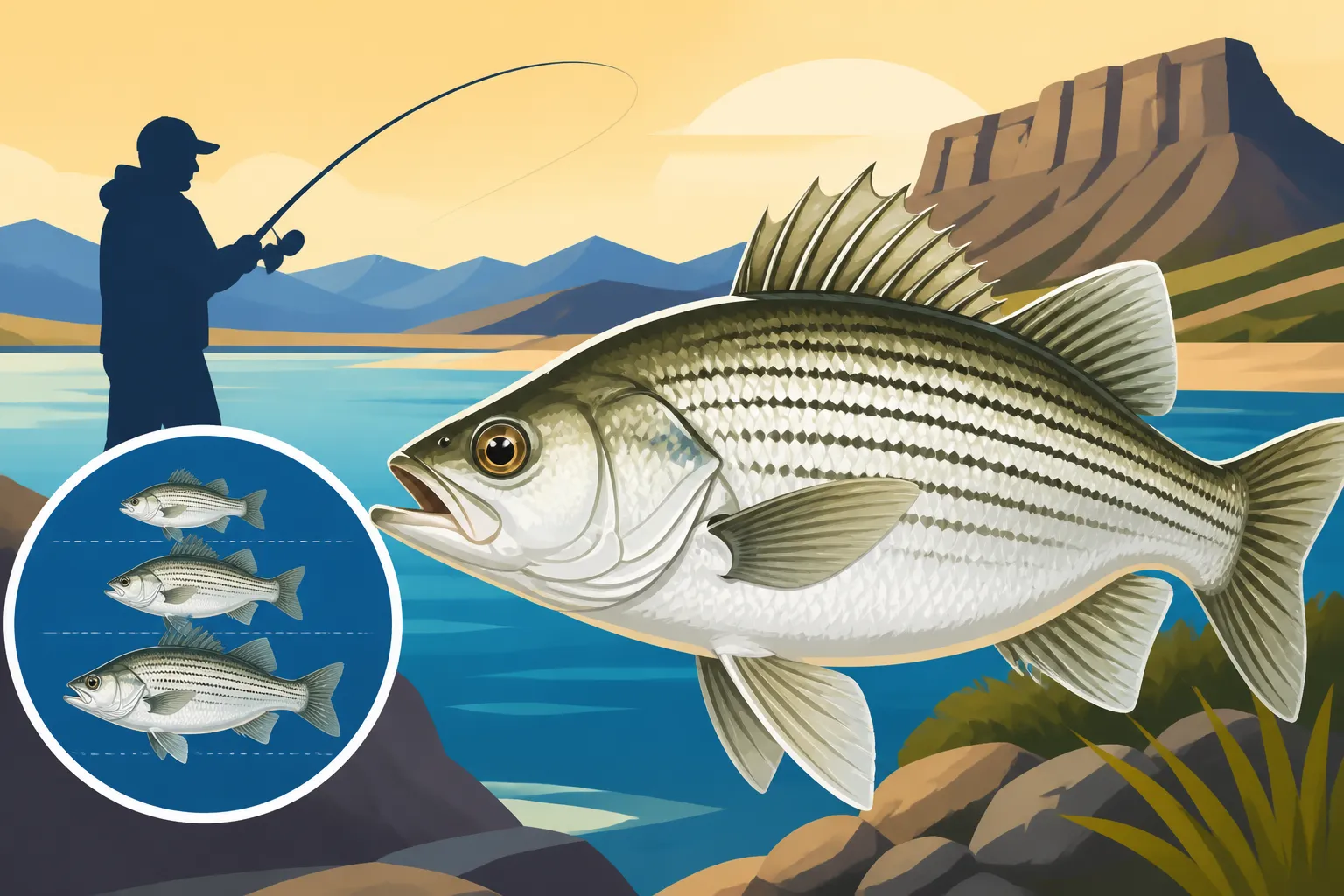
Wiper Size at Willard Bay
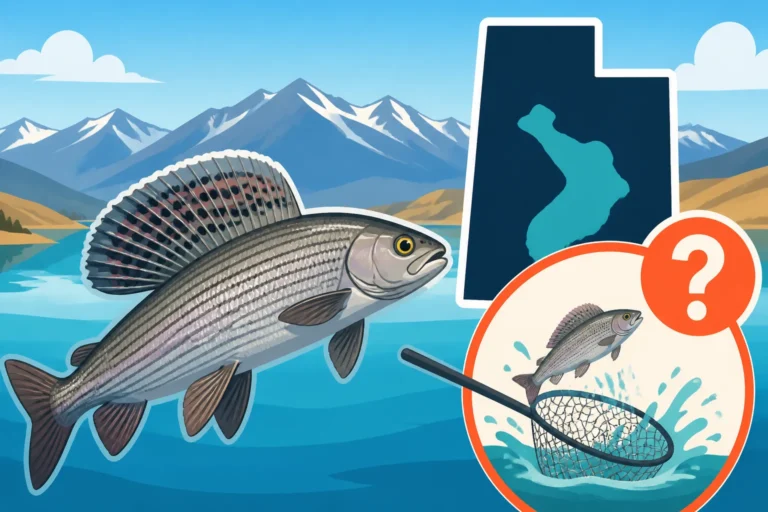
When you head out to Willard Bay, there's always that buzz of anticipation, especially when you're targeting wiper. These hard-fighting hybrids are incredibly popular, and naturally, one of the biggest questions on everyone's mind is, "Just how big do they get here?" It's not just about bragging rights; knowing the typical size ranges helps you dial in your gear, refine your techniques, and set realistic expectations for your day on the water. This guide is all about giving you the inside scoop on wiper size at Willard Bay, what makes them grow, and how you can increase your chances of hooking into one of the bay's formidable fighters.
Unraveling the Mystery of Wiper in Utah's Willard Bay
Wiper have earned a legendary reputation among Utah anglers, and for good reason. They're powerful, aggressive, and can offer a truly exhilarating fight. Understanding what makes them tick, especially their growth patterns, is key to appreciating this unique fishery.
What Makes a Wiper Such a Unique Catch?
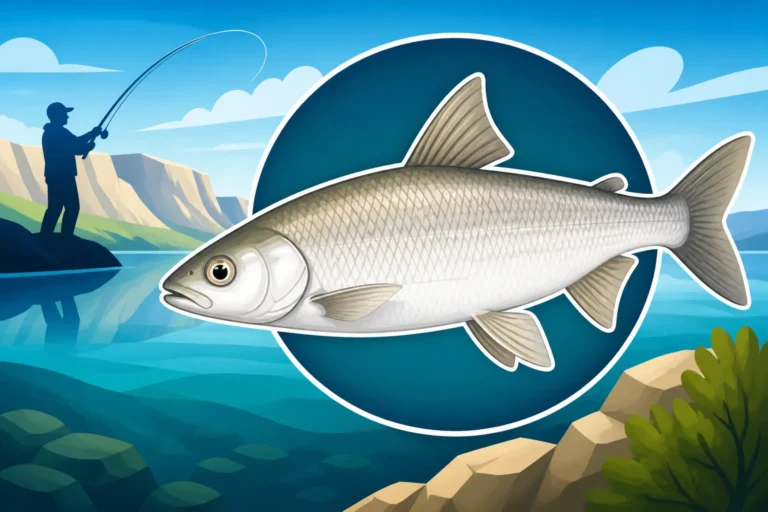
A wiper isn't just any fish; it's a fascinating hybrid, a cross between a striped bass and a white bass. This genetic blend gives them the best of both worlds: the strength and impressive size potential of the striped bass, combined with the aggressive, schooling behavior of the white bass. When you hook into a wiper, you're experiencing what's known as "hybrid vigor" – they fight like a freight train, pulling hard and making strong runs. It's why they're such a sought-after species, offering a unique challenge that many other freshwater fish can't quite match.
Their hybrid nature also means they can't naturally reproduce, so the populations in places like Willard Bay are carefully managed through stocking programs. This allows the Utah Division of Wildlife Resources (DWR) to control their numbers and ensure there's enough forage for them to grow to impressive sizes. It’s a testament to good fishery management that we have such a vibrant wiper population here in Utah. If you're curious about their lineage, you might want to read more about Wiper (Hybrid Striped Bass) in Utah.
Why Willard Bay is a Premier Wiper Fishery
Willard Bay Reservoir, with its relatively shallow, warm waters and abundant forage, provides an ideal environment for wiper to thrive. The bay is packed with shad, a primary food source for these voracious predators. When you have a rich food supply, fish grow bigger and faster, and that's exactly what you see at Willard Bay. The consistent stocking efforts by the DWR, combined with this fertile environment, create one of the best wiper fisheries in the state.
Beyond the food, Willard Bay's structure also plays a role. While it might seem like a giant bathtub to the untrained eye, it has subtle humps, channels, and submerged features that create perfect ambush points for schooling wiper. Knowing these nuances can make all the difference, which is why exploring Best Fishing Spots at Willard Bay can be so beneficial. It’s a dynamic environment that, once you learn its rhythms, offers incredible opportunities.
The Life Cycle and Growth Factors of Wiper
Wiper growth, like that of most fish, is influenced by several factors: age, food availability, water temperature, and genetics. In a managed fishery like Willard Bay, where wiper are stocked, their initial growth can be quite rapid due to the plentiful food and ideal conditions. Young wiper quickly transition from feeding on zooplankton to small baitfish like shad, which are abundant in the reservoir.
As they mature, their growth rate might slow slightly, but they continue to pack on weight, especially if they have consistent access to large schools of shad. Colder water temperatures in winter can slow their metabolism and growth, but during the warmer months, they feed aggressively, bulking up considerably. Anglers who consistently catch large wiper often understand these seasonal patterns and focus their efforts during peak feeding times when the fish are actively gorging themselves.
Decoding Wiper Size: What to Expect at Willard Bay
So, what kind of wiper can you really expect to pull out of Willard Bay? The answer is exciting because the potential for a truly memorable catch is always there.
Average Length and Weight: The Typical Catch
When you're fishing Willard Bay, a "typical" wiper catch is usually in the 18 to 24-inch range, often weighing anywhere from 3 to 7 pounds. These are healthy, robust fish that put up a fantastic fight and are a joy to catch. Don't let the word "average" fool you; these are impressive fish by any standard, and landing a handful of them on a good day will leave your arms tired and your spirits high.
Many anglers find that consistent action with these medium-sized wiper is what makes Willard Bay so popular. They're strong, plentiful, and provide a steady stream of excitement. While everyone dreams of a giant, these regular catches are what keep us coming back for more, honing our skills and enjoying the pure thrill of the tug on the line.
Chasing the Giants: Understanding Trophy Wiper Potential
Willard Bay is definitely known for its trophy wiper potential. Fish pushing 8 to 12 pounds are caught regularly, and true giants in the 15 to 20-pound class are landed every season. What constitutes a "trophy" is subjective, but for many, a wiper over 10 pounds is certainly a fish of a lifetime. These larger fish have often survived several seasons, grown wise to angling pressure, and honed their predatory skills.
Targeting these larger fish often requires a slightly different approach, focusing on bigger baits, heavier gear, and understanding where these seasoned predators might lurk. They might not be as numerous as the smaller fish, but the reward of a powerful, double-digit wiper is immense. The current state record for wiper, while not from Willard Bay itself, gives you an idea of the upper limits of their size potential, and Willard Bay consistently produces fish that get close to or even surpass those impressive benchmarks. If you're aiming for that monster, you might want to consult the Utah State Record Fish List for inspiration.
Size Comparisons: Wiper vs. Their Relatives and Other Game Fish
To give you a better perspective, let's compare wiper to some other popular game fish you might be familiar with.
- White Bass: The "parent" species, white bass typically max out around 1 to 2 pounds, maybe 3 pounds on the larger side. Wiper are significantly larger, often starting where white bass leave off.
- Striped Bass: The other "parent," true striped bass can grow much larger than wiper, often exceeding 30-40 pounds in their native saltwater or large freshwater impoundments. Wiper offer a more manageable, yet still very powerful, version of that fight for inland anglers.
- Trout: Compared to most stocked rainbow or brown trout in Utah's reservoirs, which might average 12-20 inches and 1-3 pounds, even an "average" wiper is a much bigger and stronger fish. A trophy wiper can easily dwarf a trophy trout in sheer fighting power and bulk.
- Bass (Largemouth/Smallmouth): While a 5-pound largemouth or smallmouth bass is considered a fantastic catch, a 5-pound wiper is often just "average" for Willard Bay. The fight of a wiper is also distinctly different, with more prolonged, powerful runs rather than the explosive jumps and short, powerful bursts of a largemouth.
Here’s a quick overview of typical wiper size expectations at Willard Bay:
| Category | Typical Length Range (inches) | Typical Weight Range (pounds) | Description |
|---|---|---|---|
| Common Catch | 18 – 24 | 3 – 7 | Active, abundant, provide consistent exciting fights. |
| Large Catch | 24 – 30 | 7 – 14 | Require more skill and luck, offer truly memorable battles. |
| Trophy | 30+ | 14+ | Rare, often require specialized tactics, the fish of a lifetime for many anglers. |
This table helps illustrate that even a common catch at Willard Bay is a respectable fish, and the potential for a true trophy is always present if you put in the time and effort.
Maximizing Your Chances for a Willard Bay Wiper of Any Size
Catching wiper, especially the bigger ones, isn't just about luck; it's about preparation, technique, and understanding their behavior. Being ready with the right tools and strategies can make all the difference between a slow day and a banner day.
Essential Gear and Tackle for Landing Wiper
Given the brute strength of wiper, you'll want to ensure your gear is up to the task. A medium-heavy to heavy action spinning or baitcasting rod, typically 6'6" to 7'6" in length, will give you the backbone needed to absorb their powerful runs and set the hook effectively. Pair this with a sturdy reel spooled with 15-20 pound monofilament or 30-50 pound braided line. Braided line, with its no-stretch properties, is often preferred for feeling subtle bites and delivering solid hook sets at a distance. Many anglers start their search on Amazon for reliable medium-heavy spinning or baitcasting rods that offer a good balance of power and sensitivity.
Don't skimp on terminal tackle either. Strong, sharp hooks are crucial, as wiper have tough mouths. A robust leader, perhaps 20-30 pound fluorocarbon, can help prevent break-offs from their aggressive fighting style. Also, a large, rubberized landing net is an absolute must. It protects the fish's slime coat if you plan to release it and prevents hooks from tangling, making the landing process smoother and safer for both you and the fish. A good quality, large rubberized landing net is indispensable and easily purchased on Amazon, ensuring you can safely land and release your catch.
Proven Techniques and Lures for Targeting Wiper
Wiper are aggressive predators, and they respond well to baits and lures that mimic their primary food source: shad. Trolling with large crankbaits is a popular and highly effective method for covering water and finding schools of active wiper, especially in the main body of Willard Bay. Look for baits that dive to the depths where you're marking fish on your sonar. How to Catch Wiper at Willard Bay offers even more in-depth strategies.
Casting spoons, heavy jigs, or realistic swimbaits into visible schools or around known structure can also be incredibly productive. When you find a "boil" where wiper are actively chasing shad on the surface, casting a topwater lure or a fast-retrieved spoon into the frenzy can lead to explosive strikes. For those serious about finding structure where wiper congregate, investing in a quality fish finder, many of which can be browsed and compared on Amazon, can be a game-changer. Regardless of your chosen method, varying your retrieve speed and depth until you find what triggers a bite is always a good strategy. You can find a wide array of effective lures, from large crankbaits to realistic shad-imitating swimbaits, readily available on Amazon.
Timing and Conditions: When and Where to Find Larger Wiper
Timing is everything when it comes to consistently catching larger wiper at Willard Bay. The warmer months, from late spring through early fall, are generally the most productive, as wiper are highly active and feeding aggressively. During these periods, early mornings and late evenings often offer the best bite, as the fish are more willing to move into shallower areas to feed. However, trophy wiper can also be caught midday by targeting deeper structures or schools of shad.
Keep a close eye on water temperature and clarity, as these factors heavily influence wiper behavior. After a cold front, fish might be lethargic and require a slower presentation. Conversely, stable weather and rising temperatures often translate to a hot bite. Use your electronics to locate schools of shad, as wiper are rarely far behind their food source. Focus on submerged humps, channel edges, and any areas where baitfish are congregating. Knowing How to Read a Fish Finder for Utah Reservoirs can give you a distinct advantage in these situations.
Responsible Angling: Preserving Willard Bay's Wiper Fishery
As anglers, we have a responsibility to protect the resources we enjoy. Fishing for wiper at Willard Bay is a privilege, and practicing responsible angling ensures this fantastic fishery remains healthy for years to come.
Navigating Utah's Fishing Regulations for Wiper
Utah's fishing regulations are designed to manage fish populations and ensure sustainable angling opportunities. For wiper at Willard Bay, this means adhering to specific daily bag and possession limits, which can change year to year. It's absolutely crucial to check the latest Utah Fishing Guidebook published by the Utah Division of Wildlife Resources (DWR) before each fishing trip. These guidebooks are available online and at license vendors and will provide the most up-to-date information on limits, special restrictions, and any changes in regulations.
Ignoring these rules can result in penalties and harm the fishery. The DWR regularly monitors wiper populations and adjusts regulations to maintain a healthy balance between angler harvest and fish abundance. A quick review of the Utah Fishing Regulations Explained will help you stay informed and legal. Remember, what was legal last year might have changed, so always double-check.
The Importance of Safe Handling and Release
Whether you're keeping your catch or releasing it, proper fish handling is paramount. Wiper are incredibly strong, and a proper landing net (preferably rubberized to protect their scales and slime coat) is essential for bringing them into the boat or onto shore safely. If you plan to release a fish, minimize its time out of the water, handle it gently with wet hands, and use pliers or a dehooking tool to remove the hook quickly.
Support the fish horizontally to avoid damaging its internal organs, especially with larger fish. If the fish appears stressed, hold it gently in the water, facing into a current if possible, until it regains its strength and can swim away on its own. Releasing fish properly increases their survival rate, ensuring those trophy-sized wiper can continue to grow and provide excitement for future anglers.
Protecting the Bay from Aquatic Invasive Species
Willard Bay, like many Utah waters, is susceptible to aquatic invasive species (AIS) such as quagga and zebra mussels. These invaders can devastate ecosystems, clog waterways, and impact fishing quality. It is every angler's responsibility to prevent their spread. This means following the "Clean, Drain, Dry" protocol for your boat and gear every single time you leave any body of water, especially Willard Bay.
Take the time to remove all visible mud, plants, and debris from your boat, trailer, and fishing equipment. Drain all water from your livewell, bilge, and engine. Then, allow your boat and gear to thoroughly dry before launching into another water body. Depending on your activities, you might also need to stop at an AIS inspection station. Familiarize yourself with the Utah Aquatic Invasive Species Rules for Anglers and do your part to protect our precious fishing environments.
Disclaimer
This article is for general informational purposes only and does not constitute professional advice. Laws, prices and regulations vary by location and change over time. Consult a qualified professional for guidance on your specific situation.