How to Catch Wiper at Willard Bay
Catching wiper at Willard Bay can be an incredibly rewarding experience, but let's be honest, these feisty fish don't just jump into your boat. Anglers often face the frustration of finding schools one day and seeing nothing the next, or struggling to find the right presentation that truly entices these powerful hybrids. This guide is dedicated to breaking down the mystery of Willard Bay wiper, offering proven strategies, gear recommendations, and seasonal insights to help you consistently hook into these hard-fighting fish.
Understanding Wiper in Willard Bay: A Unique Challenge
Before you even think about casting a line, it's crucial to really get inside the head of a wiper. These aren't your typical panfish or even standard trout; they are a formidable opponent, and Willard Bay provides the perfect arena for them to thrive. Knowing what makes them tick is the first step to catching more.
What Exactly is a Wiper?
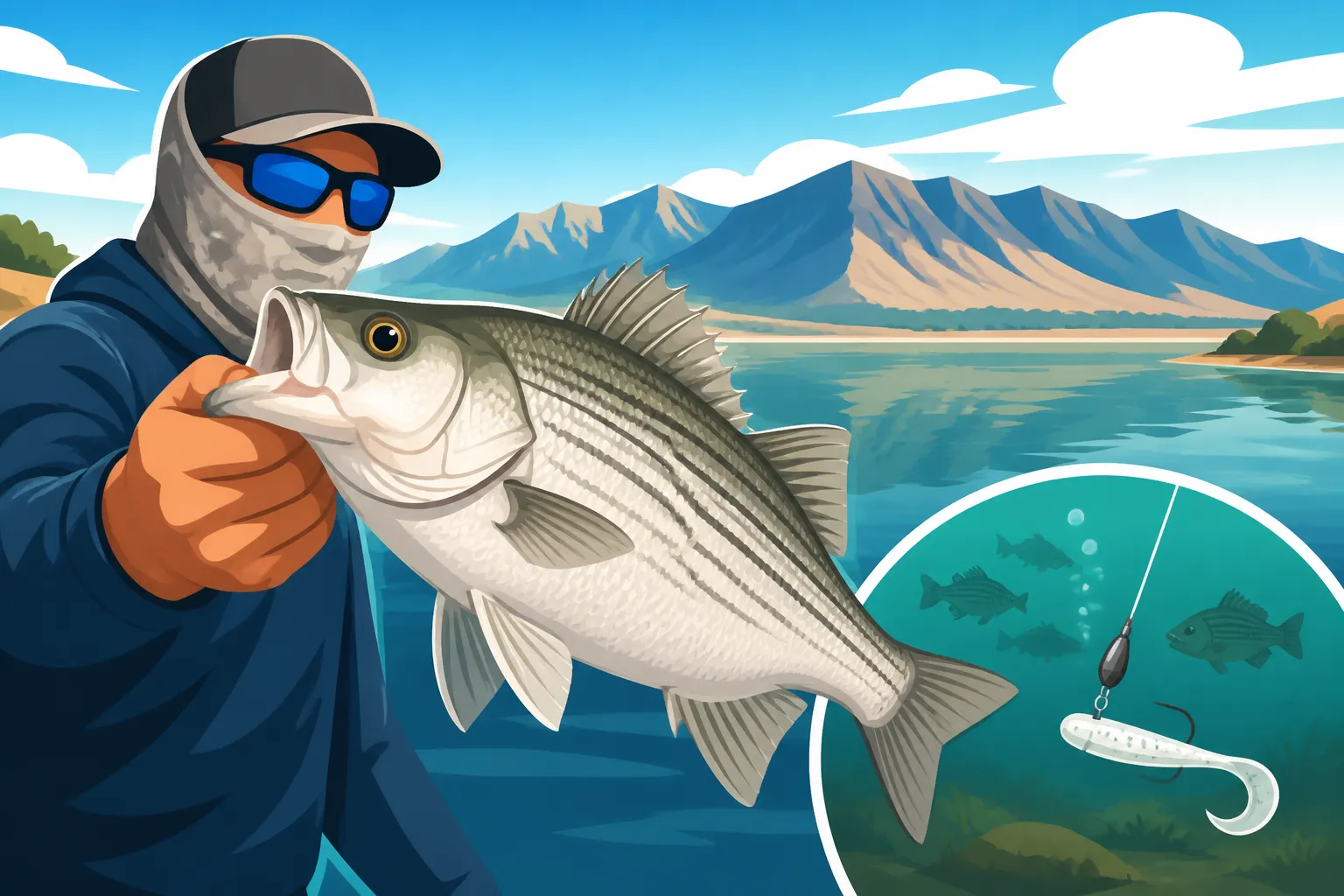
A wiper is a fascinating hybrid fish, a cross between a white bass and a striped bass. They're specifically bred for their aggressive nature, fast growth, and incredible fighting ability, making them a top target for sport fishermen. Imagine the tenacity of a white bass combined with the brute strength and size potential of a striped bass – that's a wiper. When you hook into one, be prepared for a fight that often includes powerful runs, head shakes, and sometimes even aerial acrobatics. Many anglers attest that these fish pull harder than almost anything else their size. They’re built for speed and power, and you'll feel every ounce of that through your rod. This is why targeting Wiper (Hybrid Striped Bass) in Utah is such a popular pursuit, drawing dedicated anglers to reservoirs like Willard Bay.
Why Willard Bay is Prime Wiper Territory
Willard Bay Reservoir, a large freshwater impoundment in northern Utah, is practically tailor-made for wiper. The lake's relatively shallow depths, coupled with its warm, fertile waters, create an ideal environment for their primary food source: gizzard shad. These abundant baitfish provide a constant, rich food supply, allowing wiper to grow quickly and reach impressive sizes. If you've ever wondered about Wiper Size at Willard Bay, you'll know that fish well into the double-digit pound range are not uncommon, making it a true trophy fishery. The bay's expansive open water, punctuated by subtle underwater features like old roadbeds, humps, and channel edges, offers plenty of ambush points for these predatory fish. The combination of warm water, ample food, and varied underwater structure makes Willard Bay a fantastic place for wiper to thrive, but it also means they can be spread out and challenging to locate without the right approach.
Essential Gear for Willard Bay Wiper
You wouldn't show up to a wrestling match with a pool noodle, right? The same logic applies to wiper fishing. These fish are strong, and they'll exploit any weakness in your setup. Having the right gear isn't just about making the catch; it's about making the experience enjoyable and successful.
Rods, Reels, and Line for the Fight
When it comes to rods, think power and backbone. A medium-heavy action rod, typically between 6'6" and 7'6" long, is a great choice. This provides enough leverage to cast heavier lures and the strength to handle a strong, surging wiper. Whether you prefer spinning or baitcasting gear is a personal choice, but either can be effective. For reels, focus on quality and a smooth, reliable drag system. A reel in the 3000-4000 size range for spinning or a durable baitcaster with a good retrieve ratio will serve you well. These fish will make long runs, and a sticky or inconsistent drag will lead to heartbreak.
As for fishing line, braided line is a game-changer for wiper. Its no-stretch property provides incredible sensitivity, allowing you to feel even the most subtle bites or detect when your lure ticks a piece of structure. Spool up with 20-30 pound braided line. Since braid can be visible to fish in clear water, always tie on a fluorocarbon leader, usually 15-20 pound test, which offers excellent abrasion resistance and low visibility. You can find a fantastic selection of these types of fishing lines, from reputable brands to value packs, on online retailers like Amazon. For more detailed insights on line choices, consider checking out resources like Best Fishing Line for Utah Bass, which often shares similar principles for strong, aggressive fish.
Must-Have Lures and Baits
Wiper are opportunistic predators, but they often key in on gizzard shad. Your lure choices should reflect this. Variety is key, as what works one day might not work the next.
- Crankbaits: Both diving and lipless crankbaits are highly effective. Diving crankbaits, especially those that mimic shad in color and profile, are excellent for trolling or casting to specific depths. Lipless crankbaits are fantastic for covering water quickly and generating reaction strikes with a fast, erratic retrieve. Look for colors like chrome, white, silver, or blueback.
- Swimbaits: Soft plastic swimbaits, rigged on a weighted swimbait hook or a jig head, are incredibly versatile. They offer a realistic profile and action that closely imitates a shad. Experiment with different sizes, from 3 to 6 inches, to match the prevailing baitfish.
- Jerkbaits: For suspended fish or when wiper are a bit more finicky, a good jerkbait can be deadly. These lures are designed to be retrieved with a "twitch-twitch-pause" action, which often triggers aggressive strikes as they suspend tantalizingly in the water column.
- Spoons: Metal spoons, particularly slab spoons or casting spoons, are excellent for vertical jigging over schools of fish or casting long distances. Their flashy, erratic fall can be irresistible.
- Spinnerbaits: While not always the first choice, a large spinnerbait with tandem blades can be very effective, especially in stained water or when working around weed edges. The vibration and flash can draw strikes from aggressive wiper.
When it comes to natural bait, shiners or other legal live baitfish can be highly productive, either fished under a slip bobber or on a bottom rig. Cut bait, particularly pieces of gizzard shad if it's legal and you can obtain them, can also be very enticing. Always check local regulations regarding baitfish use. For more on this, you can look up What Bait Works Best for Wiper at Willard Bay?.
Top Techniques for Willard Bay Wiper
Wiper can be found throughout Willard Bay, but their location often depends on the time of day, season, and the movement of baitfish. Having a repertoire of techniques will allow you to adapt to changing conditions and consistently put fish in the boat or on the bank.
Trolling for Cruising Wiper
Trolling is a highly effective way to locate and catch wiper, especially in a large, open water body like Willard Bay. It allows you to cover vast areas and present your lure to fish that might be scattered or actively cruising.
- Speed and Depth: Wiper often respond well to faster trolling speeds, typically between 2.5 and 4 miles per hour. Experiment with different speeds to find what triggers bites on a given day. The depth at which you troll is crucial. In Willard Bay, wiper might be found from just below the surface down to 15-20 feet, depending on the time of year and day. Use diving crankbaits that reach your desired depth, or employ lead core line or downriggers if you need to get deeper consistently.
- Planer Boards: Planer boards are incredibly useful for trolling at Willard Bay. They allow you to spread out multiple lines, covering a wider swath of water and preventing tangles. This is especially effective when fish are scattered or spooked by the boat. You can run lures far off to the side, enticing fish that might be avoiding your boat's direct path. For those looking to upgrade their boat setup for better trolling, you might find valuable information in Best Trolling Motors for Utah Reservoirs.
- Targeting Structure: While trolling open water can yield results, focus your efforts around subtle underwater features. Old roadbeds, channel edges, submerged humps, and points are prime locations where wiper will ambush baitfish. Mark these on your fish finder and make multiple passes over them. Don't be afraid to make turns; changes in lure speed and depth can often trigger strikes.
Casting and Retrieving for Active Fish
When wiper are actively feeding, especially during a "boil" where they're pushing bait to the surface, casting can be incredibly exhilarating and effective. This method also works well for targeting specific structures from a stationary boat or from shore.
- Fan Casting and Searching: If you're not seeing active boils, start by fan casting around likely areas such as points, rocky shorelines, or areas where you've marked baitfish on your sonar. Cast a lipless crankbait or swimbait and retrieve it at varying speeds. Pay attention to any follows or strikes that indicate the presence of fish.
- Varying Retrieve Speeds: Wiper often respond to an erratic retrieve. Don't just reel straight in. Incorporate pauses, jerks, and changes in speed. A common tactic is to reel quickly for a few seconds, then pause, letting the lure flutter, before resuming the retrieve. This stop-and-go action often mimics a wounded baitfish, irresistible to predators.
- Targeting Structure: From a boat, position yourself to cast to visible or submerged structure. Cast past the structure and retrieve your lure through it, paying extra attention to the moment your lure passes over or around the feature. From shore, focus on casting along weed lines, deeper drop-offs near the bank, or around any visible cover. For prime locations, check out Best Fishing Spots at Willard Bay.
- Wiper Boils: The most exciting form of casting is when wiper are actively "boiling" on the surface, pushing schools of shad. When you see this, act fast! Cast a topwater lure, a lipless crankbait, or a swimbait directly into the boil. The frenzy is often short-lived, so quick, accurate casts are essential.
Fishing with Bait from Shore or Boat
While artificial lures are very popular, don't underestimate the effectiveness of bait fishing for Willard Bay wiper, especially if you're fishing from shore or looking for a more relaxed approach from a boat.
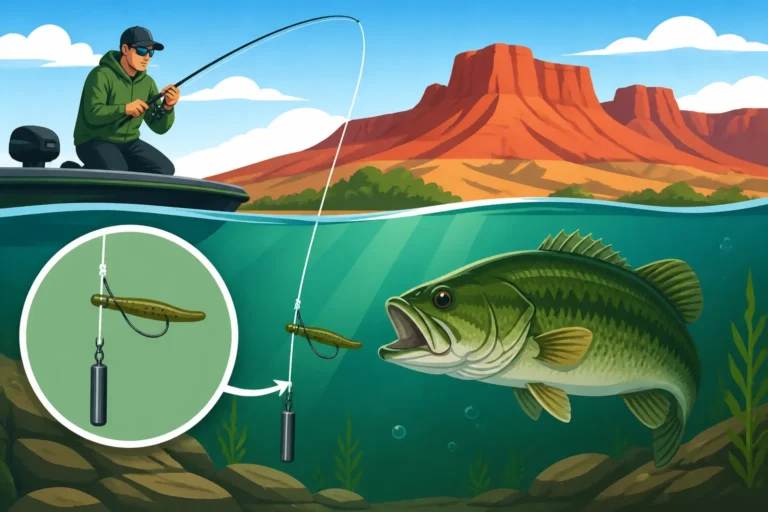
- Still Fishing with Cut or Live Bait: If using live bait like shiners (check regulations for legal baitfish), rig them on a simple hook with a small sinker to keep them down, or suspend them under a slip bobber. The slip bobber allows you to present the bait at a precise depth without struggling with casting. For cut bait, use pieces of gizzard shad or other oily fish. A basic Carolina rig or a three-way swivel rig works well for bottom fishing. Make sure your hooks are strong enough to withstand the wiper's powerful jaws and fight.
- Identifying Key Spots: From shore, look for areas with deeper water access, points that extend into the bay, or where baitfish are congregating. The dikes that enclose Willard Bay offer numerous access points. From a boat, anchor near submerged structure, channel edges, or areas where you've marked fish on your sonar.
- Patience and Presentation: Bait fishing requires a bit more patience, but a well-presented live or cut bait can be incredibly effective when wiper are cruising or less aggressive. Keep your lines tight enough to detect bites but loose enough to allow the fish to take the bait naturally.
Seasonal Strategies and Timing
Wiper fishing at Willard Bay isn't a one-size-fits-all affair. The fish's behavior and locations shift dramatically with the seasons and water temperature. Understanding these patterns is key to year-round success. Plus, How Wind Affects Fishing on Utah Reservoirs can play a significant role no matter the season.
Spring Wiper Hotspots
As the ice recedes and water temperatures begin to climb in early spring, wiper start to become more active. They'll gravitate towards the shallower, warmer sections of the bay, seeking out both comfort and abundant baitfish.
- Warming Waters: Focus your efforts on the shallower north and east ends of Willard Bay. These areas warm up first, attracting baitfish and, consequently, hungry wiper. Inlets and protected coves can be particularly productive.
- Pre-Spawn Aggression: While wiper are a sterile hybrid and don't truly "spawn," they do exhibit a strong pre-spawn behavior driven by increasing daylight and rising water temperatures. During this time, they become incredibly aggressive, feeding heavily to build up energy. This is a prime time for casting lipless crankbaits, swimbaits, and jerkbaits.
- Shallow Ambush Points: Look for wiper cruising just below the surface or holding tight to any developing weed lines. They'll use these areas as ambush points for shad moving into the warmer water.
Summer Wiper Tactics
Summer at Willard Bay brings warmer water temperatures, and wiper often adjust their behavior to find comfort and prey. The hottest parts of the day will often see them move deeper, but mornings and evenings can offer spectacular surface action.
- Deep Water Retreat: During the peak heat of the day, wiper will often move to deeper, cooler sections of the bay, especially around major underwater structures or deeper channels. Trolling with diving crankbaits or vertical jigging with spoons can be very effective during these times.
- Early Morning and Late Evening Boils: As the sun rises and sets, baitfish often move to the surface, and wiper follow. These periods are when you're most likely to witness explosive topwater boils. Have your casting rods ready with topwater lures, lipless crankbaits, or swimbaits to capitalize on this fast and furious action.
- Finding Shad Boils: Keep an eye on your fish finder for schools of baitfish, and also watch for diving birds, which are often a tell-tale sign of a shad boil. Moving birds, particularly gulls, mean there are fish pushing bait from below. This is an exciting time to be on the water!
Fall Wiper Feasting
Fall is arguably one of the best times to target wiper at Willard Bay. As water temperatures begin to drop, the fish enter a prolonged "feeding frenzy" in preparation for winter.
- The "Fall Turnover" Effect: As the lake cools, the water column can experience what's known as "turnover," where surface water cools and sinks, mixing with deeper water. This can sometimes make fishing challenging initially, but once the water stabilizes, the bite often explodes. For more information on this phenomenon, consider reading How to Fish a Utah Reservoir After Turnover.
- Increased Aggression: Wiper are at their most aggressive in the fall, trying to pack on as much weight as possible. They'll chase down lures with incredible ferocity. This is a fantastic time for all techniques: fast trolling, aggressive casting, and even working large jerkbaits.
- Widespread Activity: Unlike the summer heat or early spring chill, fall often sees wiper actively feeding throughout much of the bay. They might be shallower in the mornings and evenings, and move deeper during midday, but they're consistently on the hunt. Look for large schools of baitfish on your sonar; the wiper won't be far behind.
Here’s a quick overview of lure types and their typical applications for Willard Bay wiper:
| Lure Type | Primary Application | Best Retrieve Style | Depth Range (Approx.) | Notes |
|---|---|---|---|---|
| Lipless Crankbait | Casting, covering water | Fast, erratic, stop-and-go | 2-15 feet | Excellent for reaction strikes, locating schools |
| Diving Crankbait | Trolling, casting to depth | Steady, varied speeds | 5-20+ feet | Match profile to gizzard shad; good for structure |
| Swimbait | Casting, jigging | Slow roll, twitching, steady | All depths | Realistic profile, versatile, great for suspended fish |
| Jerkbait | Casting, suspended fish | Twitch-twitch-pause | 3-12 feet | Effective when fish are finicky or slightly deeper |
| Metal Spoon | Vertical jigging, casting | Lift-and-drop, quick retrieves | All depths, especially deep | Flashy, good for active schools, ice fishing (winter) |
| Topwater Lures | Surface boils, low light | Walk-the-dog, popping, splashing | Surface | Highly exciting, targets aggressive feeding fish |
Remember, consistency is key when fishing for wiper. Keep moving, keep experimenting with lures and retrieves, and always pay attention to what the fish are telling you. Good luck out there, and I hope you find yourself bending a rod on a hard-fighting Willard Bay wiper! Don't forget, if you're taking a boat out, ensure you're up to date on all Utah Boat Registration Requirements.
Disclaimer
This article is for general informational purposes only and does not constitute professional advice. Laws, prices and regulations vary by location and change over time. Consult a qualified professional for guidance on your specific situation.