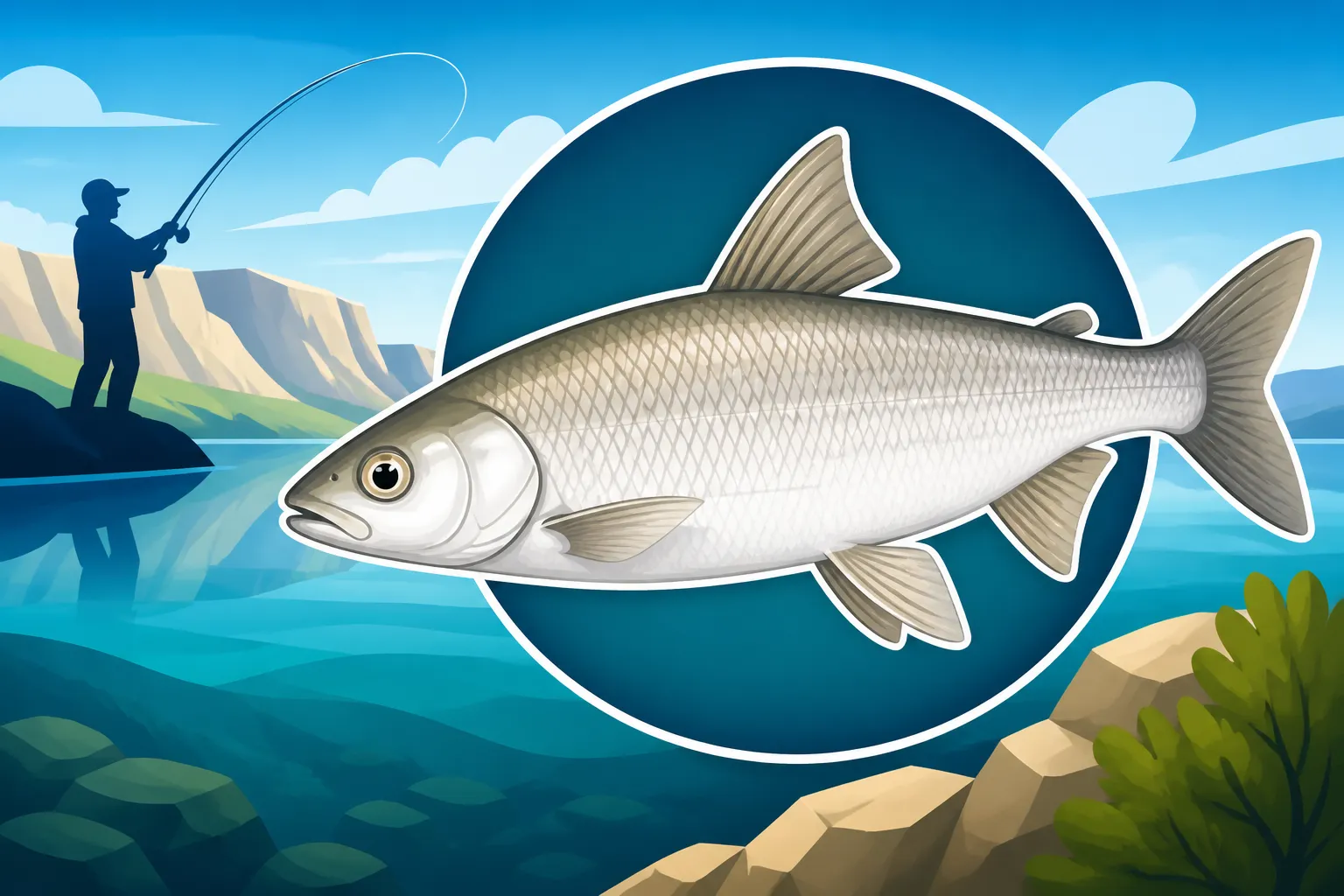
What the Bear Lake Whitefish Is
If you've ever spent time fishing the incredible turquoise waters of Bear Lake, you've likely heard tales of the endemic species that call this "Caribbean of the Rockies" home. But among the famous cutthroat and cisco, there's another unique fish that often gets overlooked by anglers, yet plays a vital role in the lake's ecosystem: the Bear Lake whitefish. This guide will dive deep into understanding this fascinating fish, where to find them, and how to successfully target them, giving you a fuller appreciation for one of Utah's truly special aquatic residents.
Understanding the Bear Lake Whitefish
The Bear Lake whitefish, or Prosopium abyssicola, is one of four native species unique to Bear Lake, a truly remarkable natural phenomenon. It's often mistaken for its more famous cousin, the Bonneville cisco, but there are distinct characteristics that set it apart. For many anglers, the whitefish remains a bit of a mystery, lurking in the deeper, colder waters, but once you understand its biology and behavior, you'll find a new appreciation for this subtle but important fish.
What Makes Them Unique
The Bear Lake whitefish is a member of the salmonid family, though it lacks the vibrant colors often associated with trout or salmon. They typically have a silvery body, sometimes with a greenish-gray back, and are often confused with other whitefish species found in different lakes, or even the Bonneville cisco which shares its home. However, the Bear Lake whitefish has a slightly more slender body profile compared to other whitefish, and its mouth is relatively small and underslung, adapted for feeding on tiny organisms from the lake bottom. They also tend to be larger than the Bonneville cisco, often reaching lengths of 15-20 inches, though specimens up to 24 inches are not unheard of.
What truly makes them unique is their endemic status – meaning they are found only in Bear Lake. This makes them a precious part of Utah's natural heritage and a testament to the lake's isolated and unique geological history. Their adaptation to this specific, deep, cold-water environment over thousands of years is a marvel of evolution. Understanding these unique qualities is key to respecting and appreciating them as a target species, rather than just an accidental catch. If you want to learn more about other unique species, check out Fish Species Found Only in Bear Lake.
Habitat and Diet
Bear Lake whitefish are primarily bottom feeders, preferring the colder, deeper waters of the lake. They thrive in depths ranging from 50 to over 100 feet for much of the year, particularly during the warmer summer months when surface waters heat up. You'll typically find them cruising along the vast, silty or rocky flats and slopes of the lakebed. These are not fish that hang out around weed beds or shallow structure like some bass or panfish.
Their diet consists mainly of tiny invertebrates like zooplankton, chironomid larvae (midge larvae), ostracods, and amphipods found in the lake's substrate. They use their small, specialized mouths to sift through the bottom sediments, vacuuming up these small food items. This feeding behavior directly influences the techniques and baits you'd use to target them. Unlike aggressive predators that chase down flashy lures, whitefish are more about subtle presentations and baits that mimic their natural food source. Think of it as a delicate dance rather than a power struggle; patience and finesse are your best friends.
Where and When to Find Them
Successfully targeting Bear Lake whitefish hinges on understanding their seasonal movements and preferred locations within the lake. They aren't a static species, and their habits change significantly throughout the year, driven largely by water temperature and spawning cycles. Anglers who know these patterns dramatically increase their chances of a successful outing.
Seasonal Movements
Throughout much of the spring, summer, and early fall, Bear Lake whitefish inhabit the deep, cold waters of the main lake basin. During these months, they are generally spread out over the deeper flats, making them a bit more challenging to pinpoint without a good fish finder. They prefer temperatures typically below 55°F (13°C), which means seeking them out in depths of 60 feet or more, depending on the thermocline.
However, their behavior shifts dramatically as late fall approaches and the water begins to cool. This is when they move into shallower waters to spawn. The spawning period typically occurs from late October through November, with some activity extending into early December. During this time, they gather over rocky shoals, gravel bottoms, and even sandy areas in shallower depths, sometimes as little as 10-30 feet. This migration to shallower water makes them considerably more accessible to anglers, particularly shore-based or ice anglers once the lake freezes over. If you're planning a trip, consider the Best Time of Year to Fish in Utah to align with whitefish spawning.
Prime Locations
When the whitefish are in their deep-water summer pattern, vast areas of Bear Lake's main basin hold them. Good starting points are the deep flats off Bear Lake State Park on the Utah side, or the expansive depths near Garden City. While these areas are wide open, using a good fish finder to locate schools or individual fish is crucial. Look for "clouds" or distinct arches near the bottom.
During the late fall and early winter spawning run, the whitefish concentrate in more specific areas. Key locations include the rocky points and gravelly shorelines on both the Utah and Idaho sides of the lake. Popular spots include the areas around Bear Lake State Park Marina, Cisco Beach (though often busy with cisco anglers), and various points along the eastern and western shores where the lake bottom transitions from deep to shallow with suitable spawning substrate. For a comprehensive guide to fishing this amazing waterbody, consult the Bear Lake Fishing Guide. Understanding these seasonal shifts and pinpointing these prime locations is your ticket to finding these unique fish.
Fishing for Bear Lake Whitefish
Fishing for Bear Lake whitefish is a nuanced art that rewards patience and a subtle touch. They aren't known for aggressive strikes, so understanding their feeding habits and using the right gear and techniques is paramount. While some anglers might stumble upon them accidentally, intentional whitefish fishing offers a unique challenge and a delicious reward.
Techniques and Baits
The most effective technique for catching Bear Lake whitefish, especially during their deep-water phase, is vertical jigging. You'll want to use small, lightweight jigs or spoons, often tipped with a bit of bait. Since they are bottom feeders with small mouths, tiny presentations are key.
- Jigging: Small jigging spoons (1/8 to 1/4 ounce) in silver, gold, or even glow colors work well. Drop your jig to the bottom, then lift and drop it gently, imitating a struggling insect or small crustacean. The "thump" of the jig hitting the bottom can attract attention.
- Bait: Tipping your jig with a small piece of nightcrawler, a wax worm, or even a kernel of corn can be incredibly effective. Sometimes, a tiny piece of shrimp also does the trick. The scent and added visual appeal can entice a whitefish that might otherwise ignore a bare jig. You can often find these specialized jigs and terminal tackle on Amazon, which offers a wide selection for various fishing needs.
- Sucker Spawn: During their spawning season, imitations of "sucker spawn" (small clumps of orange or pink eggs) can be deadly, especially when fished near the bottom.
When ice fishing for whitefish, these same jigging and bait techniques apply. You'll typically be fishing through an augered hole, vertically presenting your lure very close to the bottom. The bite can be incredibly light, sometimes feeling like nothing more than extra weight or a slight hesitation in your line. Using a sensitive rod is crucial.
Essential Gear
Having the right gear makes all the difference when targeting whitefish. Here's what you'll need:
- Rod and Reel: A light to medium-light spinning rod, around 6 to 7 feet long, with a fast action tip is ideal. This sensitive tip will help you detect those subtle bites. Pair it with a small spinning reel spooled with light line.
- Fishing Line: 4 to 6-pound test monofilament or fluorocarbon line is usually sufficient. Some anglers prefer a braided main line with a fluorocarbon leader for added sensitivity and abrasion resistance in the deeper, rockier areas. You can often find great deals on high-quality fluorocarbon leader material on Amazon.
- Electronics: A good fish finder is invaluable, especially when searching for fish in deeper water. It helps you locate schools and identify the depth they are holding at. For ice fishing, a flasher unit is almost mandatory to see your jig and the fish reacting to it in real-time.
- Terminal Tackle:
- Small jigging spoons (e.g., Kastmaster, Swedish Pimple, Cicada style)
- Small lead head jigs (1/32 to 1/8 ounce) with tiny plastic grub bodies or marabou
- Swivels and snap swivels to prevent line twist.
Remember, the goal is stealth and subtlety. Heavy tackle will only hinder your ability to feel the light bite of a whitefish. If you're new to fishing or looking for gear upgrades, checking out a Utah Fishing Gear Guide might provide some excellent foundational advice applicable to many species, including whitefish.
Regulations and Limits
Before you head out to chase Bear Lake whitefish, it is absolutely vital to familiarize yourself with the current fishing regulations for Bear Lake, which are set by both Utah and Idaho, as the lake straddles the state line. Whitefish, like other native species, are subject to specific daily bag and possession limits. These regulations can change, so always consult the most current Utah Fishing Guidebook or the Idaho Fishing Seasons & Rules.
It's not just about what you can keep, but also how you fish. For example, certain bait restrictions might apply in specific areas or for certain species, although typically live bait is permitted for whitefish. Understanding these rules ensures a legal and ethical fishing trip. Never assume; always check the official resources. Violations can lead to significant fines and even loss of fishing privileges, so it's not worth the risk. A good starting point for learning more about statewide rules is Utah Fishing Regulations Explained. Also, be aware of any specific rules concerning Utah Daily Bag and Possession Limits as they apply to Bear Lake.
Here's a simplified look at what you might expect, but remember to always verify current regulations:
| Species | Typical Daily Bag Limit (Check DWR) | Notes |
|---|---|---|
| Bear Lake Whitefish | Varies by year, check guidebook | Often a generous limit due to population health and management. |
| Bonneville Cisco | Varies by year, check guidebook | Subject to specific seasons and often snagging allowances in winter. |
| Cutthroat Trout | Varies, often restrictive | Strict limits and size restrictions to protect native populations. |
| Lake Trout | Varies, sometimes higher | Generally more lenient than cutthroat, especially for smaller fish. |
(Please note: This table provides general examples; specific limits are published annually by state wildlife agencies and can change. Always consult the official Utah DWR and Idaho Fish & Game regulations before fishing.)
Ecological Significance and Conservation
Beyond their unique charm and potential as a table fare, Bear Lake whitefish play a critical role in the complex ecosystem of Bear Lake. Their presence is a marker of the lake's overall health and biodiversity, and understanding their ecological importance helps us appreciate the ongoing efforts to conserve this remarkable environment.
Role in the Bear Lake Ecosystem
Bear Lake is often highlighted for its four endemic fish species: the Bear Lake whitefish, Bonneville cisco, Bear Lake sculpin, and Bear Lake mottled sculpin. The whitefish, as a primary bottom feeder, acts as a crucial link in the food chain. They convert tiny invertebrate biomass into a food source for larger predatory fish, particularly the larger cutthroat trout and lake trout (mackinaw) that also inhabit the lake.
Imagine a giant, intricate food web. The zooplankton and insect larvae are the tiny engines, fueling the whitefish. In turn, these whitefish become meals for the apex predators. Without a healthy whitefish population, the entire ecosystem could be thrown out of balance, potentially impacting the health and growth rates of other popular sportfish. This interconnectedness is why even a seemingly 'less glamorous' species like the whitefish is vital. While you might be more familiar with Utah Trout Species Guide, the whitefish provides an essential food source for many of them in Bear Lake.
Conservation Efforts
Given their endemic status and importance, the Bear Lake whitefish are closely monitored by wildlife agencies in both Utah and Idaho. Conservation efforts often involve continuous research into their population dynamics, spawning success, and habitat health. While they are generally considered a stable population, monitoring helps ensure they remain so.
Management strategies for Bear Lake whitefish aim to balance angling opportunities with species preservation. This is why bag limits are set, and regulations are periodically reviewed and adjusted. Maintaining water quality and preventing the introduction of invasive species are also paramount, as these threats could severely impact the whitefish's unique habitat. For example, Utah Aquatic Invasive Species Rules for Anglers are in place to protect ecosystems like Bear Lake from devastating threats. By adhering to fishing regulations and practicing responsible angling, every angler contributes to the ongoing conservation of this special fish and its one-of-a-kind home.
Disclaimer
This article is for general informational purposes only and does not constitute professional advice. Laws, prices and regulations vary by location and change over time. Consult a qualified professional for guidance on your specific situation.