Why Utah and Wyoming Removed Lake Trout Limits at Flaming Gorge
If you've spent any time researching fishing at Flaming Gorge, you've probably scratched your head over the lake trout regulations – or lack thereof. It's truly puzzling for many anglers to find waters where there's no daily bag limit on a prized sport fish. This guide is here to unravel the mystery behind why both Utah and Wyoming wildlife agencies made the deliberate decision to remove lake trout limits at Flaming Gorge, and what that means for your next fishing adventure.
Understanding the "No Limit" Rule at Flaming Gorge
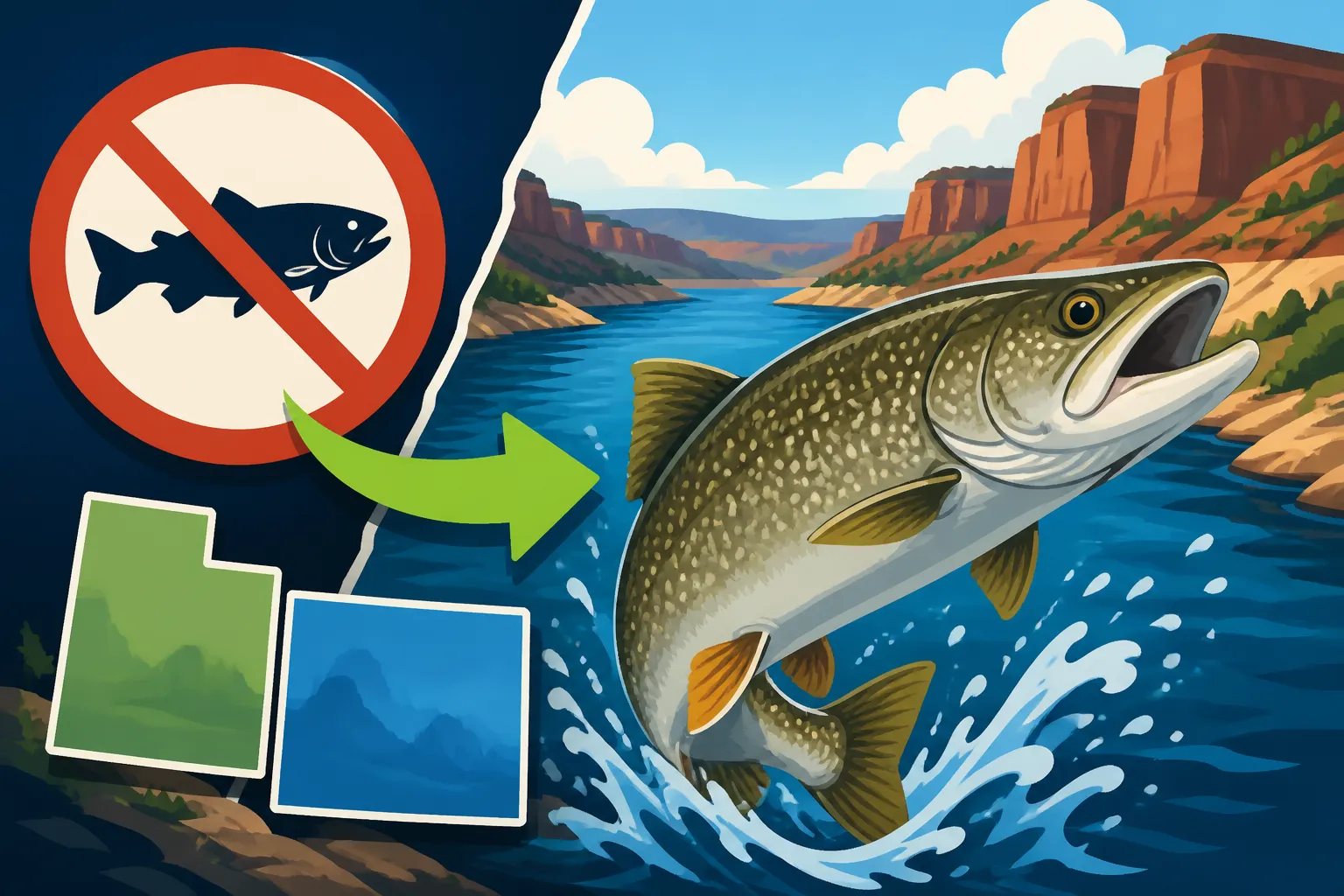
It’s easy to assume that a lack of limits means a species is struggling, but in the unique case of Flaming Gorge Reservoir, the opposite is true for many size classes of lake trout. The "no limit" rule on lake trout in Flaming Gorge, enacted by both the Utah Division of Wildlife Resources (UDWR) and Wyoming Game and Fish Department (WGFD), isn't a sign of scarcity but rather a strategic population management tool. Historically, lake trout were a prized, difficult-to-catch trophy species, and regulations were designed to protect them. However, over time, their population dynamics shifted significantly within the vast waters of Flaming Gorge.
The Problem of Overpopulation in Smaller Size Classes
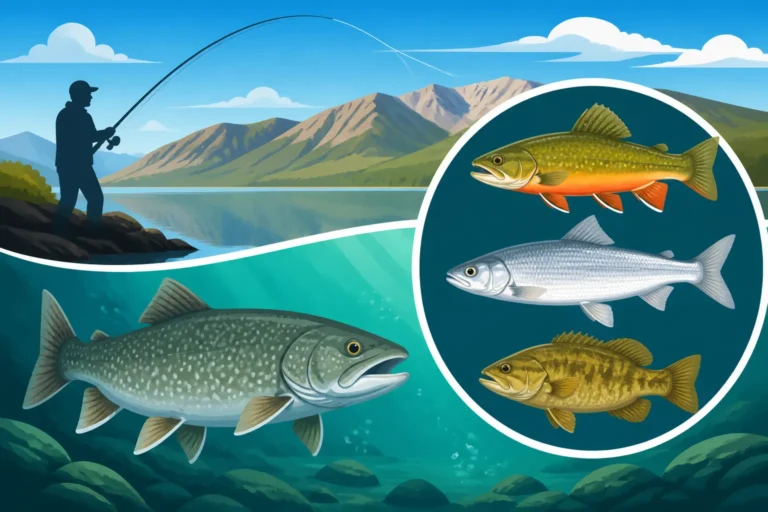
What might sound like a dream to some anglers – unlimited lake trout – is actually a response to an ecological challenge. For years, fisheries biologists observed an explosion in the numbers of smaller, "sub-legal" lake trout (those under a certain length) in Flaming Gorge. While trophy lake trout are a huge draw, this sheer abundance of smaller fish created intense competition for food. Imagine a giant buffet where suddenly hundreds more guests show up; everyone gets less to eat, and growth slows down dramatically. This meant fewer fish reaching the larger, trophy sizes that Flaming Gorge is famous for, and a general decline in the overall health of the lake trout population. The agencies realized that traditional catch limits were no longer serving the ecological balance of the reservoir.
A Joint Management Strategy Between States
Flaming Gorge is unique because it straddles two states: Utah and Wyoming. This means any effective management plan requires close collaboration and agreement between the UDWR and the WGFD. The decision to remove lake trout limits was a joint effort, driven by extensive scientific research and data collection from both agencies. They share a common goal: to maintain a healthy, balanced fishery that supports both trophy fish opportunities and the overall ecosystem. This type of interstate cooperation is crucial for large, shared resources like Flaming Gorge, ensuring that regulations are consistent and effective across the entire water body. Anglers can be confident that the rules, though unusual, are backed by sound ecological principles and shared conservation goals.
The Ecological Rationale: Why So Many Lake Trout?
The presence of a thriving, perhaps too thriving, lake trout population at Flaming Gorge isn't accidental. It's a complex interplay of environmental factors and the species' own reproductive success. Understanding this ecological context is key to grasping why such drastic measures like removing limits became necessary.
Habitat Suitability and Reproductive Success
Flaming Gorge Reservoir provides an almost perfect environment for lake trout. It's a deep, cold-water reservoir with vast areas of suitable habitat for both adults and juvenile fish. Lake trout are native to large, cold lakes and thrive in the deep, oxygenated waters that Flaming Gorge offers. They also have excellent reproductive success within the reservoir, with plenty of suitable spawning grounds. This combination of ideal habitat and successful spawning has allowed their numbers to proliferate over the years. Without natural predators to keep their numbers in check (especially the smaller individuals), and with an ample food supply for a time, the population boomed. This created a situation where the carrying capacity of the lake for trophy-sized lake trout was being challenged by the sheer number of smaller fish.
The Importance of a Balanced Food Web
Every ecosystem, especially a contained one like a reservoir, relies on a delicate food web. When one species becomes overly dominant, it can throw the entire system out of whack. For lake trout, their primary forage base is often smaller fish species like kokanee salmon and various minnows. When there are too many small lake trout, they consume an exorbitant amount of these forage species, putting immense pressure on the populations that larger, more desirable fish also rely on. It’s not just about the lake trout themselves; it’s about ensuring there’s enough food for everything else that lives in the lake, including other trout species like rainbows and browns. Maintaining this balance is a core principle of modern fisheries management, and sometimes that means encouraging anglers to help control an overabundant species.
| Factor | Impact on Lake Trout Population | Management Strategy |
|---|---|---|
| Deep, Cold Water Habitat | High survival and growth rates | Monitor population health |
| Abundant Forage (Historically) | Rapid population expansion | Encourage harvest to reduce competition |
| High Reproductive Success | Leads to overpopulation of small fish | No limits on smaller size classes |
| Predator Scarcity | Unchecked growth of smaller trout | Angler harvest as a primary control |
| Interspecies Competition | Reduced growth for trophy fish | Rebalance food web via harvest |
Impact on Other Species: The Kokanee Salmon Connection
The decision to remove lake trout limits isn't just about the lake trout themselves; it's heavily influenced by their impact on other popular species, most notably the prized kokanee salmon. The health of the kokanee population is directly tied to the abundance of lake trout in Flaming Gorge.
Kokanee Salmon as a Primary Forage Species
Kokanee salmon are a favorite target for many anglers at Flaming Gorge, and they are also a crucial forage fish for the larger, trophy lake trout. These landlocked sockeye salmon provide a rich, fatty food source that allows lake trout to grow to immense sizes. However, when the lake trout population, particularly the smaller and medium-sized individuals, expands too much, they become incredibly efficient predators of juvenile and adult kokanee. This creates a bottleneck: the very fish that help lake trout grow big are being overconsumed by their smaller brethren. It's a classic case of predator-prey dynamics getting out of balance.
Fisheries managers observed a significant decline in the kokanee salmon population coinciding with the lake trout boom. This wasn't sustainable for the overall health of the fishery. Reducing the number of smaller lake trout through angler harvest helps alleviate the predatory pressure on kokanee. Think of it as restoring equilibrium: if you thin out the smaller lake trout, more kokanee survive, which in turn means more food for the remaining lake trout to grow larger and healthier. You can learn more about these fascinating fish in our Utah Kokanee Salmon Guide.
Supporting a Diverse and Healthy Fishery
Beyond kokanee, an unchecked lake trout population can also impact other species like rainbow and brown trout, competing for space and food, especially during certain times of the year or in specific areas of the reservoir. The goal of removing limits is not just to get rid of fish, but to foster a more diverse and healthier fishery overall. This means having a robust population of kokanee, healthy rainbow trout, and even those massive trophy lake trout that put Flaming Gorge on the map. It's about ensuring that Flaming Gorge continues to be a premier fishing destination for a variety of species, offering different angling experiences. This holistic approach to fisheries management is designed to benefit all anglers, whether they're targeting salmon or seeking a Flaming Gorge Trophy Lake Trout Spots.
What This Means for Anglers: Opportunities and Techniques
The "no limit" rule on lake trout at Flaming Gorge might sound intimidating at first, but it actually presents some incredible opportunities for anglers. It encourages active participation in fisheries management and opens the door to new fishing strategies.
Embrace the Opportunity for Active Management
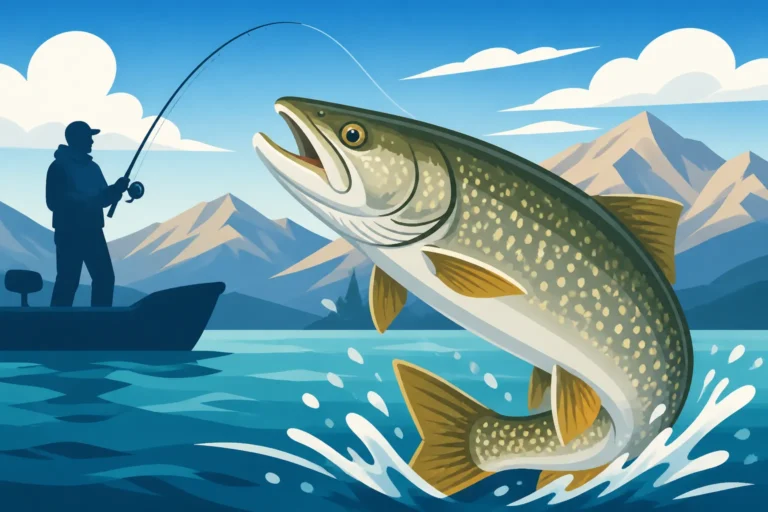
For anglers, this regulation means you have a direct role in helping manage the fishery. You're not just fishing for sport; you're contributing to the ecological balance of Flaming Gorge. This can be a very rewarding aspect of your fishing trip. You can catch as many small to medium-sized lake trout as you desire, and by removing them from the system, you're directly reducing competition for food and allowing other fish, including the truly massive lake trout, to thrive. It’s an unusual approach, but it works to protect the overall quality of fishing. If you're looking for guidance on how to rig your boat and tackle for success, our Utah Trolling Techniques for Lake Trout article offers excellent insights.
This also means you don't have to worry about counting your catch of smaller lake trout, which can be a relief. It allows for a more relaxed day on the water, focused on the thrill of the catch rather than adherence to strict numerical limits. Just remember that other regulations, like those for specific gear or seasons, still apply.
Gear and Techniques for Unlimited Lake Trout
With no limits, anglers often shift their focus. While trophy hunting for the biggest lake trout remains popular (and those fish still have minimum length requirements), many also target the abundant smaller lake trout for their table fare or for sheer numbers.
- Trolling: This is a highly effective method for covering water and finding schools of lake trout. You'll want to experiment with different depths and lure presentations. Consider using spoons, crankbaits, or even vertical jigs if you locate a school on your fish finder. A good selection of lures can be found on Amazon, giving you plenty of options to try.
- Jigging: Once you find a school, especially during ice fishing season or when fish are holding deep, vertical jigging can be incredibly productive. Heavy spoons or specialized lake trout jigs can entice strikes.
- Sonar and Navigation: A reliable fish finder is almost essential for finding lake trout, especially the deeper dwelling ones. You'll want to identify underwater structure, schools of kokanee, and the lake trout themselves. You can find excellent marine electronics options on Amazon that will give you an edge.
- Storage: If you're planning on keeping a good number of smaller lake trout, make sure you have adequate cooler space. A large, well-insulated cooler is your friend here. Many anglers stock up on quality coolers through Amazon before heading out.
Whether you're aiming for a personal best or filling a cooler with delicious fillets, the no-limit rule provides a unique and engaging angling experience at Flaming Gorge. Understanding How to Downrig for Lake Trout will be invaluable for targeting those deeper fish.
Collaborative Conservation: Utah & Wyoming's Joint Efforts
Managing a massive interstate fishery like Flaming Gorge Reservoir is no small feat. It requires constant communication, shared resources, and a unified vision between the wildlife agencies of Utah and Wyoming. The decision to remove lake trout limits is a prime example of this successful collaboration.
Shared Research and Data Collection
Both the Utah Division of Wildlife Resources (UDWR) and the Wyoming Game and Fish Department (WGFD) conduct extensive research on Flaming Gorge. This includes population surveys, creel censuses (angler harvest data), habitat assessments, and studies on species interactions. They share this data openly, allowing for a comprehensive understanding of the reservoir's ecology as a single, unified system. This pooling of resources and information ensures that management decisions, like altering fishing regulations, are based on the most robust scientific evidence available. They meet regularly to discuss findings and strategize on future management actions. This partnership is what allows for consistent regulations across state lines, preventing confusion for anglers and ensuring effective conservation.
Adapting Regulations for Long-Term Health
Fisheries management isn't a static practice; it's dynamic and responsive to changes in fish populations and environmental conditions. The removal of lake trout limits at Flaming Gorge is a direct result of observing long-term population trends and their impact on the overall health of the fishery. These agencies continuously monitor the effects of their decisions. For instance, they watch kokanee numbers closely after an increase in lake trout harvest to see if the predatory pressure has eased. This adaptive management approach means that regulations can and do change as conditions evolve. It's a proactive way to ensure the long-term sustainability of the fishing opportunities at Flaming Gorge, which is truly one of the best places to fish in Utah. Anglers should always consult the latest Utah Fishing Regulations Explained before heading out.
This commitment to adaptive management means that while there's no limit now, agencies will continue to monitor the ecosystem. If, in the future, the balance shifts again, they would adjust regulations accordingly. It's a continuous process of observation, analysis, and strategic action. This joint effort isn't just about fish; it's about protecting a vital natural resource for future generations of anglers in both Utah and Wyoming. Flaming Gorge Fishing Guide provides a comprehensive look at the overall fishing experience at this incredible reservoir.
Disclaimer
This article is for general informational purposes only and does not constitute professional advice. Laws, prices and regulations vary by location and change over time. Consult a qualified professional for guidance on your specific situation.