Uinta Mountains High Lakes Fishing
For many of us who cherish the solitude and challenge of a true wilderness experience, the bustling shores of popular Utah reservoirs can sometimes feel a bit… crowded. If you're yearning to cast your line into crystal-clear waters where the only sounds are the rustle of the wind and the whisper of nature, far from the roar of speedboats and the clamor of crowds, then the Uinta Mountains' high alpine lakes offer a breathtaking escape and an unparalleled angling adventure. This comprehensive guide will walk you through everything you need to know to plan, execute, and truly enjoy a high-lakes fishing expedition in Utah's majestic Uintas.
The Allure of Uinta High Lakes Fishing
There's something uniquely captivating about fishing in the high Uintas. It's more than just catching fish; it's about the journey, the pristine environment, and the sense of accomplishment that comes with reaching these remote gems. The air is crisp, the views are spectacular, and the fish, often less pressured, can offer an exciting challenge.
Why the Uintas Stand Apart
What truly sets the Uinta Mountains apart for anglers is their sheer scale and untouched beauty. This vast wilderness, much of it protected within the High Uintas Wilderness Area, boasts over a thousand lakes and ponds nestled among towering peaks, many of which are only accessible by foot or horseback. Unlike the heavily stocked and easily accessed waters closer to civilization, the Uintas offer a chance to connect with nature on a deeper level. You'll find a remarkable diversity of trout species thriving in these cold, clear waters, from the native Bonneville cutthroat to hardy brook trout, rainbow trout, and even golden trout in some of the most remote basins. The fishing often feels like a treasure hunt, where each lake holds the promise of a unique experience and potentially a beautiful, wild fish. It's a true backcountry experience, demanding respect for the environment and a spirit of adventure.
Common Frustrations with Accessible Lakes
Let's be honest, we've all been there. You arrive at a popular reservoir, rod in hand, only to find every prime fishing spot occupied. Or perhaps you're battling boat traffic, enduring the drone of jet skis, or constantly re-casting to avoid snagging someone else's line. The quest for peace and quiet, coupled with the desire for less pressured fish, often leads to frustration at more accessible locations like Deer Creek Reservoir or Jordanelle Reservoir. The fish in these spots can become wily and difficult to catch due to constant angling pressure, and the overall experience might feel less about connecting with nature and more about competing for a spot. The Uintas, by contrast, offer a profound sense of solitude. While you might encounter other hikers or anglers on main trails, once you venture off the beaten path to some of the smaller, less-frequented lakes, you can often have an entire body of water to yourself, allowing for an uninterrupted and truly peaceful fishing experience.
Planning Your High Lakes Expedition
Venturing into the Uinta high country requires careful planning. This isn't a spur-of-the-moment trip to a community pond. Proper preparation ensures safety, comfort, and success, transforming a potentially grueling ordeal into a memorable adventure.
Essential Gear for Remote Backpacking and Fishing
Packing light and smart is paramount for a high lakes trip. Every ounce in your backpack translates to effort on the trail. You'll need a robust backpacking setup, including a comfortable pack, a lightweight tent or shelter, a sleeping bag rated for alpine nights (which can drop below freezing even in summer), and a reliable water filter. For cooking, a compact backpacking stove is a must. Beyond the basics, consider navigation tools like a GPS device or a detailed map and compass – cell service is virtually non-existent in much of the wilderness.
On the fishing side, versatility is key. A lightweight, packable rod and reel combo that can handle different lure weights or fly setups is ideal. Many anglers opt for a multi-piece spinning rod or a breakdown fly rod for easy transport. Don't forget a small selection of appropriate lures, flies, and terminal tackle, as well as a small landing net, forceps for hook removal, and line clippers. Think about durable, quick-drying clothing layers to adapt to rapidly changing mountain weather, including rain gear. Remember, you'll be carrying everything in, so prioritize multi-functional items. If you're new to this kind of trip, our guide on How to Pack Fishing Gear for a Backpacking Trip to Uinta Lakes offers even more detail.
| Gear Category | Essential Items | Why It's Crucial |
|---|---|---|
| Backpacking | Backpack (60-80L), Tent/Shelter, Sleeping Bag, Sleeping Pad, Water Filter, Camp Stove & Fuel, Headlamp, First-Aid Kit | Comfort, safety, hydration, food, and emergency preparedness in remote areas. |
| Navigation | Topographic Map, Compass, GPS Device (with extra batteries) | Essential for staying oriented, finding lakes, and safely navigating off-trail routes where no signs exist. |
| Clothing | Moisture-wicking base layers, Insulating mid-layers (fleece/down), Waterproof/windproof outer shell, Hiking boots | Adaptability to extreme temperature swings, rain, and snow. Proper footwear prevents blisters and injury on rugged terrain. |
| Fishing | Packable Rod & Reel (4-6 pc), Assortment of Lures/Flies/Bait, Extra Line, Small Landing Net, Forceps, Line Clippers | Versatility for different species and conditions. Light tackle is easier to carry and often more effective on smaller, wild fish. |
| Safety & Extras | Sunscreen, Insect Repellent, Bear Spray (optional but recommended), Whistle, Fire Starter | Protection from elements and wildlife. Signaling for help. |
Navigating Permits and Regulations
Before you even hit the trail, understanding the rules is crucial. Most of the high Uintas falls within the Ashley National Forest and Uinta-Wasatch-Cache National Forest, with a significant portion designated as the High Uintas Wilderness Area. While a specific wilderness permit isn't usually required for day hiking or overnight backpacking, you absolutely do need a valid Utah fishing license. Make sure you understand the nuances of the Utah Fishing License Guide and check current regulations carefully. Different lake basins can have unique rules regarding bait, catch limits, and even specific species you might encounter. For instance, some lakes might be managed for native cutthroat and have specific catch-and-release rules or bait restrictions.
It's also vital to practice Leave No Trace principles. This means packing out everything you pack in, camping at least 200 feet from water sources, properly disposing of human waste, and minimizing your impact on the delicate alpine environment. Open fires might be restricted during certain times or in specific areas, so always check for fire restrictions before you go. Remember, these are wild places, and regulations are in place to preserve them for everyone. If you're curious about the specifics, reading up on the general Utah Fishing Regulations Explained is a good idea before heading out. For larger, more accessible guided trips, you might consider booking through services like FishingBooker, but for the remote Uintas, it's all about self-reliance and respecting the rules.
Top Uinta High Lakes to Explore
With thousands of lakes scattered across the Uintas, choosing where to go can be overwhelming. Some areas are more accessible, while others demand significant effort, but both offer incredible rewards.
Iconic and Productive Lake Systems
Certain lake systems in the Uintas are renowned for their beauty and fishing opportunities, drawing more visitors but still offering a wilderness feel. The Mirror Lake Highway area, for example, provides relatively easier access to trailheads leading to some fantastic lakes. Lakes like Ruth Lake, Wall Lake, and the Upper and Lower Provo River Falls Lakes are popular choices, often yielding good numbers of brook trout and some rainbow trout. These lakes are typically well-marked on trails and can be reached with moderate hiking.
Further in, the King's Peak area (Utah's highest point) offers incredible multi-day backpacking trips to lakes like Red Castle Lakes, a truly spectacular basin known for its dramatic scenery and healthy populations of cutthroat and brook trout. The journey to Red Castle is demanding but incredibly rewarding, with fishing that can be phenomenal. Similarly, the Bald Mountain trail system gives access to numerous small lakes and ponds, many teeming with brook trout. These "iconic" spots are popular for a reason – they consistently deliver breathtaking views and memorable fishing. You might not have them entirely to yourself, especially on weekends, but the sheer size of the wilderness means finding your own quiet corner is usually possible.
Hidden Gems for Solitude Seekers
For those craving true solitude and a sense of discovery, the Uintas hold countless hidden gems. These are often smaller, unnamed, or less-trafficked lakes tucked away in remote basins, requiring more strenuous off-trail navigation or multi-day expeditions. Think about areas like the Highline Trail corridor, which offers access to countless drainages that spiderweb off into pristine, rarely visited lakes. Lakes in the North Slope or South Slope areas, requiring longer approaches from less-used trailheads, often fall into this category.
Finding these spots typically involves consulting detailed topographic maps, sometimes bushwhacking, and being comfortable with navigating without a clear trail. The reward, however, is often a lake where the fish are less wary, sometimes larger, and undeniably wild. You might stumble upon a lake brimming with feisty brook trout, or a remote tarn holding a population of vibrant golden trout, a true prize for any angler. These expeditions require a higher level of preparedness and backcountry skills, but for the intrepid angler, the experience of having a pristine alpine lake and its abundant fish all to yourself is truly priceless. Before embarking on such a trip, ensure your pack is ready with the appropriate gear, maybe by consulting our guide on Best Backpacks for Hiking to Uinta Lakes.
Mastering High Lakes Fishing Techniques
The unique environment of high alpine lakes often requires slightly different tactics than fishing larger, more accessible waters. Adaptability is your best friend when faced with varying depths, clear water, and sometimes finicky fish.
Fly Fishing Strategies for Mountain Trout
Fly fishing is arguably one of the most rewarding ways to fish the Uinta high lakes. The clear, cold water and often abundant insect life make it a natural fit. Trout in these waters are typically opportunistic feeders, and understanding basic entomology can significantly increase your success. Early mornings and late evenings are often prime times, when fish are actively feeding on the surface.
- Dry Flies: When trout are rising, match the hatch! Common hatches include midges, caddis, mayflies, and even terrestrials like grasshoppers and ants later in the summer. Carry a variety of sizes and patterns. A well-placed Parachute Adams, Royal Wulff, or Elk Hair Caddis can be incredibly effective. Look for subtle rises and try to present your fly naturally.
- Nymphing: If fish aren't rising, go subsurface. Small nymph patterns like a Pheasant Tail, Hare's Ear, or Prince Nymph drifted under a strike indicator can fool trout holding in deeper water or along drop-offs. Focus on fishing near structure, such as submerged logs, rocks, or weed beds.
- Streamers: Don't underestimate the power of streamers, especially for larger trout. Patterns mimicking sculpins or small baitfish, like a Woolly Bugger in black, olive, or brown, stripped erratically can trigger aggressive strikes. This is particularly effective near rocky points or deeper sections of the lake.
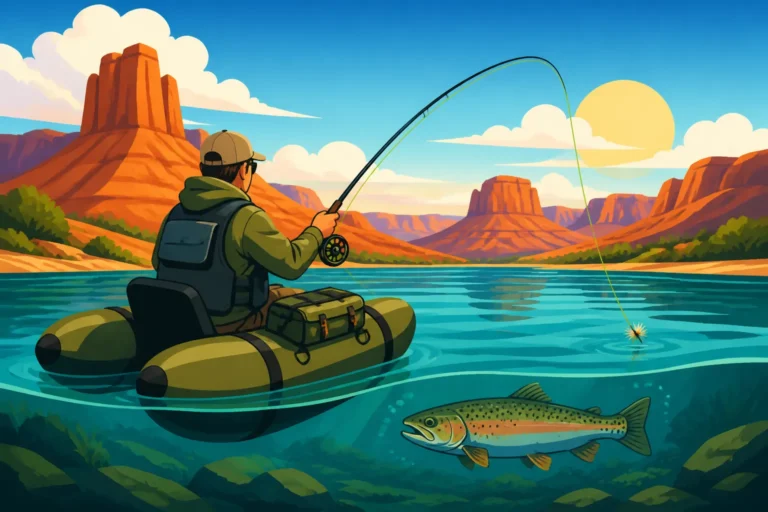
- Stillwater Tactics: Since many high lakes are "stillwaters," a slow retrieve or even letting your fly hang suspended can be deadly. Using a float tube or a small inflatable boat, if practical to pack in, can open up vast areas of the lake that are inaccessible from shore. For more detailed advice, check out our Utah Fly Fishing Guide or specifically how to fish a How to Fish a Woolly Bugger for Utah Trout.
Spin Fishing for Success in Alpine Waters
Not everyone fly fishes, and spin fishing is incredibly effective and often more straightforward for beginners in the Uintas. The key is to use lightweight tackle and small presentations. Ultra-light rods and reels spooled with 2-4 pound test line are perfect for these sensitive trout.
- Small Lures: Think small spoons, spinners, and jigs. Classic patterns like a Kastmaster spoon (silver, gold, or hammered finishes), a Panther Martin spinner (black/yellow, silver/blue), or a small Mepps Aglia spinner can work wonders. Cast them out, let them sink to varying depths, and retrieve them with a steady or erratic motion. Vary your retrieve speed until you find what the fish prefer.
- Jigs and Plastics: Tiny marabou jigs or small soft plastic grubs (like those from Berkley or PowerBait in natural colors) fished on a very light jig head can be deadly. Work them slowly along the bottom or jig them vertically off rocky ledges. Tipping a jig with a small piece of worm or scented bait can sometimes seal the deal for a reluctant fish.
- Bait Fishing: Where regulations allow (always double-check!), natural baits like earthworms or PowerBait can be very effective, especially for brook trout. A simple bobber-and-worm setup or a bottom rig with a small weight and bait can entice strikes. Just remember to use minimal weight and a small hook to match the typically smaller mouths of alpine trout.
- Reading the Water: Look for signs of fish activity, like rises or dimples on the surface. Target areas with structure, such as submerged rocks, fallen timber, or areas where small streams feed into the lake. Pay attention to changes in water depth and current, as trout will often congregate in these zones. Knowing What Water Clarity Is Too Muddy to Fish in Utah can also help, though Uinta lakes are usually crystal clear. If you're wondering Best Flies for Utah Trout Streams, the same principles often apply to stillwaters.
Responsible Angling and Conservation
Fishing in the Uintas is a privilege, and it comes with the responsibility of preserving these pristine environments for future generations. Our actions in the backcountry have a direct impact on the health of the ecosystem.
Practicing Catch and Release Effectively
Many Uinta lakes are managed as catch-and-release, or have slot limits, especially for native cutthroat trout. Even in lakes where keeping fish is allowed, practicing catch and release for most of your catch helps maintain healthy populations, particularly for larger, breeding-size fish. When you do decide to keep fish, only take what you will consume and adhere strictly to all bag limits.
- Minimize Handling: The less you handle a fish, the better its chances of survival. Try to unhook fish while they're still in the water.
- Wet Hands: Always wet your hands before touching a fish to protect its protective slime coat.
- Barbless Hooks: Crimp down the barbs on your hooks or use barbless hooks. They make hook removal much easier and reduce damage to the fish.
- Forceps/Pliers: Carry a pair of forceps or needle-nose pliers to quickly and safely remove hooks, especially if they're deeply set.
- Revive the Fish: If a fish seems sluggish, hold it gently in the water, facing upstream into any current, until it regains its strength and can swim away on its own. Never just toss it back. For a full breakdown, review How to Release a Fish Without Hurting It in Utah.
Protecting the Fragile Alpine Ecosystem
The high alpine environment is remarkably delicate and recovers slowly from disturbance. Every piece of trash, every eroded trail, and every improperly disposed of waste product leaves a lasting mark. Our goal as anglers and adventurers should be to leave these places better than we found them.
- Pack It In, Pack It Out: This is the golden rule of backcountry travel. All trash, including food scraps, fishing line, and human waste, must be packed out. Consider bringing a small plastic bag specifically for trash and another for organic waste.
- Stay on Trails: Where trails exist, stick to them to prevent erosion and damage to sensitive vegetation. If you must go off-trail to reach a specific lake or fishing spot, spread out to minimize impact and avoid trampling fragile plants.
- Camp Responsibly: Choose established campsites if available. If not, select a durable surface like bare soil or rock, away from water sources. Never cut live trees for firewood; use only dead and downed wood, if fires are permitted.
- Water Quality: Do not use soap or detergent directly in lakes or streams. Filter all drinking water to prevent the spread of giardia and other pathogens.
- Aquatic Invasive Species (AIS): Be vigilant about preventing the spread of AIS. Before and after your trip, clean, drain, and dry all fishing gear, waders, and any inflatable craft. Even microscopic organisms can wreak havoc on an isolated ecosystem. These principles extend to all Utah Aquatic Invasive Species Rules for Anglers.
- Respect Wildlife: Observe wildlife from a distance. Store food properly to prevent attracting bears and other animals. Remember, you are a visitor in their home.
By following these guidelines, we can all contribute to ensuring that the Uinta Mountains remain a pristine and productive fishing destination for generations to come. It’s an investment in the future of one of Utah’s most cherished natural treasures. While the Uintas are a true DIY adventure, if you're ever looking for a guided trip on more accessible waters around Utah, remember that platforms like FishingBooker exist to connect anglers with experienced guides.
Disclaimer
Please remember that fishing regulations, conditions, and access points can change. Always consult the official Utah Division of Wildlife Resources (DWR) website for the most current information before planning any fishing trip. Safety in the backcountry is paramount; always inform someone of your itinerary and be prepared for rapidly changing weather conditions.