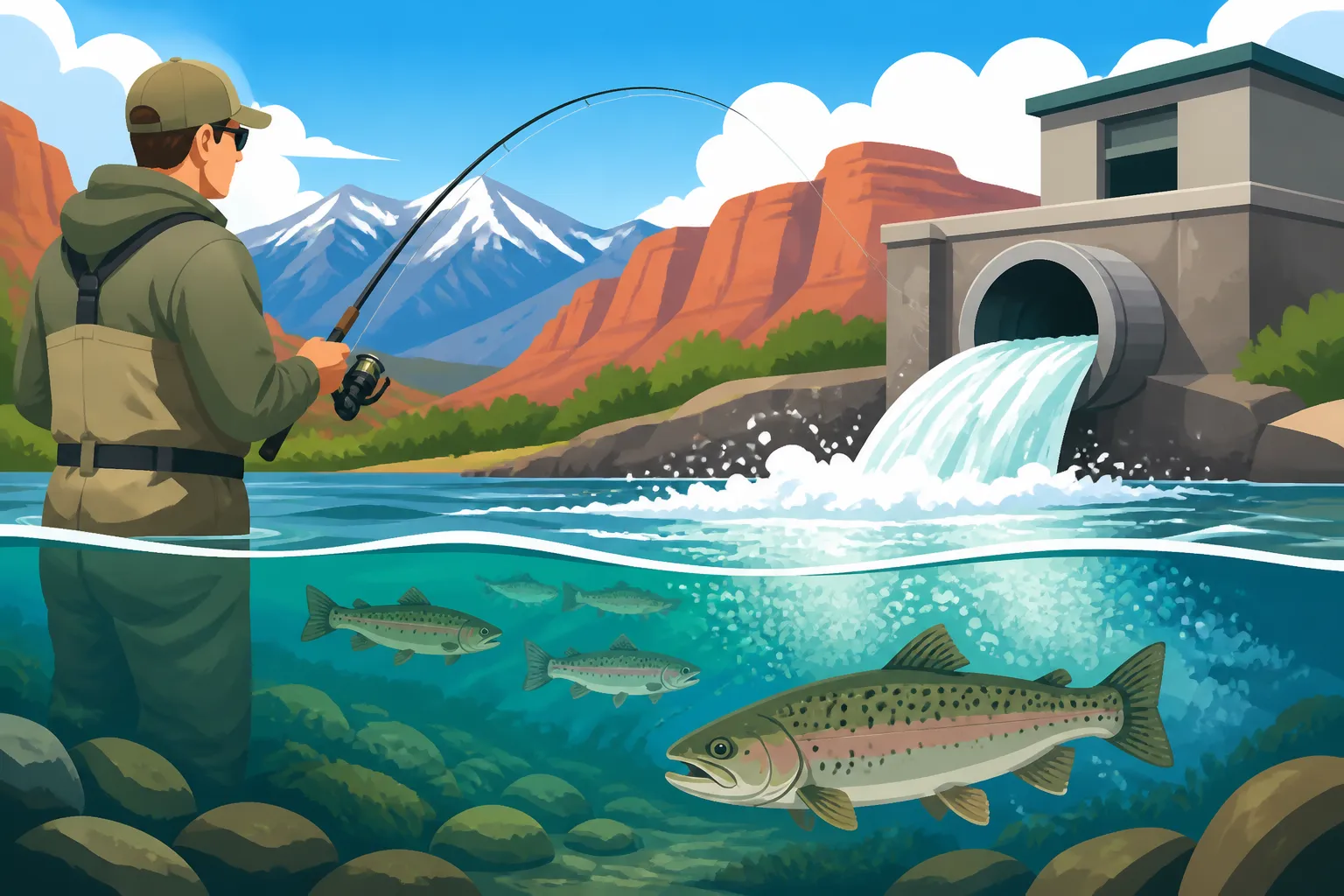
How to Fish Near a Fish Hatchery Discharge in Utah
Navigating the waters near a fish hatchery discharge in Utah can feel a bit like a secret cheat code, but it's often more nuanced than just casting a line and reeling in a fish. Many anglers wonder if it's even fair, or if the fish are just too easy, while others struggle with how to approach these unique spots without spooking the very fish they're trying to catch. This comprehensive guide will walk you through the ins and outs of fishing near these productive areas, from understanding fish behavior to selecting the right gear and employing effective techniques, so you can make the most of your next outing.
Understanding Why Hatchery Discharges Are Prime Fishing Spots
When you're looking for where the fish are, a hatchery discharge might not be the first place that comes to mind for some anglers, but it certainly should be on your radar. These spots, often overlooked or misunderstood, create unique conditions that attract and hold fish, sometimes in surprising numbers. It's not just about the "new" fish, either; resident fish also gravitate to these areas for a variety of reasons.
The 'Free Meal' Advantage
Think about it from a fish's perspective: a hatchery is a place where food is plentiful and regularly provided. When fish are released from a hatchery, or when excess food or effluent from the facility flows into a nearby waterway, it creates an irresistible draw. The fish leaving the hatchery are already accustomed to being fed, often pellets, and they're generally less wary of these easy meals. This conditioning means they're often more willing to strike at baits or lures that mimic their previous diet or are presented similarly.
Even wilder, resident fish quickly learn to associate the discharge area with a consistent food source. It's like a drive-thru for fish! They'll congregate, waiting for the next "delivery." This makes the area a hub of activity, where natural instincts for survival and feeding kick in, often overriding their usual caution. It can lead to some really exciting fishing, especially if you understand what they're looking for.
Comfort and Shelter
Beyond the promise of a meal, hatchery discharge areas often provide environmental benefits that fish find appealing. The discharge itself can create subtle currents, eddies, and oxygenated water, which are all important factors for fish health and comfort. Depending on the setup, there might also be submerged structures or changes in bottom contour created by the discharge flow that offer shelter from predators or strong currents.
These conditions become even more critical during extreme weather. In the heat of summer, slightly cooler, oxygen-rich discharge water can be a thermal refuge. In colder months, these spots might offer a slightly warmer environment or simply more stable conditions. These micro-habitats are vital, providing fish with a safe and comfortable place to reside, making them easier to locate for anglers.
The Natural Instinct of Fish
Even fish that haven't just been released from a hatchery will often seek out areas of concentrated food. It's a fundamental survival instinct. The discharge acts as an attractant, drawing in fish from surrounding waters who detect the scent of food or simply notice the increased activity of other fish. This congregation of fish, both recently stocked and wild, creates a vibrant ecosystem around the discharge point.
It’s important to remember that while these fish might be less wary initially, they aren't stupid. They'll quickly learn from negative experiences, so a thoughtful approach is still key. However, their natural inclination to feed and conserve energy by staying near a reliable food source makes these locations incredibly productive, offering a fantastic opportunity to catch various trout species or other fish that benefit from the bounty.
Essential Gear and Bait for Hatchery Discharge Fishing
Fishing near a hatchery discharge isn't necessarily about needing specialized, high-tech gear, but rather about having the right tools for the job and knowing how to use them effectively. Often, what you already have for general trout fishing will serve you well, but a few specific considerations can definitely improve your success.
Rods, Reels, and Line Choices
For most hatchery discharge scenarios, a light to medium-light spinning rod, around 6 to 7 feet long, will be your best friend. This length offers a good balance of casting distance and control, which is important for precise presentations in often confined or pressured areas. Pair that with a small spinning reel, loaded with 4 to 6-pound monofilament or fluorocarbon line. Fluorocarbon is particularly great because it's nearly invisible underwater, which can make a real difference when fish are a bit more cautious.
You might even consider a super light setup, perhaps a 5-foot ultralight rod with 2-pound line, especially if you're targeting smaller, recently stocked trout. The lighter line allows for a more natural presentation of smaller baits and lures, and it makes fighting even a modest fish feel like a true battle. For those looking to upgrade their basic setup or find specific items, checking out stores like Amazon can provide a wide range of options, from budget-friendly combos to more specialized gear.
Bait and Lure Selection
When it comes to bait and lures, think about what fish are used to and what triggers their natural feeding instincts. For newly stocked fish, trout dough baits like PowerBait, in various colors and forms (nuggets, worms, or molded into a ball), are often incredibly effective because they mimic the pellets they were fed in the hatchery. Small salmon eggs or worms are also perennial favorites and provide a natural scent that appeals to both stocked and wild fish. If you're wondering how to fish PowerBait for stocked trout, often a small ball floated off the bottom with a leader and a tiny sinker works wonders.
For lures, small inline spinners (like Panther Martins or Mepps), tiny spoons, or micro jigs can be deadly. Colors that stand out, like chartreuse, orange, or bright silver, often grab attention, especially in murky water. However, don't shy away from more natural colors like brown or olive, especially on clear days or in clear water, as these can imitate insects or small minnows. Having a variety is key, so consider what works best for Utah trout species guide you're targeting.
Terminal Tackle for Success
Your terminal tackle – hooks, weights, swivels, and leaders – plays a crucial role. Small, sharp hooks are essential. Size 8 to 14 bait holder hooks or treble hooks (depending on your bait) are typically appropriate. For PowerBait, sometimes a small treble hook allows for better hookups. You’ll also need an assortment of split shot weights or small sliding sinkers to get your bait down to where the fish are holding without hindering its natural movement.
A small barrel swivel can help prevent line twist, especially if you're using inline spinners, and a fluorocarbon leader (2-4 lb test) tied to your main line can enhance stealth. For beginners, a simple bobber and bait setup can be incredibly effective, as discussed in "How to Fish With Bobber and Bait for Beginners". This allows you to suspend your bait at a specific depth, which is often crucial for hatchery-conditioned fish that might be holding just below the surface or mid-water column. Always have a variety on hand, and many anglers find it convenient to stock up on these smaller, essential items through retailers like Amazon.
Techniques for Fishing Hatchery Discharges Without Spooking Fish
Fishing near a hatchery discharge can be incredibly productive, but it's not simply about showing up and throwing a line in. These areas can be surprisingly sensitive, and fish, even hatchery-raised ones, can become wary quickly. Employing stealth and thoughtful techniques will significantly increase your chances of success.
Stealth and Presentation
First and foremost, approach quietly. Many hatchery discharge areas are relatively open or have limited cover, meaning fish can easily see or feel vibrations from anglers on the bank. Walk softly, avoid sudden movements, and keep your profile low. If possible, approach from downstream or from a position where you're not silhouetted against the sky. This mindful approach is a fundamental component of the "Best Beginner-Friendly Technique for Utah Trout".
When casting, aim for soft landings. A heavy splash can send fish scattering. Use a gentle flick of the wrist rather than a forceful overhead cast. Your presentation should be as natural as possible, allowing your bait or lure to drift naturally with the current, as if it were a dislodged food item. If you're using PowerBait, a tiny split shot or no weight at all might be perfect, letting the bait slowly descend. For lures, a slow, steady retrieve that mimics injured prey is often more effective than a fast, erratic one.
Reading the Water
Understanding where the fish are holding is crucial. Observe the water for any signs of fish activity – subtle rises, flashes, or even shadows. The discharge itself will create currents and eddies. Fish will often congregate in the calmer water just outside the main flow, or in seams where faster and slower currents meet, as these spots offer both food delivery and a break from the current.
Look for structure like rocks, logs, or changes in depth, as these provide cover. Pay attention to the depth at which you're getting bites. Sometimes fish are just a foot or two under the surface, while other times they're hugging the bottom. Adjust your weight or bobber depth accordingly. Remember, fish are often lazy; they'll position themselves where they can expend the least energy while still having access to food. If you're trying to figure out how to rig a jig for Utah trout, watching how the water moves can help you predict where your jig will drift and where fish might be waiting.
Moving Beyond the Immediate Discharge
While the immediate discharge area is often a hotspot, don't limit yourself to just that one spot. Fish released from a hatchery will disperse over time, and wild fish are constantly moving in and out of the area. Cast upstream and let your bait drift down through the discharge zone, or cast downstream to intercept fish that have moved away from the main flow. Explore bends in the river or deeper pools nearby.
Sometimes, the best fishing isn't right at the epicenter of the discharge but slightly downstream where the currents have dispersed some of the food, and the fish are less pressured. This is where a longer cast or a bit of patience can pay off. If the primary spot is crowded or the fish are finicky, moving even a short distance can put you on unpressured fish that are more willing to bite. This kind of exploration ties into general "How to Catch More Fish in Utah" strategies, encouraging anglers to adapt rather than just relying on one method.
Ethical Considerations and Regulations
Fishing near hatchery discharges, while productive, comes with a responsibility to both the fishery and other anglers. Being mindful of your impact and adhering to local rules ensures these unique spots remain enjoyable and sustainable for everyone.
Respecting the Resource and Other Anglers
These areas, especially shortly after a stocking event, can attract a crowd. Patience and courtesy go a long way. Maintain a reasonable distance from other anglers, and if someone is already fishing a prime spot, give them space. A simple nod or polite inquiry about how they're doing can open up a friendly conversation. These are often public access points, and everyone deserves to enjoy their time on the water.
Beyond etiquette, it’s crucial to practice ethical angling. If you're planning on releasing fish, handle them with care. Minimize their time out of water, use wet hands, and support their body. Knowing "How to Release a Fish Without Hurting It in Utah" is a vital skill. Avoid snagging or foul hooking fish, as this can cause unnecessary stress and injury. The goal is a fun day, not just catching fish at any cost.
Checking Local Regulations
Utah's fishing regulations are designed to protect fish populations and ensure fair chase. It's absolutely critical to consult the most current "Utah Fishing Regulations Explained" before heading out. Hatchery discharge areas can sometimes have specific rules regarding bait, tackle, or even catch limits, especially if they are part of a special management area or are stocked with particular species.
Pay close attention to "Utah Daily Bag and Possession Limits" for the species you are targeting. Some areas might have lower limits, or even mandatory harvest rules for invasive species. For example, some waters may have strict regulations on the use of live bait, or specific closures during spawning seasons for wild fish. Ignorance of the rules is never an excuse, and penalties for violations can be steep. A quick check of the Utah Division of Wildlife Resources (DWR) website before each trip will ensure you're compliant and ready for a responsible day of fishing.
Hatchery Fishing Gear Checklist
To help you prepare for your next trip to a hatchery discharge area, here’s a quick checklist of essential gear. Many of these items can be found conveniently online.
| Category | Essential Items | Notes |
|---|---|---|
| Rods & Reels | Light or Ultralight Spinning Rod (5-7 ft) | Provides sensitivity and accuracy. |
| Small Spinning Reel (500-1000 size) | Matched to rod, allows for lighter line. | |
| Line | 4-6 lb Monofilament or Fluorocarbon Main Line | Good all-around choice; fluorocarbon is less visible. |
| 2-4 lb Fluorocarbon Leader | Added stealth for wary fish. | |
| Bait/Lures | PowerBait (various colors/forms) | A staple for stocked trout, often available on Amazon. |
| Small Inline Spinners (Mepps, Panther Martin) | Effective for active fish, check "Best Tackle for Utah Trout" for more ideas. | |
| Small Spoons (Kastmaster, Little Cleo) | Great for covering water. | |
| Worms, Salmon Eggs (if allowed) | Natural scent attractants. | |
| Micro Jigs | Good for vertical jigging or slow retrieves. | |
| Terminal Tackle | Size 8-14 Bait Holder or Treble Hooks | Choose based on bait type. |
| Assorted Split Shot Weights | For adjusting depth and drift. | |
| Small Barrel Swivels | Prevents line twist. | |
| Bobbers (slip or fixed) | Essential for suspending bait at specific depths. | |
| Accessories | Small Pliers/Hemostats | For hook removal and de-barbing. |
| Small Net (with rubber mesh if releasing) | Protects fish and makes landing easier. | |
| Small Cooler with Ice | For keeping your catch fresh, especially if targeting "Utah Trout Species Guide" for dinner. | |
| Sunscreen, Hat, Sunglasses | Essential for comfort and eye protection. | |
| Small Tackle Box or Bag | Keep your gear organized and easily accessible. "What Gear Does a First-Time Utah Angler Need?" offers a broader look. | |
| Fishing License | Absolutely essential – don't leave home without it! |
This article is for general informational purposes only and does not constitute professional advice. Laws, prices and regulations vary by location and change over time. Consult a qualified professional for guidance on your specific situation.