How to Find Recent Stocking Reports for Utah Waters
It can be incredibly frustrating to hit the water, only to find out the fish you were hoping to catch haven't been stocked yet, or worse, were stocked weeks ago and have already spread out or been caught. You want to maximize your chances, and knowing when and where new fish are released can make all the difference. This guide will walk you through exactly how to find recent stocking reports for Utah waters, so you can plan your next successful fishing trip with confidence.
Why Stocking Reports Are Your Secret Weapon for Angling Success
Let's be honest, we've all been there. You drive an hour to your favorite community pond or a smaller reservoir, full of anticipation, only to cast for hours with nary a bite. The kids are getting antsy, your patience is wearing thin, and you start to wonder if there are even any fish left in the water. This is precisely why stocking reports are such a game-changer, especially when targeting popular species like rainbow trout in heavily fished waters. These reports tell you exactly when and where new fish have been introduced, giving you a huge advantage.
When fish are freshly stocked, they're often disoriented and hungry, making them easier to catch. They haven't yet learned the local predators, the best hiding spots, or the natural food sources. This brief window is a prime opportunity for anglers of all skill levels, from seasoned veterans to those just learning the ropes. Without this information, you're essentially fishing blind, hoping for a lucky break. With it, you're making an informed decision, greatly increasing your odds of a memorable day on the water. It's not about guaranteed catches, but about putting the odds firmly in your favor, and who doesn't want that?
Maximizing Your Chances After a Stocking Event
Knowing that a water body has just received a fresh batch of fish is like getting a cheat code for angling success. These fish are typically hatchery-raised, meaning they've been accustomed to being fed regularly and might respond well to common baits and lures that mimic their usual diet. They might not be as wary as wild fish, making them more approachable. This is especially true for smaller ponds and reservoirs that receive frequent stockings to maintain recreational fishing opportunities.
Timing is everything here. If you can be on the water within a day or two of a stocking event, your chances of success are dramatically higher. The fish are still concentrated, they're still in that "hungry and naive" phase, and the fishing pressure might not have fully built up yet. This is also why understanding Utah's fishing regulations is crucial; you want to make sure you're adhering to daily limits, even during these hot periods. Once a week or so passes, the fish start to disperse, become warier, and the fishing can get tougher. That's not to say you can't catch them later, but the initial window is golden.
Avoiding "Empty Pond" Frustration
There's nothing quite like packing up all your gear, driving to a spot, and realizing you should have checked the stocking report first. Imagine planning a fun family outing to a community pond, promising the kids a great day of catching fish, only for everyone to come up empty-handed. That disappointment can be a real bummer and might even discourage new anglers. Stocking reports virtually eliminate this kind of frustration.
By checking the reports, you can actively choose waters that have recently been stocked, or decide to wait a few days if your preferred spot hasn't seen fresh fish in a while. This thoughtful approach saves time, gas, and most importantly, prevents those disheartening "fishless" trips. It ensures that when you do head out, you're going to a place where the fish population is actively supported, leading to more enjoyable and productive fishing experiences for everyone involved. For a fantastic resource on where to target these fresh stockings, check out our guide on Utah Community Pond Fishing Spots.
Official Sources for Utah Stocking Information
When you're trying to figure out where the fish are biting, the absolute best place to start is with the official sources. In Utah, that means the Utah Division of Wildlife Resources (UDWR). They're the ones doing the stocking, so they're the ultimate authority on where and when fish are being released. Relying on their data ensures you're getting the most accurate and up-to-date information directly from the source.
Navigating government websites can sometimes feel like a treasure hunt, but the UDWR has made a concerted effort to provide accessible information for anglers. They understand that knowing about stocking events is key to promoting successful and enjoyable fishing across the state. They typically update their reports regularly, especially during peak stocking seasons, which are generally spring and fall when water temperatures are most favorable for newly introduced fish.
Utah Division of Wildlife Resources (UDWR) Website
The primary hub for all Utah fishing information, including stocking reports, is the official UDWR website. They usually have a dedicated section or a specific database where you can search for recent stocking events. You might find it under sections like "Fishing," "Weekly Fishing Reports," or "Fish Stocking." These reports often list the water body, the species stocked, the number of fish, and the date of the stocking. It's a goldmine of information for any angler looking to plan their next trip.
When you access these reports, take note of the dates. A stocking report from last month might not be as useful as one from a few days ago, unless you're targeting a large reservoir where fish might take longer to disperse. These reports are often broken down by region or county, making it easier to pinpoint stockings near you. Be sure to familiarize yourself with how to buy a Utah Fishing License Online Purchase Process as you'll definitely need one before you head out, and the website is also the place to get it.
UDWR Mobile App and Email Notifications
In our increasingly digital world, relying solely on a website might not be the most convenient option for everyone. Recognizing this, the UDWR often offers a mobile application that can provide on-the-go access to crucial information, including those coveted stocking reports. Imagine being able to quickly check for recent stockings right from your phone while you're planning your weekend. These apps can sometimes even offer mapping features, showing you the exact locations of stocked waters.
Beyond apps, signing up for email newsletters or alerts from the UDWR is another fantastic way to stay informed. Many wildlife agencies offer subscription services where they send out weekly or bi-weekly updates on fishing conditions, stocking schedules, and other important news. This means the information comes directly to your inbox, saving you the hassle of constantly checking the website. It’s like having a personal assistant reminding you when and where the fish are biting, ensuring you don't miss out on prime opportunities.
Leveraging Community and Other Resources
While official sources are paramount, the angling community itself is a vibrant and incredibly valuable resource for up-to-the-minute information. Sometimes, official reports have a slight delay, or you might want to hear first-hand accounts of how the fishing has been after a stocking. This is where forums, social media, and local tackle shops really shine. They offer a more dynamic and often more granular look at what's happening on the water.
Think of it this way: the UDWR tells you that they stocked fish, but the community can tell you how the fishing actually is and what's working best. It’s a powerful combination of official data and real-world experience. These informal networks can often provide details like specific bait preferences, the best time of day, or even where on a particular pond the fish are holding after a recent release. Integrating these community insights with official data can give you an unparalleled advantage.
Online Forums and Social Media Groups
Forums and social media groups dedicated to Utah fishing are buzzing hubs of activity. Anglers love to share their successes, ask questions, and even post photos of their catches. Search for groups on platforms like Facebook or dedicated fishing forums specifically for Utah. Members often post about recent stocking sightings, discuss what tackle is working, and offer tips based on their recent experiences. For instance, a quick search might reveal posts from anglers who were just at Scofield Reservoir after a trout plant, sharing that PowerBait in specific colors was doing wonders.
Joining these groups isn't just about getting information; it's about becoming part of a larger community. You can ask specific questions about a water body you plan to visit, and often, friendly locals will be eager to share their knowledge. Just remember to be respectful, follow group rules, and never ask for exact "secret spots" as many anglers are wary of sharing those publicly. But general advice on recent stockings and effective techniques? That's usually fair game. You might even find some good advice on How to Fish PowerBait for Stocked Trout in these groups.
Local Tackle Shops and Guides
Don't underestimate the power of good old-fashioned local knowledge! Your local tackle shop is a hub for everything fishing-related in the area. The folks working there are often avid anglers themselves, or they hear daily reports from dozens of customers coming through their doors. They know which waters have been hot, which ones just got stocked, and what bait or lure has been flying off the shelves. A quick chat with the person behind the counter can provide insights that online reports might miss.
For example, they might tell you that a particular community pond received trout yesterday, but the fish are currently hitting small Kastmasters, not worms. Or that the stocking truck is expected at a certain reservoir next Tuesday. Beyond tackle shops, local fishing guides are another incredible source. While they might not give away all their trade secrets, many are happy to share general information about stocking events and overall fishing conditions, especially if you're considering booking a trip. Brands like Amazon also offer many popular fishing gear items, so you can quickly pick up what the local pros recommend.
Crowdsourced Fishing Apps and Websites
In addition to official channels, there are a growing number of crowdsourced fishing apps and websites. These platforms allow anglers to report their catches, share conditions, and sometimes even log stocking events they witness. While not always as official as the UDWR, they can offer real-time updates from fellow fishermen on the water. Popular apps might include features like maps, fish species logged, and reports on bait choices.
Using these apps requires a bit of discernment, as the information is user-generated and might not always be perfectly accurate or consistent. However, when combined with official reports, they can provide a valuable supplementary layer of information. Imagine cross-referencing a UDWR stocking report with user submissions on one of these apps to see immediate catch reports. This can confirm that the fish are indeed biting and help you choose your presentation. You can even use these apps to find general information on Best Places to Fish in Utah to guide your search. You can often find reviews for these apps and download them through digital storefronts easily accessible via a quick search or from platforms like Amazon Appstore, depending on your device.
Understanding and Using the Data
Finding the stocking reports is only half the battle; knowing how to interpret that data and turn it into a successful fishing trip is the real art. It's not just about knowing where fish were stocked, but when and what species to expect. Armed with this knowledge, you can tailor your approach, from selecting the right bait to choosing the best time of day to cast your line.
This section will help you decode the numbers and dates, connect them to local conditions, and ultimately make smarter decisions on the water. It’s about moving beyond simply "fish are here" to "fish are here, and this is how I'm going to catch them." This strategic thinking is what separates consistent anglers from those who rely solely on luck.
Interpreting Stocking Report Details
Stocking reports typically contain key pieces of information: the water body, the date of stocking, the species of fish, and the number or weight of fish released. Each detail holds clues for your fishing strategy. A recent stocking of rainbow trout in a smaller community pond, for example, signals an immediate opportunity for light tackle and standard trout baits like PowerBait or worms. If the report indicates a stocking of larger fish, like brood stock trout, you might consider slightly heavier gear and larger lures.
The date is crucial. Freshly stocked fish (within 1-3 days) are often easier to catch as they adjust to their new environment. After a week or two, they start to disperse and become more wary. Also, pay attention to the species. Different fish have different habits. For example, if they stocked wiper, you'll want to adjust your approach compared to if they stocked catfish. Knowing the number of fish stocked gives you an idea of the population density. A report showing thousands of trout means it’s likely to be a busy, productive spot. This is where researching Utah Trout Fishing Tips comes in handy, as many stockings focus on various trout species.
Timing Your Trip Post-Stocking
The timing of your visit after a stocking event can drastically impact your success. As mentioned, the first few days are often the most productive. The fish are often still grouped together and are less wary. Many anglers aim to be at the water within 24-48 hours of a reported stocking. This can mean getting to the pond or reservoir early on the day after a stocking, or even heading out that evening if the report just dropped.
However, consider the crowds. Popularly stocked waters can get very busy immediately after a report is released. If you prefer a quieter experience, you might wait a few days. While the fishing might be slightly tougher, the crowds often thin out. Also, consider weather conditions. A cold front or sudden storm can make fishing challenging regardless of a recent stocking. Always check the local forecast in conjunction with the stocking report. You might also want to consult our detailed guide on How Soon After Stocking Should You Fish a Utah Pond? for more insights.
Here's a quick reference for common Utah stocked species and optimal post-stocking timing:
| Species Stocked | Ideal Post-Stocking Visit | Recommended Gear/Bait |
|---|---|---|
| Rainbow Trout | 1-3 days | PowerBait, worms, small spinners/spoons |
| Brown Trout | 2-5 days | Spinners, small stickbaits, worms |
| Cutthroat Trout | 1-4 days | Flies, small spoons, salmon eggs |
| Tiger Trout | 2-4 days | Spinners, minnow imitations, worms |
| Kokanee Salmon | Varies (seasonal/staging) | Trolling gear, specialized kokanee lures |
| Channel Catfish | 1-5 days | Stink baits, cut bait, chicken livers |
(Note: Kokanee stocking for "catchable size" is less common than trout, often focused on fingerlings to grow into trophy size, so their timing differs from immediate post-stocking trout fishing.)
Adjusting Techniques for Stocked Fish
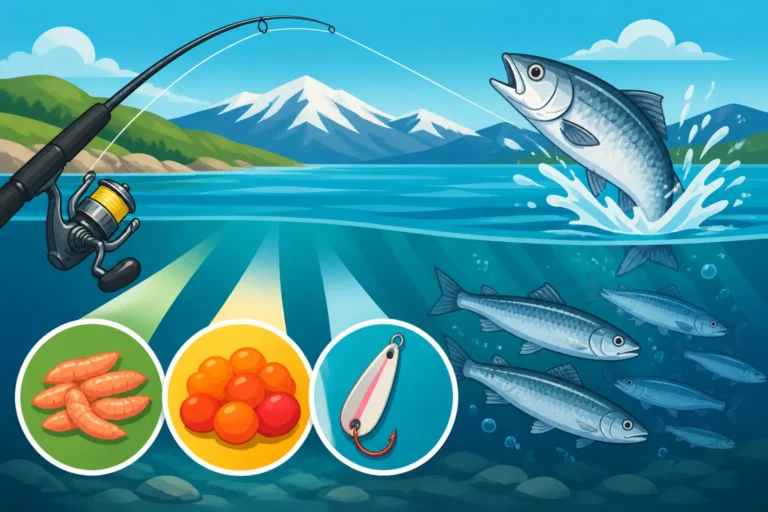
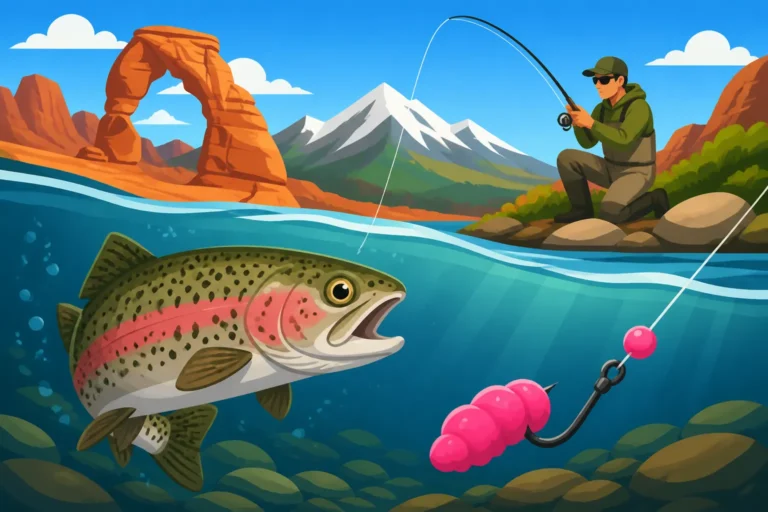
Stocked fish, especially those from hatcheries, often behave differently from wild fish. They are accustomed to a pellet diet and might respond aggressively to baits that mimic this. Brightly colored PowerBait, cheese, corn, and worms are usually excellent choices for newly stocked trout. For lures, small spinners and spoons in vibrant colors can also be very effective. It's often not about finesse right after a stocking, but about presenting something enticing that they recognize as food.
As time passes, and these fish adapt to their new environment, they might become more selective. This is when you might need to experiment with different presentations, try smaller lures, or switch to fly fishing patterns that match local insect hatches if you're on a stream. For some great ideas on what tackle to use, our comprehensive Utah Fishing Gear Guide can point you in the right direction. Remember, flexibility is key. What worked yesterday might not work today, so always be prepared to change up your tactics. You can find a wide array of fishing gear, from PowerBait to specialized lures, readily available on platforms like Amazon, making it easy to stock up before your trip.
Disclaimer
This article is for general informational purposes only and does not constitute professional advice. Laws, prices and regulations vary by location and change over time. Consult a qualified professional for guidance on your specific situation.