How to Fish the Green River’s Blue Ribbon Section Below Flaming Gorge
Oh, the Green River below Flaming Gorge! It's one of those places that calls to every angler in Utah, whispering promises of incredible fishing and wild trout. But let's be honest, for many, that whisper can quickly turn into a shout of intimidation. It's renowned as a blue ribbon fishery, and with that reputation comes the feeling that you have to be an expert to even dip a toe in its pristine waters. I totally get it – standing on its banks, looking at that crystal-clear water, it can feel overwhelming trying to figure out where to start. This guide is here to cut through that complexity, breaking down everything you need to know to confidently fish this magnificent stretch of river, whether you're a seasoned fly fisher or just looking to understand its secrets.
Understanding the Green River's Blue Ribbon Appeal
The Green River below Flaming Gorge Dam isn't just any river; it's a true gem, celebrated across the country for its exceptional fishing. When you hear "Blue Ribbon," it's not just a fancy marketing term. It signifies a body of water that supports outstanding populations of wild trout, boasts excellent water quality, and provides a remarkable recreational experience. For us Utah anglers, it's a source of immense pride and a destination that truly lives up to the hype, once you understand how to approach it.
Why "Blue Ribbon" Status Matters
The "Blue Ribbon" designation for the Green River below Flaming Gorge Dam is truly earned. It's more than just a title; it's an assurance of a world-class trout fishery. The reason for this incredible productivity lies primarily with the Flaming Gorge Dam itself. The dam releases cold, oxygen-rich water from deep within the reservoir, which creates a consistent, ideal environment for trout year-round. This steady flow and stable temperature regime are critical for the health and abundance of aquatic insects – the primary food source for these wild fish.
Imagine a perfectly tuned ecosystem: nutrient-rich water from the reservoir, a stable temperature that keeps insects thriving, and plenty of gravel beds for spawning. This combination allows for robust insect hatches, from tiny midges to prolific caddis and mayflies, providing a constant buffet for the resident trout. Because the river flows out of a dam, it's essentially a tailwater fishery, meaning its conditions are largely insulated from the wild swings of natural runoff that can plague other mountain rivers. This consistency is a huge part of its appeal and why you can find fantastic fishing virtually any time of year. Knowing that you're fishing in a place where the fish are wild and strong just adds to the magic.
Sections A, B, and C: What Makes Them Unique
The Green River's famous Blue Ribbon section is traditionally broken down into three main sections below the dam, each with its own character and charm. Understanding these differences can really help you plan your trip, especially when considering Green River Below Flaming Gorge Dam access.
Section A stretches approximately 7 miles from the dam down to Little Hole. This is arguably the most popular and iconic section, known for its gin-clear water, abundant insect life, and large populations of trout. It's often the first choice for drift boaters and wade anglers alike. The river here is quite accessible in many spots, but the sheer number of fish and their willingness to rise to a well-presented dry fly make it a paradise for many. You'll find a mix of riffles, runs, and deeper pools, offering diverse holding water for trout. This section sees a lot of traffic, especially during peak season, so stealth and careful presentation are key.
Section B continues another 9 miles from Little Hole to Indian Crossing. As the river moves away from the dam, it generally widens a bit and starts to take on a slightly different feel. The canyon walls begin to recede in places, and while still crystal clear, the water might not have the same "aquarium" clarity as Section A due to sediment pickup. This section often offers a bit more solitude than Section A, particularly if you're floating. You'll still find fantastic fishing, with opportunities for large browns lurking in the deeper, more complex structure. Wading access can be a bit more challenging in some spots compared to Section A, but the rewards are definitely there for those willing to explore.
Section C runs roughly 6 miles from Indian Crossing to Swinging Bridge. This is often considered the most remote and wild of the three primary sections. The river continues to widen, and the canyon opens up even further. While fish populations may not be quite as dense as in Section A, the potential for truly large, trophy-sized brown trout often draws dedicated anglers to this stretch. It requires more effort to access for wade anglers and float trips often involve longer days, but the wildness of the landscape and the chance at a truly memorable fish make it incredibly appealing. This section can also be more susceptible to slight changes in water clarity from feeder streams, but overall, it maintains its Blue Ribbon quality. Each section provides a unique adventure, and many anglers choose to experience all three over multiple visits.
What Makes the Fish Here Special
The trout in the Green River's Blue Ribbon section are truly something to behold. We're primarily talking about wild brown trout and rainbow trout, and they are special for several reasons. Unlike many fisheries in Utah that rely heavily on hatchery-raised fish, the Green River's trout are largely wild, meaning they've been born and raised in the river itself. This makes them incredibly strong fighters, with vibrant colors and pristine fins, reflecting their natural environment.
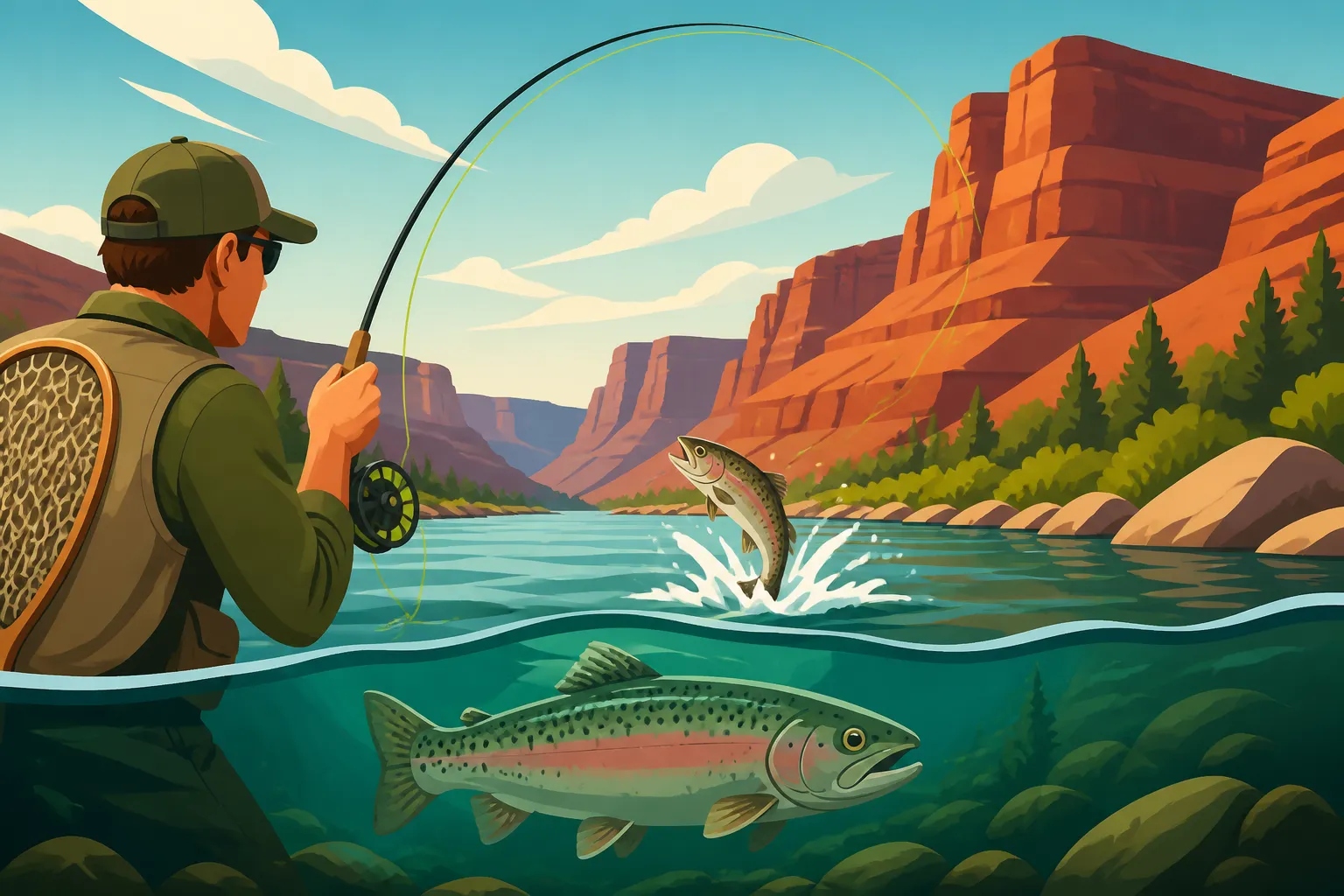
Wild trout have a different kind of intelligence. They've had to survive and thrive without human intervention, making them more wary and challenging to catch, which, let's be honest, is part of the allure! They tend to be more sensitive to subtle changes in conditions and require a more refined approach than their hatchery counterparts. Brown trout in particular can grow to impressive sizes in the Green, often pushing into the multi-pound range, and they are notorious for their elusive nature and powerful runs. Rainbows are equally feisty, known for their acrobatic jumps once hooked. You'll also find some cutthroat trout, though in smaller numbers, particularly the native Bonneville cutthroat. This blend of wild, healthy, and often large trout is what elevates the Green River experience above so many other places. Successfully landing one of these fish feels like a true accomplishment, not just because of their size, but because you've outwitted a truly wild creature in its natural habitat.
Essential Gear for the Green River Blue Ribbon
Approaching a world-class fishery like the Green River requires being properly equipped. It's not about having the most expensive gear, but rather the right gear that will give you the best chance for success and keep you comfortable throughout your fishing adventure. Don't skimp on the essentials, as you'll quickly realize why a bit of planning goes a long way here.
Rods, Reels, and Lines for Success
When it comes to fly rods for the Green River, versatility is key. Most anglers find a 4-weight or 5-weight fly rod to be ideal for the majority of situations. A 4-weight offers a delicate presentation for tiny dry flies and small nymphs, which is often crucial for these wary fish. A 5-weight provides a bit more backbone for casting slightly larger flies, handling windy conditions, and fighting bigger trout. If you're specifically targeting larger brown trout with streamers, a 6-weight can be a fantastic choice. For length, a 9-foot rod is standard and offers excellent line control and casting distance.
Your fly reel doesn't need to be a top-of-the-line, drag-adjustable marvel, but it should be reliable. A good large arbor reel will help with quick line retrieval, which is helpful when a wild Green River trout decides to make a dash for it. Load your reel with a good quality weight-forward floating fly line that matches your rod weight. This will be your workhorse for dry flies and indicator nymphing. Some anglers also carry a spare spool with a sink-tip line for streamer fishing in deeper runs.
Leader and tippet choice is paramount on the Green. Because the water is so clear and the fish are so discerning, you'll want to use long leaders (9-12 feet), often tapering down to fine tippet. Fluorocarbon tippet in 4X, 5X, and even 6X is highly recommended due to its low visibility underwater and abrasion resistance. Many anglers buy a variety pack of tippet from a brand like Rio or Scientific Anglers, which you can often find readily available on Amazon, ensuring you're prepared for different fly sizes and water conditions. Don't forget nippers and forceps for handling flies and hooks – these are absolute essentials!
Waders, Boots, and Safety Essentials
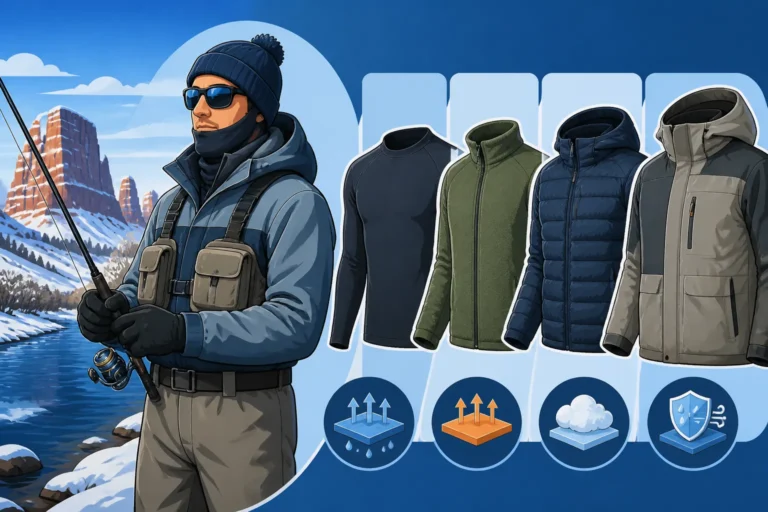
Comfort and safety go hand-in-hand when you're spending a day on the Green River. Investing in good quality breathable waders is a game-changer. The water is cold, even in summer, so reliable insulation and waterproofing are crucial. Breathable waders allow perspiration to escape, keeping you comfortable whether the air is warm or chilly. Brands like Simms and Orvis offer excellent breathable waders that stand up to the rigors of river fishing.
Equally important are sturdy wading boots. You'll be navigating slick, rocky riverbeds, so good traction is non-negotiable. Some anglers prefer felt soles for their grip on algae-covered rocks, while others opt for rubber soles with studs for better traction on muddy banks and varied terrain. Make sure your boots fit well and provide ankle support. A wading staff is another vital piece of safety equipment, especially if you're exploring unfamiliar stretches or dealing with swift currents. It provides an extra point of contact and can prevent a nasty fall.
Beyond just staying dry, consider other safety gear. If you plan on floating the river, whether in a raft or drift boat, a properly fitted personal flotation device (PFD) is an absolute must. Even for wade anglers, a PFD can offer peace of mind, especially when wading deep or crossing channels. Other essentials include polarized sunglasses to spot fish and protect your eyes, a brimmed hat for sun protection, and a small first-aid kit for minor cuts and scrapes. Always tell someone your float plan or where you intend to fish, and carry a fully charged phone in a waterproof case. For more specific wader advice, you might find useful information in a guide like Best Waders for Cold Provo River Water, as the principles often apply to other cold Utah tailwaters.
Your Fly Box: Must-Have Patterns
Successfully fishing the Green River often comes down to presenting the right fly at the right time. While specific hatches vary throughout the year, there's a core selection of patterns that every angler should have in their box. It's smart to check with local fly shops in Dutch John or Manila just before your trip for the most up-to-date hatch reports, but these will get you started.
For nymphing, which is often the most productive method, you'll want a good selection of midge patterns (zebra midges, larva/pupa patterns), blue-winged olive (BWO) nymphs, caddis larvae and pupae (pheasant tail, hare's ear, caddis emergers), and stonefly nymphs (pat's rubber legs, 20-in-nymph). Sizes ranging from #14 down to #22 are common. Many of these effective patterns are also mentioned in guides like Best Nymph Patterns for Utah Tailwaters.
When the fish are rising, dry fly fishing can be exhilarating. Essential dry flies include BWO emergers and adults, PMDs (Pale Morning Duns), various caddis patterns (elk hair caddis, peacock caddis), and attractor patterns like parachute Adams or a large hopper/stonefly imitation, especially in late summer and fall. Having these in sizes #16-#22 will cover most situations. Remember, presentation is everything when they're looking up, so having a few different sizes and colors of your chosen pattern can make a big difference.
Finally, don't overlook streamers, particularly for targeting the larger, predatory brown trout. Patterns like woolly buggers (black, olive, brown), sculpin imitations, and articulated streamers can be incredibly effective when stripped through deeper runs or along submerged structure. Having a variety of sizes and colors, especially in black, olive, and natural baitfish hues, is wise. You can find a fantastic selection of all these fly types on Amazon, or even better, support a local fly shop that can give you current advice. Building a versatile fly box is key to adapting to the Green River's ever-changing moods. And for a general overview of useful flies, consider looking at Flies Every Beginner's Utah Fly Box Needs.
Proven Techniques for the Green River Blue Ribbon
The Green River offers diverse fishing opportunities, but to consistently find success, you'll want to master a few core techniques. These methods are proven to work on wary, wild trout and will form the backbone of your fishing strategy on this incredible river.
Nymphing: The Go-To Method
If there's one technique that consistently produces fish on the Green River, it's nymphing. Trout spend the vast majority of their lives feeding subsurface on nymphs, larvae, and pupae. Therefore, presenting a fly that mimics these insects effectively is often your best bet.
Indicator nymphing is probably the most common approach. This involves using a strike indicator (like a small bobber) on your leader to suspend one or two weighted nymph patterns at the depth where fish are feeding. The key is to achieve a completely natural, drag-free drift. Imagine your flies drifting along with the current, just like a natural insect would. This requires careful line management, mending your line upstream to avoid drag, and paying meticulous attention to your indicator. Any pause, twitch, or disappearance of the indicator could mean a fish has taken your fly, and a quick, sharp hookset is in order.
For those looking for a more direct connection, Euro nymphing (or tightline nymphing) has gained immense popularity. This technique foregoes a traditional indicator in favor of a specialized leader and rod setup that allows you to feel subtle takes. You keep a tight line to your nymphs, using the rod tip to track their drift and detect strikes. This method is incredibly effective for covering various depths and feeling even the slightest bump from a trout. Regardless of the nymphing style, reading the water is crucial. Look for seams where faster and slower currents meet, riffles that dump into deeper pools, and any structure that might provide cover for fish. These are prime nymphing zones.
Dry Fly Fishing: When the Hatch is On
There are few things as exhilarating in fly fishing as watching a trout confidently rise to your dry fly. On the Green River, dry fly fishing can be spectacular, but it often requires patience and precision. You typically need a good hatch of aquatic insects occurring for this method to be consistently effective.
The first step is to spot rising fish. Look for dimples, swirls, or actual noses breaking the surface. Observe the rhythm and location of their rises. Are they consistently rising in the same spot, or are they moving around? Next, you need to match the hatch. This means identifying the insect that the fish are actively feeding on. Pay attention to the size, color, and silhouette of the natural insects floating on the water. This is where your diverse fly box comes in handy. Try to choose a dry fly that closely mimics the natural.
Once you've identified the hatch and spotted a riser, presentation is paramount. Cast your dry fly upstream of the rising fish, allowing it to drift naturally into their feeding lane. A drag-free drift is critical – if your fly line or leader pulls the fly unnaturally across the water, the fish will likely refuse it. This often requires careful mending of your fly line during the drift. Stealth is also important; approach slowly, cast carefully, and avoid spooking the fish with shadows or splashes. When a fish takes your dry fly, a gentle but firm upward sweep of the rod tip is usually all that's needed to set the hook. The Green River often sees excellent BWO and caddis hatches throughout the year, making dry fly opportunities a regular occurrence for observant anglers.
Streamer Fishing for Big Browns
While nymphing and dry fly fishing target actively feeding trout, streamer fishing is all about triggering a predatory response, particularly from the larger brown trout that patrol the Green River. These big browns often feed on baitfish, and a well-presented streamer can imitate a juicy meal.
The technique typically involves casting a streamer (a fly designed to imitate baitfish like sculpins, chub, or other small fish) across or slightly downstream into deeper runs, along undercut banks, or near submerged rocks and logs – anywhere a large predator might lie in wait. After the cast, you use a series of strips and pauses to give the streamer an erratic, injured-baitfish action. Experiment with the speed and length of your strips until you find what triggers a strike. Sometimes a fast, aggressive strip is best, other times a slower, more deliberate retrieve with longer pauses.
Streamer fishing can be a lower-numbers game compared to nymphing, but the fish you do hook are often the largest and most aggressive in the river. It's a fantastic way to target those elusive trophy browns. You'll want a slightly heavier rod (a 6-weight is often ideal) and a reel with a good drag system, as these fish hit hard and fight dirty. A sink-tip line can help get your streamer down to the fish faster in deeper water. Many good streamer patterns, like various colors of woolly buggers or sculpin imitations, can be found readily on Amazon. The key is confidence, covering water, and being prepared for an explosive strike!
Navigating the Green River: Wading vs. Floating
Deciding how you'll explore the Green River's Blue Ribbon section is a big part of planning your trip. Both wading and floating offer unique advantages and challenges, and understanding them will help you make the best choice for your adventure.
Wading the Green: Access Points and Challenges
For many anglers, wading the Green River offers an intimate connection with the water and the opportunity to focus on specific runs and pockets. There are several popular access points that cater to wade anglers. In Section A, Little Hole is a prime spot, offering trails that lead to various stretches of water. The campground area itself and downstream provide plenty of wading opportunities. Further down, places like Indian Crossing in Section B and the Swinging Bridge in Section C also offer good bank access and wadeable areas, though the river typically widens as you move downstream, making full-river crossing more difficult.
The biggest challenge for wade anglers is, without a doubt, the current and the river bottom. While the water is clear, the current can be deceptively strong, especially after higher dam releases. The bottom is often slick with algae-covered rocks, demanding sturdy wading boots with good traction. I always recommend using a wading staff to maintain balance and probe unknown depths. Safety is paramount; never wade alone if possible, always shuffle your feet rather than lifting them to avoid tripping, and be aware of potential deep holes or swift drop-offs. One of the great joys of wading is the chance to find a quiet stretch of water and truly "read" it, dissecting every seam and ripple. It's also an excellent way to practice stealth, as wary Green River trout are easily spooked by clumsy movements or shadows.
Floating the Green: Drift Boats and Rafts
Floating the Green River in a drift boat or raft is arguably the most popular way to experience its full majesty and cover a lot of water. It allows you to access stretches of river that are difficult or impossible to reach by wading alone, opening up miles of prime fishing habitat. Many anglers opt to hire a professional guide for their first float trip, and for good reason. Guides provide the boat, all the necessary safety gear, expert knowledge of current conditions, and invaluable insights into where the fish are holding and what flies they're eating. If you're considering a career in guiding yourself, it’s worth researching How to Become a Licensed Fishing Guide in Utah.
For those with their own watercraft, a drift boat is often preferred for its maneuverability and comfortable fishing platforms. Rafts are also popular, especially for those seeking a more rugged experience or carrying more gear. Standard put-in points include the Dam Overlook (for Section A floats), Little Hole (for Section B floats), and Indian Crossing (for Section C floats). Take-out points are Little Hole, Indian Crossing, and Swinging Bridge. Planning your shuttle ahead of time is essential. Remember to always have a proper PFD for everyone on board and adhere to all Utah boating regulations. Floating provides the luxury of fishing from a stable platform, allowing for easier casting and the ability to hit numerous spots in a single day. You can find more specific advice on this in articles like How to Fly Fish From a Drift Boat on the Green River.
| Feature | Wading | Floating |
|---|---|---|
| Access | Limited to specific points, more effort to reach diverse water | Covers vast stretches, easier to access varied habitats |
| Cost | Generally lower (gear only) | Higher (boat rental/purchase, shuttle, guide fees) |
| Solitude | Can find quiet spots with effort | Easier to find solitude, especially in Sections B & C |
| Skill Level | Requires good balance and river reading skills | Requires rowing/paddling skills or a guide |
| Safety | Risk of falling, swift currents; wading staff essential | Requires PFDs, boat handling skills; less risk of direct water entry |
| Coverage | Focused on specific runs/pockets | Covers many miles, diverse water types |
| Gear Required | Waders, boots, wading staff | Boat, oars/paddles, PFDs, trailer, shuttle vehicle |
Understanding Flow Rates and Their Impact
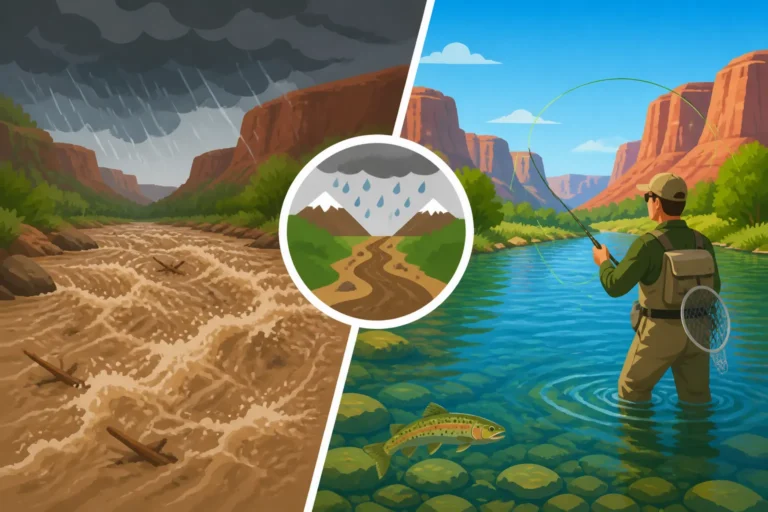
The Green River's flow rate, controlled by releases from the Flaming Gorge Dam, is a critical factor that influences everything from wading access to fish behavior. These flows are typically measured in cubic feet per second (cfs), and you can usually find real-time flow data online from various sources.
Lower flow rates (e.g., below 1,000 cfs) generally make wading easier and open up more accessible areas of the river. The water speed is less intense, and more gravel bars and shallow riffles become accessible. However, fish can become warier in lower, clearer water, requiring finer tippets and more delicate presentations. On the flip side, higher flow rates (e.g., above 1,500 cfs, sometimes much higher) make wading significantly more challenging and potentially dangerous. Many spots become unfishable from shore. However, higher flows can concentrate fish in slower seams and eddies, and the increased water volume can make fish feel more secure, sometimes leading to more aggressive feeding. Floating becomes the primary method during higher flows, as it allows anglers to target these concentrated fish.
Always check the current flow rates before planning your trip, as they can change daily or even hourly depending on dam operations. This information will dictate your strategy – whether you'll focus on wading specific, calmer sections, or if a float trip is the only viable option. Understanding how these flows affect How Water Temperature Affects Utah Trout Fishing and fish behavior is key to adapting your techniques and maximizing your success on the Green River. Remember, a little preparation goes a long way in ensuring a safe and productive day on the water.
Disclaimer
This article is for general informational purposes only and does not constitute professional advice. Laws, prices and regulations vary by location and change over time. Consult a qualified professional for guidance on your specific situation.