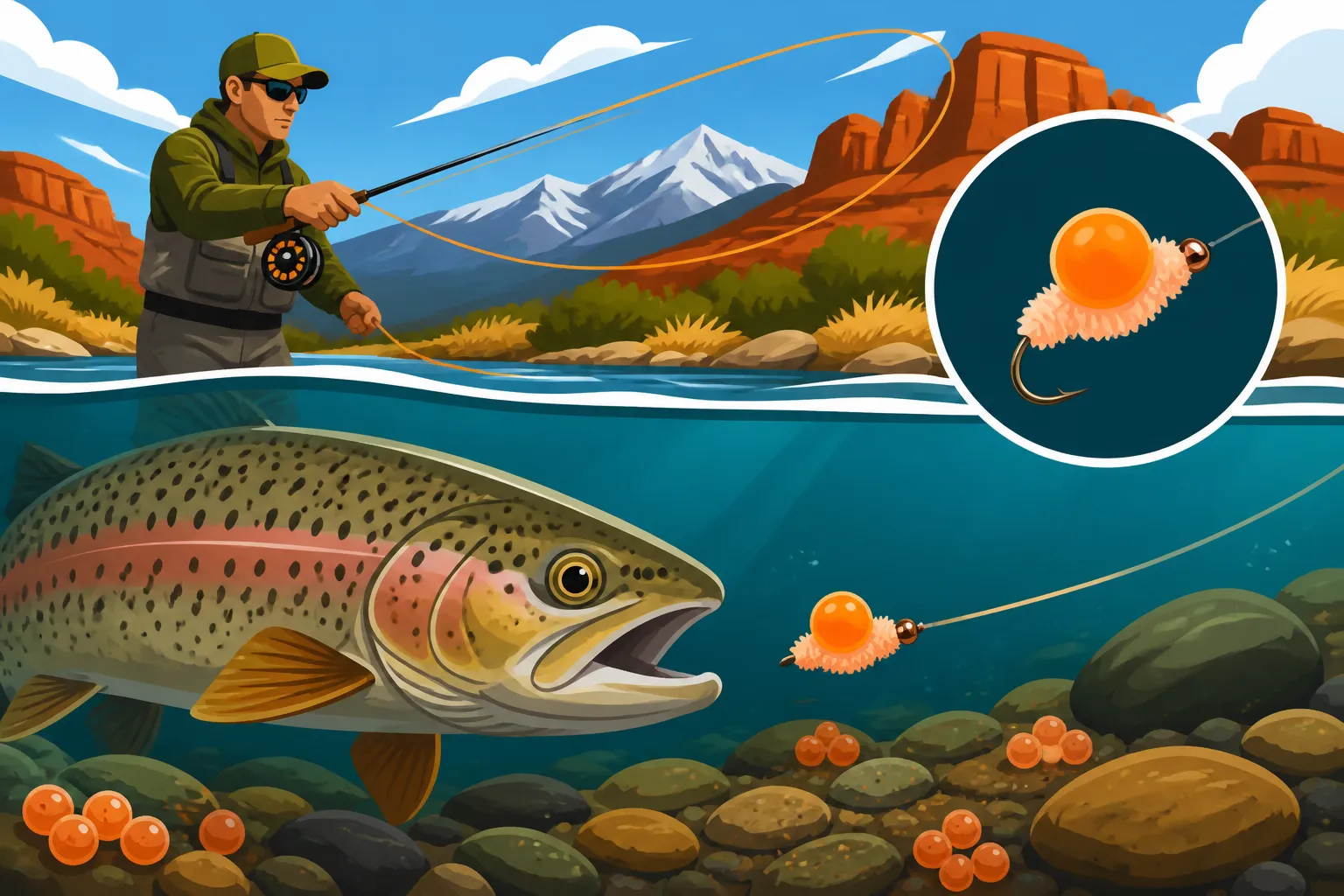
How to Fish an Egg Pattern During Trout Spawn
The trout spawn season in Utah can be both an exciting and confusing time for anglers. On one hand, you know the fish are actively feeding, especially on the protein-rich eggs being laid. On the other, you want to ensure you're fishing ethically and effectively, respecting the natural cycle while still making the most of the opportunity. This guide will walk you through everything you need to know about successfully and responsibly fishing egg patterns during the trout spawn in Utah's diverse waters.
Understanding the Trout Spawn in Utah
The trout spawn is a critical biological event, a time when trout reproduce, ensuring the continuation of their species. For us anglers, it presents a unique fishing opportunity, but one that requires a deep understanding of the fish's behavior and, critically, the rules and ethics involved. It’s not just about catching fish; it’s about participating in the ecosystem respectfully.
Why Trout Spawn Matters to Anglers
When trout are actively spawning, their primary focus shifts dramatically. They're no longer just looking for a meal of insects or small baitfish; their instincts drive them to reproduce. This means they'll gather in specific areas, often in shallower, gravelly beds where they can lay and fertilize eggs. While engaged in this primal activity, they become particularly protective of their redds (spawning nests) and, importantly for us, will often readily strike at anything that resembles a competitor's egg or an opportunistic snack. Eggs, whether fresh or dislodged from a redd, become a prime food source for not just the spawning trout themselves, but also for other trout species, whitefish, and even smaller bottom feeders that hang around these areas, waiting for an easy meal. This concentrated food source can make fishing highly productive if approached correctly. It’s a game of understanding the drive that compels these fish to act in ways they wouldn't at other times of the year.
Key Utah Trout Species and Their Spawning Times
Utah is home to several fantastic trout species, and each has its own preferred spawning schedule. Knowing these times is crucial because it dictates when and where you should be focusing your efforts with egg patterns. Generally, rainbow trout and cutthroat trout are spring spawners. You'll often see them preparing redds and laying eggs from late winter through early spring, as water temperatures begin to rise. This can vary quite a bit depending on the specific water body and elevation, with lower elevation rivers and reservoirs kicking off earlier. For instance, the famous Bonneville Cutthroat Trout, Utah's state fish, often spawns in tributaries as snowmelt increases in spring. On the flip side, brown trout and brook trout are fall spawners. Their reproductive cycle typically runs from late summer into late fall, as water temperatures begin to drop. This means you could be fishing egg patterns for brown trout in the autumn and then switch to rainbow or cutthroat egg patterns in the spring. Understanding these patterns, which are detailed further in a comprehensive When Do Utah Trout Spawn? guide, allows you to target the right fish at the right time.
Ethical Considerations and Regulations During Spawn
This is perhaps the most important section when discussing fishing during the spawn. While egg patterns can be incredibly effective, there are significant ethical considerations and strict regulations in Utah that anglers must adhere to. Firstly, never target actively spawning fish on redds. Disturbing spawning trout can disrupt their reproductive cycle, damage redds, and harm future fish populations. It's generally considered unethical to cast directly to fish that are clearly engaged in spawning activity. Instead, focus on fish that are holding downstream of redds, waiting for eggs to drift by, or those that have completed spawning and are recuperating.
Secondly, always consult the current Utah Fishing Regulations Explained for specific water bodies. Some waters have seasonal closures during spawning periods, explicitly to protect these vulnerable fish. For example, you might find some rivers designated as "catch-and-release only" or even completely closed to fishing during certain months, as covered in Why Do Some Utah Waters Close During Trout Spawning Season?. Ignorance of the rules is not an excuse, and violating these regulations can result in hefty fines and even loss of fishing privileges. Remember, our privilege to fish depends on our commitment to conservation and responsible angling practices. It's about ensuring future generations get to enjoy Utah's incredible fisheries as much as we do today.
The Art of Fishing Egg Patterns
Fishing egg patterns isn't just about tying on a round, colorful fly. It's about understanding how eggs behave in the water, what makes them enticing to trout, and how to present them naturally. There's a subtle art to it that, once mastered, can unlock some truly incredible fishing experiences, especially when trout are keyed in on this specific food source.
Essential Gear for Egg Pattern Success
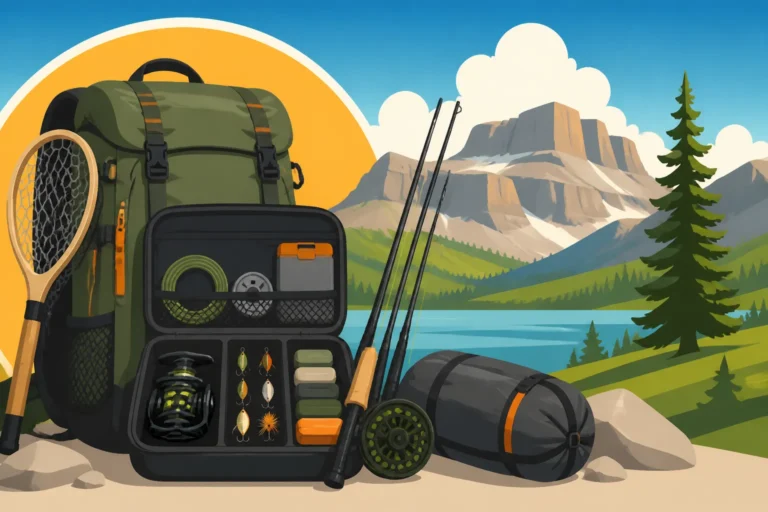
To effectively fish egg patterns, you'll want to ensure your gear is up to snuff. This doesn't mean you need the most expensive setup on the market, but having the right tools certainly helps.
- Rods and Reels: For river fishing, a 9-foot, 4- to 6-weight fly rod is a fantastic all-around choice, offering enough backbone to cast weighted rigs and enough sensitivity to detect subtle takes. For stillwaters, you might opt for a slightly heavier 6 or 7-weight to handle larger fish or windy conditions. Pair these with a reliable reel that has a smooth drag system. If you're using spin tackle, a light-to-medium action rod around 6.5 to 7 feet is ideal, offering good casting distance and sensitivity.
- Line: For fly fishing, a weight-forward floating line is standard. You'll attach a leader and tippet to this. For spin fishing, a light monofilament or fluorocarbon line in the 4-6 lb test range is usually perfect, as it offers low visibility and good abrasion resistance.
- Egg Patterns: This is where the fun begins! Egg patterns come in a dizzying array of colors and sizes. Common colors include peachy orange, pink, chartreuse, cream, and even multi-color "glo bugs." Sizes typically range from size 10 down to 18. Having a variety on hand is key, as trout can be surprisingly picky about color and size on any given day. Some popular patterns include the Otter's Soft Egg, Clown Egg, or basic Glo Bugs. You can find excellent selections from various brands on platforms like Amazon, often in multi-packs, giving you a good starting point for your fly box.
- Weights and Indicators: To get your egg patterns down to where the fish are, you'll need split shot or tungsten putty. Tungsten is often preferred because it's denser and less prone to getting snagged. For fly fishing, a strike indicator (like a Thingamabobber or a yarn indicator) is crucial for detecting bites, especially when nymphing with egg patterns. Spin anglers can use small slip bobbers or simply rely on line watching.
- Nets: Always carry a suitable landing net, especially if you plan on practicing catch and release. A net with a rubberized mesh is best as it's gentler on the fish's slime coat and won't tangle hooks as easily, helping you to How to Release a Fish Without Hurting It in Utah.
Rigging Your Egg Pattern for Maximum Attraction
Proper rigging is paramount to making your egg pattern look natural and enticing. A poorly presented egg will be ignored, no matter how perfect the fly looks out of the vise.
The Nymphing Rig (Fly Fishing)
For river and stream fishing, the standard nymphing rig is king. Start with your fly line, attach a 7.5 to 9-foot tapered leader (often 3X or 4X), and then a section of fluorocarbon tippet (5X or 6X) where your egg pattern will be tied. The length of your tippet depends on the water depth; you want your fly to drift naturally along the bottom.
Above your egg pattern, attach small split shot or tungsten putty. The amount of weight will depend on the current speed and depth – enough to get your fly down quickly but not so much that it constantly snags the bottom. Experimentation is key.
Finally, attach a strike indicator a few feet above your weight. The distance from the indicator to your fly should be roughly 1.5 times the depth of the water you're fishing. This allows the egg to drift naturally without being pulled up by the indicator. For a more subtle approach, you can even use a "Euro nymphing" style leader without an indicator, relying on line tension and visual cues for strikes.
The Drop Shot Rig (Spin Fishing)
Spin anglers can achieve an excellent egg presentation using a drop-shot rig, especially in slower currents or stillwaters. Tie a small, sharp hook (size 10-14) directly to your main line or a fluorocarbon leader, leaving a tag end of about 6-12 inches below the hook. At the very end of this tag, tie on a small drop-shot weight. This setup allows your egg pattern to suspend slightly off the bottom, fluttering naturally with any current, while the weight keeps it in the strike zone. You can also use a simple bottom-bouncing rig with a small egg sinker or split shot above a swivel, with a leader (18-24 inches) to your egg pattern. This is a versatile way to present your egg, allowing it to tumble along the bottom without getting buried in the silt or snags.
Presentation Techniques for Different Waters
Once your rig is set, it's all about how you present that egg pattern to the fish. The goal is always to make it look like a natural, unattached egg drifting helplessly downstream or suspended enticingly.
Drift Fishing in Rivers
For rivers and streams, drift fishing is the primary technique. Cast your rig slightly upstream and across the current, allowing your egg pattern to drift downstream naturally, without drag. "Drag" occurs when your line pulls the fly unnaturally through the water, making it look fake. Mend your line (throwing slack upstream) as needed to maintain a natural, dead drift. Watch your strike indicator intently – any hesitation, dip, or sideways movement could indicate a bite. For spin anglers, this means slowly reeling in just enough to keep slack out of the line, letting the current do most of the work, and feeling for subtle tugs. It’s a very active form of fishing that requires constant attention.
Stillwater Tactics
In lakes and reservoirs, where there's no current to carry your egg, you'll need to impart some movement yourself. If fishing from shore, cast out your egg pattern (perhaps on a drop-shot or a small weight with a leader) and let it sink to the bottom. Then, retrieve it with slow, short twitches, pausing frequently. This mimics an egg dislodging and settling, or even a small invertebrate feeding on eggs. If fishing from a boat, trolling at very slow speeds with an egg pattern suspended beneath a bobber or fished with a small weight can be effective. You can also anchor up and cast to suspected spawning areas or drop-offs, slowly working your egg back to the boat. Sometimes, a completely static presentation, letting the egg sit on the bottom, can also work as opportunistic fish scavenge.
Tactical Approaches for Utah's Diverse Waters
Utah's fishing landscape is incredibly varied, from high-desert rivers to alpine lakes. Successfully fishing egg patterns means understanding how to adapt your strategies to these different environments and the specific behaviors of trout within them.
River and Stream Tactics
River fishing during the spawn demands precision and stealth. Trout often choose shallower, oxygenated riffles and runs with gravelly bottoms to create their redds. However, as we discussed, targeting fish on redds is a no-go.
Identifying Productive Areas
Instead, look for fish holding in deeper pools directly downstream from known spawning areas. These are often larger trout that have either finished spawning, are waiting their turn, or are simply opportunistic feeders positioned to intercept loose eggs washing downstream. Seams between faster and slower water, eddy lines, and current breaks behind rocks or logs are also prime locations where dislodged eggs might accumulate. Remember, these fish are often keenly aware of their surroundings, so approach quietly and avoid heavy footsteps on the bank. If you notice a concentration of smaller fish, like sculpins or dace, in a particular area, it's often a good sign that eggs are present and larger trout might be lurking nearby.
Adjusting Your Setup
When fishing rivers, adjust your indicator depth and weight regularly. The riverbed isn't uniform, and what works in one run might snag in the next. Start with your indicator set to about 1.5 times the perceived depth, then adjust as needed to ensure your egg is ticking the bottom without constantly hanging up. On a faster, deeper run, you might need more weight and a longer leader. In a slower, shallower section, lighten up. Using lighter tippet, like 6X or 7X fluorocarbon, can also make a significant difference in presentation and getting bites, especially in clear, low-water conditions. For those who enjoy fly fishing, learning How to Match the Hatch on the Provo River can be beneficial even for egg patterns, as the local insects may still be a fallback food source.
Stealth and Approach
Trout, especially larger ones, are incredibly wary in rivers. Their natural habitat teaches them to be cautious. When you're approaching a riverbank, walk softly. Keep a low profile, especially if the sun is high and casting your shadow over the water. Long casts are often better than short ones, as they keep you further from the fish and reduce your chances of spooking them. Consider the angle of the sun and how it affects water clarity and visibility for the fish. Sometimes, fishing into the sun can make it harder for fish to see you, but also harder for you to see your indicator. The goal is to present your egg pattern as naturally and undisturbed as possible, and that starts long before the fly hits the water.
Stillwater and Reservoir Strategies
Lakes and reservoirs present a different challenge than rivers. Without a strong current to carry your egg patterns, you have to be more deliberate in your presentation and locating fish.
Locating Spawning Areas in Lakes
Even in large stillwaters, trout will seek out specific areas for spawning. These often include shallow, gravelly flats near inlets or springs, or even rocky shorelines. Look for areas where feeder creeks enter a reservoir, as these spots provide fresh, oxygenated water and suitable gravel for redds. Once you've identified potential spawning zones, remember the ethical considerations: fish around these areas, not directly on them. Focus on the drop-offs adjacent to the shallow flats, or deeper channels where fish might congregate before or after spawning. These areas are often prime holding spots for larger trout looking for an easy meal without expending too much energy.
Effective Retrieve Techniques
As mentioned, you need to impart movement to your egg pattern in stillwater. A slow, methodical retrieve is usually best. Cast your rig out and let it sink, then begin a series of slow strips or short twitches. Think about what a loose egg might do – it would sink slowly, perhaps get nudged by a current or another fish, and then settle. Vary your retrieve speed and depth until you find what the fish prefer. Sometimes a steady, ultra-slow retrieve just off the bottom is irresistible. Other times, letting the egg sink and then slowly dragging it across the bottom, stirring up a puff of silt, can trigger a strike. Using a boat with a trolling motor can help you cover more water, slowly drifting or moving to present your egg pattern over different depths and structures. For fly anglers, a balanced leech or a small nymph fished in tandem with an egg pattern can also be incredibly effective, as fish might key into a broader range of food sources.
Wind and Weather Adaptations
Wind can be your friend or foe in stillwater. A light breeze can create a natural drift for your boat or float tube, allowing you to cover water effectively. However, strong winds can make casting difficult and make it hard to feel subtle bites. On windy days, consider using slightly heavier indicators or weights to keep your line tight and your egg in the strike zone. If fishing from shore, seek out sheltered coves or points where the wind is less disruptive. Overcast days are often excellent for stillwater fishing, as the reduced light makes fish feel more comfortable moving into shallower water, and it can be easier to spot subtle takes on your line. Conversely, bright, sunny days might push fish deeper, requiring a heavier rig and more patient approach.
Adapting to Conditions and Fish Behavior
The spawn isn't a static event; it changes with temperature, light, and the individual fish's readiness. Being able to read the conditions and adjust your tactics is what separates a good angler from a great one.
Water Temperature and Clarity
Water temperature is the primary trigger for spawning, but it also affects fish activity. Early in the spawn, as temperatures are just hitting the ideal range, fish might be less aggressive. As the spawn peaks, their focus intensifies. After the spawn, trout may be lethargic and recuperating, making them harder to entice. Water clarity also plays a huge role. In clear water, subtle, natural-colored egg patterns (like cream or pale orange) might outperform brighter ones. You might also need longer, lighter leaders and tippets. In stained or murky water, brighter, more visible colors like chartreuse or hot pink can be more effective. High runoff conditions, as described in How Runoff Affects Utah River Fishing, can also make fishing challenging due to reduced visibility and strong currents.
Subtle Takes and Bite Detection
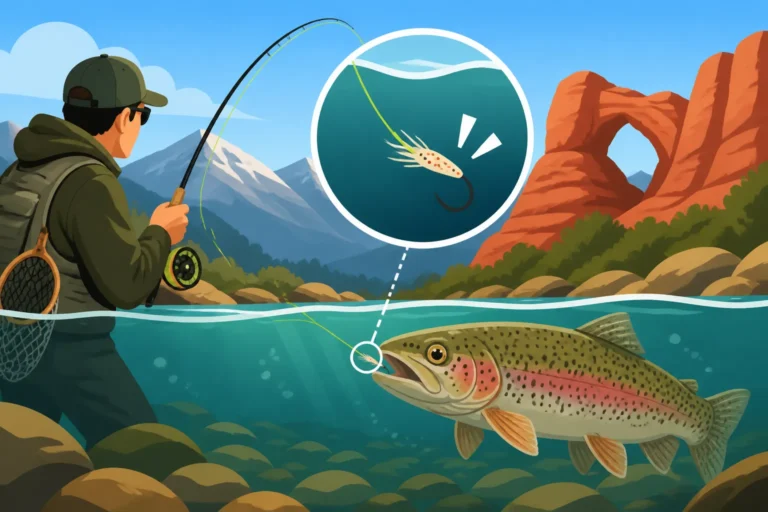
When trout are focused on eggs, their bites can be incredibly subtle. They're not always aggressively chasing down a fly; sometimes it's just a slight "mouthing" or "inhaling" of the egg. For fly anglers, this means watching your indicator like a hawk. Any twitch, dip, or pause should be met with a swift, subtle hookset. For spin anglers, it's about feeling for the slightest tap or watching for your line to tighten or move unnaturally. Many experienced anglers prefer using sensitive fluorocarbon lines for this reason, as it transmits these subtle bumps better. Don't be afraid to set the hook on anything that feels "off." You'll miss some, but you'll also connect with fish you would have otherwise overlooked. Practice makes perfect here.
Post-Spawn Strategies
Once the bulk of the spawning activity is over, trout, particularly the males, can be quite aggressive but also depleted of energy. They might still hit egg patterns out of habit or territoriality, but they'll also start looking for more substantial meals to replenish their energy. This is a great time to transition to larger nymph patterns, streamers, or even small baitfish imitations alongside your egg patterns. Sometimes, after a long and arduous spawn, a fish is simply looking for the easiest meal possible. Don't immediately abandon egg patterns, but consider diversifying your offerings to cater to these post-spawn fish that are slowly returning to their normal feeding patterns. The table below outlines some general guidelines for selecting egg patterns based on water conditions and fish behavior.
| Water Conditions | Fish Behavior | Recommended Egg Colors | Recommended Sizes | Rigging Considerations |
|---|---|---|---|---|
| Clear, Low Water | Spooky, observant | Cream, Pale Orange, Tan | #16 – #18 | Lighter tippet (6X-7X), subtle indicator |
| Stained, High Water | Less visible | Chartreuse, Hot Pink, Orange | #10 – #14 | Heavier weight, larger indicator |
| Cold Water | Lethargic, slow takes | Peach, Pink | #14 – #16 | Slow drift, minimal movement, very sensitive bite detection |
| Aggressive Spawners | Territorial, competitive | Bright Orange, Red | #10 – #12 | Focus on downstream drifts, quick hook sets |
| Post-Spawn Recovery | Hungry but cautious | Natural, Glo Bugs | #14 – #16 | Combine with small nymphs/streamers, varied retrieve |
Remember, fishing egg patterns during the spawn can be incredibly rewarding, but it's a practice that demands responsibility, knowledge, and a deep respect for the fish and their environment. By understanding the trout's natural cycles, adhering to regulations, and fine-tuning your techniques, you can enjoy some of Utah's most productive fishing while still being a steward of our precious aquatic resources. Tight lines!
Disclaimer
This article is for general informational purposes only and does not constitute professional advice. Laws, prices and regulations vary by location and change over time. Consult a qualified professional for guidance on your specific situation.