How to Fish Utah Waters During a Heat Wave
The brutal summer heat in Utah can feel like a real kick in the pants when all you want to do is get out on the water and catch some fish. You've been looking forward to that day all week, only to step outside and be hit by a wall of warmth that makes you wonder if anything will even be biting. It's frustrating to invest time and effort only to come up empty-handed because the fish seem to have vanished. This guide is all about navigating those sweltering conditions, helping you understand how fish react to a heat wave and giving you actionable strategies to still find success on Utah's waters, all while keeping yourself safe and comfortable.
Understanding Fish Behavior in Extreme Heat
When the mercury really starts to climb and stays there for days, it's not just us feeling the discomfort; the fish are going through it too. Water temperature plays a huge role in fish physiology, and extreme heat can turn their world upside down. It’s not simply that they don’t like being hot; it fundamentally changes their environment and how their bodies function.
The Impact of Water Temperature on Fish Metabolism
Think of it like this: just as a hot summer day can make you feel sluggish and less inclined to run a marathon, warm water affects a fish's metabolism. As water temperatures rise, the amount of dissolved oxygen in the water decreases. Fish, especially cold-water species like trout, need a certain level of oxygen to survive and thrive. When oxygen levels drop, they become stressed. Their metabolic rate might increase slightly in warmer water, but their ability to get oxygen to fuel that metabolism diminishes. This creates a stressful situation that makes them less active and less likely to chase down a meal. You might notice them congregating in areas where there's even a slight reprieve from the heat, almost like people huddling under a shady tree during a scorching afternoon. It's a key factor in How Water Temperature Affects Utah Trout Fishing.
Where Fish Seek Refuge from the Heat
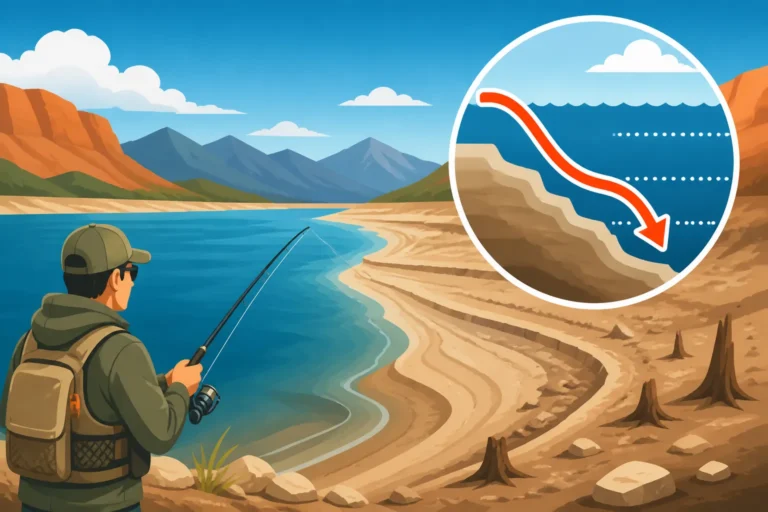
Fish aren't just going to sit there and bake; they're smart about seeking out cooler, more oxygenated water. In larger reservoirs and lakes, this often means moving deeper. Water stratifies, with cooler, denser water sinking to the bottom, especially in deeper sections. So, if you're fishing a lake like Flaming Gorge or Lake Powell, fish will head to those cooler depths. River mouths and inlets, where cooler stream water flows into a warmer lake, can also be hotspots. Subsurface springs, though harder to find without a fish finder, offer tiny oases of cold water. In rivers, fish will seek out deeper pools, areas of faster current (which often means more oxygen), or heavily shaded banks. Overhanging trees, undercut banks, and even large boulders can provide crucial shade and a few degrees of relief. Learning How to Find Cold-Water Pockets in a Utah Reservoir in Summer can dramatically improve your success.
Changes in Feeding Patterns and Activity Levels
During a heat wave, those aggressive, enthusiastic bites you get in spring or fall often disappear. Fish become more lethargic, conserving energy because of the stress of low oxygen and high temperatures. They might feed in shorter, more specific windows, typically during the coolest parts of the day – dawn, dusk, or even at night. Their feeding might also change from actively chasing down prey to more opportunistic, slow-moving scavenging. They're less likely to expend precious energy on a long chase. Instead, they might hold tight to structure, waiting for an easy meal to drift right by them. This means your presentation needs to be slower, more subtle, and often right in front of their noses.
Strategic Timing: When to Hit the Water for Success
Given how dramatically fish behavior changes with the heat, your timing becomes arguably the most critical factor in successful summer fishing during a heat wave. Trying to fish at noon on a 100-degree day in July is often a recipe for frustration and disappointment.
The Undeniable Advantages of Early Morning Fishing
If there's one golden rule for fishing during a Utah heat wave, it's "get up before the sun!" The pre-dawn and early morning hours are your absolute best bet. The water has had all night to cool down, often reaching its lowest temperature just as the sun starts to peek over the horizon. This period, typically from dawn until about 9 or 10 AM, sees fish at their most active. The increased oxygen levels and cooler temperatures invigorate them, making them more willing to chase and strike. For trout especially, these are the hours when they might move into shallower waters or closer to the surface to feed. Best Time of Day to Fish for Utah Trout definitely applies here. You'll often find that the first hour or two after sunrise can be incredibly productive, quickly tapering off as the sun climbs higher and starts to bake the water again.
Tapping into Evening and Night Fishing Opportunities
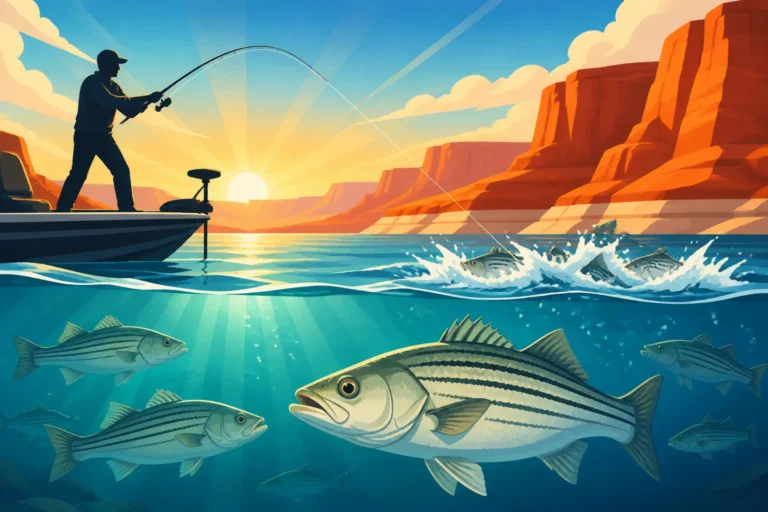
While early mornings are fantastic, don't overlook the magic that can happen as the sun dips below the horizon and the temperatures begin to fall. Evening and night fishing can be incredibly rewarding, especially for certain species. As the air cools and the light fades, species like catfish, walleye, and even striped bass (at Lake Powell, for instance) often become much more active. Catfish are notorious nocturnal feeders, moving into shallower areas to forage. Walleye, with their large, light-sensitive eyes, often hunt more effectively in low light. The serene quiet of fishing under the stars, with cooler air, can be a truly special experience. Just remember your headlamp and be extra cautious navigating in the dark!
Why Midday Fishing is Often a Lost Cause
Let's be real: trying to fish between 11 AM and 4 PM during a serious heat wave is often an exercise in futility. Not only are the fish at their most lethargic, hunkered down in the deepest, coolest, shadiest spots, but it's also the most dangerous time for you, the angler. The sun's UV rays are at their peak, and dehydration can set in quickly. If you absolutely must fish during these hours, you'll need to drastically adjust your approach, focusing on extreme depths, heavy shade, or very specific cold-water inflows. But honestly, for both your success rate and your personal well-being, it's often better to take a break, find some shade, and recharge for the cooler evening bite.
| Time of Day | Fish Behavior during Heat Wave | Angler Strategy |
|---|---|---|
| Pre-Dawn/Dawn | Most active, feeding opportunistically, closer to surface/shore | Target shallow, topwater or subsurface, fast retrieves; use a Best Headlamp for Early Morning Utah Fishing. |
| Mid-Morning | Moving deeper, seeking shade/cooler water, less active | Fish deeper structure, slower presentations, focus on shade. |
| Mid-Day/Early Afternoon | Lethargic, holding tight to deep cover/structure, minimal feeding | Avoid if possible; if fishing, go very deep, very slow, near cold water sources. |
| Late Afternoon/Dusk | Starting to move up, some species become active | Fish transition areas, edges of deep water, try topwater as sun sets. |
| Night | Nocturnal species (catfish, walleye, stripers) become very active | Focus on species-specific baits/lures, use a headlamp, target active cruising paths. |
Tactical Approaches for Warm Water Fishing
Once you've got your timing down, it's time to refine your actual fishing techniques. You can't just throw out your usual presentation and expect results in oppressive heat. It's about thinking like a fish and adapting to their stressed state.
Locating and Targeting Thermal Refugia
Your number one goal should be to find those pockets of cooler water. On a boat, a good fish finder with temperature readings is invaluable for locating depth where the thermocline might be, or identifying cooler inflows. Pay close attention to points, steep drop-offs, and submerged channels in reservoirs like Deer Creek or Jordanelle. If you're shore fishing, look for areas with deep water access right off the bank, or spots with constant shade, especially those created by bridges, large rock formations, or dense vegetation. River anglers should focus on deep pools, boulder gardens that create current breaks, or the confluence of smaller, cooler tributaries. Sometimes, just a few feet of depth or a sliver of shade can make all the difference.
Adjusting Your Gear and Presentation
When fish are sluggish due from the heat, they're not going to chase down a fast-moving bait. Slow it down, way down.
- Slower Retrieves: Whether you're using lures or flies, a snail's pace is often better. Let jigs sit on the bottom for extended periods, or twitch crankbaits with long pauses.
- Smaller Baits: Sometimes, a smaller, more subtle offering is less intimidating to a hesitant fish. Think small jigs, tiny soft plastics, or downsized spoons.
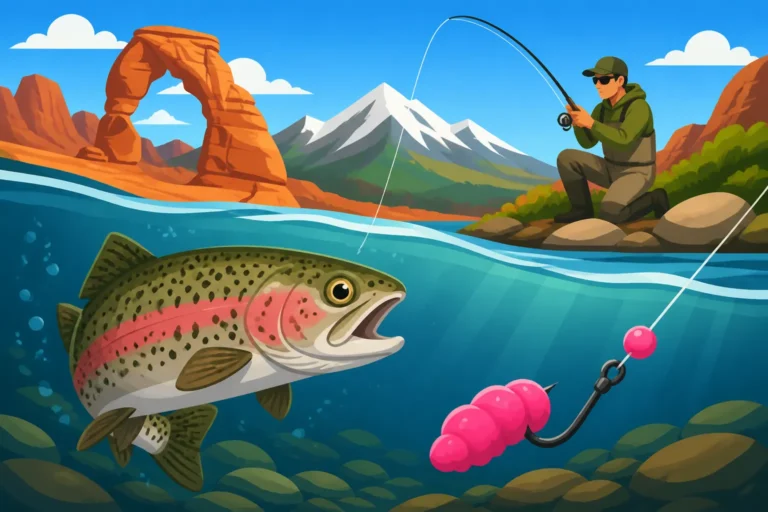
- Natural Baits: Live bait, such as worms, minnows (where legal), or even powerbait for stocked trout, can be incredibly effective when artificials fail. The natural scent and subtle movement can entice a reluctant bite.
- Lighter Line: Fish can be very line-shy in clear, warm water. A lighter fluorocarbon leader can make your presentation almost invisible, giving you a crucial edge.
- Targeting Depth: Use heavier weights or deeper diving lures to get your offering down to where the cooler water and fish are. For trout, this might mean bottom-bouncing with a worm or PowerBait; for bass, it could be a deep-diving crankbait or a Texas-rigged plastic on structure.
Prioritizing Fish Health: Catch and Release Best Practices
This is perhaps the most critical aspect of warm-water fishing. Fish are already under immense stress from the heat and low oxygen. Adding the stress of being caught can push them past their limit. If you're practicing catch and release, you have a responsibility to give those fish the best possible chance of survival.
- Minimize Fight Time: Land the fish quickly to reduce exhaustion.
- Keep Them Wet: Try to unhook fish without removing them from the water at all. If you must lift them, do so only for a quick photo, then immediately return them. Never put them on hot, dry surfaces.
- Wet Hands: Always wet your hands before touching a fish to protect their protective slime coat.
- Use Proper Tools: Carry needle-nose pliers or hemostats for quick hook removal. Barbless hooks can also make release much easier.
- Revive Carefully: If a fish seems sluggish, hold it gently upright in the water, facing into a mild current, until it regains strength and can swim away on its own. Don't pump it back and forth, as this can force water the wrong way over its gills.
This attention to detail when handling fish is crucial, especially for species like trout that struggle more in warm water. Following these guidelines gives them a fighting chance. It's truly a matter of respect for the resource and aligns with the best advice in How to Release a Fish Without Hurting It in Utah.
Staying Safe and Comfortable While Fishing in the Heat
Let's face it, even if the fish are biting, a heat wave can make fishing miserable or even dangerous for the angler if you don't take precautions. Your safety and comfort are just as important as catching fish.
Angler Safety: Hydration and Sun Protection are Paramount
During a heat wave, dehydration is a serious risk. You might not even realize how much you're sweating, especially if there's a breeze.
- Hydrate Relentlessly: Drink plenty of water before, during, and after your fishing trip. Don't wait until you're thirsty; by then, you're already starting to dehydrate. Electrolyte drinks can also be beneficial to replenish salts lost through sweat.
- Sunscreen is Non-Negotiable: Apply a broad-spectrum sunscreen with a high SPF liberally and reapply it every couple of hours, especially if you're sweating or getting wet. Don't forget often-missed spots like the tops of your ears, neck, and the backs of your hands.
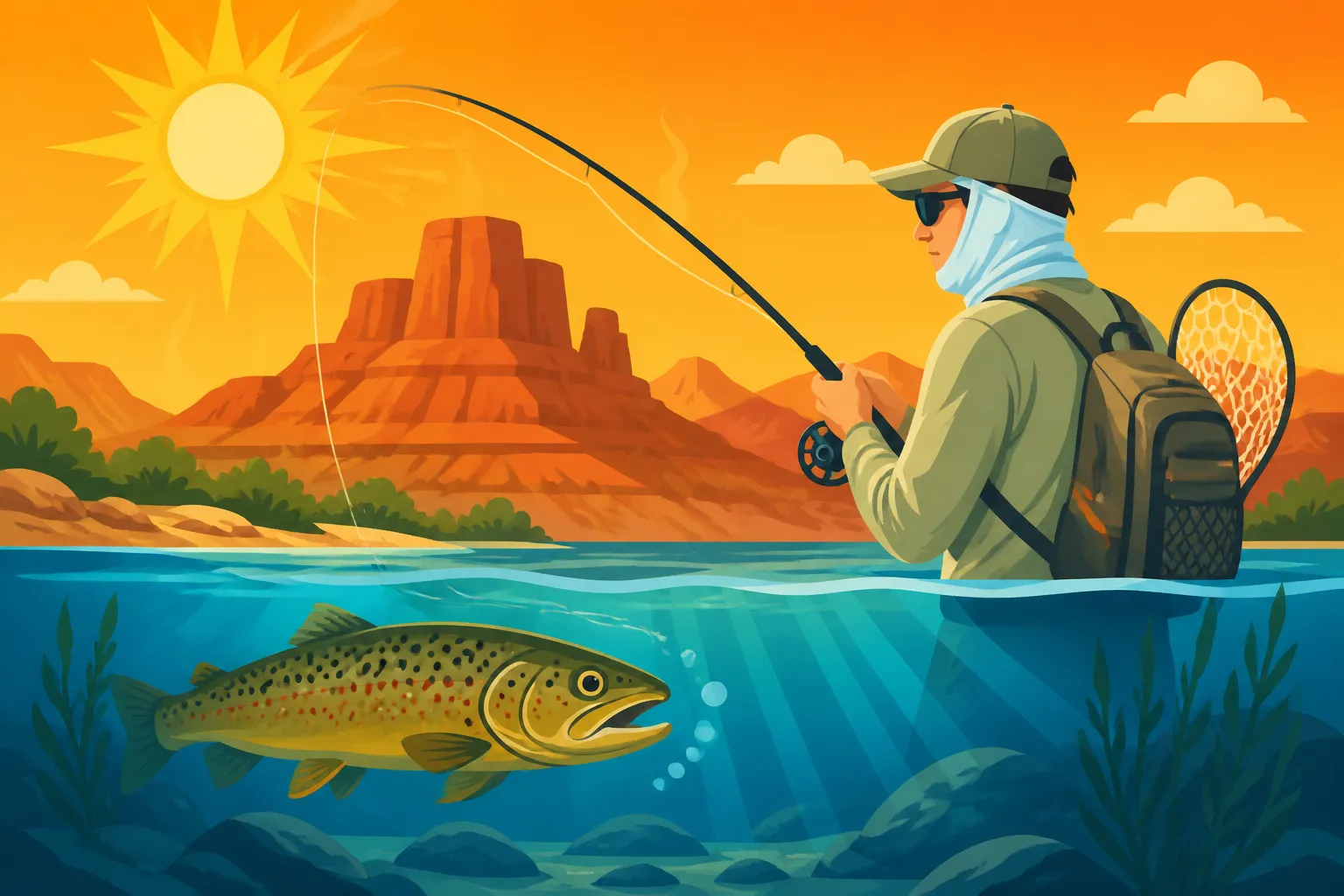
- Protective Clothing: Long-sleeved, lightweight, breathable shirts made from UV-protective fabric are your best friend. They keep the sun off your skin and often have wicking properties to help you stay cool. A wide-brimmed hat will protect your face, ears, and neck far better than a baseball cap. Even something as simple as a good pair of polarized Best Sunglasses for Sight Fishing in Utah, easily found on Amazon, can improve your visibility and comfort immensely, reducing glare and eye strain.
Essential Gear for a Heat Wave Fishing Trip
The right gear won't just make you more comfortable; it can be a game-changer for your success and safety.
- Quality Cooler: A good cooler packed with plenty of ice is essential. Not just for keeping your drinks cold, but if you're planning to keep any fish, you need to get them on ice immediately to preserve their quality. A sturdy cooler, perhaps one you scouted on Amazon, helps keep your provisions icy cold. This is covered in more detail in Best Coolers for Keeping Utah Fish Fresh.
- Wicking Clothing: As mentioned, clothing that wicks moisture away from your body helps with evaporative cooling. Brands often specialize in these technical fabrics.
- Cooling Towels: These can be soaked in water and draped around your neck to provide instant, refreshing relief. You can often find great deals on high-quality UV-protective clothing or a sturdy cooler on Amazon, which can make all the difference.
- First Aid Kit: Always carry a basic first aid kit for minor scrapes, cuts, or heat-related issues.
- Navigation and Communication: Even for a quick trip, ensure someone knows where you're going. Carry a fully charged phone or a GPS device.
Post-Catch Care for Kept Fish
If you decide to keep your limit, it's vital to handle them properly in the heat. Fish spoils quickly in warm temperatures. As soon as you land a fish you intend to keep, dispatch it humanely and immediately place it on ice in your cooler. Don't just toss it in a bucket of warm lake water to "keep it alive" – that's just stressing it further and compromising the meat quality. The goal is to cool the fish down as rapidly as possible. Proper handling ensures that the fish you bring home will be delicious and safe to eat. This extends directly from the advice in How to Store Fish on a Hot Day in Utah.
Fishing during a Utah heat wave requires a different mindset and approach, but it's far from impossible to have a successful and enjoyable day. By understanding how fish react to the heat, adjusting your timing, refining your techniques, and prioritizing your own safety and comfort, you can still find those elusive bites and make some great memories on the water, even when the sun is blazing.
Disclaimer
This article is for general informational purposes only and does not constitute professional advice. Laws, prices and regulations vary by location and change over time. Consult a qualified professional for guidance on your specific situation.