Best Time of Year for Trophy Trout in Utah
There's nothing quite like the thrill of reeling in a truly massive trout, a fish that tests your skill, patience, and tackle to its limits. But let's be honest, those trophy-sized beauties aren't exactly jumping onto every hook, and many anglers get frustrated trying to find them. This guide will help you understand the absolute best times of year to target and land those elusive lunkers in Utah's prime waters, moving beyond general advice to give you actionable, seasonal strategies for success.
Why Timing is Crucial for Trophy Trout
Successfully landing a trophy trout in Utah isn't just about having the right gear or knowing a secret spot; it's fundamentally about understanding the seasonal behavior of these magnificent fish. Their activity levels, feeding patterns, and even where they choose to hang out are deeply influenced by the changing seasons. Ignore these natural rhythms, and you're essentially fishing blind, hoping for a lucky strike rather than executing a strategic plan.
Water Temperature and Oxygen Levels
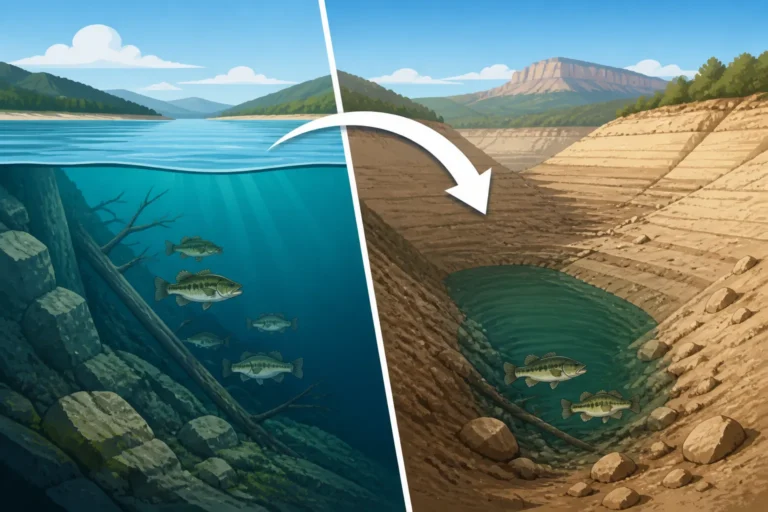
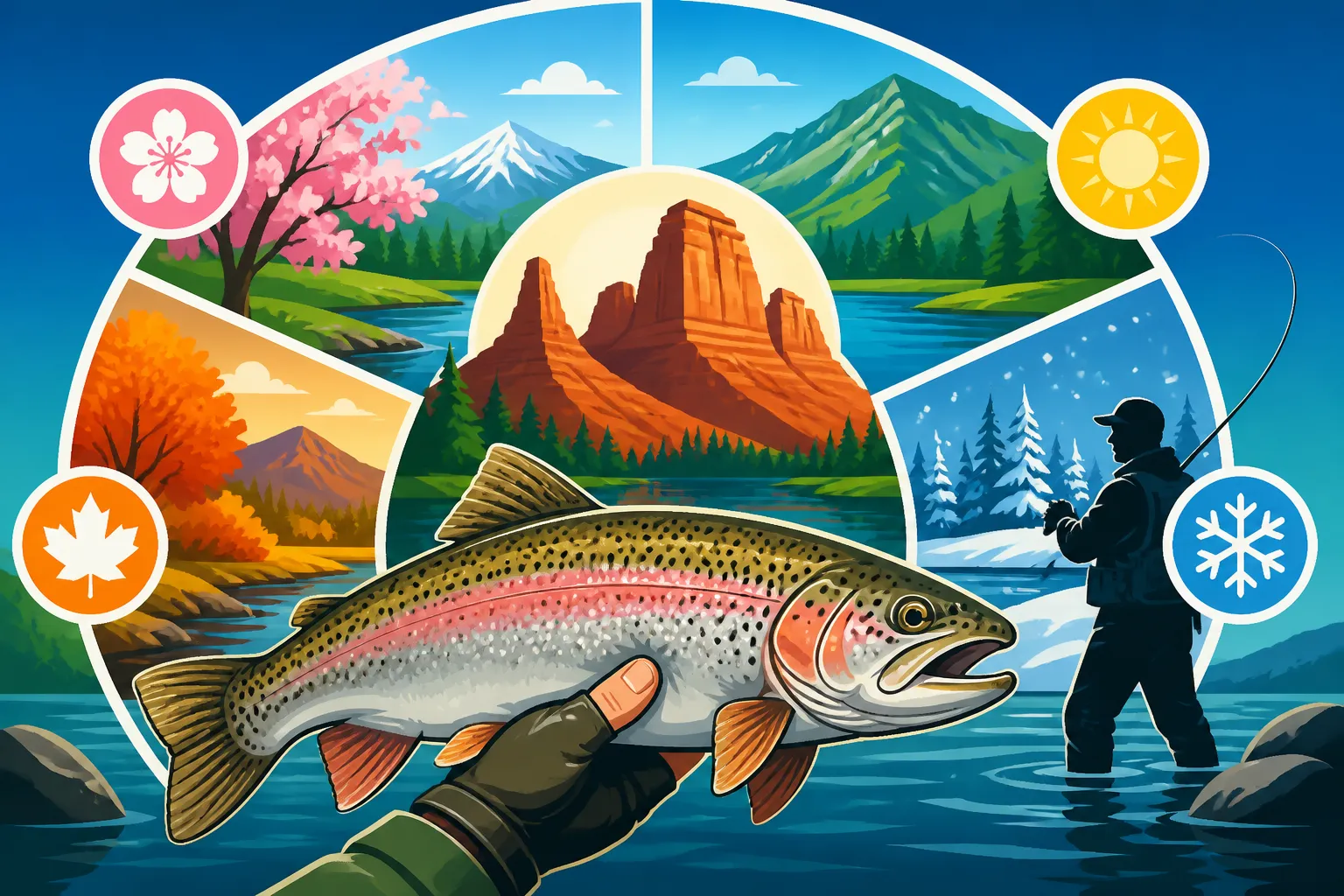
Trout, especially larger ones, are incredibly sensitive to water temperature and oxygen. As a general rule, trout thrive in cooler, well-oxygenated water. In spring, as ice melts and runoff begins, waters warm gradually, re-energizing trout that have been lethargic through winter. They become more active and start feeding aggressively. However, come summer, surface temperatures can become too warm in many reservoirs, forcing big trout into deeper, cooler, and more oxygenated thermal refuges. This is a critical point; if you're casting in shallow water on a hot August afternoon, you're likely missing the fish entirely. Understanding how to find those cold-water pockets in a Utah reservoir in summer is key to success. In fall, as temperatures drop, trout can spread out again, often moving shallower to feed heavily in preparation for winter or spawning. Winter, under the ice, sees stable cold temperatures, but metabolic rates slow down, requiring more subtle presentations.
Spawning Cycles and Forage Availability
The life cycle of trout, particularly their spawning periods, dramatically impacts their behavior and vulnerability. Many of Utah's prized trout species, like lake trout and brown trout, spawn in the fall. Leading up to this, they engage in intense feeding frenzies, gorging themselves to build up energy reserves. This pre-spawn period can be one of the absolute best times to target truly massive fish as they are actively on the hunt for food. Conversely, immediately after spawning, they might be recuperating and less inclined to bite. Forage availability also plays a huge role. When baitfish like kokanee salmon or chub are abundant and easily accessible, trophy trout will be actively hunting. Knowing when and where these baitfish congregate can give you a significant advantage. The Bonneville Cisco at Bear Lake, for instance, has a very specific run, and understanding that timing is everything for big cutthroat.
Seasonal Strategies for Catching Big Trout
Each season presents unique challenges and opportunities for targeting trophy trout. Adapting your approach with the changing conditions is paramount to success.
Spring: Post-Winter Awakening and Runoff Challenges
Spring in Utah, especially from late March through May, is a transition period. As the ice recedes from reservoirs and rivers swell with snowmelt, trout awaken from their winter sluggishness. They're often hungry and willing to chase down a meal. This is a fantastic time for aggressive brown trout in rivers or for lake trout starting to explore shallower depths in larger reservoirs like Flaming Gorge or Strawberry. However, spring runoff can also bring challenges, as murky water and strong currents make fishing difficult in some areas. Anglers often find success focusing on lake inlets where fresh, cool water flows in, or at reservoir mouths where clarity might be better.
During early spring, right after ice-off, fish will often cruise near the banks looking for easy meals. Large jerkbaits, spoons, or even slow-trolled minnow imitations can be incredibly effective. For river systems, as the waters begin to clear after the initial surge, streamers and nymphs can entice hungry brown and rainbow trout. Many anglers rely on popular lures from brands like Rapala or Berkley, which you can easily find on Amazon, to imitate natural baitfish that are key parts of the trout's diet.
Summer: Deep Water and Nocturnal Hunts
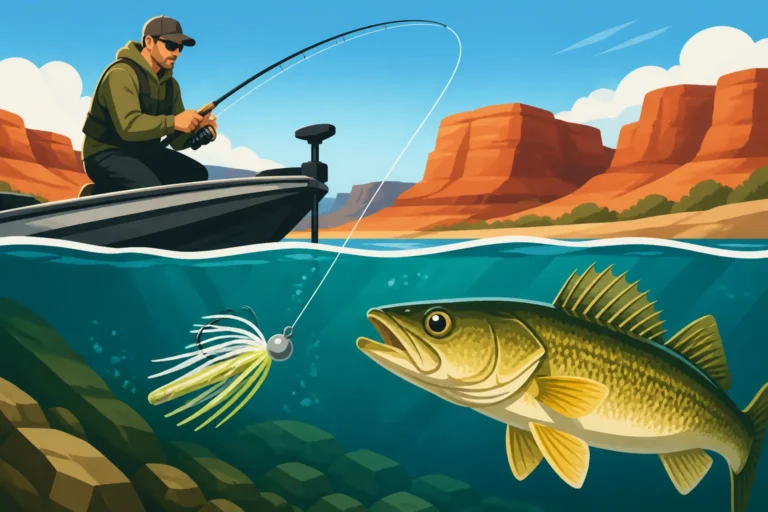
As Utah's summer temperatures soar, surface waters in reservoirs become too warm for trophy trout. This forces them deep, often to the thermocline where cooler, oxygen-rich water provides refuge. This means summer trophy fishing often becomes a deep-water game. Techniques like downrigging with large spoons, dodgers and squids, or even live bait become essential. Targeting steep drop-offs, underwater humps, and submerged structure is critical. This is where a good fish finder becomes indispensable; you need to see the depths and identify those key structures. If you're wondering how to fish deep water for summer lake trout, it often involves specialized gear.
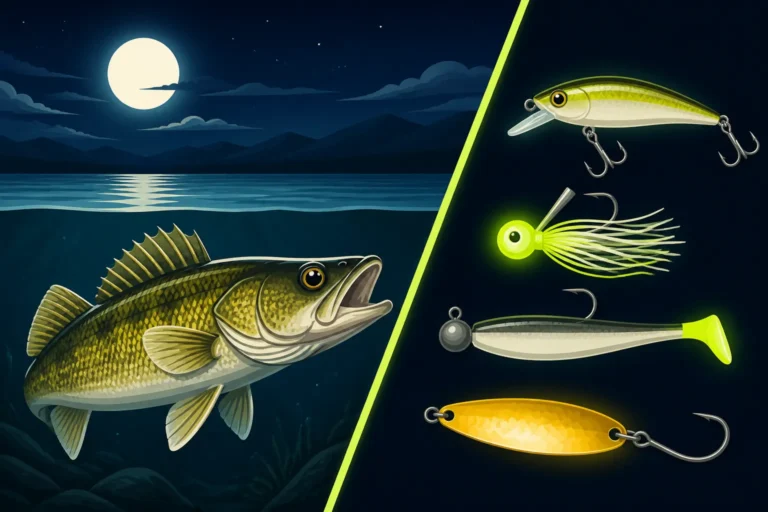
Another effective strategy, especially for brown trout and sometimes even large rainbows, is fishing at night or during the low-light hours of dawn and dusk. Cooler air temperatures mean fish might venture shallower to feed under the cover of darkness, making large topwater lures or suspending jerkbaits productive. For example, some anglers have incredible success targeting trophy brown trout in the Provo River during these twilight hours. Don't forget your headlamp!
Fall: The Pre-Spawn Feed and Aggression
Many seasoned Utah anglers consider fall (September through November) to be the absolute prime time for trophy trout, particularly for brown trout and lake trout. This is their pre-spawn period, a window of intense feeding where they pack on calories before the rigors of reproduction. They become incredibly aggressive and will often strike at larger baits and lures. Brown trout in rivers and streams will display vibrant spawning colors and become very territorial, making them susceptible to streamers, egg patterns, or large spin baits. For lake trout in Flaming Gorge or Bear Lake, this means they're often shallower than in summer, chasing schools of baitfish, and can be caught trolling big plugs or jigging heavy spoons.
The vibrant autumn colors reflecting on the water only add to the allure of this season. Look for trout staging near their spawning grounds, which might be shallower flats or tributary mouths. Large swimbaits, like those from manufacturers found on Amazon, or even dead bait fished on the bottom, can entice truly massive fish during this aggressive feeding window. For anglers targeting the unique Bonneville cutthroat, understanding the nuances of the Bear Lake Fishing Guide will be especially helpful during this period.
Winter: Ice Fishing for Giants
Don't let the cold deter you; winter, specifically the ice fishing season (typically December through March), offers a unique and often rewarding opportunity for trophy trout. While metabolism slows, large lake trout, splake, and even some robust rainbows and brown trout can be caught through the ice. The key here is precision and patience. Using sensitive rods, small jigs tipped with bait, or larger deadstick setups can be effective. Popular techniques include jigging spoons or large tube jigs, often bounced aggressively to draw attention, then held still for a subtle strike. Understanding Utah Ice Fishing Guide will provide a detailed roadmap for this season.
Prime ice fishing waters for trophy trout include Flaming Gorge for monster lake trout, Strawberry Reservoir for impressive cutthroats and rainbows, and Fish Lake for big splake and rainbows. Focus on areas with structure – humps, drop-offs, and points – where baitfish might concentrate. Your fish finder, which can be easily purchased from Amazon, is your best friend here, helping you locate fish and determine depth. The tranquility of ice fishing, combined with the potential for a giant catch, makes it a truly special experience.
Specific Waters and Their Peak Trophy Windows
Utah is blessed with several world-class fisheries known for their potential to produce trophy trout. Knowing which waters excel for certain species at specific times is a significant advantage.
Flaming Gorge Reservoir: Lake Trout Capital
Flaming Gorge is undeniably Utah's premier destination for trophy lake trout (Mackinaw). While big lakers can be caught year-round, the fall (late September through November) and early spring (April to early June) offer arguably the best chances for truly massive fish. In fall, they move shallower for their pre-spawn feed, making them more accessible to trollers and jiggers. During early spring, they are active after the ice-off. Even in summer, skilled anglers using Utah Trolling Techniques for Lake Trout can find trophy fish deep. Look for structure around the Mustang Ridge area or the many deep coves.
Strawberry Reservoir: Cutthroat and Rainbow Haven
Strawberry Reservoir is famed for its robust populations of large native Bonneville cutthroat trout and chunky rainbow trout. The fall (late September through October) is phenomenal for large cutthroats as they move towards spawning grounds, often becoming very aggressive. Ice fishing season (January-March) also produces incredible numbers of large fish for those willing to brave the cold, particularly focusing on the Strawberry Bay and Soldier Creek areas. Early spring, post-ice-off, is also excellent for active rainbows and cutthroats cruising shallower. This reservoir is also managed as a Blue Ribbon Fishery, ensuring quality fishing.
Bear Lake: Unique Cutthroat and Cisco Runs
Bear Lake offers a unique trophy experience with its native Bear Lake Cutthroat Trout. The most famous time to target these fish is during the January Cisco Run, where anglers brave freezing temperatures to jig for Bonneville Cisco, which in turn attracts large cutthroats. However, the late spring and early summer (May-July) can also be very productive for large cutthroats, especially when trolling deep. Fall also sees good fishing for larger cutthroats. Check out the full Bear Lake Fishing Guide for more specific details.
Fish Lake: Splake and Trophy Rainbows
Fish Lake is a gem in Southern Utah, renowned for its large splake (a brook trout/lake trout hybrid) and trophy rainbow trout. The ice fishing season (January-March) is arguably its most popular time for big fish, with anglers targeting splake and rainbows over deep structure. Late spring (May-June) after ice-off is also excellent, as fish spread out and feed actively before the summer heat pushes them deeper.
Gear and Techniques for Maximizing Your Chances
Catching trophy trout isn't just about timing; it's also about being prepared with the right equipment and knowing how to use it. You can have the perfect timing, but without suitable gear, that fish of a lifetime might just be a distant memory.
Rods, Reels, and Line Strength
When chasing trophy trout, you need to step up from your ultralight panfish setup. A medium to medium-heavy action rod, around 7 to 8 feet long, provides the backbone needed to fight large fish and cast heavier lures. Paired with a sturdy spinning reel or a robust baitcasting reel capable of holding ample line, you'll have the leverage to handle powerful runs. For line, don't skimp on strength. Fluorocarbon or braided lines in the 8-15 pound test range are excellent choices. Braided line offers superior sensitivity and strength, while a fluorocarbon leader (10-20 lb test) provides invisibility and abrasion resistance. Many quality options are available on Amazon for all these components.
Lures, Baits, and Presentations
The choice of lure or bait is highly dependent on the season and target species, but generally, bigger fish often go for bigger meals.
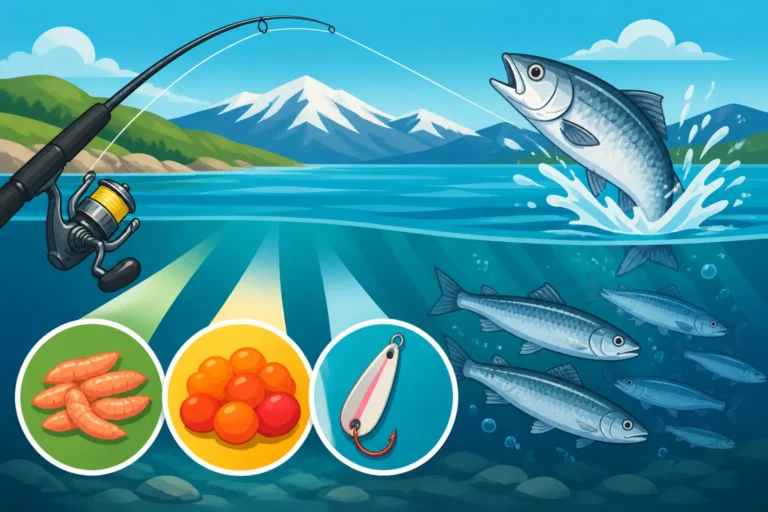
- Spoons: Large spoons (3/4 oz to 1.5 oz) in silver, gold, or flashy colors are excellent for trolling or jigging, mimicking wounded baitfish. Brands like Kastmaster or Daredevle are classics.
- Jerkbaits/Minnow Plugs: For aggressive trout in spring and fall, or nocturnal anglers, suspending jerkbaits (4-7 inches) can trigger savage strikes. Rapala Husky Jerks or Smithwick Rattlin' Rogues are popular.
- Swimbaits: Soft plastic swimbaits, especially those with realistic profiles, can be deadly for large lake trout and brown trout, particularly when fished slowly near the bottom or trolled.
- Dead Bait: For truly massive lake trout, especially through the ice or when fishing deep, a large dead sucker or chub rigged on a quick-strike rig can be irresistible.
- Jigs: For ice fishing or vertical jigging, heavy tube jigs (3/8 oz to 1 oz) or specialized jigging spoons are very effective when tipped with a piece of cut bait or a soft plastic trailer.
Understanding how to rig a jig for Utah trout or What Lures Work Best for Tiger Muskie in Utah (which can also apply to aggressive trout) can make a huge difference.
Electronics and Accessories
Modern electronics can significantly increase your odds of locating trophy trout, especially in large reservoirs. A quality fish finder, whether a portable unit for ice fishing or a boat-mounted system with side imaging, helps you identify structure, depth, and even individual fish. Learning how to read a fish finder for Utah reservoirs is a skill that pays dividends. GPS capabilities, often integrated into fish finders or available as standalone units, allow you to mark productive spots and return to them.
Other essential accessories include a sturdy landing net with a deep, rubberized mesh (to protect the fish), a good pair of pliers or hook removers, and a scale to weigh your potential record-breaker. Don't forget a cooler full of ice to keep your catch fresh if you plan to keep it. You'll find many reliable options for these fishing accessories on Amazon.
| Season | Best Months | Primary Target Species | Key Tactics | Prime Locations | Lure/Bait Suggestions |
|---|---|---|---|---|---|
| Spring | March – May | Rainbow, Brown, Cutthroat | Trolling, Casting, River Fly Fishing | Strawberry, Bear Lake, Provo River | Jerkbaits, Spoons, Streamers, Worms |
| Summer | June – August | Lake Trout, Tiger Trout | Deep Trolling, Vertical Jigging, Night Fishing | Flaming Gorge, Fish Lake, Strawberry | Large Plugs, Swimbaits, Dead Bait, Jigging Spoons |
| Fall | Sept. – November | Brown, Lake Trout, Cutthroat | Aggressive Casting, Trolling, River Nymphing | Flaming Gorge, Strawberry, Bear Lake, Green River | Large Jerkbaits, Spoons, Swimbaits, Egg Patterns |
| Winter | December – February | Lake Trout, Splake, Cutthroat | Ice Jigging, Deadsticking, Live Bait | Flaming Gorge, Strawberry, Fish Lake | Heavy Jigging Spoons, Tube Jigs, Dead Bait, Minnows |
Disclaimer
The information provided in this guide is for general informational purposes only and is not intended as legal advice. Fishing regulations, license requirements, and catch limits in Utah can change frequently. Always consult the most current Utah Division of Wildlife Resources (DWR) official regulations before heading out on your fishing trip. The DWR website and physical regulation handbooks are your best sources for up-to-date and accurate information.