How to Fish High-Altitude Uinta Lakes in July
Many anglers dream of escaping the summer heat and finding pristine, uncrowded waters, but the thought of navigating high-altitude environments and guessing at effective fishing techniques in remote locations can be daunting. This comprehensive guide is designed to cut through that uncertainty, offering practical advice and proven strategies for successfully fishing Utah's stunning Uinta Lakes during the prime month of July.
Understanding the Uinta Lakes Environment in July
The Uinta Mountains are a true gem, offering thousands of high-altitude lakes and streams. Fishing these remote waters in July presents a unique set of circumstances compared to valley reservoirs or rivers. You're dealing with a pristine, often fragile ecosystem, and understanding the conditions is your first step to success.
Post-Thaw Conditions and Water Temperatures
By July, most of the Uinta Lakes have typically shed their icy blankets, often sometime in June or early July, depending on the elevation and snowpack. If you're curious about the specific thaw timing, our guide on When Do High Uinta Lakes Thaw Out for Fishing? offers more insights. This thawing process is crucial because it dictates fish behavior. Initially, after the ice-off, fish can be incredibly active, feeding aggressively after a long winter under the ice. By July, the surface waters are warming up, but don't be fooled—the deeper sections of these lakes remain quite cold.
This stratification of water temperature means fish will often move between depths to find their preferred comfort zone and feeding grounds. You might find trout cruising the shallower, sun-warmed bays early and late in the day, but retreating to deeper, cooler water during the intense midday sun. Understanding these temperature shifts is key to knowing where to cast your line. Remember, these lakes are fed by snowmelt and mountain springs, so even in July, the water has a crisp, invigorating chill.
Fish Behavior in Summer High-Altitude Lakes
The trout in Uinta Lakes—primarily cutthroat, brook, rainbow, and occasionally tiger trout—are wild or wild-spawned, meaning they are incredibly attuned to their environment. In July, they are actively feeding on a variety of insects, both aquatic and terrestrial. You'll see hatches of caddis, mayflies, and midges, but also terrestrials like grasshoppers, ants, and beetles that get blown onto the water from the shore. This diverse menu makes them opportunistic feeders.
Beyond insects, these trout will also prey on smaller fish, scuds, leeches, and other invertebrates. Their behavior is often characterized by cautious feeding in clear, still waters, especially in heavily fished areas. They've learned to be wary. However, in more remote, less-pressured lakes, they can be surprisingly aggressive. Knowing the specific Fish Species Found in Utah's High Uinta Lakes can give you an edge in tailoring your approach. They'll hug structure like submerged logs, rocky drop-offs, and weed lines, using them for cover and ambush points. Observing rises and understanding what they're feeding on at a given moment can make or break your trip.
Essential Gear for Uinta Lakes Fishing in July
Backpacking into the Uintas for fishing means every ounce matters. You need reliable, lightweight gear that can handle unpredictable mountain weather and deliver performance when it counts. Don't fall into the trap of overpacking; prioritize versatility and necessity.
Lightweight Tackle and Rod Selection
When heading to the Uinta Lakes, less is definitely more when it comes to your fishing setup. For spin fishing, a lightweight, sensitive rod in the 6 to 7-foot range, paired with a small spinning reel spooled with 4 to 6-pound test monofilament or fluorocarbon line, is ideal. This setup allows for long, accurate casts to wary trout and is light enough to hike with all day. Consider a rod that breaks down into multiple pieces for easier packing in a backpack. You can find excellent travel rods on platforms like Amazon that fit this criteria perfectly.
For fly anglers, a 3-weight or 4-weight fly rod, between 7.5 and 9 feet long, is your best friend. This lighter rod offers delicate presentation for small dries and nymphs, which are often necessary for spooky high-country trout. A weight-forward floating line will cover most situations, but a sink-tip can be invaluable for getting flies down to deeper fish. Pair this with a small, lightweight fly reel. Again, compactness for transport is paramount. Check out Best Rod Case for Traveling to Utah Fishing Spots for ideas on protecting your investment.
Fly Fishing vs. Spin Fishing Considerations
Both fly fishing and spin fishing can be incredibly effective in the Uintas in July, and often, the best approach is to be prepared for both or choose based on your preference and the conditions.
Fly Fishing Advantages:
- Delicate Presentation: Fly fishing excels at imitating natural insects, offering a subtle presentation that is often irresistible to selective trout, especially in clear, calm water.
- Versatility: You can easily switch between dry flies, nymphs, and streamers to match whatever the fish are keying in on.
- "Matching the Hatch": When trout are actively rising to specific insects, fly fishing allows you to perfectly imitate that food source.
Spin Fishing Advantages:
- Ease of Use: Spin fishing is often more accessible for beginners or those who prefer a less technical approach.
- Casting Distance/Weight: Small spinners and spoons can be cast a good distance, covering more water, and can easily reach deeper fish where fly casting might be challenging without specialized lines.
- Wind Resistance: Spin fishing gear handles wind better than light fly lines, which can be a significant factor in exposed high-altitude environments.
Many anglers choose to bring a small, ultralight spinning rod as a backup or for targeting different areas, even if fly fishing is their primary method. The key is to have a selection of small, effective lures and flies.
Backpacking and Personal Gear Essentials
Your personal gear is just as important as your fishing tackle when you're venturing into the remote Uintas. Comfort and safety are paramount. Start with a sturdy, comfortable backpack that can handle your fishing gear, camping supplies, food, and emergency items. Our article on Best Backpacks for Hiking to Uinta Lakes offers some excellent recommendations.
Consider the following personal essentials:
- Layered Clothing: Mountain weather can change on a dime. Pack moisture-wicking base layers, an insulating mid-layer (fleece or down), and a waterproof/windproof outer shell. Even in July, mornings and evenings can be chilly, and afternoon thunderstorms are common.
- Sturdy Hiking Boots: Waterproof, broken-in hiking boots are non-negotiable for navigating rocky, uneven terrain and stream crossings.
- Sun Protection: Sunscreen, a wide-brimmed hat, and polarized sunglasses are vital. The sun's intensity at high altitude is much greater.
- Navigation Tools: A map, compass, and a reliable GPS device or app are essential for staying found in remote areas.
- Water Filtration: A water filter or purification tablets are necessary for replenishing water safely.
- First-Aid Kit: A compact kit with blister treatment, pain relievers, and any personal medications.
- Bear Canister/Bag: If you're camping overnight, proper food storage is crucial to protect against wildlife.
- Headlamp: For early morning starts or late evening hikes.
Here's a quick checklist for your Uinta Lakes July trip:
| Item Category | Essential Gear | Notes |
|---|---|---|
| Fishing Gear | Lightweight spinning rod/reel (4-6lb line) OR 3-4wt fly rod/reel (floating line) | Pack a variety of small lures/flies, extra leader/tippet, nippers, forceps, small net (optional). |
| Backpacking | Comfortable backpack (40-60L), hiking boots, layered clothing (base, mid, shell) | Rain gear is crucial; even sunny July days can see afternoon showers. |
| Safety & Nav | Map, compass, GPS device/app, first-aid kit, headlamp, multi-tool | Consider a personal locator beacon (PLB) for truly remote trips. |
| Food & Water | Lightweight, high-energy food, water filter/purification, bear canister/bag | Hydration is critical at altitude; drink more than you think you need. |
| Sun Protection | Sunscreen (SPF 30+), wide-brimmed hat, polarized sunglasses | Glare off the water and high UV index are significant concerns. |
| Comfort | Small towel, camp pillow, sleeping bag (rated 20-30°F), sleeping pad | Nighttime temps can drop considerably, even in July. |
Proven Techniques for Catching Uinta Trout in Summer
Now that you're geared up and understand the environment, let's talk about how to actually get those beautiful Uinta trout to bite. Success often comes down to observation, proper presentation, and choosing the right offering.
Reading the Water for Feeding Fish
High-altitude lakes are often crystal clear, which means trout can see you just as easily as you can see them. Stealth is incredibly important. Approach the water slowly and quietly, staying low and out of direct sightlines if possible. Pay attention to the water's surface for any signs of feeding activity.
- Rises: If you see fish dimpling the surface, they are likely feeding on insects emerging or falling onto the water. This is your cue to switch to dry flies if fly fishing, or a small topwater lure if spin fishing.
- Cruising Fish: In calm, shallow areas, you might spot fish slowly patrolling for food. Cast well ahead of them, allowing your lure or fly to settle before they get there, then twitch or retrieve it subtly into their path.
- Structure: Look for submerged rocks, logs, weed beds, and drop-offs. Trout use these as ambush points and cover. Casting to these areas, especially where shallow water transitions to deeper water, can be very productive.
- Inlets and Outlets: Moving water often concentrates food. Focus your efforts where streams flow into or out of the lake, as these areas tend to hold more active fish.
Remember, the clearer the water, the more subtle your approach needs to be. Try to cast from a distance and avoid heavy splashes.
Lure and Fly Selection for July Success
Choosing the right lure or fly can feel overwhelming with so many options. The key for Uinta Lakes in July is to imitate what's naturally available and to carry a versatile selection.
For Spin Fishing:
- Small Spinners: Classic inline spinners in sizes 0 to 2 are deadly. Try colors like silver, gold, black, or even bright orange/chartreuse. Brands like Rooster Tail or Mepps are always reliable.
- Small Spoons: Tiny casting spoons (1/16 to 1/8 oz) in silver, gold, or brass flutter enticingly. They imitate small baitfish or larger insects.
- Tiny Jigs: Micro jigs (1/32 to 1/16 oz) tipped with a small piece of worm, PowerBait, or even a soft plastic grub can be incredibly effective, especially when fished under a bobber or slowly retrieved along the bottom.
- Soft Plastics: Small grubs or tubes on a jig head can imitate leeches or scuds.
When purchasing gear, remember that retailers like Amazon often have a wide variety of these smaller, high-altitude specific lures, perfect for stocking your tackle box. For more ideas, consult our guide on Best Lures for a Utah Tackle Box.
For Fly Fishing:
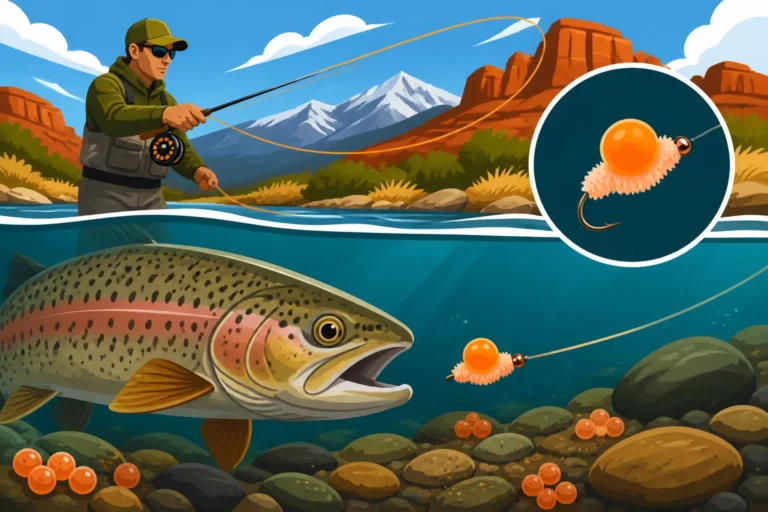
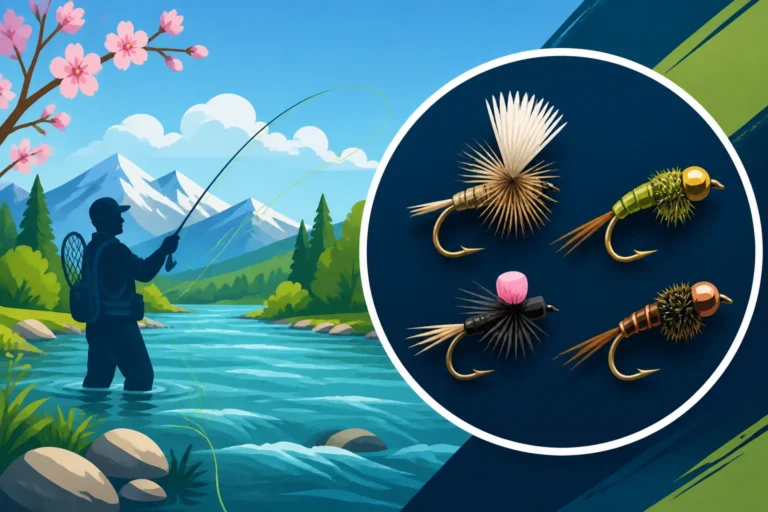
- Dry Flies: In July, popular dries include Parachute Adams, Royal Wulff, Elk Hair Caddis, Stimulator (to imitate larger terrestrials like grasshoppers), and various ant or beetle patterns. Sizes 12-18 are generally good.
- Nymphs: When fish aren't rising, nymphs are crucial. Hare's Ear, Pheasant Tail, Prince Nymph, and Copper John are all solid choices. Sizes 14-20 will cover most bases. Fishing two nymphs under a strike indicator is a common and effective method.
- Streamers: Small streamers like Woolly Buggers (black, olive, or brown) can imitate leeches or baitfish and are excellent for probing deeper water or searching for larger fish. Sizes 8-12 are usually good.
- Terrestrials: As the summer progresses, terrestrials become increasingly important. Ant, beetle, and small grasshopper patterns fished close to shore can be incredibly effective.
If you're looking to build your fly box, our article Best Flies for a Utah Fly Box provides a deeper dive into essential patterns for Utah.
Stealth and Presentation Strategies
The clear water and wary nature of Uinta trout demand a refined approach. Your presentation needs to be subtle and natural to avoid spooking fish.
- Long Leaders/Light Tippet: For fly fishing, use a leader that's at least 9 feet long, tapered down to 5x or 6x tippet, especially when fishing small dry flies or nymphs in clear, calm conditions. For spin fishing, a fluorocarbon leader of 2-4 feet tied to your main line can reduce visibility.
- Soft Landings: Cast your lure or fly gently onto the water, trying to minimize splash. A loud "plop" can send fish darting for cover. Practice casting to get a soft, accurate delivery.
- Natural Drift/Retrieve: Whether you're dead-drifting a nymph or retrieving a spinner, try to mimic the natural movement of the food source. Avoid unnatural jerking motions. For dry flies, a drag-free drift is paramount. For spin lures, a slow, steady retrieve with occasional twitches often works best.
- Cover Your Tracks: When moving along the shore, walk softly and stay back from the water's edge as much as possible. Avoid wearing brightly colored clothing that can make you stand out. The less the fish know you're there, the better your chances.
- Work the Angles: Instead of casting directly at a visible fish, try casting above or to the side of it, allowing your offering to drift naturally into its feeding zone. This reduces the chance of spooking it with the line or lure landing directly on its head.
Navigating Challenges and Maximizing Your Experience
Fishing in the high Uintas is an adventure, and with adventure come challenges. Being prepared for these can turn potential setbacks into memorable experiences.
Dealing with Weather and Altitude
July in the Uintas can present a mix of beautiful sunny days and sudden, dramatic weather changes. Afternoon thunderstorms are incredibly common. They can roll in quickly, bringing heavy rain, hail, lightning, and plummeting temperatures. Always check the mountain forecast before heading out, but be prepared for anything. Pack rain gear, extra layers, and know that if lightning starts, you need to get off exposed ridges and away from tall trees immediately.
Altitude sickness is another real concern, especially for those not accustomed to elevations above 8,000 feet. Symptoms can include headaches, nausea, dizziness, and fatigue. To mitigate this:
- Acclimatize: If possible, spend a day or two at a slightly lower elevation (e.g., 6,000-7,000 feet) before starting your ascent.
- Hydrate: Drink plenty of water. Dehydration exacerbates altitude sickness.
- Pace Yourself: Don't push too hard on your first day. Take frequent breaks.
- Listen to Your Body: If symptoms worsen, descend to a lower elevation.
Being physically prepared for the hike in is just as important as being prepared for the fishing itself. Remember that How to Pack Fishing Gear for a Backpacking Trip to Uinta Lakes is an excellent resource for optimizing your load.
Catch and Release Best Practices
Many Uinta Lakes have healthy, self-sustaining populations of wild trout. Practicing responsible catch and release helps ensure these fisheries remain pristine for future generations. While some lakes allow for harvest, especially for certain species like brook trout which can sometimes overpopulate smaller waters, always refer to the specific Utah Fishing Regulations Explained for the lake you are visiting.
Here are key catch-and-release tips:
- Minimize Handling: Try to keep the fish in the water as much as possible.
- Wet Your Hands: Always wet your hands before touching a fish to protect its protective slime coat.
- Use Barbless Hooks: Crimp down the barbs on your hooks or use barbless hooks. This makes removal much easier and less damaging.
- Forceps/Pliers: Carry a good pair of forceps or needle-nose pliers to quickly remove hooks.
- Support the Fish: If you must lift the fish for a quick photo, support its body horizontally, especially larger fish, to protect its organs. Avoid squeezing its belly.
- Revive Gently: If a fish is exhausted, hold it gently in the water, facing upstream, until it swims away under its own power. Do not release it until it can swim strongly.
Learning How to Release a Fish Without Hurting It in Utah is crucial for any angler who cares about conservation.
Planning Your Trip: Access and Regulations
Before you even tie a knot, proper planning is essential for a Uinta Lakes fishing trip.
- Access Points: Most Uinta Lakes require a hike, ranging from short day trips to multi-day backpacking excursions. Research your chosen lake's trailhead access and trail difficulty. Some trailheads are paved, others are rough dirt roads that might require a high-clearance vehicle.
- Permits: While most Uinta Lakes within the national forest don't require special permits for day use or general overnight camping beyond standard wilderness ethics, some specific areas or designated campsites might. Always check with the local Forest Service office. And of course, ensure you have a valid Utah Fishing License Guide before casting a line.
- Regulations: Each lake can have specific regulations regarding bag limits, tackle restrictions, and even bait use. Some lakes are catch-and-release only, or have special size restrictions. The Utah Division of Wildlife Resources (UDWR) publishes a detailed fishing guide annually, which is an invaluable resource. Pay close attention to these rules; violations can result in significant Utah Fishing License Penalties for Violations.
- Leave No Trace: Practice Leave No Trace principles. Pack out everything you pack in, including all trash and food scraps. Camp on durable surfaces, bury human waste properly, and minimize campfire impacts. These are fragile environments, and our collective responsibility is to keep them pristine.
Fishing the high-altitude Uinta Lakes in July is an experience unlike any other. It combines the thrill of backcountry adventure with the serenity of untouched wilderness and the challenge of outsmarting wild trout. With the right preparation, gear, and techniques, your trip can be an unforgettable success.
Disclaimer
This article is for general informational purposes only and does not constitute professional advice. Laws, prices and regulations vary by location and change over time. Consult a qualified professional for guidance on your specific situation.