Best Flies for a Utah Fly Box
If you're an angler in Utah, you know the feeling: standing in front of a wall of flies at your local shop or endlessly scrolling online, feeling utterly overwhelmed. There are thousands of patterns, and it's easy to wonder, "Which ones do I really need for Utah's diverse waters?" You've got high mountain streams, famous blue-ribbon rivers, vast reservoirs, and even urban ponds – each presenting its own challenges and opportunities. This guide is here to cut through the noise, offering a comprehensive look at the essential flies that every Utah fly angler should consider packing in their box, ensuring you're ready for whatever the fish, and the state, throw at you.
Understanding Utah's Diverse Fly Fishing Environments
Utah is an absolute gem for fly anglers, but it's not a one-size-fits-all kind of place. The types of water you'll encounter here are incredibly varied, and understanding these differences is the first step to knowing which flies will be your go-to patterns. What works like magic on a high-altitude creek might not even get a glance on a big, open reservoir.
High Mountain Lakes and Streams
Think about those crystal-clear, cold waters tucked away in the Uinta Mountains or up on Boulder Mountain. These are often freestone streams or alpine lakes, characterized by their pristine conditions and often, a healthy population of wild trout like cutthroats, brookies, and even some rainbows. The bugs here are typically smaller, more delicate, and the fish, while not always huge, are often eager if you can present your fly naturally.
Anglers venturing into these areas face challenges like variable weather, often requiring a good mix of dry flies and nymphs. Fish in these environments are often opportunistic feeders, keying in on whatever natural food sources are abundant at the moment, be it a hatch of small mayflies, a fluttering caddis, or even ants and beetles falling from streamside vegetation. The sheer beauty of these locations makes the effort worthwhile, but having the right flies means the difference between a scenic hike and a memorable fishing trip.
Blue Ribbon Rivers
Utah is blessed with some truly world-class rivers that hold magnificent trout. The Provo River, the Green River below Flaming Gorge Dam, and sections of the Weber River immediately come to mind. These are often tailwaters, meaning they flow out of a dam, providing consistent cold water temperatures that allow trout to grow big and healthy. The fish in these rivers are often highly educated, having seen countless flies over their lives, making presentation and accurate fly selection paramount.
Here, you'll encounter strong hatches of various insects throughout the year, from tiny midges in winter to robust stoneflies in spring and prolific caddis and mayfly hatches through summer and fall. How to Fly Fish the Provo River is a popular query for a reason; these rivers demand a refined approach. Anglers often need to carry a wide array of patterns to "match the hatch," meaning using a fly that closely imitates the size, shape, and color of the natural insects currently emerging or drifting in the water. The challenge and reward of landing a trophy trout on these rivers is what draws many fly fishers to Utah.
Stillwater Reservoirs and Community Ponds
Don't underestimate the stillwater fishing in Utah! Reservoirs like Strawberry, Jordanelle, and Deer Creek, along with numerous community ponds scattered across the state, offer fantastic opportunities for trout, bass, walleye, and panfish. Stillwater fishing presents its own unique set of circumstances; without the current of a river, presentation becomes different, and fish behavior can be harder to read.
Here, flies like chironomids (midge larva and pupa), leeches, scuds, and even baitfish imitations become incredibly effective. Fish in these waters often cruise deeper or relate to structure, so finding them can be a puzzle. Anglers might employ techniques like indicator nymphing, stripping streamers, or using specialized stillwater patterns. These locations are particularly great for families or beginners, but they can also hold surprisingly large fish that will put your gear to the test. Best Fly Line for Utah Stillwater Fishing can be a game-changer when targeting these larger, often deeper-holding fish.
Essential Dry Flies for Utah Waters
Dry fly fishing is arguably one of the most exciting ways to catch a fish. There's nothing quite like seeing a trout rise to your perfectly presented fly on the surface. For Utah's diverse waters, having a solid selection of dry flies that imitate common insects is non-negotiable. These are the patterns that should always have a spot in your fly box.
Caddis Patterns
Caddisflies are incredibly abundant in nearly all of Utah's flowing waters, from small mountain creeks to major rivers like the Green and Provo. They undergo a complete metamorphosis, and while fish will eat their larvae and pupae, the adult caddis fluttering on the water's surface often triggers aggressive strikes. Their erratic flight and sometimes clumsy landings make them an easy target for hungry trout.
The Elk Hair Caddis is a legendary pattern for a reason. It's buoyant, easy to see, and incredibly versatile. I've personally had days on the Weber River where nothing else would work, but a well-drifted Elk Hair Caddis brought fish up consistently. You'll want a variety of sizes, from smaller #16-18 for delicate sippers on the Middle Provo to larger #12-14 for general prospecting on a mountain stream. The X-Caddis is another fantastic choice, particularly when fish are keyed into emergers or when the natural caddis are just beginning to hatch. It rides lower in the water, mimicking a caddis struggling to break free from its shuck, which can be irresistible to trout.
Mayfly Patterns
Mayflies are the classic insect of fly fishing, celebrated for their graceful emergence and predictable hatches. They are present in almost every aquatic environment in Utah, though the specific species and their sizes will vary widely. From tiny midges to larger green drakes, understanding the local mayfly population can lead to epic dry fly days.
The Parachute Adams is arguably the most versatile dry fly pattern ever created. It imitates a wide range of mayflies, sits well in the water, and its white parachute post makes it incredibly easy for anglers to see, even in tricky light conditions. You'll want these in sizes from #12 down to #20 to cover everything from Pale Morning Duns (PMDs) to Blue-Winged Olives (BWOs). When you see trout sipping on small, light-colored mayflies, a Pale Morning Dun (PMD) imitation like a Parachute PMD or Sparkle Dun is a must. These hatches can be prolific on rivers like the Provo and Green, leading to incredibly selective fish that demand a precise imitation. Always carry a few different sizes and shades of PMD patterns for when this hatch is on.
Terrestrial Patterns
Terrestrial insects are those that live on land but often end up in the water, becoming an easy meal for trout. Grasshoppers, ants, and beetles are key examples, and their importance in a Utah fly box cannot be overstated, especially during the warmer months. When a big 'hopper lands with a splash, it often triggers an instinctual, aggressive strike from larger fish.
A good Hopper pattern, like a Dave's Hopper or a Fat Albert, can be absolute dynamite on larger rivers and even some stillwaters, particularly from mid-summer through early fall. I remember a day on the Green River where the fish were ignoring everything until I tied on a chartreuse Fat Albert; suddenly, big brown trout were launching themselves out of the water! Don't forget Ant patterns, like the Cinnamon Ant or Black Ant. These tiny insects are a constant food source for trout, especially on brushy banks and during windier days when they get blown into the water. And finally, Beetle patterns, such as a foam beetle or a black deer hair beetle, are often overlooked but can be incredibly effective, especially in smaller streams and when fish are being particularly finicky about other dries. These patterns are particularly useful when fishing near heavy vegetation where naturals are likely to fall into the water.
Must-Have Nymphs for Subsurface Success
Let's be real: trout spend a vast majority of their feeding time subsurface. While the thrill of a dry fly take is unmatched, nymphs are often the most consistent producers, especially on Utah's heavily fished rivers where fish are used to seeing a lot of flies. A well-presented nymph can entice fish even when there are no visible hatches.
Pheasant Tail and Hare's Ear Nymphs
These two patterns are the undisputed champions of the nymph world. If you could only have two nymph patterns in your entire fly box, these would be them. They are fantastic generalist imitations, suggesting a wide variety of aquatic insects like mayfly nymphs, stonefly nymphs, and even caddis larvae. Their subtle segmentation and natural buggy appearance make them universally appealing to trout.
The Pheasant Tail Nymph is elegant in its simplicity and deadly in its effectiveness. I've caught fish on this pattern in every single month of the year on Utah waters. It's best fished in a range of sizes from #14 to #20, often with a small beadhead to help it sink, or even unweighted for shallower water. It excels as a trailing fly in a multi-nymph rig. The Hare's Ear Nymph, with its shaggy, lifelike appearance, is another staple. It looks buggy and inviting, and its natural fibers move enticingly in the current. Like the Pheasant Tail, having it in beadhead and unweighted versions, in sizes #12-18, will serve you well. These patterns are your workhorses, reliable when you're not sure what the fish are eating, or when a specific hatch isn't obvious.
Caddis Larva and Pupa Imitations
Caddis larvae and pupae are incredibly important food sources for trout, often more so than the adult dry fly. These insects spend their larval stage crawling on the bottom, sometimes building cases of small stones, and then their pupal stage rising to the surface to hatch. Imitating these subsurface stages is crucial, especially on rivers known for their caddisfly populations.
A good Caddis Larva pattern, such as a chartreuse or olive Larva Lace Caddis or even a simple green rock worm, can be highly effective when bounced along the bottom. Fish will often pick these up with a subtle take, so a good strike indicator is key. For the pupal stage, patterns like the Zug Bug or the more advanced LaFontaine's Sparkle Pupa are fantastic. The Sparkle Pupa, with its shimmery antron wing case, beautifully mimics the air bubble that caddis pupae carry as they ascend, making them irresistible to hungry trout. These are particularly potent during actual caddis hatches, when fish are actively looking for these rising insects.
Midge Patterns
Midges are the unsung heroes of fly fishing, especially during the colder months when larger insects are scarce. These tiny flies are present year-round in nearly all Utah waters, and trout are constantly feeding on their larval, pupal, and even adult stages. Ignoring midges is a surefire way to miss out on some fantastic fishing, particularly on tailwaters.
The Zebra Midge is probably the most popular midge pattern, and for good reason. Its simple design of a bead, thread body, and wire ribbing makes it incredibly effective at imitating a midge pupa. I've had incredible winter days on the Green River where fish were stacked up, and a small #18-22 Zebra Midge was the only thing they'd touch. You need these in black, red, and olive. For imitating the adult midge cluster on the surface, or just below, a Griffith's Gnat is a classic. It's a simple, bushy fly that suggests a ball of midges, and when fish are sipping tiny adults, this can be the trick. Carry these in smaller sizes, #16-22, and don't be afraid to fish them as a dry fly or just barely subsurface. Best Nymph Patterns for Utah Tailwaters really highlights the importance of these smaller patterns.
Streamers and Leeches for Aggressive Takes
Sometimes, trout aren't interested in dainty little nymphs or elegant dry flies. Sometimes, they want a big meal, and they want it now. That's when streamers and leech patterns come into their own. These flies imitate baitfish, sculpins, leeches, and other larger food sources, often provoking aggressive, predatory strikes from bigger fish.
Woolly Bugger Variations
If there's one streamer pattern that every fly angler should have, it's the Woolly Bugger. It's incredibly versatile, effective in nearly all types of water, and can imitate a wide range of prey items: baitfish, leeches, crayfish, and even large nymphs. Its pulsing marabou tail and hackle collar give it a lifelike swimming action that trout find irresistible.
You'll want a good selection of Woolly Buggers in various colors and sizes. Black, olive, and white are the holy trinity of colors. Black is fantastic for general use and imitating leeches, olive is superb for sculpins and other bottom-dwelling prey, and white can be deadly for imitating baitfish, especially in clear water or during certain times of the year. Try them with different beadhead weights – tungsten beadheads sink fast, while brass or lead sinkers are a bit slower. I've had monster brown trout absolutely hammer a black Woolly Bugger stripped aggressively in the Provo River. You can fish them on a dead drift, swung across the current, or stripped erratically – experiment to see what the fish prefer.
Sculpin and Baitfish Patterns
Many of Utah's waters are home to sculpins, small bottom-dwelling fish that are a favorite meal for large trout, particularly brown trout. Similarly, smaller baitfish like dace and juvenile trout are often preyed upon by bigger, more aggressive fish. Having flies that mimic these creatures can be incredibly effective for targeting trophy-sized fish.
Patterns like the Muddler Minnow are classics for imitating sculpins and baitfish. Its spun deer hair head pushes water and gives it a distinct profile. I've used Muddlers with great success in the Uintas for aggressive brookies and cutthroats. For a more modern and highly effective baitfish imitation, the Clouser Minnow is a fantastic choice, especially in clearer waters like some sections of the Green River or for targeting predatory fish in reservoirs. Tying them in olive/white, chartreuse/white, or black/white combinations will cover a lot of ground. Remember to vary your retrieve speed and depth until you find what triggers a strike.
Leech Patterns
Leeches are a year-round food source for trout, particularly in stillwaters and slower sections of rivers. They are rich in protein and often represent an easy meal for fish. Leech patterns are especially effective in colder water or when fish are lethargic, as their slow, undulating movement can still provoke a reaction.
The Pine Squirrel Leech is a popular choice, known for its natural movement and durability. Its slim profile can be very effective for trout that are wary of bulkier streamers. I've had excellent luck with these on stillwater reservoirs like Strawberry. Another highly effective pattern, particularly for stillwater environments and when fish are cruising, is the Simi Seal Leech. This pattern uses a blend of flashy and natural fibers to create a lifelike, buggy profile that undulates beautifully in the water. Black and olive are staple colors, and having them in both weighted and unweighted versions will allow you to fish different depths. When the fish are deep, a heavily weighted leech pattern can be stripped slowly along the bottom, mimicking a natural leech.
Special Situations and "Junk Flies" for Your Utah Box
Sometimes, you need something a little different, something that's not quite a perfect imitation but still gets the job done. These "special situation" flies, sometimes affectionately called "junk flies" by seasoned anglers, can be invaluable when the conditions are tough, or the fish are keyed into something unusual.
Egg Patterns and Worms
When trout are spawning, or when they are downstream of spawning fish, egg patterns can be unbelievably effective. Fish will gorge themselves on loose eggs, making them an easy target if you know how to imitate them. Similarly, aquatic worms and terrestrial worms washed into the water are a consistent food source.
The Glo Bug is the quintessential egg pattern. Available in a rainbow of colors, the key is to match the natural eggs of the fish you're targeting or those spawning upstream. Orange, pink, and chartreuse are common and effective choices. These are fished dead-drifted, often trailing a nymph, and are especially potent during the fall spawn for brown trout or spring for rainbows. The San Juan Worm is another essential "junk fly." While it doesn't look like any specific insect, it does a fantastic job of imitating various aquatic worms that are always present in the riverbed. It's especially effective after rain events when worms are washed into the river, or in off-color water. Keep these in red, pink, and brown in various sizes. I’ve seen days on the Provo where a small red San Juan Worm was the only thing that worked.
Attractor Patterns
Attractor patterns aren't designed to perfectly mimic any one insect. Instead, they feature bright colors, flashy materials, or unique profiles designed to simply get a fish's attention and trigger a strike out of curiosity or aggression. When hatches are sporadic, or fish aren't actively feeding on naturals, these can often save the day.
The Prince Nymph is a classic attractor nymph, instantly recognizable by its white biots and peacock herl body. It's a fantastic searching pattern and works well in a wide variety of conditions. I've found it particularly effective on faster, larger rivers where fish need something a bit more noticeable. The Copper John is another highly effective attractor nymph. Its heavy beadhead and flashy wire body make it sink quickly and shimmer enticingly in the water. It's great as a point fly (the heaviest fly at the bottom of your rig) in deeper runs or when you need to get down fast. These come in various colors, but copper, red, and chartreuse are excellent choices for Utah. They often get the fish to react when nothing else will, purely based on their flash and quick drop.
Specific Stillwater Flies
Stillwater environments, especially larger reservoirs, often have unique food sources and conditions that demand specialized fly patterns. Fish can be incredibly selective, keying into specific depths or food items that aren't typically found in rivers.
Chironomids (midge pupa) are absolutely vital for stillwater success. These small, segmented insects are a primary food source in many lakes and reservoirs, and fish will gorge on them. You need a variety of chironomid pupa patterns, often fished under an indicator, in black, red, and olive, in sizes #14-22. Patterns like the Ice Cream Cone or various Mercury Midges are excellent. Additionally, Balanced Leeches have become incredibly popular and effective for stillwater trout. These flies are tied with a bead at the front that allows them to hang perfectly horizontal in the water column when suspended under an indicator, mimicking a swimming leech. Black, olive, and purple are great colors. Utah stillwater fishing offers some prime opportunities for these patterns, particularly for cruising fish in places like Strawberry or Fish Lake. You might find a great selection of these specialized patterns at your local Bass Pro Shops or even online at Amazon.
Building Your Fly Box: Practical Tips and Recommendations
Now that you know which flies to consider, let's talk about the practical aspects of building and maintaining your ultimate Utah fly box. It's not just about having the right patterns, but having them in the right quantities, sizes, and keeping them organized so you can quickly adapt on the water.
Quantity and Size Selection
It's tempting to buy one of every cool-looking fly you see, but a more strategic approach will serve you better. For your essential patterns—think Parachute Adams, Pheasant Tail Nymphs, and Woolly Buggers—you'll want to have several of each, especially in the most common sizes. Losing flies is just part of fly fishing, whether to snags, break-offs, or a toothy trout. Having backups prevents you from running out of your hot pattern in the middle of a killer hatch.
Consider a range of sizes for each essential pattern. For instance, a Parachute Adams should be in your box in sizes #12, #14, #16, #18, and even #20. Fish can be incredibly selective, and sometimes the difference between a take and a refusal is just one hook size. Likewise, your nymphs should cover a similar size range, and your streamers might vary more in length and weight. Don't skimp on the basics; having a dozen small black Zebra Midges can be the most valuable part of your winter fly box.
Organizing Your Fly Box
A well-organized fly box is a happy fly box, and it can save you precious fishing time. Imagine standing in the middle of a rising trout frenzy, fumbling through a chaotic mess of tangled flies! There are many ways to organize, but a common and effective method is by fly type (dries, nymphs, streamers) and then by size and color within each type.
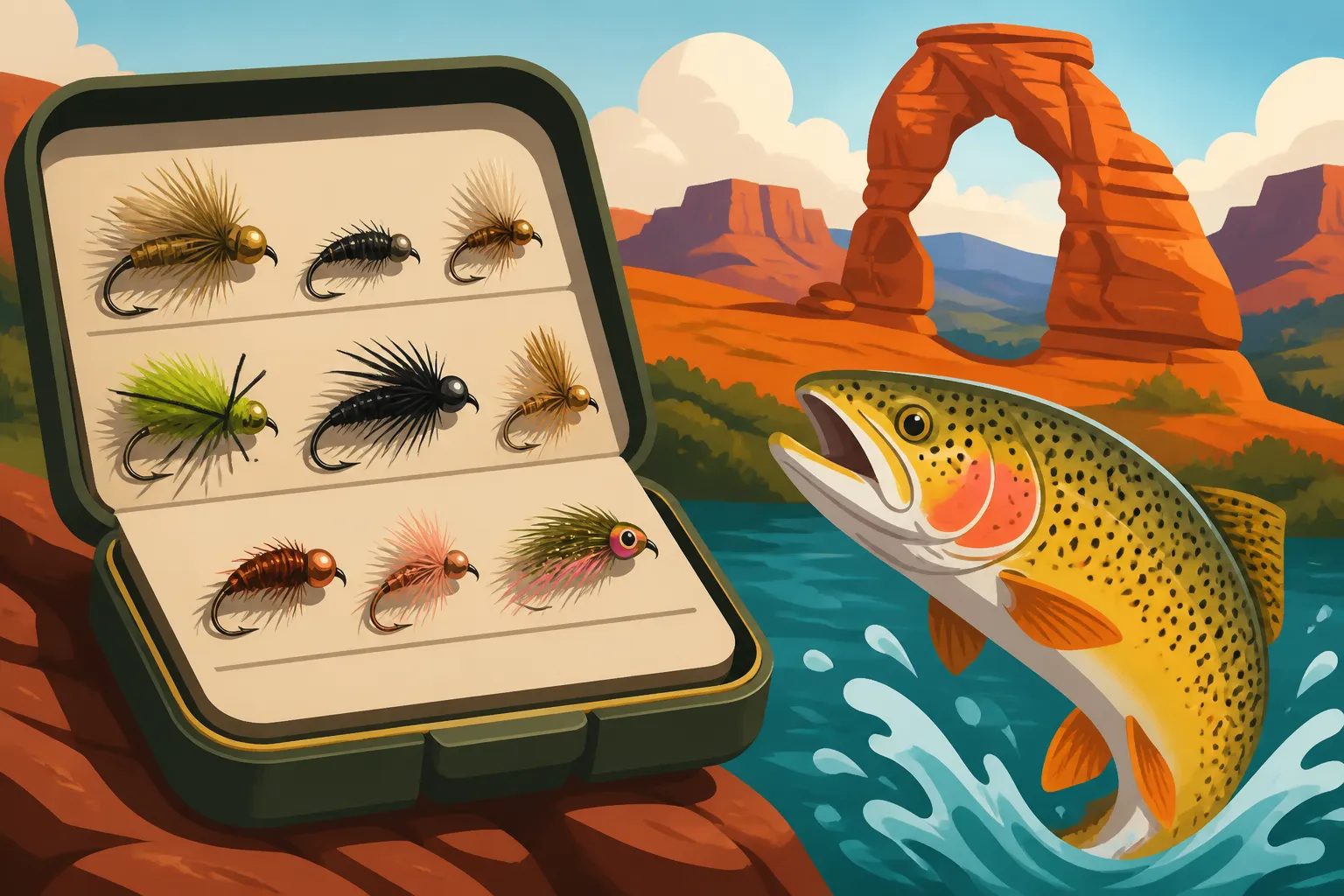
For example, dedicate one section of a box to all your dry flies, perhaps with compartments for caddis, mayflies, and terrestrials. Then, within each compartment, arrange them from largest to smallest, or by dominant color. For nymphs, you might have sections for beadhead vs. unweighted, or dark vs. light. Streamers often do best in larger compartments to prevent tangling. Using multiple fly boxes is also a smart strategy: one for dries, one for nymphs, and one for streamers, or even a smaller "on-the-go" box with a selection of your absolute favorites for a quick trip. This systematic approach ensures you can quickly find the fly you need when every second counts.
Where to Buy Your Flies
Deciding where to stock up on your flies is a personal preference, and both local fly shops and online retailers have their advantages. Supporting local businesses is always a great idea, but the convenience and variety of online shopping can't be beaten.
Local fly shops, like those you might find in towns near the Provo River, offer invaluable local knowledge. The staff can tell you what's hatching, what flies are working right now on specific sections of the river, and often tie their own effective local patterns. They can also advise on What Flies Work Best on the Provo River in Spring? or fall. This personalized advice is worth its weight in gold. On the other hand, online retailers like Amazon and larger outdoor stores like Bass Pro Shops often have a wider selection of commercially tied flies, sometimes at more competitive prices, especially if you're buying in bulk. Many anglers strike a balance: buying specialty or locally recommended patterns from their local shop, and stocking up on staple patterns like Woolly Buggers or Pheasant Tail Nymphs from online vendors. Whichever route you choose, make sure you're getting quality flies that will stand up to catching plenty of Utah trout!
| Fly Category | Pattern | Common Sizes | Best Use Case in Utah | Key Seasons |
|---|---|---|---|---|
| Dry Flies | Elk Hair Caddis | #12-18 | General prospecting, caddis hatches, freestone streams | Spring, Summer, Fall |
| Parachute Adams | #12-20 | General mayfly imitation, consistent producer | Year-round, especially hatches | |
| Foam Hopper | #6-12 | Terrestrial fishing, larger rivers, aggressive fish | Summer, Early Fall | |
| Nymphs | Pheasant Tail Nymph | #14-20 (BH & unweighted) | Versatile mayfly nymph, trailer fly | Year-round |
| Hare's Ear Nymph | #12-18 (BH & unweighted) | General buggy imitation, prospecting | Year-round | |
| Zebra Midge | #18-22 (BH) | Midge pupa imitation, cold weather, tailwaters | Year-round, especially Winter | |
| Streamers | Woolly Bugger | #4-10 (BH & unweighted) | Imitates baitfish, leeches, crayfish, aggressive takes | Year-round |
| Pine Squirrel Leech | #8-12 | Stillwater and slow water leech imitation | Year-round | |
| Clouser Minnow | #4-8 | Baitfish imitation, clear water, predatory fish | Summer, Fall | |
| Specialty Flies | Glo Bug (Egg Pattern) | #14-18 | Spawning fish, downstream of spawners | Fall, Spring (species dependent) |
| San Juan Worm | #10-16 | High water, off-color water, general attractor | Year-round | |
| Balanced Leech | #8-12 | Stillwater cruising fish, suspended under indicator | Year-round |
Disclaimer
This article is for general informational purposes only and does not constitute professional advice. Laws, prices and regulations vary by location and change over time. Consult a qualified professional for guidance on your specific situation.