Utah Catfish Guide
For many anglers in Utah, the immediate thought of fishing conjures up images of a shimmering cutthroat leaping from a pristine mountain lake, or perhaps a feisty smallmouth bass battling it out on a rocky point. But let's be real, there's another incredible sportfish swimming in our waters that often gets overlooked, and that's the humble, yet mighty, catfish! If you've ever felt a tug that nearly pulls your rod into the water, you know the raw power these whiskered warriors possess. This guide is all about embracing the unique thrill of Utah catfish angling, from identifying the species to landing a lunker.
Understanding Catfish in Utah: More Than Just Bottom-Dwellers
When people think of catfish, they often picture a murky, sluggish creature lying on the bottom, just waiting for an easy meal. And while they certainly do that, Utah's catfish population, particularly the abundant channel catfish, offers a dynamic fishing experience. These aren't just scavengers; they're strong fighters and, when handled correctly, absolutely delicious table fare. Forget the stereotypes and get ready to appreciate these incredible fish for what they are: a fantastic angling opportunity right here in the Beehive State.
Primary Catfish Species in Utah
In Utah, when we talk about catfish, we're primarily focusing on one dominant species: the channel catfish. You might occasionally hear whispers or see local records of flathead catfish, but these are incredibly rare, if present at all, and certainly not a target for the average Utah angler. Our channel catfish, however, are widespread and thrive in many of our warmer, nutrient-rich waters. They're easily identifiable by their smooth, scaleless skin, long barbels (whiskers) around their mouth, and often a distinctly forked tail, which gives them speed and agility in the water. Young channel catfish often have small, dark spots along their sides, which tend to fade as they grow larger and older. They can reach impressive sizes here, with trophy fish tipping the scales well into the double digits.
Beyond the channel catfish, you might encounter other "catfish-like" species, such as bullheads, which are also part of the larger catfish family. Brown bullheads are found in some of our slower-moving waters and ponds, particularly in the lower elevations. They are much smaller than channel catfish, typically only a pound or two at most, and have a rounded tail. While they offer a fun fight for kids or lighter tackle, they aren't the primary target for most dedicated catfish anglers. This guide will primarily focus on the mighty channel catfish, as they are the true stars of Utah's catfishing scene.
Where Catfish Thrive in Utah Waters
Channel catfish are warm-water fish, meaning they prefer lakes, reservoirs, and slow-moving rivers with warmer temperatures than, say, a high-mountain trout stream. They're incredibly adaptable and can tolerate a wide range of water conditions, including lower oxygen levels and higher turbidity, which often puts off other game fish. This adaptability is precisely why they've found such success in several of Utah's larger, warmer water bodies. They often congregate around structure like submerged trees, rock piles, drop-offs, and even old tires or debris, especially when looking for cover or ambush points.
You'll find some of the most consistent and productive catfish fishing in Utah's central and northern regions. Waters like Utah Lake Fishing Guide are legendary for their abundant channel catfish populations, often producing both numbers and trophy-sized fish. Willard Bay, located north of Ogden, is another prime destination where catfish thrive in its shallower, warmer waters. Even some of the larger irrigation canals and slower sections of rivers like the Green River in the Uinta Basin can hold respectable numbers of catfish. Don't be afraid to explore warmer, murkier water that other anglers might overlook; it's often a catfish haven! They're not too picky about habitat, as long as there's food and cover, which makes them accessible in many areas if you know where to look.
Gearing Up for Utah Catfish: Tackle That Can Handle a Fight
One of the great things about fishing for catfish is that it doesn't require overly complex or expensive gear. However, these fish pull hard, and if you're targeting the bigger ones, having appropriate tackle will significantly improve your success rate and prevent heartbreak. You don't want a lunker snapping your line or bending your hook as it makes a powerful run into a snag. Thinking about how to overpower these strong fish is key to selecting the right setup.
Rods, Reels, and Line for Catfish
When it comes to catfish rods, think robust and sensitive. A medium-heavy to heavy action spinning or baitcasting rod, typically in the 7 to 9-foot range, is ideal. This length gives you good casting distance for reaching deeper channels or across wider flats, and the heavy action provides the backbone needed to absorb powerful head shakes and runs from a big catfish. A sensitive tip, on the other hand, is crucial for detecting those subtle "taps" that can sometimes precede a full-on strike, especially when fishing with dead bait on the bottom. Many anglers prefer a moderate-fast action rod that has some flex throughout the blank but still loads up quickly when a fish hits.
For reels, a robust spinning reel in the 4000 to 6000 size range, or a baitcasting reel with a good drag system and plenty of line capacity, will serve you well. Catfish are notorious for making strong, sustained runs, so a smooth, reliable drag is non-negotiable. Don't skimp on quality here; a cheap drag that sticks and surges will quickly lead to lost fish and frustration. As for line, monofilament in the 15 to 25-pound test range is a popular choice for its stretch and abrasion resistance, especially around underwater snags. Braided line of similar strength (think 30-50 lb test) is also an excellent option, offering superior sensitivity and incredible strength-to-diameter ratio, allowing you to feel every nibble and muscle fish out of heavy cover. If you go with braid, consider adding a monofilament or fluorocarbon leader to provide a bit of shock absorption and make your presentation more discreet. Many anglers find great deals on reliable rods, reels, and fishing line on Amazon.
Essential Terminal Tackle and Baits
Your terminal tackle for catfish needs to be strong. For hooks, circle hooks are highly recommended. Not only do they increase your hook-up ratio by usually setting themselves in the corner of the fish's mouth (reducing deep hooking), but they also make releasing fish much easier and safer for the fish, should you choose to do so. Sizes can range from 2/0 to 8/0, depending on the size of the catfish you expect to encounter and the bait you're using. Use hooks with stout wire construction; thin-wire hooks will straighten under the strain of a large channel cat.
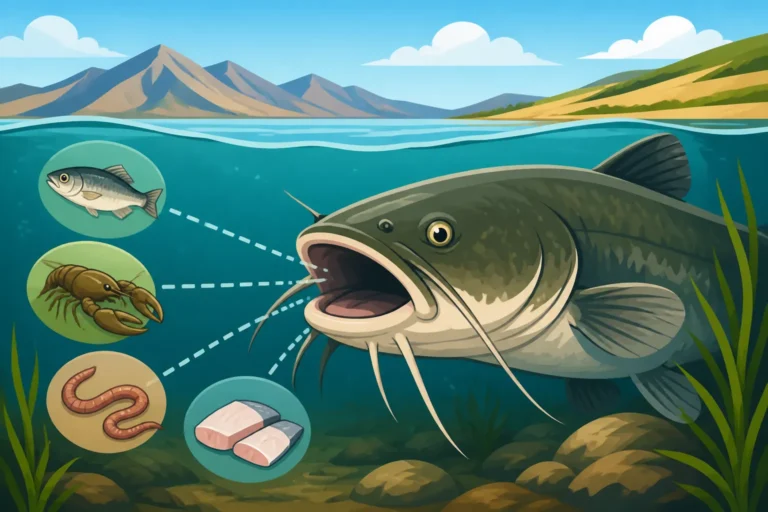
Sinkers are equally important for keeping your bait on the bottom where catfish feed. Pyramid sinkers, egg sinkers, or no-roll sinkers in weights from 1/2 ounce to 2 ounces are common, chosen based on current, wind, and casting distance. A basic Carolina rig or a three-way swivel rig are two of the most popular and effective setups for presenting bait to catfish. You can easily find assortments of robust hooks, sinkers, and swivels for your catfishing adventures on Amazon. As for bait, catfish are opportunistic omnivores with a powerful sense of smell. Stink baits, cut baits (like shad, carp, or sucker), chicken livers, worms (nightcrawlers are excellent), and even hot dogs or shrimp are all highly effective. What Bait Works Best for Utah Lake Catfish? provides more specific insights for that prime location. Experiment to see what the fish are keying in on that day!
Mastering Catfish Techniques: From Shore to Boat
Catfish might have a reputation for being simple to catch, but there's an art to consistently finding and landing them, especially the larger ones. Their behavior changes with water temperature, time of day, and available food sources, so understanding how to adapt your approach is key. Whether you're casting from the bank with a cooler full of snacks or drifting silently from a boat, having a few techniques up your sleeve will significantly increase your success.
Bank Fishing Strategies for Catfish
Bank fishing for catfish is incredibly popular in Utah, offering accessible and often productive angling, particularly at spots like Utah Lake Catfish Fishing Spots. The key to success from shore often boils down to finding good structure or deeper water within casting distance. Look for points, channels, drop-offs, or areas where current brings food to the fish. Bridge pilings, submerged brush, or even concrete structures can act as excellent holding areas for catfish. When casting from the bank, a standard bottom rig, like a Carolina rig, is your best friend. This setup allows your bait to rest on the bottom while the sinker holds it in place, allowing the fish to pick up the bait without feeling the weight of the sinker immediately.
Cast your rig out, let it settle, and then reel in the slack until you have a slight bend in your rod tip. Then, it's a waiting game. Catfish bites can range from a subtle tap-tap to a full-on rod-bending smash. If you’re using circle hooks, resist the urge to yank the rod to set the hook. Instead, simply reel down until you feel the weight of the fish, and let the circle hook do its job. Consider using multiple rods (where legal, check Utah Fishing Regulations Explained for specifics on rod limits) spread out along the bank to cover more water and different depths. This increases your chances of finding where the catfish are congregating. Remember to stay patient; catfishing from shore is often a relaxing experience, perfect for a long evening under the stars.
Boat Fishing Tactics for Deeper Water
Having a boat opens up a whole new realm of possibilities for catfish anglers, allowing access to deeper channels, submerged islands, and isolated structure that are unreachable from shore. Trolling with cut bait or large worms can be effective, slowly dragging your baits along contours or across known catfish haunts. Using a fish finder becomes invaluable here, as it can help you locate schools of baitfish (where catfish often lurk) and identify underwater structure like humps, ledges, and channels. Anchor your boat upstream or upwind from a promising area, then cast your baited rigs downstream or downwind, letting them drift naturally into the strike zone.
Another highly effective boat fishing technique for catfish is drifting. This involves letting your boat (and therefore your baits) slowly move with the current or wind across a large area. This method is particularly good for covering extensive flats or finding active fish that might be spread out. You can use a drift sock or sea anchor to control your speed and ensure your baits are presented naturally. For both trolling and drifting, having multiple rod holders will be a huge asset. This allows you to deploy several lines at different depths and with various baits, helping you quickly determine what the fish prefer on any given day. Always be mindful of other boaters and Utah Boating and Fishing Rules when on the water.
Night Fishing for Catfish in Utah
If there's one secret weapon for catching big catfish in Utah, it's night fishing. Catfish are primarily nocturnal feeders, meaning they become much more active after the sun goes down. As daylight fades, they move from deeper, cooler water into shallower areas to hunt for food. This makes them more accessible to shore anglers and often results in more aggressive bites. The calm, quiet atmosphere of night fishing also adds a special, almost magical, element to the experience. Just be sure to bring plenty of light—headlamps are essential for tying knots, rebaiting hooks, and safely navigating the bank.
When night fishing, focus on the same types of areas you would during the day, but perhaps target the shallower edges of those areas. Points that extend into deeper water, the mouths of coves, or areas with current are all excellent choices. Catfish rely heavily on their sense of smell at night, so strong, pungent baits like cut bait, chicken livers, or specially formulated stink baits are particularly effective. Many experienced night anglers also use glow-in-the-dark beads or small chemical lights above their hooks to attract attention, though this isn't strictly necessary. Be prepared for a powerful strike; a rod left unattended in a rod holder might just disappear into the water! For safety, always let someone know where you're going and when you expect to return, and never fish alone at night in unfamiliar territory.
Top Utah Catfish Destinations: Where to Find the Big Ones
Utah's diverse waters offer opportunities for many types of fishing, but when it comes to catfish, certain locations truly stand out. These spots consistently produce both a healthy number of fish and the potential for those bragging-rights monsters. Knowing where to focus your efforts can save you a lot of time and increase your chances of a successful outing. Forget the small ponds for a minute; we’re talking about serious catfishing action.
Utah Lake: The Catfish Mecca
Without a doubt, Utah Lake Fishing Guide holds the crown as Utah's premier catfish destination. This massive, shallow, and nutrient-rich lake is an absolute paradise for channel catfish, supporting a robust population that includes some truly enormous specimens. It's not uncommon for anglers to pull out fish weighing over 10 pounds, and true giants pushing past 20 pounds are regularly reported. The lake's warm summer temperatures and abundant forage, including carp and various invertebrates, create the perfect environment for catfish to grow large and healthy.
The best spots on Utah Lake often include the Provo Boat Harbor area, Lincoln Beach, and any of the numerous bay mouths and river inlets where current concentrates food. Catfish can be found almost anywhere on the lake, but focusing on areas with deeper channels, drop-offs, or submerged vegetation will generally be more productive. Bank anglers have excellent access from many state parks and public areas, while boaters can explore the vast expanses of the lake. The sheer size of Utah Lake means there's always a new spot to discover, but you can't go wrong starting with known hotspots. Don't forget your sturdy tackle; Utah Lake catfish fight with surprising power!
Willard Bay and Other Hotspots
While Utah Lake might be the king, Willard Bay is definitely a strong contender for Utah's best catfish waters, particularly for those in Northern Utah. This large, shallow freshwater reservoir is an off-channel impoundment from the Bear River, offering miles of productive shoreline and open water. Willard Bay's catfish fishery is exceptional, with a fantastic balance of both numbers of fish and the potential for true trophy cats. Many anglers specifically target Willard Bay for its consistent action and the chance at a double-digit channel catfish. The warm, often turbid waters are ideal for catfish, and they feed aggressively throughout the warmer months.
Beyond these two giants, other waters across the state also offer good catfishing opportunities. The Green River in the Uinta Basin, particularly the slower-moving sections, can hold surprisingly good numbers of channel catfish. Some of the larger irrigation canals that feed into or out of reservoirs can also be catfish highways, especially in the evenings. Even some community ponds, particularly those managed for warm-water species, can occasionally surprise you with a nice channel cat mixed in with the panfish and bass. Always check local fishing reports and the Utah Division of Wildlife Resources (DWR) website for specific regulations and stocking information for these lesser-known spots. Diversifying your fishing locations can be a great way to discover new favorite spots and avoid crowds.
| Utah Catfish Hotspots Comparison | Primary Catfish Species | Typical Size Range | Best Fishing Methods | Key Features |
|---|---|---|---|---|
| Utah Lake | Channel Catfish | 3-15+ lbs | Bank, Boat (bottom rigs) | Trophy Potential, Abundant, Warm Water |
| Willard Bay | Channel Catfish | 2-10 lbs | Bank, Boat (drifting, anchoring) | Consistent Action, Northern Utah Access |
| Green River (lower sections) | Channel Catfish | 1-8 lbs | Bank (current eddies) | Scenic, Good for Drifting Baits |
| Community Ponds (select) | Channel Catfish, Bullhead | 1-5 lbs (Channel) | Bank (simple rigs) | Family-Friendly, Easy Access |
Catfish Care and Culinary Delights: From Hook to Plate
There's a reason why catfish are prized by so many anglers—they're fantastic to eat! However, getting them from the water to your dinner plate in top condition requires a little knowledge and care. Properly handling your catch, whether you intend to release it or keep it for a meal, is crucial for both the fish's well-being and the quality of its meat. Many anglers are hesitant to try cleaning and cooking catfish, but it's a straightforward process once you get the hang of it.
Handling and Releasing Catfish Responsibly
Catfish, especially larger ones, can be quite feisty at the boat or bank. Their pectoral and dorsal fins have sharp, stiff spines that can inflict a painful wound if you're not careful. Always use a good pair of pliers or a fish gripper to handle them, or wear sturdy gloves. If you're planning to release a fish, try to keep it in the water as much as possible. Use a net to land it quickly and carefully, and then unhook it with long-nosed pliers. Circle hooks, as mentioned earlier, are excellent for this as they typically hook the fish in the mouth, making removal easy. If the fish is deeply hooked, it's often best to cut the line as close to the hook as possible rather than tearing the fish's throat trying to remove it.
When releasing, support the fish horizontally and allow it time to recover before letting it go. If it's struggling, hold it gently in the water, facing into any current, until it kicks strongly and swims away on its own. For fish you intend to keep, dispatch them quickly and humanely. A swift blow to the head is generally the most effective method. Once dispatched, place them immediately on ice in a cooler. How to Store Fish on a Hot Day in Utah is a must-read, as keeping your catfish cold is paramount for preserving meat quality and flavor, especially during warm Utah summers. Don't just toss them in a bucket of warm water; rapid cooling makes a huge difference.
Cleaning and Cooking Your Catch
Cleaning a catfish might seem intimidating due to their scaleless, slimy skin, but it's surprisingly easy once you have the right technique. The most common method involves skinning them. You'll need a sharp fillet knife, a pair of pliers, and ideally a cleaning board with a clamp to hold the fish securely. Start by making a cut just behind the head, down to the backbone, but don't cut through the bone. Then, using your pliers, grasp the skin at the corner of your cut and peel it off like a glove. It might take a strong tug, but once you get it started, it usually comes off relatively easily.
Once skinned, you can either gut the whole fish and cook it on the bone, or fillet it into boneless strips. For filleting, simply follow the backbone down each side, removing the meat. Catfish fillets are firm, white, and have a mild flavor, making them incredibly versatile in the kitchen. They hold up well to frying (classic cornmeal breading!), grilling, baking, or even pan-searing. Just remember to check for any Utah Fish Species to Avoid Eating Due to Consumption Advisories in Utah if you're fishing in a new or unfamiliar water body, though catfish from our major reservoirs are generally considered excellent table fare. There are countless delicious recipes out there, so get creative and enjoy the fruits of your angling labor!
Understanding Utah Catfish Regulations: Stay Legal and Safe
Fishing in Utah, regardless of your target species, means adhering to the state's fishing regulations. These rules are in place to manage fish populations, ensure sustainable angling, and maintain public safety. Catfish are no exception, and knowing the specific rules for licenses, limits, and other considerations will help ensure a fun, legal, and responsible fishing trip. Getting caught off guard by a regulation you weren't aware of can quickly turn a great day on the water into a costly one.
Licenses, Limits, and Other Rules
First and foremost, anyone aged 12 and older needs a valid Utah Fishing License Guide to fish in Utah. This applies to both residents and non-residents, and there are various options available, from annual licenses to multi-day permits like Utah 3-Day and 7-Day Fishing License Options. You can purchase these online, at DWR offices, or from many sporting goods retailers. Always carry your license with you when fishing, either in physical form or digitally on your phone via the official DWR app. Conservation officers regularly check anglers, and a missing license can result in fines.
Beyond the license, it's crucial to be aware of Utah Daily Bag and Possession Limits for catfish. These limits can vary by water body and season, so always consult the current Utah Fishing Guidebook published by the Utah Division of Wildlife Resources. For channel catfish, there's often a statewide aggregate daily limit, meaning the total number of fish you can keep in a 24-hour period. "Possession limit" refers to the total number of fish you can have in your possession at any given time, including those at your home. Always measure your fish carefully if there are length restrictions, and count your catch accurately. It's your responsibility as an angler to know and follow these rules.
Invasive Species Considerations
While channel catfish are a popular and managed game fish in Utah, the state takes aquatic invasive species (AIS) very seriously. While catfish themselves are not generally classified as an invasive species that requires mandatory harvest like, for example, northern pike in Utah Lake (Why Does Utah Lake Require You to Kill Every Northern Pike?), it's important to be aware of the broader AIS rules. The transport of live fish, for instance, is highly regulated. You generally cannot transport live fish from one water body to another without specific permits, due to the risk of spreading diseases or unwanted species.
Furthermore, if you're boating to fish for catfish, particularly at waters like Lake Powell or Willard Bay, you'll need to be aware of Utah Aquatic Invasive Species Inspection Stations and decontamination rules for quagga and zebra mussels. Even if you're just fishing from the shore, be diligent about cleaning, draining, and drying your gear (waders, nets, buckets) between fishing trips to different waters. This "Clean, Drain, Dry" protocol is essential for preventing the spread of any unwanted hitchhikers. By understanding and following all regulations, you're not just staying legal; you're also helping to protect Utah's valuable fisheries for future generations of anglers.
Disclaimer
This article is for general informational purposes only and does not constitute professional advice. Laws, prices and regulations vary by location and change over time. Consult a qualified professional for guidance on your specific situation.