Utah Cutthroat Trout Guide
For many anglers in Utah, the elusive cutthroat trout represents more than just a fish; it's a piece of living history, a symbol of our wild waters, and a truly rewarding challenge. But figuring out which cutthroat you're even looking at, let alone where to find them and how to entice a bite, can feel like solving a complex puzzle. This comprehensive guide is here to untangle that mystery, giving you the knowledge and confidence to pursue Utah's beautiful native trout.
Understanding Utah's Native Cutthroat Trout
Utah is a special place when it comes to cutthroat trout, hosting several distinct subspecies, each with its own story, habitat, and characteristics. These aren't just any trout; they are, in many ways, the original inhabitants of our pristine mountain streams and vast, deep lakes. Knowing the differences between them is key to appreciating their unique beauty and to fishing them responsibly, respecting the delicate balance of their populations.
The Bonneville Cutthroat Trout: Utah's State Fish
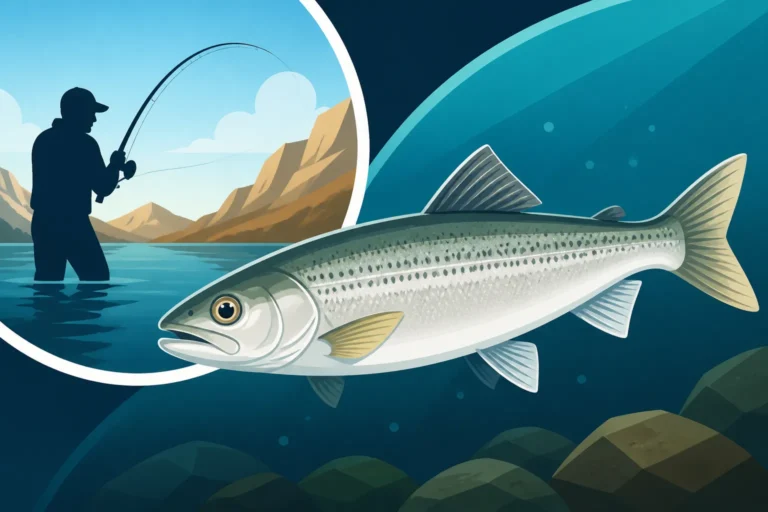
The Bonneville cutthroat trout (Oncorhynchus clarkii utah) holds a particularly special place in the hearts of Utahns, and for good reason—it's our official state fish. Historically, this magnificent trout was the dominant native salmonid throughout much of the Bonneville Basin, which covers a huge chunk of western Utah, southeastern Idaho, and southwestern Wyoming. Imagine, before settlement, these fish thrived in a network of connected rivers and streams that all flowed into ancient Lake Bonneville. They were a crucial food source for indigenous peoples and early pioneers alike.
Today, while their historical range has been significantly impacted by habitat loss, fragmentation, and hybridization with non-native trout, dedicated conservation efforts by the Utah Division of Wildlife Resources (UDWR) and various partners are working tirelessly to restore their populations. You can find robust Bonneville cutthroat populations in many of the higher elevation streams and tributaries that feed into major river systems, acting as genetic strongholds. These fish typically display a beautiful olive-green to brassy-gold coloration, often with a smattering of small, dark spots concentrated towards the tail, and, of course, that signature red or orange slash under the jaw. They are truly resilient creatures, surviving and thriving despite immense pressure.
Bear Lake Cutthroat Trout: A Unique Subspecies
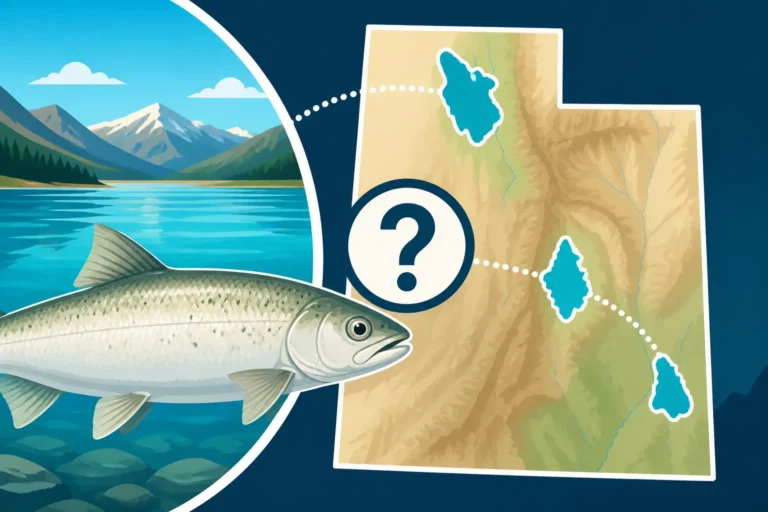
When you talk about large, formidable cutthroat trout in Utah, the conversation inevitably turns to the Bear Lake cutthroat trout (Oncorhynchus clarkii utah), a subspecies found nowhere else on Earth but the deep, cold waters of Bear Lake, which straddles the Utah-Idaho border. These fish are a truly unique evolutionary marvel, having adapted specifically to the deep, oligotrophic (nutrient-poor) environment of Bear Lake over millennia. They grow to impressive sizes, much larger than their river-dwelling cousins, preying on other endemic fish species like the Bonneville cisco and Bear Lake sculpin.
The Bear Lake cutthroat are typically silvery with fewer, smaller spots, especially when young, a testament to their open-water existence where camouflage from aerial predators isn't as critical as it might be in a stream. As they mature, they can develop a darker, more olive hue. Catching one of these titans is a bucket-list item for many anglers, requiring specialized techniques to target fish that might be holding hundreds of feet deep. Their impressive size and fighting spirit make them an incredible challenge, and their existence is a testament to the incredible biodiversity found within Utah's waters. It's a privilege to pursue them, and strict regulations are in place to ensure their continued health and abundance. You can learn more about these fascinating fish in our guide to Bear Lake Cutthroat Trout Facts.
Other Cutthroat Subspecies in Utah
While the Bonneville and Bear Lake cutthroat are our local celebrities, Utah's diverse landscape and historical hydrology mean that other cutthroat subspecies also call parts of our state home. These populations are often smaller, more isolated, and equally, if not more, vital to conservation efforts.
The Yellowstone cutthroat trout (Oncorhynchus clarkii bouvieri) typically inhabit the drainages of the Bear River in northeastern Utah, which historically connects to the Yellowstone River system. These fish are known for their golden-yellow to brassy coloration and more numerous, often larger, black spots distributed over their entire body, including their pectoral fins. Their presence here is a reminder of ancient river connections and the vastness of the Greater Yellowstone Ecosystem. While not as widespread in Utah as the Bonneville, where you do find them, they are a vibrant part of the ecosystem, often providing excellent angling opportunities, particularly for those seeking a classic, heavily-spotted trout.
Further south and east, in the drainages of the Colorado River system, you might encounter the Colorado River cutthroat trout (Oncorhynchus clarkii pleuriticus). These fish typically reside in the high-elevation streams of eastern Utah, particularly within the Price River and Green River drainages, as well as the Uinta Mountains. They tend to be a little more subtle in their coloring compared to the Yellowstone, often having a reddish or orange hue along their lateral line and a concentration of spots towards the tail. Their native range is quite specific and often isolated, making them particularly vulnerable to environmental changes and competition from non-native species. Recognizing these unique subspecies and respecting their specific habitats is crucial for any angler exploring Utah's varied aquatic environments.
Where to Find Cutthroat Trout in Utah's Waters
The pursuit of cutthroat trout in Utah can take you through some of the most breathtaking landscapes the state has to offer, from meandering high-mountain streams to expansive, deep reservoirs. Knowing where to focus your efforts for each subspecies dramatically increases your chances of success and allows you to experience the diverse beauty of Utah's fishing grounds. Each type of water presents its own challenges and rewards, making every cutthroat encounter a unique adventure.
Premier Rivers and Streams
For many, the quintessential cutthroat fishing experience happens in the state's pristine rivers and streams. These flowing waters are often the last strongholds for genetically pure populations, particularly the Bonneville and Colorado River cutthroat. If you're targeting Bonneville cutthroat, head to the headwaters and tributaries of major drainages within the Bonneville Basin. The upper reaches of the Provo River, above reservoirs like Deer Creek and Jordanelle, still hold pockets of these native beauties, especially in its quieter, less pressured sections. Similarly, the Strawberry River and its feeder streams, particularly within the vast Strawberry Valley, are famous for their healthy populations, offering a fantastic opportunity to catch and appreciate Utah's state fish in a stunning natural setting.
When fishing these river systems, look for classic trout lies: deep pools, undercut banks, current seams behind large rocks, and logjams. These features provide cover, ambush points for feeding, and refuge from strong currents. The fish are often holding close to the bottom or tucked into structure, waiting for an easy meal to drift by. For the more elusive Colorado River cutthroat, you'll need to focus on specific, often remote, tributaries of the Price and Green River drainages in the eastern part of the state. These fish often occupy smaller, steeper streams, and finding them can require a good map, sturdy hiking boots, and a willingness to explore. Always check the current Utah Fishing Regulations Explained for specific river sections, as some areas may have special rules to protect these delicate populations.
High-Altitude Lakes and Reservoirs
Beyond the rivers, Utah's high-altitude lakes and larger reservoirs offer incredible opportunities for cutthroat trout, often promising larger fish and a different kind of angling challenge. The Uinta Mountains, with their countless alpine lakes, are a prime destination for native cutthroat. Many of these lakes, accessible only by foot or horseback, hold populations of genetically pure Bonneville cutthroat, offering an unparalleled backcountry experience. These fish often thrive in the cold, clear waters, and while they might not reach the trophy sizes of reservoir fish, their vibrant colors and wild nature make them truly special catches. Consult our Uinta Mountains High Lakes Fishing guide for more detailed information on planning these remote excursions.
For those seeking truly massive cutthroat, Strawberry Reservoir is practically legendary. It's renowned for producing some of the largest Bonneville cutthroat trout in the state, making it a dream destination for many anglers. The sheer size of the reservoir and the abundance of forage allow these fish to grow to impressive proportions. Bear Lake, of course, is in a class of its own, being the sole home of the magnificent Bear Lake cutthroat. Fishing these deep, expansive waters requires different tactics, often involving boats, downriggers, and specialized electronics to locate the fish. Other reservoirs like Scofield Reservoir and Fish Lake also host good populations of cutthroat, often alongside other trout species, providing diverse opportunities for both boat and shore anglers. For a deeper dive into one of Utah's most popular cutthroat destinations, check out our Strawberry Reservoir Fishing Guide.
Accessing Remote Cutthroat Fisheries
Reaching some of Utah's best cutthroat fisheries often requires more than just a quick drive to a boat ramp. Many of the most pristine native cutthroat populations reside in remote, high-country settings, demanding a sense of adventure and careful preparation. For the Uinta Mountains' high lakes, a solid day hike, or even a multi-day backpacking trip, is often necessary. This means packing light but smart, bringing appropriate gear for changing mountain weather, and being prepared for varying trail conditions. Lightweight fishing gear, portable water filters, and good navigation tools are essential. It's a rewarding effort, as these secluded lakes often offer solitude and a chance to catch truly wild fish in an untouched environment.
For slightly less strenuous but still access-dependent fishing, consider using float tubes or kayaks on smaller, more accessible mountain lakes or large ponds where motorboats might be restricted. These personal watercraft allow you to cover more water than shore fishing, reaching areas that might hold larger, less pressured fish. When accessing any fishing spot, whether by car or foot, always be mindful of land ownership. Utah has a mix of public, private, and tribal lands, and respecting boundaries and obtaining necessary permissions (such as a Utah Fishing License Guide and any specific tribal permits) is paramount. Many of the best experiences come from seeking out these quieter, less visited spots, where the wild cutthroat trout truly thrive.
Identifying Cutthroat Trout: Key Features and Look-Alikes
Proper identification of cutthroat trout is more than just a matter of curiosity; it's often crucial for adhering to specific fishing regulations and contributing to conservation efforts. With several subspecies and the prevalence of other trout that can look remarkably similar, knowing the key features can save you a headache and help protect these cherished fish. It’s not always straightforward, but with a keen eye, you can learn to distinguish these beautiful natives.
The Signature "Cutthroat Slash"
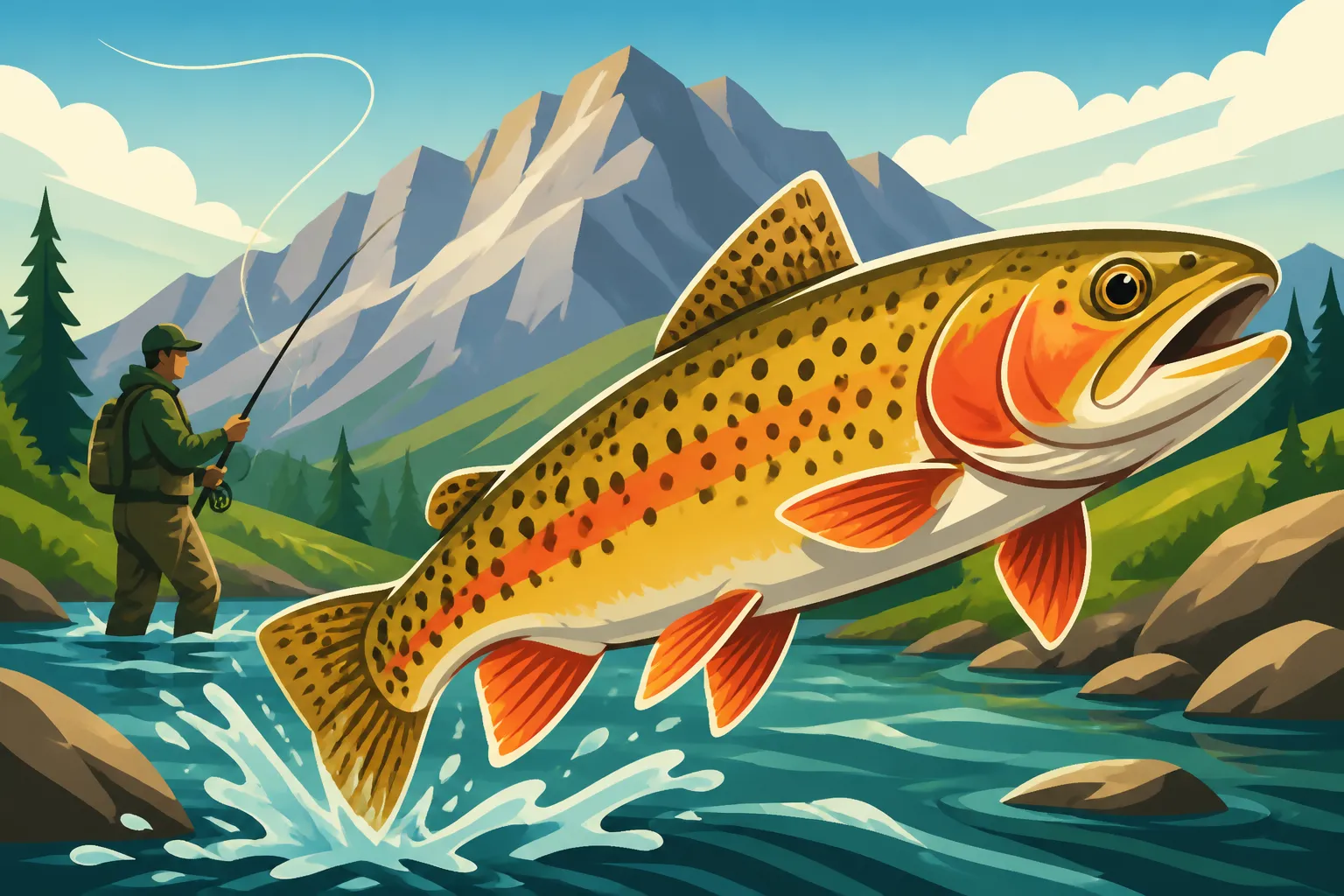
The most definitive and universally recognized feature of a cutthroat trout is, without a doubt, the distinctive red, orange, or sometimes yellow "slash" found in the fold of skin under its lower jaw. This mark is where the fish gets its evocative name and is almost always present, though its intensity and clarity can vary. In some individuals, especially those in clear, cold water or during spawning, the slash can be a brilliant, fiery crimson, practically glowing. In others, perhaps in murkier water or after a stressful fight, it might appear as a faint, muted orange or even a yellowish streak.
It's important to remember that this "slash" is typically on the underside of the jaw, not on the gill plate itself. While other trout might have some red or orange coloration on their lower jaw or gill covers, it's the specific location in that fleshy fold, almost like a throat slit, that confirms it's a cutthroat. This feature is your primary diagnostic tool, and if you're ever unsure about a fish, gently lifting its lower jaw to check for this mark is the first step in positive identification. It’s what truly sets them apart from their rainbow trout cousins.
Spot Patterns and Body Shape
Beyond the unmistakable slash, the spot patterns and overall body shape provide further clues to identifying cutthroat trout, and often, even distinguishing between subspecies. Generally, cutthroat trout tend to have smaller, more numerous spots that are often concentrated more heavily towards the tail and dorsal fin, though this can vary.
- Bonneville Cutthroat Trout (Utah's state fish) typically exhibit fine, irregular spots that are often concentrated on the posterior half of the body. Their overall coloration can range from olive-green to silvery, with hints of red or orange along the lateral line, especially during spawning. Their body shape is generally slender and streamlined, well-suited for river life.
- Bear Lake Cutthroat Trout, adapted for deep lake living, tend to be more robust and deep-bodied, particularly as they grow larger. Their spots are often smaller and sparser, especially along their flanks, giving them a more silvery appearance, though they can still have a concentration of spots towards the tail.
- Yellowstone Cutthroat Trout are known for having more spots, which are often larger and more evenly distributed over their entire body, including their head, gill covers, and often their pectoral and caudal fins. They typically have a more brassy or golden-yellow hue.
- Colorado River Cutthroat Trout often have smaller, more irregular spots that are also concentrated towards the posterior part of the body. Their overall coloration can lean towards a reddish or coppery tone, particularly along the lateral line.
Observing these subtle differences in spotting and body shape, in conjunction with the presence of the cutthroat slash, can help you narrow down the specific type of cutthroat you've encountered.
Distinguishing Cutthroat from Rainbow and Hybrid Trout
This is where things can get a little tricky, and it's a common point of confusion for many anglers. Utah's waters are home to a variety of trout species and hybrids, and some of them bear a striking resemblance to cutthroat, especially if you're not looking closely. The primary impostor is the rainbow trout. Rainbows are widely stocked and share similar habitats. The most reliable way to distinguish them from cutthroat is the absence of the red "slash" under the jaw. Rainbows also typically have white or clear mouths, whereas cutthroat often have darker, grayish mouths. Rainbows also tend to have a distinctive pink or red band along their lateral line, which is usually less pronounced or absent in cutthroat, though cutthroat can display rosy cheeks. The spots on a rainbow are usually more uniformly distributed across the body and tail, often creating a "peppered" appearance. If you need a more detailed comparison, our guide How to Tell a Cutthroat Trout From a Rainbow Trout provides a comprehensive breakdown.
Then there are the hybrid trout, which can really throw a wrench into identification.
- Tiger trout are a sterile cross between a brown trout and a brook trout. They are easily identified by their distinct vermiculated (worm-like) patterns all over their body, resembling a tiger's stripes. They don't have a cutthroat slash.
- Splake are a hybrid of lake trout and brook trout. They tend to have a more slender body shape than a lake trout, with light spots on a darker background and often a slightly forked tail. Again, no cutthroat slash.
- The most challenging hybrids to identify are cutbows, which are a cross between a cutthroat trout and a rainbow trout. These hybrids are particularly problematic for native cutthroat conservation because they dilute the genetic purity of wild populations. A cutbow might have a faint, broken, or incomplete slash, or a mix of spotting patterns from both parents. If a fish has any hint of a slash but also shows strong rainbow trout characteristics (like a prominent lateral red band or white mouth), it's likely a cutbow. In waters managed for native cutthroat, the safest approach is often to treat any fish with ambiguous identification as a native cutthroat and release it with care, especially if specific regulations call for it. Always check the regulations for the specific water you're fishing, as identification can have significant implications for daily limits and release requirements.
Effective Techniques for Catching Utah Cutthroat Trout
Successfully catching cutthroat trout in Utah often means adapting your approach to the specific water you're fishing—be it a freestone river, a high-mountain lake, or a vast reservoir. While cutthroat can sometimes be less finicky than other trout species, they still respond best to presentations that mimic their natural forage or exploit their predatory instincts. A versatile angler will have a range of tactics at their disposal, ready to switch things up based on conditions.
Fly Fishing Strategies for Rivers and Streams
For many purists, fly fishing is the ultimate way to connect with cutthroat trout in rivers and streams. These fish are typically opportunistic feeders, readily taking a variety of fly patterns.
Matching the Hatch: This classic fly fishing strategy involves observing what insects are actively hatching or drifting in the water and presenting a fly that closely imitates them. In Utah, common hatches include various species of mayflies (Blue-winged Olives, Pale Morning Duns), caddisflies, and stoneflies. Carrying a diverse fly box with patterns representing different life stages (nymphs, emergers, adults) will serve you well.
Nymphing Techniques: Often the most consistent method, nymphing involves drifting subsurface fly patterns that imitate insect larvae and pupae. Indicator nymphing uses a small bobber-like indicator to detect subtle takes and suspend your flies at the correct depth. More advanced methods like Euro nymphing, which uses specialized rods and lines for direct contact with the flies, can be incredibly effective in varying currents, allowing you to tick the bottom where cutthroat often feed.
Dry Fly Fishing: When cutthroat are actively feeding on the surface, there's nothing more exhilarating than watching a fish rise to your dry fly. This is particularly effective during dense hatches or when terrestrials (grasshoppers, ants, beetles) are prevalent in late summer. Look for rising fish in slower pools, eddies, and along current seams.
Streamer Fishing: For larger, more aggressive cutthroat, especially those looking for a substantial meal, streamer fishing can be incredibly rewarding. Streamers imitate baitfish or larger aquatic insects, and retrieving them with varying strips and pauses can trigger a predatory strike. While often associated with brown trout, many cutthroat, particularly in systems with a healthy baitfish population, will readily chase a well-presented streamer. For more on this technique, you can draw inspiration from our guide, How to Fish a Streamer for Brown Trout in Utah.
Stillwater Tactics for Lakes and Reservoirs
Fishing stillwaters for cutthroat requires a different mindset and often different gear than river fishing. The absence of current means you need to impart action to your lure or fly and cover more water to find scattered fish.
Trolling: This is a highly effective method for covering large areas of reservoirs like Strawberry or Bear Lake, especially when targeting deeper-holding fish. Trolling with spoons, spinners, or even streamer patterns behind a boat, often with the aid of downriggers to reach specific depths, can entice strikes from large cutthroat. Adjust your speed and depth until you find what the fish are keying in on. While our guide Utah Trolling Techniques for Lake Trout focuses on mackinaw, many of the principles apply to deep-water cutthroat as well.
Casting from Shore or Boat: For anglers without a full trolling setup, casting and retrieving lures or bait from shore or a stationary boat can be very productive. Small to medium-sized spoons (like Kastmasters or Daredevls), spinners (Rooster Tails, Panther Martins), and soft plastic swimbaits can be cast and retrieved to mimic baitfish. Varying your retrieve speed and adding pauses can be crucial.
Using Bait: In many Utah reservoirs and community ponds where cutthroat are stocked, good old-fashioned bait can be incredibly effective. PowerBait, salmon eggs, or nightcrawlers fished off the bottom with a sliding sinker rig, or suspended under a bobber, are classic and reliable methods. Just be sure to check regulations for any bait restrictions on specific waters.
Ice Fishing: When Utah's lakes freeze over, ice fishing for cutthroat becomes a popular winter pastime. Jigging small spoons, soft plastics, or even specialized ice flies tipped with a mealworm or waxworm can bring success. Using a fish finder to locate schools of fish and monitor their reaction to your presentation is a huge advantage. Our Utah Ice Fishing Guide offers comprehensive tips for a successful winter outing.
Gear Recommendations for Cutthroat Anglers
Having the right tools for the job can make a world of difference. Your gear choices will largely depend on your preferred fishing method and the size of the water you're targeting.
Rods and Reels: For river fly fishing, a 4- to 6-weight fly rod, typically 8.5 to 9 feet long, paired with a matching reel, is versatile for most cutthroat streams. For spin fishing, a light to medium-light action spinning rod (6 to 7 feet) with a sensitive tip and a matching spinning reel spooled with 4-8 pound test monofilament or fluorocarbon line is ideal for casting lighter lures and baits. For larger reservoirs and heavier trolling, you might opt for a medium-action spinning or baitcasting rod. Finding a reliable rod and reel combo that offers sensitivity and strength is essential, and many excellent options can be found easily on platforms like Amazon, offering a great balance of performance and value. Consider our Best Fishing Rods for Utah Anglers for more insights.
Line Selection: Fluorocarbon leader material is highly recommended for its invisibility underwater and abrasion resistance, especially in clear mountain streams. For mainlines, monofilament offers good knot strength and shock absorption, while braided line provides sensitivity and strength for larger fish or heavier cover.
Essential Tackle Box Items: No matter your preferred method, a well-stocked tackle box is key. For spin fishing, include a variety of small spoons, spinners, crankbaits, and soft plastic grub bodies. A selection of hooks (sizes 8-12), sinkers, and swivels are also vital. For bait anglers, PowerBait, salmon eggs, and worms are staples. Many of these essential items can be quickly stocked up on from retailers, including Amazon, ensuring you're ready for any condition.
Waders and Wading Boots: If you plan on fishing rivers and streams, a good pair of breathable chest waders and sturdy wading boots with felt or rubber soles (often with studs for extra grip) are invaluable for accessing prime fishing lies and staying comfortable in cold water. When it comes to specialized fly patterns or particular brands of wading boots, dedicated online stores and even Amazon often have the widest selection, allowing you to choose exactly what you need for your next adventure.
Conservation and Responsible Angling for Cutthroat
Fishing for cutthroat trout in Utah comes with a significant responsibility. These native fish, especially the genetically pure strains, are often fragile populations facing numerous threats. As anglers, we play a crucial role in their conservation by understanding and adhering to regulations and practicing ethical angling techniques. Our actions on the water directly impact the future health of these iconic fish and their ecosystems.
Catch and Release Best Practices
Many cutthroat fisheries in Utah, particularly those managed for native populations, are designated as catch-and-release only, or have very restrictive limits. This means practicing proper catch and release techniques is not just a suggestion, but a vital part of protecting the resource. The goal is to minimize stress and injury to the fish, giving it the best possible chance of survival after being released.
- Minimize Fight Time: Bring the fish in as quickly as possible without "horsing" it. A prolonged fight exhausts the fish, making it more vulnerable to predators and disease after release.
- Use Barbless Hooks: Crimping the barb on your hook (or buying barbless hooks) makes removal much easier, faster, and less damaging to the fish's mouth. This is often a mandatory regulation in sensitive cutthroat waters.
- Keep the Fish Wet: Whenever possible, keep the fish in the water while you remove the hook. If you must handle it, wet your hands thoroughly beforehand to avoid removing the fish's protective slime coat, which defends against infections. Avoid placing the fish on dry rocks, sand, or boat carpets.
- Proper Handling: Support the fish horizontally, never vertically by the jaw or tail, which can damage its spine and internal organs. Use a soft, knotless net if needed to minimize handling stress.
- Quick Release: Remove the hook gently but swiftly. If the fish is deeply hooked, especially in the gills or throat, it's often best to cut the line as close to the hook as possible rather than attempting a damaging extraction.
- Revive the Fish: If the fish seems sluggish, hold it gently upright in the water, facing into a gentle current, allowing water to flow over its gills until it regains its strength and can swim away on its own.
These practices are not only about compliance but also about showing respect for the fish and the natural environment. Our guide How to Release a Fish Without Hurting It in Utah offers more detailed instructions on this critical skill.
Understanding Regulations and Bag Limits
Utah's fishing regulations can be complex, and nowhere is this more apparent than with cutthroat trout. Because various subspecies have different conservation statuses, the rules often vary significantly from one water body to another. It's not uncommon for a specific river section or lake to have unique daily bag limits, size restrictions, or even mandatory release requirements for certain cutthroat strains.
- Why Specific Regulations? These regulations are designed to protect vulnerable populations, allow specific age classes to reproduce, or manage for trophy fish. For example, some waters might have slot limits, requiring you to release all fish within a certain size range, while allowing you to keep smaller or larger ones outside that range. Other areas might be entirely catch-and-release to safeguard genetically pure native stock.
- Daily and Possession Limits: Always be aware of the daily bag limit (how many fish you can keep in one day) and the possession limit (how many fish you can have in your possession, including at home) for the specific water you are fishing. These limits can be found in the current Utah Daily Bag and Possession Limits guidelines published by the UDWR.
- Checking Current Regulations: The most important takeaway here is to always check the current Utah Fishing Guidebook before every fishing trip. Regulations can change annually, and relying on outdated information can lead to unintentional violations. The guidebook is available online and at license vendors and provides specific rules for individual waters. Familiarize yourself with the Utah Fishing Regulations Explained to avoid any issues.
Protecting Cutthroat Habitat and Genetics
Beyond individual angling practices, broader conservation efforts are vital for the long-term survival of Utah's cutthroat trout. Anglers can contribute by understanding and supporting these initiatives.
Hybridization Threat: One of the most significant threats to native cutthroat is hybridization with rainbow trout. When rainbow trout are introduced into cutthroat waters, they can interbreed, leading to "cutbows" and diluting the unique genetic makeup of the native species. This is why many native cutthroat restoration efforts involve removing non-native trout and carefully managing stocking programs.
Habitat Restoration: Supporting and participating in habitat restoration projects is another way to help. This includes efforts to restore riparian zones (the vegetation along stream banks), which provide shade, stabilize banks, and contribute to insect populations. Stream improvements, such as adding fish passage structures or improving water quality, are also critical.
Aquatic Invasive Species (AIS): Preventing the spread of AIS like quagga and zebra mussels, or illegally moving live fish between waters, is paramount. AIS can devastate native ecosystems, outcompete native species, and make habitats unsuitable. Always clean, drain, and dry your boat and gear thoroughly after leaving any water body, especially Lake Powell. Familiarize yourself with the Utah Aquatic Invasive Species Rules for Anglers to ensure you're doing your part.
Supporting Conservation Groups: Consider supporting organizations dedicated to coldwater conservation, such as Trout Unlimited, or local watershed councils. Their work on policy, habitat projects, and public education is indispensable for ensuring future generations can enjoy fishing for Utah's magnificent cutthroat trout.
Seasonal Considerations for Cutthroat Fishing
The timing of your cutthroat fishing trip in Utah can dramatically influence your success. Each season presents unique challenges and opportunities, driven by factors like water temperature, insect hatches, fish spawning cycles, and runoff conditions. Understanding these seasonal shifts allows you to adapt your approach and make the most of your time on the water.
Spring Fishing: Runoff and Early Season Opportunities
Spring in Utah is a season of transition, marked by melting snow and rising water levels. For many river anglers, this means dealing with runoff. As snow melts rapidly in the mountains, rivers swell, become cloudy, and carry a lot of debris. This can make fishing difficult, as fish spread out, visibility is poor, and the currents are strong. Our guide How Runoff Affects Utah River Fishing delves deeper into these challenges. However, it's not all doom and gloom! In early spring, before the peak runoff, or on rivers that don't experience extreme flows, cutthroat can be very active. They've often been less active through winter and are eager to feed as water temperatures begin to rise. Look for opportunities on smaller tributaries that clear more quickly, or in the lower, slower sections of larger rivers.
Reservoir inlets, where streams feed into larger lakes, can also be hotspots in spring. As snowmelt starts, these inlets often carry nutrients and attract both forage and predatory fish. Cutthroat will stage in these areas, particularly as they prepare for their spring spawning rituals (most cutthroat species are spring spawners, though regulations often protect them during this sensitive time). Effective techniques during early spring include deep nymphing in rivers, slow retrieves with lures in calmer sections, and bait fishing in reservoirs where allowed. The key is to find clear, stable water and present your offerings slowly and close to the bottom.
Summer Fishing: High Country and Deep Water
As summer arrives and temperatures climb, cutthroat trout in lower elevation waters will seek refuge in cooler, oxygenated sections. This often means moving to deeper pockets in rivers, seeking out spring-fed areas, or retreating to the cooler depths of reservoirs. For river anglers, early mornings and late evenings are often the most productive times, before the sun heats the water too much. Focus on shaded areas, undercut banks, and the tails of deep pools.
Summer is also prime time for chasing cutthroat in Utah's high country. The Uinta Mountains, with their vast network of alpine lakes, truly shine in July and August. These high-altitude lakes, often accessible only by hiking, offer consistent fishing in cold, clear waters. Cutthroat in these lakes will often rise to dry flies, especially during evening hatches or when terrestrials like grasshoppers and ants are blown onto the water. Plan your high-country trips with our How to Fish High-Altitude Uinta Lakes in July guide to maximize your success. In larger reservoirs, summer typically means targeting cutthroat in deeper water using trolling techniques with downriggers or weighted lines. They'll follow the thermocline (the layer where water temperature changes rapidly), seeking the coolest temperatures with adequate oxygen.
Fall Fishing: Aggressive Feeding and Pre-Winter Prep
Fall is a spectacular time to fish for cutthroat in Utah. As air and water temperatures begin to cool, the fish become much more active and aggressive, feeding heavily to build up fat reserves for the coming winter. This period, often from late September through November, can offer some of the year's best fishing.
In rivers, cutthroat will often spread out from their summer holding lies and feed voraciously on a variety of insects, including late-season hatches and terrestrials. Streamer fishing can be incredibly effective during this time, as cutthroat are more willing to chase larger prey. Nymphing remains a consistent producer, especially with larger stonefly or caddisfly patterns. In reservoirs, cutthroat will often move shallower than their summer haunts, particularly during overcast days, making them more accessible to shore anglers or those casting lures and flies. They'll also actively prey on baitfish, so mimicking these with spoons and swimbaits can lead to big fish. Our Best Fall Technique for Utah Trout offers additional strategies that can be applied to cutthroat during this productive season. The vibrant fall foliage only adds to the magic of a successful autumn outing.
Winter Fishing: Ice and Tailwater Opportunities
When winter blankets Utah in snow and ice, fishing for cutthroat doesn't necessarily stop—it just changes. Ice fishing becomes the dominant method on many frozen reservoirs where cutthroat are present. Lakes like Strawberry Reservoir and Scofield Reservoir offer excellent ice fishing for cutthroat. You'll need specialized gear, including an ice auger, a warm shelter, and small jigs or spoons tipped with bait. Cutthroat are often found suspended in the water column or near bottom structure, and a fish finder can be invaluable for locating them. Focus on subtle presentations and slow retrieves, as the fish's metabolism is slower in cold water. Our Utah Ice Fishing Guide provides a wealth of information for safe and successful winter angling.
For those who prefer open water, winter also presents opportunities on tailwater fisheries – rivers that flow out from the base of large dams. The water released from these dams is often a consistent temperature year-round, preventing these river sections from freezing. The Green River below Flaming Gorge Dam is a prime example, offering world-class fishing for large cutthroat (among other trout) even in the dead of winter. Fly fishing with small nymphs and midges, often fished very deep and slowly, can be incredibly productive. These fish are usually very wary, so long leaders and delicate presentations are crucial. No matter the season, patience and a willingness to adapt your techniques are key to consistently catching Utah's beautiful cutthroat trout.
Disclaimer
This article is for general informational purposes only and does not constitute professional advice. Laws, prices and regulations vary by location and change over time. Consult a qualified professional for guidance on your specific situation.