Bluegill and Sunfish in Utah Ponds
If you've ever felt the urge to grab a rod and reel, introduce a youngster to the joys of fishing, or just enjoy a peaceful afternoon by the water without the pressure of chasing a trophy, then bluegill and sunfish are your absolute best friends in Utah. These feisty, colorful little fish are often overlooked in favor of their larger trout cousins, but they offer incredible fun, are readily accessible, and are perfect for building confidence for any angler, regardless of experience. This guide will dive deep into everything you need to know about bluegill and sunfish, from where to find them in Utah's abundant ponds to the simple techniques that will have you reeling them in.
The Diverse World of Panfish: Sunfish vs. Bluegill
When people talk about "sunfish," they're often using it as a general term for a whole family of small, disc-shaped fish. Think of it like "dog" is a family, and "beagle" is a specific breed. In the same way, bluegill are actually a type of sunfish, and they're one of the most popular and widespread species you'll encounter in Utah's ponds and slower waters. Understanding this distinction can help you better appreciate the diversity in your local fishing holes.
The Panfish Family Tree: Sunfish vs. Bluegill
The term "panfish" itself really speaks to their size – perfect for fitting in a frying pan! In Utah, the broader sunfish family (scientifically known as Centrarchidae, which also includes bass) is represented by several members, but bluegill are arguably the most iconic. They're often found alongside other sunfish species like green sunfish, pumpkinseed sunfish, and even crappie, which are sometimes considered part of the panfish group due to their similar size and habits. All these fish share common traits: they're generally small, have flattened bodies, and put up a surprisingly strong fight for their size, making them incredibly fun to catch.
It's easy to get them mixed up, especially since many species can hybridize, creating unique variations. But for the angler, the key takeaway is that if you're targeting one type of sunfish, the techniques and baits you use will generally work for the others as well. They all tend to hang out in similar habitats and have similar diets, which makes a mixed bag of panfish a common and delightful outcome when fishing Utah's ponds. These are the fish that truly define accessible, simple angling for families.
Identifying Key Species in Utah Ponds
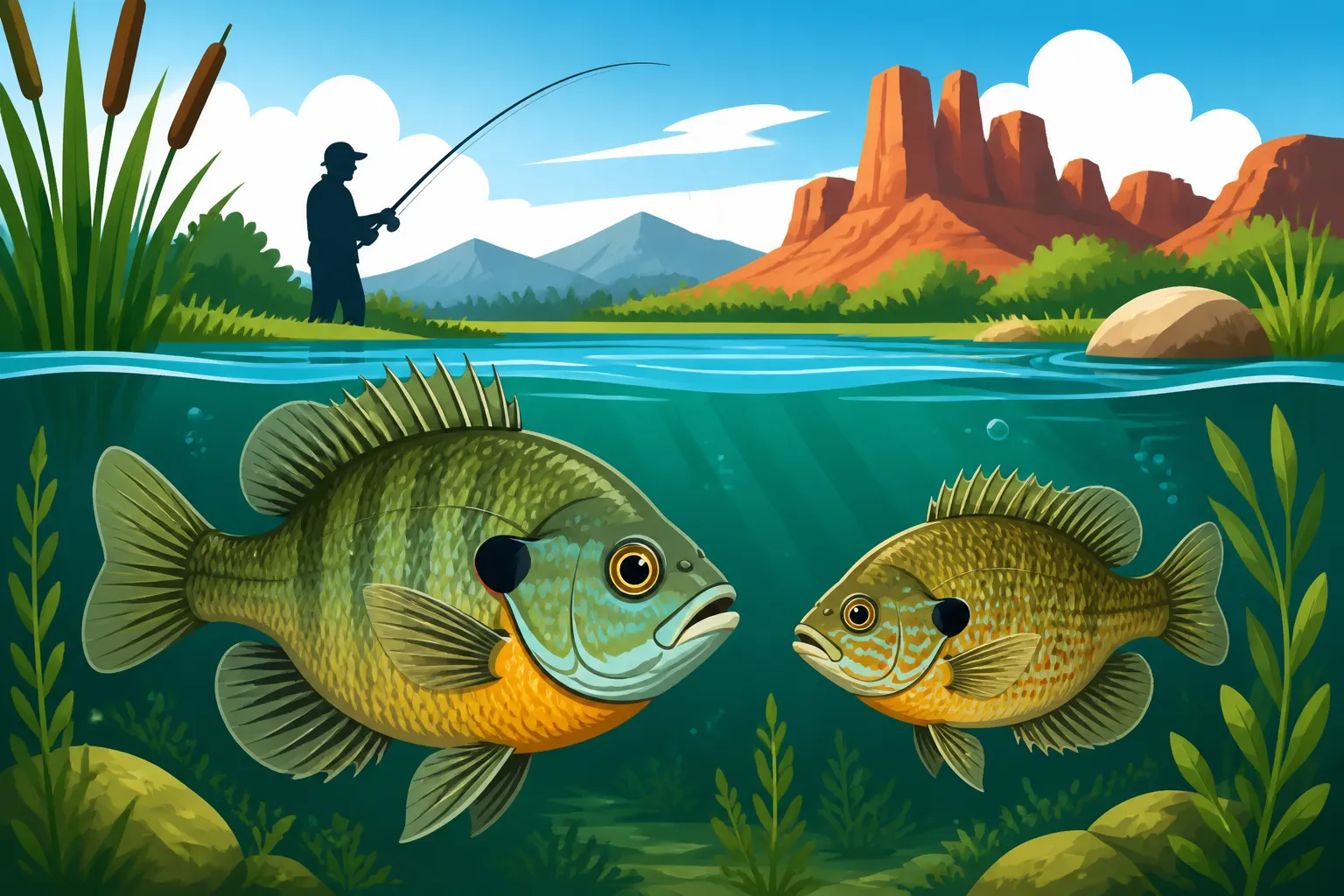
While bluegill are the stars of the show, it's worth knowing a few other common panfish you might encounter. Bluegill are typically deep-bodied, with a small mouth, and often have a distinctive black "ear flap" on their gill cover and vertical bars on their sides. Their bellies can range from yellow to orange, especially during spawning. Green sunfish, on the other hand, are a bit more elongated, have a larger mouth, and often display iridescent blue-green markings on their cheeks and gill plates. They also have a dark spot at the base of their dorsal fin. Pumpkinseed sunfish are perhaps the most colorful, with vivid spots and wavy blue lines on their operculum (gill cover), often with a bright orange or red spot on the "ear flap."
Knowing these subtle differences can add another layer of enjoyment to your fishing trip, allowing you to identify each species as you reel them in. It's like a mini treasure hunt with every bite! You might find that some ponds primarily hold bluegill, while others are dominated by green sunfish, or even a healthy mix of both. This variety keeps things interesting and provides different fighting characteristics and appearances to admire before you release them or decide to keep a few for dinner. For a more detailed look, check out our guide on Panfish Species in Utah Ponds.
Where These Lively Panfish Call Home in Utah
One of the greatest appeals of bluegill and other sunfish is their widespread presence. Unlike some of Utah's more elusive or habitat-specific trout, panfish thrive in a variety of warmer, shallower, and often easily accessible waters. This makes them a fantastic target for a spontaneous fishing trip, especially if you're looking for something close to home. You don't always need to drive hours into the mountains to find a good fishing spot.
Utah's Urban Fisheries Program and Community Ponds
The Utah Division of Wildlife Resources (UDWR) has done an incredible job with its Urban Fisheries Program, stocking numerous community ponds across the state with readily catchable fish, including bluegill and other sunfish. These ponds are often located within city parks, making them incredibly convenient for families and new anglers. Places like those along the Wasatch Front, in the Salt Lake Valley, or down south in St. George often have dedicated community ponds. These spots are designed to be easy to access, with paved paths, restrooms, and sometimes even fishing piers, taking away many of the logistical hurdles that can discourage beginners.
Fishing in these urban ponds is often a social affair, with other families, kids, and seasoned anglers sharing the banks. It’s a wonderful way to connect with the angling community and get real-time tips from fellow fishers. Plus, the fish are typically abundant and aggressive biters, almost guaranteeing some action. This constant engagement is crucial for keeping kids interested and for boosting the confidence of anyone new to the sport. If you're looking for prime locations, our guide on Best Community Ponds for Kids to Fish in Salt Lake City offers some excellent starting points.
Private Ponds and Other Small Waters
Beyond the official community ponds, bluegill and sunfish also thrive in countless private ponds, farm ponds, and smaller, slower-moving sections of rivers and canals throughout Utah. While you'll need permission to fish on private property, these waters can offer some fantastic, less-pressured fishing opportunities. Many landowners are happy to let respectful anglers access their ponds, especially if you offer to help manage populations by harvesting some of the panfish, as they can sometimes overpopulate smaller waters.
These smaller, less-regulated waters can sometimes hold truly impressive "gargantuan" bluegill, often referred to as dinner plates due to their size, that have had more time and less pressure to grow. They might be a bit trickier to find, requiring some local knowledge or exploration, but the reward of finding a hidden gem full of hungry panfish is well worth the effort. Always remember to ask for permission before casting a line on private land – it's not just polite, it's the law. These smaller, often overlooked waters provide a peaceful retreat for anglers seeking solitude and a chance to truly immerse themselves in nature, catching these delightful little fighters.
The Unbeatable Appeal: Why Panfish are Angler Favorites
There's a reason bluegill and sunfish consistently rank high on lists of best fish for beginners and family outings. They are the quintessential "fun fish" – always willing to bite, easy to catch, and abundant. While they might not be the giants of the deep, their enthusiastic nature and accessibility make them invaluable for fostering a love of fishing.
Accessibility and Abundance
One of the primary reasons these fish are so popular is their sheer availability. You can find them almost everywhere, from the smallest farm pond to the back coves of larger reservoirs. They are incredibly resilient and adapt well to various warm-water environments, often outcompeting other species in smaller, shallower bodies of water. This means you don't need specialized gear or extensive knowledge of complex ecosystems to find them. A simple drive to a local park pond is often all it takes to get to a prime bluegill spot.
Their abundance also means that even on a slow day for other species, you can usually count on panfish to provide some action. This is incredibly important for new anglers, especially kids, who can quickly lose interest if they aren't getting bites. The consistent tug of a bluegill on the line keeps spirits high and builds excitement for future fishing adventures. It’s a guarantee of engagement that bigger, pickier fish simply can’t offer, making them a cornerstone of recreational fishing.
The Perfect Fish for Young Anglers and Beginners
If you're looking to introduce a child to fishing, or if you're new to the sport yourself, there's no better starting point than bluegill and sunfish. Their aggressive feeding habits mean they aren't shy about biting, even at baits presented clumsily. This provides immediate gratification and reinforces the positive aspects of fishing. The fight, while not a monster battle, is still spirited enough to be exciting without being overwhelming for small hands or light tackle.
Moreover, the simplicity of the setup needed to catch them is ideal. You don't need expensive gear or complicated techniques. A basic rod and reel, a bobber, a small hook, and some bait are all that's required. This low barrier to entry makes fishing an accessible hobby for everyone. Think of them as the gateway fish – once you've successfully reeled in a few bluegill, you'll feel confident enough to explore other species and techniques. For more tips on getting started, definitely check out our guide on How to Teach a Kid to Fish in Utah.
Simple Tactics and Tackle for Panfish Success
You don't need a boatload of fancy gear or years of experience to catch bluegill and sunfish. In fact, some of the most effective methods are often the simplest. These fish are opportunists, always on the lookout for an easy meal, which plays right into the hands of the casual angler.
Simple Bobber and Bait Rigs
This is the classic, time-tested method for catching panfish, and for good reason: it works! The setup is incredibly straightforward:
- Tie on a small hook: Sizes 8 to 12 are usually perfect.
- Add a small split shot weight: A few inches above the hook, just enough to sink your bait.
- Attach a bobber: Clip it on your line about 1-3 feet above your hook, depending on the depth you want to fish.
- Add bait: A small piece of worm, a kernel of corn, a tiny piece of bread, or even a small insect like a grasshopper or cricket will do the trick.
Cast your rig near submerged vegetation, docks, or other structure where bluegill like to hide. The bobber acts as a visual indicator – when it dips or zips sideways, you've got a bite! This setup is incredibly visual and exciting, especially for kids. It also teaches fundamental fishing concepts like casting, baiting, and setting the hook. For a deep dive into this technique, read our article on How to Fish With Bobber and Bait for Beginners. If you need to stock up on essentials, you can find a huge variety of bobbers, hooks, and weights on Amazon that are perfect for panfish.
Light Tackle and Small Lures
While bait fishing is king, bluegill and sunfish can also be a blast to catch on artificial lures, especially if you prefer a more active approach. The key here is small. Think ultralight spinning gear with 2-4 pound test line. This makes even a small bluegill feel like a monster and provides an exciting fight.
Effective lures include:
- Tiny Jigs: Small marabou jigs, tube jigs, or grub jigs (1/32 to 1/16 oz) in bright colors like chartreuse, white, or pink. Tip them with a small piece of worm or a tiny Berkley Gulp! Alive! minnow for added attraction.
- Micro Spoons: Small casting spoons that flutter on the retrieve can entice aggressive panfish.
- Spinners: Tiny inline spinners with a single blade, like Rooster Tails or Mepps spinners, are excellent for covering water and triggering strikes.
Fish these lures with a slow, steady retrieve, or by gently twitching and pausing them near cover. The lighter line and smaller lures make for a more sporting challenge and can often help you catch more fish once you get the hang of it. What Gear Does a First-Time Utah Angler Need? can help you choose the right starter setup.
Fly Fishing for Panfish
Yes, you can absolutely fly fish for bluegill and sunfish, and it’s a ton of fun! While often associated with trout, panfish are eager to strike a well-presented fly, and they offer an excellent entry point into the world of fly fishing. You don't need heavy gear; a 2 or 3-weight fly rod is perfect, but even a standard 5-weight will work.
Good fly choices include:
- Poppers and Dry Flies: Especially effective on warm summer evenings when panfish are looking up for insects. Small poppers, foam spiders, or even traditional trout dry flies like an Adams or a Caddis will get their attention.
- Wet Flies and Nymphs: Small soft hackles, tiny Woolly Buggers (size 10-14), or even simple nymph patterns will work when fish are feeding subsurface.
- Small Streamers: Tiny minnow imitations or even a chartreuse crystal bugger can be deadly.
The joy of fly fishing for panfish lies in the delicate presentation and the visual thrill of seeing a fish slurp your fly off the surface. It hones your casting skills and teaches you to read the water in a low-pressure environment. Many fly anglers keep a small panfish box dedicated just to these feisty fighters.
Responsible Angling: Catch, Care, and Keep or Release
While bluegill and sunfish are abundant, responsible angling practices are still crucial. We want to ensure that future generations can enjoy the same fantastic fishing opportunities we have today. This includes understanding regulations, handling fish properly, and making thoughtful decisions about keeping or releasing your catch.
Understanding Bag Limits and Regulations
Even for seemingly endless species like bluegill, Utah has specific regulations regarding daily bag and possession limits. These limits are in place to help manage fish populations and ensure healthy ecosystems. For panfish, limits are often quite generous compared to trout, reflecting their faster reproductive rates and abundance. However, it's vital to check the current Utah Fishing Guidebook before each trip, as rules can vary by water body and change periodically.
Ignoring bag limits, even for small fish, can lead to unnecessary depletion of a local population, especially in smaller ponds. It’s also important to know that in some cases, you might encounter an invasive species or a protected species (like the June Sucker in Utah Lake), where special rules apply. Always be informed and fish legally. Our comprehensive Utah Fishing Regulations Explained guide is a great resource.
| Species | Typical Length (inches) | Typical Weight (oz) | Fight Level | Preferred Habitat | Common Bait/Lure |
|---|---|---|---|---|---|
| Bluegill | 4-8 | 2-8 | Moderate | Weeds, Docks, Open Water | Worms, Corn, Small Jigs |
| Green Sunfish | 3-7 | 1-6 | Aggressive | Shallow, Rocky Cover | Worms, Crickets, Small Lures |
| Pumpkinseed Sunfish | 4-7 | 2-7 | Moderate | Weeds, Logs, Clear Water | Worms, Flies, Tiny Spoons |
Handling and Releasing Fish Safely
Whether you plan to keep your catch or release it, proper fish handling is paramount to minimizing stress and ensuring survival, especially if you're practicing catch and release. Panfish are generally hardy, but they still benefit from careful treatment.
Here are some tips:
- Wet Your Hands: Always wet your hands before touching a fish. Dry hands can remove the protective slime coat, making the fish susceptible to disease.
- Minimize Air Exposure: Try to keep the fish in the water as much as possible, especially during hook removal. If you need to take a photo, do it quickly.
- Support the Fish: Hold the fish horizontally, supporting its belly, rather than hanging it vertically by the jaw or gill plate.
- Use Barbless Hooks: Consider using barbless hooks or pinching down the barbs on your hooks. This makes hook removal much easier and faster, reducing trauma to the fish.
- Gentle Release: Gently place the fish back into the water, allowing it to swim away on its own. If it seems stunned, hold it upright in the water until it regains its strength.
Teaching these practices to young anglers instills a sense of respect for the environment and the fish, making them better stewards of our natural resources. For more details, see How to Release a Fish Without Hurting It in Utah. It's a small effort that makes a big difference in ensuring healthy fish populations.
From Pond to Plate: Enjoying Your Catch
One of the great pleasures of fishing, especially for panfish, is the reward of a fresh meal. Bluegill and other sunfish are renowned for their delicious, flaky white meat and mild flavor. They might be small, but a mess of panfish makes for an incredible feast.
Cleaning Your Catch: Filleting Small Fish
Cleaning smaller fish like bluegill might seem daunting at first, but with a little practice, it becomes quick and easy. Many anglers prefer to fillet panfish, removing the meat from the bones entirely. While you won't get huge fillets, a good number of these small fish can yield enough for a satisfying meal.
Here’s a basic approach:
- Sharp Knife: The most important tool is a sharp fillet knife. A flexible blade around 6-7 inches works well. You can find excellent options on Amazon.
- Scales Off (Optional): Some people scale them first, but if you're filleting, it's not strictly necessary as the skin will be removed.
- Head Cut: Make a cut behind the gill plate, down to the spine, but don't cut through.
- Along the Spine: Turn the knife and run it along the backbone, all the way to the tail.
- Remove Ribs: Carefully cut the fillet away from the rib cage.
- Skin Off: Lay the fillet skin-side down, make a small cut at the tail end to separate the skin, then hold the skin firmly and slide your knife between the skin and meat.
Practice makes perfect! After a few fish, you'll develop a rhythm. Some anglers even prefer to simply gut and scale panfish, then cook them whole, enjoying the sweet meat right off the bone.
Simple and Delicious Cooking Methods
Once you have your fresh fillets, the cooking possibilities are endless, but often the simplest methods are the best to let the fish's natural flavor shine.
Classic Pan-Fried Panfish: This is arguably the most popular way to enjoy bluegill.
- Ingredients: Panfish fillets, seasoned flour or cornmeal mix (salt, pepper, garlic powder, paprika), egg wash or milk, cooking oil (vegetable, canola, or peanut oil).
- Method:
- Pat fillets dry.
- Dip each fillet in egg wash/milk, then dredge thoroughly in the seasoned flour/cornmeal mix.
- Heat about 1/2 inch of oil in a skillet over medium-high heat until shimmering.
- Carefully place fillets in the hot oil, ensuring not to overcrowd the pan.
- Fry for 2-4 minutes per side, or until golden brown and flaky.
- Remove to a wire rack or paper towels to drain excess oil.
Serve immediately with a squeeze of lemon, tartar sauce, and your favorite side dishes like coleslaw or french fries. It’s a meal that tastes like summer, embodies the simple joys of fishing, and is hard to beat after a successful day on the water.
Other delicious options include baking, grilling (especially in foil packets with vegetables), or making fish tacos. No matter how you prepare them, the fresh taste of bluegill and sunfish is a testament to the bounty of Utah's waters and the simple pleasure of catching your own food.
Disclaimer
This article is for general informational purposes only and does not constitute professional advice. Laws, prices and regulations vary by location and change over time. Consult a qualified professional for guidance on your specific situation.