Brown Trout in Utah Rivers
There's a special kind of challenge, a unique thrill, that comes with pursuing brown trout in Utah's rivers. Unlike their more common rainbow cousins who might eagerly strike a PowerBait in a stocked pond, river browns are often wily, elusive creatures that demand respect, cunning, and a deep understanding of their watery homes. Many an angler has spent a frustrating day casting to seemingly empty runs, only to realize these fish were there all along, simply outsmarting them. This guide is dedicated to unraveling the mystique of Utah's river brown trout, helping you understand where they live, how they behave, and the best ways to trick one into biting, transforming those frustrating days into memorable successes.
The Elusive Brown Trout: A Utah River Resident
Brown trout are truly magnificent fish, revered by anglers for their striking beauty, aggressive nature, and often challenging pursuit. In Utah, these fish have found a comfortable niche in many of our colder river systems, providing incredible opportunities for those willing to put in the effort.
A Brief History: How Brown Trout Arrived in Utah
Believe it or not, the brown trout isn't native to North America at all. These tenacious fish trace their origins back to the rivers and streams of Europe and parts of Asia. They were first introduced to the United States in the late 19th century, specifically brought over from Germany and Scotland. The reason? To provide more diverse angling opportunities and to thrive in waters that might be a little too warm or challenging for some native trout species. Utah, with its vast network of mountain streams and tailwater rivers, proved to be an ideal candidate for brown trout introduction. Over the decades, they've successfully established wild, self-sustaining populations in many of our waters, adapting remarkably well and becoming a cornerstone of our river fisheries. They're survivors, often thriving where other species might struggle, which is part of what makes them so fascinating to pursue.
Spotting the Difference: Identifying Brown Trout in Rivers
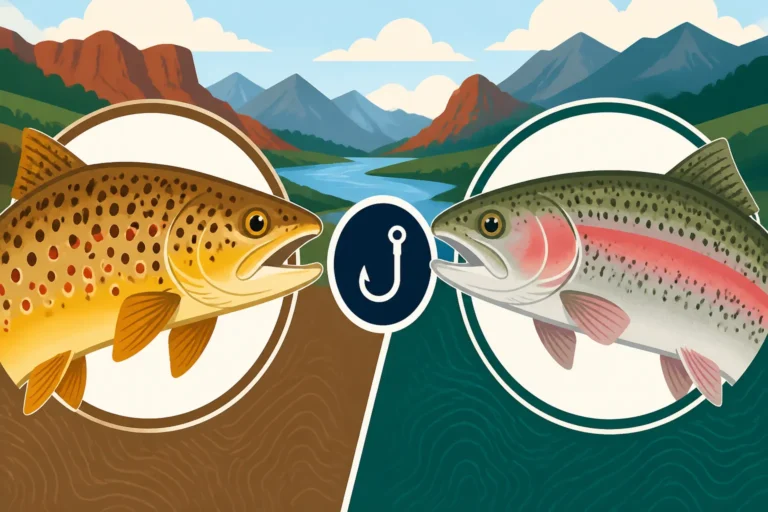
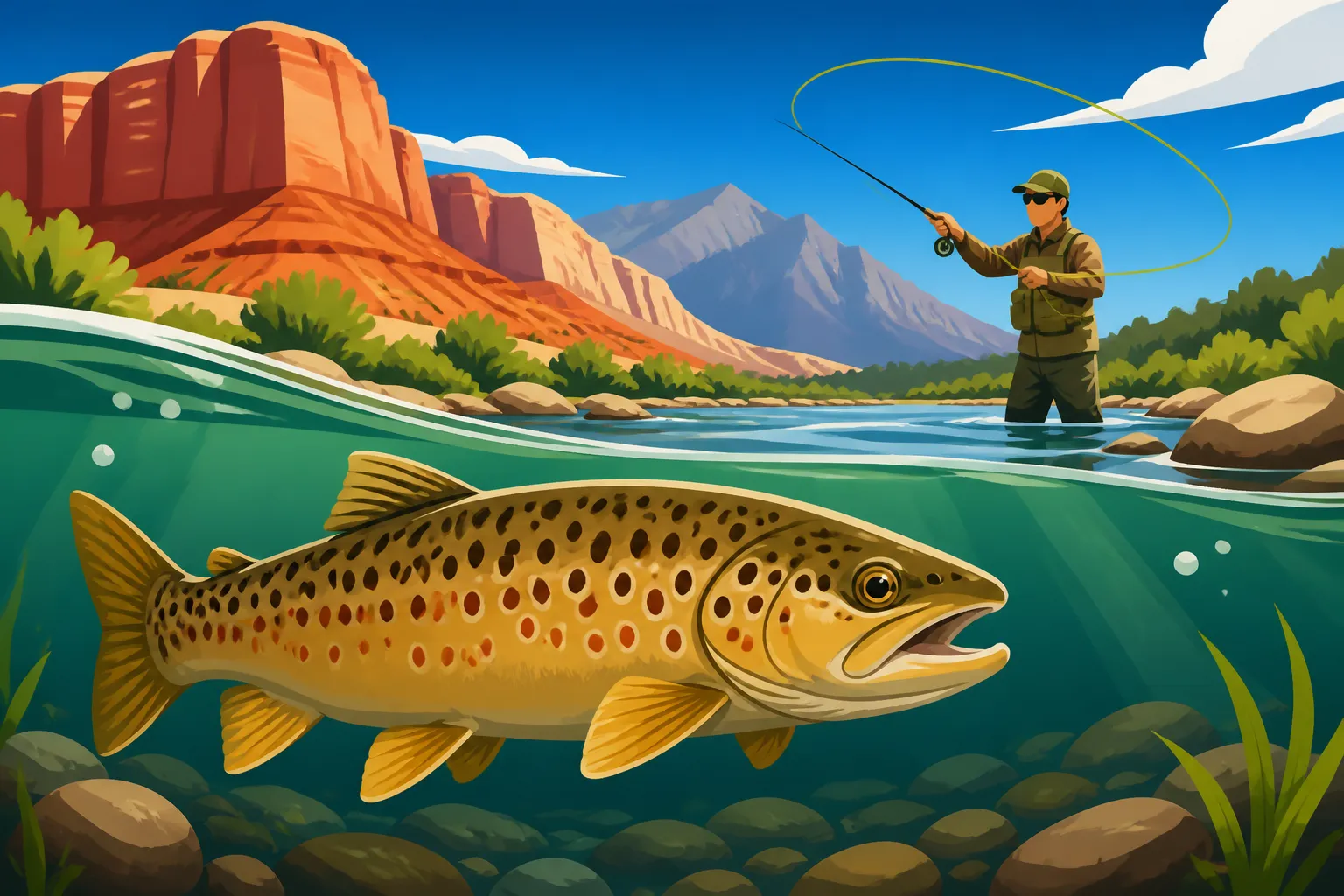
Distinguishing a brown trout from other Utah trout species, like rainbows or cutthroat, can sometimes be tricky, especially when they're young or in differing environments. However, there are some key characteristics to look for. River browns typically have a beautiful golden-brown or olive-brown body, often fading to a yellowish-white belly. Their most distinctive features are the scattered dark spots with pale halos (often red, orange, or yellow) along their sides, extending onto their dorsal and adipose fins. Unlike rainbow trout, which usually have a distinct reddish or pink stripe along their side and smaller, more numerous black spots, brown trout's spots are larger and less uniform. Cutthroat trout, our native species, are best identified by the distinctive red or orange slash marks underneath their jaw. River-dwelling brown trout are also often more streamlined and powerful than their lake counterparts, a testament to their life spent fighting currents.
Where Browns Call Home: Preferred River Habitats
Brown trout are masters of their environment, preferring specific types of river habitats that offer both sustenance and protection. You'll rarely find them in wide-open, featureless stretches of a river. Instead, they gravitate towards structure – anything that breaks the current, offers concealment, or provides a ambush point for unsuspecting prey. This includes deep pools, especially those with an undercut bank where they can hide and dart out to feed. They love large boulders, submerged logs, and overhanging vegetation that provides shade and cover from predators, both aerial and terrestrial. Current seams, where fast water meets slow water, are prime real estate, as food items are funneled through these lanes. They are also known for their nocturnal feeding habits, often becoming much more active and less cautious under the cover of darkness. Understanding these preferences is the first step to successful brown trout fishing; if you learn to "read the river" for these features, you'll dramatically increase your chances.
Navigating Utah's Premier Brown Trout Rivers
Utah is blessed with a remarkable array of rivers, many of which hold robust populations of brown trout. From world-renowned tailwaters to intimate mountain streams, there's a brown trout experience for every angler.
The Legends: Provo, Green, and Weber Rivers
When most anglers think of Utah brown trout, a few names immediately come to mind. These rivers have earned their legendary status for good reason, consistently producing quality fish and offering exceptional angling opportunities.
The Provo River is arguably one of Utah's most famous trout streams, particularly for its brown trout. The Middle and Lower sections, especially, are renowned. The Middle Provo, flowing between Deer Creek Reservoir and Utah Lake, is a classic tailwater fishery. Its clear, cold water and consistent flows make it ideal for brown trout to grow large and wary. This section is heavily fished, which means the browns here are incredibly smart and require a stealthy approach and precise presentations. You'll find deep runs, riffles, and undercut banks that scream "brown trout habitat." The Lower Provo, below Utah Lake, also offers excellent fishing, though with different characteristics. You can learn more about fishing this iconic waterway in our Provo River Fishing Guide.
Then there's the Green River below Flaming Gorge Dam. This stretch of water, often referred to as a "Blue Ribbon Fishery," is world-class. The constant cold-water release from the dam creates a stable, nutrient-rich environment where brown trout thrive and grow to impressive sizes. It’s known for its abundance of large, hard-fighting brown trout, making it a bucket-list destination for many. The Green is typically fished from drift boats, but there are also plenty of wade-fishing access points. This river is a nymphing paradise, but dry fly fishing can be spectacular during certain hatches, and streamers can entice those really big browns. Dive deeper into this amazing fishery with our guide to Green River Below Flaming Gorge Dam.
Finally, the Weber River, particularly its upper and middle sections, is another fantastic brown trout destination. Flowing through picturesque canyons and agricultural valleys, the Weber offers a mix of pocket water, riffles, and deeper pools. While perhaps not as famous for trophy browns as the Green, the Weber holds a healthy population of feisty brown trout that are a blast to catch on both fly and spin gear. Its accessibility from the Wasatch Front makes it a popular choice for a quick escape. Finding the right Weber River Fly Fishing Spots can make all the difference here.
Lesser-Known Gems and Under-the-Radar Streams
While the big names draw the crowds, Utah is peppered with countless smaller streams and tributaries that offer fantastic, often more solitary, brown trout fishing. These "hidden gems" might not produce 20-inch monsters every cast, but they offer an authentic, wilder experience. Think about the upper reaches of the Logan River, for example, which provides intimate pocket water fishing for eager browns. Many high-elevation creeks in the Uinta Mountains, though often containing brook and cutthroat trout, also harbor surprising populations of smaller, but feisty, brown trout in their lower sections. The key to finding these spots is often exploration and a willingness to hike a bit further off the beaten path. These smaller waters often require a more subtle approach, using lighter tackle and smaller presentations, but the reward of a wild, untouched brown trout in a secluded setting is truly unparalleled. Don't be afraid to pull out a map, look for feeder streams into larger rivers, and go exploring!
| River Section | Location | Key Characteristics | Typical Brown Trout Size | Best Fishing Method |
|---|---|---|---|---|
| Middle Provo | Central Utah | Tailwater, clear & consistent flow, high pressure | 12-18 inches | Fly Fishing (Nymphs) |
| Green River (A, B, C Sections) | Northeastern Utah | Cold tailwater, abundant insect life, trophy potential | 14-20+ inches | Fly Fishing (Streamers, Nymphs) |
| Upper Weber | Northern Utah | Freestone, varied structure, moderate pressure | 10-16 inches | Fly & Spin Fishing |
| Logan River | Northern Utah | Freestone, smaller, intimate pocket water | 8-14 inches | Fly Fishing (Dries, Nymphs) |
| Blacks Fork River | Northeastern Utah | High mountain freestone, wilderness feel | 10-16 inches | Fly Fishing (Dries) |
Understanding River Dynamics: Flow, Clarity, and Seasons
Successful brown trout fishing hinges on understanding how river conditions change throughout the year. Brown trout, like all fish, are highly sensitive to alterations in their environment. The most significant factor is often water flow. During spring runoff, when snowmelt swells rivers with cold, fast, and often muddy water, brown trout can become incredibly difficult to target. They'll often move to slower, more protected water, seeking refuge from the strong currents and poor visibility. Knowing How Runoff Affects Utah River Fishing is crucial for planning your trips.
As flows recede and waters clear, typically by late spring or early summer, fishing conditions improve dramatically. Water temperature also plays a critical role. Brown trout prefer cooler water, generally between 50-65°F. During the peak of summer, they'll often seek out thermal refuges in deeper pools, shaded areas, or near cold spring inflows. Fall, with its crisp air and cooling water, is often considered prime time for trophy brown trout, as these fish become more aggressive and feed heavily in preparation for spawning. Winter can also offer great fishing, especially on tailwaters, as browns might become more predictable in their holding lies. Always check current flow rates and clarity before heading out – information that's often available on local fishing reports or stream gauge websites.
Mastering Techniques for River Brown Trout
Brown trout, with their sharp senses and often territorial nature, require a thoughtful approach. While they can be caught on a variety of methods, understanding the nuances of presentation and what they're likely to be feeding on is key.
The Art of Fly Fishing for Browns
Fly fishing for brown trout in rivers is, for many, the pinnacle of the sport. It's an intricate dance of observation, casting precision, and delicate presentation. Nymphing is often the most consistently productive method, as brown trout spend the vast majority of their lives feeding subsurface. Drifting an imitation of a mayfly nymph, caddis larva, or stonefly nymph along the river bottom, often with the help of a strike indicator, can be incredibly effective. Knowing Best Flies for Utah Trout Streams can give you a significant advantage.
When hatches occur, the excitement of dry fly fishing is hard to beat. Matching the size and profile of the natural insects hatching on the surface can lead to explosive strikes. Stealth is paramount here, as browns are incredibly wary of any disturbance. Finally, streamers are fantastic for targeting larger, more aggressive brown trout, especially during lower light conditions or in higher, off-color water. Stripping a baitfish imitation through deep pools or along undercut banks can provoke a predatory instinct that leads to powerful grabs. For a deeper dive into the nuances of specific Utah rivers, don't miss our guide on How to Fly Fish the Provo River.
Spin Fishing for Browns: Lures and Methods
For those who prefer spin fishing, brown trout offer equally exciting opportunities. The key is often to mimic their natural prey and present your lure in a way that looks realistic and enticing. Small spinners, such as Mepps or Rooster Tails, are perennial favorites. The flash and vibration can trigger an aggressive strike, particularly in riffles and pocket water. Try different blade colors and sizes to see what the fish prefer on a given day.
Spoons, like a Kastmaster or a Little Cleo, are also very effective, especially in deeper pools where they can be jigged or retrieved with a stop-and-go motion. Their erratic fall can imitate a wounded baitfish, irresistible to a hungry brown. Small crankbaits or jerkbaits that imitate minnows are excellent for targeting larger browns, particularly around structure. Focus on retrieves that are not uniform, incorporating pauses and twitches to mimic natural prey. When selecting lures, remember that presentation is everything. Don't be afraid to experiment with retrieve speeds and depths. You can find a vast selection of these tried-and-true brown trout lures on Amazon, making it easy to stock your tackle box for any river condition.
Stealth and Strategy: Approaching Spooky Fish
Brown trout, especially the larger, more experienced ones in pressured rivers, are incredibly wary. A heavy footfall on the bank, a shadow cast over the water, or a clumsy cast can send them darting for cover, effectively shutting down a spot for several minutes, if not longer. This is where stealth becomes your best friend. Approach riverbanks slowly and quietly, staying low and using bankside vegetation for cover. When wading, move deliberately and avoid kicking up excessive sediment.
Observe the water before you cast. Look for current seams, structure, or any subtle movements that might indicate a fish's presence. Plan your casts to land upstream and slightly beyond your target, allowing your lure or fly to drift naturally into the strike zone without splashing down directly on top of the fish. Often, the first cast is your best chance, so make it count. Understanding how to present your offering subtly and naturally, minimizing any sign of your presence, will dramatically improve your success rate with these notoriously spooky fish. This thoughtful approach transforms fishing into a true hunt.
Gearing Up for Success on Utah's Trout Streams
Having the right gear won't guarantee a trophy brown trout, but it certainly puts the odds in your favor. Preparing for diverse river conditions and the specific challenges of targeting browns is essential for a comfortable and productive day on the water.
Rods, Reels, and Line: Choosing the Right Setup
For fly fishing, a versatile 9-foot, 5-weight fly rod is often considered the workhorse for most Utah trout rivers. It offers enough backbone to handle larger browns and cast a variety of flies, from delicate dry flies to heavier nymph rigs or smaller streamers. Pair this with a reliable, smooth-dragging fly reel and a weight-forward floating fly line. For specific situations, like fishing very small mountain creeks, a shorter, lighter rod (e.g., a 7.5-foot, 3-weight) can be delightful, while throwing big streamers on larger rivers might call for a 6 or 7-weight.
Spin anglers will find success with a light to medium-light spinning rod, typically in the 6 to 7-foot range. A fast action rod will provide the sensitivity needed to feel subtle bites and the backbone for hooksets. Pair this with a small, smooth-spinning reel spooled with 4-6 pound monofilament or fluorocarbon line. Fluorocarbon is especially good for its low visibility and abrasion resistance. Braided line can be used, but consider adding a fluorocarbon leader for better stealth. Whichever setup you choose, ensure it feels balanced and comfortable in your hands, as you'll be making many casts. For a general overview of outfitting yourself for the waters, check out our Utah Trout Fishing Tips.
Wading Comfort and Safety Essentials
Wading in Utah's rivers can be incredibly rewarding, allowing you to access prime fishing spots that aren't reachable from shore. However, it also demands attention to comfort and safety. A good pair of breathable waders is a game-changer. Neoprene waders are warmer but less versatile for varying temperatures. Breathable waders, especially those made by brands known for outdoor gear, allow perspiration to escape, keeping you comfortable even on warmer days, and you can layer underneath them for colder weather. Pairing your waders with sturdy wading boots that have good ankle support and felt soles (or rubber soles with studs for extra grip) is paramount, especially on slippery, rocky riverbeds.
Never underestimate the power of flowing water. A wading staff is not optional; it's a critical safety tool that provides an extra point of contact and helps you gauge depth and footing, especially in unfamiliar water. Always let someone know where you're going and when you expect to return. Consider carrying a small first-aid kit, a whistle, and a knife. For a full breakdown of what to look for in protective river gear, consult our Best Waders for Utah River Fishing. Staying safe means you can focus on the fishing, not worrying about a misstep.
The River Angler's Essential Tackle Bag
A well-organized tackle bag or vest is crucial for a productive day targeting river brown trout. You don't want to be fumbling around for what you need when a fish is rising or a bite is hot. For fly anglers, this means a selection of dry flies, nymphs, and streamers appropriate for the season and expected hatches. Include indicators, split shot, leaders, and tippet in various sizes. Forceps for hook removal, nippers for cutting line, and a small landing net with a rubber bag (to protect the fish) are non-negotiable.
Spin anglers will want a selection of their favorite spinners, spoons, and jerkbaits, along with extra swivels, snap swivels, and perhaps some jig heads and soft plastics. Don't forget a pair of pliers for crimping split shot or removing stubborn hooks. Beyond fishing-specific items, always carry a water bottle, a snack, sunscreen, a hat, polarized sunglasses (which are invaluable for spotting fish and structure), and insect repellent. A small, waterproof box on Amazon can be a great way to keep your most important lures and flies organized and protected from the elements while you're out on the river.
Preserving the Legacy: Responsible Brown Trout Angling
The opportunity to fish for wild brown trout in Utah's stunning rivers is a privilege. As anglers, we have a profound responsibility to ensure these fisheries remain healthy and vibrant for future generations. This goes beyond just following the rules; it involves ethical practices and a deep respect for the environment.
Decoding Utah's Fishing Regulations
Before stepping foot in any Utah river, it is absolutely crucial to understand the current fishing regulations. These rules are designed to protect fish populations and ensure sustainable angling. Regulations can vary significantly from one river to another, and even between different sections of the same river. You might encounter specific bait restrictions, tackle limitations (e.g., artificial flies and lures only), special catch-and-release-only sections, or different Utah Daily Bag and Possession Limits for certain species.
The Utah Division of Wildlife Resources (DWR) publishes a detailed fishing guide annually, which is your go-to source for all current rules. Ignoring these regulations, whether intentionally or not, can result in significant fines and penalties. Always double-check the rules for the specific water you plan to fish, and remember that regulations can change. Being informed is not just about avoiding trouble; it's about being a responsible steward of our natural resources. A great starting point for understanding the broader framework is our Utah Fishing Regulations Explained.
Practicing Ethical Catch and Release
Many of Utah's brown trout fisheries, especially those with larger, wild fish, operate under catch-and-release or restrictive harvest regulations to protect the breeding stock and allow fish to grow. When you're fishing these waters, or even if you simply choose to release fish, practicing proper catch and release techniques is paramount to the fish's survival. Minimize the time the fish is out of the water. Handle the fish gently with wet hands, supporting its body, especially if it's a larger fish. Avoid squeezing the fish or touching its gills. Use barbless hooks, or crimp down the barbs on your hooks, as this makes hook removal much easier and less damaging.
If the hook is deeply set, it's often better to cut the line as close to the hook as possible rather than tearing at the fish's mouth. Revive the fish by holding it gently in the current, facing upstream, until it can swim away on its own. Seeing a brown trout swim strongly back into the depths is far more rewarding than a photo of a struggling fish. Learning about Utah Catch-and-Release Waters will inform you where these practices are especially critical.
Respecting the Resource and Other Anglers
Being a responsible angler extends beyond fish handling. It involves a "Leave No Trace" mentality. Pack out everything you pack in, and if you see litter left by others, consider packing that out too. Our riverbanks are fragile ecosystems, so stick to established trails and access points to minimize erosion and disturbance to riparian vegetation.
Respecting other anglers is also key to a pleasant experience for everyone. If you encounter another angler, give them plenty of space – a general rule of thumb is to allow at least 50-100 yards, more if fishing is slow or the river is wide. If you need to pass, do so quietly and well behind them. Don't crowd someone's fishing spot, especially if they were there first. Private property boundaries are very real and must be respected; know where public access is permitted. By practicing good etiquette and showing respect for both the environment and your fellow anglers, you help foster a positive and sustainable angling culture in Utah's beautiful river systems.
Disclaimer
This article is for general informational purposes only and does not constitute professional advice. Laws, prices and regulations vary by location and change over time. Consult a qualified professional for guidance on your specific situation.