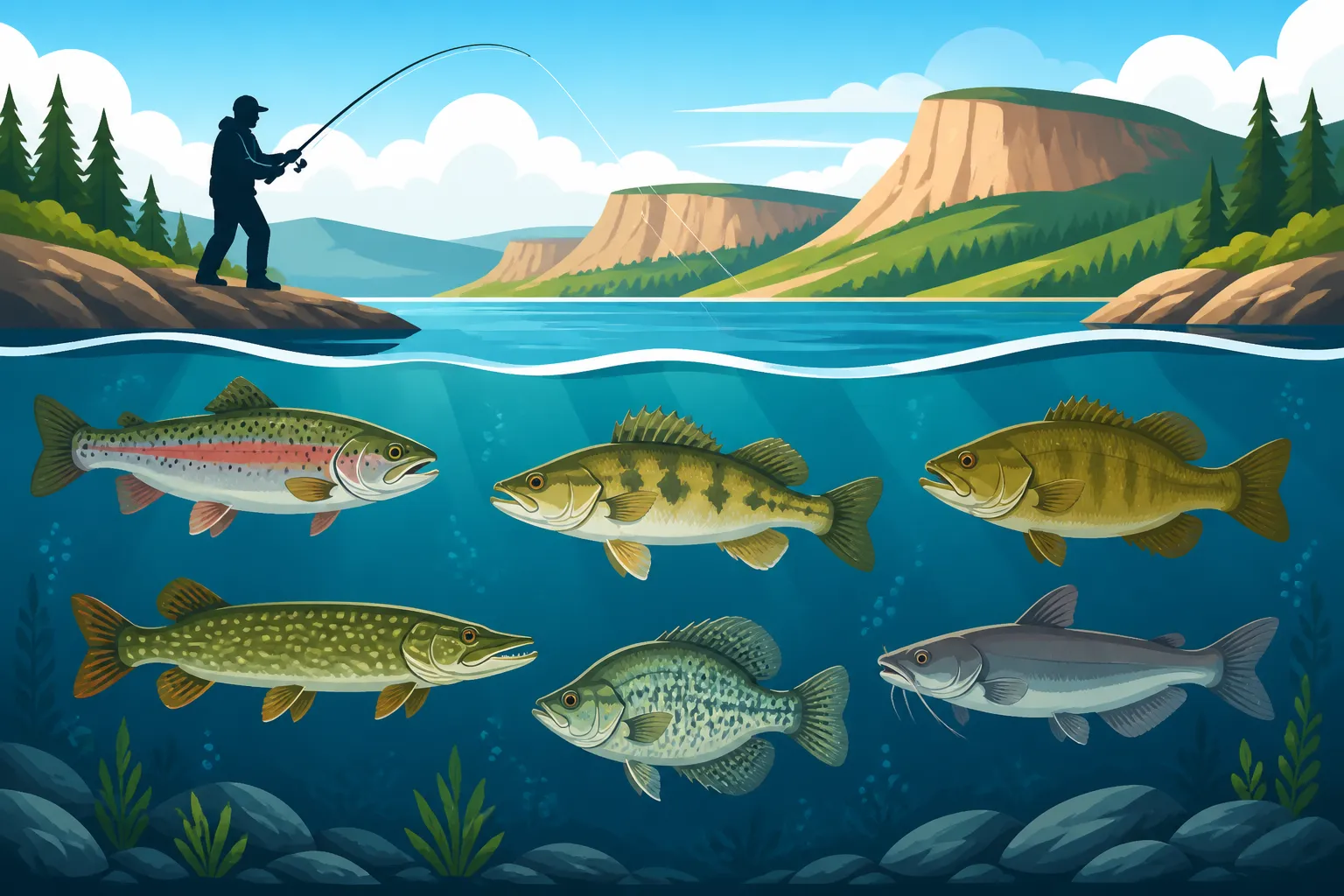
Fish Species in Scofield Reservoir
It's incredibly frustrating to head out to a new fishing spot, or even a familiar one, only to feel completely unprepared because you're unsure what fish species actually call that water home. You might be throwing all the wrong lures or using bait that no self-respecting trout would ever look at. This guide is here to take the guesswork out of your next trip to Scofield Reservoir by detailing the specific fish species you can expect to encounter, and how knowing them can dramatically improve your success on the water.
Understanding Scofield Reservoir's Aquatic Ecosystem
Scofield Reservoir, nestled high in the Manti-La Sal National Forest, isn't just a pretty face; it's a dynamic ecosystem that supports a variety of fish species. But like any body of water, it has its quirks, and understanding these can be the difference between a great day of fishing and a frustrating skunk.
Why Knowing the Species Matters
Imagine spending hours on the water, meticulously casting a tiny dry fly, only to find out the primary fish in that particular section of the lake are bottom-dwelling yellow perch that would much prefer a juicy worm. It’s super frustrating, and it's a common scenario when you don't know your target. Each fish species has its own preferences when it comes to habitat, diet, and behavior throughout the seasons. What works for a rainbow trout might completely ignore a tiger trout.
Knowing what's in the water allows you to select the correct tackle, bait, lures, and even the right time of day or year to fish. It guides your strategy, from where you cast your line to how you retrieve it. This knowledge isn't just for the pros; even casual anglers will find their enjoyment and success rate skyrocket once they understand the individual characteristics of the fish they're pursuing. It transforms fishing from a hopeful gamble into a more calculated and rewarding experience.
Scofield's Unique Environment
Scofield Reservoir sits at an elevation of about 7,600 feet, which means it’s generally a cold-water fishery. This characteristic largely dictates which fish species thrive here. The cold, clear waters are ideal for various trout species, which are known to prefer cooler temperatures and well-oxygenated environments. This elevation also means the reservoir experiences a strong winter, leading to significant ice cover for several months.
The reservoir's bottom composition, depth variations, and available forage also play a huge role. Scofield features a mix of rocky areas, sandy flats, and some submerged vegetation, providing diverse habitats. These features cater to different species, offering hiding spots, spawning grounds, and feeding areas. Understanding this unique environment helps you narrow down where fish might be holding at different times of the year, further enhancing your ability to locate and catch them.
The Primary Game Fish of Scofield Reservoir
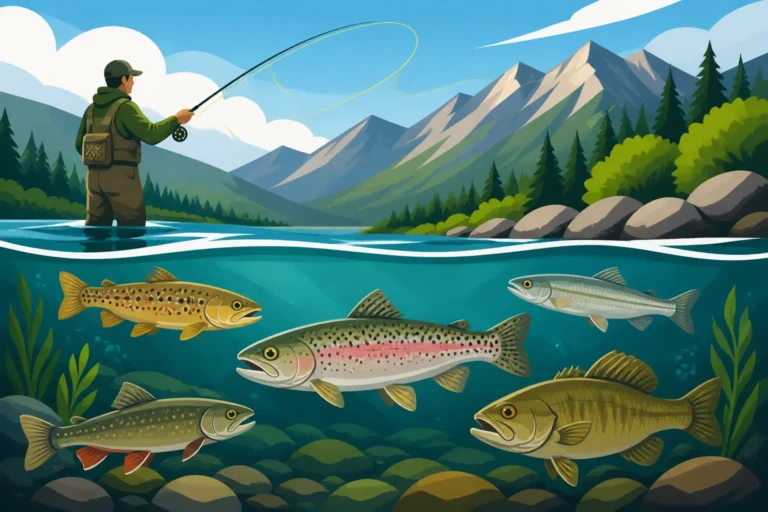
Scofield Reservoir is primarily known as a trout fishery, and for good reason! It consistently produces some fantastic angling opportunities for several prized species. These are the fish that most anglers target, and understanding their individual traits is key to a successful trip.
Rainbow Trout – The Angler's Favorite
Rainbow trout are perhaps the most common and widely recognized game fish in Scofield Reservoir. They are a staple of many Utah fisheries, thanks to regular stocking programs by the Utah Division of Wildlife Resources. These fish are known for their beautiful iridescent colors, often with a prominent pink or red stripe along their sides, giving them their "rainbow" name. They're also quite adaptable, making them a popular target for anglers of all skill levels.
In Scofield, rainbow trout can be caught throughout the year, though their behavior changes with the seasons. During the open water months, you'll find them cruising near shorelines, drop-offs, and around any submerged structure. They feed on a wide variety of prey, including insects, small fish, and crustaceans. If you're using bait, How to Fish PowerBait for Stocked Trout is a fantastic resource, as PowerBait is a go-to for these hungry fish. For lure anglers, small spinners, spoons, and jigs are incredibly effective.
When the ice forms, rainbow trout remain active and are a prime target for ice fishing. They're often found suspended in the water column or near the bottom in shallower areas. For more general information on these beautiful fish, you can check out our guide on Rainbow Trout in Utah Reservoirs. They are generally eager biters, making them an excellent choice for a family outing or for beginners honing their skills.
Tiger Trout – The Elusive Hybrid
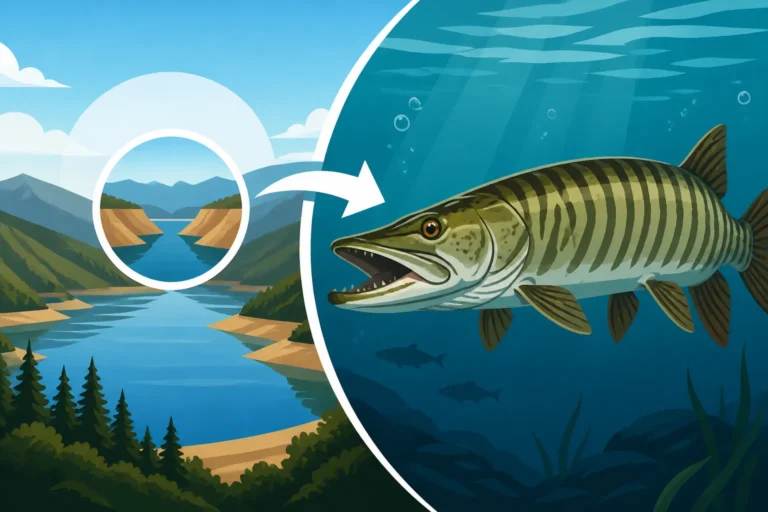
Tiger trout are one of Scofield’s most exciting and sought-after species, known for their aggressive strikes and powerful fights. These striking fish are a sterile hybrid, a cross between a brown trout and a brook trout, and their appearance is truly unique. They have a distinctive worm-like or labyrinthine pattern of dark markings over a lighter background, resembling a tiger’s stripes. They're stocked specifically for their ability to help manage populations of less desirable fish and for the thrilling angling experience they provide.
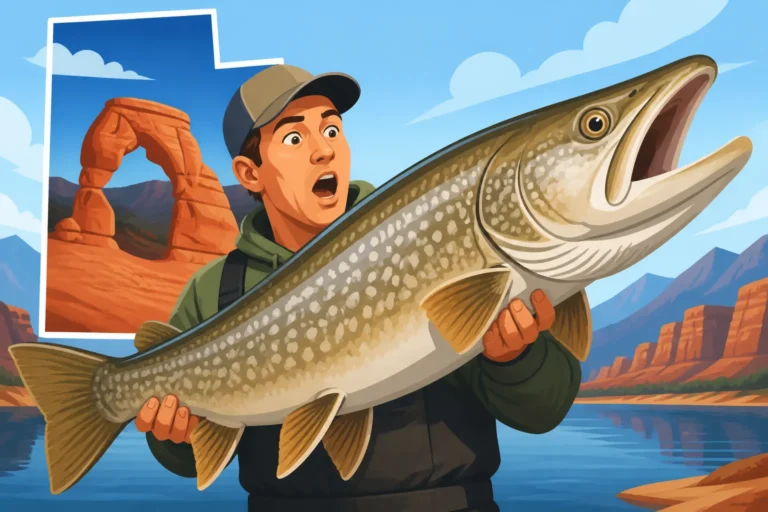
These predatory fish can grow quite large in Scofield, offering a real challenge. They tend to be a bit more elusive than rainbows, often preferring deeper, cooler water, especially during the warmer months. You'll frequently find them ambushing prey around structure, drop-offs, and underwater points. Because they are more aggressive, they respond well to larger lures, spoons, jerkbaits, and even fly patterns that mimic baitfish or larger insects. For more on what makes these fish special, take a look at our article Tiger Trout Explained.
Successfully targeting tiger trout often requires a bit more patience and a different approach than rainbows. Anglers looking for a true Scofield trophy often focus their efforts on these hard-fighting hybrids, particularly during periods when they are actively feeding on smaller fish. If you're aiming specifically for these beautiful predators, you'll want to read up on Where to Catch Tiger Trout at Scofield Reservoir for specialized tips.
Cutthroat Trout – A Native Presence
Cutthroat trout are another integral part of Scofield Reservoir's fish community, representing a more native presence in Utah's waters. While Scofield primarily holds the Bonneville subspecies of cutthroat, they are identifiable by the distinctive red or orange slash marks under their lower jaw, which gives them their name. These trout are known for their beauty and their willingness to strike a well-presented fly or lure, especially in their preferred habitats.
In Scofield, cutthroat trout tend to favor cooler, cleaner water, often found near submerged structure or in areas where feeder streams enter the reservoir. They are opportunistic feeders, consuming a diet of insects, crustaceans, and smaller fish. While they might not grow to the massive sizes of some tiger trout, they are spirited fighters and a joy to catch. Understanding their preferences helps you zero in on productive areas. For a deeper dive into these indigenous fish, our Utah Cutthroat Trout Guide offers a wealth of information.
Catching cutthroat in Scofield often involves fishing with smaller lures, flies (especially nymphs and streamers), or natural baits like worms or salmon eggs. They can be a bit more finicky than rainbow trout at times, requiring a more subtle presentation. Recognizing the unique markings of a cutthroat is also important for proper identification, especially if you're interested in the various subspecies. You can learn more about specific identification in Bonneville Cutthroat Trout Identification.
Other Notable Fish Species in Scofield Reservoir
While trout often steal the spotlight at Scofield, there are other interesting and sometimes abundant species that contribute to the reservoir's diverse fishery. These fish can offer unique angling experiences and are worth considering for your next trip.
Splake – Another Hard-Fighting Hybrid
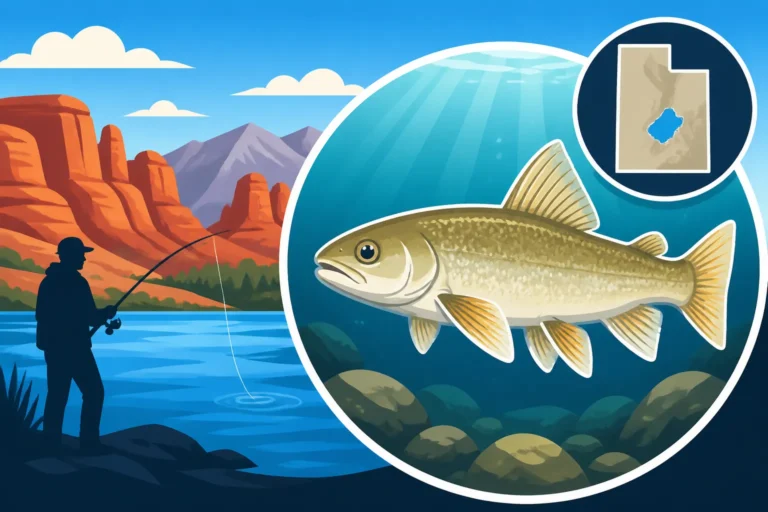
Splake are another intriguing hybrid fish you can encounter in Scofield Reservoir. These fish are a cross between a brook trout and a lake trout, and they combine characteristics of both parents. They tend to be sleek, powerful, and known for their aggressive nature, often described as having the fighting prowess of a brook trout with the potential size of a lake trout. Their coloration can vary, but they often have a greenish-gray body with lighter spots, and a forked tail like a lake trout.
Splake are usually stocked in deeper, colder reservoirs like Scofield to provide a unique angling opportunity and to fill a specific niche in the aquatic food web. They are often found in deeper waters, especially during the warmer months, but can move shallower during ice fishing season or in cooler periods. They are predators, feeding on smaller fish and invertebrates, and respond well to spoons, large jigs, and sometimes even trolled baits or flies. For more details on where these hybrids thrive, consult our guide on Splake in Utah Reservoirs.
Anglers targeting splake should be prepared for a strong fight! They tend to hit lures hard and can make powerful runs. Because they are often found deeper, using a fish finder can be a huge asset in locating them. Understanding their habitat preferences and feeding patterns is crucial to consistently hooking into these impressive hybrid trout.
Yellow Perch – A Panfish Delight
Beyond the trout, Scofield Reservoir is also home to a thriving population of yellow perch. These panfish might not be as glamorous as a trophy trout, but they offer incredible fun, especially for younger anglers or those looking for consistent action and delicious table fare. Yellow perch are easily identifiable by their distinctive vertical dark stripes on a yellowish-green body, often with bright orange lower fins. They are schooling fish, meaning where you catch one, you're likely to find many more.
Yellow perch thrive in Scofield's waters and can be found in various habitats, from shallow weedy areas to deeper open water, depending on the season and time of day. They feed on insects, small crustaceans, and even tiny baitfish. Their schooling behavior makes them a fantastic target for a fun, action-packed fishing trip, and they are particularly popular during the winter ice fishing season. You can learn a lot more about them in our detailed article about Yellow Perch in Utah Waters.
When targeting yellow perch, light tackle is often all you need. Small jigs tipped with a piece of bait (like a wax worm, mealworm, or a bit of nightcrawler), small spoons, or even just a hook with bait under a bobber can be incredibly effective. During ice fishing, a small jigging spoon or a tungsten jig can bring in a steady stream of fish. If you're interested in catching them through the hard water, our How to Catch Perch Through the Ice in Utah guide provides excellent tips and techniques for Scofield and other reservoirs.
Tailoring Your Approach to Scofield's Species
Now that you know what's swimming in Scofield Reservoir, the next step is to adjust your angling tactics to match these specific fish. Successful fishing isn't just about showing up; it's about thoughtful preparation and adaptation.
Gear and Lure Recommendations
Selecting the right gear is paramount for success at Scofield. For the diverse trout species—rainbows, tigers, cutthroats, and splake—a versatile spinning rod and reel combo is often ideal. A medium-light action rod, around 6 to 7 feet in length, paired with a small to medium-sized spinning reel spooled with 4-8 pound monofilament or fluorocarbon line, will cover most situations. This setup allows for casting small lures and baits effectively. For those who prefer to browse from home, you can find a wide array of Best Tackle for Utah Trout options, including various rods, reels, and lines, on platforms like Amazon.
When it comes to lures, consider what each species is eating. For rainbow and cutthroat trout, small spinners (like Mepps or Rooster Tail), spoons (such as Kastmasters or Daredevils), and jigs (tipped with a worm or scented bait) are highly effective. Tiger trout and splake, being more predatory, often respond to slightly larger spoons, jerkbaits, and even swimbaits that imitate baitfish. PowerBait, corn, or worms under a bobber or fished on the bottom are excellent for stocked rainbows. For yellow perch, tiny jigs, ice jigs, and small spoons, often tipped with a piece of mealworm or wax worm, are irresistible. If you're looking to stock your tackle box for Scofield, our guide on Best Lures for a Utah Tackle Box offers comprehensive suggestions. Don't forget to check customer reviews on Amazon for current popular choices.
Fly anglers will also find success, particularly with streamers and nymph patterns that mimic local insect life or small fish, especially for the cutthroat and even aggressive tiger trout. Always carry a variety of options, as fish preferences can change throughout the day and with different weather conditions. Having a versatile tackle box or bag that you can easily access, perhaps one you picked up from Amazon, makes on-the-water adjustments a breeze.
Seasonal Considerations for Each Species
Fishing at Scofield Reservoir is truly a year-round affair, but what you catch and how you catch it will shift dramatically with the seasons. Understanding these seasonal patterns is crucial for consistent success and for making the most of your time on the water.
In the spring, right after ice-off, fish tend to be very active in shallower waters as they shake off winter lethargy and feed heavily. Rainbows and cutthroats will be cruising near shorelines. As the water warms through summer, fish, especially the larger tiger trout and splake, will often move deeper to find cooler, more oxygenated water. Trolling or deep jigging becomes more effective. Early mornings and late evenings are often the best times during the summer heat.
Fall brings a renewed burst of activity as waters cool and fish prepare for winter. Many species will be feeding aggressively, and they can be found shallower again. This is often considered one of the best times for trophy trout. Then comes winter, when Scofield transforms into a prime ice fishing destination. All species remain active under the ice, though their locations and preferred baits might change. Yellow perch are particularly popular targets through the ice, offering consistent action. To fully prepare for the colder months, our Utah Ice Fishing Guide is an essential read, and you'll find more specific seasonal advice in Best Season for Ice Fishing in Utah.
Being aware of these seasonal movements and feeding patterns allows you to adjust your locations, depths, and presentations accordingly. A little planning based on the time of year and the species you hope to catch will go a long way in making your Scofield Reservoir fishing trip a memorable one.
Scofield Reservoir Species at a Glance
Here's a quick reference table to help you identify and target the primary fish species in Scofield Reservoir:
| Fish Species | Identification Tips | Average Size (Scofield) | Key Fishing Notes |
|---|---|---|---|
| Rainbow Trout | Pink/red stripe, small spots, square tail | 10-18 inches | Eager biters, good for bait, spinners, jigs, fly fishing. |
| Tiger Trout | Worm-like dark patterns, aggressive, often larger | 14-24+ inches | Predatory, respond to lures mimicking baitfish, larger flies. |
| Cutthroat Trout | Red/orange slash under jaw, fewer spots, native-like | 12-20 inches | Often prefer natural baits, nymphs, streamers; can be finicky. |
| Splake | Forked tail, pale spots, brook x lake trout hybrid | 15-25+ inches | Found deeper, aggressive, target with spoons, jigs, trolled baits. |
| Yellow Perch | Vertical dark stripes, yellowish-green body, orange fins | 6-12 inches | Schooling fish, excellent for ice fishing, small jigs, worms. |
Disclaimer
This article is for general informational purposes only and does not constitute professional advice. Laws, prices and regulations vary by location and change over time. Consult a qualified professional for guidance on your specific situation.