Utah’s Official State Fish
It’s easy to get lost in the sheer beauty of Utah’s landscapes, and for anglers, the variety of fish species across our stunning waters is just as captivating. But have you ever paused to consider which fish truly represents our state, or why? Many folks might guess one of the more common stocked trout, but Utah's official state fish carries a unique history and ecological importance often overlooked. This guide will dive deep into the identity, significance, and incredible journey of Utah’s chosen aquatic emblem, helping you understand its legacy and how you can be a part of its future.
The Official State Fish: The Bonneville Cutthroat Trout
For many, the mention of "trout" immediately brings to mind the familiar rainbow or the elusive brown. But the title of Utah's official state fish belongs to a truly special native: the Bonneville Cutthroat Trout. This isn't just any fish; it's a living piece of Utah's natural heritage, deeply intertwined with the history and ecology of our region. Its official designation is a testament to its enduring presence and the significant conservation efforts required to protect it.
What Makes the Bonneville Cutthroat Unique?
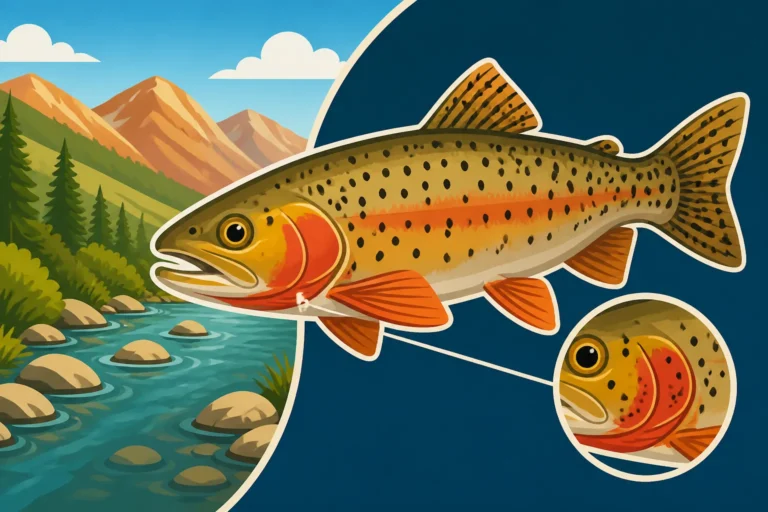
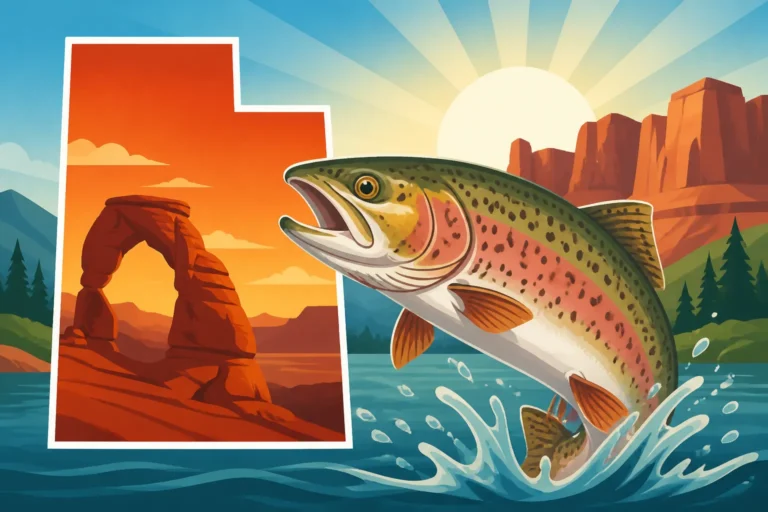
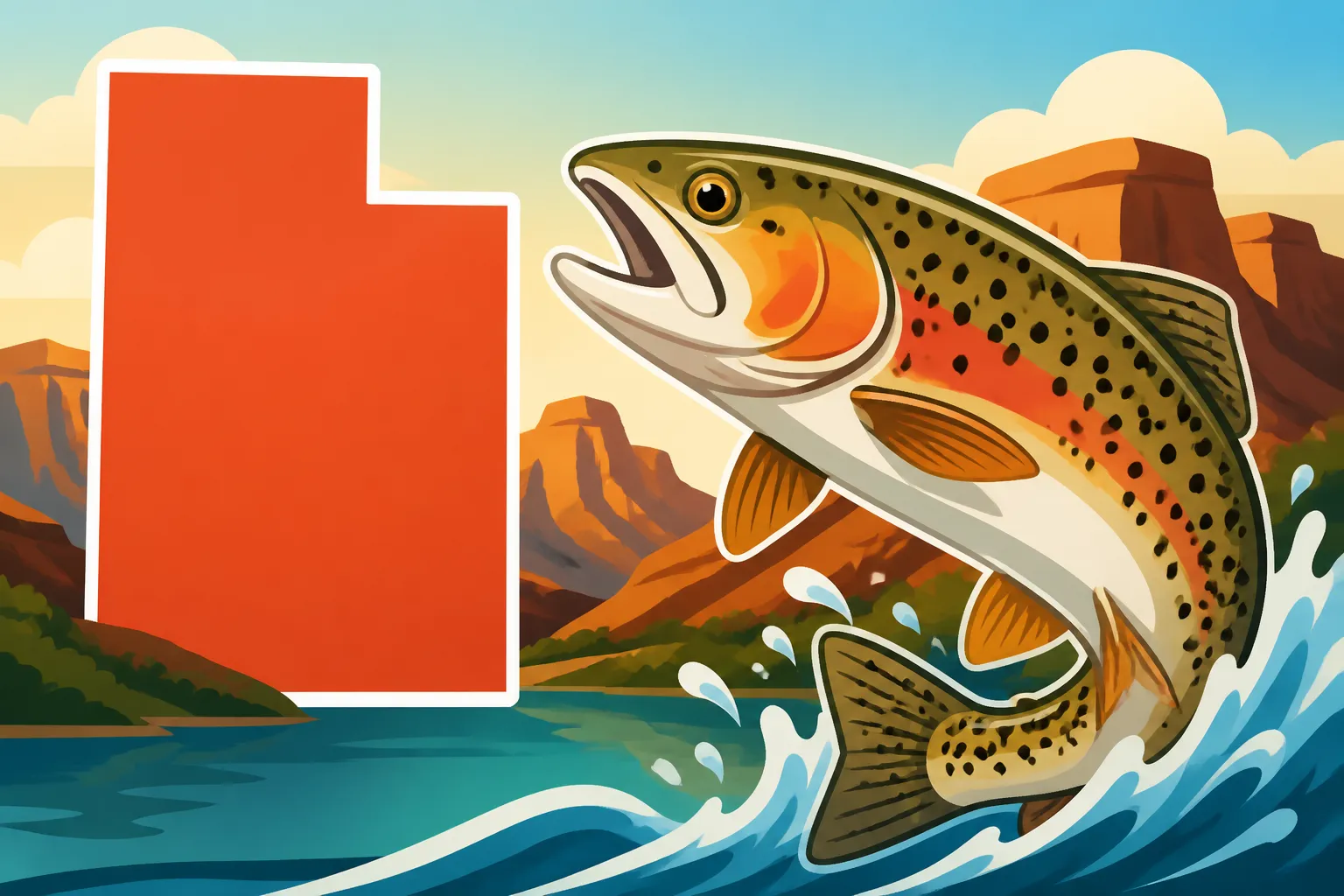
The Bonneville Cutthroat Trout ( Oncorhynchus clarkii utah) might not be as vibrant in color as some of its stocked cousins, but its subtle beauty and distinct features make it unmistakable once you know what to look for. Generally, these fish have a somewhat drabber, olive-to-brownish body color, often fading to a cream or yellowish belly. Their sides are typically adorned with sparse, irregular black spots that are concentrated towards the tail. However, the most definitive characteristic, and the one that gives all cutthroat species their name, is the distinctive red or orange slash marks found on the underside of their jaw, in the folds of their throat. These "cutthroat" marks can range from a faint blush to a vibrant crimson, varying slightly depending on the fish's age, diet, and specific water body.
Beyond their appearance, Bonneville Cutthroats are incredibly resilient and adapted to a wide range of aquatic environments, from cold, clear mountain streams to larger, more alkaline lakes. Their ability to thrive in such diverse conditions is a testament to their evolutionary history in Utah. They are also known for their opportunistic feeding habits, readily consuming insects, smaller fish, and crustaceans. Understanding these unique traits is crucial not only for identifying them but also for appreciating their ecological role in Utah's diverse ecosystems. You can learn more about how to distinguish them from other species in our Bonneville Cutthroat Trout Identification guide.
A History Steeped in Utah's Waters
The story of the Bonneville Cutthroat Trout is, in essence, the story of Utah's aquatic history. These fish are true natives, having evolved and adapted in the ancient Lake Bonneville system, a vast prehistoric lake that once covered much of what is now Utah, Nevada, and Idaho. As Lake Bonneville receded and fragmented into smaller lakes and rivers over millennia, the Bonneville Cutthroat populations became isolated, leading to distinct genetic lineages. Historically, they were the dominant native trout species throughout the Bonneville Basin, found in nearly every stream, river, and lake. Their presence was a vital food source for early Native American tribes and later, for pioneers settling the region.
However, the arrival of European settlers brought significant changes. Overfishing, habitat destruction due to agriculture and development, and perhaps most critically, the introduction of non-native fish species like rainbow trout and brown trout, took a severe toll. These introduced species competed with Bonneville Cutthroats for food and habitat, and in many cases, hybridized with them, diluting their genetic purity. For a time, it was feared that pure Bonneville Cutthroat populations might be lost forever. Thankfully, dedicated efforts have reversed some of this decline. Learning about Is the Bonneville Cutthroat Trout Native to Utah? further illuminates this complex history.
Why the Bonneville Cutthroat Holds a Special Place
Choosing a state fish isn't merely about picking a pretty species; it's about recognizing a creature that embodies the spirit and natural heritage of a region. For Utah, the Bonneville Cutthroat Trout perfectly fits this role. Its story is one of survival, adaptation, and an ongoing journey back from the brink.
More Than Just a Fish: Cultural and Ecological Value
The Bonneville Cutthroat is far more than just a swimmer in our rivers and lakes; it's a cornerstone of Utah's ecological health and a powerful symbol of our natural legacy. Ecologically, as a native species, it plays a critical role in the food web, helping to maintain balance in its natural habitats. Its presence is often an indicator of good water quality and a healthy stream or lake ecosystem. When Bonneville Cutthroat populations thrive, it suggests that the surrounding environment is also in good shape, benefiting a myriad of other species from insects to birds of prey.
Culturally, this trout represents resilience and the importance of preserving native species. For anglers, catching a Bonneville Cutthroat, especially a pure strain in its native habitat, is a profound experience that connects them to Utah's past. It's a reminder of what once was and what we're striving to protect for future generations. The push to restore the Bonneville Cutthroat has also fostered a greater appreciation for conservation among the angling community and the general public. It's a source of pride, reflecting Utah's commitment to its unique biodiversity.
The Ongoing Journey of Recovery and Preservation
The path to recovery for the Bonneville Cutthroat Trout has been long and challenging, but also remarkably successful in many areas. Decades ago, pure strains were confined to a handful of isolated, high-elevation streams. Thanks to intensive efforts by state agencies, conservation groups, and dedicated volunteers, these populations have been slowly but surely expanded. This has involved meticulously identifying genetically pure populations, restoring degraded habitats, and sometimes, carefully relocating fish to historical ranges where threats from non-native species can be managed.
One of the primary challenges in this recovery is managing hybridization with rainbow trout. Where the two species coexist, they can interbreed, leading to "cut-bow" hybrids that dilute the genetic integrity of the pure Bonneville Cutthroat. Strategies to address this include removing non-native fish from certain waters and establishing catch-and-release regulations or special limits for Bonneville Cutthroat in specific areas to ensure their survival and reproduction. This ongoing work is a monumental undertaking, but one that is absolutely vital to securing the future of our state fish.
Finding and Fishing for Utah's State Fish
For many anglers, the opportunity to fish for Utah's official state fish is a bucket-list item. While they are still a species undergoing recovery, there are numerous waters across Utah where you can specifically target and ethically fish for Bonneville Cutthroat Trout. It’s a rewarding experience that offers a direct connection to Utah’s wild heart.
Where to Seek Out the Bonneville Cutthroat Today
While their historical range was immense, today you'll find healthy populations of Bonneville Cutthroat Trout predominantly in the upper reaches of various drainages and in certain high-elevation lakes. Key areas include parts of the Bear River drainage, tributaries of the Provo River, and several streams and lakes within the Uinta Mountains. These environments often provide the cold, clean water and limited competition from non-native species that Bonneville Cutthroats need to thrive.
Some popular waters where you might encounter them include Bear Lake and its tributaries, especially for larger, lake-dwelling specimens, and numerous smaller streams throughout the Wasatch Front and Uinta Mountains. Specific locations are often detailed in the Utah Division of Wildlife Resources (DWR) fishing reports and species distribution maps, which are invaluable resources for planning a trip. Always check these local resources for the most up-to-date information on where to find these treasured fish. For more detailed locations, our guide Where to Catch Bonneville Cutthroat Trout in Utah can provide additional insights. When preparing for such a trip, you might find specific flies or lures particularly effective for cutthroat, and you can often find a wide selection of suitable gear on platforms like Amazon.
Responsible Angling for a Treasured Species
Fishing for Bonneville Cutthroat Trout comes with a special responsibility. Because they are a native species still very much in recovery, practicing responsible angling techniques is paramount to their continued survival. This often means embracing catch-and-release, especially for larger, breeding-age fish, and minimizing stress on any fish you handle. The goal is to enjoy the experience without negatively impacting the population.
Here are some key tips for responsible angling:
- Check Regulations: Always, always consult the current Utah Fishing Regulations Explained for the specific water body you plan to fish. Regulations for Bonneville Cutthroat can vary significantly, with some areas being catch-and-release only, others having specific size or bag limits, and some even requiring artificial lures only.
- Use Barbless Hooks: Barbless hooks greatly reduce harm to fish, making it easier to release them quickly and safely.
- Minimize Handling: Try to keep the fish in the water as much as possible. If you must handle it, do so with wet hands and support its body horizontally. Avoid squeezing or touching its gills. Our How to Release a Fish Without Hurting It in Utah guide provides excellent advice on this.
- Quick Release: Have your camera ready (if you plan to take a photo) and release the fish as quickly as possible.
- Observe Closely: Take a moment to appreciate the fish's unique markings, especially that tell-tale "cutthroat" slash, before letting it go.
| Bonneville Cutthroat Trout Angling Guide | Details |
|---|---|
| Primary Habitat | Cold, clear, high-elevation streams and mountain lakes; some larger lake populations. |
| Best Techniques | Fly fishing (dry flies, nymphs, streamers), light spinning tackle with small spinners or spoons. |
| Recommended Bait/Lures | Terrestrial patterns (hoppers, ants), emerger patterns, small olive or black woolly buggers, small silver spinners. |
| Typical Size | 8-16 inches in streams; larger in lakes (up to 20+ inches). |
| Conservation Status | Recovering native species; often under special regulations, including catch-and-release in some waters. |
| Identifying Mark | Distinctive red/orange slash under the jaw. |
Fly fishing is a particularly popular and effective method for Bonneville Cutthroat, especially in stream environments. You'll find that these fish are often eager to rise to a well-presented dry fly or take a drifting nymph. Exploring a Utah Fly Fishing Guide can help you refine your techniques.
Protecting Our Native Icon: Conservation and Regulations
The designation of the Bonneville Cutthroat as Utah's official state fish isn't just a symbolic gesture; it underscores a deep commitment to its survival and flourishing. This commitment is actively demonstrated through stringent regulations and ongoing conservation programs that aim to restore and protect this unique trout.
Understanding Catch Limits and Special Regulations
When it comes to fishing for Bonneville Cutthroat Trout, general statewide regulations don't always tell the full story. Because these fish are a priority conservation species, many specific waters where they are found have tailored rules designed to protect them. These can include:
- Catch-and-Release Only: In many sensitive recovery waters, anglers are required to release all Bonneville Cutthroat Trout unharmed. This ensures that every fish has the chance to spawn and contribute to the population. For instance, you might find specific stream sections designated as Utah Catch-and-Release Waters.
- Artificial Lures/Flies Only: To minimize deep hooking and harm, some areas restrict bait use, requiring anglers to use artificial lures or flies with barbless hooks. This is a common practice in many trout conservation areas.
- Reduced Bag Limits: Where harvest is allowed, bag limits for Bonneville Cutthroat are often very low, sometimes just one or two fish, and may include size restrictions (e.g., only fish under 15 inches).
- Seasonal Closures: Certain waters may have seasonal closures, particularly during spawning periods, to prevent disturbance and protect vulnerable breeding fish. For example, some stream sections might be closed in the spring when cutthroat are actively reproducing.
It is absolutely crucial to check the latest Utah DWR fishing proclamation and specific water body regulations before heading out. Ignorance of the rules is not an excuse, and violating these regulations can lead to significant penalties, undermining the very conservation efforts designed to protect this fish.
How Anglers Can Contribute to Conservation
Anglers are often the first line of defense for fish populations, and your actions on and off the water can make a real difference in the recovery of the Bonneville Cutthroat Trout. Beyond adhering strictly to regulations, there are several ways you can actively contribute:
- Support Conservation Organizations: Many local and national groups are dedicated to cold-water conservation and specifically to cutthroat trout recovery. Organizations like Trout Unlimited are active in Utah, undertaking habitat restoration projects, advocating for protective policies, and educating anglers. A quick search on Amazon might even yield books or merchandise that support such organizations, allowing you to contribute directly or indirectly.
- Report Poaching and Violations: If you witness illegal fishing activity or environmental damage that could harm fish populations, report it to the Utah DWR. They rely on the public's eyes and ears to enforce regulations effectively.
- Practice Good Stewardship: Pack out all trash, avoid disturbing stream banks, and prevent the spread of aquatic invasive species by cleaning, draining, and drying your gear between fishing trips. This protects all fish, including the sensitive Bonneville Cutthroat.
- Educate Others: Share your knowledge about the Bonneville Cutthroat Trout and the importance of its conservation with fellow anglers, friends, and family. The more people who understand and care about this native species, the stronger its future will be. Even pointing out that the state fish is unique and warrants special attention can be a powerful act of education. Finding the right gear for fly fishing for these specific trout can be a rewarding part of the experience, and many reputable brands found on Amazon offer high-quality Best Fishing Rods for Utah Anglers suitable for such efforts.
By understanding, respecting, and actively participating in the conservation of the Bonneville Cutthroat Trout, you're not just fishing; you're engaging in a vital effort to preserve a cherished piece of Utah's natural heritage for generations to come.
Disclaimer
This article is for general informational purposes only and does not constitute professional advice. Laws, prices and regulations vary by location and change over time. Consult a qualified professional for guidance on your specific situation.