Fish Species Considered Invasive in Utah Waters
Fishing in Utah offers incredible experiences, but there's a serious challenge lurking beneath the surface that many anglers might not fully grasp: the presence of invasive fish species. These unwelcome guests can wreak havoc on our precious native ecosystems, outcompeting local fish, disrupting habitats, and even threatening the very waters we love to explore. This guide will walk you through identifying the most problematic invasive fish in Utah, explain why they pose such a threat, and, most importantly, empower you with the knowledge and actions you can take to help protect Utah's fisheries for generations to come.
Understanding the Threat of Invasive Fish Species in Utah
It's easy to just think of fishing as catching fish, but for those of us who truly care about the long-term health of Utah's waters, understanding the ecological balance is crucial. Invasive species are a huge part of that balance, or rather, the imbalance they create. They're not just a nuisance; they're a legitimate threat to our fishing heritage.
What Makes a Fish "Invasive"?
When we talk about an "invasive" species, it's not just a fish that isn't native to a particular area. It's a non-native species that causes, or is likely to cause, economic or environmental harm, or harm to human health. Think of it this way: a non-native fish might be introduced to a lake, and if it just coexists without causing problems, it's considered introduced, not necessarily invasive. But if that fish starts to outcompete native species for food, preys on them, introduces diseases, or degrades the habitat, then it becomes invasive. It's about the impact, not just the origin. The key is their ability to establish self-sustaining populations, spread aggressively, and negatively affect the environment. Many of these species got here because someone thought they were a good idea for sport fishing, or even worse, dumped unwanted aquarium fish into a local pond, unwittingly unleashing an ecological problem.
Why Utah Takes Invasive Species So Seriously
Utah's fisheries are a precious resource, providing recreation, supporting local economies, and sustaining unique ecosystems, especially with our desert environment. Many of our native fish, like the Bonneville Cutthroat Trout, are adapted to very specific conditions and can't handle the aggressive competition or predation from species that aren't supposed to be here. The state, through the Utah Division of Wildlife Resources (UDWR), invests considerable resources into managing these issues. From implementing strict regulations like mandatory harvest rules to extensive public education campaigns, the goal is to protect what makes Utah fishing special. Utah Fishing Regulations Explained delves into some of these rules, and many of them are directly aimed at controlling invasive populations. If these invasive species aren't managed, we risk losing native species, altering the entire food web, and ultimately diminishing the quality of our fishing experiences. It’s a serious threat to the ecological integrity of our state, and something every angler should be aware of.
Key Invasive Fish Species to Know (and How to Identify Them)
Knowing what you're looking for is the first step in being a responsible angler. Some of these fish look similar to native or desirable sport fish, so identification is paramount. You don't want to accidentally release something you should have kept, or vice-versa. A little knowledge goes a long way in doing your part.
Northern Pike: The Apex Predator
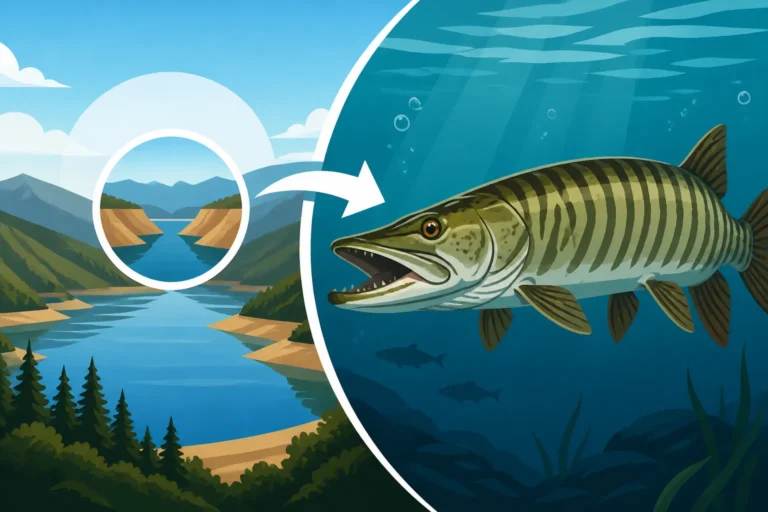
Northern Pike are perhaps one of the most concerning invasive species in certain Utah waters, particularly Utah Lake and Yuba Reservoir. These fish are voracious, ambush predators with rows of sharp teeth and a long, slender body. They're typically dark green to olive, with lighter, bean-shaped spots along their flanks. Their dorsal fin is set far back on their body, close to their tail, giving them a distinct torpedo-like appearance. Their mouth is often described as "duck-billed." What makes them so dangerous is their diet: they'll eat just about anything, including valuable sport fish like Walleye and Catfish, and critically endangered species like the June Sucker. Their impact on a fishery can be devastatingly swift. Because of this, Why Utah Lake Require You to Kill Every Northern Pike? is not just a suggestion, it's a critical directive to help restore balance to that ecosystem. If you catch one, you must kill it and not return it to the water.
Common Carp: The Bottom Disruptor
Common Carp are widespread across many Utah waters, including Utah Lake, Willard Bay, and even many community ponds, and they've been here for a long time. While they might not be as flashy as a Northern Pike, their impact is insidious and pervasive. Carp are bottom feeders, and their constant rooting and grubbing in the substrate stir up sediment, increasing turbidity (muddiness) in the water. This can smother fish eggs, destroy aquatic vegetation that provides habitat for other species, and reduce water quality, making it harder for sight-feeding fish to hunt. They are typically bronze or olive-brown, with large scales and two barbels (whiskers) on each side of their mouth. They can grow quite large. While they are a popular sport fish in some parts of the world, in Utah, they are generally considered a nuisance that contributes to poor water conditions. Many anglers enjoy targeting them for their fighting prowess, and it’s a great way to help the ecosystem.
Smallmouth Bass: A Complex Case
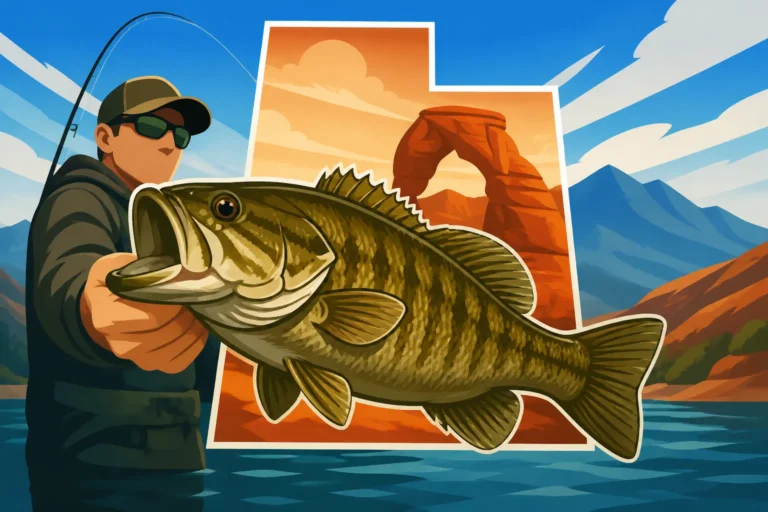
Smallmouth Bass are a bit of a nuanced discussion when it comes to "invasive." They are not native to Utah, but they are a highly prized sport fish that have been widely stocked for decades in reservoirs like Flaming Gorge and Deer Creek. They have a distinct bronze color, dark vertical bars, and a mouth that doesn't extend past the eye (unlike their largemouth cousins). The "invasive" label applies where they threaten native fish populations, particularly in river systems where native trout or chub species are vulnerable. In some managed reservoir environments, they are considered a desirable sport fish. However, if they expand into connected river systems, they can outcompete and prey on native species. This is why you'll see different regulations for Smallmouth Bass depending on the specific water body; it's a balancing act between providing recreational opportunities and protecting native fish. Understanding Utah Bass Fishing Regulations can help you navigate where and how they are managed and what your responsibilities are.
Walleye: An Introduced Species with Specific Management
Like Smallmouth Bass, Walleye are another non-native species introduced to Utah waters, most notably Utah Lake, Starvation Reservoir, and Willard Bay. They are a popular game fish, known for their excellent table fare and challenging fight. Walleye are characterized by their large, glassy eyes (hence "walleye"), a sleek, olive-gold body, and sharp teeth. They also have a spiny dorsal fin. The reason they are on a list discussing invasives, even though they are desired sport fish, is that their introduction can significantly alter the predator-prey dynamics of a lake. In Utah Lake, for instance, they were introduced to help control Common Carp, but their presence also impacts other fish species. Their management is carefully controlled, often with specific slot limits or bag limits, to ensure they don't overpopulate and negatively impact the ecosystem beyond acceptable levels, or compete too heavily with other valued species. Utah Walleye Harvest Rules are very specific to manage these populations, highlighting the careful balance required.
Here's a quick reference table for some key invasive and introduced species:
| Fish Species | Key Identification | Primary Threat/Impact | Where to Find Them (Examples) | Angler Responsibility |
|---|---|---|---|---|
| Northern Pike | Long, slender, duck-bill snout, sharp teeth, bean-shaped spots, dorsal fin far back. | Voracious predator of native and sport fish; disrupts food webs. | Utah Lake, Yuba Reservoir. | MANDATORY HARVEST (kill all you catch, do not release). |
| Common Carp | Large scales, two barbels near mouth, bronze/olive color, bottom feeder. | Destroys aquatic vegetation, increases turbidity, competes with native fish. | Utah Lake, Willard Bay, many community ponds. | Recommended harvest; do not relocate live fish. |
| Smallmouth Bass | Bronze color, dark vertical bars, mouth doesn't extend past eye. | Competes with and preys on native trout/chubs, especially in rivers. | Flaming Gorge, Deer Creek, parts of Green River. | Follow specific water body regulations; often a desirable sport fish in reservoirs. |
| Walleye | Large, glassy eyes, olive-gold color, spiny dorsal fin, sharp teeth. | Alters predator-prey dynamics, competes with other species. | Utah Lake, Starvation, Willard Bay. | Follow specific water body regulations; managed as a sport fish. |
What Anglers Can Do: Rules, Responsibilities, and Reporting
As anglers, we're not just users of the resource; we're also its stewards. Our actions, both on and off the water, can make a huge difference in controlling invasive species and protecting our native fisheries. It's about being proactive and informed.
Mandatory Harvest Rules for Specific Invasive Species
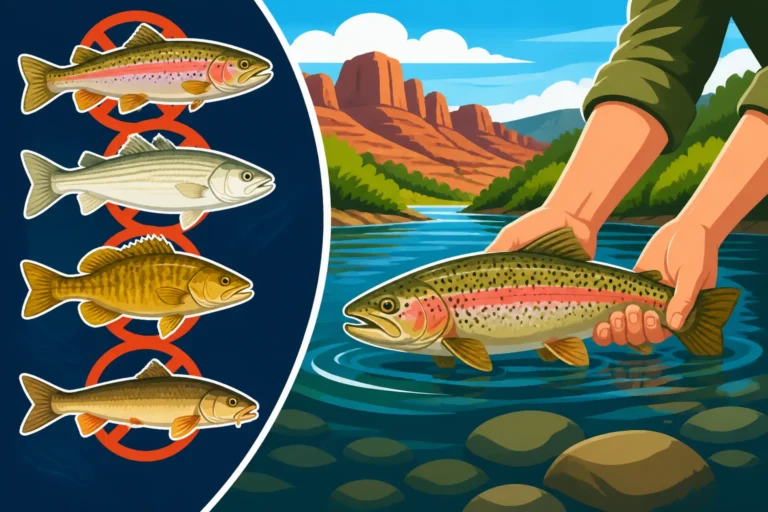
This is perhaps the most direct way you can help. For species like Northern Pike, there are mandatory harvest rules in place in certain waters. This means if you catch one, you must kill it and cannot release it back into the water. This isn't about being cruel; it's about actively participating in conservation efforts to protect the balance of the ecosystem. The UDWR sets these rules based on scientific data and the severe threats these fish pose. Always check the current fishing regulations for the specific water body you're fishing to be sure. Misidentifying a fish or ignoring these rules can lead to significant penalties, as detailed in Utah Fishing License Penalties for Violations. Make sure you have a reliable way to dispatch the fish quickly and humanely. A good pair of long-nosed pliers, easily found on Amazon, can help with hook removal, and a sharp knife makes quick work if you plan to keep them for consumption (always check local advisories first).
Preventing the Spread: Clean, Drain, Dry
Beyond direct harvest, preventing the spread of aquatic invasive species (AIS) like Quagga Mussels, which can hitchhike on boats, is critically important. But this principle also applies to the microscopic stages of fish or other organisms. The "Clean, Drain, Dry" protocol is non-negotiable for anyone recreating on Utah's waters.
- Clean: Remove all visible mud, plants, fish, and debris from your boat, trailer, waders, and fishing gear every time you leave the water. Pay special attention to anchors, ropes, and anything that has been submerged. Even the smallest piece of vegetation can carry invasive hitchhikers.
- Drain: Pull your drain plugs and allow all water to drain from your boat's bilge, live wells, and any other compartments. Do this before leaving the ramp. Residual water can carry larvae or organisms to a new water body.
- Dry: Allow your boat, trailer, and all gear to dry completely before launching in another water body. The longer the better. Many invasive organisms cannot survive prolonged drying.
These steps are crucial, and stations like Utah Aquatic Invasive Species Inspection Stations are there to help ensure compliance and provide decontamination services when needed. Even your waders and nets can harbor tiny invaders, so be diligent! Investing in a good drying rack or dedicated storage for your gear can make this process easier.
Reporting Suspected Invasive Species
You are the eyes and ears on the water! If you encounter a fish that you suspect is an invasive species, especially if it's one not commonly found in that specific water body, it's vital to report it. Take clear photos, note the exact location (GPS coordinates if possible), and contact the Utah Division of Wildlife Resources immediately. Early detection is often the best defense against a new invasion establishing itself. Don't assume someone else will report it; your observation could be the key to preventing a widespread problem. This vigilance extends to any suspicious plant growth or mussels you might see too. A quick search on Amazon for a waterproof phone case or a dedicated GPS unit can ensure you're always ready to document your findings effectively, helping the DWR respond quickly.
The Broader Impact on Utah's Native Fish and Ecosystems
The consequences of invasive fish species extend far beyond just catching a "bad fish." They ripple through the entire aquatic ecosystem, affecting everything from the food web to water quality, and ultimately, our ability to enjoy fishing. It's a complex web of interactions that can unravel quickly if left unchecked.
Competition and Predation: The Ecological Cascade
When an invasive fish establishes itself, it rarely does so peacefully. More often than not, it becomes a direct competitor with native fish for limited resources like food and habitat. Imagine a group of school kids trying to share a few sandwiches – now imagine a much bigger, hungrier kid suddenly joining them. That's what happens. Northern Pike, for example, are apex predators that will eat anything, including the trout and kokanee salmon that many anglers target. Utah Trout Species Guide and Utah Kokanee Salmon Guide highlight the species we cherish, and these are exactly the ones vulnerable to invasive predation. Even common carp, through their bottom-feeding habits, can indirectly impact other fish by destroying their food sources or spawning grounds. This competition can lead to declines in native fish populations, reduced growth rates, and a less diverse, less resilient ecosystem. It truly creates an ecological cascade that can be very difficult to reverse.
Habitat Degradation and Water Quality
It’s not just about what these fish eat; it’s also about how they live. Common Carp, for instance, are notorious for their habitat-altering behavior. By constantly rooting around in the lake bottom, they stir up sediment, turning clear water murky. This turbid water reduces light penetration, which can kill off beneficial aquatic plants that provide food and shelter for other fish and invertebrates. It can also smother fish eggs, preventing successful reproduction of native species. Poor water clarity makes it harder for sight-feeding fish to hunt, further disrupting the food chain. This can lead to a decline in water quality, which impacts not only fish but also other aquatic life and even human recreational activities like swimming and boating. Imagine trying to fish in a perpetually muddy pond – not very appealing, right? Such degradation can even make waters unsuitable for native species to survive at all.
Economic and Recreational Consequences
The presence of invasive fish species also carries significant economic and recreational costs. Fisheries management agencies like the UDWR spend considerable amounts of taxpayer money and resources on monitoring, controlling, and attempting to eradicate invasive species. This includes everything from biological controls to physical removal efforts, public outreach, and extensive decontamination programs like those highlighted in Utah Aquatic Invasive Species Rules for Anglers. For anglers, the presence of invasives can mean fewer desirable sport fish, stricter regulations (like mandatory kill orders), and a less enjoyable fishing experience. Local businesses that rely on fishing tourism, such as tackle shops, guide services, and marinas, can suffer if the quality of fishing declines. Ultimately, invasive species threaten the very future of Utah fishing, making every angler's role in prevention and management absolutely critical. The enjoyment we get from our state's beautiful waters is directly tied to managing these threats responsibly.
Disclaimer
This article is for general informational purposes only and does not constitute professional advice. Laws, prices and regulations vary by location and change over time. Consult a qualified professional for guidance on your specific situation.