How to Tell a Cutthroat Trout From a Rainbow Trout
Ever been out on a beautiful Utah stream, hooked into what you think is a rainbow trout, only to wonder if it might actually be a cutthroat? It's a super common conundrum, even for seasoned anglers, because these two iconic fish share a lot of visual similarities. But knowing the subtle differences isn't just about showing off; it's often crucial for following specific catch limits and regulations. This guide will help you confidently tell a cutthroat from a rainbow, so you can fish smarter and within the rules.
The Signature Marks of a Utah Cutthroat Trout
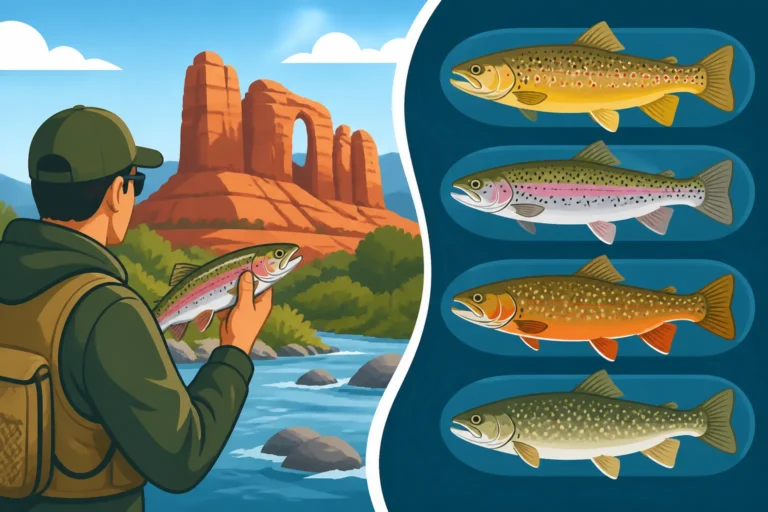
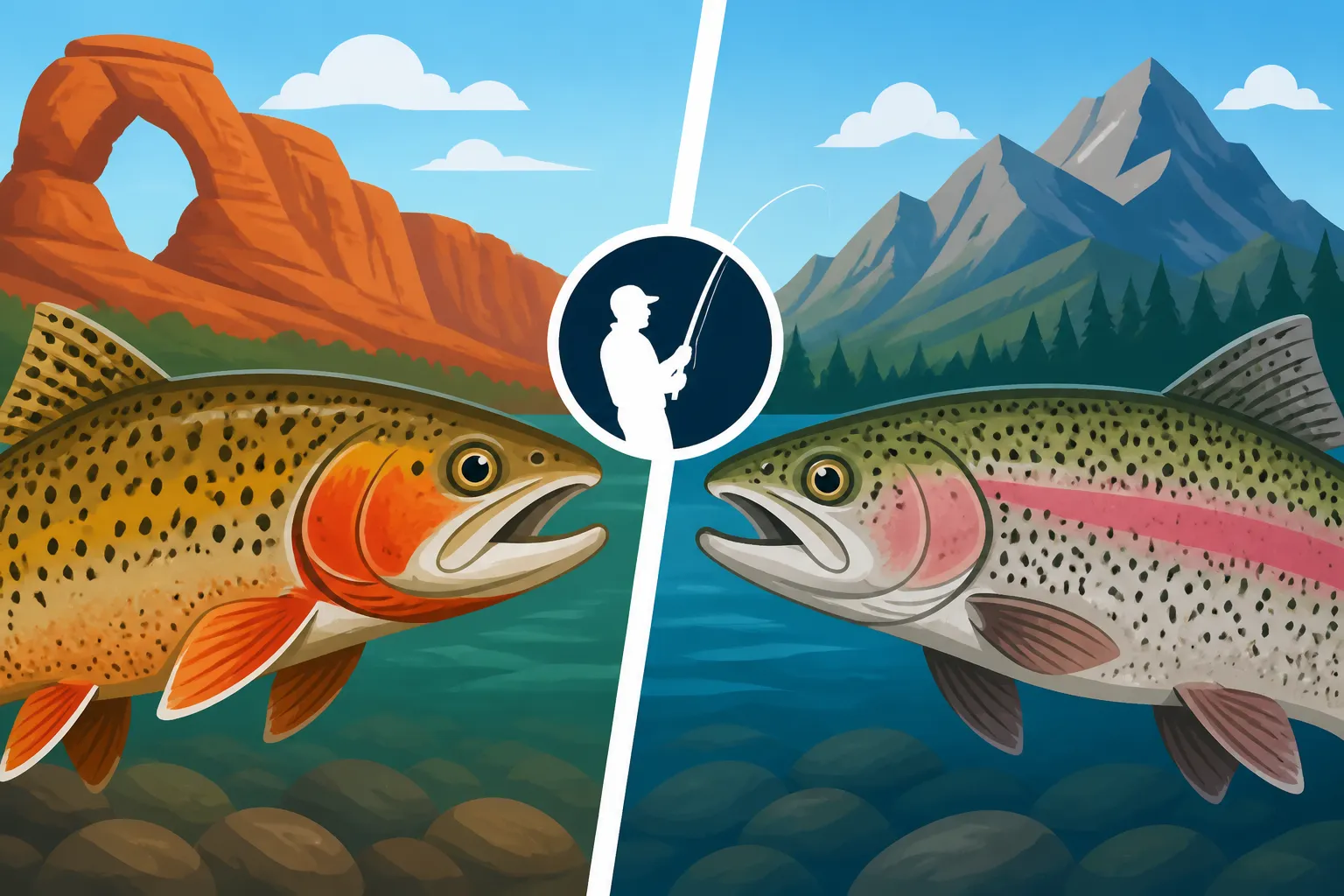
Let's dive into what truly defines a cutthroat trout. When you're fishing in Utah, especially in our native drainages or high-mountain lakes, there's a good chance you'll encounter one of these beauties. The name "cutthroat" itself is the biggest clue, referring to that distinctive red or orange slash found on the underside of their lower jaw. It's like their personal badge, and once you see it, it's hard to unsee.
The Iconic Red Slashes
This vibrant mark isn't always super bright, though. Sometimes, it can be a faint orange or a muted reddish-pink, especially on fish from different waters or at different times of the year. Environmental factors, water clarity, diet, and even the fish's stress levels can influence how pronounced this mark appears. So, don't just look for a blazing crimson line; check for any hint of orange or red in that specific location. It's often more visible if you gently lift the gill plate slightly, but always handle the fish carefully and quickly if you intend to release it. Many anglers carry a small, waterproof field guide, easily found on Amazon, that shows variations of this mark to help with identification in the field. Remember, if it's there, even faintly, you're almost certainly looking at a cutthroat.
Spotting Patterns and Body Shape
Beyond the "cutthroat" mark, these trout generally have more spots than a rainbow trout. Their spots tend to be smaller, more numerous, and often concentrated towards the tail. Imagine a pepper shaker went wild on their caudal fin and back half of their body. The spots might extend up onto their dorsal fin and sometimes even onto their head, but they rarely form neat rows like you might see on some rainbows. In terms of body shape, cutthroat trout can sometimes appear a bit more slender or streamlined, especially in riverine environments where they are constantly fighting currents. Their jaws often extend slightly past their eye, giving them a more predatory look compared to the often shorter jaw of a rainbow. When you're fishing a blue-ribbon river, understanding these subtle differences is key, especially if you're targeting specific species for Utah Catch-and-Release Waters or under specific Utah Trout Limits by Water.
Decoding the Rainbow: What Makes a Rainbow Trout Distinct
Rainbow trout are perhaps the most recognizable trout species, loved by anglers worldwide, and definitely a staple in many Utah fisheries, particularly in our heavily stocked community ponds and larger reservoirs. While they share the general trout torpedo shape, they have their own unique set of identifiers that, once you know them, make them stand out.
The Signature Rainbow Band
The most famous characteristic of a rainbow trout is, well, the rainbow! They typically sport a distinctive, broad, iridescent pink or red band running horizontally along their flanks, from their gill plate all the way to their tail. This band can range from a subtle rosy blush to a brilliant, vibrant stripe, shimmering with colors of the spectrum. Like the cutthroat's slash, the intensity of this band can vary. It might be duller in wilder, stream-bred fish or in hatchery fish that haven't been in the wild long, and more vivid in others. However, the presence of this band is a strong indicator. It's this beautiful stripe that gives them their name and sets them apart from the more subdued flanks of a cutthroat, which typically lack this pronounced lateral coloration. Always consider lighting conditions when observing this, as the angle of the sun can make it pop or appear to vanish.
Spotting Patterns and Mouth Structure
Rainbow trout generally have small, distinct black spots scattered fairly evenly over their body, tail, and dorsal fin. Unlike the cutthroat's tendency for heavy spotting on the tail, rainbow spots are usually more uniform in distribution, though still concentrated on the upper body. You might see these spots extending into their fins, but they rarely clump together densely like a cutthroat's often do. Another key difference is their mouth: a rainbow trout's upper jaw typically does not extend past the rear edge of its eye. This might seem like a small detail, but it's a reliable one that, combined with the other features, helps solidify your identification. Knowing these distinct features is part of what makes fishing so engaging, allowing you to appreciate each fish you catch. You can find excellent waterproof field guides detailing Utah Trout Species Guide that highlight these visual cues, making identification easier. These guides are often readily available on Amazon.
Spotting the Overlap: Why Confusion Happens
It's completely understandable why anglers often get these two species mixed up. They're both trout, they both thrive in cold, clean water, and they both have spots! But here in Utah, we also have a unique situation: hybridization. Rainbow trout and cutthroat trout can, and do, interbreed, especially in waters where their populations overlap. The result is often a "cut-bow," a hybrid fish that displays characteristics of both parents, making field identification exceptionally tricky.
The "Cut-Bow" Conundrum
Imagine catching a fish with a faint pink lateral stripe and a subtle orange slash under its jaw. Or a fish with spots that are somewhere between the two distinct patterns. That's a cut-bow, and they are why clear identification can sometimes feel like solving a riddle. These hybrids can inherit any combination of traits, blurring the lines of what makes each species unique. In some Utah waters, these hybrids are common, making specific regulations harder to follow. For instance, some waters have different bag limits for cutthroat versus rainbow trout, or require the release of native Bonneville Cutthroat Trout. This is where getting a good look at all the key features becomes paramount, not just one. If you're really stumped, take a photo! Sometimes looking at it later, or even asking a local expert, can help clear things up. Always err on the side of caution when it comes to regulations, especially for sensitive species. Utah Fishing Regulations Explained provides detailed information on specific water body rules.
Habitat Clues and Stocking Patterns
Sometimes, knowing where you're fishing can offer a huge clue. Many of Utah's higher-elevation, pristine mountain streams and lakes are managed primarily for native cutthroat trout, such as the Bonneville Cutthroat. Bonneville Cutthroat Trout Identification goes into more detail on this specific sub-species. On the flip side, many of our larger, more accessible reservoirs and community fishing ponds are regularly stocked with rainbow trout to provide abundant fishing opportunities. So, if you're pulling fish out of a freshly stocked community pond, chances are very high they are rainbows. If you've hiked miles into a remote Uinta Mountain lake, your odds of catching a pure cutthroat increase significantly. Of course, this isn't a foolproof method, as both species can exist in the same water. However, it provides context and can help lean your identification one way or the other, especially when visual cues are ambiguous. Being prepared with the right gear, like a strong pair of polarized sunglasses (which you can easily find on Amazon), can significantly improve your ability to spot these subtle markings in the water.
Practical Field Tips for Quick Identification
Getting a quick and accurate identification on the water is a skill that comes with practice. It's about developing a checklist in your mind and knowing where to look first. And, of course, always prioritizing the health of the fish if you plan to release it.
A Visual Checklist for Trout ID
When you've got a fish in hand, or even just in the net, run through this quick mental checklist:
- Check for the Cutthroat Slash: Gently lift the jaw. Is there any hint of red, orange, or even a faint pinkish mark in the crease under the lower jaw? If yes, it's a cutthroat (or a cut-bow). This is often the most definitive feature.
- Examine the Lateral Band: Is there a strong, distinct pink or red horizontal stripe running along the side of the fish? This is the rainbow's calling card. If it's present and vivid, it's likely a rainbow or a cut-bow.
- Analyze Spotting Patterns: Are the spots numerous, small, and heavily concentrated on the tail section, almost like a pepper spray? (Cutthroat). Or are they more evenly distributed over the body, dorsal fin, and tail, without a heavy concentration at the rear? (Rainbow).
- Observe Jaw Extension: Does the upper jaw extend past the back edge of the eye? (Cutthroat). Or does it typically stop before or at the back edge of the eye? (Rainbow). This can be a subtle but reliable indicator for mature fish.
- Consider Fin Coloration: While not always definitive, some cutthroat can have slightly more yellowish or orange lower fins, whereas rainbow fins might be clearer or more muted.
Here's a handy comparison table to help you keep these distinctions straight:
| Feature | Cutthroat Trout | Rainbow Trout |
|---|---|---|
| "Cutthroat" Mark | Distinct red/orange/pink slash under lower jaw | Absent |
| Lateral Band | Generally absent, flanks often more uniform | Pronounced pink/red iridescent stripe along flanks |
| Spotting Pattern | Numerous, smaller, heavily concentrated on tail | Evenly distributed, typically more distinct |
| Upper Jaw Extension | Often extends past rear edge of eye | Typically ends at or before rear edge of eye |
| Habitat Preference | Native to high mountain streams & lakes | Widely stocked in reservoirs & community ponds |
The Importance of Safe Handling and Release
No matter what kind of trout you've just landed, ethical angling practices are paramount. When trying to identify a fish, especially if you plan to release it (which is often required for certain species or in specific waters, as outlined in Utah Catch-and-Release Waters), minimize its time out of the water. Use wet hands to handle fish, support their body weight, and avoid touching their gills or eyes. A good, knotless rubber landing net can greatly aid in both landing and handling, reducing stress on the fish. You can find quality nets that won't harm fish on Amazon. If you're still unsure about identification, it's always best to assume it's a species with stricter regulations (like a native cutthroat) and release it gently. Knowing How to Release a Fish Without Hurting It in Utah is a skill every angler should master. By learning these identification skills and practicing responsible angling, you're not just a better fisherman; you're a better steward of Utah's incredible aquatic resources.
Disclaimer
This article is for general informational purposes only and does not constitute professional advice. Laws, prices and regulations vary by location and change over time. Consult a qualified professional for guidance on your specific situation.