Utah Aquatic Invasive Species Rules for Anglers
It's no secret that hitting the waters in Utah is a privilege, offering incredible fishing experiences from alpine lakes to vast reservoirs. But let's be honest, keeping up with all the rules can sometimes feel like trying to land a trophy trout with a noodle rod. One area that often leaves anglers scratching their heads, and rightfully so, is the complex world of Utah's Aquatic Invasive Species (AIS) rules. These regulations are designed to protect our precious waterways, and navigating them is crucial, not just for legal compliance, but for the future of our fisheries. This comprehensive guide is here to untangle the knots, giving you a clear, empathetic, and practical understanding of what you need to do to keep Utah's waters safe and healthy.
Understanding the Threat: Why AIS Rules Exist in Utah
You might wonder why there's so much fuss about tiny mussels or plant fragments. It's easy to dismiss these things when you're focused on the thrill of the catch. But the truth is, aquatic invasive species pose a monumental threat to Utah's delicate ecosystems, and their unchecked spread could permanently alter the fishing experiences we cherish. Imagine your favorite fishing hole transformed into a murky, biologically sterile soup – that's the nightmare scenario wildlife agencies are trying desperately to prevent.
What Are Aquatic Invasive Species?
Aquatic Invasive Species (AIS) are any non-native organisms—plants, animals, or pathogens—that are introduced into a new aquatic environment and cause harm. This harm isn't just cosmetic; it can be ecological, economic, or even impact human health. Think of them as uninvited guests who don't just overstay their welcome, but trash the whole house and invite all their destructive friends. They outcompete native species for food and habitat, disrupt food webs, and can even change the physical structure of a water body.
The problem with AIS is their incredible adaptability and rapid reproduction. Once established, they are incredibly difficult, if not impossible, to eradicate. That's why prevention is the name of the game, and why Utah's Division of Wildlife Resources (DWR) has implemented such stringent measures. Every angler, every boat, every piece of gear has the potential to be a carrier, making us all unwitting participants in either preventing or spreading these biological invaders.
The Devastating Impact of AIS in Utah
The consequences of AIS aren't theoretical; they're very real and already impacting some of our most beloved waters. For instance, the introduction of quagga mussels to Lake Powell has already begun to show disturbing effects. These mussels are filter feeders, meaning they consume the plankton that forms the base of the food chain, starving out native fish species and game fish alike. Their presence can drastically reduce water clarity, affecting sight-feeding fish, and they can even clog water intake pipes for cities and power plants, leading to massive infrastructure costs.
Economically, the impact is staggering. Millions of dollars are spent annually on monitoring, inspection, and decontamination efforts. If AIS were to spread unchecked to other major reservoirs like Strawberry, Flaming Gorge, or Bear Lake, the costs could skyrocket, potentially impacting fishing license fees and other resources vital to wildlife management. And let's not forget the pure ecological devastation – losing native fish populations, altering spawning grounds, and forever changing the character of our natural landscapes. It's a sobering thought, but one that underscores the importance of every angler doing their part.
Key Invasive Species of Concern
While there are many potential invaders, a few stand out as top priorities for Utah's AIS prevention efforts. Understanding these key players helps explain the specific rules you encounter.
First and foremost are quagga and zebra mussels. These tiny, fingernail-sized mollusks are the poster children for aquatic invasion. They attach to virtually any hard surface, forming dense mats that encrust boats, docks, and underwater infrastructure. They filter massive amounts of water, removing food for native species and concentrating toxins. Lake Powell, unfortunately, is already battling a significant quagga mussel infestation, making it ground zero for many of Utah's most rigorous AIS protocols.
Another insidious threat is the New Zealand mudsnail. These tiny snails can reproduce asexually and reach incredibly high densities, outcompeting native invertebrates, which are crucial food sources for fish. They can hitch a ride on waders, boots, and fishing gear, spreading easily from stream to stream.
Then there are invasive fish species. While not often spread by recreational boats in the same way as mussels, species like the Northern Pike in Utah Lake present a different kind of invasive problem. These voracious predators decimate native fish populations, which is why there's a strict "kill every pike" rule in place for specific waters. While not typically "hitchhikers" on gear, understanding these fish regulations is part of the broader AIS picture. This is why you need to be aware of rules like Why Utah Lake Requires You to Kill Every Northern Pike?.
The Core of the Rules: "Clean, Drain, Dry"
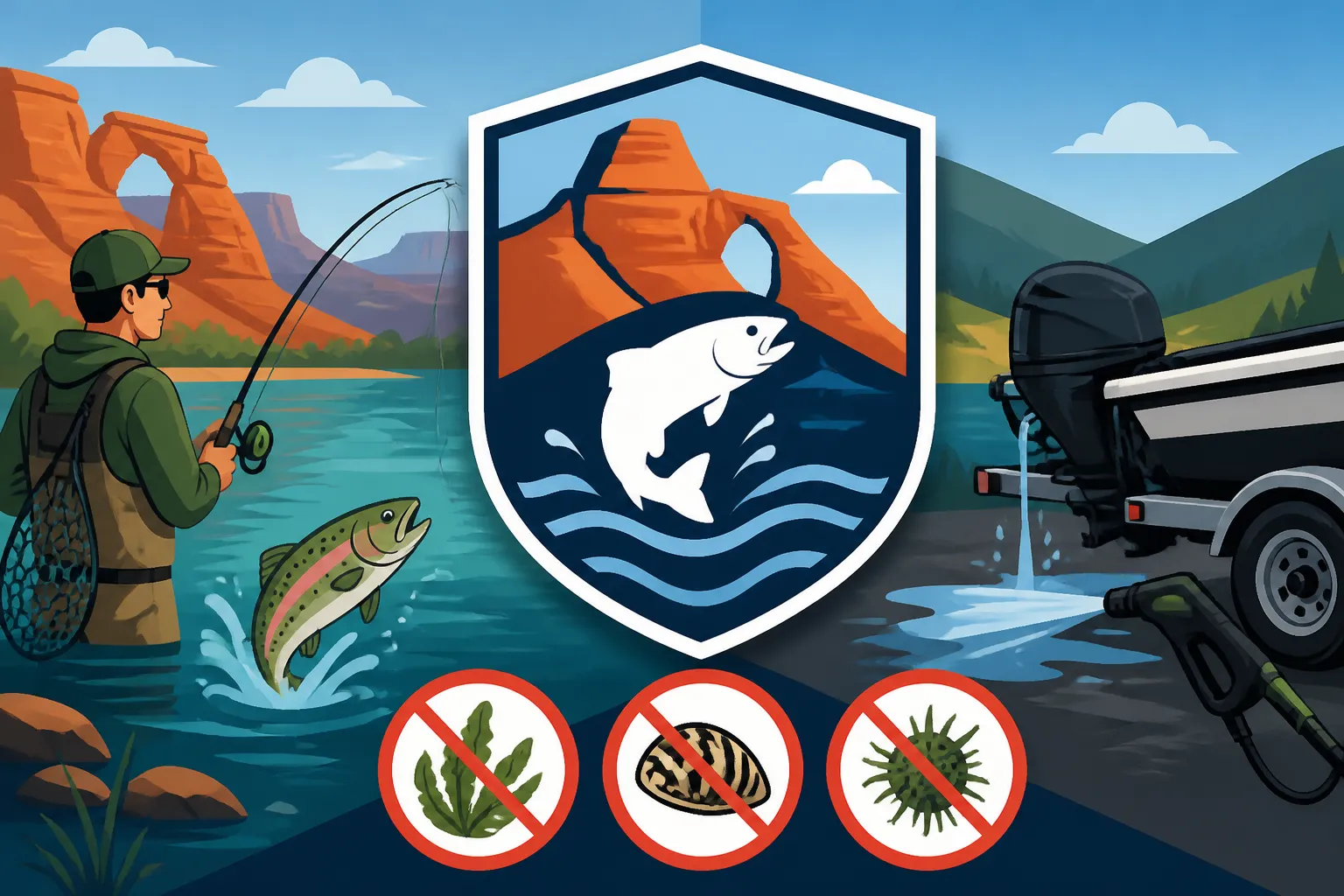
If you take one thing away from understanding Utah's AIS rules, it should be the mantra: "Clean, Drain, Dry." This isn't just a catchy slogan; it's the fundamental, three-step process designed to prevent the spread of aquatic hitchhikers. It's simple in concept, but diligent execution is absolutely critical after every single time you take your vessel or gear out of the water.
The "Clean" Component: What It Really Means
"Clean" means more than just a quick visual check. It means thoroughly inspecting and removing all visible plants, animals, and mud from your boat, trailer, and any fishing equipment. This includes your anchor, ropes, fishing lines, and even your waders and boots. Think of every nook and cranny where a tiny snail or a plant fragment could hide.
For your boat, this involves:
- Hull Inspection: Scrutinize the entire hull, prop, and lower unit for any attached organisms or plant matter. A stiff brush or scraper can be invaluable here.
- Trailer Inspection: Don't forget the trailer! Rollers, axles, and bunks are prime hiding spots for invaders.
- Equipment Inspection: Every piece of gear that touches the water—nets, anchors, lines, fenders—needs a thorough once-over.
If you find anything, remove it and dispose of it properly in a trash receptacle, away from any waterway. Never simply brush it back into the water, as that's how these species get introduced in the first place. You can find many specialized brushes and tools on sites like Amazon that make this cleaning process much more effective and efficient.
The "Drain" Component: Getting Every Drop Out
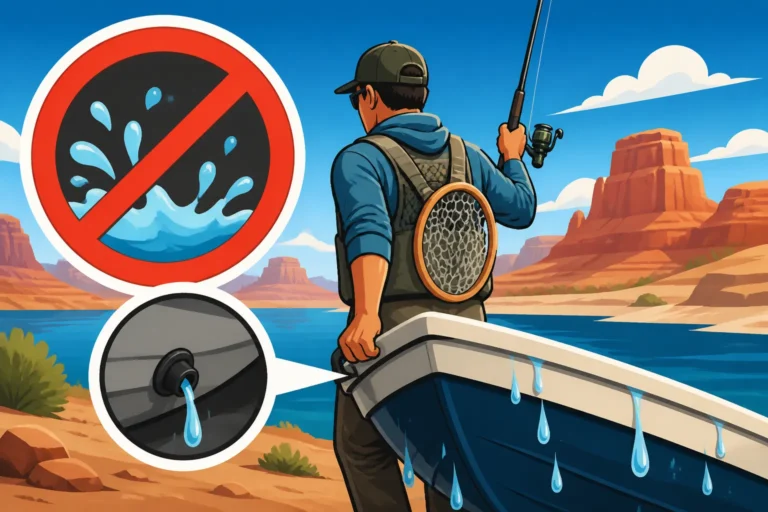
The "Drain" step is perhaps the most critical for preventing the spread of microscopic invaders like quagga mussel veligers (larvae) that are invisible to the naked eye. These tiny organisms can survive in even a small amount of standing water. So, after you've visually cleaned your gear, the next step is to drain all water from your vessel and equipment.
This means:
- Bilge Water: Open your bilge plug and ensure all water is completely drained. Many anglers forget this crucial step, leaving a reservoir for invaders.
- Livewells and Baitwells: Drain these completely. If you're transporting live bait, ensure it's in a contained system that doesn't hold water from the previous fishery. Remember, Utah Bait Fish Rules for Live Bait are very specific about this.
- Engine Cooling Systems: Run your engine out of water (on a flush system if possible) to clear any water from the cooling system.
- Internal Compartments: Check any other areas where water might accumulate, such as transom wells or other compartments.
The goal is to ensure that when you leave the ramp, your boat and gear are bone dry, or at least as dry as possible, to prevent any transfer of water from one lake to another.
The "Dry" Component: The Unsung Hero of Prevention
While "Clean" and "Drain" deal with immediate physical removal and water elimination, "Dry" is the crucial long-term safeguard. Many invasive species, especially mussels, cannot survive extended periods out of water, particularly in Utah's dry climate. The "Dry Time" rules dictate how long your vessel and gear must remain completely dry before launching into a different body of water.
The longer your gear dries, the more confident you can be that any remaining microscopic organisms will perish. This is especially vital when moving between different water bodies, even those not currently infested. The DWR provides specific dry time guidelines based on weather conditions and the water body you're coming from. For instance, if you're coming from a known infested water like Lake Powell, the dry times are significantly longer and non-negotiable.
This period allows for complete desiccation of any lingering biological threats. Sun exposure and warm temperatures accelerate this process. Parking your boat in direct sunlight with all compartments open, and allowing all your gear to air dry, is key. Think about where you're storing wet waders or nets – if they're still damp when you hit the next stream, you're creating a pathway for invasives. Consider having a dedicated space at home to hang and completely dry all your fishing apparel and equipment.
Mandatory Inspections and Decontaminations: When and Where
For boaters, especially, the "Clean, Drain, Dry" protocol isn't just good practice; it's often legally mandated, requiring stops at inspection stations and, sometimes, professional decontamination. It's easy to view these stops as an inconvenience, but they are absolutely essential checkpoints in the war against AIS. Ignoring them can lead to serious legal trouble and, more importantly, put our waters at risk.
Inspection Stations: Finding Them and What to Expect
Utah's DWR operates numerous mandatory Utah Aquatic Invasive Species Inspection Stations across the state, particularly on major travel routes leading away from high-risk waters like Lake Powell, and at popular boat launch sites. These stations are not optional. If you're towing a boat, personal watercraft, or any other vessel, you must stop if the station is open and you are traveling past it.
When you pull into an inspection station, a trained technician will typically:
- Ask Questions: They'll inquire about where your vessel has been recently, when it was last in the water, and when it was last decontaminated. Honesty is paramount here.
- Conduct a Visual Inspection: They'll thoroughly examine your boat, trailer, and any visible gear for standing water, mud, plants, or attached mussels. They'll likely open compartments, livewells, and check your bilge plug.
- Check for Bilge Plugs: Many stations require your bilge plug to be out when you arrive, demonstrating that you've drained your vessel.
- Determine Risk Level: Based on your answers and their inspection, they'll assess the risk of your vessel carrying AIS.
If your boat is deemed low risk and has been properly cleaned, drained, and dried according to protocol, you'll generally be on your way. However, if there's any suspicion of AIS, or if you're coming from an infested water body within a specific timeframe, you'll be directed to the next step: decontamination.
Decontamination Procedures: When It's More Than Just a Rinse
When an inspection reveals potential AIS contamination, or if you're coming from a high-risk water like Lake Powell without sufficient dry time, a professional decontamination becomes mandatory. This is not something you can typically do yourself effectively, as it requires specialized equipment and expertise.
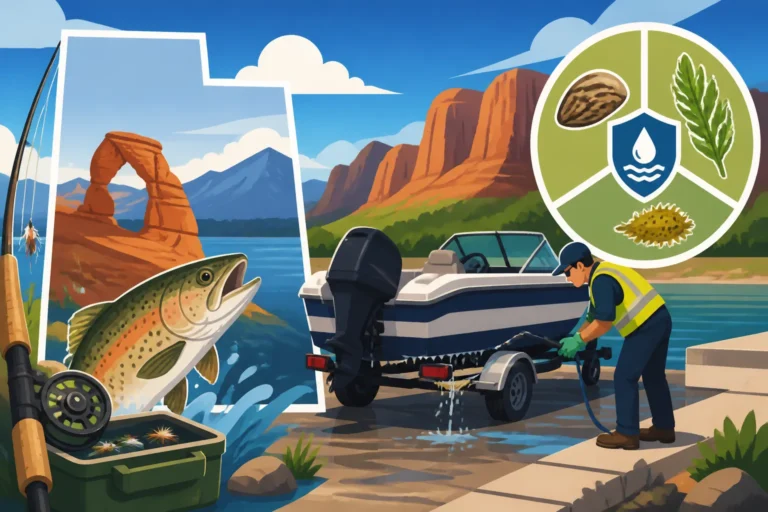
Decontamination involves using high-pressure hot water (typically 140°F or hotter) to kill and remove any attached mussels or other AIS. This hot water is flushed through all water-carrying components of your boat, including the engine's cooling system, bilge, livewells, and ballast tanks. The DWR technicians are trained to ensure the process is thorough and effective, targeting every area where microscopic invaders might hide.
It's important to understand that there can be a Utah Quagga Mussel Decontamination Cost associated with these services, especially if performed by a private vendor. The DWR tries to provide these services for free at their stations when possible, but depending on demand and location, you might be directed to a commercial provider. Planning ahead by adhering to "Clean, Drain, Dry" can often help you avoid the need for costly and time-consuming professional decontamination. You can learn more about this by researching Equipment Needed to Decontaminate Your Own Boat in Utah if you want to understand the technology involved.
Understanding the "Dry Time" Requirements
Dry time is a critical element, especially when coming from infested waters. The DWR has established specific dry time requirements, which can vary based on several factors:
- Temperature: Warmer temperatures lead to faster drying and quicker desiccation of mussels.
- Humidity: Low humidity also aids in quicker drying.
- Origin Waterbody: Waters known to have quagga mussels, such as Lake Powell, have the most stringent dry time rules.
- Vessel Type: Complex vessels with many internal compartments might require longer dry times.
For example, after leaving Lake Powell, boats might require dry times ranging from days to weeks, depending on the season and air temperature, before they can launch into another Utah water body without a professional decontamination. This is a common point of frustration for anglers, but it’s a non-negotiable measure. You can find detailed information on Utah Dry Time Rules After Leaving Lake Powell and even delve into Why Does Lake Powell Have Different Dry Time Rules Than Other Utah Lakes? to grasp the scientific reasoning behind these specific regulations.
Here's a simplified table of typical dry times, which can vary, so always check the latest DWR guidelines:
| Origin Waterbody | Vessel Type | Air Temperature | Minimum Dry Time (Approximate) | Notes |
|---|---|---|---|---|
| Infested (e.g., Lake Powell) | Motorized Boat | 32-68°F (0-20°C) | 18 days | Highly variable; professional decontamination often recommended or required. |
| Infested (e.g., Lake Powell) | Motorized Boat | 69-90°F (21-32°C) | 7 days | Even warmer temps reduce dry time, but full adherence to "Clean, Drain, Dry" is paramount. |
| Infested (e.g., Lake Powell) | Motorized Boat | >90°F (>32°C) | 3 days | For full efficacy, ensure all compartments are open and exposed to air and sun. |
| Non-infested | Any Vessel | Any Temperature | 24-48 hours (recommended) | While not always mandatory, this ensures maximum safety before visiting another water. |
| Any water | Kayak/Paddleboard/Float Tube | Any Temperature | 1-2 days (recommended) | Though simpler, these still require diligent cleaning and drying. See Do Kayaks and Paddleboards Need AIS Inspections in Utah? for specifics. |
Note: These are general guidelines. Always consult the Utah DWR's most current regulations before launching your vessel.
Beyond Boats: AIS Rules for All Fishing Gear
It's easy to focus solely on boats when talking about AIS, but boats are just one vector. Anything that touches the water can potentially spread invasive species, and that includes every piece of your fishing gear. Overlooking your waders, boots, or even your fishing line could undermine all the diligent efforts made with your boat. This is where individual angler responsibility truly shines, regardless of whether you own a motorboat or just a tackle box.
Waders, Boots, and Tackle: Your Other Contamination Vectors
For fly anglers, spin fishermen, and really anyone who steps foot into a Utah stream or lake, your waders and boots are prime culprits for spreading microscopic invaders. New Zealand mudsnails, for example, are notorious for hitching rides in the smallest crevices of wading boots and on the fabric of waders. Mud and debris trapped in boot treads can harbor countless organisms.
- Waders and Boots: After every trip, especially if you're moving between different water bodies, thoroughly clean the soles and uppers of your wading boots. Use a stiff brush to remove all mud, gravel, and plant material. Rinse your waders and boots thoroughly with clean, hot water if possible. Even better, follow the dry rule: ensure they are completely dry, preferably in direct sunlight, for several days before using them in another waterway.
- Fishing Tackle: Lures, lines, nets, and even the inside of your tackle box can harbor invasives. Inspect all your lures and lines for any visible debris. Nets, being porous, can trap a lot of material. Make sure your landing net is thoroughly cleaned, rinsed, and completely dried after each use. A good habit is to keep a dedicated "decontamination bucket" in your vehicle for quick rinsing of smaller items. You can find gear for this, like foldable buckets and brushes, on Amazon.
Live Bait and Water Transport Rules
Live bait is a bit of a double-edged sword when it comes to AIS. While effective for fishing, the water used to transport live bait can be a potent vector for transferring microscopic invaders from one water body to another. Utah has strict regulations regarding the use and transport of live bait.
- Prohibition of Certain Bait: It is illegal to use certain fish species as live bait in Utah due to their invasive potential. Always check the DWR's current regulations for a list of approved and prohibited bait species.
- Water Sourcing: You cannot transport water from one body of water and use it to hold live bait in another. If you're using live bait, it must be held in clean, non-source water (e.g., tap water or bottled water) that is free of any potential contaminants from previous fishing trips.
- Disposal: Never release unused live bait or bait water into any Utah waterbody. Dispose of it in the trash away from the shore. This is crucial for preventing the introduction of non-native species and diseases.
These rules are in place because even common baitfish can become invasive if introduced into a new ecosystem where they have no natural predators or competitors.
Kayak, Paddleboard, and Float Tube Specifics
While smaller than motorboats, non-motorized vessels like kayaks, paddleboards, and float tubes are absolutely not exempt from AIS rules. In fact, their portability and frequent launching in remote areas can make them significant vectors if not properly managed.
- Clean and Inspect: Just like larger boats, these vessels must be thoroughly inspected. Pay close attention to scupper holes, rudders, seat pads, and any rigging where water or debris can collect. Any vegetation, mud, or organisms must be removed.
- Drain Thoroughly: Ensure all water is drained from the hull (if it's a sit-in kayak) or any depressions. Lift the front of your kayak or paddleboard to ensure all water runs out.
- Dry Completely: Allow your kayak, paddleboard, or float tube to dry completely before launching into a different water body. The sun and air are your best allies here. Hang float tubes to dry completely inside and out. For more detailed rules, especially regarding inspections, refer to articles like Do Kayaks and Paddleboards Need AIS Inspections in Utah?. Even though they might seem small, every watercraft has the potential to move these pests.
Specific Waterbody Concerns and Mandatory Actions
Utah isn't a monolithic fishing landscape; different waters face unique AIS challenges, and consequently, different rules. Understanding these localized concerns is crucial, especially if you frequent specific high-risk areas. It's a testament to the DWR's proactive approach that these tailored regulations exist, even if they sometimes add a layer of complexity for the angler.
Lake Powell: The Epicenter of Utah's AIS Battle
Lake Powell is, without a doubt, the ground zero for Utah's most intensive AIS efforts due to its confirmed infestation of quagga mussels. This means that if you're fishing Lake Powell, or especially leaving Lake Powell, you're going to encounter the strictest regulations.
- Mandatory Exit Inspections: All vessels leaving Lake Powell must undergo an inspection. This is not optional. You'll find inspection stations at key exit points from the lake, and you are legally required to stop.
- Decontamination on Exit: Depending on your dry time and destination, you may be required to get a professional decontamination before leaving the immediate area of Lake Powell. This ensures that no live mussels or larvae are transported to other waters.
- Extended Dry Times: The dry time rules after leaving Lake Powell are the most stringent in the state, often requiring several days or even weeks of drying, especially in cooler weather, before launching elsewhere. This is to ensure any mussels that might have survived the inspection and cleaning process are completely desiccated. For deep dives into these specific regulations, you should definitely read up on Utah Dry Time Rules After Leaving Lake Powell. These rules are in place to try and prevent further spread from this already impacted reservoir.
Utah Lake and Northern Pike: A Unique Problem
Utah Lake presents a different, but equally important, AIS challenge with the presence of Northern Pike. Unlike microscopic mussels, pike are large, predatory fish that can decimate native fish populations, including the endangered June Sucker. Their aggressive feeding habits can significantly disrupt the lake's ecosystem.
- Mandatory Harvest (Kill Every Pike): If you catch a Northern Pike in Utah Lake, you are legally required to harvest it (kill it) and not release it back into the water. This mandatory harvest rule is a critical management tool to try and control the population of this invasive predator. It's a stark contrast to typical catch-and-release practices for other species but is essential for the health of Utah Lake. Understanding the biological reasons behind this rule is important, so check out Why Utah Lake Requires You to Kill Every Northern Pike?.
- Proper Disposal: After harvesting, dispose of the pike responsibly. You can keep it for consumption, but never dump it back into the lake or other waterways.
- Reporting: While not mandatory, reporting your pike catches to the DWR can help them monitor population trends and the effectiveness of the harvest program.
This specific rule for Northern Pike underscores that AIS isn't just about what you carry on your boat, but also about the impact of certain species within a water body.
Other High-Risk Waters and Their Protocols
While Lake Powell and Utah Lake have specific, intense protocols, other water bodies in Utah are either at high risk or under close watch for AIS. The DWR regularly updates its list of waters requiring special attention.
- Bear Lake: This large, beautiful lake on the Utah-Idaho border is home to unique native species like the Bonneville Cisco. Preventing AIS here is paramount to protecting this fragile ecosystem. While not currently infested with quagga mussels, rigorous "Clean, Drain, Dry" is expected from all anglers, and DWR may implement increased inspection presence, especially during peak seasons or events like the famous Bear Lake Cisco Run.
- Flaming Gorge Reservoir: Another interstate treasure, Flaming Gorge is renowned for its trophy lake trout and kokanee salmon. The sheer size of the reservoir and the volume of interstate traffic make it vulnerable. While not currently infested, all boaters are encouraged to take extra precautions, and inspection stations are common on routes leading into and out of the Flaming Gorge area.
- Community Ponds and Urban Fisheries: Even small community ponds, frequently stocked for family fishing, can be at risk of AIS introduction, often through improper bait disposal or movement of small gear. While not requiring mandatory inspections, the "Clean, Drain, Dry" principle applies universally to all gear used in these accessible fisheries.
The key takeaway is that vigilance is required everywhere. Always check the DWR's current fishing proclamations and online resources before heading out to any Utah water, as rules can change quickly based on new threats or surveillance findings.
Consequences of Non-Compliance: What Anglers Need to Know
Ignoring Utah's Aquatic Invasive Species rules isn't just an oversight; it's a serious matter with significant repercussions. The DWR takes AIS prevention extremely seriously, and for good reason—the future of Utah's fisheries hangs in the balance. Understanding the penalties isn't meant to scare you, but to reinforce the critical importance of compliance and personal responsibility.
Fines and Penalties for AIS Violations
The DWR has the authority to issue citations for AIS violations, and these aren't minor parking tickets. The fines can be substantial, often ranging from hundreds to thousands of dollars, depending on the severity of the offense. For instance, failing to stop at a mandatory inspection station, transporting a contaminated vessel, or launching without proper decontamination can lead to hefty penalties.
- Failure to Stop: This is one of the most common violations. If an AIS inspection station is open and you're towing a boat, you must stop. Driving past can result in a significant fine, regardless of whether your boat is actually contaminated.
- Transporting Contaminated Equipment: If your vessel or gear is found to have AIS and you haven't taken the necessary steps (cleaning, draining, drying, or decontamination), you could face fines.
- Launching an Undried/Uninspected Vessel: Attempting to launch a boat that hasn't met the dry time requirements or undergone a necessary decontamination can also lead to citations.
- Criminal Charges: In egregious cases of intentional non-compliance or repeated offenses, violations could escalate to criminal charges, potentially impacting your fishing and boating privileges for years.
These penalties are not arbitrary; they reflect the immense cost and damage that AIS can inflict. For a broader understanding of fishing license penalties, you might find information on Utah Fishing License Penalties for Violations insightful, as AIS violations often fall under similar enforcement structures.
The Broader Environmental and Economic Impact
Beyond the personal fines, the true cost of non-compliance is borne by all of us, and by the environment itself. When AIS spreads, it triggers a cascade of negative impacts:
- Ecological Devastation: Native fish populations decline as invasive species outcompete them for food, disrupt spawning habitats, and introduce diseases. This can lead to the loss of biodiversity and a fundamental alteration of the ecosystem. Imagine popular fisheries becoming barren.
- Economic Burden: The state already spends millions annually on AIS prevention and management. This money comes from license fees, taxes, and other public funds. Every new infestation means more money diverted from other vital wildlife programs, such as habitat restoration or stocking efforts. Furthermore, property values around infested lakes can decrease, and recreational opportunities can be diminished, impacting local economies that rely on tourism.
- Recreational Impact: Infestations can lead to difficult fishing conditions, clogged boat motors, fouled beaches, and even closures of access points. The simple joy of launching your boat or wading a stream becomes complicated and less enjoyable.
The collective actions of anglers, both good and bad, have a direct bearing on whether these beloved fishing spots remain vibrant for future generations.
Reporting Suspected AIS: Being Part of the Solution
While enforcement is crucial, anglers also play a vital role in prevention and early detection. If you suspect you've encountered an aquatic invasive species, whether it's an unfamiliar plant, an odd-looking snail, or a suspicious growth on a rock, you should report it.
- What to Report: Look for anything out of the ordinary: unusual plant growth, strange mussels attached to rocks or docks, or fish species in waters where they shouldn't be.
- How to Report: Contact the Utah Division of Wildlife Resources (DWR) immediately. Their website provides contact information, and there's often a dedicated hotline or online reporting form for AIS sightings. Try to provide specific details about the location, date, and what you observed. If possible, take clear photos without disturbing the suspected species.
- Don't Transport: Never attempt to collect or transport a suspected AIS specimen. This could inadvertently spread the organism further. Report it, and let the experts handle it.
By being vigilant and responsible, anglers become the eyes and ears on the water, providing an invaluable first line of defense against new infestations. It's about proactive conservation, not just reactive compliance.
Simplifying Compliance: Tips and Resources for Anglers
We understand that keeping up with all these rules can feel like a part-time job. It’s a lot to remember, especially when you’re just trying to enjoy a peaceful day on the water. But complying with AIS rules doesn’t have to be overwhelming. With a little planning and the right habits, you can make "Clean, Drain, Dry" second nature, ensuring you protect Utah's waters without adding undue stress to your fishing adventures.
Checklists and Best Practices for Every Trip
The best way to ensure compliance is to develop a consistent routine. Creating a mental or physical checklist for before and after every fishing trip can be incredibly helpful.
Before You Leave Home:
- Check the DWR Website: Always verify the latest regulations and any advisories for the specific water body you plan to visit. Rules can change.
- Ensure Dry Time Compliance: If your vessel or gear has been in another water body, confirm it has met the required dry time.
- Prepare Your Cleaning Gear: Have your stiff brush, scraper, and a designated bag for plant matter ready. Consider a portable pressure washer if you want to quickly rinse your boat at home before hitting the road.
At the Boat Ramp (Before Launch):
- Visual Scan: Do a quick visual check of your boat, trailer, and gear for any obvious hitchhikers.
- Bilge Plug In: Remember to put your bilge plug in before launching! (A common mistake).
Leaving the Water (After Retrieve):
- Clean Immediately: As soon as your boat is out of the water, perform a thorough "Clean" inspection. Remove all plants, mud, and debris from the hull, prop, trailer, and all gear. Dispose of it in a trash can.
- Drain Every Drop: Pull your bilge plug, open all livewells, and drain all water-holding compartments. Elevate the bow of your boat to help with drainage.
- Inspect Waders/Boots: Thoroughly clean and rinse your waders and boots right at the ramp if possible, or immediately upon returning home.
- Head to Inspection Station: If you are towing a vessel and pass an open AIS inspection station, you must stop.
Upon Returning Home:
- Complete Drying: Park your boat in direct sunlight, with all compartments open, to allow for thorough drying. Hang waders, nets, and other gear in a well-ventilated area. Learn How to Dry a Boat Properly to Meet Utah's AIS Rules.
- Regular Maintenance: Incorporate AIS prevention into your regular boat and gear maintenance. Regularly inspect your bilge and other hidden areas.
Apps and Online Resources for Current Information
The Utah DWR is constantly working to make AIS information more accessible to anglers. There are several excellent resources you should be utilizing:
- Utah DWR Website: This is your primary source for official regulations, dry time tables, inspection station locations, and alerts. Bookmark it!
- DWR AIS Hotlines: Keep the DWR's AIS hotline number saved in your phone. This is crucial for reporting suspected invasives or getting immediate answers to questions while on the go.
- Mobile Apps: The DWR sometimes offers or recommends mobile apps that can provide real-time updates on inspection station statuses, dry time calculators, and reporting features. Check the DWR site for the latest recommendations. These apps can be incredibly helpful for planning your trips, especially if you're traveling across different regions of the state.
Staying informed is your best defense against both spreading AIS and incurring penalties. Make checking these resources a standard part of your pre-fishing ritual.
Preparing Your Gear for the Next Adventure
Thoughtful gear preparation goes a long way in making AIS compliance easier.
- Designated Cleaning Kit: Assemble a small kit with a stiff brush, a small scraper, a spray bottle of water, and some old rags. Keep this in your truck or boat. You might find great options for these tools, like multi-purpose brushes, on Amazon.
- Portable Dry Bag/Tote: Consider carrying a waterproof bag or tote for wet waders and boots to keep them isolated from other gear until you can get home and dry them properly. This prevents cross-contamination in your vehicle.
- Multiple Sets of Gear: If you frequently fish different water bodies in quick succession, consider having multiple sets of waders and boots, allowing one set to dry completely while you use another. This might seem excessive, but for dedicated anglers who want to avoid delays, it's a viable strategy.
- Check Boat Registration: While not directly AIS, ensuring your Utah Boat Registration Requirements are up to date helps you avoid other issues that might delay you at an inspection station.
By being proactive and integrating these steps into your routine, you're not just following rules; you're becoming a steward of Utah's aquatic environments. Every "Clean, Drain, Dry" effort contributes to preserving the diverse and vibrant fisheries that make Utah such a special place to cast a line.
Disclaimer
The information provided in this guide is for general informational purposes only and is not intended as legal advice. Fishing regulations and aquatic invasive species rules in Utah are subject to change. Always consult the official Utah Division of Wildlife Resources (DWR) website and current fishing proclamations for the most up-to-date and accurate information before engaging in any fishing or boating activities. Compliance with all state and federal regulations is the responsibility of each individual angler.