Utah Quagga Mussel Decontamination Cost
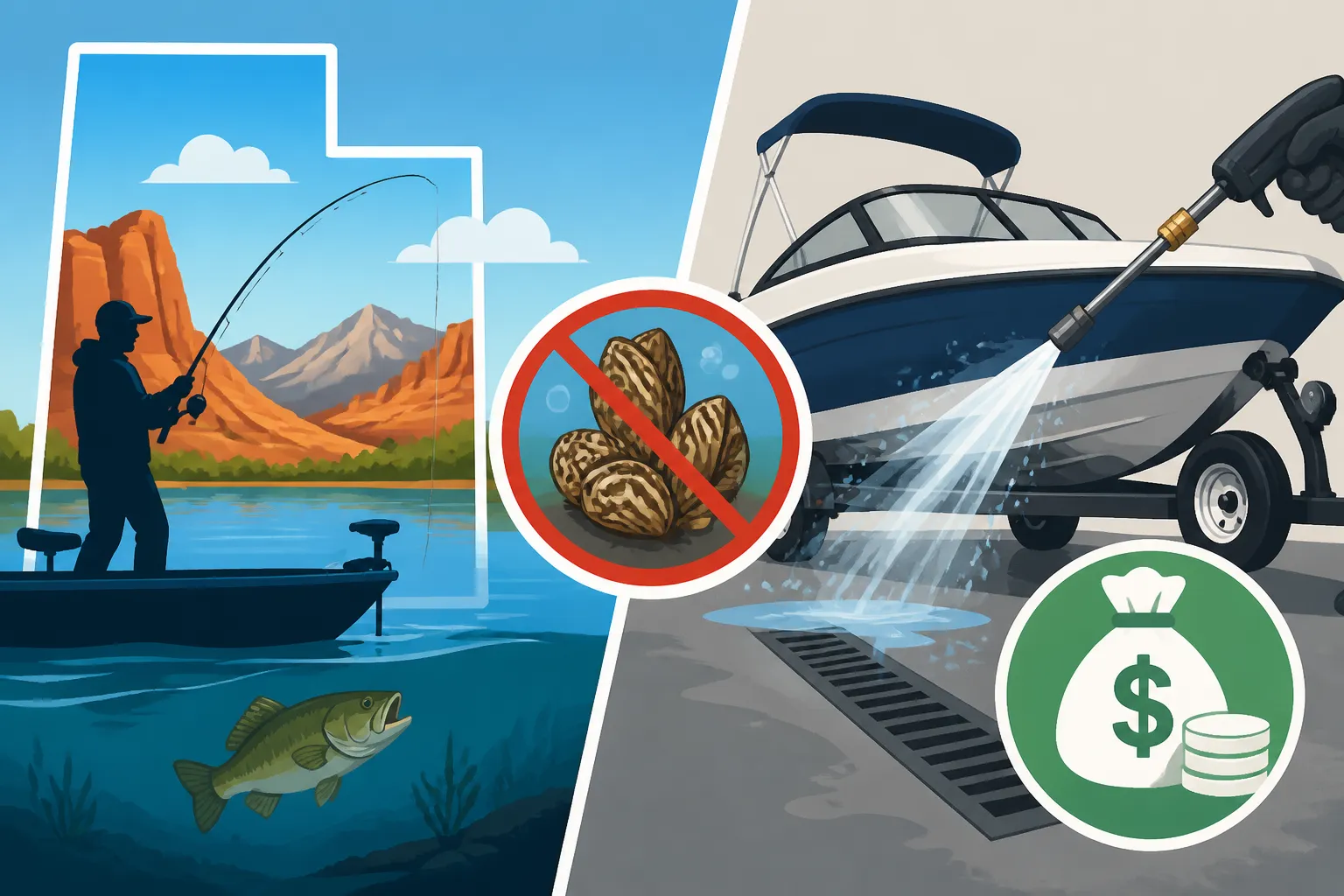
One of the biggest headaches for boaters and anglers in Utah right now isn't about catching fish; it's about navigating the complex and sometimes costly world of aquatic invasive species, specifically quagga mussels. It’s frustrating when you just want to enjoy the water, only to be met with inspections and rules that feel like a barrier. This guide is here to shed light on what you can expect when it comes to Utah quagga mussel decontamination costs, helping you understand the process and avoid unexpected expenses.
Understanding Utah's Quagga Mussel Threat and Decontamination Mandate
Let's be honest, nobody wants to spend extra time or money on boat inspections and decontamination. It feels like another hoop to jump through. But when it comes to quagga mussels, Utah isn't just being difficult for the sake of it. These tiny invaders pose a massive threat to our beloved waterways and the incredible fishing experiences they offer. Understanding why these rules are in place can help you better navigate the process without getting too frustrated.
Why Quagga Mussels are a Big Deal in Utah Waters
Imagine going to your favorite fishing spot, only to find the beaches covered in sharp shells, your boat's cooling system clogged, and the entire ecosystem thrown out of whack. That's the reality with quagga and zebra mussels. These invasive species aren't native to Utah, and they reproduce at an alarming rate, quickly colonizing surfaces like boat hulls, docks, and even inside engine components. More importantly, they filter vast amounts of water, consuming the plankton that native fish and other aquatic life rely on for food. This disrupts the entire food web, leading to declines in native fish populations and, eventually, a less vibrant fishery for all of us.
For Utah, the primary battleground has been Lake Powell, a massive and iconic reservoir that's unfortunately home to a well-established quagga mussel population. The risk is that if these mussels spread from Lake Powell to other pristine waters like Bear Lake, Strawberry Reservoir, or Flaming Gorge, the damage could be irreversible. This isn't just about environmental protection; it's about protecting our fishing heritage, our state's water infrastructure, and the recreational economy that relies on healthy lakes and rivers. So, while the inspections can feel like a chore, they're a vital frontline defense for preserving Utah's waters for generations to come.
When Decontamination is Required in Utah
So, when exactly do you need to worry about decontamination? It's not every time you launch your boat. The need for decontamination primarily arises after you've been on a known infested waterbody, like Lake Powell, or if an inspection reveals mussels or standing water that could harbor them.
Here's a breakdown of common scenarios:
- Leaving an Infested Waterbody: If you're pulling your boat out of Lake Powell, a decontamination is almost always mandatory unless specific, strict dry time requirements have been met. It doesn't matter if you think your boat is clean; the protocol is to assume potential contamination.
- Failed Inspection: Even if you haven't been on an infested lake, if a Utah Division of Wildlife Resources (DWR) Aquatic Invasive Species (AIS) inspection station finds standing water in your bilge, live wells, or other compartments, or detects any visible mussels, they will mandate decontamination. These Utah Aquatic Invasive Species Inspection Stations are strategically located, especially on major travel routes from problem areas.
- Short Dry Times: Utah has stringent "dry time" rules designed to kill mussels by dehydrating them. If your boat hasn't met the required dry time after being on an infested water, a decontamination will be necessary. For instance, the Utah Dry Time Rules After Leaving Lake Powell are much more extensive than for other waters due to the established quagga population there. This is why it's so important to understand Why Does Lake Powell Have Different Dry Time Rules Than Other Utah Lakes?.
- Out-of-State Boats: If you're bringing a boat into Utah from another state, especially one with known mussel infestations, you'll likely be required to undergo an inspection and potentially decontamination, even if you declare your boat clean. The DWR errs on the side of caution to protect local waters.
The key takeaway is to always be prepared for an inspection, and if you've been on a high-risk water, factor in the time and potential cost of decontamination. It's far better to be proactive than to face a mandatory stop and unexpected expenses. Remember, Are Boat Inspections Mandatory Before Leaving Lake Powell? — yes, absolutely, and they are thorough. And for those with smaller craft, don't assume you're exempt; Do Kayaks and Paddleboards Need AIS Inspections in Utah? — often, yes, and they need to be clean, drained, and dry too.
Breaking Down the Utah Quagga Mussel Decontamination Costs
When it comes to the actual cost of getting your boat decontaminated, it's not a one-size-fits-all number. Several factors play a role, and understanding them will help you budget and prepare for the expense. It’s understandable to feel a bit of sticker shock, but knowing what you’re paying for can make it a little less painful.
Factors Influencing Decontamination Price
The cost of decontamination can vary quite a bit, primarily based on the size and complexity of your watercraft, as well as the extent of any detected infestation.
- Boat Size and Type: This is probably the biggest factor. A small fishing boat or personal watercraft (PWC) will naturally cost less to decontaminate than a large wakeboard boat or, especially, a houseboat. Larger vessels have more compartments, longer plumbing systems, and simply more surface area that needs to be treated with hot water. Engines also play a role; inboard engines, jet drives, and complex ballast systems found on wake boats require more intricate flushing procedures.
- Motor Type: Outboard motors are generally simpler to flush than inboard/outboard (I/O) or true inboard systems. I/O and inboard engines have more internal components and plumbing that need careful attention to ensure all water (and potential mussels) are removed and replaced with hot water.
- Level of Infestation: While all boats leaving an infested water are treated as potentially contaminated, if visible mussels are found, the decontamination might be more intensive and take longer, potentially increasing the cost. This is rare if you're diligent about the "clean, drain, dry" steps, but it can happen.
- Time and Labor: Decontamination is a labor-intensive process requiring trained technicians and specialized equipment (high-pressure hot water systems, engine flush kits). The longer it takes, the more it will cost. Some facilities charge an hourly rate, while others have tiered flat fees based on boat size and type.
Typical Decontamination Cost Ranges in Utah
To give you a clearer picture, here are some typical cost ranges you might encounter for professional quagga mussel decontamination services in Utah. Keep in mind these are estimates, and prices can fluctuate based on the specific vendor, location, and the factors mentioned above.
| Boat Type (Approx. Length) | Estimated Cost Range | What's Included (Generally) |
|---|---|---|
| Personal Watercraft (PWC) | $30 – $75 | Exterior wash, engine flush, bilge drain, internal inspection. |
| Small Fishing Boat (16-20 ft) | $50 – $150 | Exterior wash, engine flush (outboard), livewell/bilge cleanout. |
| Mid-Size Ski/Wake Boat (21-26 ft) | $100 – $300 | Full exterior, comprehensive engine flush (inboard/I/O), ballast tank drain/flush, bilge. |
| Large Cruiser/Houseboat (27+ ft) | $250 – $750+ | Extensive exterior, multiple engine flushes, all water systems, complex ballast, bilge. |
Note: These prices typically cover the standard hot water wash and flush procedures. Additional charges could apply for exceptionally dirty boats, boats requiring extensive manual removal of visible mussels, or if unique circumstances demand more time. It's always a good idea to call ahead to the specific Utah Aquatic Invasive Species Inspection Station Locations or authorized private decontaminator for an exact quote, especially for larger or more complex boats. The cost often reflects the thoroughness needed to protect all our waters, so think of it as an investment in the health of Utah's fisheries.
Where to Get Your Boat Decontaminated and What to Expect
When you need a professional decontamination, you have a couple of options, and understanding the process can alleviate some stress.
Firstly, the Utah DWR operates official AIS inspection stations at key locations, especially near high-risk waters like Lake Powell, or along major interstate corridors. These stations are usually your first point of contact after leaving an infested water. While inspections are free, if decontamination is required, it will be performed by DWR staff or contractors, and you will be charged the applicable fee. The DWR's priority is compliance and protection of state waters, so their process is very standardized and thorough. You can find a list of these stations on the DWR website or by looking up Utah Aquatic Invasive Species Inspection Station Locations.
Secondly, there are authorized private businesses that offer decontamination services. These are often marinas or marine service centers that have been trained and certified by the DWR to perform decontaminations to state standards. They can be a convenient option, especially if a DWR station isn't nearby or you prefer scheduling an appointment. Their pricing might vary slightly from the state-run stations, but they must adhere to the same strict protocols.
What to expect during a decontamination:
- Initial Inspection: A technician will first inspect your boat for any visible mussels, standing water, or mud. They’ll open compartments, check engines, and examine all areas that could harbor mussels.
- Hot Water Wash: The boat's exterior, hull, trailer, and any accessible compartments are washed thoroughly with high-pressure hot water (typically 140°F or hotter). This temperature is crucial for killing adult mussels and their microscopic larvae (veligers).
- Engine Flush: The engine's cooling system, including exhaust manifolds, will be flushed with hot water to ensure no veligers are lurking inside. This is a critical step, especially for inboard and I/O motors.
- Ballast and Livewell Systems: If your boat has ballast tanks, livewells, or other complex plumbing, these systems will be drained and flushed with hot water.
- Certification and Education: Once the decontamination is complete, the technician will provide you with a certification or tag indicating your boat is clear. They’ll also often give you instructions on proper dry times if you're traveling to another body of water, reinforcing the "clean, drain, dry" message. The entire process for a standard fishing boat might take anywhere from 30 minutes to an hour, but for larger, more complex vessels, it could take much longer. For a comprehensive look, see How Long a Professional Boat Decontamination Takes in Utah.
Avoiding Decontamination Costs Through Prevention and Compliance
Let's face it, the best way to avoid decontamination costs is to prevent needing one in the first place. This isn't just about saving money; it's about being a responsible steward of Utah's precious water resources. A little effort on your part can go a long way in protecting our fisheries and keeping your wallet happier.
The "Clean, Drain, Dry" Philosophy for Every Angler
The cornerstone of AIS prevention is the "Clean, Drain, Dry" principle. It's simple, effective, and it’s a habit every boater and angler should adopt, no matter where they fish.
- Clean: Before leaving any waterbody, thoroughly inspect your boat, trailer, and all fishing gear. Remove any visible mussels, plants, mud, or debris. Pay close attention to anchor lines, fishing nets, props, and anything else that contacted the water. Even seemingly harmless aquatic vegetation can hide mussel larvae. A stiff brush, like those you might find on Amazon for boat cleaning, can be incredibly helpful here.
- Drain: This is absolutely critical. Pull all drain plugs from your boat. Drain livewells, bilge water, ballast tanks, and any other water-holding compartments. Make sure your motor is trimmed down to drain all water from the lower unit. Even a small amount of standing water can harbor microscopic quagga mussel larvae. Ensure you have access to your drain plugs and can remove them easily.
- Dry: Allow your boat and all gear to dry completely before launching into another waterbody. This is often the most effective way to kill any remaining invasive species. The required dry time varies significantly depending on the waterbody you were on, the air temperature, and humidity. Always consult the DWR's current dry time requirements, especially if you've been on an infested water like Lake Powell. For more details on effective drying, check out How to Dry a Boat Properly to Meet Utah's AIS Rules.
By making "Clean, Drain, Dry" a routine part of your fishing trip, you significantly reduce the risk of spreading mussels and, consequently, reduce your chances of incurring decontamination costs. This proactive approach saves everyone time, money, and protects our fisheries. These rules aren't just suggestions; they are part of the broader Utah Aquatic Invasive Species Rules for Anglers and Utah Boating and Fishing Rules.
Self-Decontamination vs. Professional Services
Many anglers wonder if they can simply "self-decontaminate" their boat. The answer is nuanced. For most routine outings on non-infested waters, thoroughly following the "Clean, Drain, Dry" protocol effectively serves as your self-decontamination. If you ensure every drop of water is drained and your boat dries completely for the specified time, you generally won't need a professional service.
However, if you've been on a known infested water like Lake Powell, or if an inspection reveals mussels or standing water after inadequate dry time, then professional decontamination by a DWR-authorized technician is mandatory. You cannot simply "self-decontaminate" with a garden hose after being on Lake Powell and expect to be cleared for other waters. The hot water wash and engine flush temperatures, combined with specialized equipment, are designed to ensure complete eradication of mussels and veligers, something an average boater can't replicate at home.
The decision for professional decontamination is usually made by the DWR inspector at the station. They will assess the risk based on where you’ve been, the condition of your boat, and your declared dry time. While you can certainly carry out the cleaning and draining steps yourself, when a professional decontamination is mandated, it's not an option to decline. It's about protecting the ecosystem, not just your boat. For those interested in the components needed for your own thorough cleaning efforts (not a DWR-certified decontamination), Equipment Needed to Decontaminate Your Own Boat in Utah offers some great insights.
Consequences of Non-Compliance
Ignoring Utah's AIS regulations is a serious matter, and the consequences go far beyond just a decontamination fee. The DWR takes the threat of invasive species incredibly seriously, and rightfully so, given the potential ecological and economic damage.
If you are caught failing to stop at an inspection station, refusing an inspection, or transporting a contaminated vessel, you could face significant fines. These penalties are designed to deter non-compliance and reinforce the importance of protecting Utah's waters. Depending on the severity of the violation, fines can range from hundreds to thousands of dollars. In some cases, your boat could even be impounded until it's properly decontaminated. This is similar to the seriousness of Utah Fishing License Penalties for Violations, where breaking the rules has real financial repercussions.
Beyond monetary penalties, non-compliance puts all of Utah's waterways at risk. Spreading quagga mussels to a new reservoir could lead to irreversible damage, impacting fish populations, water quality, and the overall recreational experience for everyone. No one wants to be responsible for that kind of ecological disaster. So, while the rules can sometimes feel burdensome, the alternative is far worse for all of us who love to fish and boat in Utah. It's always better to err on the side of caution and full compliance.
Saving Money and Time with Smart AIS Practices
Dealing with aquatic invasive species checks and potential decontaminations can feel like a drain on your time and wallet. But with a little planning and smart habits, you can significantly reduce the hassle and the expense. It’s all about being prepared and proactive.
Pre-Inspection Preparation Tips
One of the best ways to speed up the inspection process and potentially avoid a full decontamination is to arrive at the station already having done your part. Think of it as preparing for a quick pass, rather than a deep dive.
- Clean Before You Go: Before you even leave the waterbody, especially Lake Powell, take a few minutes to physically remove any visible mud, weeds, or debris from your boat and trailer. A good stiff brush (you can grab these at hardware stores or even on Amazon) can be invaluable for scrubbing hulls and props.
- Drain Every Drop: As soon as you pull your boat out of the water, immediately pull your drain plugs. Open all compartments – livewells, bilges, bait buckets – and ensure every drop of standing water is eliminated. If you have ballast tanks, drain them completely. This prevents inspectors from finding standing water, which is a common trigger for mandatory decontamination.
- Trim Your Motor: If you have an outboard or I/O motor, trim it down to allow water to drain from the lower unit. This might seem obvious, but it's often overlooked.
- Dry Your Gear: Take the time to dry out your fishing nets, waders, and other gear that came into contact with the water. The drier everything is, the less chance of carrying any hidden invasives.
By doing these simple steps, you demonstrate to the inspector that you're aware of the rules and actively trying to comply. This can significantly reduce the inspection time and increase the likelihood of simply being tagged and released, rather than sent for decontamination.
Essential Gear for AIS Prevention
While you can't perform a DWR-certified decontamination yourself, you can certainly equip yourself with tools that make the "Clean, Drain, Dry" process much more efficient and effective, potentially saving you money on professional services.
- Good Brushes and Scrubbers: Having a sturdy deck brush or even a set of smaller detail brushes on board can help you quickly remove mud, algae, and any suspicious growths from your hull, trailer, and props before heading to an inspection station. Look for options with ergonomic handles and durable bristles.
- Portable Shop Vac or Blower: For those hard-to-reach areas or stubborn puddles in bilges, a small, portable shop vacuum or even a leaf blower can be incredibly effective at removing every last drop of water. You can find compact, battery-powered versions that are easy to keep in your truck or boat.
- Absorbent Towels/Sponges: Keep a supply of dedicated towels or sponges specifically for drying out compartments like livewells, bait wells, and the bilge. Microfiber towels, available widely on Amazon and at auto parts stores, are excellent for absorbing moisture.
- Drain Plug Wrenches: Sometimes drain plugs are tight or in awkward spots. A dedicated wrench can make removal quick and painless, ensuring you can drain your boat immediately upon exit.
- Dry Boxes/Bags: For smaller items like fishing lures, tackle, and personal electronics, using dry boxes or waterproof bags ensures they stay dry and separate from any potentially contaminated items, making cleanup easier.
Investing a little in these practical tools can make your post-fishing cleanup much smoother and more thorough, reinforcing your "Clean, Drain, Dry" efforts. Ultimately, these small investments help you comply with Utah Aquatic Invasive Species Rules for Anglers and avoid the much larger costs and delays associated with mandatory decontaminations.
Disclaimer
The information provided in this article is for general guidance and informational purposes only. While we strive to offer accurate and up-to-date content, Utah's fishing regulations and aquatic invasive species rules can change. Always consult the official Utah Division of Wildlife Resources (DWR) website or contact them directly for the most current regulations, requirements, and exact costs before planning your fishing trips or boat movements. Compliance with all state and federal laws is the responsibility of the individual angler.