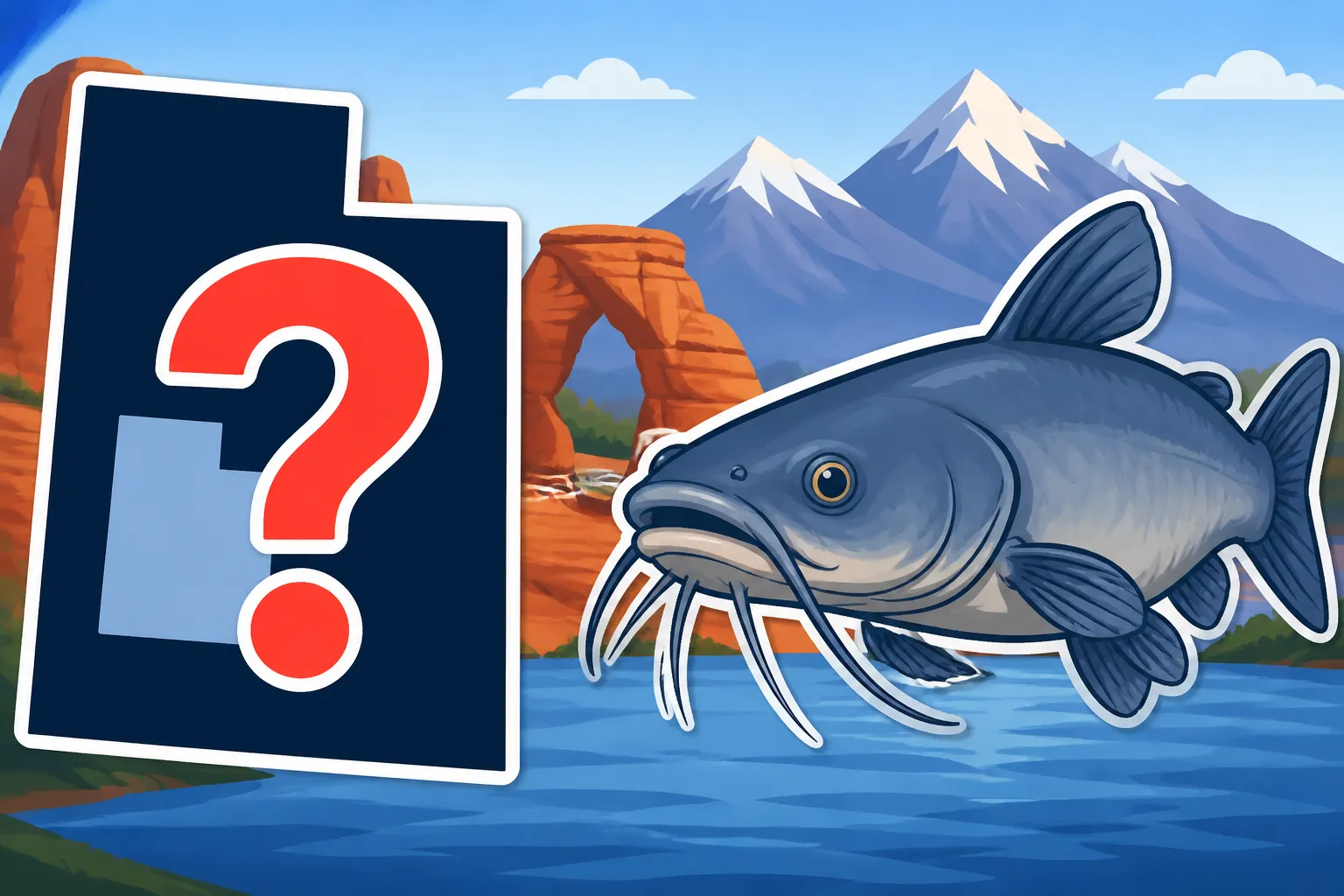
Are There Blue Catfish in Utah?
You're out there on the water, maybe at a calm section of Utah Lake or a slow bend in a river, patiently waiting for that tell-tale tug on your line. You've heard whispers about different kinds of catfish, and naturally, you might wonder if those big, hard-fighting blue catfish that are so famous in other parts of the country have made their way into our beautiful Beehive State waters. It’s a completely fair question, especially with how often fish species get introduced, but understanding what's truly swimming beneath the surface in Utah is key to managing expectations and fishing smart. This guide will dive deep into whether you'll find blue catfish here and what whiskered species you can expect to encounter.
The Short Answer: Blue Catfish and Utah's Waters
Let's cut right to the chase for those of you who are hoping to reel in a monstrous blue catfish in Utah: generally speaking, no, you won't find established populations of blue catfish in Utah's public waters. While it's always possible for an isolated, accidental introduction to occur (stranger things have happened!), they are not a native or regularly stocked species by the Utah Division of Wildlife Resources (UDWR).
This might be a bit of a letdown if you had dreams of battling a fifty-pound blue, but don't despair! Utah's waters are teeming with fantastic fishing opportunities, including a very healthy population of other catfish species that offer plenty of fight and make for excellent table fare. The focus in Utah has always been on managing and promoting species that thrive in our unique ecosystems, and for catfish, that primarily means our well-loved channel catfish and various bullhead species. Your efforts are far better spent targeting these abundant and feisty fish.
Understanding Utah's Catfish Species
Even without blue catfish, Utah offers plenty for the catfish enthusiast. When you’re looking for a good fight and some tasty fillets, you'll be focusing on a couple of key species that are well-established and frequently caught across the state. Knowing what you're targeting makes all the difference in your approach, from bait selection to the gear you choose.
Channel Catfish: Utah's Most Common Whiskered Friend
If you're fishing for catfish in Utah, odds are overwhelmingly high that you're going to hook into a channel catfish. These are the undisputed champions of whiskered fish in many of our warmer, slower moving waters. They're a fantastic sport fish, known for their strong pulls and determined fights, and they grow to a respectable size here. You'll find them widely distributed, with some of the most popular fisheries being Utah Lake, Willard Bay, and even many community ponds.
Channel cats are easily identifiable by their deeply forked tail, scattered dark spots (though these can fade with age or in certain water conditions), and barbels (whiskers) around their mouth. They're omnivores, which means they're not too picky about what they eat, making them a fun target for anglers of all skill levels. From a simple worm on the bottom to stink bait, cut bait, or even chicken livers, these fish are often ready to bite. For gear, a medium-heavy spinning rod with a good reel spooled with 10-20 lb test line is usually sufficient. You can find a wide variety of suitable rods, reels, and tackle on Amazon to get you started. Learning about Utah Lake Catfish Species and Channel Catfish Size in Utah can give you an edge in your pursuit.
Bullheads: The Smaller, Heartier Option
While channel catfish get most of the glory, bullheads are another common catfish species you’ll encounter, especially in smaller ponds, canals, and some of the muddier, weedier sections of larger lakes. They might not reach the trophy sizes of channel cats, but they are incredibly hardy and often provide consistent action, making them perfect for kids or anglers just looking to get a bend in their rod. You'll often find them in places where other fish struggle, tolerating lower oxygen levels and warmer water.
There are a few species of bullheads in Utah, including black bullheads and brown bullheads. They are generally smaller than channel catfish, rarely exceeding a couple of pounds, though larger ones are occasionally caught. The easiest way to tell them apart from a channel cat is their rounded (not forked) tail and their often darker, mottled coloration. They also lack the distinct spots. Bullheads are incredibly tenacious and will bite on almost anything, from a piece of hot dog to a nightcrawler. Simple panfish tackle or a light spinning setup is usually all you need. They may not be the giants of the catfish world, but they offer a ton of fun and are surprisingly good eating, especially when fresh from clean water.
Identifying Catfish: Spotting the Differences
To help clear up any confusion and ensure you know what you've caught, here’s a quick comparison of the key features of blue, channel, and bullhead catfish. This table will be your best friend when trying to identify your catch on the water.
| Feature | Blue Catfish (Not in Utah) | Channel Catfish (Common in Utah) | Bullhead Catfish (Common in Utah) |
|---|---|---|---|
| Tail Fin | Deeply forked, often V-shaped | Deeply forked | Rounded or slightly emarginate (not forked) |
| Anal Fin | Straight edge, 30-35 rays | Rounded or slightly curved, 24-29 rays | Rounded, 17-24 rays |
| Coloration | Bluish-gray on back, silvery sides, white belly | Olive-brown/gray with scattered dark spots (younger fish), can be uniformly dark | Dark olive to brown/black, often mottled, yellow/white belly |
| Head | Broad, prominent hump on older fish | Moderately sized | Relatively large, somewhat flattened |
| Max Size | Can exceed 100+ lbs | Up to 30-40+ lbs (smaller in Utah, 10-20lbs common) | Typically under 5 lbs |
This table should give you a clear visual guide. Pay close attention to the tail fin – that's often the quickest way to distinguish between these species.
Why Blue Catfish Aren't Typically Found in Utah
It's natural to wonder why a fish as popular and widespread as the blue catfish hasn't made its home in Utah. The answer lies in a combination of environmental factors, historical stocking priorities, and proactive wildlife management. It’s not simply an oversight; it’s a deliberate balance to maintain our diverse aquatic ecosystems.
Habitat and Water Temperature Preferences
Blue catfish are primarily found in large rivers and their tributaries in the central and southern United States, preferring warm, slow-moving water with plenty of deep holes and cover. They are riverine fish at heart, thriving in expansive systems like the Mississippi, Missouri, and Ohio River basins. They also do well in large reservoirs that mimic these river conditions.
Utah's primary large water bodies, while diverse, often don't perfectly match this ideal blue catfish habitat. Many of our reservoirs are fed by cold mountain runoff, leading to cooler average water temperatures. While some of our lakes, like Utah Lake or Lake Powell, do warm up considerably in the summer and offer large expanses, they don't always possess the extensive slow-moving river systems with deep, stable channels that blue catfish truly excel in for reproduction and growth. Our native Utah Trout Species Guide highlights the preference for colder waters by many of our beloved fish, and managing for these species is a high priority.
Stocking Programs and Conservation Priorities
The Utah Division of Wildlife Resources (UDWR) manages fish populations with a careful hand, focusing on stocking species that either support existing recreational fisheries, protect or restore native populations, or control undesirable species. Blue catfish have simply never been identified as a suitable species for stocking in Utah.
The UDWR typically stocks species like rainbow trout, cutthroat trout, tiger trout, kokanee salmon, and, for warm water, channel catfish and walleye, based on extensive research into what will thrive and provide the best angling experience without harming the delicate balance of the ecosystem. Introducing a new, non-native predator like the blue catfish, which can grow to enormous sizes and consume vast quantities of other fish, could potentially upset this balance. The UDWR is very protective of Utah's unique aquatic environments and its native species.
The Risk of Invasive Species
One of the biggest concerns for any wildlife agency is the introduction of invasive species. An invasive species is one that is not native to an ecosystem and causes (or is likely to cause) harm to the environment, economy, or human health. Blue catfish, if introduced, could potentially fall into this category. Their large size, voracious appetites, and high reproductive rates could lead to them outcompeting native fish for food and habitat, potentially devastating existing populations of desirable game fish and even endangered native species like the June Sucker in Utah Lake.
Utah has had its struggles with invasive species, such as the northern pike in Utah Lake, where anglers are actually required to kill every northern pike caught to help control their population. This policy underscores the serious threat that non-native predatory fish can pose. For more on this, you can check out Why Utah Lake Require You to Kill Every Northern Pike? or the broader topic of Invasive Fish Species in Utah. The caution around blue catfish is rooted in preventing similar ecological issues.
What to Do If You Think You've Caught a Blue Catfish in Utah
So, you're out fishing, and you reel in a catfish that looks…different. It has a deeply forked tail, a straight anal fin, and no spots, and it's bigger than any channel cat you've ever seen in Utah. While the chances are slim, it's not impossible that a blue catfish could end up in Utah waters through accidental means, perhaps transported illegally from another state. If you find yourself in this rare situation, knowing what to do is crucial for the health of our fisheries.
How to Identify a Suspected Blue Catfish
First, don't just assume it's a blue catfish based on size alone. As mentioned, channel catfish can grow quite large in Utah, particularly in places like Utah Lake. The key identifying features for a blue catfish are:
- Deeply Forked Tail: This is one of the most distinctive features. It will be much more V-shaped than the tail of a channel catfish.
- Straight Anal Fin: Look at the bottom fin just in front of the tail. A blue catfish's anal fin will have a notably straight margin, unlike the rounded or slightly curved edge of a channel catfish. It also typically has more rays (30-35) than a channel cat.
- No Spots: Unlike younger channel catfish, blue catfish typically do not have spots on their body. They usually have a uniform bluish-gray back, silvery sides, and a white belly.
- Head Shape: Older blue catfish can develop a noticeably broader head, sometimes with a more pronounced hump.
If you catch something that fits these descriptions, take clear photos from multiple angles, especially of the tail and anal fin. Having a ruler or a familiar object next to the fish for scale can also be helpful.
Reporting an Unusual Catch
If you are reasonably confident you've caught a blue catfish, or any other fish you can't identify that seems out of place, it's vital to report it to the Utah Division of Wildlife Resources (UDWR) immediately. Don't release the fish back into the water. Instead:
- Do not release it. If it truly is an invasive species, releasing it could have significant negative impacts on the ecosystem.
- Take photos. Get good, clear pictures of the fish, especially highlighting the key identification features mentioned above.
- Note the location. Record the precise location where you caught the fish. GPS coordinates are ideal.
- Contact the UDWR. Call your regional UDWR office or their main contact number. Explain the situation and provide your photos and location information. They will provide instructions on what to do with the fish. They might ask you to keep it, freeze it, or bring it to them for verification.
Reporting unusual catches is one of the best ways anglers can contribute to the health and management of Utah's fisheries. It helps wildlife managers monitor for new introductions and take swift action if an invasive species is found. It's a critical part of being a responsible angler in Utah, helping protect the fish populations we all love to pursue. You can also review general Utah Fishing Regulations Explained to understand your role in conservation.
While blue catfish may not be on the menu for Utah anglers, the state offers incredible opportunities to chase feisty channel catfish and humble bullheads. Knowing your species, understanding their habitats, and being a responsible steward of the environment ensures that Utah's fishing remains fantastic for generations to come.
Disclaimer
This article is for general informational purposes only and does not constitute professional advice. Laws, prices and regulations vary by location and change over time. Consult a qualified professional for guidance on your specific situation.