Do Striped Bass Reproduce Naturally in Lake Powell?
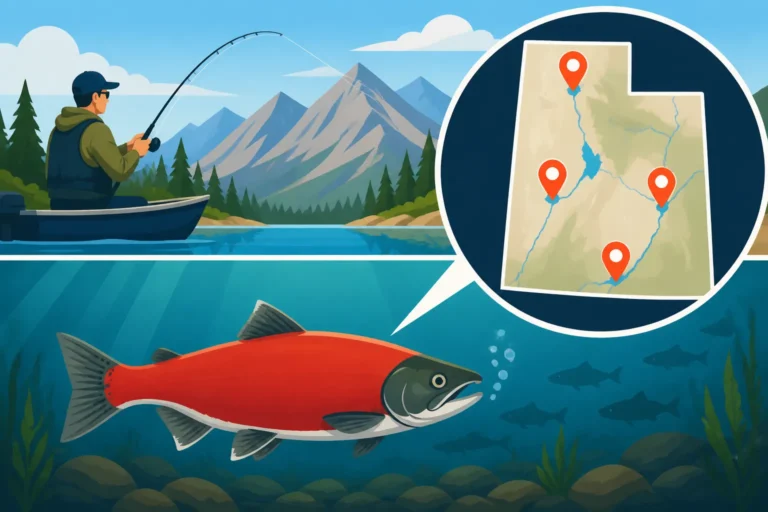
One of the biggest questions I hear from fellow anglers about Lake Powell, especially concerning its incredibly popular Striped Bass fishery, is how those voracious predators keep coming back year after year. It's a vast reservoir spanning both Utah and Arizona, and the fishing can be phenomenal, but it makes you wonder about the natural cycle, right? Today, we're diving deep into the fascinating, and perhaps surprising, truth about Striped Bass reproduction in this iconic desert lake. This guide will clarify whether these powerful fish are naturally restocking themselves or if something else is at play to keep our lines tight.
The Unique Biology of Striped Bass and Lake Powell's Challenge
Striped Bass are incredible game fish, known for their powerful fights and schooling behavior. But understanding their life cycle, especially their reproductive needs, is key to grasping why Lake Powell presents such a unique situation for them.
Understanding Striped Bass Reproductive Needs
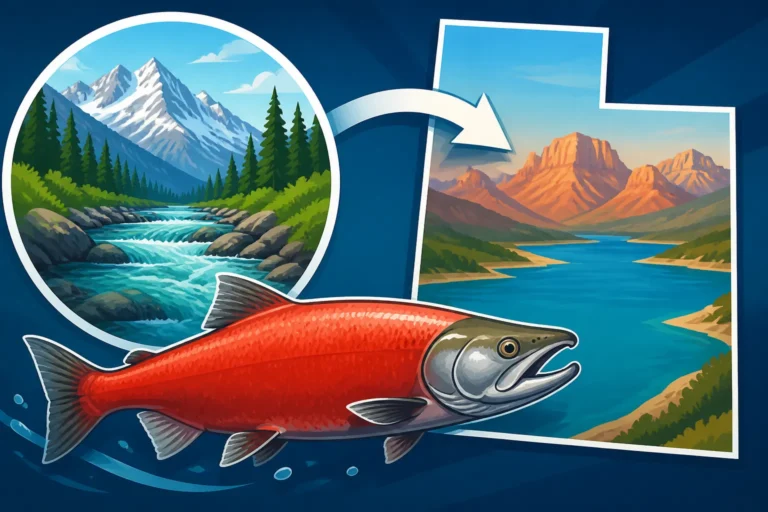
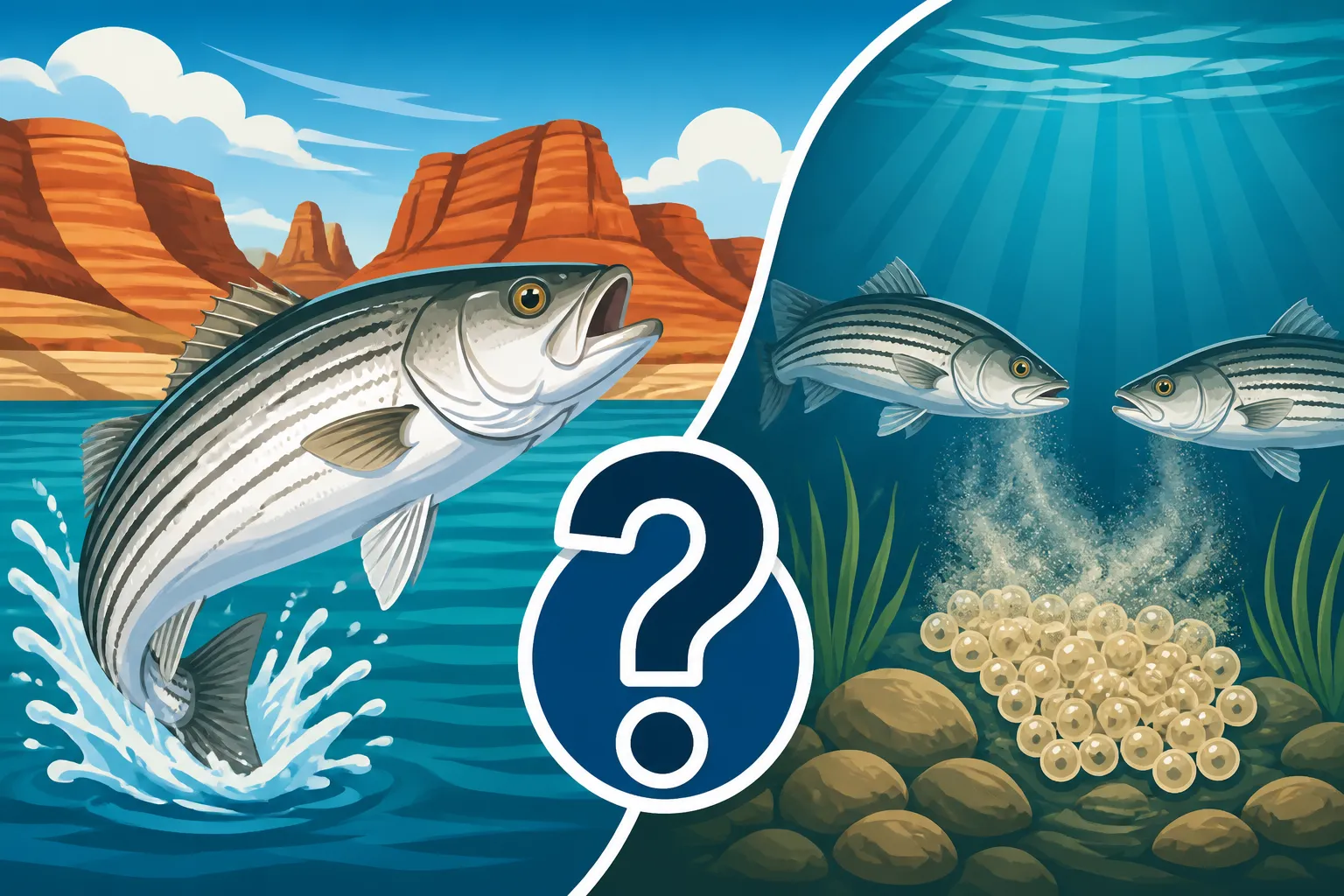
To truly understand the situation at Lake Powell, we need to talk about where Striped Bass prefer to spawn. Historically, these fish are anadromous, meaning they live in saltwater but migrate to freshwater rivers to reproduce. They're built for big, flowing river systems. When it's time to spawn, usually in the spring, female stripers release millions of eggs, and the males fertilize them. The critical part here is that these eggs are semi-buoyant. They're designed to drift in a river's current for several days – often 48 to 72 hours – while they hatch and the larval fish develop. This continuous flow prevents them from sinking to the bottom where they would suffocate or be eaten. They also have specific temperature requirements, typically needing water to be above 55-60 degrees Fahrenheit for successful development.
So, when you think about a fish that needs miles of sustained river current to successfully reproduce, you can probably start to see where a massive, deep reservoir like Lake Powell might throw a wrench in the works. It's not just about temperature or salinity; it's fundamentally about the water movement.
Lake Powell's Environment: A Double-Edged Sword
Lake Powell, a jewel in the desert landscape, is undeniably a fantastic fishery for many species. Its deep canyons, abundant forage, and vast expanse make it a perfect habitat for growing large, healthy fish once they're established. However, for a fish with such specific reproductive requirements as the Striped Bass, it's a bit of a mixed bag.
The problem for Striped Bass in Lake Powell is twofold. First, while the Colorado River and its tributaries feed into the lake, creating some inflow, the vast majority of the lake is essentially a giant, slow-moving pool of water, particularly in the main channel and larger arms. Imagine the difference between a rushing mountain stream and a calm, deep lake. Those semi-buoyant eggs, which are designed to tumble and float in a swift current, simply don't get the necessary sustained flow in most parts of Lake Powell. They might drift for a short while, but without that continuous, long-distance current, they eventually sink to the bottom or drift into stagnant coves, where their chances of survival are practically zero. Second, while the lake warms up nicely in the spring, thermal stratification (where layers of water at different temperatures form) can also impact egg and larval survival, creating an environment that, while great for adult fish, isn't ideal for their earliest life stages. So, while Lake Powell is a paradise for catching big stripers, it presents an almost insurmountable obstacle for them to make little stripers naturally. This is Why Striped Bass Were Introduced to Lake Powell in the first place, recognizing its potential for growth but not reproduction.
The Truth About Natural Reproduction in Lake Powell
This is where the reality often surprises anglers who assume that such a thriving fishery must have a robust natural breeding cycle. While the fish certainly have the urge to spawn, the environment often thwarts their efforts.
Limited, Unsuccessful Spawning Attempts
Yes, Striped Bass in Lake Powell do attempt to spawn. It's an instinct that's hardwired into their biology, regardless of their location. When spring arrives and water temperatures hit that sweet spot, the adult stripers will migrate up into the river arms of the lake, like the San Juan River arm or the main Colorado River arm, seeking out those areas where there's at least some current. They go through the motions: males and females gather, eggs and milt are released into the water column. It's a grand display of nature attempting to do its thing.
However, these efforts are almost universally unsuccessful in terms of producing a sustainable population. The critical factor, as we discussed, is the lack of a long, uninterrupted stretch of flowing water. Think of it like this: if a Striped Bass egg needs to float for 50 miles in a river to hatch, but in Lake Powell's river arms, it only gets 5-10 miles of suitable drift before hitting a slack-water cove or settling to the bottom, then the entire attempt fails. The vast majority of these eggs and newly hatched larvae simply don't survive. They might hatch, but then they either starve, get eaten, or perish from poor water quality at the bottom before they can develop into free-swimming fry. This means that year after year, despite the best intentions of the fish themselves, Lake Powell sees very little, if any, natural recruitment to its Striped Bass population.
Why Stocking is Essential for Lake Powell's Striped Bass Fishery
Because Mother Nature struggles to establish new generations of Striped Bass in Lake Powell, human intervention becomes absolutely crucial. The Striped Bass fishery at Lake Powell exists, thrives, and provides such incredible angling opportunities almost entirely due to sustained and consistent stocking programs.
Fisheries management agencies in both Utah (like the Utah Division of Wildlife Resources) and Arizona (Arizona Game and Fish Department) actively raise Striped Bass in hatcheries. These tiny fry or fingerlings are then transported and released into Lake Powell. This process bypasses the challenging early life stages that the natural environment simply can't support. Without these stocking efforts, the Striped Bass population would dramatically decline over time, as the existing fish age out and are caught by anglers, with no new generations to replace them. It's a testament to effective wildlife management that we can enjoy such a robust fishery for a species that isn't naturally suited for reproduction in a reservoir of this type. This deliberate management ensures there are plenty of Striped Bass Size at Lake Powell fish for everyone.
The Role of Fisheries Management in Sustaining the Fishery
It's clear that human hands play a significant role in keeping Lake Powell teeming with Striped Bass. This isn't a bad thing; it's a strategic decision that offers unique angling opportunities in a man-made environment.
Stocking Programs and Their Impact
The stocking programs are complex and meticulously planned. Agencies assess the lake's conditions, the health of the existing Striped Bass population, and the availability of forage fish (like gizzard shad) to determine how many fish to stock each year. The goal isn't just to dump fish in; it's to create a balanced ecosystem where the Striped Bass can grow large and healthy, providing a fantastic recreational fishery without completely overwhelming the food chain.
Raising millions of Striped Bass fingerlings in hatcheries requires significant resources, including specialized facilities, expert staff, and a lot of planning. Challenges can include disease outbreaks in hatcheries, transportation logistics to such a remote location, and ensuring the stocked fish have enough food once released. Anglers play a part too – reporting tagged fish, if encountered, helps biologists track growth rates and migration patterns, informing future stocking decisions. This level of dedication is why Lake Powell remains one of the premier destinations for these powerful fish, and why anglers looking for How to Catch Striped Bass at Lake Powell can still find success.
Maintaining a Healthy Ecosystem
Beyond just stocking, fisheries management also involves looking at the bigger picture of the Lake Powell ecosystem. Striped Bass are predators, and their health is directly tied to the availability of their prey. Gizzard shad, for instance, are a primary food source for stripers in Lake Powell. Managers monitor shad populations to ensure there's enough food to support the Striped Bass without allowing either population to explode or crash.
Water levels and water quality also profoundly impact the entire ecosystem, including the Striped Bass. Factors like drought, upstream dam operations, and nutrient inflows can alter the lake's environment, influencing everything from the growth of plankton (which feed the forage fish) to the oxygen levels in different parts of the lake. While these factors don't directly affect Striped Bass reproduction in Lake Powell due to the stocking program, they certainly impact the overall health and distribution of the fish. Understanding these dynamics helps managers make informed decisions that support a vibrant fishery for all species, as detailed in our comprehensive Lake Powell Fishing Guide.
Here's a quick look at why Lake Powell is a unique case for Striped Bass:
| Characteristic | Natural River Environment | Lake Powell Environment | Impact on Striped Bass Reproduction |
|---|---|---|---|
| Water Flow | Strong, sustained current (miles) | Mostly still, limited sustained flow | Eggs sink/perish, minimal hatching |
| Egg Buoyancy | Semi-buoyant, designed to drift | Drift is insufficient for development | Eggs fail to hatch or larvae die early |
| Habitat | Anadromous, requires river for spawning | Reservoir, lacks long riverine stretches | Instinctive spawning attempts fail |
| Population Source | Natural reproduction | Primarily stocked by fisheries agencies | Sustained population relies on stocking |
| Forage Base | Varied, adapted to riverine ecosystem | Abundant gizzard shad, managed | Excellent for growth, post-stocking |
Angler's Perspective: What This Means for Your Fishing Trip
For us anglers, knowing that Striped Bass don't naturally reproduce in Lake Powell might seem a little disheartening at first. But truly, it just highlights the incredible work done by wildlife agencies and reshapes how we think about fishing success there.
Planning Your Trip Around Stocking Cycles
While you won't necessarily be able to pinpoint a "stocking day" on the calendar and rush out to catch newly released fish, understanding that Lake Powell's Striped Bass are sustained by stocking helps you appreciate the fishery more. It means that the numbers of fish you encounter are a direct result of management efforts. This leads to consistent fishing pressure and opportunities that might not otherwise exist for a trophy species like the striper in an inland lake. It also underscores why adherence to Utah Fishing Regulations Explained and bag limits is so important – every fish counts when the population is actively managed. When gearing up for a trip, you can always find reliable supplies, from new lures to specialized rods, on platforms like Amazon to ensure you're ready for whatever the lake throws at you.
Understanding Striped Bass Behavior in a Stocked Lake
Even though they're stocked, the Striped Bass in Lake Powell are still, well, Striped Bass! They exhibit all the amazing behaviors that make them such a thrill to catch. You'll still find them schooling, chasing massive balls of shad, and creating those electrifying surface "boils" that every striper angler dreams of witnessing. These behaviors are instinctive and driven by their predatory nature, not by how they were born. Their aggressive feeding habits and powerful runs are what make Best Time of Day to Catch Striped Bass at Lake Powell and learning How to Find Shad Boils at Lake Powell so exciting.
The lack of natural reproduction doesn't diminish the quality or excitement of the fishing experience. In fact, in some ways, it makes the fishery more predictable from a management perspective, allowing agencies to fine-tune stocking numbers to create optimal fishing conditions. So, whether you're targeting big, solitary lunkers deep in the canyons or casting into a chaotic surface boil, rest assured that the Striped Bass are there, ready to challenge your skills, thanks to dedicated conservation efforts. Make sure your tackle box is well-stocked with the right lures, perhaps picked up from Amazon, for targeting these amazing fish, as they're always hungry!
Ultimately, the answer to the question "Do Striped Bass reproduce naturally in Lake Powell?" is effectively no, at least not in a way that sustains the population. The vibrant Striped Bass fishery we all love and enjoy at Lake Powell is a remarkable example of successful fisheries management, proving that with a little help from us, nature can still provide incredible angling adventures.
Disclaimer
This article is for general informational purposes only and does not constitute professional advice. Laws, prices and regulations vary by location and change over time. Consult a qualified professional for guidance on your specific situation.