What the Bear Lake Sculpin Is
Anglers often wonder about the various species that call Utah's diverse waters home, and sometimes, a mysterious little fish appears on their line or in their studies, prompting questions about its identity and purpose. This guide is here to shed light on one such intriguing creature: the Bear Lake sculpin, a unique bottom-dweller that plays a vital, often unseen, role in the health and vibrancy of one of Utah's most iconic lakes.
What Exactly Is a Bear Lake Sculpin?
When you hear "sculpin," you might picture a strange, bottom-hugging fish with a large head and spiny fins. You wouldn't be wrong. The Bear Lake sculpin (Cottus extensus) fits this general description perfectly, but it's much more than just another bottom feeder; it's a species found nowhere else on Earth. This makes it an endemic species, a true local treasure of Bear Lake, shared only with Idaho, since the lake straddles both states. Its uniqueness is a testament to the lake's long history and isolated evolution.
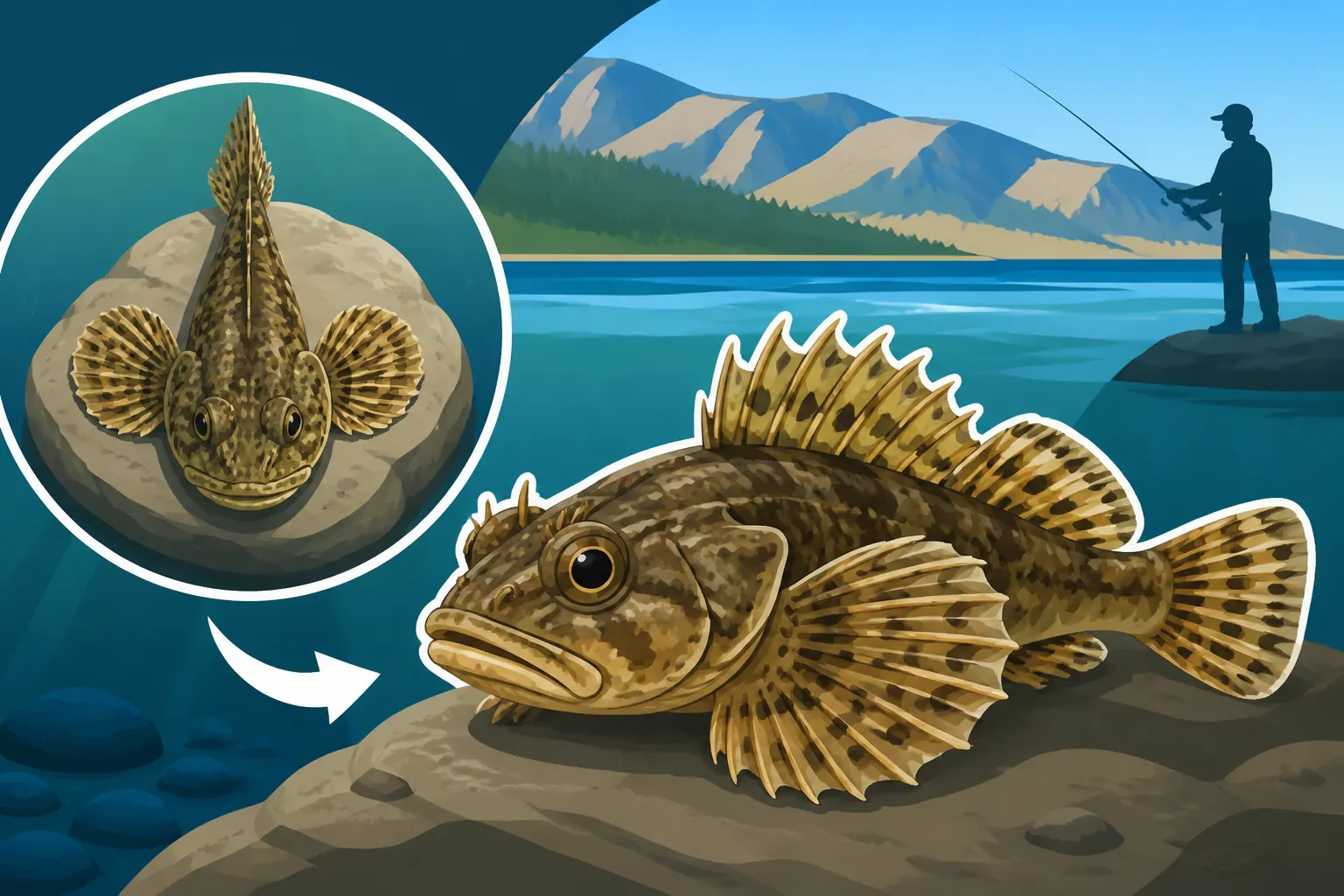
Imagine a small, mottled fish, usually only growing a few inches long – think the size of your palm, or even smaller. Their bodies are typically stout, tapering back to a small tail, and they are masters of camouflage. Their skin often mimics the rocky, gravelly bottom of Bear Lake, with patterns of browns, grays, and olives, making them incredibly difficult to spot against the substrate. They possess prominent, fan-like pectoral fins that they use to "perch" on the bottom or make quick, darting movements, rather than swimming gracefully through the water column. Unlike many popular sport fish, their eyes are set high on their heads, giving them an excellent vantage point for spotting prey or predators from their hiding spots.
The most distinctive feature of sculpins, and the Bear Lake sculpin is no exception, is their large, broad head. It's often disproportionately large compared to their body, giving them a somewhat frog-like appearance. This large head houses a mouth that, while not massive, is perfectly suited for gulping down small invertebrates and other morsels they find on the lakebed. They lack scales, instead having a smooth, sometimes prickly skin, which further aids in their bottom-dwelling, camouflage lifestyle. This combination of physical traits makes them incredibly well-adapted to their specific niche within the deep, cold waters of Bear Lake. If you're comparing them to Other Fish Species Unique to Bear Lake, like the Bonneville cisco or Bear Lake whitefish, you'll immediately notice the sculpin's more robust and bottom-oriented physique.
The Sculpin's Secret World: Habitat, Diet, and Behavior
The Bear Lake sculpin leads a life largely hidden from the casual observer, preferring the cool, dark, and often deep waters of Bear Lake. They are most commonly found clinging to the rocky and gravelly substrates of the lake, blending seamlessly with their surroundings. While they can be found in shallower areas, especially during certain times of the year, their true domain is often the deeper benthic zones, where temperatures remain consistently cold. This preference for cold, oxygen-rich water is a key factor in their survival, as it's indicative of a healthy, productive lake environment. You won't find them darting through open water like a trout; instead, they are masters of ambush, waiting patiently for prey to drift or swim within striking distance.
Their diet is primarily composed of benthic invertebrates – that's a fancy way of saying small creatures that live on or near the lake bottom. This includes insects like chironomid larvae (midge larvae), amphipods (small freshwater crustaceans), and other tiny organisms that make their home in the lake's sediment and rock crevices. Think of them as the lake's diligent janitors, sifting through the bottom for food. They're not picky eaters when it comes to the small stuff, and their broad mouth is perfectly designed for this opportunistic feeding style. Their feeding habits are crucial for the lake's nutrient cycling, as they consume detritus and smaller organisms, converting that energy into their own biomass, which then becomes available to larger predators.
Behaviorally, Bear Lake sculpins are quite solitary and territorial. They spend much of their time camouflaged among the rocks, patiently waiting for a meal. When they do move, it's typically a quick, short burst of swimming to seize a prey item or escape a perceived threat. Reproduction for the sculpin typically occurs in the spring, with females laying adhesive eggs under rocks or other submerged objects. The males then guard these nests fiercely until the eggs hatch, a common protective behavior among many sculpin species. This ensures a higher survival rate for their offspring in a lake teeming with potential predators. Understanding their discreet habits helps us appreciate the intricate web of life that sustains Bear Lake.
| Feature | Bear Lake Sculpin (Cottus extensus) | General Sculpin Characteristics |
|---|---|---|
| Habitat | Endemic to Bear Lake (UT/ID); deep, cold, rocky/gravelly lake bottoms | Cold, clear water; rivers, lakes, oceans; often benthic |
| Size | Typically 2-5 inches | Varies greatly by species (1 inch to over 2 feet) |
| Appearance | Large head, broad pectoral fins, mottled brown/gray/olive camouflage, scaleless | Large head, often spiny, camouflaged, scaleless or small scales |
| Diet | Benthic invertebrates (chironomid larvae, amphipods) | Opportunistic; invertebrates, small fish, eggs |
| Ecological Role | Primary forage fish for trout (cutthroat, lake trout) | Forage fish, indicator species, invertebrate predator |
| Conservation | Unique to Bear Lake; vital for endemic trout species | Many species stable, some threatened locally |
Why This Tiny Fish Matters: The Sculpin's Role in Bear Lake's Ecosystem
While small and unassuming, the Bear Lake sculpin holds a profoundly important position in the complex food web of Bear Lake. Think of them as the silent, indispensable foundation for many of the lake's more famous inhabitants. Their primary role is that of a crucial forage fish. This means they are a significant food source for larger, predatory fish, especially the lake's prized trout species. Without a healthy population of sculpin, the populations of these larger fish would undoubtedly suffer, impacting both the ecosystem and the angling opportunities that draw so many to Bear Lake.
Specifically, the sculpin is a dietary staple for two of Bear Lake's most iconic game fish: the Bear Lake Cutthroat Trout and the Lake Trout (often called Mackinaw in Utah). These predators rely heavily on the sculpin for their energy needs, particularly as they grow larger. The sculpin's dense, high-protein flesh provides the essential nutrients these trout need to reach trophy sizes. It's a classic predator-prey relationship, honed over millennia in the unique confines of Bear Lake. When you consider how important the Bear Lake Cutthroat Trout Facts are to this fishery, you quickly realize that anything affecting their food source, like the sculpin, is a big deal.
Beyond just being food, the sculpin also serves as an important indicator species for the overall health of Bear Lake's ecosystem. Because they are bottom-dwellers and relatively sensitive to changes in water quality, a thriving sculpin population suggests that the lake's benthic environment is healthy and its food web is functioning properly. Declines in sculpin numbers could signal underlying issues with habitat degradation, pollution, or changes in prey availability. Scientists and wildlife managers pay close attention to such indicator species, as they provide valuable insights into the broader ecological picture. Maintaining diverse native species, like the sculpin, is essential for the long-term resilience of the lake, ensuring that future generations can enjoy the angling and natural beauty that Bear Lake provides. Protecting these unique, localized species is a cornerstone of responsible fisheries management in Utah.
Encountering Sculpin: Angler's Perspective and Regulations
For most anglers, the Bear Lake sculpin isn't typically a target species. You won't find specific techniques or lures designed to catch them for sport, nor are they commonly sought after for the dinner table. They are small, bony, and generally not considered a game fish. However, it's not uncommon for an angler to accidentally hook a sculpin while fishing for trout, especially when using bait or small lures near the bottom. If you're fishing with nightcrawlers, small pieces of cut bait, or even tiny jigs meant for panfish or small trout, you might occasionally pull up one of these unique bottom-dwellers.
When you do encounter a sculpin, the most important thing is to handle it with care. Since they are a native and endemic species, they are a protected part of the Bear Lake ecosystem. The general rule of thumb for these incidental catches is to release them as quickly and gently as possible. Minimize air exposure, handle them with wet hands, and use a de-hooking tool if the hook is deeply set. This practice ensures they have the best chance of survival and can return to their vital role in the lake. You can find more detailed guidance on proper fish handling in resources like How to Release a Fish Without Hurting It in Utah.
Regarding regulations, the Utah Division of Wildlife Resources (DWR) outlines specific rules for all fish species, but sculpins generally fall under the "unprotected" or "non-game" fish categories, where bag and possession limits are often quite liberal or non-existent, unless specific restrictions are in place. However, due to their unique status in Bear Lake, it's always wise to assume a catch-and-release policy for sculpins unless you are absolutely certain of local regulations. Furthermore, the use of live bait fish from different bodies of water is highly restricted in Utah to prevent the spread of diseases and invasive species. While sculpins might be considered bait for some predatory fish, it's critical to understand that using any live fish as bait is subject to strict rules and often prohibited. Always check the current Utah Fishing Regulations Explained before heading out. Knowledgeable anglers often carry a small pair of pliers or a hook remover, available on platforms like Amazon, to make quick, clean releases.
Understanding what the Bear Lake sculpin is, where it lives, and why it's so important to the lake's larger ecosystem really deepens your appreciation for this incredible fishery. It's a reminder that every creature, no matter how small or hidden, plays a part in the grand tapestry of nature. So, next time you're enjoying the beauty of Bear Lake, remember the little sculpin diligently working on the bottom, supporting the fish you love to catch.
Disclaimer
This article is for general informational purposes only and does not constitute professional advice. Laws, prices and regulations vary by location and change over time. Consult a qualified professional for guidance on your specific situation.