Why the June Sucker Is Endangered in Utah Lake
It’s truly disheartening to think about a native fish species struggling to survive in its own home, especially when that home is a place as iconic as Utah Lake. For generations, the June Sucker has been an integral part of Utah's natural heritage, yet today it faces an uncertain future. This guide aims to shed light on the complex reasons why the June Sucker is now an endangered species in Utah Lake, exploring the challenges it faces and the efforts being made to bring it back from the brink.
The June Sucker's Ancestral Home: Utah Lake's Historical Ecosystem
To understand why the June Sucker is endangered, we first need to appreciate what Utah Lake used to be and how this unique fish fit into its ecosystem. Imagine Utah Lake centuries ago – a vast, shallow freshwater lake teeming with native fish, surrounded by wetlands and fed by numerous rivers and streams. This was the June Sucker's world, and they were perfectly adapted to it.
A Native Species Perfectly Adapted to Utah Lake
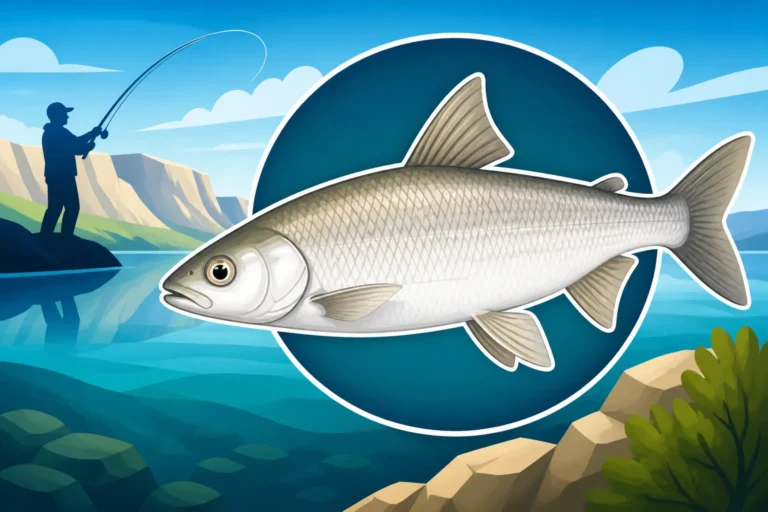
The June Sucker (Chasmistes muriei) isn't just any fish; it's a unique species found nowhere else on Earth. It evolved exclusively in Utah Lake and its tributaries, specifically thriving in the relatively shallow, productive waters. These fish are relatively long-lived, reaching over 20 years in age, and can grow quite large. Historically, they were a crucial part of the food web, acting as bottom feeders and becoming a food source for larger predators. Their name, "June Sucker," comes from their historical spawning migrations, which typically occurred in June up the Provo River. It was an annual spectacle that spoke to the health and vitality of the lake's ecosystem.
Back then, the lake had a natural ebb and flow, with fluctuating water levels and a rich diversity of plant and invertebrate life. The Provo River, their primary spawning ground, flowed freely, offering clear, clean gravel beds for their eggs. This natural rhythm supported not only the June Sucker but a host of other native species, painting a picture of a vibrant, interconnected aquatic world. The lake was a lifeline for many, providing sustenance and supporting a robust ecosystem that had evolved over millennia.
Primary Threats Pushing the June Sucker Towards Extinction
Unfortunately, the modern era has brought immense changes to Utah Lake, presenting a formidable array of threats that have severely impacted the June Sucker. These challenges are often interconnected, creating a complex web of environmental degradation that is difficult to untangle.
Habitat Loss and Degradation
One of the most significant reasons for the June Sucker's decline is the profound alteration and loss of its natural habitat. The pristine conditions it once relied on have been drastically modified by human activities.
Changes to Spawning Grounds
The Provo River, once a reliable highway for spawning June Suckers, has undergone immense changes. Dams, diversions, and channelization projects have fragmented the river, altering flow regimes and blocking access to critical spawning habitats. Imagine trying to make it home for a special family event, only to find the roads rerouted, blocked, or completely gone! That's essentially what happened to the June Sucker. The gravel beds they need for successful reproduction have been smothered by silt or are simply inaccessible. When they can reach suitable areas, the altered flows might not provide the right conditions for egg survival. Even today, ensuring adequate flow and clear passage for spawning fish up the Provo River is a continuous challenge, making successful natural reproduction incredibly difficult for the species.
Altered Lake Levels and Shoreline Development
Utah Lake itself has changed dramatically. Water levels have been manipulated for irrigation and municipal use for decades, leading to extreme fluctuations. These changes can expose critical shallow water habitats, destroy aquatic vegetation that provides cover and food, and concentrate pollutants. Utah Boating and Fishing Rules often reflect efforts to manage water resources, but the sheer scale of historical changes has been overwhelming for native species. Additionally, shoreline development, including marinas, housing, and agriculture, has encroached upon the natural wetlands and littoral zones that were once crucial nursery habitats for young June Suckers and other native fish. The natural buffer zones that filtered runoff and provided shelter have largely disappeared, replaced by hardened edges and altered landscapes.
Declining Water Quality
Another critical factor in the June Sucker's endangered status is the persistent struggle with water quality in Utah Lake. The lake's water chemistry has been profoundly impacted by both natural and anthropogenic sources, making it a much harsher environment for native species.
Nutrient Loading and Algal Blooms
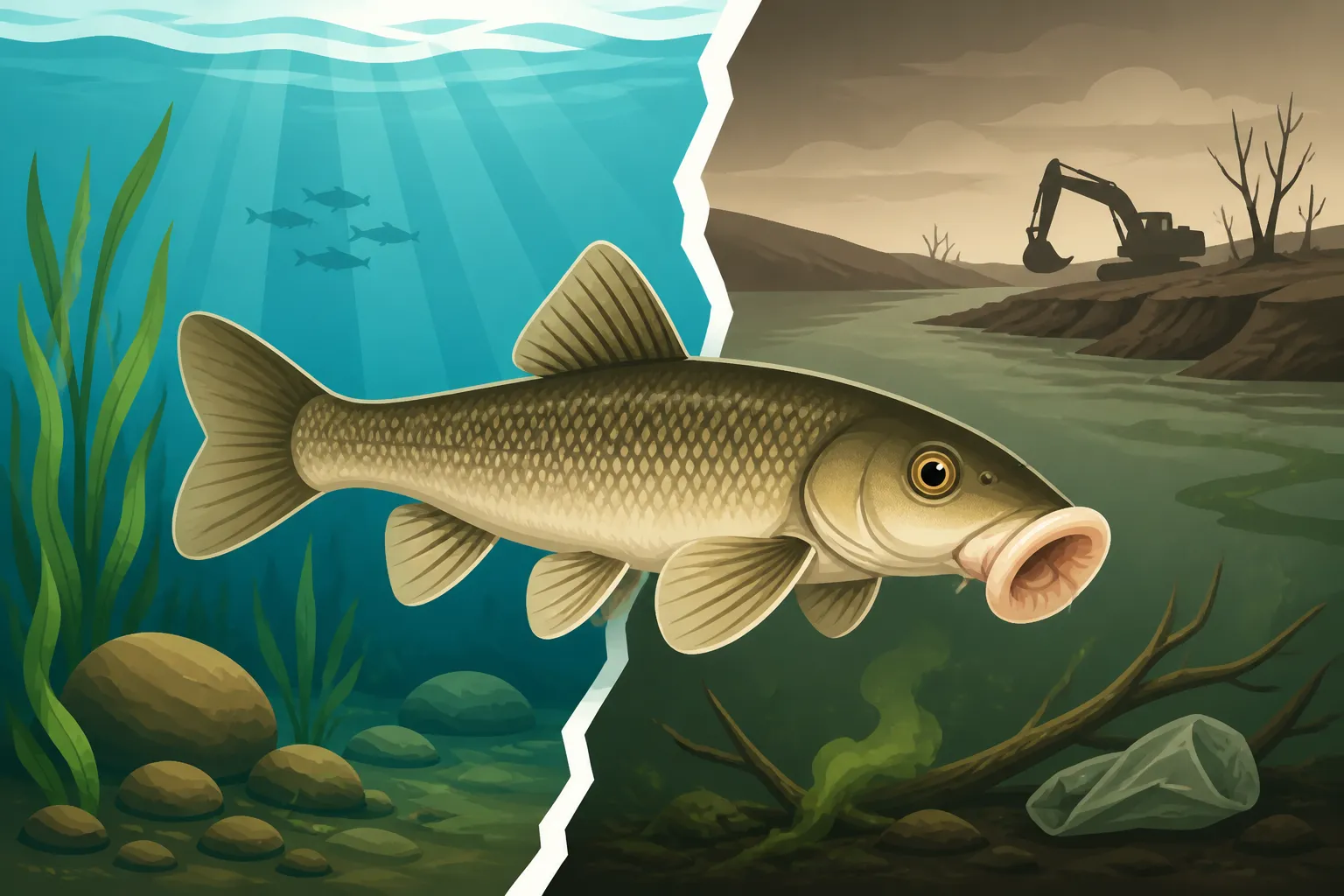
Utah Lake receives significant nutrient loading from agricultural runoff, municipal wastewater treatment plants, and urban stormwater. These excess nutrients, primarily phosphorus and nitrogen, act like fertilizer for algae. The result? Massive algal blooms, particularly harmful cyanobacteria (blue-green algae), which can turn vast stretches of the lake a pea-soup green. These blooms severely reduce light penetration, killing off submerged aquatic vegetation vital for fish habitat. When the algae die, their decomposition consumes vast amounts of oxygen, leading to anoxic conditions (dead zones) that are lethal to fish, especially less tolerant native species like the June Sucker. These events are not just unpleasant; they are direct threats to the survival of the fish.
Pollution and Sedimentation
Beyond nutrients, various pollutants from urban and agricultural sources wash into the lake. Pesticides, herbicides, heavy metals, and other contaminants can directly harm fish, impact their reproductive success, or accumulate in the food chain. Sedimentation from eroded banks and disturbed landscapes can also smother spawning beds, fill in important deep-water habitats, and reduce water clarity, affecting the feeding efficiency of visual predators and native filter feeders. The constant influx of these substances creates a cocktail of environmental stressors that no native species, especially one already struggling, can easily withstand.
Invasive Species Competition and Predation
While habitat degradation and poor water quality set the stage, invasive species have delivered a devastating blow to the June Sucker population, often outcompeting and preying on them directly.
The Destructive Role of Common Carp
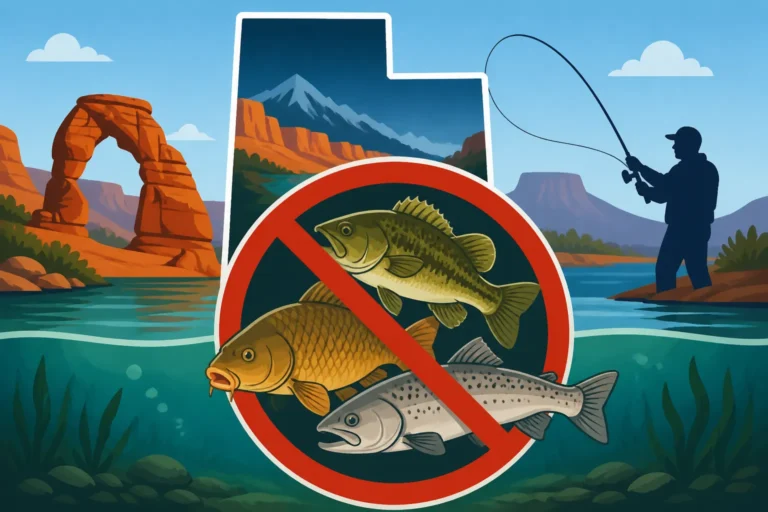
The common carp (Cyprinus carpio) is arguably the single greatest biological threat to the June Sucker. Introduced into Utah Lake in the late 19th century, these incredibly prolific and hardy fish quickly exploded in numbers. Carp are bottom feeders, and their feeding habits involve rooting around in the lakebed, stirring up sediment and uprooting aquatic vegetation. This drastically increases turbidity, making the water murky, and destroys the very plant life that provides food, shelter, and critical nursery habitat for native fish, including the June Sucker. Carp in Utah Lakes are a massive problem, turning clear, vegetated areas into muddy, barren expanses.
The carp's impact isn't just on habitat; they also compete directly with June Suckers for food resources, and their sheer biomass can overwhelm the ecosystem. They are a constant presence, relentlessly altering the environment to their advantage and to the detriment of native species.
Predation by Other Introduced Fish Species
While carp wreak havoc on the habitat, other introduced fish species, particularly sportfish, have also contributed to the June Sucker's plight through predation. Walleye, white bass, and channel catfish, all popular sportfish introduced for angling opportunities, can prey on young June Suckers. While these species provide exciting fishing for many, their presence adds another layer of pressure on an already vulnerable native fish. For example, Utah Lake Walleye Fishing Spots are popular, and while walleye are a blast to catch, they are also effective predators. This predation pressure, combined with reduced habitat and poor water quality, makes it incredibly difficult for June Sucker fry and juveniles to survive to adulthood. It's a classic case of unintended consequences, where what's good for one species (and recreational anglers) can be devastating for another.
Conservation Efforts to Save the June Sucker
The dire situation of the June Sucker did not go unnoticed, and significant efforts have been underway for decades to prevent its extinction and help it recover. The species was listed as endangered under the Endangered Species Act in 1986, galvanizing a concentrated focus on its survival.
The June Sucker Recovery Program (JSRP)
The cornerstone of conservation efforts is the June Sucker Recovery Program (JSRP), a multi-agency collaboration that brings together federal, state, and local entities, along with academic institutions and private organizations. This program coordinates a wide range of activities aimed at addressing the complex threats facing the June Sucker. The JSRP has focused on several key areas, understanding that no single solution will be enough to restore this unique fish. They engage in scientific research, habitat restoration, population augmentation, and public education. It's a long-term commitment, recognizing that undoing decades of environmental change takes time, effort, and continuous adaptation.
Habitat Restoration and Management
A major component of the recovery program involves actively restoring and managing critical habitats. This includes significant work on the Provo River and its delta.
Restoring Spawning Habitat in the Provo River
Efforts have been made to improve access and quality of spawning grounds in the Provo River. This involves strategically removing barriers, creating fish-friendly bypasses around diversion structures, and restoring natural river morphology to create healthier gravel beds. Projects like the Provo River Delta Restoration Project are monumental undertakings, aiming to reconstruct a more natural river mouth and delta area where the Provo River enters Utah Lake. This project is specifically designed to create ideal nursery habitats for larval and juvenile June Suckers, giving them a much better chance of survival immediately after hatching. It's about literally rebuilding parts of their home to make it functional again.
Enhancing Lake Habitat
Within Utah Lake, there's ongoing work to manage and improve general lake habitat. This includes efforts to control invasive carp populations, which directly benefits the lake's ecological health by reducing turbidity and allowing native vegetation to rebound. Without significant carp removal, many other habitat improvements would be undermined. Furthermore, strategies to improve water quality, such as better wastewater treatment and stormwater management, indirectly benefit the June Sucker by making the overall lake environment more hospitable. It's a slow process, but every improvement in water clarity and submerged vegetation provides a fighting chance for this struggling species.
Population Augmentation and Monitoring
Since natural reproduction alone is often insufficient, direct intervention to bolster the June Sucker population has been critical.
Hatchery Rearing and Stocking
A vital part of the recovery strategy involves captive breeding and rearing programs. June Suckers are spawned in hatcheries, and the resulting young fish are raised in controlled environments to a size where they have a better chance of surviving in the lake. These hatchery-raised fish are then carefully released into Utah Lake, Fish Species Protected in Utah ensures these efforts are coordinated and monitored. This "head-starting" program helps overcome the extremely high mortality rates of wild-spawned June Sucker larvae and juveniles. Without this artificial boost, the population would likely dwindle to nothing. It's a lifeline, buying time for the habitat and water quality improvements to take hold.
Tracking and Research
Scientists constantly monitor the June Sucker population, both wild and stocked, using various techniques such as tagging and netting. This monitoring provides crucial data on survival rates, growth, movement patterns, and reproductive success. Researchers also study the lake's ecosystem, including water quality, carp populations, and food webs, to better understand the challenges and refine recovery strategies. This scientific approach is essential to adapt conservation efforts as conditions change and new information becomes available.
How Anglers and the Public Can Help
While much of the heavy lifting is done by dedicated conservation professionals, every Utahn, especially anglers, can play a role in supporting the recovery of the June Sucker and the health of Utah Lake.
Understanding and Following Regulations
The first and most crucial step for anglers is to be aware of and strictly adhere to all fishing regulations. Because the June Sucker is an endangered species, it is illegal to fish for or possess them. If you accidentally catch a June Sucker, you must release it immediately and unharmed. Familiarizing yourself with Utah Fishing Regulations Explained and learning how to identify different fish species, especially native ones, is paramount.
| Species | Appearance | Status | Angler Responsibility |
|---|---|---|---|
| June Sucker | Large, cylindrical body, sucker mouth, dark back, lighter belly. (Distinctive) | Endangered | Release Immediately & Unharmed |
| Common Carp | Large scales, two barbels at corner of mouth, often brassy/gold color. | Invasive (Nuisance) | No limit, often encouraged to harvest. |
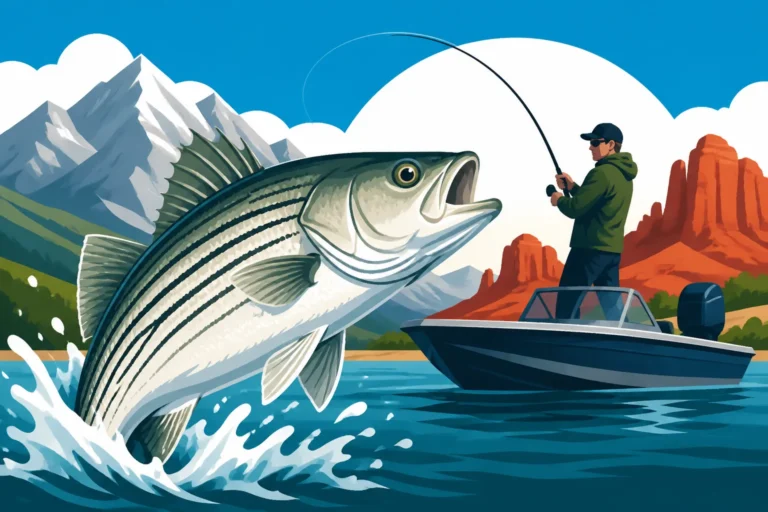
| White Bass | Silver, dark horizontal stripes, deeper body. | Introduced (Sportfish) | Follow specific bag/possession limits. |
| Walleye | Olive/gold, dark mottled, white tip on lower tail fin, large canine teeth. | Introduced (Sportfish) | Follow specific bag/possession limits. Check Utah Walleye Harvest Rules. |
Participating in Conservation Efforts
Beyond following regulations, you can actively contribute to the June Sucker's recovery. Volunteer opportunities with organizations involved in the June Sucker Recovery Program are often available, from habitat restoration work to educational outreach. Even simply learning more about the species and its plight and sharing that knowledge with others helps raise awareness. You can explore resources and even find books on Utah Lake's ecological history if you're looking to dive deeper into the topic.
Supporting conservation groups financially, if you're able, also makes a direct impact. These funds go towards critical research, habitat restoration projects, and hatchery operations. Every little bit helps to sustain the long-term, expensive work required to save a species.
Practicing Responsible Angling and Boating
General responsible angling and boating practices also contribute to a healthier Utah Lake ecosystem, which indirectly benefits the June Sucker. This includes preventing the spread of Utah Aquatic Invasive Species Rules for Anglers by always cleaning, draining, and drying your boat and gear. Never release baitfish or other non-native species into Utah Lake or any other water body. Properly dispose of all trash, fishing line, and other waste to prevent pollution. When fishing for other species in Utah Lake, practice careful catch-and-release if you're not keeping fish, minimizing stress on all fish encountered. Utah Lake Fishing Guide resources can provide more context on these best practices. By being a thoughtful steward of the lake, you're helping create a better future for all its inhabitants, including the invaluable June Sucker.
Disclaimer
This article is for general informational purposes only and does not constitute professional advice. Laws, prices and regulations vary by location and change over time. Consult a qualified professional for guidance on your specific situation.