Fish Species Protected in Utah
It can be incredibly frustrating to head out to your favorite fishing spot, only to feel uncertain about which fish you're allowed to keep and which ones are off-limits, especially when you hear whispers about "protected species." Nobody wants to accidentally break the rules, and frankly, it can be a real headache to sift through all the regulations. This guide is here to clear up that confusion, diving deep into the fish species that are protected in Utah, why they have that special status, and what you, as a responsible angler, need to know to help them thrive.
Understanding Utah's Protected Fish Species and Why They Matter
Utah is home to a stunning variety of fish, from the widespread rainbow trout to the unique native species found in only a few specific waters. However, not all fish are created equal when it comes to their legal status. Certain species are designated as "protected" due to their conservation status, meaning there are strict rules governing how anglers interact with them. This isn't just about arbitrary regulations; it's about preserving the delicate balance of Utah's aquatic ecosystems and ensuring these fish exist for future generations.
The Critical Role of Native Fish Conservation
Think about Utah's landscape: vast deserts, towering mountains, and incredible lakes and rivers. Each of these environments developed over millennia, creating unique habitats that support specific fish populations. Native fish species have adapted perfectly to these conditions. When we talk about protecting these species, we're not just saving one type of fish; we're safeguarding entire ecosystems. These fish often play crucial roles in the food chain, contribute to water quality, and are indicators of environmental health. Losing even one native species can have ripple effects that impact the entire aquatic community, including the popular game fish we all love to pursue. It's a complex web, and every thread matters.
Consider the distinct genetic makeup of Utah's native fish. They've evolved to handle specific water temperatures, food sources, and even predator pressures unique to their home waters. This makes them incredibly valuable, not just ecologically but also scientifically. Their survival ensures the biodiversity that makes Utah's fishing so special and diverse. This commitment to native species is a cornerstone of responsible wildlife management, ensuring that what makes Utah unique remains intact.
How Protection Status is Determined
So, how does a fish get placed on the "protected" list? It’s not a snap decision. Utah's Division of Wildlife Resources (DWR) and other federal agencies like the U.S. Fish and Wildlife Service undertake extensive research to determine the health of fish populations. They look at a variety of factors: the size of the population, its geographical distribution, reproductive success rates, and the quality and quantity of available habitat. Is their habitat shrinking due to development or pollution? Are they facing increased predation from invasive species? Is there evidence of disease?
If a species shows significant decline, is found in very limited areas, or faces severe threats to its survival, it might be classified as "sensitive," "threatened," or "endangered" under state or federal laws. This classification then triggers specific protections, often including mandatory catch-and-release, habitat restoration projects, and limits on human activities that could harm them. It's a scientifically-driven process designed to give struggling fish a fighting chance.
Key Protected Fish Species You Need to Know About in Utah
When you're out on the water, understanding which fish species fall under special protection is paramount. It ensures you're fishing ethically and legally. While many of our beloved game fish thrive, a few native species require our collective vigilance and respect to ensure their survival.
The June Sucker: A Utah Lake Native in Peril
One of Utah's most iconic and critically endangered fish is the June Sucker. This native species is found exclusively in Utah Lake and its tributaries, meaning it exists nowhere else on Earth. Its journey to endangered status is a stark reminder of how human activities and environmental changes can impact native populations. Historically, June Suckers were abundant, playing a vital role in the Utah Lake ecosystem. However, decades of habitat degradation, water quality issues, and the introduction of non-native species like carp led to a dramatic decline.
Today, intense conservation efforts are underway to prevent the extinction of the June Sucker. These efforts include improving water quality, restoring spawning habitats in tributary rivers, and managing invasive fish populations that compete with or prey upon June Suckers. As an angler, encountering a June Sucker is rare, but if you do, it's absolutely crucial to identify it correctly and release it unharmed. It's illegal to possess or harm a June Sucker. Learning to identify this unique fish, characterized by its large, sucker-like mouth and streamlined body, is a key part of responsible angling in the Utah Lake area. You can find more detailed information on June Sucker Endangered Species in Utah Lake and What's Being Done to Protect the June Sucker to deepen your understanding.
Bonneville Cutthroat Trout: Utah's State Fish and a Conservation Success Story
The Bonneville Cutthroat Trout holds a special place in the hearts of Utahns, being our official state fish. This beautiful trout is native to the Bonneville Basin, which includes large parts of Utah, and has a fascinating history of both decline and recovery. Early settlement and resource development significantly impacted Bonneville Cutthroat populations, leading to habitat loss, hybridization with non-native trout, and overfishing. For a time, it was feared that pure strains of this fish might be lost forever.
However, dedicated conservation programs by the DWR and partners have focused on restoring pure Bonneville Cutthroat populations to their native range. This has involved identifying isolated, genetically pure populations, restoring streams, and educating the public. Today, you can find thriving populations in many of Utah's pristine mountain streams and high-elevation lakes. While not as critically endangered as the June Sucker, Bonneville Cutthroat often have specific regulations in certain waters, frequently requiring catch-and-release to maintain their recovering populations. Knowing how to identify Bonneville Cutthroat Trout Identification and practicing careful handling are essential when fishing in their native waters. This fish is a testament to what focused conservation efforts can achieve.
Other Native Species with Special Status
While the June Sucker and Bonneville Cutthroat are perhaps the most recognized protected species, Utah is home to other unique native fish that may have special status or be part of ongoing conservation efforts. For instance, the Bear Lake Sculpin and Bear Lake Whitefish are unique species found only in Bear Lake. While not typically targeted by anglers, their presence is vital to the lake's unique ecosystem, and understanding their role is part of appreciating the region's natural heritage. You can learn more about What the Bear Lake Sculpin Is and What the Bear Lake Whitefish Is to understand their significance.
Many of Utah's high-elevation lakes and streams harbor populations of various native trout, sometimes with specific management plans that might include catch-and-release regulations or other restrictions to protect localized, vulnerable populations. These species might not be federally listed, but local management plans ensure their continued health. Always check the current Utah Fishing Guidebook for the specific water you plan to fish, as regulations can vary significantly from one lake or stream to another, even for the same species.
Regulations and Best Practices for Anglers Around Protected Species
Being a responsible angler in Utah goes beyond simply having a fishing license; it requires an understanding of the rules designed to protect our precious fish populations. For species classified as protected, this often means mandatory catch-and-release.
Knowing the Rules: Catch-and-Release for Protected Fish
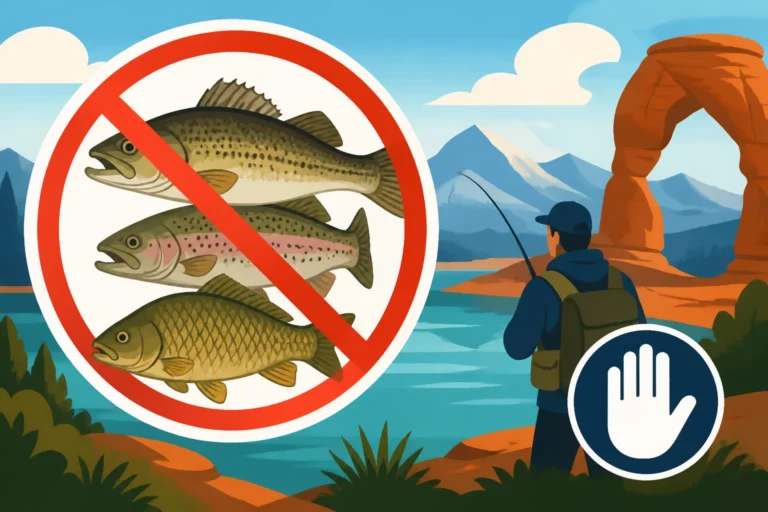
The most common protection for sensitive or endangered fish species in Utah is a mandatory catch-and-release rule. This means that if you accidentally catch one of these fish, you must release it immediately, and with the utmost care, back into the water. This isn't just a suggestion; it's a legal requirement. Failure to do so can result in significant penalties, including fines and the loss of your fishing privileges. It's critical to know Utah Fish Species You Must Release and understand the consequences if you don't. What Happens If You Keep a Fish You're Required to Release in Utah explains this in detail.
To ensure the best chance of survival for a released fish, follow these best practices:
- Minimize Handling Time: The less time a fish is out of the water, the better. Have your camera ready if you want a quick photo, but prioritize the fish's health.
- Wet Your Hands: Always wet your hands before touching a fish. Dry hands can remove the protective slime coat, making the fish susceptible to disease.
- Handle Gently: Support the fish horizontally, ideally without squeezing it or holding it by the gills. If possible, keep the fish in the water while removing the hook.
- Use Barbless Hooks: Barbless hooks make hook removal much easier and quicker, reducing stress and injury to the fish. Many anglers crimp down the barb on their hooks with pliers as a standard practice. You can find affordable fishing pliers and other essential tools on Amazon that make this easy.
- Use Proper Release Tools: A good pair of long-nosed pliers or a hook remover can help extract deeply set hooks quickly and safely. Investing in these items, often available on Amazon, is a small price to pay for a fish's survival.
- Revive the Fish: If the fish seems sluggish, hold it gently in the water, facing upstream, allowing water to flow over its gills until it regains strength and swims away on its own.
Preventing Accidental Catches and Minimizing Impact
While specific protected species might be rare in popular fishing spots, accidental catches can still happen. The best defense is being informed and proactive. Before heading out, especially to areas known for native or sensitive species, consult the current Utah Fishing Guidebook. The DWR regularly updates these regulations, and ignorance is no excuse.
Consider the gear you're using. If you're targeting large, aggressive game fish in an area where smaller, protected species might also reside, adjust your hook size or bait to minimize the chances of hooking a non-target fish. Being observant of the water and the types of fish you're seeing can also help. For example, if you're fishing a small, clear mountain stream known for Bonneville Cutthroat, you'll be extra vigilant with your handling. If you're fishing near sensitive spawning areas or during known spawning seasons for protected species, consider fishing elsewhere to avoid disturbing critical reproductive cycles.
Reporting Sightings and Violations
As an angler, you are often the eyes and ears on the water. If you witness someone violating fishing regulations, especially regarding protected species, or if you spot a protected fish that appears distressed or entangled, it's important to report it. Contact the Utah Division of Wildlife Resources (DWR) immediately. They have conservation officers dedicated to enforcing regulations and protecting wildlife. Providing details like the location, time, and a description of the incident or fish can be incredibly helpful to their efforts. Your quick action can make a real difference in the survival of a vulnerable population.
Supporting Conservation Efforts and Sustainable Fishing
Protecting Utah's fish species is a shared responsibility, and every angler plays a vital role. Your actions, big or small, contribute to the health and longevity of our diverse aquatic environments.
The Role of Anglers in Protecting Utah's Fisheries
When you purchase a Utah Fishing License Guide, a significant portion of those funds directly supports fish stocking programs, habitat restoration, scientific research, and enforcement efforts that protect native and game fish alike. It's a direct investment in the future of Utah fishing. Beyond the license, simply following the rules, understanding catch limits, and adhering to length restrictions are all crucial forms of conservation. Every fish released carefully, every piece of trash picked up, and every regulation followed reinforces a culture of respect for our natural resources.
Anglers also contribute by promoting ethical fishing practices within their communities. Teaching new anglers, especially youth, about the importance of conservation, species identification, and proper catch-and-release techniques helps instill these values in the next generation. It's a ripple effect where informed and responsible anglers become ambassadors for sustainable fishing.
Resources for Learning More and Getting Involved
To stay informed about Utah's protected fish species and the latest regulations, the DWR website and their annual Fishing Guidebook are your best friends. These resources provide up-to-date information on species identification, specific water body rules, and current conservation initiatives. Many DWR offices also offer educational programs or volunteer opportunities where you can get hands-on experience helping with habitat restoration or fish stocking.
Additionally, various non-profit conservation organizations dedicated to protecting Utah's fisheries welcome support and involvement. Organizations like Trout Unlimited, for example, often work on stream restoration projects and advocate for policies that benefit native trout populations. Engaging with these groups is another excellent way to contribute to the health of Utah's aquatic environments. Educational books on fish identification and biology, readily available on Amazon, can also be invaluable tools for expanding your knowledge and becoming a more skilled and conservation-minded angler.
Here’s a quick overview of some key protected species and related angling rules:
| Species Name | Primary Location(s) | Conservation Status | Angler Regulation | Key Identifier (Quick Glance) |
|---|---|---|---|---|
| June Sucker | Utah Lake | Federally Endangered | Mandatory Catch & Immediate Release | Large sucker-like mouth, silvery-brown, found only in Utah Lake |
| Bonneville Cutthroat Trout | Bonneville Basin Rivers/Lakes | State Sensitive | Often Catch & Release; Check local regs | Red "cutthroat" slash under jaw, native trout appearance |
| Bear Lake Sculpin | Bear Lake | Native, Special Concern | Not typically targeted; Release if caught | Small, bottom-dwelling fish with large head |
| Bear Lake Whitefish | Bear Lake | Native, Special Concern | Not typically targeted; Release if caught | Silvery, deep-bodied fish, unique to Bear Lake |
| Other Native Trout Strains | Specific mountain streams | Various, local sensitive | Often Catch & Release; Check local regs | Varies; consult DWR for specific water rules |
Disclaimer
This article is for general informational purposes only and does not constitute professional advice. Laws, prices and regulations vary by location and change over time. Consult a qualified professional for guidance on your specific situation.