Carp in Utah Lakes
It's easy to dismiss carp as just another "trash fish" or a nuisance, especially when you're out on one of Utah's beautiful lakes hoping for a trout or a bass. But the truth is, common carp are a significant part of many of our aquatic ecosystems, and whether you love 'em or not, they're here to stay. This guide is here to shed some light on everything you need to know about carp in Utah lakes, from their surprising history to how you can target them as a formidable sport fish, or even for the dinner table.
Unraveling the Mystery of Carp in Utah Waters
When you think about fishing in Utah, images of a gleaming rainbow trout leaping from the Provo River or a massive lake trout pulled from Flaming Gorge often come to mind. But lurking beneath the surface of many of our favorite waters is a fish that often gets a bad rap: the common carp. These powerful, intelligent fish are more than just a bottom-feuller; they play a complex role in Utah's aquatic environments.
What Exactly is a Common Carp?
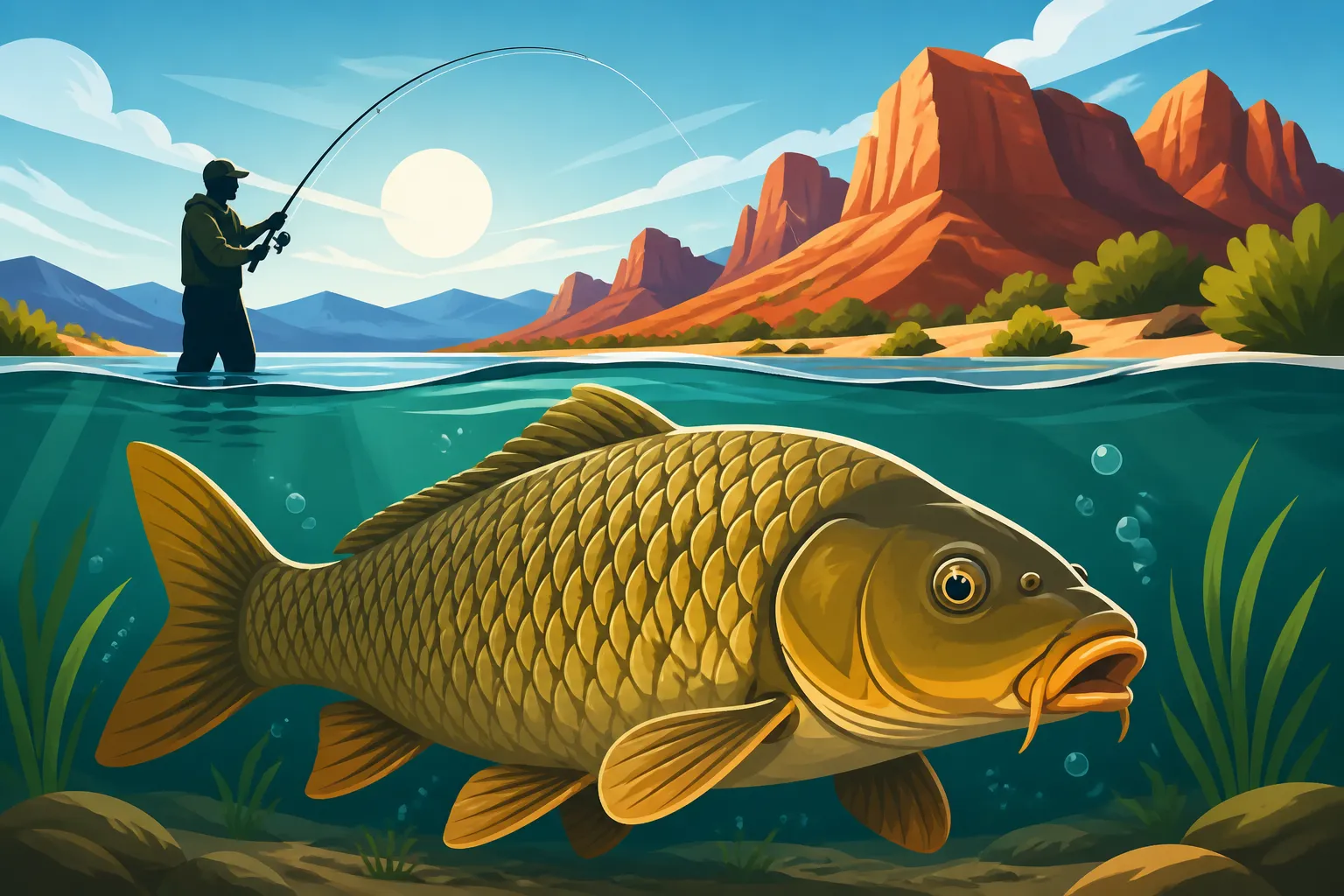
The common carp (Cyprinus carpio) is a freshwater fish native to Europe and Asia. They are easily recognizable by their large, olive-green to brownish-gold scales, distinct dorsal fin, and two pairs of barbels (whiskers) around their mouth. They have a stout, torpedo-shaped body, and can grow to impressive sizes, with some individuals in Utah easily exceeding 20 pounds. These fish are incredibly adaptable, capable of surviving in a wide range of water conditions, from clear, cold mountain reservoirs to warm, murky lowland lakes. This resilience is a key factor in their widespread presence across the state.
Unlike many native Utah fish, carp are not particularly picky eaters. They are omnivorous bottom-feeders, meaning they'll consume almost anything they can find. Their diet consists of aquatic insects, crustaceans, worms, small fish, and a significant amount of plant matter. They use their protrusible mouths to suck up mud and detritus, filtering out food items, which has a noticeable impact on water clarity in many systems. Their tough, leathery mouths are perfectly designed for rooting around in the substrate, a behavior that often stirs up sediment.
How Did Carp Become So Widespread in Utah?
Carp aren't native to North America, let alone Utah. Their journey here began in the late 19th century when they were intentionally introduced across the United States. The idea at the time was that they would be a valuable food source for a growing population and a hardy sport fish. Unfortunately, the qualities that made them so appealing for introduction – their hardiness, rapid growth, and prolific breeding – also made them incredibly successful at colonizing new waters, often outcompeting native species.
In Utah, carp were introduced into many of our major river systems and lakes, including Utah Lake and Bear Lake, decades ago. They quickly established self-sustaining populations, thriving in waters that perhaps weren't ideal for other game fish, or where conditions had already been altered by human activity. Their ability to tolerate poor water quality, lower oxygen levels, and warmer temperatures meant they could survive in places where more sensitive native fish struggled. Once introduced, their spread was inevitable, often aided by interconnected waterways and occasionally by unintentional angler transfers. Understanding this history helps us grasp why they are such a dominant species in so many of our waters today.
The Ecological Footprint of Carp on Utah Lakes
While carp are incredibly resilient and provide a unique angling experience, their presence isn't without ecological consequences. One of the most significant impacts is their feeding behavior. As bottom-feeders, carp constantly stir up sediments while foraging for food. This "turbidity" can drastically reduce water clarity, affecting light penetration and hindering the growth of submerged aquatic vegetation. Many native fish and waterfowl rely on these plants for food, shelter, and spawning habitat, so their decline can ripple through the entire ecosystem.
Furthermore, carp can compete with native fish species for food resources and habitat. For instance, in lakes where species like the endangered June sucker are trying to recover, carp's feeding habits can directly impact the availability of food and disrupt sensitive spawning grounds. While efforts are underway to manage carp populations in critical areas, particularly in Utah Lake Fishing Guide, their widespread presence means they continue to exert pressure on the delicate balance of Utah's aquatic environments. It's a complex issue, and one that fisheries managers in Utah continue to grapple with.
Where the Carp Call Home: Top Utah Carp Destinations
You might be surprised to learn just how many waters in Utah hold significant carp populations. From vast reservoirs to smaller community ponds, these adaptable fish have found a way to thrive. Knowing where to look and what conditions they prefer can greatly improve your chances of a successful outing.
Iconic Carp Fisheries: Utah Lake, Bear Lake, and More
When most Utah anglers think of carp, their minds often go straight to Utah Lake. And for good reason! Utah Lake is perhaps the state's most famous carp fishery, known for its massive numbers and trophy-sized specimens. The shallow, productive waters of Utah Lake provide an ideal habitat for carp to grow large and numerous. You'll find them almost everywhere, from the main lake to the various inlets and bays. Are Common Carp Considered a Nuisance Fish in Utah? delves deeper into the challenges carp pose in this specific ecosystem.
Beyond Utah Lake, other large reservoirs and lakes also host healthy carp populations. Bear Lake, though primarily known for its cutthroat and cisco, also has carp, especially in its shallower bays. Willard Bay Reservoir is another fantastic spot, particularly for those looking for a different kind of fight. Even some sections of major rivers like the Jordan River and Weber River, particularly in slower-moving or backwater areas, can hold surprisingly large carp. Don't overlook the many urban and community ponds; while often stocked with trout, many also have established carp populations that can provide exciting fishing close to home.
Recognizing Productive Carp Habitats
Carp are creatures of habit, and understanding their preferred habitats can put you directly on top of them. Generally, carp prefer warmer, shallower water, especially areas with soft, muddy bottoms where they can root for food. Look for weed beds, submerged timber, or other structures that offer cover and food sources. They often congregate near inflows where nutrients might be washing in, or in the calmer, protected bays of larger lakes.
You can often spot carp by their tell-tale signs: muddy water plumes where they've been feeding, rolling fish on the surface, or even finning in shallow water. In the spring, they'll move into very shallow areas to spawn, often thrashing and making quite a commotion, which makes them easier to locate, though they might be less interested in biting during this period. Pay attention to changes in bottom composition and water depth; a transition from hard rock to soft mud, especially with a gradual slope, is often a carp magnet. Even a careful scan of the shoreline can reveal their presence, as they sometimes cruise in surprisingly close proximity to anglers.
Seasonal Movements and Prime Timing for Carp Fishing
Carp, like most fish, are influenced by the seasons and water temperature. Spring and fall are often considered prime times for carp fishing in Utah. In spring, as water temperatures rise into the 50s and 60s Fahrenheit, carp become very active after their winter lethargy. They'll move into shallower areas to feed heavily before spawning, making them more accessible and aggressive. This is a fantastic time for shore anglers, as carp can be found in just a few feet of water.
During the hot summer months, carp may move to slightly deeper, cooler water during the day, becoming more active during dawn, dusk, and even at night. However, they will still frequent shallower areas, especially if there's good cover or a consistent food source. In the fall, as temperatures cool again, carp will once again feed voraciously, packing on weight before winter sets in. During winter, carp are still catchable, particularly through the ice on some of Utah's deeper lakes, though their activity levels will be significantly reduced. For general advice on Best Time of Year to Fish in Utah, consider how it might apply to the robust carp as well.
Gear Up and Get Ready: Effective Carp Fishing Strategies
Carp fishing can be as simple or as specialized as you want to make it. While a basic spinning rod can certainly land a carp, dedicated carp anglers often employ specialized gear and techniques to tackle these powerful fish. The thrill of hooking into a 20-pound common carp is a truly unforgettable experience, and with the right approach, it's an accessible one for many Utah anglers.
Essential Rods, Reels, and Lines for Carp Anglers
For beginners or casual carp fishing, a medium to medium-heavy spinning rod, around 7 to 9 feet in length, coupled with a sturdy spinning reel in the 3000-5000 size range, will serve you well. You'll want a reel with a smooth drag system, as carp are known for their strong runs. Load your reel with 10-20 pound test monofilament or braided line. Braided line offers superior sensitivity and strength for its diameter, which can be a huge advantage when fishing at a distance or in weedy areas. A good all-around setup can be found readily on platforms like Amazon, offering a balance of power and sensitivity.
Dedicated carp anglers often opt for longer rods, up to 12-13 feet, which aid in casting long distances and controlling powerful fish. These rods are typically paired with larger baitrunner-style spinning reels, which allow a fish to take line freely (a "run") before the main drag engages, preventing the rod from being pulled into the water. Having a robust net is also crucial, as landing a large, thrashing carp on the bank can be challenging. Think of it as investing in a reliable workhorse rather than a delicate instrument; carp fishing is often about brute strength and endurance.
The Art of Baiting: What Carp Can't Resist
Carp are not particularly finicky, but they definitely have their favorites. Corn is arguably the most popular and effective bait for carp, whether canned, flavored, or even fermented. Its sweetness and bright color are irresistible. Dough balls, made from flour, cornmeal, and various flavorings (like vanilla extract or even Jell-O), are also highly effective and allow for customization. Boilies, which are pre-made, hardened baits resembling small dough balls, are a staple in European-style carp fishing and are gaining popularity in Utah. These can be purchased online, including on Amazon, or made at home.
| Bait Type | Description | Best Used For | Pros | Cons |
|---|---|---|---|---|
| Canned Corn | Sweet, brightly colored kernels. | General carp fishing, pre-baiting. | Readily available, inexpensive, highly attractive. | Small fish can peck at it; doesn't stay on hook well. |
| Dough Balls | Homemade mix of flour, cornmeal, flavors. | Customization, specific scent/taste profiles. | Highly customizable, can be made in various sizes. | Can be messy to make, less durable than boilies. |
| Boilies | Hardened, cooked bait balls with various flavors/ingredients. | Specialized carp fishing, larger fish, selective feeding. | Durable, selective for larger fish, wide range of flavors. | More expensive, not always readily available locally. |
| Worms | Nightcrawlers or other large worms. | Quick bites, appealing to many species including carp. | Natural bait, easy to obtain. | Small fish can steal them, less selective for carp. |
| Bread/White Bait | Chunks of bread, especially crusts or mashed into a ball. | Surface fishing, quick improvised bait. | Inexpensive, easy to prepare. | Can fall off hook easily, less durable in water. |
| Pellets | Formulated fish food pellets, often pre-drilled. | European-style feeder fishing, sustained scent trail. | Releases attractants slowly, durable, comes in various sizes. | Less common in standard tackle shops. |
Pre-baiting a spot (chumming) with a handful of corn or pellets a few hours or even days before fishing can significantly increase your success. This trains the carp to associate that area with an easy meal. For presenting bait, many carp anglers use a "hair rig," which allows the hook to sit outside the bait, ensuring a better hook-up when the carp mouths the bait. How to Tie a Basic Fishing Knot for Trout Fishing can give you a starting point for knot tying, though specific carp knots may differ.
Bank Fishing vs. Boat Fishing for Carp
Carp fishing is predominantly a bank fishing activity, and it's incredibly effective from shore. Because carp often feed in shallower waters near the bank or in accessible bays, you don't necessarily need a boat to find them. Many anglers prefer to set up multiple rods on rod holders, baiting a fan-shaped area in front of them, and then waiting patiently for a bite. This method allows for a relaxed fishing experience, often enjoyed with friends or family.
While less common, boat fishing for carp can also be productive, especially on larger lakes like Utah Lake. From a boat, you can access areas that are inaccessible from shore, fish submerged structures more effectively, and cover more water to locate schools of carp. However, the stealth required for carp fishing often means anchoring quietly and fishing with minimal disturbance. Whether from bank or boat, the key to successful carp fishing is often patience, proper bait presentation, and targeting the right spots. Even on Utah Lake Fishing Guide, where boats are common, bank access is plentiful for carp.
Beyond the Stigma: Embracing Carp as a Sport and Sustenance
For many years, carp were largely ignored or actively despised by the mainstream angling community in Utah. But times are changing! Anglers are beginning to recognize the immense sport fishing potential of carp and, for some, their value as a food source. It's time to challenge those old assumptions and see carp for what they really are.
The Thrill of the Fight: Why Carp are Great Sport Fish
If you've never hooked into a large carp, you're missing out on a truly exhilarating fight. These fish are incredibly powerful, known for their long, blistering runs and stubborn head shakes. A 10-pound carp will give you a fight that can rival a much larger trout or bass, and when you hook into a 20+ pounder, be prepared for an arm-burning battle. This sheer power is why carp are so highly regarded as sport fish in many parts of the world, particularly in Europe.
Their intelligence and wariness also add to the challenge. Carp are not easily fooled, especially in heavily pressured waters. They can be incredibly sensitive to line, leader, and bait presentation, forcing anglers to hone their skills and employ thoughtful strategies. Successfully landing a large, wary carp after a strategic baiting and a tough fight is immensely rewarding. Many Utah anglers are now discovering the joy of targeting these freshwater giants, embracing the "rough fish" for the incredible sport they provide. It's a fantastic way to enjoy more time on the water, especially when other species might be less active.
Carp on the Menu: Preparing Your Catch
The idea of eating carp can raise some eyebrows, and traditionally, it hasn't been a popular food fish in Utah. However, in many cultures around the world, carp is a prized delicacy. The primary concern for some is the "muddy" taste, which can be mitigated by choosing carp from cleaner, colder waters, or by proper preparation. Bleeding the fish immediately after capture and soaking the fillets in a saltwater brine or milk solution overnight can significantly improve the flavor.
Preparing carp often involves removing the "mud line" (a strip of dark meat along the lateral line) and dealing with the many small, intramuscular bones (y-bones). Some popular methods include grinding the meat for patties, smoking the fish, or scoring the fillets deeply to "cut" the bones, then frying them until crispy. While it requires a bit more effort than filleting a trout, the results can be surprisingly delicious. How to Fillet a Trout After Keeping Your Limit provides a basic filleting guide, but carp requires a different approach to deal with those specific bones. Don't be afraid to experiment with recipes; you might just find a new favorite.
Managing Carp: Regulations and Responsible Angling
Given their non-native status and ecological impact, carp populations in Utah are managed with specific goals in mind. While there are no statewide bag or possession limits on common carp in Utah, it's always wise to check the current Utah Fishing Regulations Explained for any specific water bodies or updated rules. In some waters, the Division of Wildlife Resources actively encourages the harvest of carp to reduce their numbers and mitigate their impact on native species or water quality.
Responsible angling practices are crucial. If you choose to harvest carp, do so humanely and dispose of waste properly. If you're practicing catch-and-release, handle the fish gently, minimize its time out of water, and ensure it swims away strong. Always be mindful of preventing the spread of aquatic invasive species, as moving fish or bait between water bodies can introduce new problems. Carp are hardy, but proper handling helps ensure their continued health if released, or respects the fish if harvested.
Navigating the Nuances of Carp Management in Utah
The presence of carp in Utah's waterways is a complex issue, straddling the line between a viable sport fish and an ecologically impactful invasive species. Understanding how Utah manages these populations is important for any angler. It's not always about eradication, but often about balance and mitigation.
Understanding Utah's Approach to Carp
Utah's wildlife agencies generally classify common carp as a non-native, sometimes invasive species, particularly where they negatively impact native fish populations or water quality. For instance, in Utah Lake, where the June sucker is endangered, carp removal efforts have been ongoing for years. The goal isn't necessarily to completely eliminate carp from every water body, which would be an enormous and likely impossible task, but rather to control their numbers in sensitive ecosystems and prevent further spread where they might cause harm.
Because of this, anglers typically face very liberal regulations regarding carp. As mentioned, there are usually no bag or possession limits, effectively encouraging harvest. This differs significantly from regulations for native or desirable game species. It's a practical approach: leveraging anglers as a management tool. This freedom provides unique opportunities for those who enjoy the challenge of catching large numbers of powerful fish, knowing their efforts might also contribute to broader conservation goals in certain areas. Always check the latest Utah Fishing Regulations Explained for any specific water body you plan to fish, as rules can occasionally change.
Best Practices for Catch-and-Release Carp Fishing
Even if carp are considered non-native, many anglers still choose to practice catch-and-release, especially when targeting larger specimens purely for sport. When doing so, responsible handling is paramount to ensure the fish's survival. Carp are incredibly tough, but rough handling can still cause harm.
Always use a large, soft knotless landing net to minimize damage to fins and scales. Try to keep the fish in the water as much as possible, especially during warm weather. If you need to bring it ashore for a quick photo, use a wet unhooking mat or a wet, soft surface to protect its body. Handle the fish firmly but gently, supporting its weight properly, especially large ones. Use a pair of long-nosed pliers to remove hooks quickly and cleanly. If the hook is deeply set and difficult to remove, it's often better to cut the line as close to the hook as possible rather than tearing tissue trying to extract it. Allow the carp to recover in the water, supporting it upright until it can swim away under its own power. These practices demonstrate respect for the fish, regardless of its species status.
Humane Harvest and Disposal Considerations
For those who choose to harvest carp, doing so humanely is a crucial ethical consideration. The quickest and most humane way to dispatch a fish is often a sharp blow to the head with a priest or a blunt object. This brain stun instantly renders the fish unconscious and prevents unnecessary suffering. Following this, bleeding the fish by cutting the gills ensures better meat quality and a more respectful end.
Disposal of harvested carp should also be done responsibly. If you plan to eat the fish, then follow the necessary cleaning and filleting steps. If not, never dump unwanted fish carcasses back into the water, as this can attract scavengers, spread disease, or simply be a nuisance for other users. Check local regulations for proper disposal, which often includes disposing of them in designated trash receptacles or burying them away from waterways. In some areas, Utah Fish Cleaning Station Locations might provide facilities that also assist with carcass disposal. The goal is to minimize waste and impact on the environment, ensuring a clean and enjoyable experience for everyone on the water.
Disclaimer
This article is for general informational purposes only and does not constitute professional advice. Laws, prices and regulations vary by location and change over time. Consult a qualified professional for guidance on your specific situation.