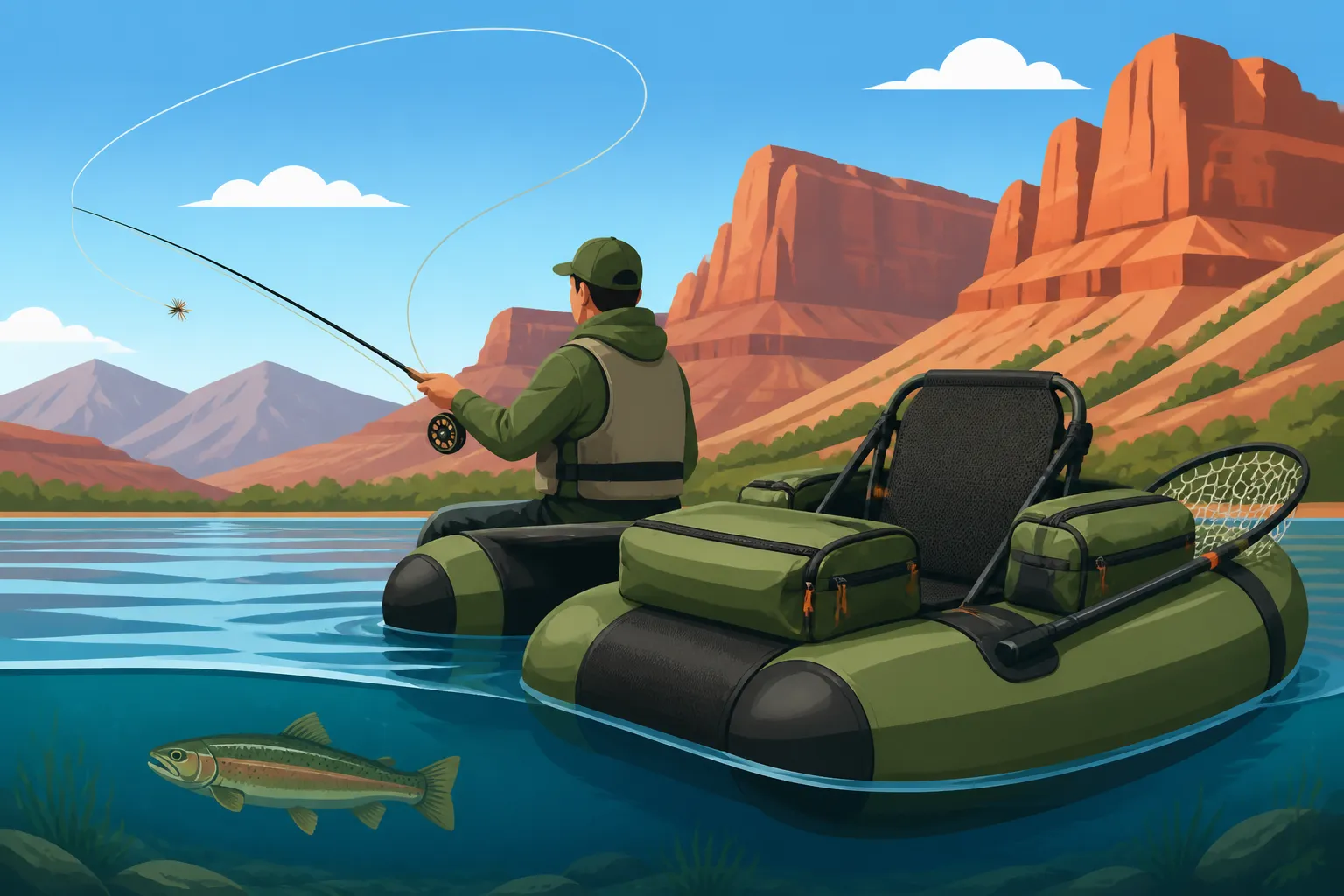
Best Float Tubes for Utah Stillwater Fly Fishing
There’s nothing quite like the feeling of wanting to reach that perfect, untouched fishing spot on a serene Utah stillwater, only to be stopped by thick reeds or water just a bit too deep for wading. Many anglers dream of quietly slipping into those hidden coves where the big trout cruise, far from the shore-bound crowds and boat traffic. This guide is all about making that dream a reality by exploring the best float tubes for fly fishing Utah's incredible lakes, reservoirs, and ponds, helping you find your ideal personal watercraft to unlock those secluded honey holes.
Why Float Tubes Are a Game-Changer for Utah Stillwater Fly Fishing
For years, I relied on shore fishing and wading, and while I caught my share of fish, there was always that tantalizing stretch of water just out of reach. The frustration of watching trout rise in the middle of a calm bay, knowing a perfect presentation was impossible, became a familiar ache. That's when I discovered float tubes, and let me tell you, they utterly transformed my stillwater fly fishing experience in Utah. They’re not just a piece of gear; they’re an access pass to solitude and big fish.
Accessing Secluded Honey Holes
The primary appeal of a float tube is its ability to get you where other anglers can't or won't go. Imagine arriving at a busy reservoir on a Saturday morning, seeing dozens of cars at the boat ramp and people lining the shoreline. With a float tube, you can often launch from a quiet, out-of-the-way spot, inflate your craft in minutes, and then silently kick your way to untouched water.
These small, inflatable vessels allow you to navigate through shallow areas, sneak along weed lines, and position yourself perfectly over submerged structures that hold fish. I've had countless mornings at places like East Canyon Reservoir or Pineview where I've watched larger boats struggle to get close to the reeds, only to have me effortlessly glide into prime casting position. It’s not just about getting out onto the water; it's about getting into the exact pockets where the fish feel safest and feed most confidently. This capability means less pressured fish, which often translates to more consistent bites and larger catches.
Stealth and Presentation
Fly fishing is all about finesse and presentation, and a float tube excels in providing a truly stealthy approach. Unlike a motorboat, or even a paddle boat or kayak, a float tube makes virtually no noise as you move across the water. Your only propulsion comes from your fins, which create minimal disturbance. This silent movement is a huge advantage when targeting wary trout in clear Utah waters.
I've been in situations where I could hear the trout sipping insects off the surface, and a single splash or motor hum would have sent them scattering. With a float tube, you can approach these feeding fish slowly, carefully, and quietly, allowing you to get within optimal casting range without alerting them to your presence. This quiet intimacy with the water lets you concentrate fully on your cast and presentation, ensuring your fly lands softly and naturally. There's also no wake to contend with, meaning your leader and fly aren't being pulled unnaturally by boat movement, resulting in a much more authentic drift or retrieve.
Cost-Effectiveness and Portability
Let's be honest, fishing can be an expensive hobby, especially when you start looking at boats, trailers, and all the associated maintenance. Float tubes offer an incredibly economical entry point into personal watercraft fishing. The initial investment is a fraction of what you'd spend on even a modest fishing boat or a high-end fishing kayak. You don't need a truck with a towing package, storage space in a marina, or any of the logistical headaches that come with larger vessels.
Their portability is another massive bonus for Utah anglers. Most float tubes deflate and pack down into a relatively small size, easily fitting in the trunk of a car, the back seat, or even a large backpack for a hike into a high mountain lake. This makes spontaneous fishing trips incredibly easy. You can be at work, decide the evening looks perfect for fishing, and be on the water within an hour of getting home, without any fuss. They are also super easy to clean and store. If you're wondering what essential items you'll need to go along with your float tube, take a look at our guide on Gear You Need to Fish From a Float Tube in Utah.
Types of Float Tubes and What to Look For
Navigating the world of float tubes can feel a little overwhelming at first glance. There are more options out there than just a big donut you sit in! Understanding the different designs and their specific advantages is key to picking the right one for your Utah fly fishing adventures. Each style caters to slightly different needs, whether you prioritize stability, speed, or maximum comfort.
U-Shaped, V-Shaped, and Pontoon Styles
When you start looking at float tubes, you'll generally find three main categories: U-shaped, V-shaped, and pontoon-style tubes. Each has its own distinct characteristics and is better suited for certain conditions.
U-Shaped Tubes: These are often considered the classic, entry-level design. They look like a "U" when inflated, with an open front that makes entry and exit incredibly easy, especially important for those of us who might not be as nimble as we once were! They typically have a low profile and offer excellent stability, which is fantastic for beginners or anglers who prefer a very stable platform for casting and landing fish. However, the wider, more rounded front can create more drag in the water, making them slower and a bit more challenging to maneuver, particularly in windy conditions. They're perfect for small, calm ponds or slow-moving rivers where speed isn't a concern.
V-Shaped Tubes: These tubes feature a pointed bow, resembling a "V." This design cuts through the water much more efficiently than a U-shaped tube, significantly reducing drag. This means they are faster and more maneuverable, allowing you to cover more water with less effort. The V-shape also often provides a slightly better paddling position, making your fin kicks more effective. They generally offer good stability, though perhaps not quite as much as some U-shaped designs. V-shaped tubes are a fantastic all-around choice for many Utah reservoirs and larger ponds where you might need to cover some distance or deal with light breezes.
Pontoon-Style Tubes: These are the most advanced and often the largest of the float tube family. They typically feature two independent pontoons on either side of a raised seating platform, often with a sturdy frame. This design offers the highest seating position, keeping you further out of the water, which is a huge plus for warmth and comfort on colder days or in colder water. The raised seat also makes casting easier and provides better visibility. Pontoon tubes are generally the most stable and can handle choppier water better than traditional float tubes. They usually have ample storage space and are excellent for longer days on bigger bodies of water. The trade-off is that they are heavier, less compact when deflated, and generally take a bit longer to set up and break down. For anglers wanting to spend extended time on larger Utah waters like Deer Creek or Jordanelle, these hybrids are often the preferred choice.
Material and Durability for Rocky Utah Shores
Utah's fishing environments are diverse, from sandy beaches to rocky shorelines and even rugged high-mountain access points. Because of this, the durability of your float tube's materials is absolutely paramount. You don't want to invest in a tube only to have it puncture on its first encounter with a sharp rock.
Look for float tubes constructed with high-denier nylon or polyester fabrics for the outer shell. Denier refers to the thickness of the individual fibers, and a higher number (e.g., 600D, 1000D) indicates a tougher, more puncture-resistant material. Many tubes, especially pontoon styles, will feature heavy-duty PVC or urethane bladders on the inside, which are more resistant to leaks than thinner rubber or vinyl. It's also a good idea to seek out tubes with reinforced bottoms. Some higher-end models from brands like Outcast or Caddis will have extra layers of tough material on the underside, specifically designed to withstand dragging over rocks or abrasive surfaces as you launch and retrieve. Don't forget to inspect the zippers and seams – these are often points of failure if they aren't robust and well-constructed. Quality zippers that operate smoothly and strong, heat-sealed seams are indicators of a well-made float tube that will stand up to the rigors of Utah's varied terrain.
Comfort and Ergonomics for Long Days on the Water
Fishing from a float tube often means spending hours in a seated position, with your legs in the water, constantly kicking or adjusting. If your tube isn't comfortable, those long, productive days can quickly turn into miserable ones. Trust me, I've been there with a sore back and numb legs, wishing I'd paid more attention to ergonomics.
The seat and backrest are critical. Look for models with generous padding, not just a thin layer of foam. Many modern float tubes feature inflatable seats and backrests that allow you to adjust the firmness to your liking, providing excellent lumbar support. This is particularly important for fly anglers who spend a lot of time twisting and turning to cast or fight fish. Legroom is another consideration; ensure there's enough space for your wader-clad legs to kick freely without feeling cramped. A comfortable kicking position is vital for efficient propulsion and preventing fatigue. Features like adjustable lap stripping aprons can also add to comfort, providing a handy workspace and preventing your line from snagging on your legs or fins. When you're out for hours on a pristine water like Strawberry Reservoir Fishing Guide, comfort truly makes all the difference in your enjoyment and focus.
Essential Features and Accessories for Utah Anglers
A float tube itself is just the starting point. To truly maximize your effectiveness and enjoyment on Utah's stillwaters, you'll want to equip it with a few essential features and accessories. These additions enhance everything from gear management to personal safety, turning a basic tube into a highly functional fishing machine.
Storage Solutions: Pockets, Rod Holders, and Cargo Areas
When you're out on the water, having your gear organized and easily accessible is paramount. There's nothing more frustrating than needing a specific fly or a pair of forceps and having to fumble through a disorganized mess. Most quality float tubes come equipped with storage pockets, typically on either side of the seat. Look for large, zippered pockets that can accommodate multiple fly boxes, spools of tippet, leader wallets, and other small essentials. Waterproof or water-resistant zippers are a huge plus for protecting your gear from splashes and light rain.
Beyond basic pockets, consider tubes that offer additional storage features. D-rings are incredibly useful for attaching lanyards to your net, forceps, or nippers, ensuring they don't accidentally fall into the water. Some tubes include mesh cargo areas behind the seat, perfect for stowing a small cooler, a rain jacket, or a dry bag with snacks and extra layers. Built-in rod holders are a game-changer, especially for fly anglers. They allow you to securely store a second rod (perhaps rigged with a different fly or line) or to safely set your primary rod down while you land a fish or re-tie a leader. This keeps your valuable rods out of the water and prevents them from getting tangled or damaged. Many anglers also use external gear bags from brands like Bass Pro Shops or Amazon that are specifically designed to attach to float tube D-rings, further expanding their storage capacity.
Inflation and Deflation: Pumps and Valves
While often overlooked, the ease of inflating and deflating your float tube significantly impacts your overall experience. A quick setup means more time fishing, and efficient deflation makes packing up less of a chore. Most float tubes use either Boston valves or screw valves.
Boston valves are common and consist of two parts: a one-way valve that lets air in but not out, and a larger cap that, when removed, allows for rapid deflation. They are generally user-friendly and efficient. Screw valves require you to completely unscrew the cap for inflation and deflation, which can be a bit slower but also offers a secure seal. Regardless of the valve type, a good pump is non-negotiable. Foot pumps are popular due to their hands-free operation and compact size, while hand pumps can offer quicker inflation for larger tubes. Electric pumps that run off a car's 12V outlet are also an option for those who prioritize speed and convenience, but make sure they have a "deflate" setting to help pack down your tube tightly. Always make sure you don't over-inflate your tube, especially on a hot day, as the air inside will expand. Conversely, under-inflation can make your tube less stable and harder to maneuver. Checking your tube's recommended PSI (pounds per square inch) and inflating accordingly will ensure optimal performance and safety.
Fins and Waders: Your Propulsion System
Your legs and feet are your float tube's engine, making the right fins and waders absolutely critical for efficient movement and comfort, especially in Utah's often chilly waters. Without effective fins, you'll find yourself struggling against currents or wind, quickly tiring out.
Fins (Flippers): These are specifically designed for float tube use and are different from snorkeling or scuba diving fins. They are typically shorter and wider, designed for propulsion while sitting in a semi-recumbent position. There are generally two types: strap-on fins that go over your wader boots, and shoe-style fins that integrate a boot directly into the fin. Strap-on fins are popular because they are versatile and work with almost any wader boot, but ensure they are secure and don't chafe. Shoe-style fins offer a more integrated and often more comfortable fit, providing excellent power transfer. Whichever type you choose, make sure they fit securely over your waders and provide sufficient thrust with minimal effort.
Waders: You'll be sitting with your legs submerged, so good waders are essential. Breathable stockingfoot waders are often preferred for their comfort and versatility, especially on warmer days or when hiking into remote lakes. Pair them with sturdy wading boots that offer good ankle support and grip. Neoprene waders offer superior warmth, making them excellent for early spring, late fall, or winter ice-off fishing when water temperatures are still frigid. However, they can be hot and less comfortable for extended periods or during warmer months. Remember, the right waders not only keep you dry and warm but also provide a stable platform for your fins. For more details on choosing the right propulsion system, check out our guide on Best Fins for a Float Tube in Stillwater Fishing.
Choosing the Right Float Tube for Specific Utah Waters
Utah's diverse landscape means an incredible variety of fishing opportunities, from serene alpine lakes to expansive, wind-swept reservoirs. The "best" float tube isn't a one-size-fits-all answer; it really depends on where you plan to do most of your fishing. Matching your float tube to the specific characteristics of your chosen waters will ensure the most enjoyable and effective angling experience.
High Uinta Lakes and Smaller Ponds
If your angling dreams involve strapping on a pack and hiking into a pristine, high-altitude lake in the Uintas or exploring some of Utah's smaller, calmer community ponds, then portability and lightweight design should be your top priorities. These waters are often sheltered from strong winds, and the primary challenge is getting your gear there.
For these scenarios, a lightweight, compact U-shaped or smaller V-shaped float tube is often ideal. Look for models that deflate completely and can be easily rolled or folded to fit into a large backpack. The overall weight, including the pump and fins, becomes a critical factor when you're covering several miles on foot. While stability is always a consideration, on these generally calm waters, you won't be battling large waves or strong currents. Instead, ease of transport and quick setup are paramount. A smaller tube also means less air to pump, getting you on the water faster after a long hike. These smaller, more agile tubes are perfect for sneaking into tight coves or around fallen timber on those remote waters. If you're planning a multi-day trek, our article How to Pack Fishing Gear for a Backpacking Trip to Uinta Lakes offers valuable tips for streamlining your gear.
Mid-Sized Reservoirs like Strawberry or Scofield
Utah is dotted with numerous mid-sized reservoirs that offer fantastic stillwater fly fishing. Think of popular spots like Strawberry Reservoir, Scofield Reservoir, or even Rockport. These waters are larger than small ponds, often experiencing moderate wind chop and requiring anglers to cover more water to find active fish. For these conditions, you need a float tube that strikes a balance between maneuverability, stability, and enough storage for a full day's outing.
A V-shaped float tube or a compact pontoon-style tube typically shines here. The V-shape's efficient hydrodynamics allow you to kick across wider expanses without excessive fatigue, and its improved tracking helps you maintain course in light winds. A smaller pontoon tube offers the added benefit of a higher seating position, keeping you drier and warmer, which can be a real plus on cooler days or when fishing these deeper, colder reservoirs. You'll want sufficient storage to carry extra layers, a good-sized fly box, snacks, and plenty of water. Durability is also more important here, as these reservoirs often have more developed access points with gravel or rocky launches. The ability to handle a bit of chop is a major advantage, giving you confidence when the afternoon breeze picks up. For targeting trout in a popular destination, be sure to check out our Strawberry Reservoir Fishing Guide.
Larger, Wind-Prone Lakes such as Bear Lake or Willard Bay
When you're planning to tackle Utah's really big waters, like the vast expanse of Bear Lake or the often-breezy Willard Bay, your float tube choice needs to prioritize stability, tracking, and robust construction above all else. These lakes can generate significant waves and strong winds, which can quickly turn a pleasant outing into a challenging, or even dangerous, situation if you're in an inadequate vessel.
For these larger, more exposed environments, a full-sized pontoon-style float tube is often the wisest choice. The raised seating and dual pontoon design provide superior stability, helping you stay upright and comfortable even when the water gets choppy. These tubes also tend to track better in wind, meaning you spend less effort correcting your course and more effort fishing. Look for models with a high weight capacity, robust materials, and plenty of secure storage, as you'll likely be carrying more gear for longer days. While they are less portable and take longer to set up, the enhanced safety and performance on big water are well worth the trade-off. Always remember that even in the most stable float tube, large waves and strong currents can be dangerous; always check the weather forecast before heading out on these expansive lakes. For anglers seeking trophy cutthroat or lake trout, Bear Lake Fishing Guide offers excellent insights into fishing tactics for those big waters.
Safety and Maintenance for Your Float Tube Adventures
Float tubing is a fantastic way to experience Utah's stillwaters, offering a unique blend of stealth and access. However, like any water-based activity, safety should always be your top priority. A little foresight and consistent maintenance will not only keep you safe but also ensure your float tube lasts for many seasons of productive fishing.
Essential Safety Gear and Practices
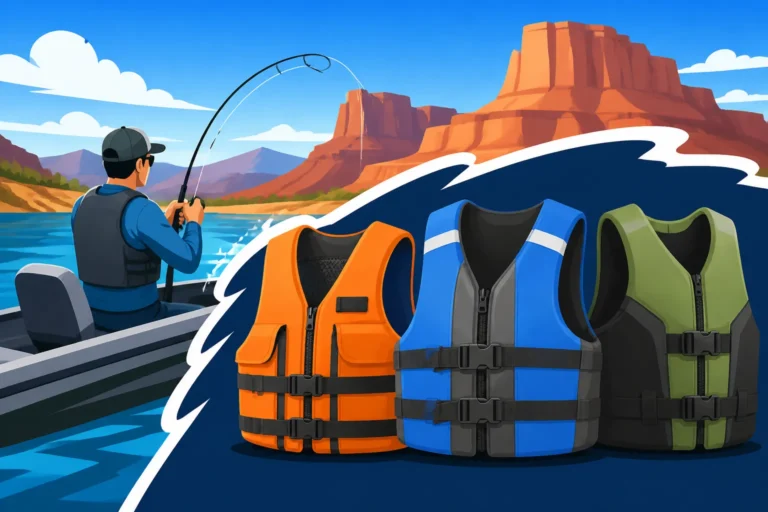
Even on calm waters, things can go wrong unexpectedly. Always approach float tubing with a "safety first" mindset. The single most important piece of safety gear is a properly fitting personal flotation device (PFD), or life jacket. Wear it, don't just stow it. Even though you're in a float tube, accidents can happen, and a PFD can be a lifesaver. You can learn more about specific requirements in our Life Jacket Requirements on a Utah Boat article.
Beyond a PFD, here's a quick checklist of other crucial items:
- Whistle: To signal for help if needed.
- Knife or Scissors: To cut tangled line or release yourself from an obstruction.
- Patch Kit and Small Pump: For on-the-water repairs of minor punctures.
- Dry Bag: To keep your phone, car keys, and any other essential electronics dry.
- Water and Snacks: Dehydration and low blood sugar can impair judgment.
- Sun Protection: Hat, sunglasses, and sunscreen are vital in Utah's intense sun.
- First-Aid Kit: For minor cuts, scrapes, or hook removals.
- Float Plan: Always tell someone where you're going, when you expect to return, and what your backup plan is. This is especially critical if you're fishing alone or in remote areas.
Finally, always be aware of the weather. Winds can pick up rapidly on Utah reservoirs, creating whitecaps that are difficult to navigate in a float tube. If the forecast is for strong winds, it's often better to stay on shore or choose a more sheltered location.
Care and Storage to Maximize Lifespan
Just like any other piece of fishing gear, proper care and storage will significantly extend the life of your float tube. Neglecting it can lead to premature wear, mildew, and costly repairs.
After each use, especially if you've been in murky or salty water (like the Great Salt Lake or Bear Lake's more saline sections), take the time to rinse your float tube thoroughly with fresh water. This removes dirt, algae, and any potentially corrosive elements. Pay special attention to the seams and zippers, ensuring no debris is trapped. The most critical step is to let your float tube dry completely before deflating and storing it. Storing a damp tube is a surefire way to encourage mildew and mold growth, which can degrade the fabric and bladders over time, creating a foul odor. Hang it up or lay it out in a shaded area with good airflow until every surface is dry to the touch. Once dry, deflate it according to the manufacturer's instructions, taking care not to crease the bladders sharply. Store it in a cool, dry place, away from direct sunlight and extreme temperatures, which can damage the materials. If you notice any small punctures, address them immediately with a patch kit; small holes are much easier to fix than large tears.
Legal Considerations: Registration and AIS Inspections
While float tubes are generally considered non-motorized personal watercraft, there are still a few legal points Utah anglers should be aware of. The good news is that, in Utah, float tubes typically do not require registration, unlike most motorized boats and many kayaks or canoes over a certain length. It's always a good idea to double-check current regulations from the Utah Division of Wildlife Resources (DWR) or State Parks, as rules can change. For comparison, you can look at the rules for larger craft in our Do Kayaks Need to Be Registered in Utah? article.
However, one major consideration for all watercraft, including float tubes, is the Aquatic Invasive Species (AIS) program. Utah is very serious about preventing the spread of invasive species like quagga and zebra mussels. If you move your float tube from one body of water to another, especially if you've been on a high-risk water like Lake Powell, you are generally required to "Clean, Drain, and Dry" your vessel. This means:
- Clean: Remove all visible plants, animals, and mud.
- Drain: All water from the bilge, live wells, and lower units.
- Dry: All surfaces thoroughly before launching in a different body of water.
While float tubes don't typically have bilges, ensuring all pockets are dry and there's no standing water is important. Some high-risk waters may require inspection at designated checkpoints before launching or after exiting. Even if you're not explicitly "required" to stop for a float tube, it's always best practice to pull over and get an inspection if you're traveling from one drainage to another, or to follow the Clean, Drain, Dry protocol diligently. Checking our Utah Aquatic Invasive Species Inspection Stations guide can provide more information on specific locations and requirements. Being a responsible angler means doing your part to protect Utah's precious fisheries.
| Float Tube Type | Pros | Cons | Best For Utah Waters |
|---|---|---|---|
| U-Shaped | Easy entry/exit, very stable, often budget-friendly | Slower, more drag, less maneuverable, basic features | Small, calm ponds; sheltered coves; slow-moving rivers; beginners |
| V-Shaped | Faster, more maneuverable, good all-around performance | Moderate stability (less than U-shape), higher cost than basic U-shape | Mid-sized reservoirs (e.g., Scofield, Rockport, Deer Creek); covering more water |
| Pontoon | Highly stable, higher seating, good for choppy water, ample storage | Heaviest, less compact, longer setup/takedown, highest cost | Large, wind-prone lakes (e.g., Bear Lake, Willard Bay, Utah Lake); all-day comfort; serious anglers |
Disclaimer
This article is for general informational purposes only and does not constitute professional advice. Laws, prices and regulations vary by location and change over time. Consult a qualified professional for guidance on your specific situation.