Do Kayaks Need to Be Registered in Utah?
It's incredibly frustrating when you're just trying to enjoy a peaceful paddle on one of Utah's stunning lakes or rivers, but you're constantly second-guessing whether your kayak is legal. The rules around watercraft can feel like a tangled mess of red tape, leaving many of us scratching our heads and worrying about fines. This guide will cut through the confusion and clarify exactly when and why your kayak might need to be registered in Utah, and what other crucial requirements you need to be aware of.
The Basics of Watercraft Registration in Utah: What You Need to Know
Navigating the waters of Utah's boating regulations can sometimes feel more challenging than paddling upstream in a stiff headwind. Before we dive specifically into kayaks, it's helpful to understand the general framework for watercraft registration in our state. Utah's Division of Outdoor Recreation (formerly part of the State Parks) is the primary agency responsible for overseeing these rules, and they've got some pretty clear distinctions that govern who needs to register and who doesn't.
Understanding "Motorized" vs. "Non-Motorized" Craft
At its heart, Utah's registration system often boils down to one key characteristic: whether your watercraft is propelled by a motor. This isn't just about big speedboats; it's about any motor, no matter how small. If your vessel has an engine, electric or gas, attached to it and in use, it typically falls under the "motorized" category. This distinction is critical because it's the primary trigger for requiring registration. A traditional kayak, propelled solely by your paddle power, is considered a non-motorized vessel. But the moment you attach even a tiny electric trolling motor, your kayak's legal status shifts dramatically. It's no longer just a simple paddle craft in the eyes of the law; it's now a motorized vessel, and that brings with it a whole new set of responsibilities.
Who Needs to Register and Who Doesn't
Generally speaking, all motorized vessels operating on Utah's public waters are required to be registered. This includes everything from massive houseboats on Lake Powell to personal watercraft (PWC) and, yes, even a small fishing boat or canoe with an outboard motor. The registration process involves submitting an application, paying a fee, and displaying registration numbers and a decal on your craft. These funds help support critical programs like boating safety education, law enforcement patrols, and the development and maintenance of launch facilities.
On the flip side, most non-motorized vessels do not require traditional registration. This includes canoes, stand-up paddleboards (SUPs), rafts, and the vast majority of kayaks. For years, folks who enjoyed these human-powered crafts could simply launch them without the same paperwork burden as their motorized counterparts. This ease of access has always been a big draw for kayakers and paddleboarders, making it simple to get out on the water for a quick fishing trip or a relaxing cruise. However, as we'll explore, there's a vital other requirement that applies to nearly all vessels in Utah, motorized or not, that often gets confused with registration. Keep this distinction in mind as we move forward. You can find more comprehensive details on general rules in our guide to Utah Boating and Fishing Rules.
Why Registration Matters Even for Small Boats
Even if your kayak doesn't need to be registered, understanding why other vessels do helps underscore the importance of these regulations. Registration helps law enforcement identify vessels in case of an accident or theft. It also provides a way for the state to track the number and type of boats on our waters, which is vital for managing resources, planning infrastructure, and enforcing safety. For those motorized vessels that do require it, failing to register can result in significant fines and legal headaches. It's not just a minor oversight; it's a violation that can sour an otherwise perfect day on the water. Beyond the legalities, proper registration contributes to a safer, better-managed boating environment for everyone. It ensures that there's a system in place to hold owners accountable and to fund the necessary services that keep our waterways accessible and enjoyable.
Do Kayaks Actually Need to Be Registered in Utah? Navigating the Specifics
This is the million-dollar question for many kayak enthusiasts, and the answer, thankfully, is usually simpler than you might think. Most of the time, for the vast majority of kayakers, the answer is a resounding "no" when it comes to traditional boat registration. But, as with anything involving regulations, there are some important exceptions and separate requirements that every Utah paddler needs to be aware of.
The Rule for Human-Powered Kayaks
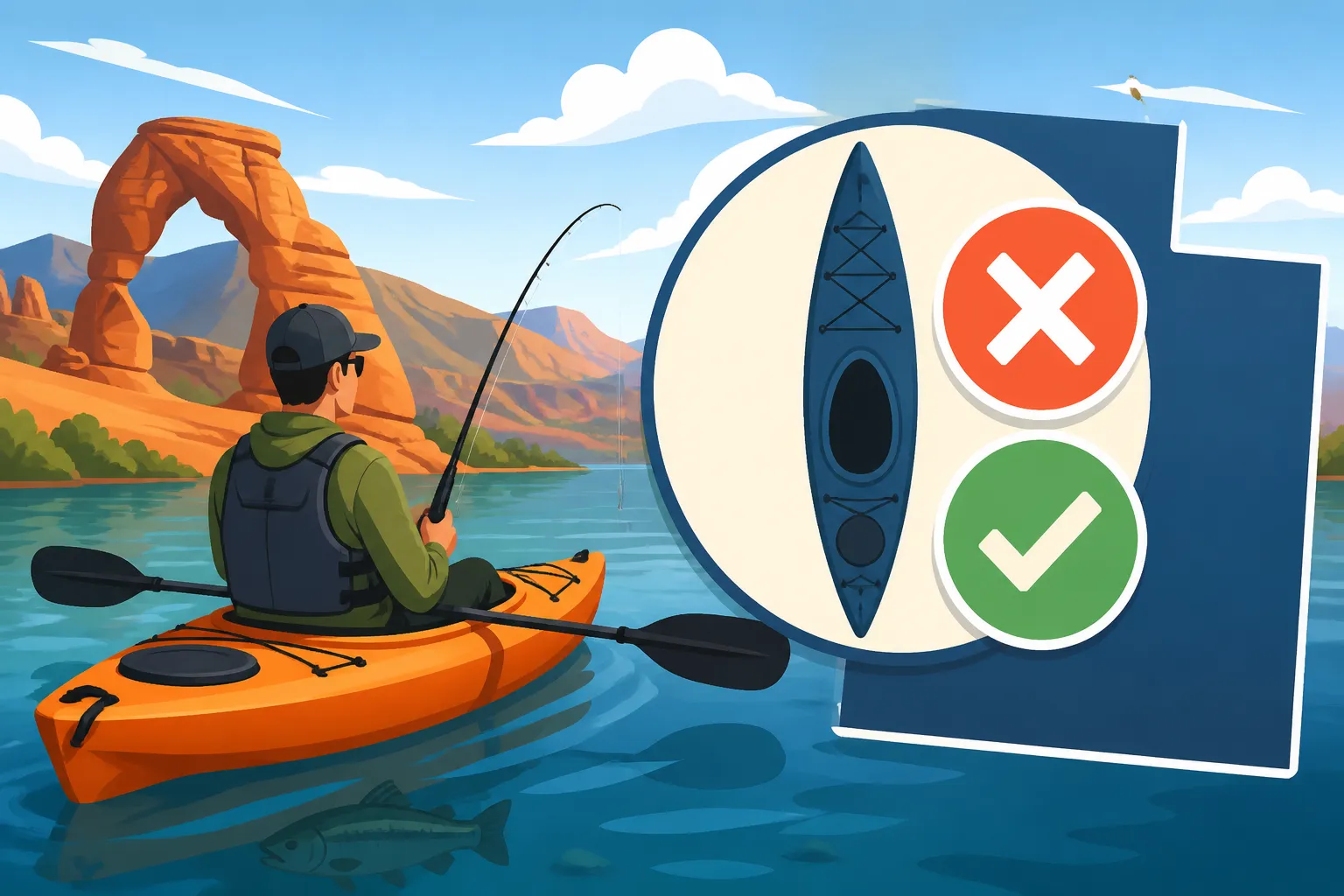
Let's clear this up right away: if your kayak is propelled solely by human power – meaning you're using a paddle, pedals, or even a pole – then it does not need to be registered with the state of Utah. This applies to your recreational sit-on-top kayak, your sleek touring kayak, your inflatable fishing kayak, and even those super-stable pedal-drive fishing kayaks that give your arms a break. The beauty of human-powered craft is their simplicity and freedom from much of the bureaucratic overhead associated with larger boats. You can grab your kayak, your paddle, and your life jacket (which is required, by the way!) and head straight to the water. This exemption is a huge benefit for those who love the quiet, personal connection with the water that kayaking offers, without the added layers of licensing and paperwork that come with motorboat ownership.
When a Kayak Does Need Registration (The Motor Exception)
Here's where the waters get a little muddier, and it's the most common point of confusion. If you attach any motor to your kayak, regardless of its size or power source, it immediately converts your vessel into a "motorized watercraft" in Utah's eyes, and thus, it does need to be registered. This includes:
- Electric Trolling Motors: Even a small, battery-powered trolling motor designed to help you cover more water while fishing or provide a little assistance against a current will trigger the registration requirement. Many anglers equip their fishing kayaks with these motors, especially for larger bodies of water like Utah Lake or Deer Creek Reservoir. If you’re considering adding one, also check out our guide on Do You Need a Trolling Motor for Kayak Fishing on Utah Lake?.
- Gas Outboard Motors: While less common on traditional kayaks, some larger, more stable fishing kayaks or canoes are designed to accept small gas outboards. If your kayak has one, it absolutely needs to be registered.
It doesn't matter if you only use the motor occasionally, or if you also paddle. The presence and capability of motor propulsion are what counts. If you have the motor on board and it's capable of being used, your kayak falls under the motorized vessel category. Think of it this way: the state wants to account for any vessel that can move under its own mechanical power, for safety, enforcement, and resource management purposes.
Hybrid Kayaks and Other Motorized Small Craft
The market for small watercraft has exploded with innovative designs, including "hybrid" kayaks that blur the lines between traditional paddle craft and small boats. Many of these are designed with integrated motor mounts or even come with small electric motors as standard equipment. Regardless of what the manufacturer calls it, if it has a motor, it needs to be registered. This also extends to other small recreational vessels:
- Motorized Paddleboards: Yes, even a stand-up paddleboard with an attached electric motor needs to be registered.
- Motorized Canoes: A canoe with a small trolling motor or gas outboard is also subject to registration.
- Inflatable Boats with Motors: If you put a motor on your inflatable fishing raft, it's a motorized vessel.
The key takeaway is to always assume that if there's an engine involved, no matter how small or how infrequently you plan to use it, registration is a requirement. When in doubt, it's always best to err on the side of caution and check with the Utah Division of Outdoor Recreation.
The Aquatic Invasive Species (AIS) Program: A Separate but Crucial Requirement for Kayakers
Alright, so we've established that most human-powered kayaks don't need traditional registration. Fantastic, right? Well, hold your horses just a moment, because there's another very important requirement that applies to almost all vessels on Utah's waters, including your beloved kayak: the Aquatic Invasive Species (AIS) program. This isn't about registration, but it's often confused with it, and it's absolutely vital for protecting our state's precious waterways.
AIS Fee for Non-Motorized Vessels
Every single vessel that touches Utah's public waters – whether it's a multi-million dollar yacht, a fishing boat, a Jet Ski, or your humble kayak, canoe, or stand-up paddleboard – is required to pay an annual Aquatic Invasive Species (AIS) fee. This fee is used to fund programs aimed at preventing the spread of destructive non-native species like quagga and zebra mussels, which can wreak havoc on ecosystems, clog infrastructure, and essentially ruin our fishing and boating experiences.
For non-motorized vessels like kayaks, this fee translates into purchasing an AIS decal or sticker. This decal must be prominently displayed on your kayak, usually near the bow. It acts as proof that you've contributed to the state's efforts to keep invasive species out of our waters. Think of it as your passport to paddle responsibly. You can usually purchase these decals online through the Utah Division of Outdoor Recreation website, or at authorized vendors like many sporting goods stores (like Bass Pro Shops) or tackle shops. Without this decal, you could face fines, even if your kayak doesn't technically need to be registered. It's a small fee that makes a huge difference in protecting Utah's aquatic resources. Our article on Utah Aquatic Invasive Species Rules for Anglers covers this in more detail.
Why AIS Prevention is So Important for Utah Waters
It's easy to dismiss a small sticker fee, but the threat of aquatic invasive species is no joke in Utah. We've seen firsthand the devastating impact these organisms can have. Quagga mussels, for instance, are highly invasive mollusks that multiply rapidly and attach to everything: boat hulls, docks, pipes, and even native shellfish. They filter huge amounts of water, disrupting the food chain, and can cause immense damage to ecosystems, native fish populations, and water infrastructure. Lake Powell has already seen significant infestations, leading to very strict rules for boaters there.
The state invests heavily in prevention, inspection, and decontamination efforts because the cost of eradicating an established invasive species population is astronomically higher than preventing its introduction. Every kayaker, no matter how small their craft, plays a role in this. A single mussel larva or a piece of invasive plant tangled on a paddle or hull can be enough to start a new infestation in a pristine lake. That's why the AIS program applies to all of us – it's a collective effort to safeguard our fishing, boating, and natural heritage for future generations.
Inspection and Decontamination Rules for Kayaks
While motorboats face more rigorous inspection and decontamination requirements, especially after leaving infested waters, kayakers are not entirely off the hook. All vessels, including kayaks, are subject to inspection at mandatory Utah Aquatic Invasive Species Inspection Stations if you're traveling past them, particularly when leaving high-risk areas like Lake Powell. While a quick visual inspection might be all that's needed for a clean kayak, it's crucial to understand your responsibilities.
The mantra for all boaters, including kayakers, is Clean, Drain, Dry.
- Clean: Remove any visible mud, plants, or debris from your kayak, paddle, PFD, and any gear before leaving the launch area.
- Drain: Pull your drain plug if your kayak has one (many do not), and ensure all water is drained from the hull, livewells, or any compartments.
- Dry: Allow your kayak and gear to thoroughly dry before launching into another water body. Drying kills many invasive organisms. For specific dry times and more stringent rules, especially after Lake Powell, you might want to read How to Dry a Boat Properly to Meet Utah's AIS Rules.
Even if you aren't flagged for a formal inspection, it's your personal responsibility as a steward of Utah's waters to follow these steps every time you move your kayak from one water body to another. It's how we ensure that our smaller, human-powered adventures don't inadvertently contribute to a larger problem. Do Kayaks and Paddleboards Need AIS Inspections in Utah? specifically addresses these types of craft.
How to Comply: Steps for Kayak Owners in Utah
So, you've paddled through the details, and now you're wondering, "Okay, what do I actually do?" Don't worry, complying with Utah's regulations for kayaks is pretty straightforward once you understand the distinctions between traditional registration and the AIS program. It's all about knowing your craft and taking a few proactive steps.
If Your Kayak Needs Registration (Motorized)
If you've equipped your kayak with an electric trolling motor or any other mechanical propulsion, it falls under the same registration requirements as any other motorized vessel. Here’s what you’ll generally need to do:
- Gather Your Documents: You'll typically need proof of ownership (like a bill of sale or manufacturer's statement of origin), your valid ID, and payment for the registration fee.
- Apply for Registration: This can usually be done at a Division of Outdoor Recreation office, select county DMV offices, or sometimes even online. The process is similar to registering a car, just for your boat. They'll issue you a registration card, numerical decals (like "UT-1234-AB"), and an annual renewal decal. You can learn more about costs in our Cost to Register a Boat in Utah article.
- Display Numbers and Decals: The registration numbers (UT-####-XX) must be displayed clearly on both sides of the bow, in block letters at least three inches high, contrasting with the hull color. The annual registration decal needs to be placed within six inches of the registration numbers on the port (left) side.
- Carry Your Registration: Always have your current registration certificate on board your kayak when operating it.
Failing to register a motorized kayak, or not displaying the numbers correctly, can lead to citations and fines. It's a key part of responsible motorized boating.
Getting Your AIS Decal (for All Kayaks)
This step applies to every kayak, motorized or not, that you launch on Utah's public waters. It’s simple, affordable, and absolutely critical for protecting our environment.
- Purchase the Decal: You can buy your non-motorized AIS decal online directly from the Utah Division of Outdoor Recreation website, or in person at many local vendor locations. Sporting goods stores like Bass Pro Shops or even smaller local tackle shops often sell them. Amazon is also a great place to find basic kayak safety gear, though not the official decals themselves.
- Display the Decal: Once you have it, simply affix the decal to a visible spot on the bow or stern of your kayak. The idea is that it should be easily seen by wildlife officers.
- Annual Renewal: Remember, this is an annual fee, so you'll need to purchase a new decal each year.
This small step ensures you're contributing to a massive effort to protect Utah's beautiful aquatic environments. Without it, you’re not only risking a fine but also potentially undermining crucial conservation work.
Best Practices for All Kayakers
Even if your kayak doesn't require traditional registration, and you've got your AIS decal proudly displayed, there are still some fundamental best practices that every responsible kayaker should follow to ensure safety and compliance:
- Life Jackets (PFDs): This isn't optional. Everyone on board a kayak must have a readily accessible, properly fitted, US Coast Guard-approved Personal Flotation Device (PFD). Children 12 years old and younger must wear their PFDs at all times while on board any vessel underway.
- Lights at Night: If you're out on the water between sunset and sunrise, or during periods of restricted visibility, you need to display a white light visible from all directions. A simple headlamp or a 360-degree white light attached to your kayak will do the trick.
- Whistle or Horn: All vessels, including kayaks, are required to have a sound-producing device on board to signal intentions or alert others in emergencies. A simple whistle tied to your PFD is usually sufficient.
- "Clean, Drain, Dry": Revisit this mantra constantly. Always clean your kayak, paddle, and gear thoroughly, drain any water, and let everything dry completely between trips to different bodies of water. This is your personal frontline defense against invasive species.
- Know the Rules: Water-specific regulations can vary. For instance, some lakes might have speed limits or restrictions on certain types of bait for anglers. Always check the local rules for the specific body of water you plan to visit. Our "Best Places to Fish in Utah" hub and individual lake guides are great resources.
- Check Weather Conditions: Kayaks are vulnerable to wind and sudden storms. Always check the forecast before heading out, and be prepared to get off the water if conditions deteriorate.
By following these guidelines, you're not just avoiding potential fines; you're becoming a responsible steward of Utah's incredible outdoor resources. It ensures that everyone can continue to enjoy the peace and adventure that kayaking offers, knowing that our waters are safe and protected.
Disclaimer
This article is for general informational purposes only and does not constitute professional advice. Laws, prices and regulations vary by location and change over time. Consult a qualified professional for guidance on your specific situation.