Gear You Need to Fish From a Float Tube in Utah
There's nothing quite like the feeling of being right in the heart of the action on a tranquil Utah lake or reservoir, surrounded by stunning scenery, yet being able to move stealthily through the water. That's the magic of float tube fishing! However, if you've ever tried to piece together a float tube setup, you know how quickly confusion can set in. What kind of tube do you need? What about fins? And what gear can you actually bring with you? This guide is here to cut through the noise, helping you understand exactly what gear is essential for a safe, comfortable, and successful float tube fishing adventure in Utah.
Your Essential Float Tube Setup: Getting Afloat
Embarking on a float tube adventure means first and foremost, having the right float tube and the means to power it. It's more than just a glorified inner tube; these specialized vessels are designed for stability, comfort, and carrying just enough gear to make your day on the water productive.
Choosing the Right Float Tube
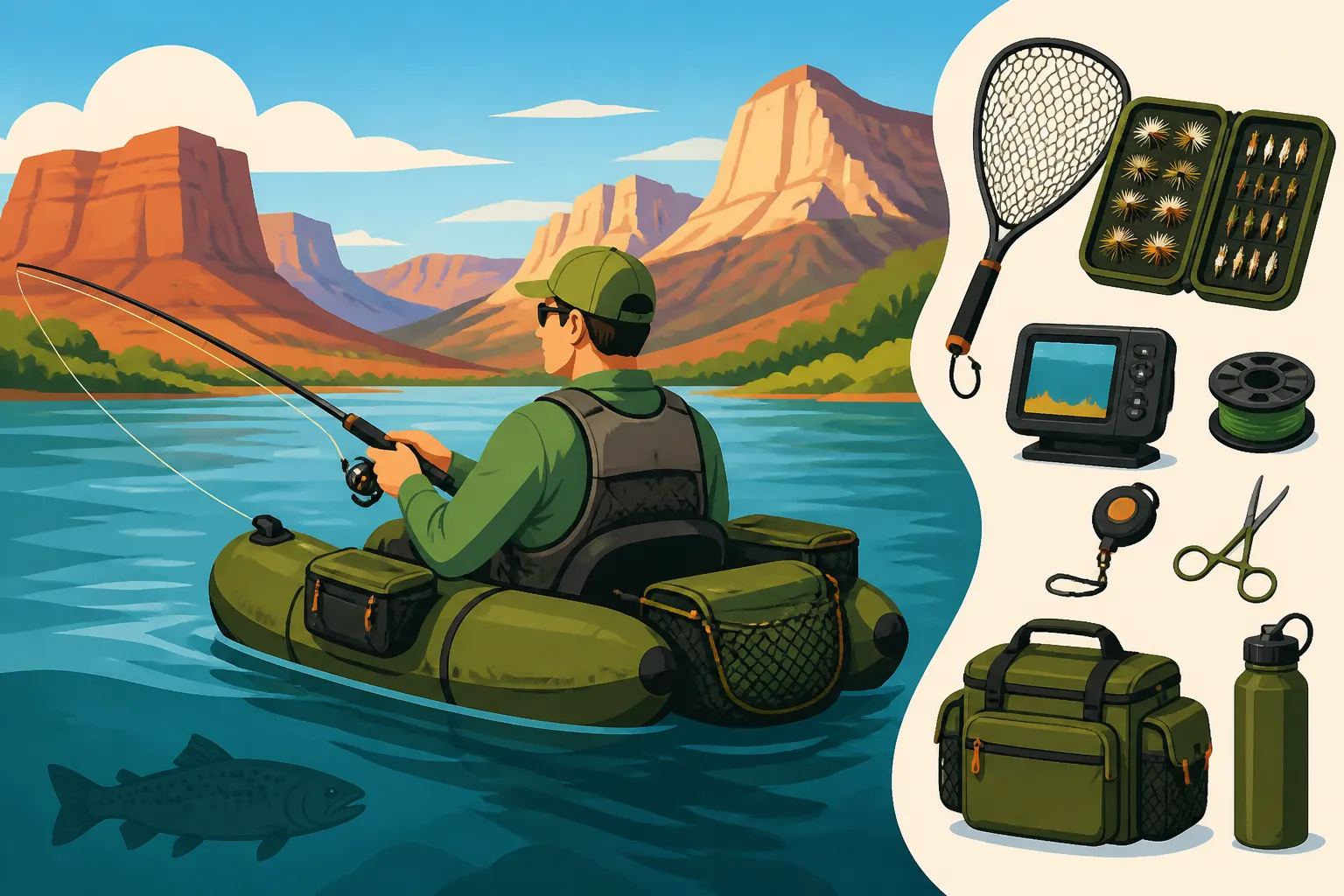
When it comes to the float tube itself, you'll encounter a few different designs, each with its own benefits. The "U-shaped" and "V-shaped" tubes are perhaps the most common, offering an open front that makes entry and exit a breeze, especially if you're launching from shore or a shallow bank. This design also positions your legs forward, making finning more efficient. Then there are the "pontoon-style" float tubes, which resemble miniature inflatable boats. These often provide more storage space and a slightly higher riding position, keeping you a bit further out of the water, which can be a blessing on chillier days.
Consider the material – durable PVC or urethane-coated nylon are common choices, designed to withstand punctures from errant hooks or brushes with submerged branches. Pay close attention to the number of air bladders; tubes with multiple bladders offer a crucial safety net. If one bladder gets a leak, you still have buoyancy from the others to get you back to shore. Storage capacity is another big one: look for pockets, D-rings, and attachment points for your various accessories. You'll be surprised how quickly a few tackle boxes, a water bottle, and a camera can fill up your limited space. Many anglers start their search for reliable tubes at popular retailers like Bass Pro Shops, which often stock a good range for beginners and seasoned float tubers alike.
Fins for Propulsion
Without an engine, your legs, powered by a good set of fins, become your motor. This is where many newcomers realize that not just any swimming fins will do. You're looking for fins specifically designed for float tubing or wading. These are typically shorter and wider than snorkeling fins, providing powerful thrust with less effort, which is critical for moving around all day.
You'll generally find two types: strap-on and full-foot. Strap-on fins are designed to be worn over wading boots, which you'll almost certainly be wearing in Utah's often chilly waters. They usually have adjustable straps for a secure fit. Full-foot fins are worn directly on your feet and are more common if you're fishing in warmer climates or without waders. For Utah, especially in spring and fall, strap-on fins over sturdy wading boots are almost a necessity. Make sure they fit snugly but comfortably over your boots – blisters are no fun when you're miles from shore. The right fins make all the difference, transforming tiresome kicking into effortless gliding across the water. For more specialized options, many anglers turn to online retailers like Amazon to explore different brands and styles of float tube fins. You can find more specific advice in a guide like Best Fins for a Float Tube in Stillwater Fishing.
Air Pump: Manual or Electric?
You can't fish from an uninflated tube, right? An air pump is an absolute must-have. While a manual foot or hand pump is reliable and doesn't require batteries, it can be a workout, especially if you're inflating a larger tube. Electric pumps, powered by a car's 12V outlet or a portable battery pack, are a fantastic convenience, getting you on the water much faster with minimal effort.
If you opt for an electric pump, always carry a manual backup. Batteries can die, and connections can fail, leaving you stranded with a deflated vessel. Many anglers carry a small, compact manual pump even if their primary is electric, just for peace of mind. Make sure your pump has the right adapter nozzles for your float tube's valves. Having a fully inflated tube is not just about comfort; it's about safety and optimal performance on the water.
Personal Comfort and Safety: Staying Safe and Warm
Being out on the water, even on a calm day, means being prepared for unexpected conditions. Safety isn't an afterthought when float tube fishing; it's paramount. Furthermore, Utah's waters can be surprisingly cold, even in summer, so staying comfortable is key to enjoying your time.
Waders and Wading Boots
Float tubing generally means your lower half is submerged in the water, sometimes up to your chest, so waders are non-negotiable for most of the year in Utah. The choice typically comes down to neoprene or breathable waders. Neoprene waders are fantastic for warmth, perfect for icy spring mornings or late fall trips when water temperatures plummet. They provide excellent insulation but can be bulky and hot if the air temperature rises. Breathable waders, on the other hand, are lighter and more comfortable in warmer weather, allowing perspiration to escape. However, they offer minimal insulation, so you'll need to layer up underneath with fleece or wool if fishing in colder conditions.
Regardless of the type, choose stockingfoot waders, which require separate wading boots. These boots offer crucial ankle support, protect the wader's neoprene sock, and, most importantly, provide a sturdy platform for your fins. Ensure the boots fit well over your wader socks and are comfortable with your fins strapped on. It's a fine balance between warmth, comfort, and mobility. You can learn more about specific types in a resource like Best Waders for Cold Provo River Water.
Personal Flotation Device PFD
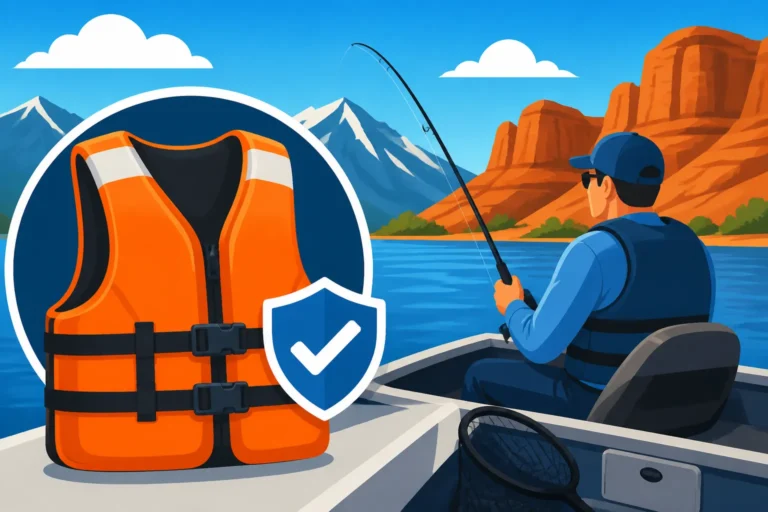
This is not optional. A Personal Flotation Device (PFD), or life jacket, is arguably the most important piece of safety gear you'll carry. Even experienced swimmers can get into trouble quickly due to cold water shock, entanglement, or an unexpected capsize. Modern PFDs are designed to be comfortable and non-restrictive, so there's no excuse not to wear one.
You have choices: a traditional foam vest or an inflatable PFD. Foam vests offer inherent buoyancy and require no action from the wearer. Inflatable PFDs are less bulky but require either manual activation (pulling a cord) or automatic inflation upon submersion. Whichever you choose, make sure it's U.S. Coast Guard approved and fits snugly. Wearing your PFD the entire time you're on the water is a habit that could save your life. For more detailed information, check out Life Jacket Requirements on a Utah Boat.
Appropriate Clothing and Sun Protection
Layering is your best friend when fishing in Utah, especially in a float tube. Start with a moisture-wicking base layer, add insulating layers like fleece or wool, and top it off with a waterproof and windproof outer shell. Even on sunny days, the temperature can drop quickly, and you'll appreciate the ability to add or shed layers.
Don't forget sun protection! Being low to the water means you're exposed to both direct sunlight and reflective glare. A wide-brimmed hat, sunglasses (polarized are a huge plus for spotting fish and structure), and sunscreen are non-negotiable. Long-sleeved shirts with UPF protection are also highly recommended. Remember, even cloudy days allow UV rays through.
Fishing Tackle for Float Tubing: Optimized for Your Craft
Your float tube may offer unparalleled access to prime fishing spots, but it also dictates a more minimalist approach to your tackle. Space is limited, and every item should serve a purpose.
Rod and Reel Selection
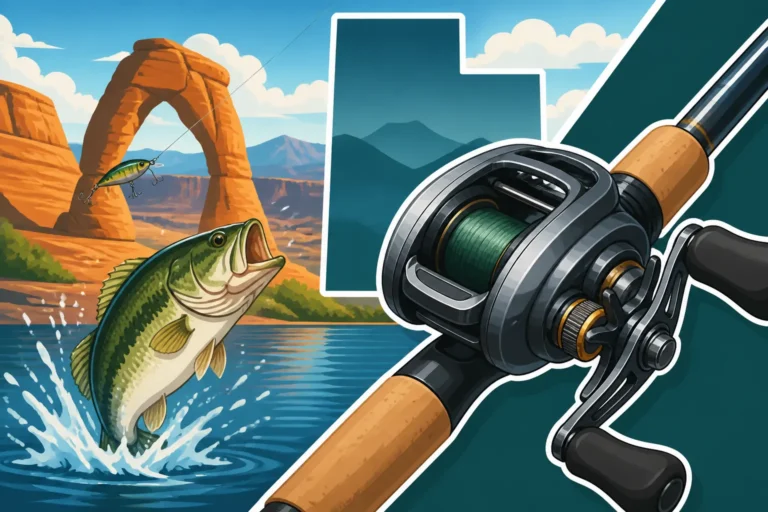
When float tubing, a shorter fishing rod is generally more manageable. Rods between 5'6" and 6'6" are often ideal, as they reduce the chance of tip-offs hitting the water or snagging on your tube, all while providing plenty of casting power. A medium-light to medium action rod is versatile enough for most trout, bass, and panfish you'll encounter in Utah's reservoirs and lakes. For spin fishing, a spinning reel in the 1000 to 2500 size range will balance well with these shorter rods. If you're a fly angler, a 5- or 6-weight fly rod, again on the shorter side, is often perfect.
The key is balance and comfort. You'll be making a lot of casts from a seated position, so a setup that feels good in your hands and minimizes fatigue is crucial. For more insights on rod choices, take a look at Best Rod Size for Utah Trout.
Fishing Line and Lures/Flies
Match your fishing line to your target species and the water you're fishing. For general trout fishing, 4-6 pound test monofilament or fluorocarbon is a common choice. If you're targeting larger species like bass or wiper, you might bump up to 8-10 pound test, perhaps with a braided mainline and a fluorocarbon leader. Fluorocarbon's low visibility and abrasion resistance make it a popular choice for clear waters. For specific guidance on line strength, consider reading Best Pound Test Line for Utah Stocked Trout.
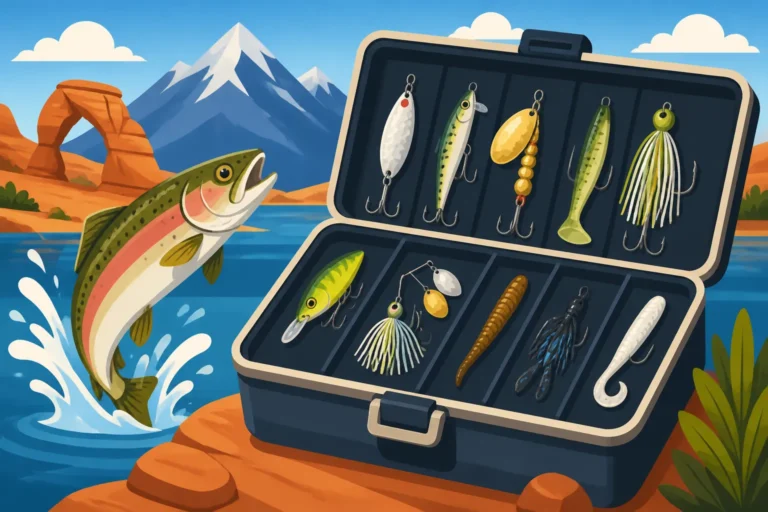
Lure and fly selection also needs to be streamlined. You simply can't bring your entire tackle box. Focus on a versatile selection of your most productive lures or flies. For trout, consider small spoons, spinners, soft plastics, and PowerBait. For bass, jigs, small crankbaits, and soft plastic worms are often effective. Fly anglers should pack a diverse fly box with nymphs, dry flies, and streamers appropriate for the season and expected hatches. Remember, compact tackle boxes that fit securely into your tube's pockets are your best friends. For ideas on what to pack, Lures Every Beginner's Tackle Box Needs offers some great suggestions.
Compact Tackle Storage and Landing Net
Since space is at a premium, organization is key. Opt for small, waterproof tackle boxes or soft-sided tackle bags that can be easily stowed in your float tube's pockets or strapped to D-rings. Pre-rigging a few leaders or having a small leader wallet can also save valuable time and frustration on the water.
A landing net is another crucial item, especially when practicing catch and release. A net with a rubberized, knotless mesh is ideal, as it's gentler on fish, reducing slime removal and fin damage. Look for a compact, collapsible net that can be easily clipped to your tube or kept within arm's reach. Trying to land a lively trout or bass by hand while balancing in a float tube can lead to dropped fish, lost lures, or even a tumble into the water. A good net makes the process smooth and safe for both you and the fish. For more on this topic, see Best Net Size for Catching Utah Trout.
Navigating and Additional Accessories: Enhancing Your Float Tube Experience
Once you've covered the essentials, a few extra items can significantly enhance your float tube fishing experience, making it safer, more comfortable, and more effective.
Anchor System: Staying Put
There's nothing more frustrating than finding a perfect fishing spot, only to be constantly drifted away by a gentle breeze or current. A small, lightweight anchor system is invaluable for float tube fishing. A foldable grapnel anchor (usually 1.5 to 3 pounds) with about 50 feet of sturdy rope and a small buoy or float attached can be easily deployed and retrieved.
The buoy is important because if you have to quickly release your anchor (say, in an emergency or when fighting a big fish), you can mark its location and retrieve it later. Always use an anchor trolley or a dedicated anchor cleat to manage your anchor line safely, preventing it from getting tangled around your feet or the tube itself. This allows you to position your tube exactly where you want it and stay there. For alternative anchoring ideas, check out Best Anchor Style for a Kayak on Utah Lake.
Optional Electronics: Fish Finders and GPS
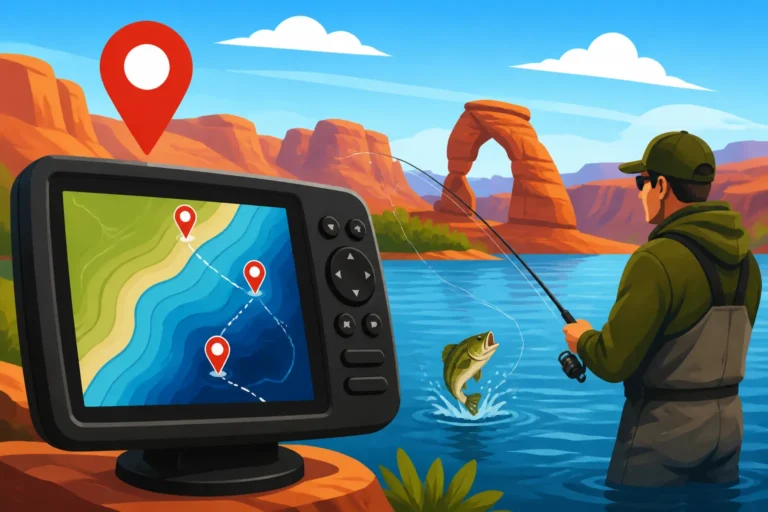
While not strictly necessary, a small, portable fish finder can be a game-changer for float tube anglers. These compact units can help you locate structure, identify fish, and understand water depth and temperature, giving you a significant advantage. Many models come with transom-mount transducers that can be easily adapted to clip onto your float tube, and some even feature wireless transducers that cast out like a bobber.
Pairing a fish finder with a handheld GPS unit (or a fishing app on your phone with downloaded maps) allows you to mark productive spots and navigate back to them later. Remember, if you bring electronics, you'll need a small, waterproof battery to power them, and ensuring its longevity through the day is key. Portable power stations or smaller, purpose-built fishing batteries are common choices. Check out Battery Setup to Power a Fish Finder on a Kayak for more on portable power. Always ensure your electronics are stored in waterproof bags or cases when not in use.
Repair Kit and Emergency Essentials
A small repair kit for your float tube is a smart addition. This usually includes patch material and a strong adhesive, specifically designed for inflatable PVC or urethane. A small leak, though rare, can ruin a day and potentially put you in a tough spot.
Beyond the repair kit, always carry a few basic emergency essentials. A whistle or air horn (many PFDs come with one) is crucial for signaling for help. A small first-aid kit, a headlamp or flashlight (even for daytime trips, just in case you stay out longer than planned), and a fully charged cell phone in a waterproof case are also highly recommended. Don't forget plenty of water and a few snacks, especially if you plan to be out for several hours. Being self-sufficient is part of the float tube angler's ethos.
Disclaimer
This article is for general informational purposes only and does not constitute professional advice. Laws, prices and regulations vary by location and change over time. Consult a qualified professional for guidance on your specific situation.