Best Tackle Boxes for Utah Anglers
There’s nothing quite like the feeling of gearing up for a day out on a Utah lake or river, anticipating that first bite. But let's be honest, that excitement can quickly turn to frustration when you're fumbling through a chaotic mess of lures, tangled lines, and rusty hooks, desperately trying to find that one specific jig you know will work. This guide is dedicated to helping you choose the best tackle boxes and organizational systems, so your gear is always ready for whatever Utah's diverse fishing opportunities throw your way.
Why Your Tackle Box Matters More Than You Think in Utah
It might seem like just a container, but your tackle box is actually a critical piece of your fishing arsenal, especially when you're tackling the varied waters of Utah. From the high mountain lakes to the vast reservoirs, a well-chosen tackle box isn't just about carrying your stuff; it's about efficiency, protection, and frankly, maintaining your sanity on the water.
The Frustration of Disorganization on Utah Waters
Picture this: you're out on Strawberry Reservoir, the kokanee salmon are boiling, and you need to switch from a trolling spoon to a jig, fast. But instead of a quick change, you're digging through a jumbled mess of crankbaits, hooks, and half-eaten PowerBait, your line getting tangled with every frantic search. The fish move on, and you're left with a knot in your stomach and a bigger one in your leader. We’ve all been there, right? That moment when you miss a crucial bite because your gear isn't where it should be is maddening.
It’s not just about missing fish, either. A disorganized tackle box wastes precious fishing time, plain and simple. Imagine trying to tie a new fly on the Provo River while juggling a dozen different patterns, only to drop your favorite Caddis nymph into the swift current. Or perhaps you're on Utah Lake, targeting walleye, and you need a specific crankbait for a twilight bite, but it's buried under a pile of soft plastics you haven't used in months. This disarray doesn't just impact your fishing; it diminishes the entire experience, turning what should be a relaxing outing into a stressful treasure hunt. Good organization means less fumbling and more focused fishing, allowing you to react quickly to changing conditions and make the most of your time on the water.
Protecting Your Gear from Utah's Elements
Utah's climate is nothing if not varied, and your tackle box needs to be ready for anything. Think about the scorching summer sun reflecting off Lake Powell, heating your soft plastics into a sticky, melty mess. Or the sudden afternoon thunderstorms that can roll in over Jordanelle Reservoir, soaking everything that isn't properly sealed. Then there's the biting cold of a winter ice fishing trip, where brittle plastics can crack and metal components can rust if exposed to moisture and freezing temperatures.
Beyond the obvious weather challenges, there's also the constant exposure to dust, boat spray, and general grit that comes with outdoor adventures in our beautiful state. A flimsy tackle box might not survive a single season of being tossed in the back of a truck, bumped around in a boat, or dragged across rocky shorelines. Protecting your investment – those carefully selected lures, expensive reels, and sensitive terminal tackle – is paramount. A durable, often waterproof or at least highly water-resistant, tackle box shields your gear from these harsh realities, preventing rust, fading, and damage that can render your beloved tackle unusable long before its time.
Types of Tackle Boxes Suited for Utah's Diverse Fishing
Just as Utah offers an incredible variety of fish species and fishing environments, there's a tackle box designed for nearly every scenario. Understanding the different types available will help you match your storage solution to your angling adventures, ensuring you're always prepared, whether you're chasing trophy trout or casting for bass.
Traditional Hard-Sided Boxes for Durability and Value
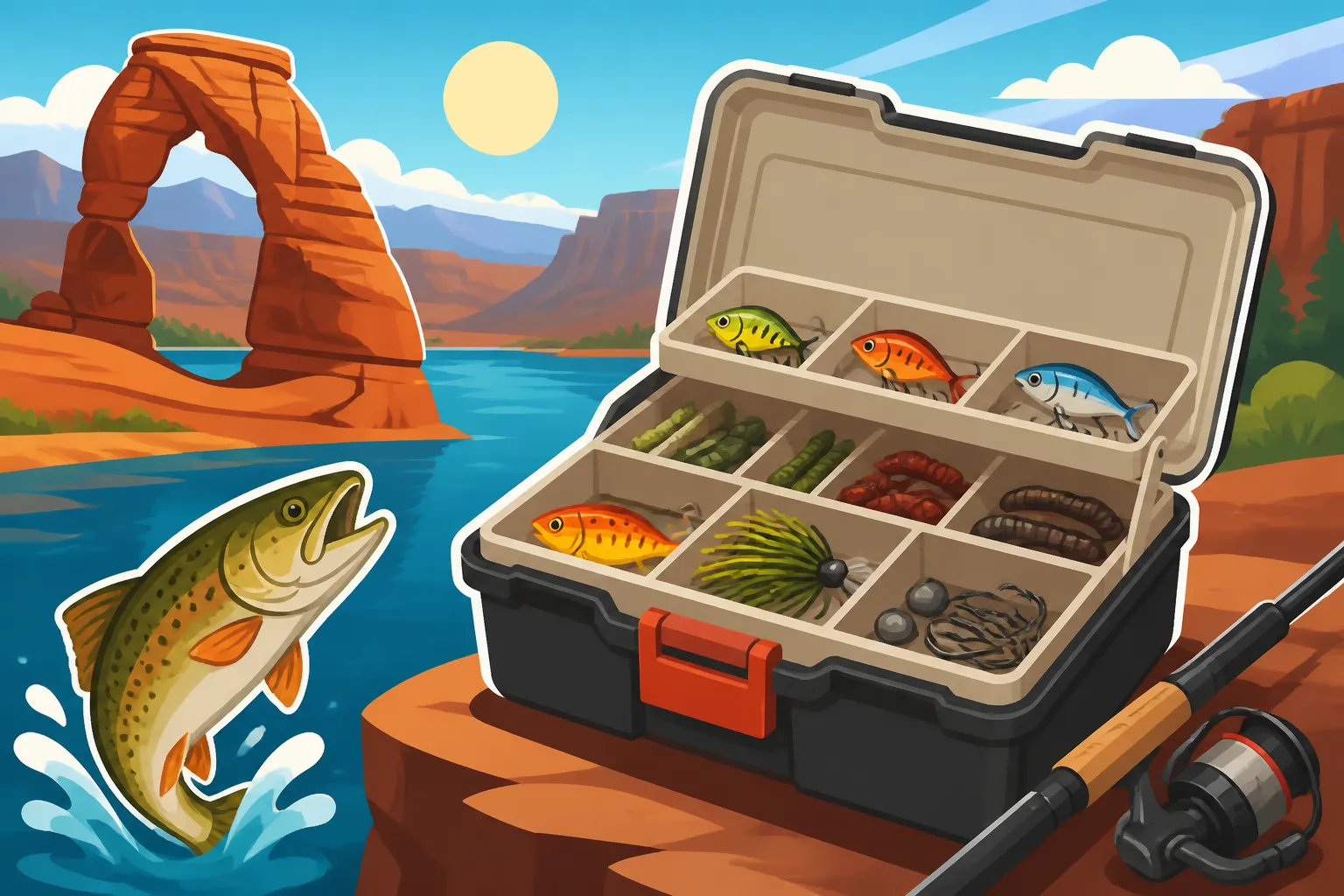
The classic, hard-sided tackle box is probably what comes to mind for most anglers, and for good reason. These boxes, often made of durable plastic, are workhorses in the fishing world. They typically feature a large main compartment with several cantilevered trays that swing open, revealing multiple smaller sections. This design makes it easy to see and access a wide array of lures, hooks, and weights at a glance, without having to dig. Brands like Plano have built their reputation on these sturdy, reliable options, offering everything from compact single-tray designs to massive multi-tier boxes capable of holding an impressive amount of gear.
Hard-sided boxes excel in situations where sheer volume and protection are key. If you primarily fish from a boat on large reservoirs like Flaming Gorge or Willard Bay, a spacious hard-sided box can comfortably store all your trolling spoons, crankbaits, and heavy terminal tackle. They’re also a fantastic choice for bank fishing, where they can often double as a sturdy seat, keeping you off the cold or wet ground. While they might not be the most portable option for long treks, their robust construction means they can withstand being knocked around, dropped, or stacked, safeguarding your gear from impacts. The rigid exterior provides excellent protection against crushing, making them ideal for storing delicate items like fishing electronics or spare reels, especially when traveling to your favorite fishing spots. Plus, many models offer decent water resistance, keeping splashes and light rain from ruining your gear.
Soft-Sided Tackle Bags for Portability and Customization
For anglers who value versatility and portability, soft-sided tackle bags have become incredibly popular. These bags are often made from heavy-duty nylon or polyester and are designed to hold multiple plastic utility boxes (like those from Bass Pro Shops or similar brands), which can be swapped out depending on what you're fishing for. Think about heading to the Provo River for some fly fishing; you can grab your utility box specifically for nymphs and dry flies, leaving your bass jigs at home. This modularity is a game-changer for streamlining your gear.
Soft-sided bags truly shine when you need to be mobile. They're perfect for wading rivers, kayaking, or fishing from shore where you might be moving along a stretch of water. Many feature comfortable shoulder straps, multiple exterior pockets for quick access to essentials like pliers, sunscreen, or a camera, and even dedicated slots for fishing rods. Because they're less rigid than their hard-sided counterparts, they can often be packed into tighter spaces in a kayak or a small boat. The material offers some flexibility, allowing them to conform to awkward storage areas. Furthermore, the external pockets are often incredibly useful for quick-grab items such as a Utah Fishing License Guide, a small first-aid kit, or extra spools of line. Look for models with reinforced bottoms and corrosion-resistant zippers if you plan on frequent use in damp conditions, as this will greatly extend the life of the bag and protect its contents.
Backpack-Style Tackle Systems for Mobile Anglers
When your fishing adventure involves hiking into remote areas, like the high Uinta Lakes, a backpack-style tackle system is your absolute best friend. These innovative bags combine the convenience of a backpack with the specialized storage of a tackle box, allowing you to carry all your essential gear hands-free over varied terrain. They're built for mobility, offering ergonomic designs that distribute weight comfortably, often featuring padded shoulder straps and back panels, and sometimes even a chest strap for added stability.
Backpack-style systems typically come equipped with several utility boxes, just like soft-sided bags, but also boast numerous pockets, tool holders, and sometimes even built-in rod holders. This design makes them ideal for anglers who embrace the journey as much as the fishing itself. Imagine a strenuous hike to a pristine alpine lake; with a tackle backpack, your hands are free for trekking poles, scrambling over rocks, or simply enjoying the scenic vistas. They're also fantastic for river anglers who wade long stretches, allowing them to carry extra clothing, snacks, water, and specialized fly boxes without bulky hand-carried containers. Some higher-end models even include hydration bladder compatibility, making them perfect for those long summer days in the Utah wilderness. For anyone exploring the more remote Uinta Mountains High Lakes Fishing opportunities, this style of tackle carrier is practically a necessity.
Here's a quick comparison of the main types to help you decide:
| Tackle Box Type | Pros | Cons | Best Use Cases in Utah |
|---|---|---|---|
| Hard-Sided Box | Highly durable, crush-proof, good value | Less portable, bulky, can be heavy | Boat fishing, pier fishing, bank fishing with lots of gear, secondary storage at home. |
| Soft-Sided Bag | Portable, modular with utility boxes, flexible | Less crush protection, can absorb water | Kayak fishing, float tubing, short bank fishing trips, fly fishing where multiple tackle boxes are needed. |
| Backpack System | Hands-free, excellent for hiking, comfortable | Can be heavy when fully loaded, higher cost | Hiking to remote lakes, river wading, long treks to fishing spots, multi-day fishing trips. |
Key Features to Look For in a Utah-Ready Tackle Box
Choosing the right tackle box isn't just about picking a type; it's about evaluating the specific features that will serve you best in Utah's diverse fishing environments. From the materials that stand up to our rugged landscapes to the organizational layouts that keep your Best Lures for a Utah Tackle Box ready for action, every detail matters.
Material and Durability: Standing Up to Utah's Rugged Outdoors
When you're out fishing in Utah, your gear takes a beating. That's why the material of your tackle box is paramount. For hard-sided boxes, look for high-impact resistant plastics, often molded with thick walls and reinforced corners. These materials are crucial for enduring drops on rocky shorelines, impacts from other gear in a boat, and the general wear and tear of outdoor life. Exposure to intense UV rays, especially at higher altitudes or on large, reflective water bodies like Lake Powell, can degrade cheaper plastics over time, making them brittle and prone to cracking. A good quality hard box will resist UV damage, maintaining its structural integrity season after season.
For soft-sided bags and backpacks, durability comes down to the fabric. Heavy-duty denier nylon or polyester are common choices, often treated for water resistance. Think about mud, sand, and boat spray – these fabrics need to be tough enough not to tear or fray, and resistant enough to shed water rather than soak it in. Look for robust stitching, especially at stress points like handles and strap attachments, and consider models with a reinforced, often waterproof, bottom. This feature is a lifesaver when you set your bag down on a wet bank or a damp boat deck, preventing moisture from seeping into your precious tackle. Corrosion-resistant zippers are also key, as standard metal zippers can seize up quickly after exposure to water and grit, rendering pockets useless. Many brands, including those found on Amazon, offer these enhanced features designed to prolong the life of your gear in demanding conditions.
Storage and Organization: Keeping Utah-Specific Tackle Accessible
Having a tackle box is one thing; having one that actually helps you stay organized is another. The interior layout and organizational features are critical for any Utah angler facing a variety of species and techniques. Adjustable dividers in utility boxes are non-negotiable. They allow you to customize compartments to fit everything from tiny midge flies for the Green River to large swimbaits for tiger muskie at Pineview Reservoir, preventing everything from getting jumbled together. Clear lids on these utility boxes are also incredibly helpful, letting you quickly identify what's inside without opening every single box.
Think about the specific types of tackle you use. Do you primarily fish with jigs? Look for boxes with specialized jig compartments or foam inserts. Are you a fly angler? You’ll want dedicated fly boxes that fit snugly into a larger bag or vest. Terminal tackle – hooks, weights, swivels – needs its own secure, often smaller, compartments to prevent them from scattering and getting lost. Some tackle boxes even feature built-in leader dispensers or tool holders for pliers and clippers, keeping your essential tools right where you need them for quick access. This level of thoughtful organization means you spend less time searching and more time fishing, allowing for swift lure changes when the bite is hot or when you're adapting to new conditions, such as moving from deep water to shallows for Utah Bass Fishing Techniques.
Portability and Comfort: From Boat to Bank to Backcountry
How you carry your tackle box is just as important as what you carry in it, especially given the diverse access points and terrains of Utah's fishing spots. If you're primarily fishing from a large boat, portability might mean sturdy, comfortable handles for easy transfer from your truck to the boat, and a relatively compact footprint to fit in storage compartments. However, for most other Utah fishing scenarios, comfort and ease of transport are paramount.
For soft-sided bags, look for padded shoulder straps that distribute weight evenly, making a loaded bag much more manageable for walks along the bank or short hikes. Backpack-style systems take this a step further, with advanced suspension systems, hip belts, and chest straps designed to make long treks to remote waters, such as those in the Uinta Mountains, as comfortable as possible. Consider the overall weight of the empty box, and then factor in the weight of your gear. A lightweight, ergonomic design can make a huge difference in your energy levels at the end of a long day. If you're considering a float tube or kayak, look for designs that are streamlined and won't snag, often with attachment points or bungee cords to secure them to your craft. Ultimately, a tackle box that's a pain to carry will often get left behind, limiting your fishing opportunities.
Specialized Tackle Box Needs for Different Utah Fishing Styles
Utah's vast angling landscape means that one tackle box simply won't cut it for every situation. A dedicated ice angler has very different needs than a fly fisher on a mountain stream. Let's delve into what makes a tackle box truly specialized for some of Utah's most popular fishing styles.
Tackle Boxes for Utah's Reservoir and Lake Anglers
When you're fishing Utah's expansive reservoirs like Strawberry, Deer Creek, or Flaming Gorge, you're often dealing with bigger water, bigger fish, and therefore, bigger tackle. This usually means a need for a larger capacity tackle box. Many reservoir anglers prefer multi-tray hard-sided boxes or large soft-sided bags that can hold several oversized utility boxes. These allow you to store a wide variety of crankbaits, trolling spoons, large soft plastics, and heavy jigging spoons used for species like lake trout, walleye, or kokanee salmon.
Storage for these larger lures is crucial. You don't want hooks constantly tangling or snapping off delicate diving bills. Look for deep compartments or utility boxes specifically designed for bulkier items. If you troll, you might have multiple downrigger weights, planer boards, and specialized leaders that need their own space. Additionally, boat anglers often appreciate tackle boxes that are designed to stack neatly, or those with non-slip feet to prevent them from sliding around on a wet deck. Some larger bags might even have dedicated external pockets for rod holders or a place to stash a small portable fish finder battery. Staying organized on a boat means less clutter and a safer environment, allowing you to focus on Utah Trolling Techniques for Lake Trout without distraction.
Tackle Solutions for Utah's River and Stream Fly Fishers
Fly fishing on Utah's legendary rivers like the Provo, Green, or Weber requires a completely different approach to tackle organization. Here, portability, quick access, and protection for delicate flies are paramount. Traditional bulky tackle boxes are almost entirely out of the question. Instead, fly fishers typically rely on a combination of small, specialized fly boxes and wearable gear like chest packs, sling packs, or small backpacks.
Fly boxes themselves come in various styles – from classic foam-lined designs that hold individual flies securely, to clear-lidded boxes that allow you to quickly identify patterns. Anglers often carry multiple fly boxes, categorized by fly type (e.g., nymphs, dry flies, streamers) or even by hatch. These smaller boxes then fit into a chest pack, which keeps essential items like tippet, nippers, floatant, and a hook sharpener within arm's reach while wading. Sling packs offer similar benefits but are worn over one shoulder, swinging to your front for access and then out of the way when casting. Backpacks become necessary for longer outings or when fishing remote sections, allowing space for extra layers, food, water, and perhaps a Best Fly Rods for the Provo River breakdown. The key here is minimalistic efficiency: carry only what you need, and make sure it’s easily accessible so you can focus on How to Fly Fish the Provo River.
Ice Fishing Tackle Boxes for Utah's Winter Wonderland
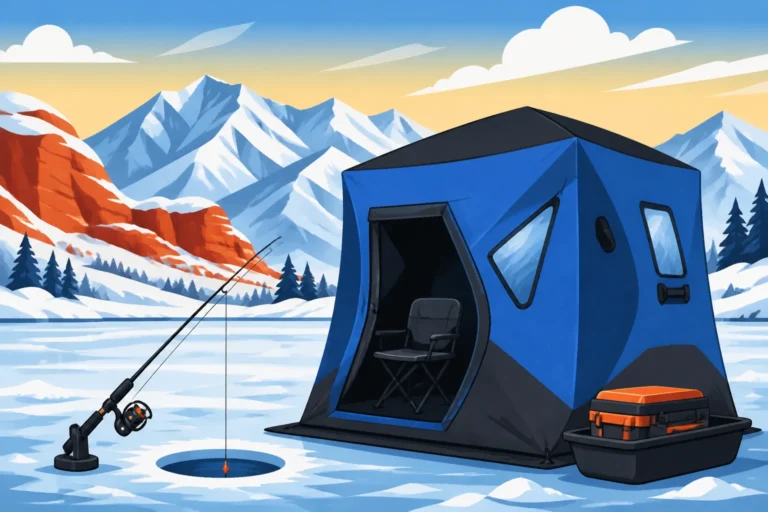
Ice fishing in Utah is a unique experience, whether you're on Scofield, Pineview, or Strawberry Reservoir. The cold, often windy conditions, and the specific tackle used demand specialized storage solutions. Ice fishing tackle boxes need to be robust enough to handle freezing temperatures without cracking and designed to keep your gear accessible, even when wearing heavy gloves. Many ice anglers opt for compact, hard-sided boxes that can sit easily on the ice or inside an ice fishing shelter.
These boxes often feature smaller, dedicated compartments for ice jigs, spoons, and soft plastics, which are typically much smaller than open-water lures. Keeping these tiny baits organized and untangled is critical. Many ice fishing boxes also have built-in tool holders for ice picks, tip-up flags, or pliers. Insulation can be a factor, helping to prevent baits from freezing solid or keeping bait worms viable for longer. Some specialized buckets come with built-in tackle trays and insulated liners, perfect for carrying both gear and your catch. Durability against impacts from augers or falling items, and resistance to snow and slush, are also vital. For deep dives into the gear specifics, check out a Utah Ice Fishing Gear Guide.
Maintenance and Longevity: Making Your Tackle Box Last in Utah
Investing in a good tackle box is just the first step. To ensure it protects your valuable gear for years to come, especially with Utah's varied conditions, proper maintenance and smart storage practices are essential. Neglecting these steps can lead to rusty hooks, warped plastics, and a prematurely worn-out box.
Cleaning and Drying: Preventing Rust and Mildew
One of the most common enemies of fishing tackle is moisture, and a tackle box can become a breeding ground for rust and mildew if not properly maintained. After every fishing trip, especially if you've been out in the rain, on a splashy boat, or just in humid conditions, it's crucial to open up your tackle box. Remove all lures, utility boxes, and soft plastics. Inspect everything for moisture. Any hooks, weights, or metal components that are damp should be laid out to air dry thoroughly before being returned to the box. Even if they appear dry, a quick wipe-down with a cloth can help remove any unseen moisture or residue.
For the tackle box itself, a simple wipe-down with a damp cloth (and perhaps a mild soap if it's really grimy) will do wonders. Pay special attention to the corners, crevices, and hinges where dirt and water tend to accumulate. For soft-sided bags, empty all contents and allow the bag to air dry completely, ideally in a well-ventilated area, away from direct sunlight which can cause fading. This prevents mildew from forming, which not only smells terrible but can also degrade the fabric over time. Before returning anything, ensure both the tackle and the box are bone dry. Consider throwing in a desiccant pack (like silica gel packets, which you can often find in electronics packaging or purchase from Amazon) into your tackle box to absorb any lingering moisture, providing an extra layer of protection against rust, especially for your Best Tackle for Utah Trout.
Smart Storage Tips for Off-Season and Travel
Proper storage extends the life of your tackle box and keeps your gear ready for your next adventure, whether it's next week or next season. During the off-season, or if you're not planning to fish for an extended period, take the time to fully organize and inspect your tackle. Remove any soft plastics that might be "bleeding" oils or scents, as these can damage other lures or plastic utility boxes over time. If you use scent-infused baits, store them in separate, sealed bags.
Store your tackle box in a cool, dry place away from direct sunlight and extreme temperatures. An uninsulated garage that gets baking hot in summer or freezing cold in winter is not ideal for long-term storage, as it can warp plastic components, degrade soft plastics, and cause internal moisture buildup. If you have multiple tackle boxes for different species or techniques, clearly label them so you can quickly grab the right one for a Utah bass fishing trip versus a Utah Trout Fishing Tips outing. For travel, especially if you're flying or going on a multi-day trip, consider consolidating your essential tackle into a smaller, carry-on friendly box, and make sure any sharp hooks are securely covered or contained. Thinking about How to Store Fishing Gear Over a Utah Winter now can save you a lot of headache (and money) when spring rolls around.
Disclaimer
This article is for general informational purposes only and does not constitute professional advice. Laws, prices and regulations vary by location and change over time. Consult a qualified professional for guidance on your specific situation.