Best Ice Fishing Shelters for Utah Winters
There's nothing quite like the serene beauty of a crisp Utah winter day out on the ice, but let's be real – that serenity can quickly turn into shivers and misery when the wind howls or the temperatures plummet. Battling biting winds, freezing hands, and numb toes can absolutely ruin an otherwise perfect day of ice fishing. This guide is all about helping you find the perfect ice fishing shelter to keep you warm, comfortable, and focused on landing those fish, no matter what Mother Nature throws your way.
Why an Ice Shelter is a Winter Necessity in Utah
If you've spent any time on a frozen reservoir like Strawberry, Scofield, or Fish Lake when the wind kicks up, you know how quickly a pleasant morning can turn into an endurance test. Standing out in the open, exposed to the elements, quickly drains your body heat and your enthusiasm. An ice fishing shelter isn't just a luxury; it's a vital piece of gear for safety, comfort, and ultimately, success on the ice in Utah.
Combating Utah's Harsh Winter Elements
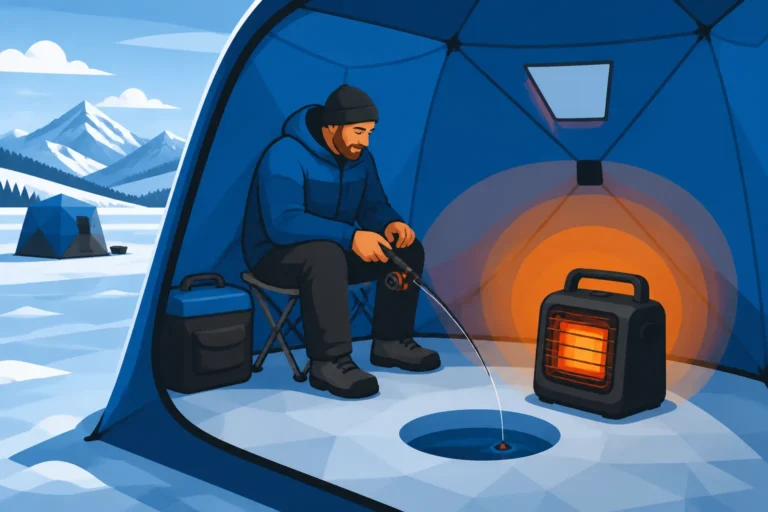
Utah's winters can be notoriously unpredictable. One moment it's calm and sunny, the next you're facing whiteout conditions with gale-force winds whipping across the ice. Without a shelter, these sudden shifts can be dangerous, leading to hypothermia or frostbite if you're not prepared. A good ice shelter provides an immediate refuge from these harsh realities. It breaks the wind, traps precious body heat, and creates a microclimate where you can actually enjoy the fishing experience. Think about those long waits between bites – wouldn't you rather be sipping hot cocoa inside a cozy hub shelter than stamping your feet trying to stay warm?
Moreover, the sun reflecting off the snow and ice can be incredibly intense, leading to sunburn and eye strain even on cloudy days. A shelter offers shade and protection from UV rays, making those long days much more bearable. When you're out on the ice for hours, even a slight increase in comfort can make a huge difference in your overall experience and how long you can comfortably stay out there.
Enhancing Comfort and Extending Your Fishing Day
Beyond just protection, an ice shelter dramatically improves your comfort levels. Imagine being able to take off a layer or two, store your gear out of the snow, and even cook a hot meal on a portable stove right there on the ice. These small comforts add up, transforming a chilly outing into a truly enjoyable experience. When you're comfortable, you're more relaxed, and frankly, you fish better. Your hands aren't numb, your mind isn't preoccupied with the cold, and you can concentrate on detecting those subtle bites.
For families or groups, a spacious shelter creates a social hub where everyone can gather, share stories, and stay warm together. It allows you to bring along more gear – extra rods, bait buckets, electronics, and snacks – without them getting covered in snow or freezing solid. Being able to extend your time on the ice, especially during prime biting hours, can mean the difference between a few nibbles and a limit of fish. It's about making the most of every precious minute you have fishing in Utah's beautiful winter landscapes.
Exploring the Different Types of Ice Fishing Shelters
When it comes to ice fishing shelters, there's a fantastic variety out there, each designed with different angler needs and fishing styles in mind. From quick-deploying portable models to more robust structures, understanding the differences is key to making the right choice for your Utah adventures.
Portable Pop-Up Shelters
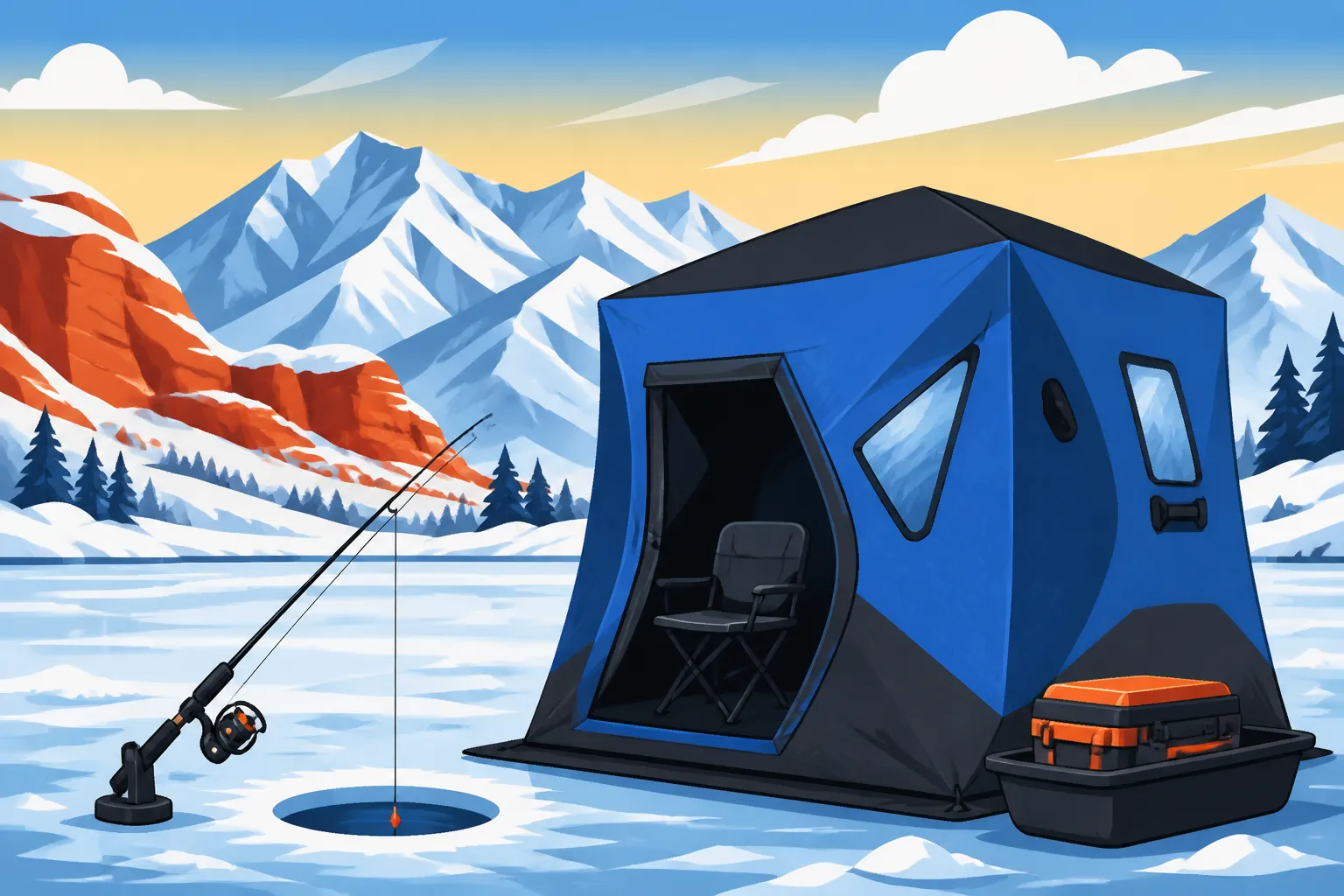
Portable pop-up shelters, often called hub shelters, are perhaps the most popular choice for ice anglers today, and for good reason. They are essentially giant cubes or hexagons that "pop" open by extending internal hubs, similar to how a camping tent sets up, but much faster. They come in various sizes, from compact one-person models to spacious shelters accommodating six or more anglers. What makes them so appealing is their balance of portability, quick setup, and interior space. You can often have one of these fully deployed and secured in less than five minutes, which is a huge advantage when you're hopping between spots or facing an incoming storm.
Most pop-up shelters are constructed with durable fabric walls, often insulated to retain heat. They fold down into a compact bag that's easy to transport via a sled, ATV, or even carried short distances. Their stability on the ice comes from anchor points that screw directly into the ice, keeping them secure even in strong winds. They usually feature large doors, multiple windows, and ventilation options for using a portable heater. Brands like Eskimo and Clam are very popular in this category, and you can find a wide selection at retailers like Bass Pro Shops or online at Amazon.
Flip-Over Shelters
Flip-over shelters, sometimes referred to as "sleigh" or "sled" shelters, are another excellent option, particularly favored by anglers who prefer mobility and rapid deployment. These shelters are built onto a sturdy sled base, which also doubles as your gear storage and transport system. To set up, you simply "flip" the tent portion over the sled, extending poles to create your enclosed space. The sled then serves as your floor, and often has built-in bench seats, making it a very ergonomic and comfortable option.
The main advantage of a flip-over is its incredible speed for moving from one fishing hole to the next. You can literally be fishing within seconds of stopping. Just pull it to your spot, flip it over, and you're good to go. This makes them ideal for "run and gun" tactics where you're constantly searching for active fish. While they might be a bit heavier than pop-ups, the integrated sled makes them easy to pull across the ice, especially if you have an ATV or snowmobile. They are generally less spacious than hub shelters for a given footprint but offer a distinct advantage in mobility. Many come with insulated fabric and are designed to be quite robust against the wind.
Permanent and Semi-Permanent Ice Shacks
While not as common for casual anglers, it's worth mentioning permanent and semi-permanent ice shacks. These are the classic "ice houses" or "shanties" that you see dotted across some of Utah's larger, well-established ice fishing spots. They are typically larger, heavier, and built for maximum comfort and extended stays. Think small cabins on skis. They often feature wood or metal frames, solid walls, comfortable seating, and even amenities like wood stoves, bunks, and built-in fishing holes.
These shacks are usually pulled out onto the ice at the beginning of the season and remain there until the ice thaws. Because of their size and weight, they require significant effort to transport and deploy, often needing a truck or heavy-duty ATV. They are fantastic for group trips or for those who plan to spend multiple consecutive days on the ice. However, they are subject to specific regulations regarding how long they can stay on the ice and how they must be marked and removed, so always check the Utah Ice Fishing Regulations Explained for your specific area. They offer the ultimate in warmth and comfort but sacrifice portability for that luxury.
| Shelter Type | Key Advantage | Portability | Setup Time | Ideal Use Case | Common Features |
|---|---|---|---|---|---|
| Pop-Up (Hub) | Spacious Interior | Moderate (backpack) | Fast (3-5 min) | Family trips, stationary fishing, group outings | Insulated fabric, multiple windows, large doors, vents |
| Flip-Over | High Mobility | Good (sled base) | Very Fast (1 min) | "Run and gun" fishing, solo/duo anglers, frequent moves | Integrated sled, bench seating, compact when packed |
| Permanent Shack | Maximum Comfort | Low (heavy sled) | High (seasonal) | Extended stays, large groups, dedicated fishing camps | Wood/metal frame, solid walls, stove, bunks, floor holes |
Key Features to Consider for Utah's Unique Conditions
Utah's diverse ice fishing environments, from the vast expanses of Flaming Gorge to the high-altitude chill of a Uinta Mountains lake, demand specific features in an ice shelter. You're not just looking for a tent; you're looking for a personal fortress against the cold.
Insulation and Fabric Durability
The cold is the number one enemy when ice fishing in Utah, and insulation is your best defense. Modern ice shelters, especially pop-ups and flip-overs, often come with insulated fabric layers. This insulation traps heat much more effectively than single-layer fabric, making a noticeable difference in how much propane your heater consumes and how comfortable you remain inside. Look for shelters with higher denier fabrics (e.g., 600D or 900D) which indicate a thicker, more durable material that can withstand the abrasive nature of ice, snow, and rough handling, especially if you're pulling it across the ice on a sled. Thicker fabrics also tend to be more resistant to tears and punctures, which is crucial for longevity.
The color of the fabric can also play a role. Darker colors absorb more solar radiation, offering a bit of passive heating on sunny days, which can be a real bonus. However, lighter interior colors can make the shelter feel brighter and more spacious. Most importantly, ensure the seams are well-stitched and reinforced, as these are common points of failure, particularly in strong winds. A good quality, insulated shelter will make your Utah Ice Fishing Guide experience infinitely more enjoyable.
Size, Weight, and Portability
Matching the shelter's size and weight to your fishing style and transportation methods is critical. If you're a solo angler who loves to move frequently, a compact, lightweight one-person flip-over or a small two-person hub shelter might be perfect. These can be easily pulled on a sled or even carried for short distances. If you're bringing the whole family or a group of friends, a larger hub shelter (3-6 person capacity) will provide ample space, but remember that more space often means more weight and a larger packed size.
Consider how you'll get your shelter to your chosen fishing spot. Are you hiking a long way to a remote Uinta high lake? Then weight is paramount. Will you be using an ATV, snowmobile, or just walking from your truck at a reservoir with easy access? This will influence how much weight and bulk you can reasonably manage. The packed dimensions of the shelter are just as important as the setup dimensions – ensure it fits in your vehicle or on your sled without too much hassle. You might also want to check out Best Ice Augers for Utah Ice Fishing to ensure your transportation strategy is fully coordinated.
Ventilation and Heating Options
While staying warm is the goal, proper ventilation is absolutely non-negotiable, especially if you plan to use a portable propane heater inside your shelter. Carbon monoxide poisoning is a serious risk, and adequate airflow is essential for safety. Look for shelters with multiple vents, usually near the top and bottom, that can be opened or closed. These allow fresh air to circulate, venting out carbon monoxide and preventing condensation buildup.
Most shelters are designed to accommodate small, portable propane heaters, but always follow the heater manufacturer's instructions and ensure you have proper ventilation. Consider also adding a battery-operated carbon monoxide detector for an extra layer of safety. Some shelters even have designated ports or windows for stovepipes if you're using a wood-burning stove in a larger, semi-permanent setup. The ability to control the temperature and air quality within your shelter is key to a safe and comfortable experience.
Matching Your Shelter to Your Ice Fishing Style
Your personal ice fishing preferences and the kind of trips you typically take should heavily influence your choice of shelter. There's no one-size-fits-all, especially with Utah's varied waters and approaches to fishing.
Solo Angler or Duo: Mobility is Key
If you primarily fish by yourself or with just one partner, mobility is likely a top priority. You want to be able to pack up and move quickly if the fish aren't biting in your current spot. For this style, a one- or two-person flip-over shelter is often the best bet. Its integrated sled and rapid deployment allow for "run and gun" tactics, letting you cover more ice and find active fish faster. Brands like Clam and Eskimo offer excellent lightweight models that are easy to pull by hand or tow behind a small ATV.
Alternatively, a smaller two-person hub shelter can also work well. While not quite as fast to redeploy as a flip-over, it offers more internal space for gear and comfort, which can be nice if you plan to stay put for a few hours. These shelters pack down into a manageable bag and can easily fit on a small ice fishing sled along with your Best Ice Fishing Rods for Utah and other essentials. The key here is balancing comfort with the ability to chase the bite.
Family Fun or Group Outings: Space and Comfort Prevail
When you're planning a day of ice fishing with the kids, a spouse, or a group of friends, space and comfort become paramount. You'll likely have more gear, more people, and a greater need for elbow room. This is where a larger hub shelter truly shines. Four- to six-person hub shelters provide ample space for multiple anglers, chairs, a heater, and even a small table for snacks and games. The wider footprint of a hub also often means more head room, making it feel less cramped.
For these larger groups, ease of setup is still important, but the ability to create a warm, social hub for everyone to relax in takes precedence. You'll want plenty of windows for visibility (and for kids to peek out of!), and enough floor space to manage multiple fishing holes without tangling lines. Consider models with extra-wide doors for easy entry and exit, especially if you have little ones or need to bring in larger gear. A larger pop-up shelter turns an ice fishing trip into a fun, communal experience, even when the weather outside is frightful.
Stationary vs. Run-and-Gun Fishing
Before you even look at a single shelter, consider your typical approach to ice fishing. Are you the type who loves to find a promising spot, set up camp, and patiently wait for the fish to come to you? Or are you a "run-and-gun" angler, constantly drilling new holes, checking your electronics, and moving at the slightest lull in action?
If you prefer a stationary approach, especially on waters like Strawberry Reservoir where you might be targeting specific depths for trout or kokanee, a larger, well-insulated hub shelter is an excellent choice. You sacrifice a little bit of mobility for maximum comfort and the ability to spread out your gear. You can bring a bigger heater, more electronics, and settle in for the long haul. Remember to secure it well against strong winds, especially in open areas. For advice on securing your setup, refer to How to Anchor an Ice Fishing Shelter in Wind.
For the run-and-gun angler, speed and portability are king. You need a shelter that can be deployed and packed away in a flash, allowing you to maximize your time actually fishing rather than setting up camp. A flip-over shelter is undeniably the best for this style. The integrated sled and quick-flip design mean you can literally be drilling holes and dropping lines within moments of arriving at a new spot. This aggressive, mobile approach can be incredibly effective when fish are scattered or moving frequently.
Essential Care and Maintenance for Your Shelter
Investing in a good ice fishing shelter is like buying a reliable vehicle – it needs proper care to ensure it serves you well for many Utah winters. Neglecting maintenance can lead to premature wear, tears, and a much shorter lifespan for your valuable gear.
Cleaning and Drying After Each Trip
This is probably the most overlooked but most important step in shelter maintenance. After every single trip, especially in Utah where we often get wet snow or slush, you need to thoroughly clean and dry your shelter. Don't just toss it in the garage wet and call it good! Moisture is the enemy, leading to mildew, mold, and degradation of the fabric and zippers.
First, wipe down any dirt, mud, or fish slime from the interior and exterior with a damp cloth. For stubborn stains, a mild soap and water solution can work. Pay special attention to the floor and skirting, as these are often the dirtiest parts. Once cleaned, the most crucial step is to fully dry the shelter. Erect it in a warm, dry place – like your garage, basement, or even outside on a sunny, dry day – and let it air out completely. Open all windows and doors to promote airflow. Never pack away a damp shelter, even if it feels "mostly dry." This vigilance will prevent nasty odors and extend the life of your fabric.
Inspecting for Wear and Tear
Before and after each season, and periodically throughout the winter, give your shelter a thorough inspection. Look for any small tears, punctures, or frayed seams in the fabric. Small holes can quickly become large rips, especially when stressed by wind. You can often repair minor tears with fabric repair tape or a patch kit specifically designed for outdoor gear. Pay attention to the zippers; grit and ice can cause them to seize or break. Keep them clean and lubricated with a silicone spray.
Check the structural components of your shelter. For pop-ups, inspect the hub mechanisms and support poles for cracks, bends, or missing pins. For flip-overs, examine the sled for cracks and the tent poles for any damage. Replace any broken parts promptly, as a compromised frame can lead to a collapsed shelter in strong winds, which you definitely don't want when you're out on a cold Utah lake. Many manufacturers sell replacement parts, so you might not need to buy a whole new shelter for a single broken pole.
Proper Storage During the Off-Season
How you store your ice fishing shelter during the warm months significantly impacts its longevity. Once it's thoroughly cleaned and dried (and we mean thoroughly dry), fold it carefully according to the manufacturer's instructions to prevent unnecessary stress on the fabric and frame. Store it in its original bag in a cool, dry place away from direct sunlight. Excessive heat and UV exposure can degrade fabric over time, making it brittle and faded.
Avoid storing it in areas prone to rodent activity, as mice love to chew through fabric to nest. If possible, consider placing some dryer sheets or cedar blocks in the storage bag to deter pests. By taking these simple steps, your ice fishing shelter will be ready and waiting for you when the first hard water of winter calls you back to your favorite Utah fishing spots. It's a small effort that pays off big in comfort and convenience for many seasons to come. You'll be glad you did when it's time to hit up Strawberry Reservoir Ice Fishing Spots next year!
Disclaimer
This article is for general informational purposes only and does not constitute professional advice. Laws, prices and regulations vary by location and change over time. Consult a qualified professional for guidance on your specific situation.