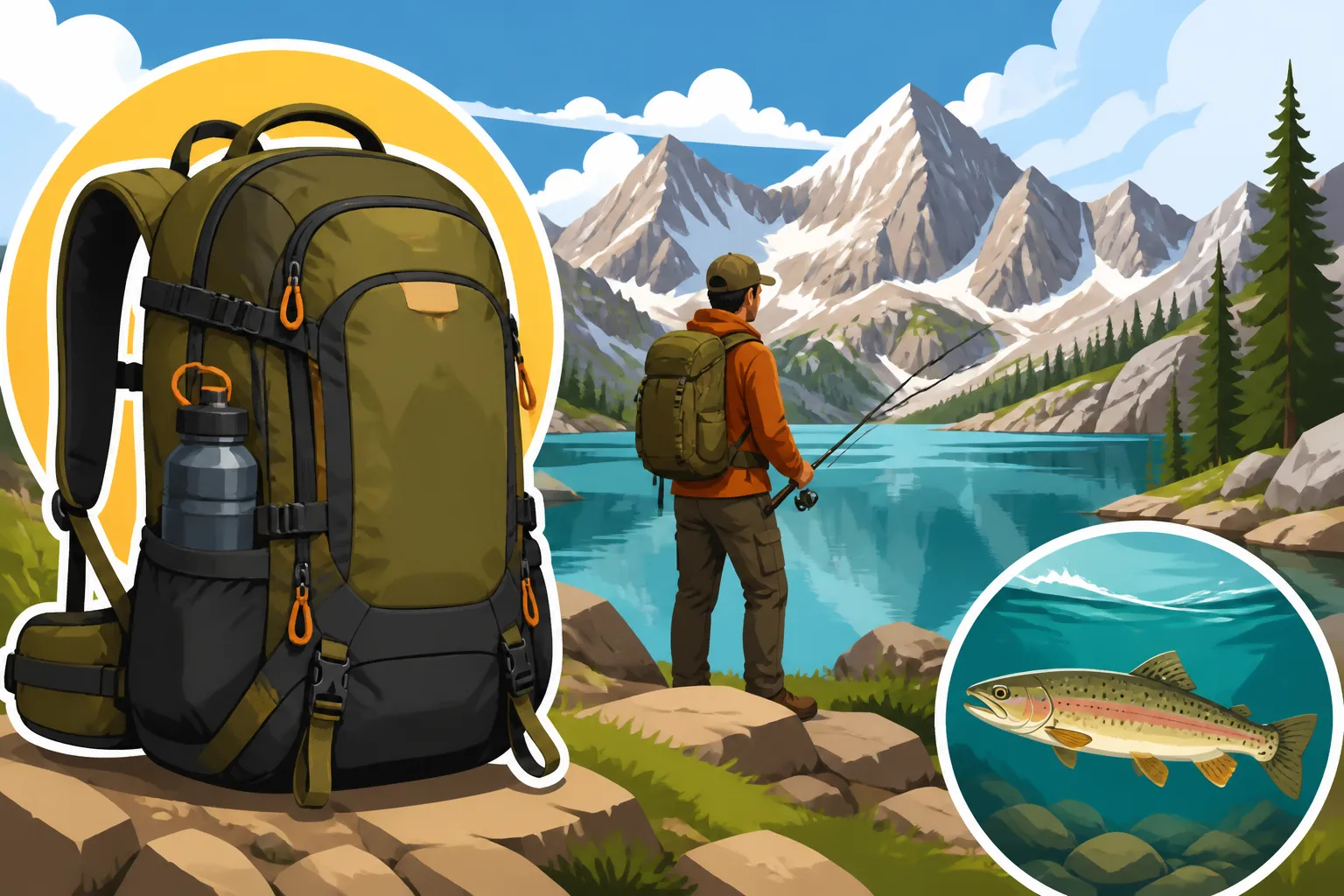
Best Backpacks for Hiking to Uinta Lakes
The majestic Uinta Mountains, with their sparkling, high-altitude lakes teeming with trout, call to many of us seeking a true wilderness fishing experience. But anyone who has lugged inadequate gear over rugged, uneven terrain knows the misery a poorly chosen backpack can inflict – chafed shoulders, aching backs, and gear bouncing around like it's trying to escape. This guide is dedicated to helping you pick the absolute best backpack for your Uinta Lakes fishing adventures, ensuring your journey to those pristine waters is as comfortable and efficient as the fishing itself.
Why a Specialized Backpack Matters for Uinta Lakes
You might think any old backpack will do for a fishing trip, but the Uinta Mountains are a different beast entirely. We're talking about elevations that test your lungs, weather that can turn on a dime, and trails that demand respect. Your backpack isn't just a container; it's a critical piece of gear that can make or break your trip.
The Unique Demands of High-Altitude Fishing Trips
Imagine hiking for miles with a heavy load, gaining thousands of feet in elevation, and then having to navigate tricky boulder fields or stream crossings. Standard daypacks often lack the capacity or the robust suspension system needed for such endeavors. You're not just carrying a sandwich and a water bottle; you're hauling fishing rods, reels, tackle boxes, waders, rain gear, food, water, and often camping equipment for overnight stays. The sheer volume and weight of this specialized gear require a pack designed to distribute that load efficiently and withstand the rigors of the backcountry.
Furthermore, the Uinta Lakes often mean multi-day excursions. A day trip might only require a smaller pack, but for true exploration and getting away from the crowds, you'll likely need to pack for at least one night, if not more. This means sleeping gear, cooking supplies, and extra layers, all of which add bulk and weight. Choosing a pack that can handle these diverse demands without feeling like a medieval torture device is paramount to enjoying the stunning scenery and rewarding fishing that awaits. For more on planning your trip, consider checking out Uinta Mountains High Lakes Fishing.
Comfort and Support: Beyond Just Carrying Gear
A pack's ability to carry weight is only half the battle; how it carries that weight is crucial. A well-designed backpack will transfer most of the load to your hips, relieving your shoulders and allowing for better balance and endurance on challenging trails. This is especially vital when you're scrambling over rocks or wading through streams with a full pack. Without proper support, your body will fatigue much faster, turning a joyful hike into a grueling slog.
Think about the ventilation systems on modern packs. Backpacking in the Uintas, even at high altitudes, can get warm when you're working hard. A pack with good airflow against your back can prevent that sweaty, uncomfortable feeling that makes you want to rip the pack off and throw it down a ravine. Features like padded hip belts, adjustable shoulder straps, and a customizable torso length might seem like minor details, but they add up to a world of difference when you're miles from the trailhead, especially when you factor in carrying that prized catch back to camp.
Key Features to Look For in a Uinta Lakes Fishing Backpack
When you're ready to invest in a backpack for those epic Uinta Lakes excursions, don't just grab the first one that looks good. Dig into the details. There are specific features that will make your life significantly easier and more comfortable on the trail.
Capacity and Organization: What Fits and How It's Stored
One of the first things to consider is capacity, usually measured in liters. For a day trip to a Uinta Lake, you might get away with a 20-30 liter pack. However, if you plan on overnight stays, or if you're an angler who likes to bring a lot of specialized gear, you'll quickly find that insufficient. Most anglers planning multi-day trips to the Uintas opt for packs in the 40-70 liter range. This allows enough space for a small tent, sleeping bag, cooking system, extra clothing layers, and all your fishing essentials.
Beyond raw volume, look at the organization. Does the pack have external pockets for water bottles or quick-access items like a GPS or headlamp? Are there dedicated pockets for tackle boxes or fly boxes, or perhaps a sleeve for a hydration reservoir? Compression straps are also incredibly useful for cinching down your load, keeping it stable, and allowing you to adapt the pack's profile whether it's full or half-empty. Some packs even come with rod holders or external attachment points for a net, which are invaluable for keeping your hands free and protecting your gear as you hike. You can find a vast array of options online at retailers like Amazon, often with detailed descriptions of their organizational features.
Durability and Weather Resistance: Battling the Elements
The Uintas are beautiful, but they can be unforgiving. Sudden thunderstorms, unexpected hail, and even light snow are not uncommon, even in summer. Your backpack needs to be built tough. Look for packs made from durable, tear-resistant fabrics like high-denier nylon or ripstop polyester. Reinforced stitching at stress points is also a good indicator of quality. You'll be setting this pack down on rocky terrain, brushing it against pine trees, and generally putting it through its paces. It needs to stand up to that abuse.
Equally important is weather resistance. While few packs are truly 100% waterproof without an additional rain cover, many offer excellent water-repellency. Look for packs with DWR (Durable Water Repellent) coatings and sealed seams. Many quality backpacking packs include an integrated rain cover, which is a lifesaver when the skies open up without warning. If your chosen pack doesn't have one, make sure to purchase one separately – it's a small investment that protects everything inside. Protecting your gear, and your food supply, is paramount for a comfortable and safe trip.
Fit and Adjustability: Tailoring the Pack to Your Body
This is perhaps the most critical, yet often overlooked, feature. A backpack that doesn't fit you properly will be uncomfortable, inefficient, and potentially even dangerous, throwing off your balance on difficult trails. Most high-quality backpacks offer adjustable torso lengths, allowing you to fine-tune the fit to your specific body measurements. A quick trip to a local outdoor outfitter like Bass Pro Shops can be incredibly beneficial for trying on different packs and getting fitted by an expert.
Beyond torso length, look for well-padded and adjustable shoulder straps, a robust and comfortable hip belt, and a sternum strap. The hip belt should sit squarely on your hip bones, where it can bear the majority of the pack's weight. Shoulder straps should conform to your shoulders without digging in, and the sternum strap helps stabilize the pack and prevents the shoulder straps from sliding off. Load lifter straps, which connect the top of the shoulder straps to the top of the pack, allow you to pull the pack closer to your body for better balance and weight distribution, especially important when navigating uneven terrain. A properly fitted pack will feel like an extension of your body, not a burden.
Types of Backpacks Suited for Uinta Lake Adventures
The world of backpacks is vast, but for Uinta Lakes fishing, we can narrow it down to a few categories, each with its own pros and cons. Understanding these differences will help you choose the best vessel for your wilderness angling dreams.
Traditional Hiking Backpacks with Fishing Adaptations
These are the workhorses of the outdoor world, designed for multi-day trekking and camping. They typically offer excellent load-carrying capabilities, robust suspension systems, and ample capacity. While not specifically made for fishing, many anglers adapt them successfully. The key is to look for models that have a good balance of internal space and external attachment points. For instance, you might use the side compression straps to secure a collapsible rod tube or a net.
The main advantage of these packs is their superior comfort for long distances and heavy loads. Brands known for their backpacking packs often excel in ergonomic design and durability. You'll also find a wider variety of sizes and fits, making it easier to find one perfectly tailored to your body. The downside, of course, is that they usually lack dedicated fishing-specific features like integrated rod holders, tackle box pockets, or waterproof compartments for live bait. You might need to get creative with additional pouches or external strapping systems to keep your fishing gear organized and accessible. Many popular models are readily available through online retailers like Amazon, making it easy to compare features and read reviews.
Dedicated Fishing Backpacks and Their Advantages
Over recent years, manufacturers have recognized the growing niche for anglers who hike into remote waters. This has led to the development of specialized fishing backpacks. These packs often incorporate features tailored directly to the needs of an angler. Think external rod tubes or straps designed specifically for securing fishing rods, dedicated waterproof compartments for tackle, bait, or even a small stringer of fish, and often more robust external pockets for quick access to tools, pliers, or extra spools of line.
The primary advantage here is convenience and specialized organization. Everything has a place, and often that place is designed for quick access on the water. Some even include built-in hydration bladders or insulated pockets for drinks or keeping caught fish cool. The trade-off can sometimes be in the comfort department for truly heavy loads over very long distances, as some dedicated fishing packs prioritize quick access over the advanced suspension systems found in traditional hiking packs. However, many brands are now bridging this gap, offering packs that combine excellent comfort with angler-specific features. You can often find a good selection of these at outdoor sporting goods stores like Bass Pro Shops, where you can examine the fishing-specific features firsthand.
Hybrid Packs: The Best of Both Worlds?
As the lines between hiking and fishing blur for many adventurers, hybrid packs have emerged. These are designed to offer the best of both worlds: the comfortable, weight-distributing suspension system of a traditional hiking pack combined with many of the thoughtful, fishing-specific features of a dedicated angling pack. They aim to provide ample capacity for multi-day trips while still offering the organization and accessibility that makes fishing more enjoyable.
A hybrid pack might feature a comfortable, adjustable frame, strong hip belts, and good ventilation, alongside external loops for rod cases, internal dividers for tackle, and perhaps a small, easily accessible waterproof pocket for your phone or car keys. These packs are often a fantastic choice for the Uinta Lakes angler who is serious about both the journey and the destination. They represent a significant investment but often pay dividends in comfort and utility. When considering a hybrid pack, think about your typical trip length, the amount of gear you carry, and how much you prioritize trail comfort versus on-the-water convenience.
| Backpack Type | Primary Strength | Key Advantages for Uinta Lakes | Potential Drawbacks |
|---|---|---|---|
| Traditional Hiking | Superior comfort for heavy loads/long hikes | Excellent weight distribution, high capacity, durable | Lacks fishing-specific organization |
| Dedicated Fishing | Angler-specific features & organization | Integrated rod holders, tackle pockets, quick access | May sacrifice comfort for heavy loads/long hikes |
| Hybrid (Hiking/Fishing) | Balances comfort & fishing features | Good load support, specific tool access, versatile | Can be heavier, potentially higher cost |
Essential Considerations for Packing Your Uinta Lakes Backpack
Once you've chosen the perfect backpack, the next step is learning how to pack it efficiently. A poorly packed backpack, even a great one, can still lead to discomfort and frustration. This is especially true when you're dealing with delicate fishing gear and provisions for high-altitude conditions.
Weight Distribution and Smart Loading Techniques
The golden rule of backpacking is to put heavier items close to your back and roughly between your shoulder blades. This helps to center the weight and prevents the pack from pulling you backward or swaying side to side. For your Uinta Lakes trip, this means items like your water reservoir, heavy tackle boxes, or a full bear canister (if required for food storage) should be strategically placed. Lighter, bulkier items like a sleeping bag or extra clothing can go at the bottom, while medium-weight items can fill in the spaces.
Think about what you'll need access to throughout the day. Your rain gear, snacks, camera, and possibly a small fly box should be in easily accessible pockets or at the top of the main compartment. This prevents you from having to unpack half your gear just to grab a granola bar or put on your rain jacket during a sudden shower. Taking the time to organize your pack thoughtfully before you hit the trail will save you a lot of grief and energy, allowing you to focus on the stunning scenery and the fish that await. Consider looking at articles like How to Pack Fishing Gear for a Backpacking Trip to Uinta Lakes for more detailed packing strategies.
Protecting Your Fragile Fishing Gear and Food
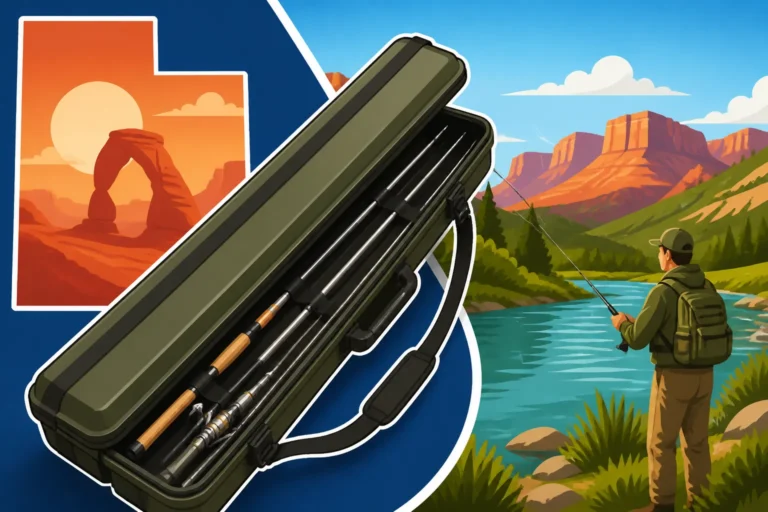
Fishing gear, especially rods and reels, can be delicate. While a good backpack helps, you'll still need to take precautions. Collapsible rod tubes are an angler's best friend for backpacking trips; they protect your rod sections from impacts and snags. Secure these to the outside of your pack using dedicated straps or compression straps. Reels should be removed from rods and stored in padded cases or wrapped in clothing inside the pack to prevent damage. Tackle boxes, especially those with delicate lures or sharp hooks, should be placed where they won't shift excessively and potentially damage other gear or tear the pack lining.
Food storage is another critical aspect, particularly if you're camping overnight. In many Uinta areas, bear canisters are recommended or even required, especially in designated wilderness areas. Even if not required, it's a good practice to hang your food or store it in a bear-resistant manner to protect both your provisions and local wildlife. Don't forget that water sources can be limited or unreliable at higher elevations, so bring enough capacity for water bottles or a hydration bladder, and a reliable water filter or purification tablets. Having enough hydration is vital when you're pushing your limits at altitude.
Hydration and Emergency Preparedness
When you're hiking into the high Uintas, especially on a warm summer day or if you're exerting yourself, staying hydrated is absolutely non-negotiable. Many quality backpacks come with a dedicated sleeve for a hydration reservoir, making it easy to sip water throughout your hike without stopping. If your pack doesn't have one, external water bottle pockets are a must. Make sure your water bottles are secure and won't fall out during your trek. Remember to bring more water than you think you'll need, especially when venturing to more remote high-altitude lakes.
Beyond hydration, your backpack should contain essential emergency items. This includes a comprehensive first-aid kit, a headlamp with extra batteries, navigation tools (map and compass, or a reliable GPS device), a knife or multi-tool, fire-starting supplies, and an emergency shelter like a space blanket or lightweight tarp. Weather in the Uintas can be unpredictable, so pack extra layers, including a warm hat, gloves, and reliable rain gear – even if the forecast looks clear. Best Rain Gear for Utah Fishing Trips can help you pick the right protective clothing. It’s always better to be over-prepared for an emergency than under-prepared when you’re miles from civilization.
Top Tips for Choosing and Using Your Backpack
Making the right choice for your Uinta Lakes backpack is a big decision, and it’s one that will impact every future adventure you take. Don't rush it, and make sure you're getting something that truly suits your needs.
Trying Before Buying and Adjusting for the Trail
This is probably the single most important tip: go to an outdoor retailer and try on packs! While browsing online on sites like Amazon offers convenience and a wide selection, nothing beats putting a pack on your back and feeling how it sits. Load it up with some weight (most stores have sandbags or weights for this purpose) and walk around the store for a bit. Adjust all the straps – the hip belt, shoulder straps, sternum strap, and load lifters. A good salesperson can help you get the fit just right.
Pay attention to how the weight feels on your hips and shoulders. Does anything pinch or rub? Is there adequate ventilation? Can you easily reach external pockets? Consider the specific gear you plan to carry. If you use a large tackle box, does it fit comfortably in the main compartment? If you have a specific rod tube, are there appropriate external straps to secure it? Don't be shy about spending time with several different models. This is an investment in your comfort and enjoyment on the trail.
Maintenance and Longevity for Your Investment
A quality backpack isn't cheap, but with proper care, it can last for many years of Uinta Lakes adventures. After each trip, empty your pack completely and clean out any dirt, crumbs, or stray fishing line. If it's particularly dirty, you can wipe it down with a damp cloth and mild soap. Avoid harsh detergents or putting it in a washing machine, as this can damage the DWR coating and fabric. Make sure the pack is completely dry before storing it to prevent mold and mildew. Hang it in a cool, dry place, away from direct sunlight.
Regularly inspect zippers, buckles, and seams for any signs of wear or damage. Small tears can often be repaired with gear patches before they become larger problems. If you have an integrated rain cover, make sure it's also clean and dry. Taking a few minutes to properly maintain your backpack after each journey ensures it's ready for your next excursion to those pristine high-altitude fishing havens. This attention to detail will ensure your backpack remains a reliable partner for countless fishing trips to come.
Disclaimer
This article is for general informational purposes only and does not constitute professional advice. Laws, prices and regulations vary by location and change over time. Consult a qualified professional for guidance on your specific situation.