Best Spoon Size for Kokanee
Oh, the elusive kokanee salmon! If you've spent any time on Utah's premier kokanee waters like Flaming Gorge, Strawberry, or Rockport, you know these landlocked sockeye can be incredibly finicky. One day they're hitting everything you throw at them, the next you feel like you're trolling through an empty bathtub. A common frustration is wondering if your lure choice, especially the spoon size, is just totally off. This guide is here to demystify how to pick the best spoon size to entice those beautiful silver, or sometimes bright red, kokanee salmon.
Understanding Kokanee Feeding Habits and How It Impacts Lure Choice
Before we dive into specific spoon sizes, it's really helpful to understand a bit about what makes kokanee tick. These fish are essentially filter feeders for much of their lives, primarily consuming zooplankton – tiny crustaceans and other microscopic organisms floating in the water column. Unlike a predatory trout or bass that might aggressively chase down a large baitfish, kokanee often have a more subtle, almost "nipping" feeding style. This inherent habit is why smaller, more delicate presentations often outperform larger, more aggressive lures, especially when the bite is tough.
Think about it this way: if you're trying to replicate a meal of microscopic organisms, a giant piece of steak isn't going to be very convincing. Instead, you're trying to mimic something small, shiny, and erratic that might resemble a dense school of plankton or a fleeing insect. This is why the size, action, and color of your spoon become paramount. The goal isn't necessarily to trigger a violent strike, but often to generate a curiosity bite or a reaction strike from a fish that's primarily interested in small morsels.
Moreover, kokanee are schooling fish, and their behavior can be highly influenced by light conditions, water temperature, and pressure changes. What works one day, or even one hour, might not work the next. They can move through the water column quickly, and sometimes, a slight adjustment in your spoon's size or color is all it takes to turn a slow day into a productive one. Paying attention to these subtle cues and having a variety of spoon sizes on hand is critical for consistent success. You’ll often hear experienced anglers talk about "matching the hatch," even with spoons, which means trying to replicate whatever the kokanee are currently keying in on.
Optimal Spoon Sizes for Different Kokanee Scenarios
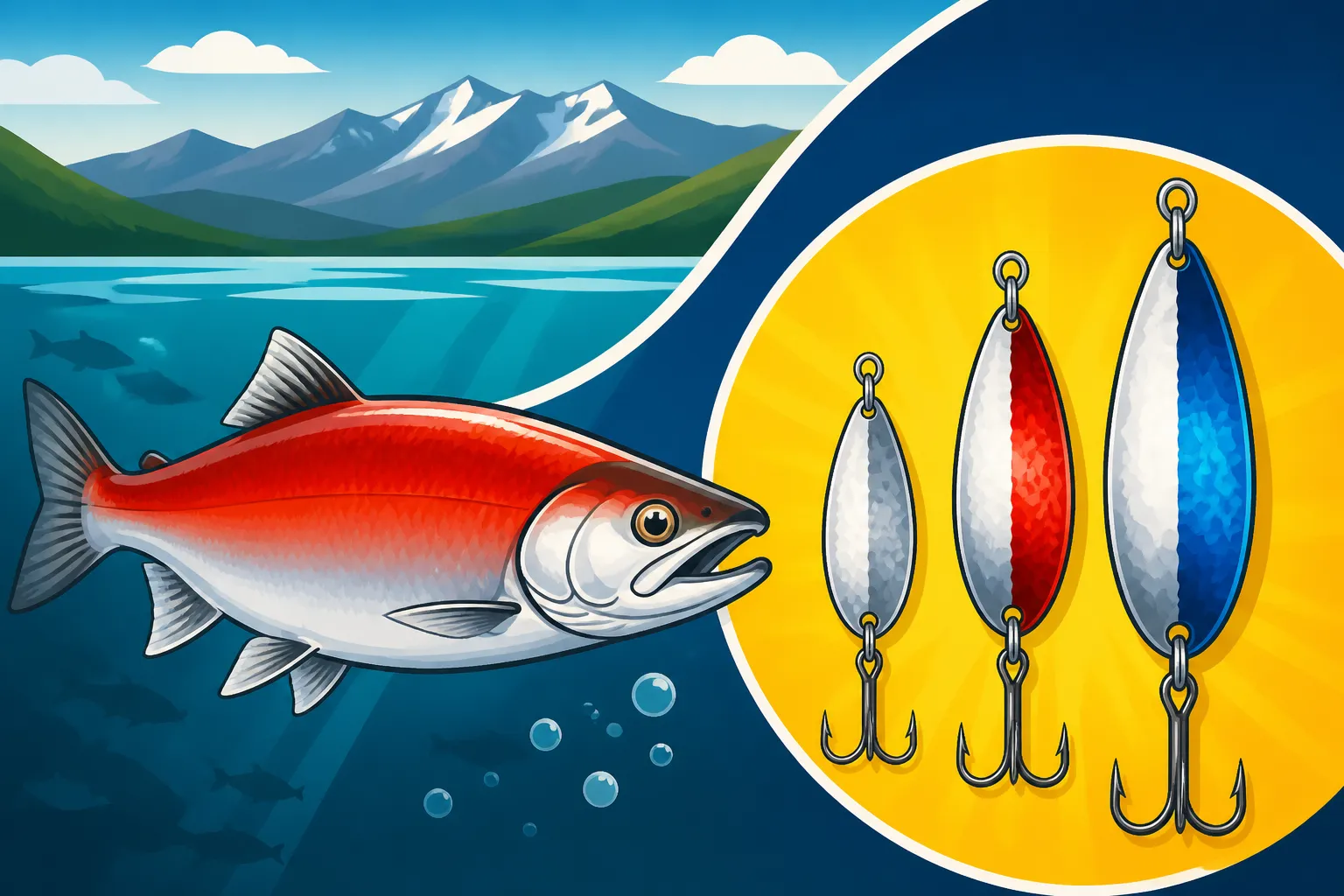
When it comes to kokanee fishing in Utah, there's no single "magic" spoon size that works all the time, but there are definitely preferred ranges and scenarios where certain sizes shine. Generally speaking, kokanee spoons tend to be on the smaller side compared to those used for lake trout or other larger game fish. We're typically talking about spoons in the 1 to 2.5-inch range, with some slight variations depending on the specific conditions you're facing.
Small Spoons: The Go-To for Finesse
For many Utah anglers, especially when the kokanee are deep, finicky, or facing heavy fishing pressure, small spoons in the 1-inch to 1.5-inch range are the absolute workhorses. These little lures, often called "mini" or "micro" spoons, imitate tiny baitfish or concentrated schools of zooplankton very effectively. Their small profile and subtle action are perfect for triggering those light, curious bites that kokanee are known for.
When you're dealing with crystal clear waters, common in many of our mountain reservoirs, or during times when the fish are suspended and not actively chasing, these smaller spoons can be incredibly effective. They present a less intimidating profile, making them more appealing to cautious fish. Think about fishing a small Kokanee Pro, Apex Micro, or Needlefish spoon. You'll want to rig these behind a dodger or a flasher to give them that added attraction and wiggle, but the spoon itself is often the critical component the fish commits to. A common mistake is to go too big, too fast, especially in tougher conditions. Sometimes, shrinking your presentation is the key to unlocking the bite. You can find a huge variety of these smaller spoons at retailers like Bass Pro Shops or online through Amazon, allowing you to experiment with different colors and finishes.
Medium Spoons: All-Around Versatility
Moving up a notch, spoons in the 1.5-inch to 2-inch range are incredibly versatile and probably represent the most commonly used sizes for kokanee fishing across Utah. These "medium" spoons strike a fantastic balance, offering enough profile to be seen from a distance, while still being small enough to mimic natural forage and not spook wary fish. They provide a bit more flash and vibration than their smaller counterparts, which can be advantageous in slightly stained water or when the kokanee are a bit more aggressive.
These sizes are excellent for covering various depths and trolling speeds. If you're using a How to Troll for Kokanee in Utah technique and covering a lot of water, a 1.75-inch spoon often has a great action that kokanee find irresistible. They're also a good choice when you're targeting fish that might be mixed in with other trout species, as they're still small enough for kokanee but can also tempt a passing rainbow or brown. Many popular kokanee spoons, like the various wedding ring spinners or small casting spoons, fall into this size category. If you're unsure where to start, a 1.75-inch spoon in a vibrant color like pink or orange is often a reliable choice to tie on.
Larger Spoons: When Aggression Pays Off
While less common as a primary kokanee spoon, there are situations where slightly larger spoons, in the 2-inch to 2.5-inch range, can be highly effective. These are typically used when the kokanee are exceptionally aggressive, perhaps during a feeding frenzy, or when you're trying to attract fish from a greater distance. They also can be useful in low-light conditions, like early morning or late evening, or in very deep, dark water where a larger profile and more flash are needed to get noticed.
Another scenario for larger spoons might be when you're looking for a reaction strike. Sometimes, a faster trolling speed with a larger, more erratic spoon can trigger a "hit" from a kokanee that isn't necessarily feeding but is territorial or simply annoyed. However, be cautious not to go too large, as anything over 2.5 inches generally starts to lose its effectiveness for kokanee and becomes more geared towards larger trout. When using these larger sizes, pay close attention to the fish finder. If you're seeing kokanee but not getting bites, it might be time to downsize.
Here's a quick reference table to help visualize spoon sizes and their typical applications:
| Spoon Size Range | Primary Application | Conditions Where It Excels | Common Scenarios |
|---|---|---|---|
| 1" – 1.5" | Finesse, subtle presentations | Clear water, deep fish, high pressure, finicky bite | Slow trolling, light tackle, post-spawn kokanee |
| 1.5" – 2" | Versatile, all-around performer | Varied depths, moderate water clarity, general kokanee | Everyday trolling, searching for active fish, mixed bag fishing with other trout |
| 2" – 2.5" | Aggressive strikes, increased visibility | Low light, deep/dark water, active fish, reaction bites | Fast trolling, early morning/late evening, targeting large schools |
Factors Influencing Your Spoon Size Choice
Choosing the right spoon size for kokanee isn't a one-and-done decision; several environmental and behavioral factors play a huge role. Understanding these variables will help you adapt your presentation on the fly and increase your chances of success, whether you're at Strawberry Reservoir or Flaming Gorge Fishing Guide.
Water Clarity and Light Conditions
This is perhaps one of the most significant factors. In Utah's often gin-clear reservoirs, especially at deeper depths, smaller spoons tend to be more effective. When the water is crystal clear, fish have excellent visibility and can easily discern larger, unnatural presentations. A smaller spoon, with a more subtle profile, appears less threatening and more natural. It's like trying to sneak up on a deer; a smaller, quieter approach is always better.
Conversely, if you find yourself fishing in slightly stained water, perhaps after a rain event or in certain areas of a lake that naturally have more particulate matter, a slightly larger spoon can be beneficial. The increased profile and flash help the kokanee locate your lure more easily. Similarly, on overcast days or during the low-light hours of dawn and dusk, a larger, brighter spoon can catch the limited light better and stand out. At midday under a blazing sun, however, you'll often want to go back to those smaller, more muted options.
Depth and Trolling Speed
The depth at which you're targeting kokanee directly influences how your spoon appears to the fish, and thus, your size choice. When kokanee are holding deep, say 40-80 feet down, you might be tempted to use a larger spoon to get it down there faster. However, consider the light penetration at those depths. There’s less ambient light, so a highly reflective, often smaller, spoon can actually be more visible, catching and reflecting what little light is available. Larger spoons can sometimes appear bulky and less natural in the deeper, darker water.
Your trolling speed also impacts spoon action. A very small spoon might not have enough inherent action at slower speeds. If you prefer to troll slowly, you might need a slightly larger spoon that still offers a good flutter at that reduced pace. Conversely, if you're trolling faster, a small spoon can have a frantic, darting action that can be irresistible. Many anglers experiment with What Trolling Speed Works Best for Kokanee Salmon? to see what the fish prefer on any given day. Remember, the goal is to make the spoon "dance" in a way that mimics natural prey, and the right size will help achieve that at your chosen speed.
Fish Activity Level and Pressure
Kokanee, like all fish, have good days and bad days. When they are actively feeding and aggressive, they might hit almost anything you put in front of them, and a slightly larger spoon might even attract them from further away. During these times, experimenting with a 2-inch spoon can be a lot of fun. However, when the fish are "off," meaning they are less active, lethargic, or have seen countless lures pass by due to heavy fishing pressure, going smaller is almost always the answer.
Think of those days when the fish are just "marking" on your fish finder but not biting. This is often when a 1-inch to 1.5-inch spoon, perhaps with a more subdued color or natural finish, will get their attention. The fish might not be willing to chase a big meal, but a tiny, easy target is much harder to resist. This is also where things like scent, applied directly to your spoon or the dodger, can make a huge difference, adding another layer of attraction to your small presentation. The more pressured the water, the more critical it becomes to scale down your lure size and slow your presentation.
Rigging and Presentation Tips with the Right Spoon Size
Simply having the right spoon size is only half the battle; how you rig and present it to the kokanee is equally important. These fish are notorious for their soft mouths and light bites, so every detail matters.
The Importance of Leaders and Dodgers/Flashers
You'll almost always want to run your kokanee spoon behind a dodger or a flasher. These attractors create a lot of flash, vibration, and erratic movement, which draws kokanee in from a distance. The dodger's job is to create commotion and impart action to the spoon, making it flutter and dart. Your spoon's size needs to complement the dodger's action. A spoon that's too large for a small dodger might not have the right action, while a tiny spoon behind a massive flasher might get lost.
For most kokanee setups, a leader of 8-15 inches between the dodger and your spoon is a good starting point. This leader length allows the spoon to have its own independent action without being completely overwhelmed by the dodger. Experiment with leader length; sometimes a shorter leader (6-8 inches) works better for a more frantic action, while a longer one (12-18 inches) gives the spoon a wider, more natural sweep. Use fluorocarbon line for your leader, typically 8-10 lb test, as it's nearly invisible underwater, which is crucial for wary kokanee. And always remember to check your knots frequently, as kokanee often strike with surprising force and can wear down even the best connections.
Hook Selection and Sharpening
Kokanee mouths are delicate, and they can be experts at spitting hooks. This makes your hook choice and sharpness absolutely vital. Most kokanee spoons come with treble hooks, but many experienced anglers immediately swap these out for a single, sharp, barbless hook, or a single red-colored hook. Single hooks often penetrate better and cause less damage to the fish, which is important if you're practicing catch and release for some of your fish, or if you're dealing with strict Utah Catch-and-Release Waters rules.
The size of the hook should be appropriate for your spoon. A hook that's too large can impede the spoon's action and make it difficult for the fish to inhale the lure. A hook that's too small might not get a good hold. Aim for a hook that doesn't extend much beyond the back of the spoon. And I cannot stress this enough: always check your hook's sharpness! A dull hook is the fastest way to miss bites. Carry a hook sharpener with you and give your hooks a quick touch-up throughout the day. It makes a huge difference, especially when you're targeting light-biting kokanee.
Adding Scent and Attractants
Kokanee have an excellent sense of smell, and incorporating scent into your presentation can be a game-changer, especially with those smaller spoons. Many anglers will add a kernel of shoepeg corn, often dyed and soaked in a fish attractant, to their spoon's hook. The corn provides visual appeal and a scent trail that kokanee find irresistible, mimicking plankton or other small food sources. Just be sure that corn is legal bait on the specific water you're fishing.
You can also apply gel-based scents directly to your spoon. Popular scents include anise, garlic, or various "shad" or "shrimp" flavored attractants. Reapply scent regularly, as it washes off over time, especially with active trolling. The combination of the right spoon size, a fluttering dodger, and a tantalizing scent trail creates an irresistible package for kokanee, dramatically increasing your hook-up rates. Remember, presentation is everything when it comes to these beautiful salmon. You can find all sorts of attractants and corn at your local tackle shop or online.
Disclaimer
This article is for general informational purposes only and does not constitute professional advice. Laws, prices and regulations vary by location and change over time. Consult a qualified professional for guidance on your specific situation.