Do You Need a License to Fish Community Ponds in Utah?
We've all been there, standing by the calm waters of a local community pond, enjoying a beautiful Utah day, with that familiar itch to cast a line. The kids are practically begging to try their luck, and as you watch a bobber drift, a little voice in the back of your head pipes up: "Wait, do I even need a fishing license for this pond?" It's a common question that trips up many anglers, new and experienced alike, and the answer isn't always as straightforward as you might think. This guide is here to clear up that confusion, specifically addressing Utah's rules for fishing in community ponds, so you can fish with confidence and stay on the right side of the law.
The Short Answer: Yes, Usually, But There Are Exceptions
When it comes to fishing in Utah, the general rule of thumb is that if you're 12 years old or older and casting a line in any public water, you're going to need a valid Utah fishing license. Community ponds, for the most part, fall under this umbrella of "public water," even though they might be maintained by a city or county parks department rather than directly by the Utah Division of Wildlife Resources (DWR). The DWR is the authority that manages fish populations and regulations across the state, and their rules apply broadly to most accessible waterways.
This requirement isn't just about collecting fees; it's fundamental to how Utah manages and conserves its precious fisheries. The funds generated from fishing license sales directly support stocking programs, habitat restoration, law enforcement, and research efforts that ensure healthy fish populations for everyone to enjoy, from the smallest community pond to the vast expanse of Flaming Gorge. Without these licenses, the incredible fishing opportunities we have in Utah simply wouldn't be sustainable.
It's a common misconception that because a pond is located within a city park or is labeled as a "community pond," it might operate under different rules. Unfortunately, that's rarely the case. These ponds are often stocked regularly by the DWR, making them prime spots for easy access fishing, especially for families. Because of this active management, they are treated just like any other public fishing spot where a license is mandatory for adults.
Key Exemptions to the Utah Fishing License Rule
While the general rule is to have a license, there are a few important exceptions that often apply to those fishing in community ponds, especially families with young children. Knowing these can save you a headache and ensure you're fishing legally.
Age Exemptions for Young Anglers
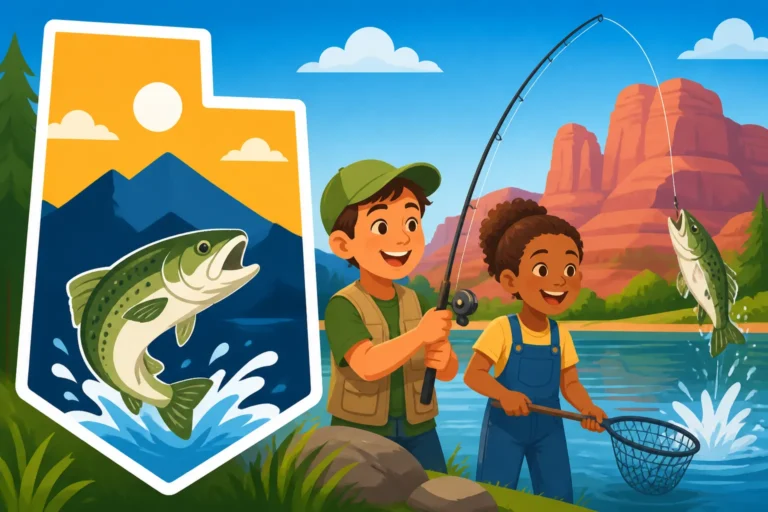
This is probably the most significant and most celebrated exemption, especially for families looking to introduce their kids to fishing at a local pond. In Utah, children under the age of 12 do not need a fishing license. This is fantastic news for parents and grandparents who want to take their little ones out for a fun afternoon without the added expense or hassle of purchasing a license for them. It's truly designed to encourage youth participation in outdoor activities.
So, if you're bringing your 8-year-old, 5-year-old, or even your 11-year-old to the pond, they can fish freely without a license. This applies to both resident and nonresident kids. However, once a child turns 12, the requirement kicks in, and they will need to obtain a youth fishing license. You can find more details on these age-specific rules in our guide on Utah Youth Fishing License Rules. It’s a good idea to mark your calendar as their 12th birthday approaches, so you're ready when it's time to get that first official license.
Remember, while the kids might not need a license, any accompanying adult who is 12 or older and actively fishing (holding a rod, casting, helping set bait, etc.) will still need their own valid license. You can't just say "I'm helping my kid" as an excuse if you're actually participating in the act of fishing and are over 12.
Special Fishing Events and Free Fishing Day
Utah offers a fantastic opportunity each year known as Free Fishing Day, which is a designated day when anyone can fish in most public waters across the state without needing a license. This includes community ponds! It's an incredible chance for families, beginners, or even seasoned anglers who just want to enjoy a stress-free day on the water without worrying about license requirements. The specific date changes each year but typically falls in early June.
On this special day, all other fishing regulations, such as daily bag and possession limits, and species-specific rules, still apply. The only thing waived is the license requirement. It’s always a good idea to check the DWR website for the exact date and any specific rules for Utah Free Fishing Day for the current year. Many community ponds host special events on this day, offering clinics and loaner gear, making it an ideal time to visit.
Beyond the statewide Free Fishing Day, some community ponds or local organizations might host their own special fishing events, often targeting youth or specific community groups, where license requirements might be temporarily waived or covered. These events are usually advertised locally and are great opportunities to engage with fishing. Always verify the specific rules for any such event before you go, just to be sure.
Private Property Considerations
While the focus here is on community ponds, which are generally public, it's worth briefly touching on private waters. If you are fishing in a truly private pond that is completely enclosed within private property and stocked solely by the landowner, and there is no public access to the pond itself or the fish within it, you typically do not need a state fishing license. This is because the water body is not considered public.
However, many "private" ponds are actually stocked by the DWR or have waterways connected to public systems. The key is true private ownership with no public access and no connection to public fisheries. Most community ponds, even if managed by a local municipality, are publicly accessible and often stocked by the DWR, which puts them under the state's licensing requirements. Always err on the side of caution and assume a license is required unless you have explicit confirmation otherwise for a genuinely private, isolated water body.
Getting Your Utah Fishing License: What You Need to Know
Okay, so you've determined you (or an older child) need a license for that community pond. Getting one in Utah is pretty straightforward these days, with several convenient options available. Don't let the process intimidate you; it's easier than ever to get legal and hit the water.
Where to Purchase Your License
The Utah DWR has made purchasing a fishing license accessible to everyone, no matter where you are in the state or what your schedule looks like. The most convenient way for many people is to buy a Utah fishing license online. You can do this from the comfort of your home, any time of day or night. The DWR's licensing system is user-friendly, and once purchased, you can often print a temporary license immediately or save a digital copy to your phone. This digital option is a game-changer, eliminating the worry of a lost paper license. Our detailed guide on the Utah Fishing License Online Purchase Process walks you through every step.
If you prefer a more traditional approach, or if you need to speak with someone in person about specific regulations, you can also purchase a license at any DWR office throughout the state. These offices are staffed with knowledgeable personnel who can answer your questions and help you select the right license. Additionally, many sporting goods stores, bait shops, and even some convenience stores across Utah are authorized license agents. Places like Sportsman's Warehouse or even smaller local shops often carry licenses, making it easy to grab one along with your bait and tackle.
Regardless of where you purchase your license, you'll need to provide some basic personal information, including your name, address, and date of birth. For Utah residents, proof of residency (like a driver's license) may be required to qualify for resident pricing.
Choosing the Right License for Your Needs
Utah offers a variety of fishing licenses to suit different needs, from a full year of angling to short-term options perfect for a vacation or a spur-of-the-moment trip to a community pond.
Here’s a breakdown of common options:
| License Type | Description | Ideal For |
|---|---|---|
| Annual Fishing License | Valid for 365 days from the date of purchase. This is the most common license for regular anglers. | Dedicated anglers, frequent visitors to community ponds, those fishing year-round. |
| Combination License | Includes both fishing and hunting privileges for one year. Often a cost-effective choice if you enjoy both activities. | Anglers who also hunt, providing convenience and potential savings. |
| 3-Day Fishing License | A short-term license valid for three consecutive days. | Tourists, weekend trips, testing the waters before committing to an annual license. |
| 7-Day Fishing License | Similar to the 3-day, but valid for seven consecutive days. | Longer vacations, extended trips, or more serious short-term angling. |
| Youth Fishing License | Required for anglers aged 12-17. Available as annual or combination. | Teenagers who are getting into fishing. |
| Senior Fishing License | Discounted annual licenses for Utah residents aged 65 and older. | Older Utah residents who enjoy fishing regularly. |
For a quick trip to a community pond, especially if you're not sure how often you'll go, a 3-day or 7-day option might be appealing. However, if you find yourself drawn to the water frequently, the annual license often provides the best value. You can explore the full range of options and their current pricing in our detailed article on Utah Fishing License Costs by Age and Residency. If you're considering hunting as well, don't overlook the Utah Combination Hunting and Fishing License as a smart economic choice.
Beyond the License: Other Important Community Pond Rules
Getting your license is a crucial first step, but being a responsible and successful angler involves understanding the full scope of regulations. Even in community ponds, there are other rules that are just as important as the license itself.
Catch Limits and Species-Specific Regulations
Just because you have a license or are under the age of 12 doesn't mean it's a free-for-all on the fish. Every body of water in Utah, including community ponds, has specific daily bag and possession limits. These limits dictate how many fish of a certain species you can keep per day and how many you can have in your possession. These rules are designed to maintain healthy fish populations and prevent overfishing, especially in heavily stocked and easily accessible waters like community ponds.
For example, a typical trout limit in many ponds might be 4 fish, but this can vary depending on the specific pond and current DWR management goals. Some ponds might have special regulations for other species, or even length restrictions. It's absolutely critical to consult the current Utah Fishing Guidebook before you head out. This guide is updated annually and is your definitive source for all regulations, including Utah Daily Bag and Possession Limits. You can usually pick up a free copy wherever licenses are sold, or find it online on the DWR website. Violating these limits can result in significant fines and penalties.
In some cases, you might encounter waters with "catch and release only" rules, or specific regulations on methods used to catch certain fish. While less common in general community ponds, it's always worth checking. Even if a pond is regularly stocked, adhering to these limits helps spread the opportunity among all anglers.
Bait and Tackle Restrictions
Most community ponds in Utah are fairly liberal when it comes to bait and tackle, allowing for a wide variety of fishing methods that are perfect for beginners and kids. This usually includes bait fishing with worms, PowerBait, corn, or even marshmallows, as well as using artificial lures like spinners and jigs. If you're looking for basic gear for the kids, you can often find affordable starter kits that include a simple rod, reel, and a basic tackle box on platforms like Amazon, making it easy to get started.
However, there can be exceptions. Some specific ponds or sections of waterways might have "artificial flies and lures only" rules, or restrictions on using live baitfish to prevent the introduction of invasive species. It's less common for a general community pond, but always double-check the current regulations in the DWR Fishing Guidebook for the specific water you plan to visit. Understanding these rules is part of being a knowledgeable angler and prevents any accidental violations.
Another important rule to be aware of, especially if you're using live bait, pertains to the transport and use of live fish. You generally cannot transport live fish from one water body to another in Utah, as this is a major pathway for spreading disease and invasive species. Stick to purchasing bait from reputable local sources or using non-fish live baits like worms.
Aquatic Invasive Species Awareness
While not directly tied to licenses or catch limits, understanding and preventing the spread of aquatic invasive species (AIS) is a critical responsibility for every angler in Utah, especially when visiting various community ponds and reservoirs. Species like quagga and zebra mussels pose a significant threat to Utah's waterways, ecosystem, and infrastructure.
When you move your boat, kayak, paddleboard, or even just your fishing gear (waders, buckets, nets) from one body of water to another, you could unknowingly transport these microscopic invaders. The DWR has strict "Clean, Drain, Dry" protocols that all boaters and anglers should follow. This means cleaning all mud, weeds, and debris from your gear and vessel, draining all water from your boat and equipment (live wells, bilge, motor), and thoroughly drying everything before launching into a new water body.
For boaters, there are specific Utah Aquatic Invasive Species Inspection Stations and rules, especially when leaving infected waters like Lake Powell. Even if you're just shore fishing at community ponds, taking a moment to inspect and clean your waders and gear after each trip is a simple but vital step to protect Utah's precious aquatic environments. It’s a collective effort, and your participation truly makes a difference in safeguarding our fishing future.
Disclaimer
The information provided in this guide is for general informational purposes only and is subject to change. While we strive to provide accurate and up-to-date information, fishing regulations in Utah can be complex and may be updated by the Utah Division of Wildlife Resources (DWR) at any time. It is solely the responsibility of the angler to know and comply with all current Utah fishing laws and regulations before engaging in any fishing activity. Always consult the most recent official Utah Fishing Guidebook published by the DWR or contact a DWR office directly for the most accurate and current rules.