Do You Need a Different License for Ice Fishing in Utah?
Let's face it, navigating the world of fishing regulations can feel like trying to untangle a hundred-pound snarl of monofilament line. You've got your heart set on hitting the hard water, perhaps for some prime winter trout or to try your luck with perch, but a nagging question pops up: do you need a different license for ice fishing in Utah? It's a perfectly valid concern, and one that often causes anglers to pause before drilling that first hole. This guide is here to clear up that confusion once and for all, ensuring you can focus on the fishing, not the bureaucracy.
Understanding Utah's General Fishing License Requirements
Before we even get to the specifics of ice fishing, it’s crucial to understand the fundamental rules of who needs a fishing license in the Beehive State. It's a cornerstone of responsible angling, and frankly, it keeps the lights on for our fisheries management programs, which means better fishing for all of us.
Who Needs a License to Fish in Utah?
This is where a lot of the initial questions come in, and it's understandable. You don't want to get out on the water, spend a wonderful day, and then find yourself in hot water with a DWR officer because you missed a small detail. Generally speaking, anyone 12 years old and older needs a valid Utah fishing license to angle in public waters. This isn't just a suggestion; it's a legal requirement. Think of it as your admission ticket to some of the most beautiful and productive waters in the West.
Residency status also plays a big role in the cost and type of license you'll purchase. If you've been a continuous resident of Utah for at least six months immediately before buying your license, you'll qualify for the significantly cheaper resident rates. Otherwise, you'll be looking at nonresident prices. There are specific rules for military personnel and out-of-state college students, so it's always worth checking the Utah Division of Wildlife Resources (DWR) website if your situation is unique. Children under 12 years of age are generally exempt from needing a license, which is fantastic for introducing the next generation to the joys of angling without an extra financial hurdle. However, even for the little ones, it's vital to ensure they're accompanied by a licensed adult if they're fishing in waters where regulations apply. For a deeper dive into all the nuances, check out our comprehensive guide on the Utah Fishing License Guide.
Types of Utah Fishing Licenses Available
Utah offers a variety of fishing licenses designed to fit different angling needs, from the casual weekend warrior to the hardcore, year-round enthusiast. Understanding these options is key to picking the right one, regardless of whether you're planning to fish open water or through the ice.
The most common and popular choice is the annual fishing license. This license is valid for a full 365 days from the date of purchase, not just for the calendar year. It's often the most cost-effective option if you plan to fish more than a handful of times throughout the year. For instance, if you buy it in June, it’s good until June of the following year. This flexibility is a huge convenience for many anglers, allowing them to participate in spring runoff river fishing, summer reservoir trolling, and then transition seamlessly into fall and winter ice fishing without a second thought. For a complete breakdown of what you might pay, including costs for various age groups and residency, take a look at our Utah Fishing License Costs by Age and Residency.
Beyond the annual option, Utah also provides short-term licenses, such as 3-day and 7-day permits. These are perfect for those who are just visiting Utah for a quick fishing trip, or local anglers who only hit the water a couple of times a year. While they offer flexibility, the per-day cost is higher than an annual license if you extrapolate it. If you're planning a week-long ice fishing excursion to a place like Strawberry Reservoir or Flaming Gorge, a 7-day license might be ideal. It covers your entire trip, and then you don't have to worry about maintaining a year-long license you won't fully utilize. These short-term licenses cover all general fishing activities, just like the annual ones, for the duration they are active.
Finally, there's the combination hunting and fishing license. For those of us who enjoy both pursuits, this is often a fantastic deal, offering savings compared to purchasing two separate annual licenses. If you’re like me and love chasing pheasants in the fall just as much as you enjoy jigging for trout in the winter, this combined license is a no-brainer. All these license types fundamentally cover the act of "fishing" in Utah, irrespective of the season or method, which brings us to our main point about ice fishing. These options are all clearly laid out when you go to purchase your license, whether through the DWR website or a local vendor. Knowing these upfront can save you a lot of grief and ensure you have the right credentials for your outdoor adventures.
Does Ice Fishing Require a Special License in Utah?
This is the big question, the one that often brings anglers here, scratching their heads and wondering if their trusty annual license covers them for a completely different kind of angling experience. The good news is, it's much simpler than you might expect.
The Straightforward Answer: No Separate License Needed
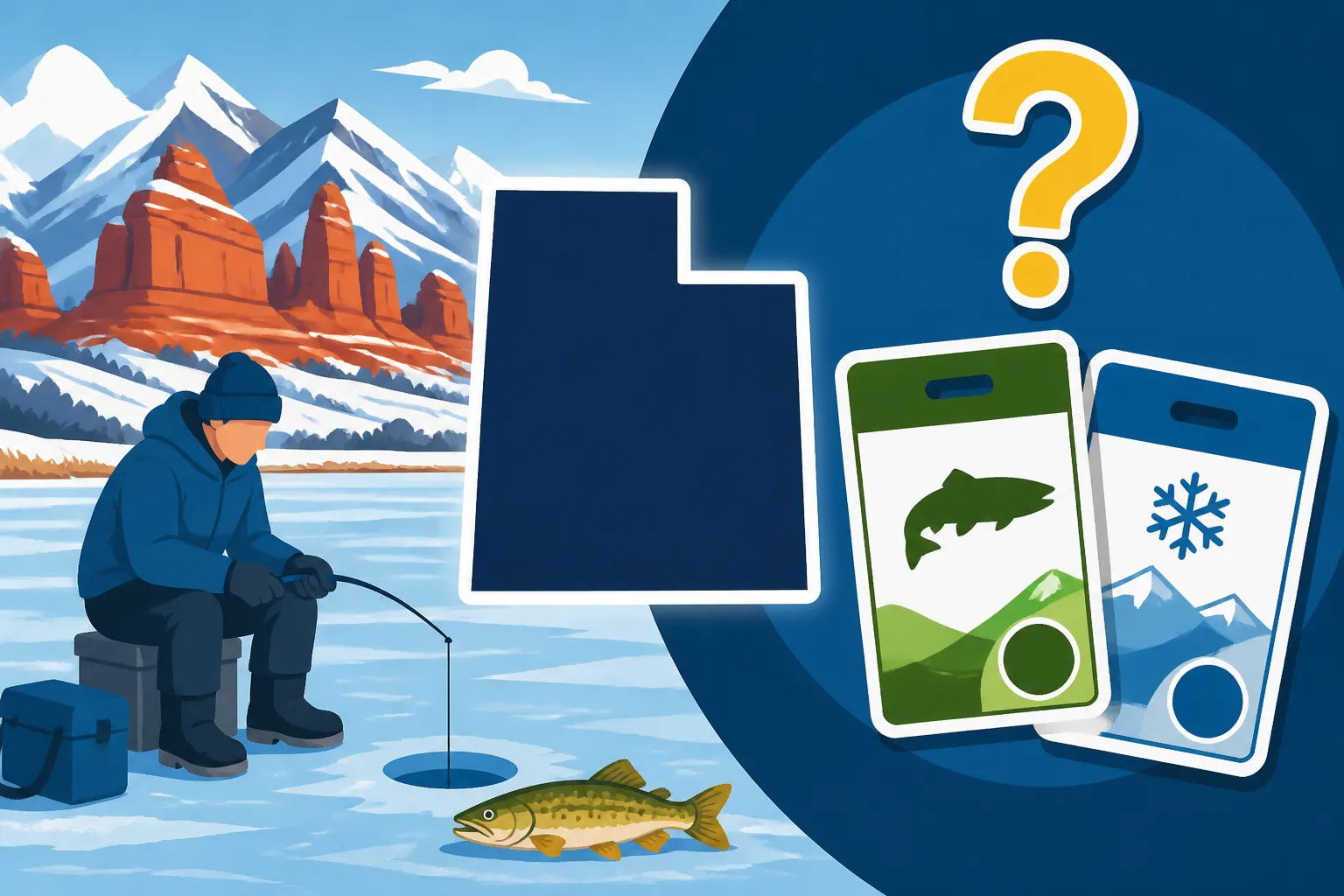
Let's cut right to the chase because it's a common point of anxiety for many. No, you absolutely do not need a different or special license for ice fishing in Utah. This is a relief for many, as it means less red tape and more time on the ice. Your standard annual fishing license, or even a short-term license like a 3-day or 7-day permit, covers all legal ice fishing activities. It's all just "fishing" in the eyes of the Utah DWR, whether you're casting a fly into a river in July or dropping a jig through an ice hole in January.
This can be a point of confusion because ice fishing feels so distinct from open-water fishing. You’re often in different attire, using specialized gear, and fishing in an entirely different environment. It's natural to wonder if these differences extend to the licensing requirements. However, the intent of the license is to regulate the harvest of fish and fund conservation efforts, not to micromanage the specific method of angling. So, breathe easy! If you have a valid Utah fishing license, you're good to go when the lakes freeze over. This simplifies things greatly and allows for a seamless transition between seasons for dedicated anglers.
What Your Standard License Covers for Ice Fishing
Since your regular fishing license is all you need, it naturally covers the full spectrum of legal ice fishing in Utah. This means you can target any legal fish species, within specified limits, on any public water that is open to ice fishing. Whether you're after rainbow trout, perch, kokanee salmon, or even the formidable lake trout through the ice, your standard license has you covered.
While the license itself doesn't change, it's important to remember that all other Utah Fishing Regulations Explained still apply when you're ice fishing. This includes statewide bag and possession limits, size restrictions, and species-specific rules for particular waters. For example, if you're fishing Strawberry Reservoir, the specific trout and kokanee limits for that body of water remain in effect, even if you're pulling them through an ice hole. Similarly, if you're trying your hand at the famous Bear Lake cisco run, you still need a valid license, and any specific regulations for that unique fishery must be followed. It’s not enough just to have the license; understanding the local nuances is critical.
Your license also covers the use of approved ice fishing gear. This would include everything from your ice auger, which you might have purchased from a major online retailer like Amazon, to your specialized ice fishing rods, reels, and tackle. The key is that the equipment and methods must be compliant with general Utah fishing rules. For instance, you still can't use illegal bait or methods just because you're on the ice. The DWR views ice fishing as another valid method of angling, and as such, it falls under the umbrella of your general fishing license. This overarching coverage makes it easy for anglers to enjoy the diverse fishing opportunities Utah provides year-round.
Important Regulations and Considerations for Utah Ice Anglers
While the licensing aspect of ice fishing in Utah is straightforward, the actual act of ice fishing comes with its own set of rules and safety considerations. These aren't tied to the license itself, but they are absolutely critical for a safe, successful, and legal trip to the hard water.
Equipment and Hole Limits on the Ice
When you venture out onto the ice, it’s not just a free-for-all. Utah has specific regulations regarding the equipment you can use and the number of lines you can fish simultaneously. This is where the depth of your knowledge, beyond just your license, really comes into play. Most anglers are permitted to fish with up to two fishing poles or handlines while ice fishing. This is a pretty standard rule across many states and is designed to ensure fair chase and prevent excessive harvesting. It means you can have a couple of different setups going, maybe one for dead-sticking bait and another for actively jigging. For those curious about the specifics, our article, "How Many Ice Fishing Rods Can You Use at Once in Utah?", provides a detailed breakdown.
Beyond your rods, the holes you drill are also subject to rules. While there isn't a strict limit on the number of holes you can drill as an individual, common sense and safety should always prevail. You don't want to turn the ice into swiss cheese, especially in high-traffic areas. The DWR also prohibits leaving unattended fishing holes without a device (like a tip-up or a rod in a holder) present to indicate it's an active fishing spot. This is partly for safety and partly to prevent others from using your hole. Remember, responsible ice fishing involves being mindful of others and the environment. Making sure your auger, whether it's a trusty gas-powered model or a modern electric one you found on Amazon, is in good working order is key to a smooth start to your day.
Ice Safety, Shelters, and Leaving the Ice
Ice safety is paramount. There's nothing more important than ensuring the ice you're fishing on is thick enough to support you, your gear, and any companions. While not a license regulation, knowing about ice safety is crucial for any ice angler. A general rule of thumb is at least 4 inches of clear, solid ice for individual foot travel, and more for groups, snowmobiles, or ATVs. Always check local conditions and exercise extreme caution, especially early and late in the season. Rivers and areas with currents can have dangerously thin ice, even when large parts of the lake seem solid.
When it comes to shelters, often called ice shanties or huts, Utah has clear guidelines. You can use portable or temporary shelters, and many anglers enjoy the warmth and comfort they provide, especially on windy days. However, there are rules about how long these structures can remain on the ice. Generally, permanent shelters must be removed by a specific date, often when ice conditions begin to deteriorate in the spring. This prevents hazards for boaters and maintains the aesthetic of the lakes. Make sure to consult the current Utah Ice Fishing Regulations for specific dates in your area. Our dedicated piece on "How Long Can an Ice Shanty Stay on Utah Ice?" offers detailed information on this topic. It’s also important to pack out everything you pack in, leaving no trash or debris on the ice. This includes any dead bait or fish remains, which should be disposed of properly off the ice.
Species-Specific Ice Fishing Regulations
As mentioned, even though your license covers ice fishing generally, specific regulations for fish species and particular waters remain in full effect. This is where understanding your target species and chosen location becomes critical. For example, if you're at Fish Lake chasing Splake and Rainbow Trout, you'll need to know the daily bag and possession limits for those specific species at that specific lake. These limits are designed to maintain healthy fish populations and ensure sustainable angling for years to come.
Many of Utah's Blue Ribbon Fisheries, like portions of the Provo River, might be catch-and-release only for certain species, or have very specific size slots. While these are less common for ice fishing, it's always worth checking the DWR proclamation. Waters like Strawberry Reservoir and Flaming Gorge also have very specific regulations, including special limits for popular species like cutthroat trout, rainbow trout, and kokanee salmon. Anglers seeking these species should review the "Strawberry Reservoir Trout and Kokanee Limit" or similar guides for their chosen destination. It’s not uncommon to find different regulations for different species even on the same body of water, so always consult the latest Utah Fishing Guidebook before heading out. This ensures you're fishing legally and contributing to the conservation efforts that make Utah fishing so incredible.
| License Type | Validity Period | Covers Ice Fishing | Best For | Typical Cost Range (Resident) |
|---|---|---|---|---|
| Annual Fishing License | 365 days from purchase | Yes | Frequent anglers, year-round fishing | ~$34 |
| 3-Day Fishing License | 3 consecutive days | Yes | Short trips, testing the waters | ~$20 |
| 7-Day Fishing License | 7 consecutive days | Yes | Week-long vacations, extended trips | ~$25 |
| Combination Hunting & Fishing | 365 days from purchase | Yes | Anglers who also hunt, cost-effective | ~$38 |
| Youth Fishing License (14-17) | 365 days from purchase | Yes | Teenagers new to fishing | ~$16 |
Note: Costs are approximate and subject to change by the Utah DWR. Always check the official DWR website for the most current pricing and regulations.
Where to Obtain Your Utah Fishing License for Ice Fishing
Getting your Utah fishing license is often the easiest part of preparing for your trip, even if you’re heading out to the remote hard water. The DWR has made the process incredibly accessible, whether you prefer the convenience of online shopping or the personal touch of a local vendor.
Online Purchase Process
In today's digital age, buying your fishing license online is by far the most convenient method for most people. The Utah DWR website offers a streamlined and user-friendly portal where you can purchase your license from the comfort of your home, office, or even from your phone while you're packing your gear. This is particularly handy when you decide last-minute to hit the ice. You just need to create an account, provide some basic personal information, select the license type that suits you best, and make your payment. Within minutes, you'll have a digital copy of your license that you can print or store on your smartphone. The DWR system is designed to be intuitive, walking you through each step. Our detailed guide, "Utah Fishing License Online Purchase Process," can walk you through the process, ensuring you don't miss a beat.
One of the great advantages of purchasing online is that you can often do it even when local shops are closed. Imagine it's Sunday evening, and you decide you want to go ice fishing first thing Monday morning. No problem! Hop online, buy your license, and you're all set. The system allows you to easily manage your license, print duplicates if needed, and even view your harvest reports. It's truly a modern convenience that takes a lot of the hassle out of preparing for your outdoor adventures. Just make sure your printer is working or that you can access the digital copy easily on your phone – a dead battery is no excuse if a DWR officer asks to see your license! You can even use the Utah Hunting and Fishing App Features to store and display your license digitally, which is incredibly convenient.
In-Person and Other Options
For those who prefer a more traditional approach, or simply enjoy chatting with local experts, there are plenty of options to purchase your Utah fishing license in person. The DWR maintains a network of license agents throughout the state. These agents are typically local sporting goods stores, general stores, and some county government offices. This is often a great way to also pick up some last-minute bait or tackle, maybe even discover a new ice fishing jig you saw advertised on Amazon, and get some local tips on current conditions from the shop owner.
When purchasing in person, you'll usually need to provide a form of identification, especially if you're claiming Utah residency. The staff at these locations are often very knowledgeable about the various license options and can help ensure you select the correct one for your needs. For a list of specific locations near you, you can consult the DWR website or our article on "Where to Buy a Utah Fishing License in Person." It’s always a good idea to check their operating hours before you go, especially if you're planning an early morning trip to the ice. Whether you prefer the click of a mouse or the friendly face of a local vendor, securing your Utah fishing license is a straightforward process, ensuring you can legally enjoy all the fantastic ice fishing opportunities Utah has to offer.
Disclaimer
Please remember that fishing regulations, including license requirements and bag limits, can change. While this guide provides current and accurate information based on available data, it is always your responsibility as an angler to consult the official Utah Division of Wildlife Resources (DWR) fishing guidebooks and proclamations before heading out. These resources provide the most up-to-date and legally binding information. Fishing safely and legally ensures the continued health of Utah's fisheries for everyone.