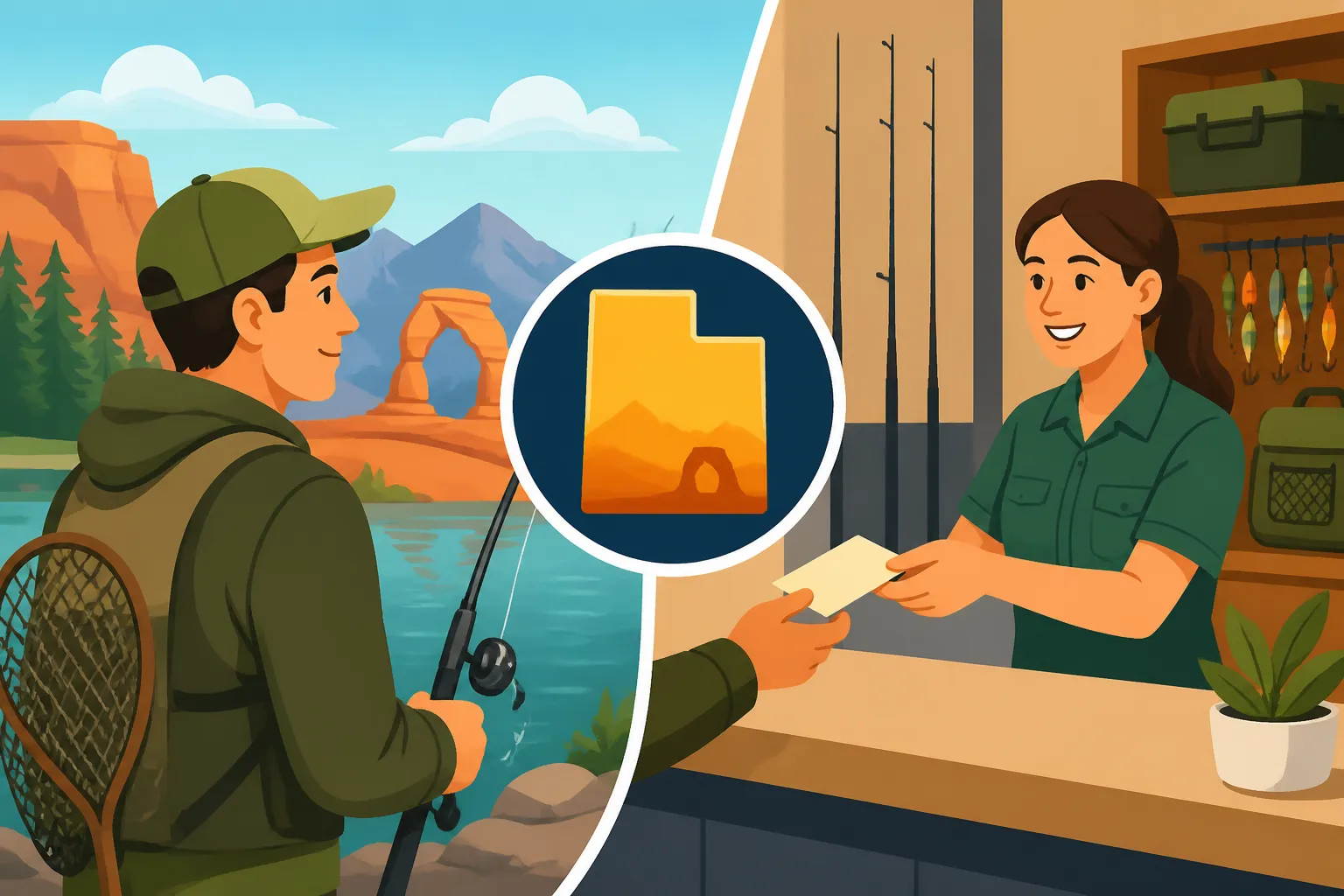
Where to Buy a Utah Fishing License in Person
Feeling a bit lost trying to figure out exactly where to snag your Utah fishing license in person? It can sometimes feel like a bit of a treasure hunt, especially when you're itching to get your line in the water and avoid any last-minute delays. Don't worry, you're not alone! This guide is designed to clear up all that confusion and point you directly to all the reliable physical spots where you can purchase your Utah fishing license, making your next outdoor adventure a smooth start.
Utah Division of Wildlife Resources Offices: Your Official Stop
When it comes to anything related to fishing and hunting regulations in Utah, the Division of Wildlife Resources (DWR) offices are always your most authoritative and comprehensive resource. These are the folks who set the rules, manage the fish, and ultimately issue your license. Visiting a DWR office in person is a fantastic option if you have questions, need clarification on specific regulations, or simply prefer to deal directly with the source.
Locating a DWR Office Near You
Finding a DWR office is pretty straightforward. Your best bet is to visit the official Utah DWR website and look for their "Contact Us" or "Regional Offices" section. They have offices strategically located across the state to serve different regions. For example, you'll find prominent DWR offices in major cities like Salt Lake City, Ogden, Springville (serving the central region), Price (eastern), Cedar City (southern), and Vernal (northeastern). A quick search online for "Utah DWR office near me" will usually bring up the closest options and their operating hours.
When you step into a DWR office, you'll typically be greeted by knowledgeable staff who are often anglers themselves. They can help you navigate the various license options, confirm residency requirements, and answer any complex questions you might have about specific waters or species. It’s not just a transaction; it's an opportunity to connect with wildlife professionals who are passionate about Utah's outdoors. While you might encounter a small wait during peak seasons, the efficiency and expertise usually make it a worthwhile visit, especially if you're a new angler or have unique circumstances.
Services Beyond Licenses at DWR Offices
While getting your fishing license is probably your primary reason for visiting, DWR offices offer a host of other valuable services. You can often pick up free copies of the current Utah Fishing Regulations Explained, which is invaluable for understanding bag limits, season dates, and special restrictions on specific waters. They also have information on aquatic invasive species prevention, hunting permits, and various conservation programs.
Beyond printed materials, the staff can guide you through the process of obtaining a Utah Combination Hunting and Fishing License if you're an avid outdoors person, or help you understand specific exemptions and discounts, such as for seniors or disabled veterans. It's truly a one-stop shop for official information and permits. This direct interaction can be incredibly reassuring, giving you confidence that you're fully compliant with all state requirements before you hit the water. They're also the place to go if you have more advanced questions, like Utah Fishing Guide License Requirements if you're thinking about turning your passion into a profession.
Retail Havens: Sporting Goods and Local Tackle Shops
For many anglers, the most common and convenient places to buy a Utah fishing license in person are various retail stores. These locations are often more plentiful, have longer operating hours, and you can usually combine your license purchase with picking up any last-minute gear or bait you might need.
Big Box Stores: Convenient and Widespread
Major sporting goods retailers and even some large chain stores are typically authorized to sell Utah fishing licenses. Think of places like Sportsman's Warehouse, Cabela's (which is part of Bass Pro Shops), and even Walmart. These stores are incredibly convenient because they're widespread throughout Utah, from Logan down to St. George. They usually have dedicated customer service counters or sporting goods departments where you can purchase your license.
The process at these big box stores is generally quick and efficient. You'll go to the designated counter, provide your identification, fill out any necessary forms, and pay. The staff might not be DWR experts, but they are trained in the license sales system. One of the huge advantages here is that you can often buy your license well into the evening or on weekends, fitting easily into a busy schedule. While many anglers stock up on their favorite lures, reels, and even fishing poles on platforms like Amazon with a few clicks, purchasing an actual fishing license still requires a trip to a designated vendor or using the official online portal – and these retail giants make that in-person stop a breeze.
The Charm of Local Bait and Tackle Shops
While the big chains offer convenience, there's a special charm and unique value in purchasing your fishing license from a local bait and tackle shop. These smaller, often family-owned businesses are the heart and soul of the local fishing community. Shops like Sportsman's Corner in Pleasant Grove, Fish Tech Outfitters in Salt Lake City, or Angler's Den in Logan are prime examples of these invaluable resources. They often carry specific local baits, tackle, and flies that are proven performers on nearby waters.
Beyond the gear, the owners and staff at these shops are usually seasoned local anglers themselves. Unlike the vast, sometimes impersonal selection you might browse on a platform like Amazon, these smaller stores offer tailored advice on everything from current water conditions to the hot spots for Strawberry Reservoir Trout and Kokanee Limit or which flies are working best on the Provo River. Purchasing your license here not only gets you squared away legally but also supports a local business and gives you access to a wealth of real-time, localized fishing intelligence. Just be aware that their hours might be a bit more limited than a 24-hour superstore.
Unexpected License Vendors
Sometimes, you might be surprised to find that a small convenience store, gas station, or even a local hardware store in a more rural area is an authorized vendor for Utah fishing licenses. These locations are particularly handy if you're already on your way to a remote fishing spot and suddenly realize you forgot to pick up your license. They often have a small sign indicating that they sell fishing and hunting licenses.
It's less common in metropolitan areas, but as you head out to smaller towns near popular fishing destinations, keep an eye out. A quick call ahead to a local store you plan to stop at for gas or snacks can save you a lot of backtracking. The staff might not be able to offer detailed fishing advice, but they can certainly process your license quickly, getting you one step closer to casting your line.
Preparing for Your In-Person License Purchase
Before you head out the door to buy your Utah fishing license, it’s a good idea to gather a few things to ensure the process is as smooth and quick as possible. Having the right documents and knowing what to expect will save you time and prevent any potential headaches.
Essential Documents and Proof of Residency
This is perhaps the most critical step. To purchase any Utah fishing license, you'll need a valid form of identification. For most residents, this means a current Utah driver's license or a state-issued ID card. If your ID is relatively new or doesn't clearly establish residency (for instance, if you've just moved to the state), you might want to bring an additional document that proves you've lived in Utah for the required six consecutive months immediately prior to purchasing a resident license. This could be a utility bill, a lease agreement, or a vehicle registration. Always check the DWR website or call ahead if you're unsure about Utah Fishing License Residency Proof Requirements.
For non-residents, a valid driver's license or state ID from your home state is usually sufficient. Remember that fees for non-resident licenses are generally higher. Special categories of anglers, such as disabled veterans, seniors, or active military personnel, will need to bring specific documentation to qualify for discounted or exempt licenses. For example, a veteran with a service-connected disability would need documentation from the Department of Veterans Affairs. This preparation ensures you get the correct license type and avoid paying more than necessary.
Understanding Payment Options and Fees
Most DWR offices and retail vendors accept various forms of payment, including cash, debit cards, and major credit cards (Visa, Mastercard, Discover, American Express). It’s always a good practice to have a couple of options available, just in case one doesn't work for some reason.
Be aware that when purchasing a license, especially with a credit or debit card, there might be a small processing fee. This fee is typically nominal, but it’s something to factor into the overall cost. For instance, you can review the details on any potential Utah Fishing License Processing Fee for Credit Cards on the DWR website. While the sticker price for a license is set, these small additional fees can sometimes be a surprise if you're not expecting them. Don't forget, if you're looking into something like a Utah Hunting and Fishing Combination License Cost, it will naturally be a higher overall price, but often a better value than buying two separate licenses.
Choosing the Right License for Your Trip
Utah offers several different types of fishing licenses, and choosing the right one depends on how long you plan to fish and your age. The most common options include an annual license, a 3-day license, or a 7-day license. For residents, there are specific categories for different age groups, such as youth, adult, and senior. For example, you can find detailed breakdowns on Utah Fishing License Costs by Age and Residency or learn about Utah 3-Day and 7-Day Fishing License Options.
If you're just visiting Utah for a short vacation, a 3-day or 7-day non-resident license might be perfect. If you live in Utah and fish regularly, the annual license is almost always the most economical choice. Don't forget to consider who else might be fishing with you. While kids under 12 typically don't need a license, teens from 12 to 17 do, under Utah Youth Fishing License Rules. Understanding these options before you arrive at the counter will make the purchasing process much faster and ensure you get exactly what you need. It’s important to remember that these licenses are typically valid from the date of purchase until December 31st of that year for annual licenses, or for the specified consecutive days for short-term options, so understanding How Long Does a Utah Fishing License Last? is key.
Why Buy In-Person? Weighing the Pros and Cons
In an age where almost everything can be done online, you might wonder why anyone would bother going in person to buy a fishing license. While online purchasing certainly has its advantages, there are definite benefits to a face-to-face transaction, along with a few drawbacks to consider.
The Advantages of a Face-to-Face Transaction
One of the biggest perks of buying your license in person is the immediate gratification. You walk in, complete the process, and walk out with your physical license in hand. There's no waiting for an email confirmation, no dealing with printer issues if you need a hard copy, and no worrying about whether the transaction went through. For those who aren't particularly tech-savvy or prefer tangible documents, this is a significant plus.
Furthermore, purchasing in person allows you to ask questions directly. If you're unsure about a specific regulation, need clarification on youth license requirements, or want to know if a particular discount applies to you, you can get real-time answers from a person, rather than sifting through websites or FAQs. This direct interaction can be incredibly helpful for new anglers or those navigating complex rules. Plus, at local shops, you often get that invaluable local fishing report alongside your purchase. For a comprehensive overview, you can always check out the main Utah Fishing License Guide.
When Online Might Be the Easier Path
While the in-person experience is great, it's fair to say that it comes with a few potential drawbacks, especially for those who prioritize speed and convenience. The most obvious is the time commitment. You have to travel to a physical location, potentially wait in line, and adhere to the store's or office's operating hours. If you're planning a spur-of-the-moment fishing trip at 10 PM, an in-person purchase simply isn't an option.
This is where the Utah Fishing License Online Purchase Process truly shines. You can buy your license 24/7 from the comfort of your home, print it out instantly, or even store a digital copy on your phone. This digital flexibility is incredibly appealing for many modern anglers. Also, if you need to renew your license, doing it online is often the fastest way, as detailed in our Utah Fishing License Renewal Guide. Ultimately, the "best" way to buy your license often boils down to personal preference and your immediate needs.
Here's a quick comparison to help you decide:
| Feature | In-Person Purchase | Online Purchase |
|---|---|---|
| Convenience | Requires travel, adheres to business hours | 24/7 access from anywhere |
| Instant Access | Physical license immediately in hand | Digital license immediately available (print/phone) |
| Information & Support | Direct interaction, personalized advice | Website FAQs, helpdesks (less immediate interaction) |
| Payment Options | Cash, card (potential small fee) | Card (potential small fee) |
| Documents Needed | Physical ID, proof of residency (if applicable) | Digital copies/information for verification |
| Time Savings | Can involve travel and wait times | Generally faster, no travel time |
| Local Support | Supports local bait shops/DWR offices | Supports DWR system |
Disclaimer
The information provided in this guide is for general informational purposes only and is subject to change. While we strive to keep our content up-to-date and accurate, fishing regulations and license requirements in Utah can be modified by the Utah Division of Wildlife Resources. It is always the angler's responsibility to check the most current official Utah DWR regulations before fishing.